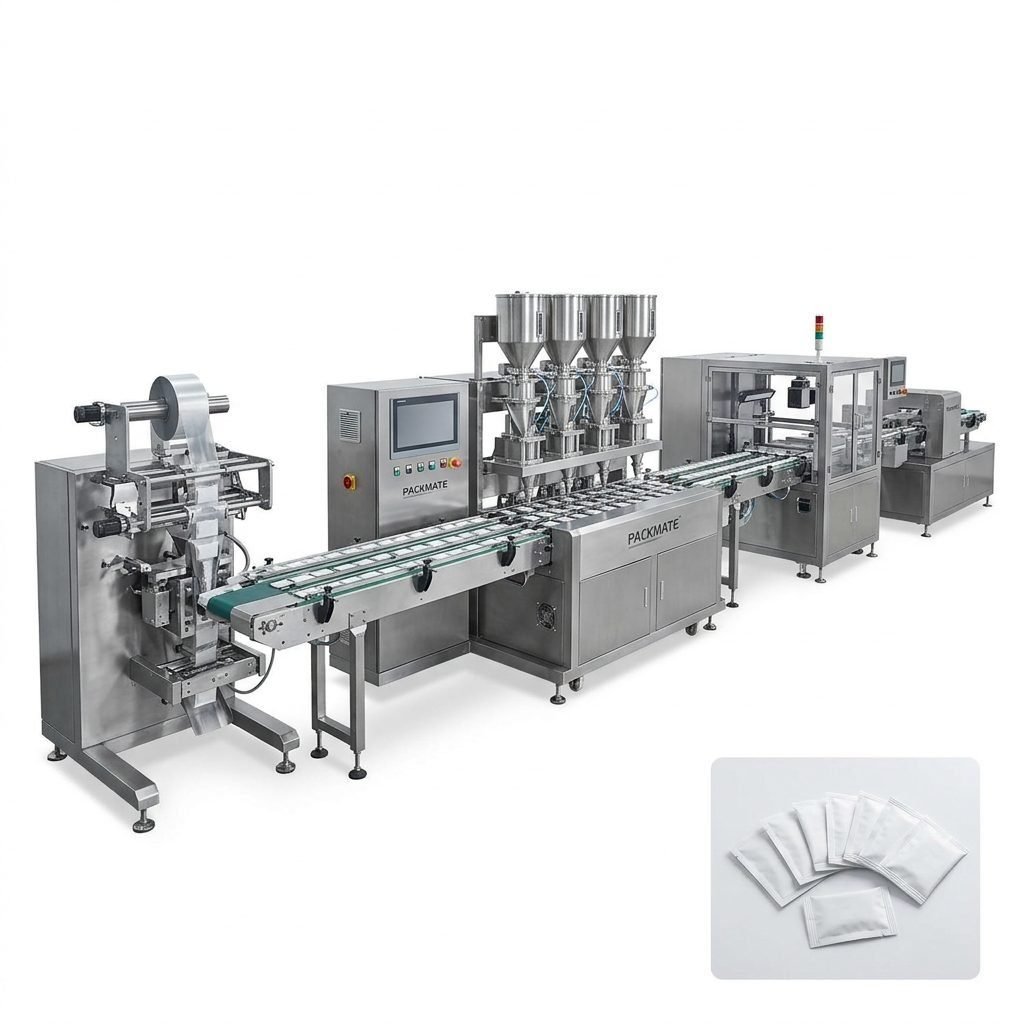
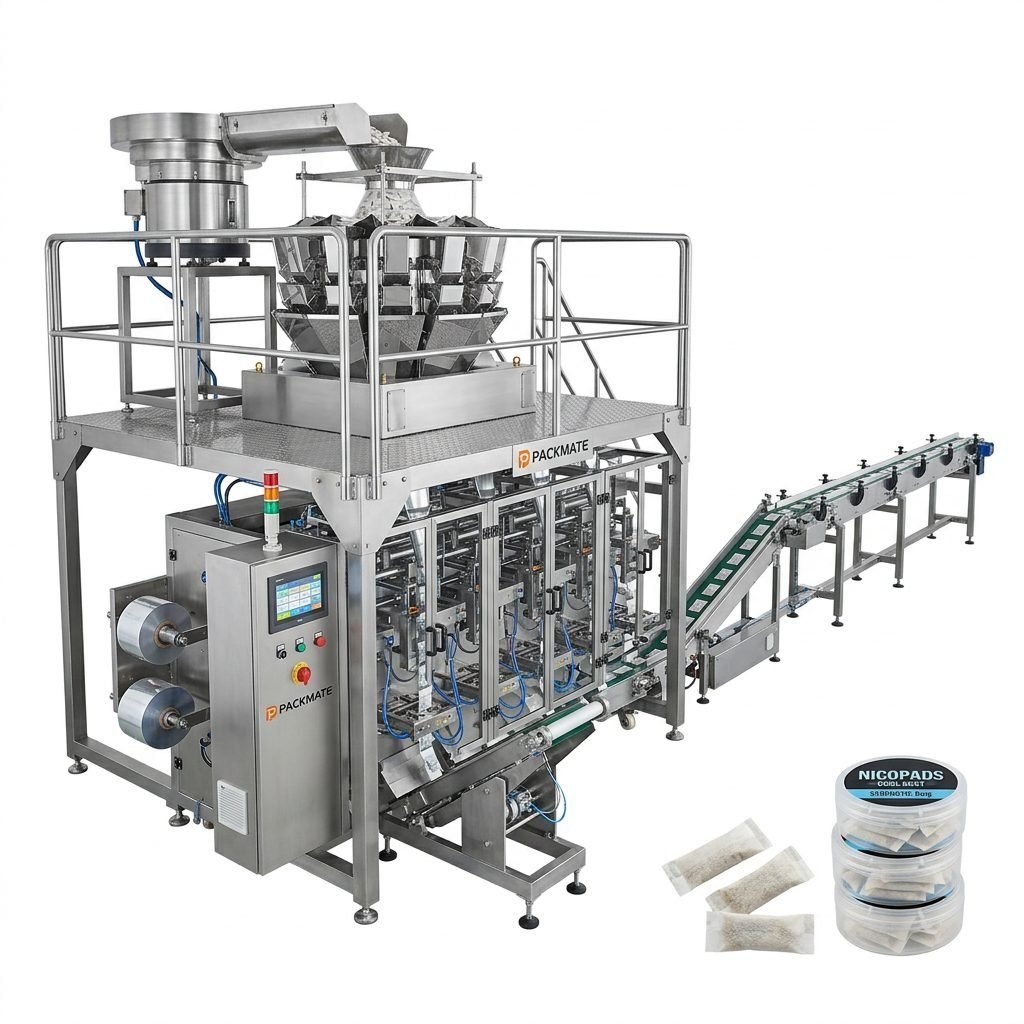
Choosing the right nicotine packaging machinery manufacturer for your Tanzania business is a strategic decision that affects product quality, regulatory compliance, production efficiency, and long-term profitability. This guide walks you through technical, commercial, and cultural factors to evaluate manufacturers — with practical tips tailored to the Tanzanian market, from logistics at Dar es Salaam port to local business etiquette. Whether you plan to produce nicotine pouches, snus, or other pouch-based products, learn how to select a partner that offers robust machines, reliable service, and clear pathways for installation and regulatory alignment.
Why the Manufacturer Choice Matters 🇹🇿
A packaging machine is not just a purchase — it is the backbone of your production line. The right manufacturer ensures consistent pouch formation, accurate filling, minimal downtime, and compliance with global quality standards. In Tanzania, where market access, customs procedures, storage conditions, and consumer price sensitivity all play a role, a reliable supplier can save you significant time and money while helping you avoid costly compliance and logistics pitfalls.
Key business impacts
• Production stability: Machines with higher uptime deliver predictable output and reduce labor cost per unit.
• Product quality: Accurate dosing and seal integrity preserve nicotine content and shelf life — essential in humid tropical climates.
• Regulatory alignment: A manufacturer familiar with international certifications (CE, ISO) and export documentation helps you clear shipments and meet safety expectations.
Technical Criteria: What to Inspect 🛠️
When comparing manufacturers, focus on machine performance metrics, construction quality, and adaptability to your product specifications. Below are practical technical checkpoints:
⚙️ Filling accuracy and speed: Verify dosing tolerance at target speeds — small-dose nicotine pouches require precision.
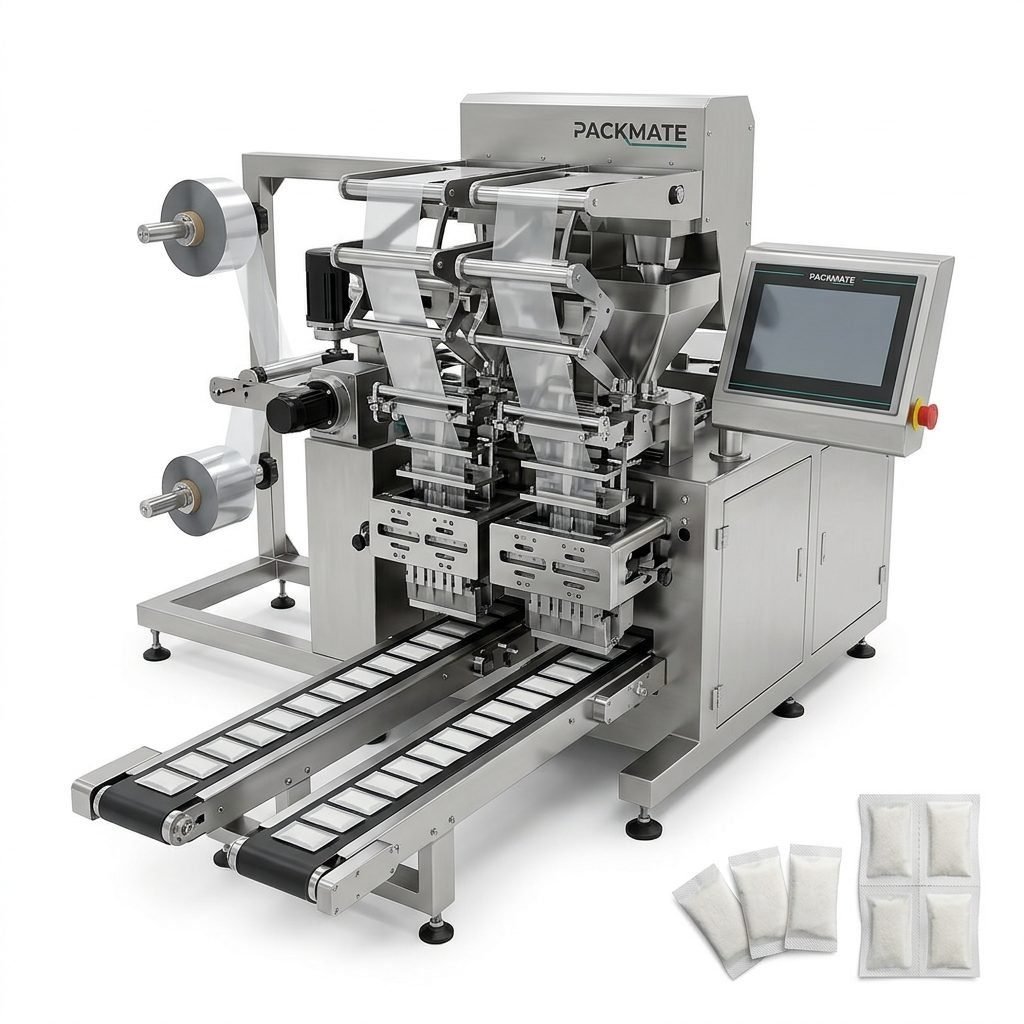
🧩 Multi-lane capability: Multi-lane systems increase throughput for small-dose products; evaluate lane uniformity and changeover complexity.
🔩 Materials & corrosion protection: Stainless-steel contact parts, protective coatings, and humidity-resistant electronics are essential in coastal Tanzania.
🧭 Control systems & HMI: Intuitive human-machine interfaces and remote diagnostics reduce training time and speed troubleshooting.
🔁 Spare parts & modularity: Check lead times for critical spare parts, availability of kits, and ability to swap modules for upgrades.
Product types and factory solutions
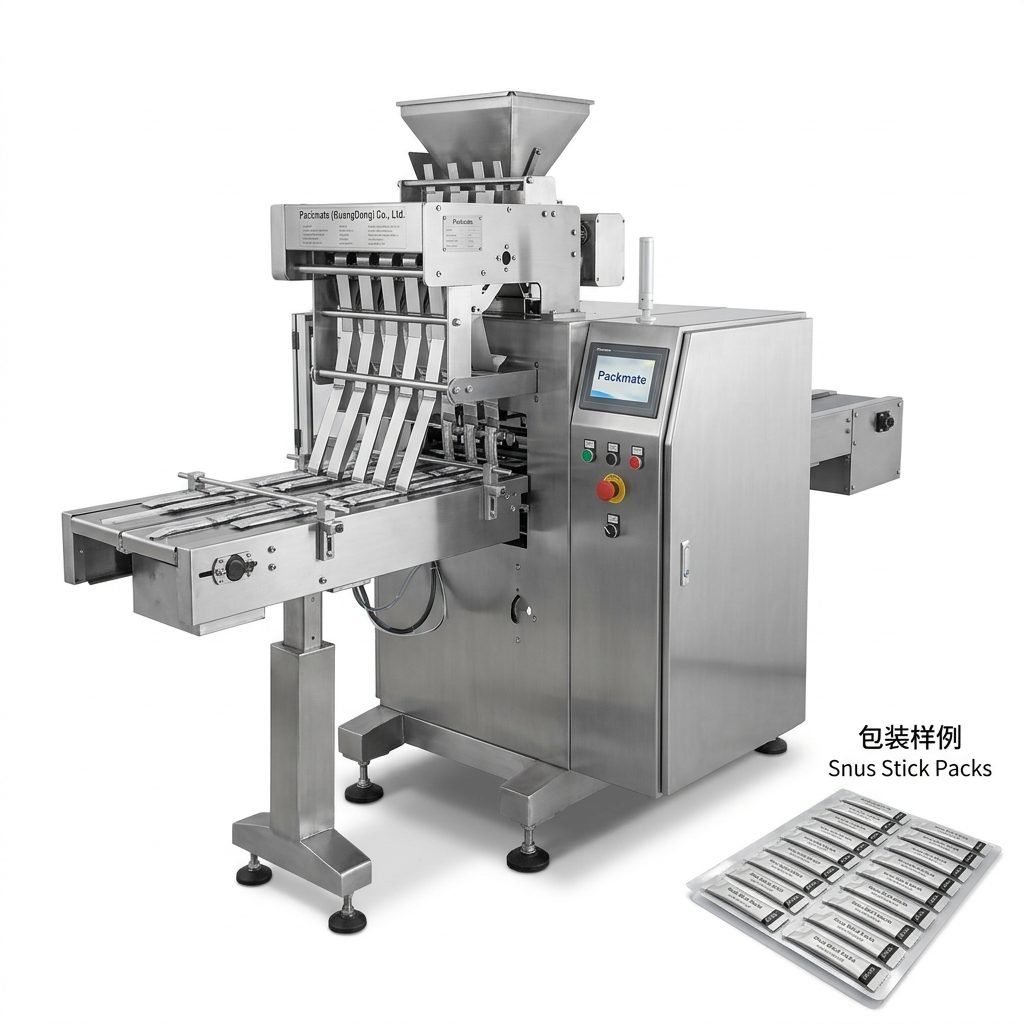
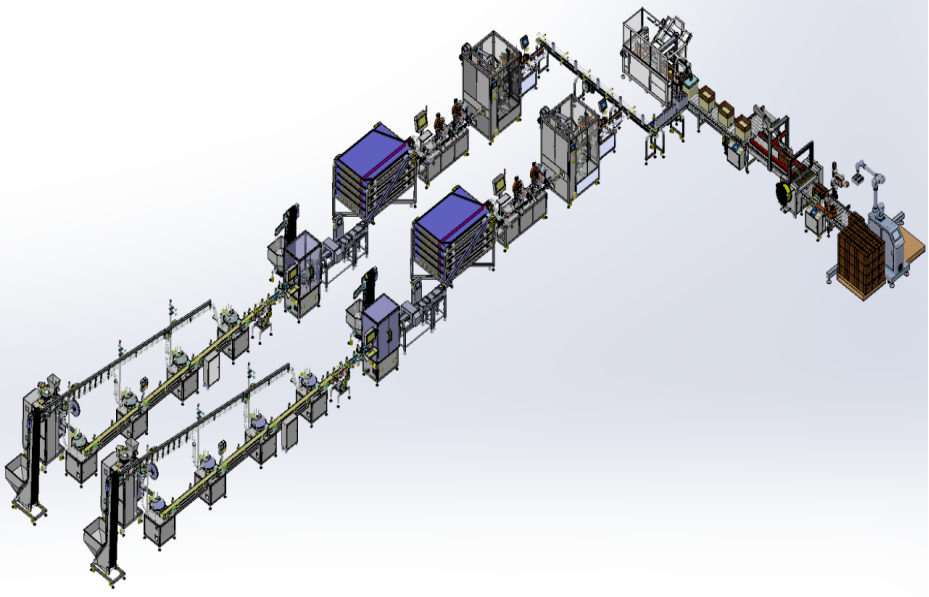
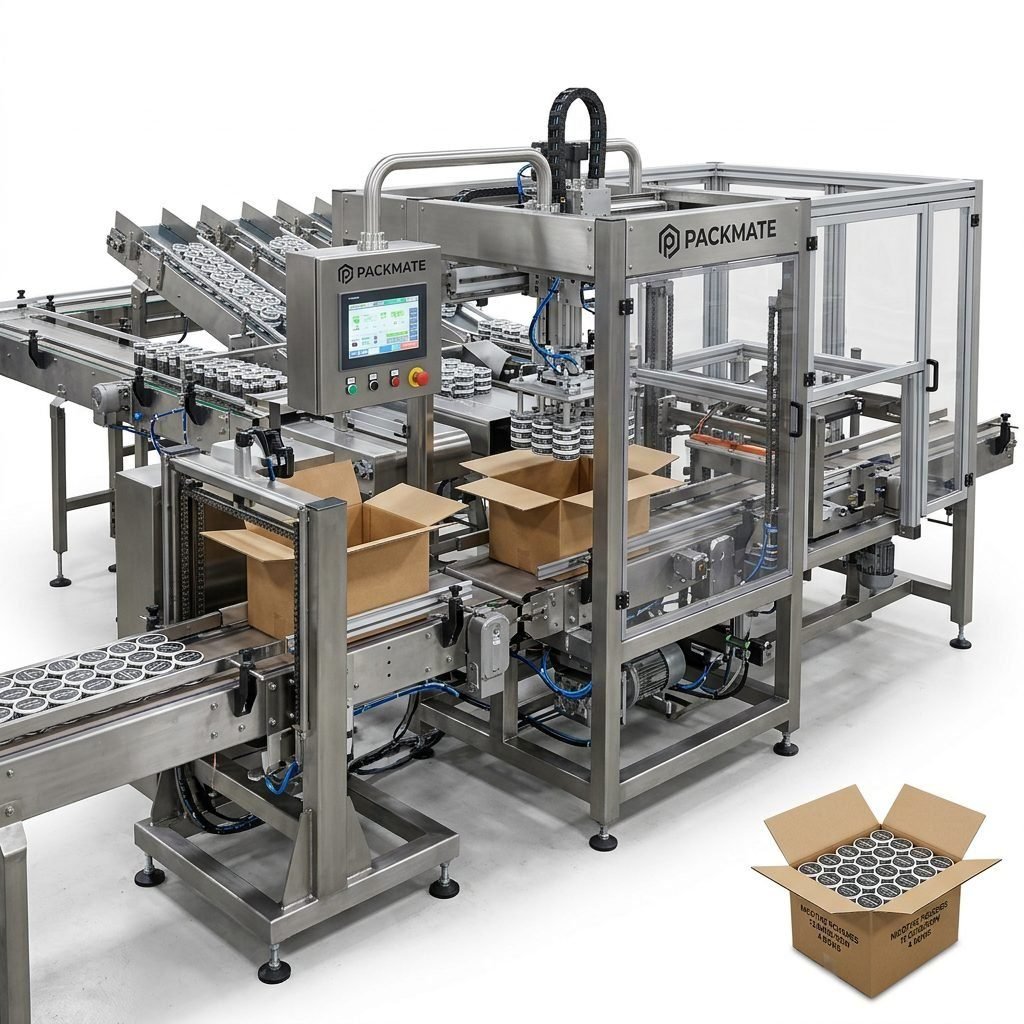
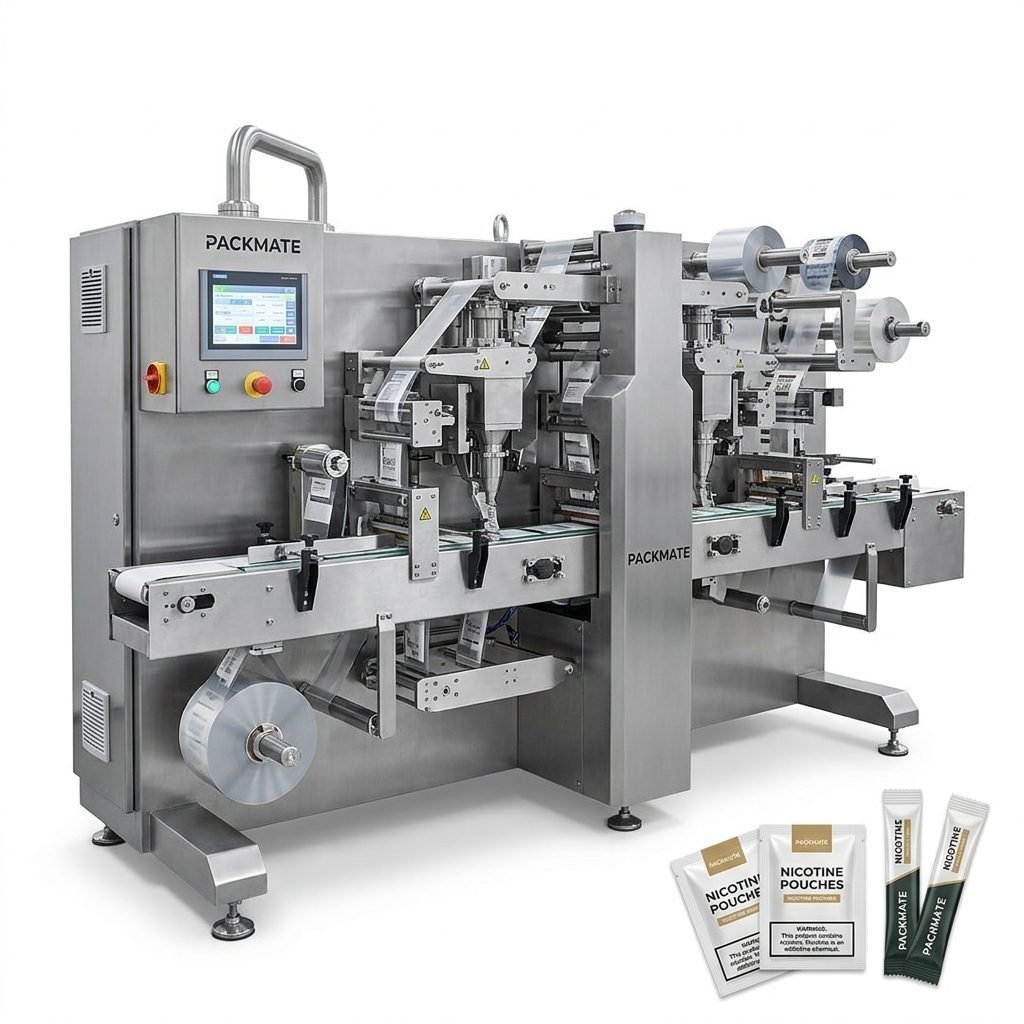
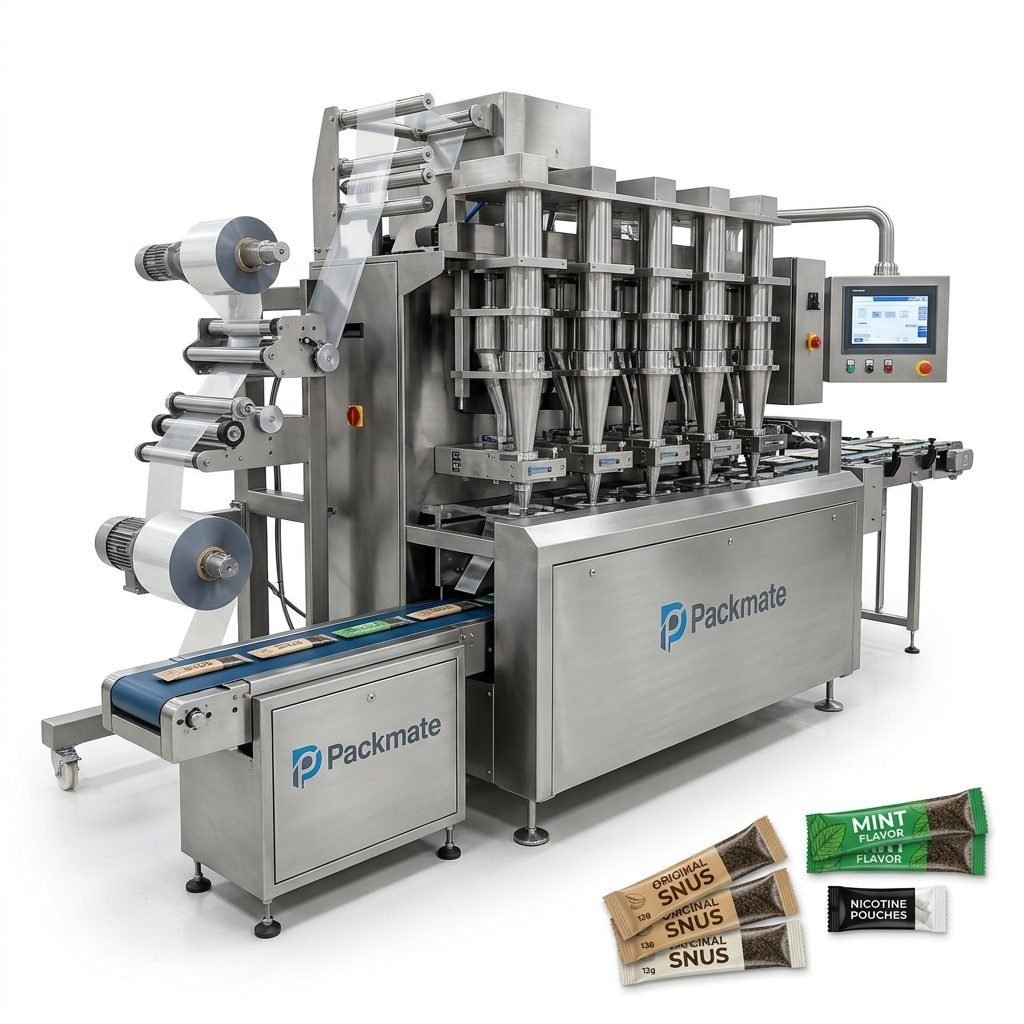
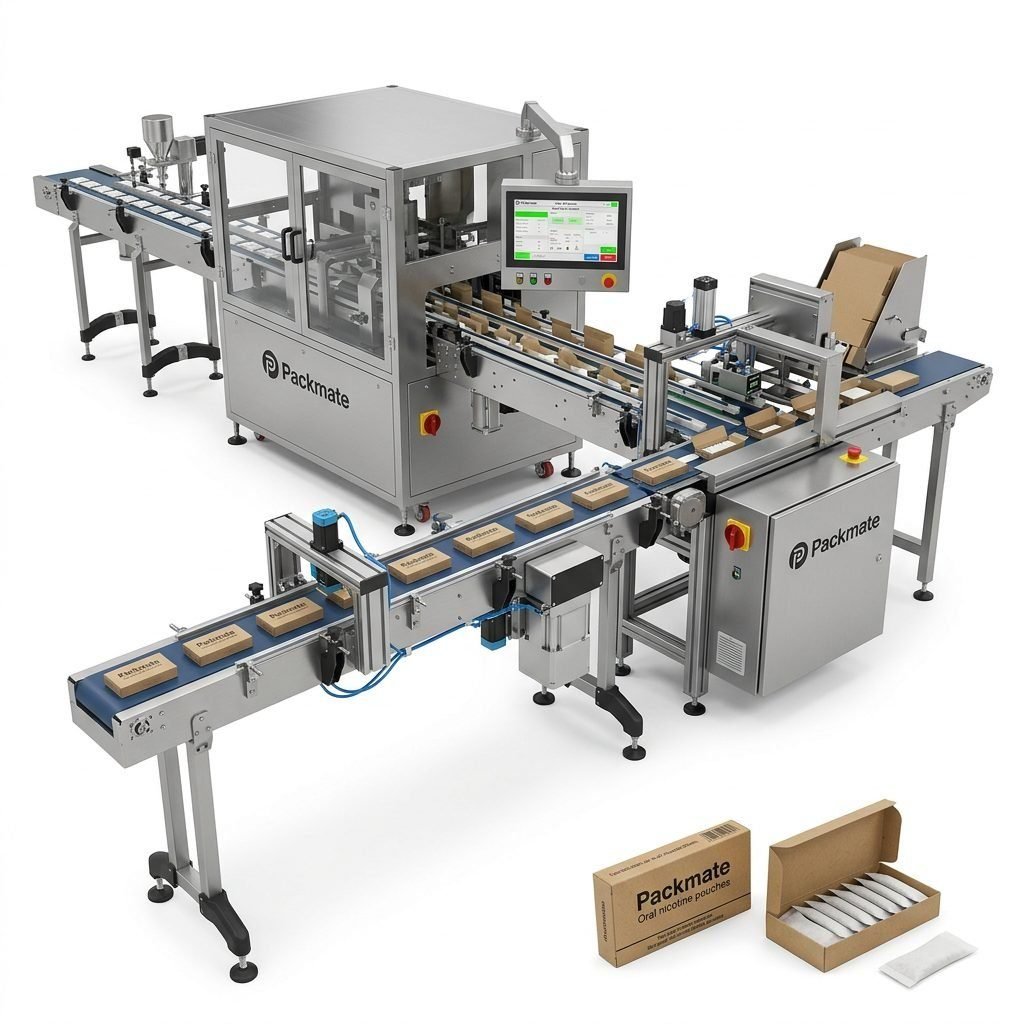
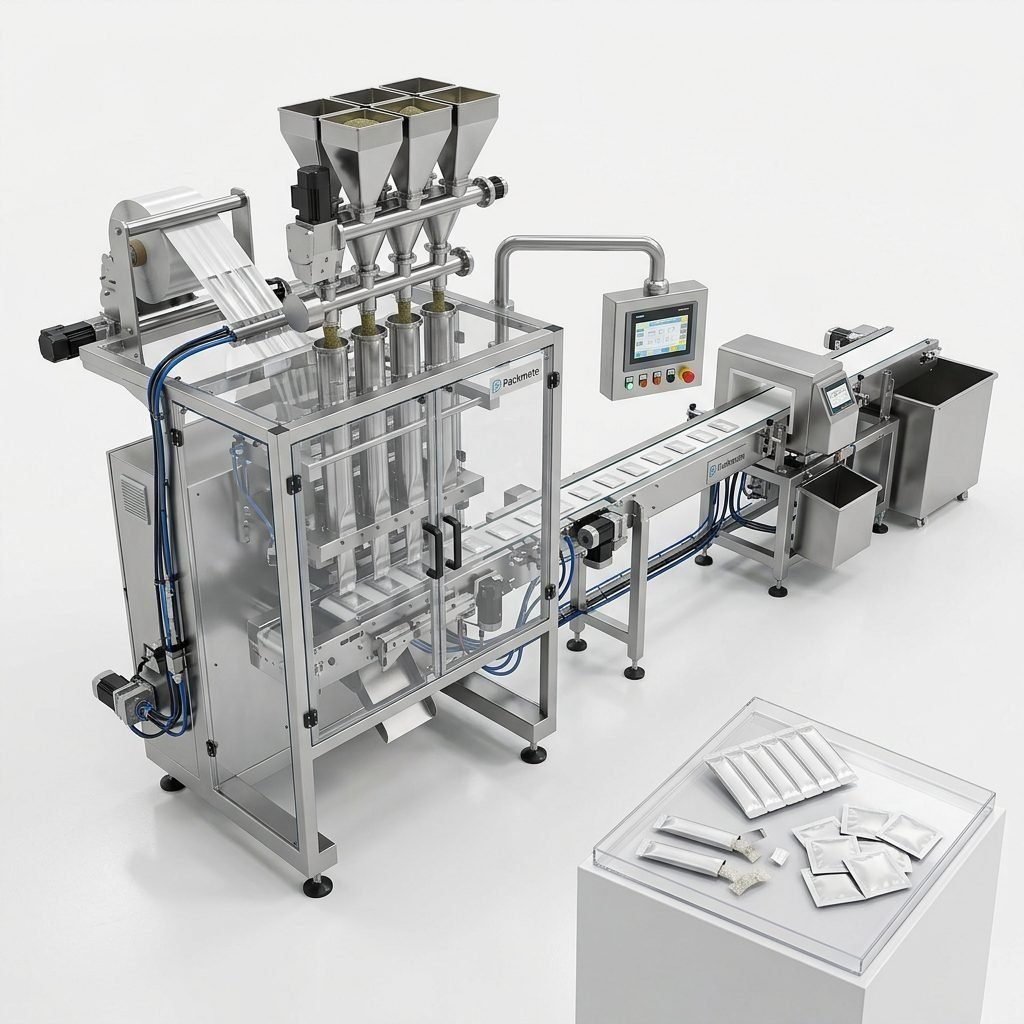
Choose a manufacturer that offers targeted solutions for nicotine pouches and related products. Established suppliers often provide complete lines including fillers, multi-lane pouchers, and secondary packaging. Explore detailed product families such as Snus & Nicotine Packaging Machines and Bag & Pouch Packaging Machines to ensure machine compatibility with your product form (loose powder, granules, or pre-formed pouches).
Factory Strength & Certifications ✅
A strong factory footprint signals capacity to meet orders and provide spare part continuity. Key indicators:
• Large, organized manufacturing space with CNC machining and precision assembly lines — this reduces variability in machine quality.
• Clear quality control processes and international certifications such as CE and ISO — these help when importing into Tanzania and dealing with regional distributors.
• Experience across sectors (food, pharma, chemicals) suggests better material and hygiene practices for nicotine production.
Suppliers like Packmate emphasize long-term engineering experience and turnkey solutions; review their factory profile and references to confirm claims. You can learn more about their background at About Packmate.
📌 Factory snapshot to request:
• Production area size and CNC capability.
• List of certifications (CE, ISO) and recent test reports.
• Customer references and case studies for nicotine pouch lines — view sample projects at Case.
After-sales Support, Training & Spare Parts 📦
Strong after-sales service is critical when installing and running complex packaging lines in Tanzania. Prioritize manufacturers that offer:
🛠️ On-site commissioning and operator training: Local teams benefit from hands-on training to reduce operator errors.
🌐 Remote diagnostics and software support: Fast remote troubleshooting reduces downtime when shipping time for engineers is long.
📦 Spare parts inventory and logistics: Ask about local stocking options, export packing for ocean freight, and recommended spare kits for the first 12–24 months.
Confirm typical response times, warranty terms, and whether training materials are provided in English or Swahili to improve operator comprehension.
Logistics & Import Considerations for Tanzania 🚢
Practical logistics considerations will influence total landed cost and lead time. Tanzania-specific notes:
• Main import gateway: Dar es Salaam Port handles the majority of imports; plan for customs clearance and potential demurrage.
• Documentation: Ensure the manufacturer provides full export documentation, CE/ISO certificates, packing lists, and machine manuals. These aid customs and local registration.
• Voltage and climate: Verify that electronic components match local power standards (230V/50Hz) and consider moisture-resistant finishes for coastal humidity.
• Local agent: Consider appointing a Tanzanian agent for customs clearance, inland transport, and local installation support to streamline the import process.
Cultural & Commercial Tips for Doing Business in Tanzania 🤝
Business in Tanzania is relationship-driven. Understanding local norms helps secure better contracts and smoother partnerships:
• Relationship building: Expect preliminary meetings to focus on introductions and trust-building. Personal meetings and consistent follow-ups count.
• Language & communication: Swahili and English are widely used. Provide key documents in English and consider Swahili translations for operator manuals or training slides.
• Payment terms: Clear terms matter — many Tanzanian companies negotiate progressive payment schedules, mix of TT and L/C. Agree on Incoterms and responsibility for customs.
• Business hours & holidays: Plan around local workweeks (Monday–Friday) and national holidays. Be respectful of religious and cultural observances when scheduling visits.
✅ Local partnership checklist
• Confirm a local technical contact and import agent.
• Agree on training language and documentation format.
• Build clauses for spare parts delivery times into the contract.
How to Vet Manufacturers: A Practical Evaluation Process 🔍
Follow a step-by-step evaluation to reduce risk and pick a manufacturer who meets technical, commercial, and cultural needs:
1. Request detailed specifications and performance curves for the exact product and speed you require.
2. Ask for video demonstrations and live remote demos to observe machine behavior under load. Suppliers often include demonstration footage for nicotine lines — view sample lines at Sachet & Stick Pack Machines.
3. Check factory references and recent installations in similar climates or regions. A supplier with African or tropical region experience reduces surprises.
4. Review warranty and service level agreements; confirm how remote troubleshooting and spare shipment will be handled.
5. Negotiate acceptance tests (FAT/SAT), training scope, and documentation language before signing contracts.
Cost vs. Value: Choosing for the Long Term 💡
While initial machine price matters, prioritize total cost of ownership: uptime, energy usage, spare parts cost, and expected lifespan. Low-cost machines with poor service or long spare parts lead times can quickly become more expensive than a higher-quality alternative with strong local support.
Consider financing options, phased investments, and leasing models if available. Confirm that the supplier provides clear documentation on consumables and recommended maintenance intervals.
Case & Exhibition Insights: See Machines in Action 🌍
Attend regional or international trade shows where manufacturers demonstrate nicotine pouch lines. Viewing machines in operation and meeting engineering teams accelerates decision-making. Check exhibition appearances and demonstration schedules at Our Exhibition.
Review case studies for real-world performance and troubleshooting history — case pages often reveal installation environments and customer feedback which is invaluable when evaluating suitability for Tanzania.
Purchase & Installation Roadmap — Step by Step 🗺️
🧾 Step 1 — Requirements & RFQ: Define product specs, target output, and acceptance tests; request formal quotes.
🧪 Step 2 — Factory Acceptance Test (FAT): Witness or request a FAT video showing machines running your product or a close equivalent.
🚚 Step 3 — Shipping & Documentation: Confirm packing, export docs, and customs forms required for Tanzania import.
🛠️ Step 4 — Installation & Training: Arrange on-site commissioning, operator training, and initial spare parts supply.
📞 Step 5 — After-sales support: Set SLAs for remote support, spare delivery, and scheduled maintenance visits.
📘 Quick links to review supplier offerings
• Explore product lines: Snus & Nicotine Packaging Machines
• Full production lines: Filling & Packaging Lines
• Auxiliary equipment & weighing: Weighing & Packaging Systems
Choosing Packmate as a Reference Point
Established companies with decades of engineering experience and sizeable factories often provide better reliability for turnkey projects. Packmate emphasizes long-term technical support, advanced CNC capabilities, and tailored multi-lane solutions. If you want to check company credentials or contact their team, view their company profile and contact options at About Packmate and Contact Us.
Final Recommendations & Next Steps ✔️
1. Prioritize manufacturers with demonstrable nicotine pouch experience and clear FAT procedures.
2. Confirm spare parts lead times and local support options before committing.
3. Build in logistics and customs buffer time for deliveries to Dar es Salaam and appoint a reliable local clearing agent.
4. Insist on operator training in a language your team understands and request clear maintenance schedules.
5. Balance purchase price with long-term uptime and service — choosing value over lowest cost will protect your Tanzanian operations.
Frequently Asked Questions (3-5 common questions)
Q1: How long does shipping and installation typically take to Tanzania?
A: Shipping from major manufacturers usually ranges from 6–12 weeks depending on production schedules and shipping method. Allow additional 2–6 weeks for customs clearance and local installation depending on Dar es Salaam port conditions.
Q2: What certifications should I request from a nicotine packaging machine manufacturer?
A: Ask for CE and ISO certificates, factory inspection reports, and FAT documentation. These help with import procedures and ensure machine safety and quality.
Q3: Are spare parts readily available for multi-lane nicotine pouch machines?
A: Reputable manufacturers provide spare kits and predictable lead times. Negotiate an initial spare parts package and inquire about local stocking or third-party distributors in East Africa.
Q4: How should I handle operator training for Tanzanian staff?
A: Require on-site commissioning and training, provide manuals in English (and Swahili if available), and request remote follow-up sessions to reinforce best practices.
Q5: Where can I see examples of turnkey nicotine pouch lines?
A: Review supplier case studies and exhibition demonstrations. Visit product pages such as Snus & Nicotine Packaging Machines and related case pages to view installed lines and performance summaries.