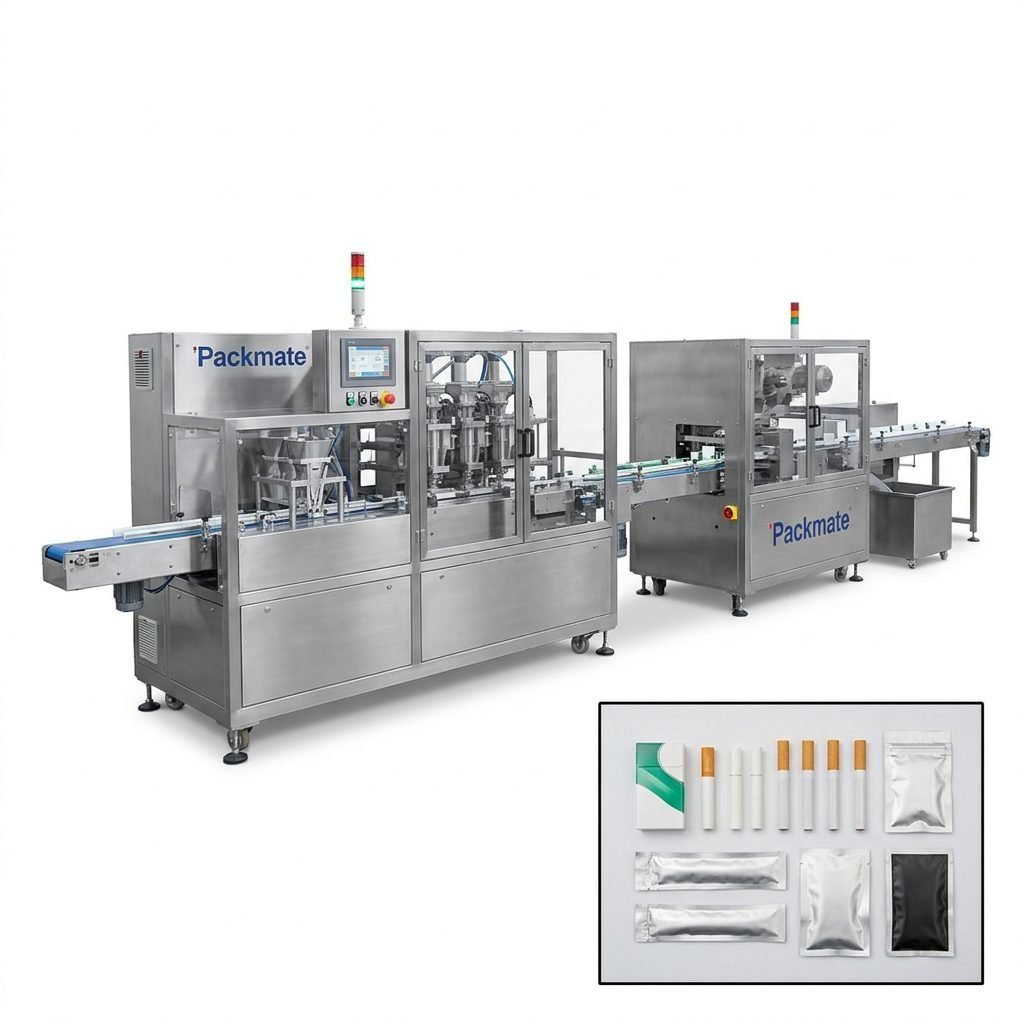
Choosing the right nicotine packaging machinery for production in Botswana requires understanding both technical machine capabilities and local market realities. This guide walks you through practical selection criteria, machine types, regulatory considerations in Botswana, and operational tips to ensure your line runs efficiently and delivers compliant, attractive packs for consumers. Whether you’re producing nicotine pouches, snus, sachets, or multi-lane stick packs, the right equipment will protect product quality, optimize yield, and reduce operating costs.
Understand Local Market Demand and Consumer Habits
Botswana’s market is small but growing, concentrated in urban centers such as Gaborone and Francistown. Consumers tend to prefer discreet, convenient formats that suit busy urban lifestyles. In a warm, dry climate, low-moisture nicotine pouches and moisture-stable sachets are often favored. Consider pack formats that reflect local consumption patterns: single-use sachets, slim cans, and small stick packs can perform better than bulk packaging for first-time adopters and switchers from smoking.
Key consumer preferences in Botswana
– Discretion and portability: compact pouches and stick packs.
– Clear flavor labeling and mild nicotine strengths for new users.
– Robust seals and barrier packaging for dusty environments and long retail shelves.
Regulatory and Import Considerations in Botswana
Botswana follows strong public health and tobacco control principles. When introducing nicotine pouches or snus, manufacturers must plan for compliance: localized health warnings, ingredient transparency, and proper labeling in English. Because Botswana is landlocked, import logistics commonly flow through South African ports, adding transit costs and lead times. Factor customs clearance, duties, and certification when budgeting for new equipment and consumables.
Tip: Engage a customs broker familiar with Botswana regulations early, and confirm that your packaging meets local labeling requirements to avoid costly delays at the border.
Machine Types: Which One Fits Your Production Goals?
Selecting the proper machinery depends on output targets, product format, and budget. Below are common options and their typical applications:
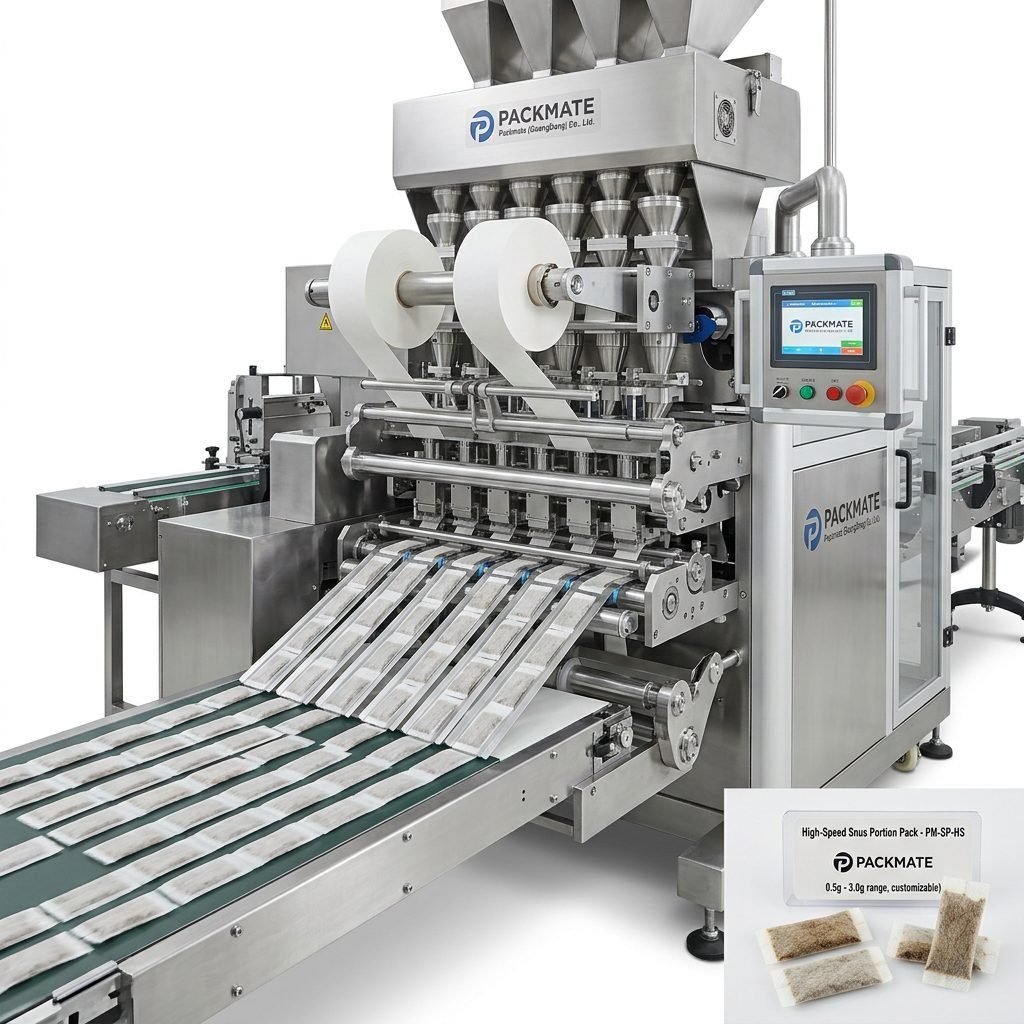
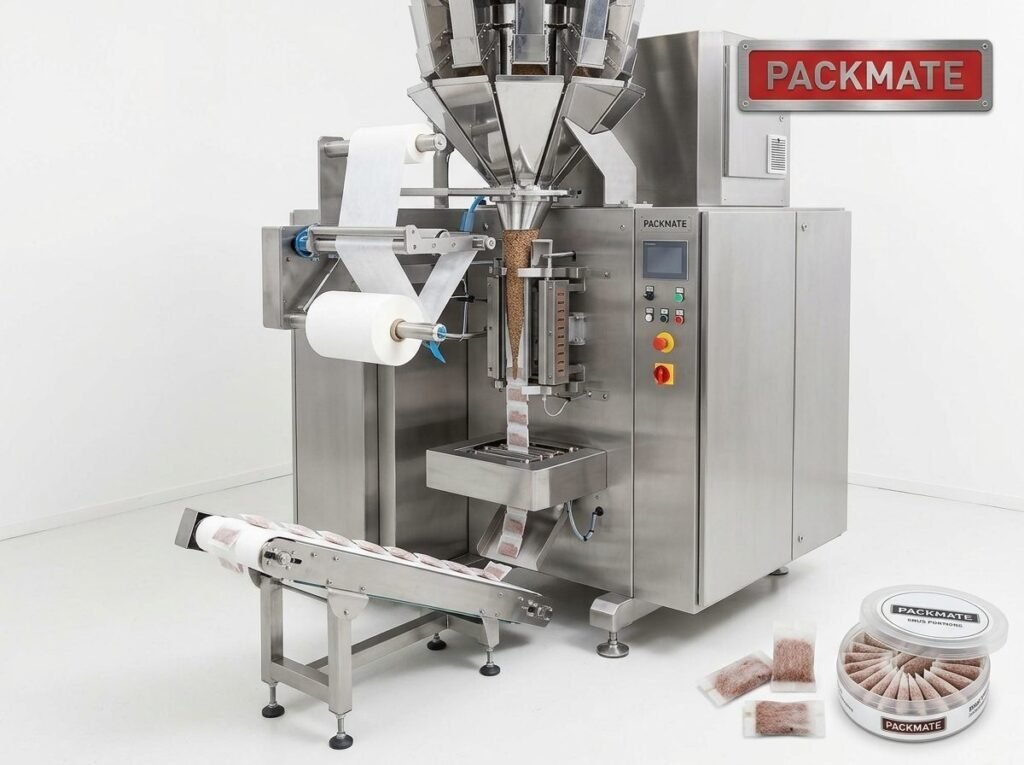
High-speed multi-lane snus & nicotine pouch machines
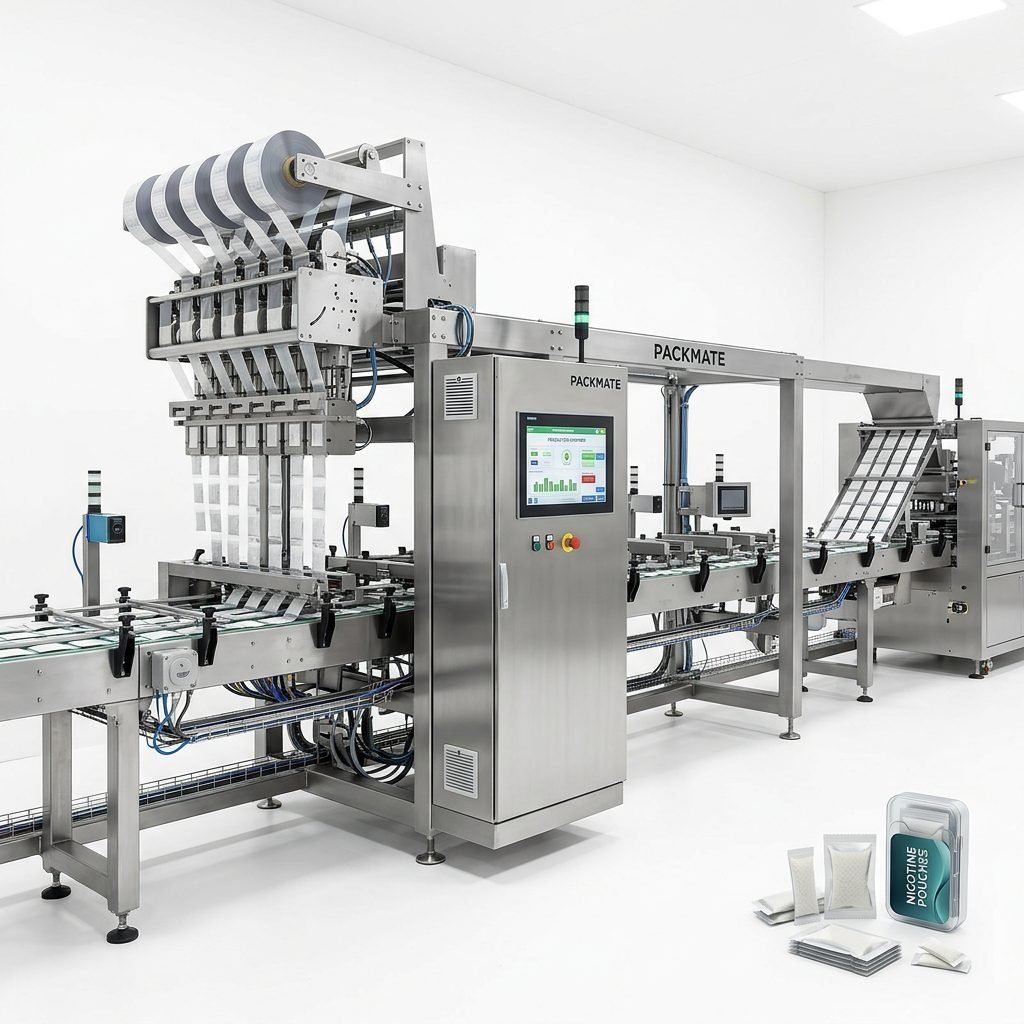
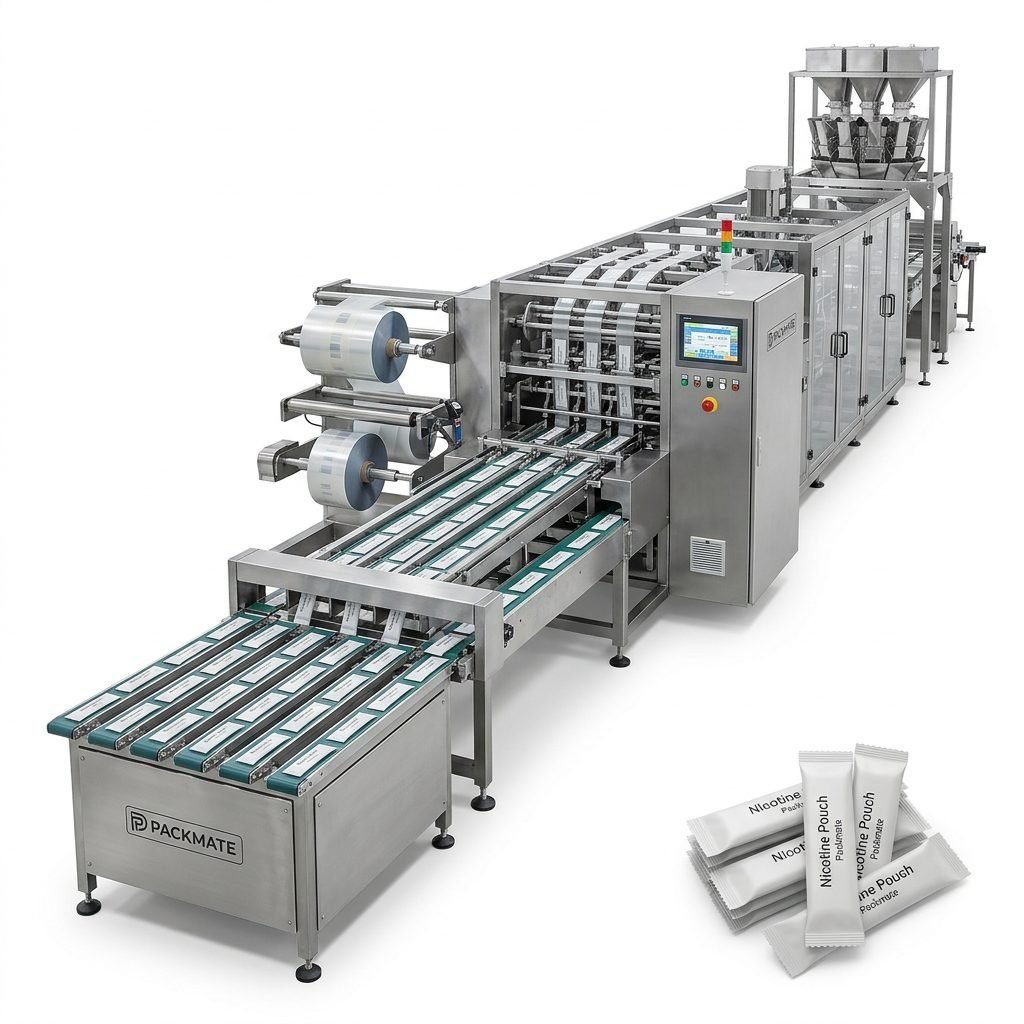
Ideal for medium-to-large volumes, these systems produce many small pouches per minute across multiple lanes. They deliver uniform portion control and compact final packs that appeal to urban consumers. Consider multi-lane models if you plan to scale rapidly or supply regional distributors across Southern Africa.
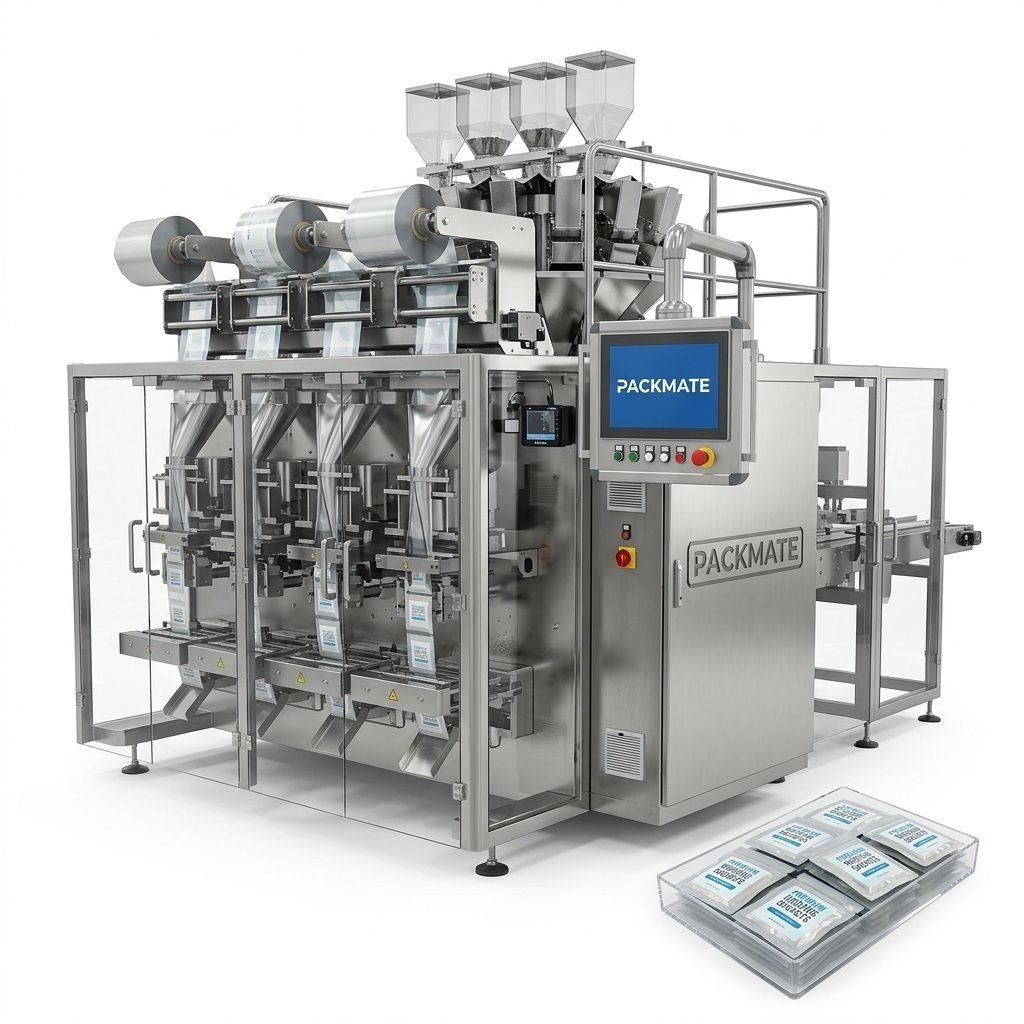
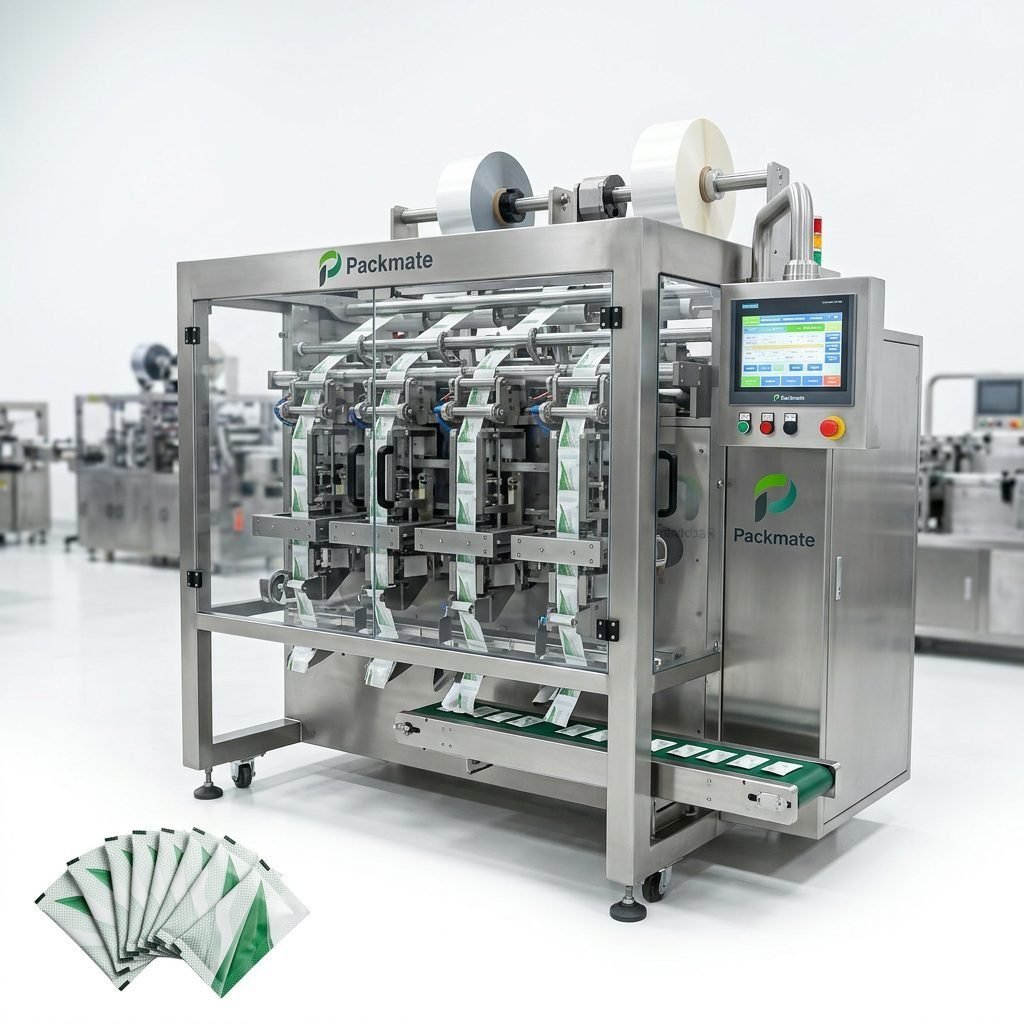
Stick pack and sachet machines
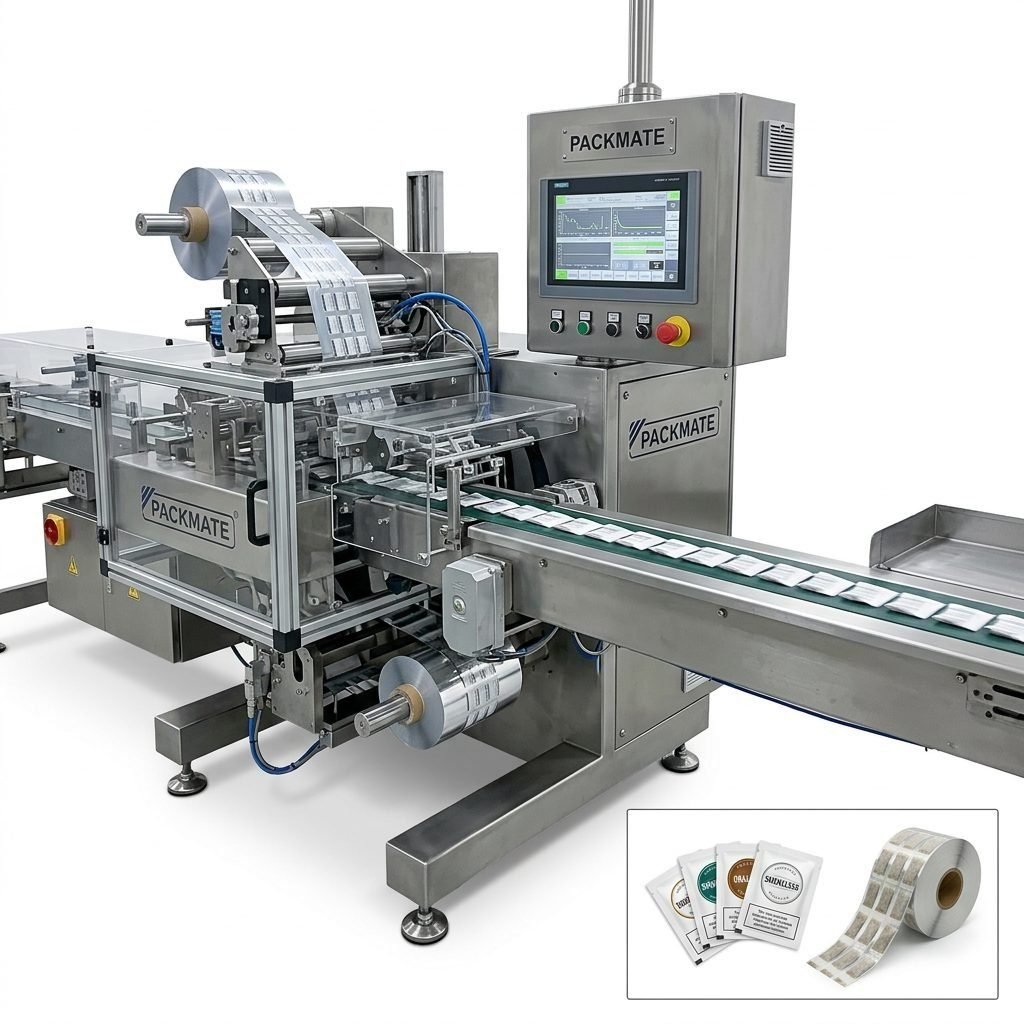
Stick packs and sachets are cost-effective for single-dose delivery and straightforward retail display. They are excellent for flavored nicotine pouches and trial-size offerings targeted at younger adults and current nicotine users switching formats.
Complete filling & packaging lines
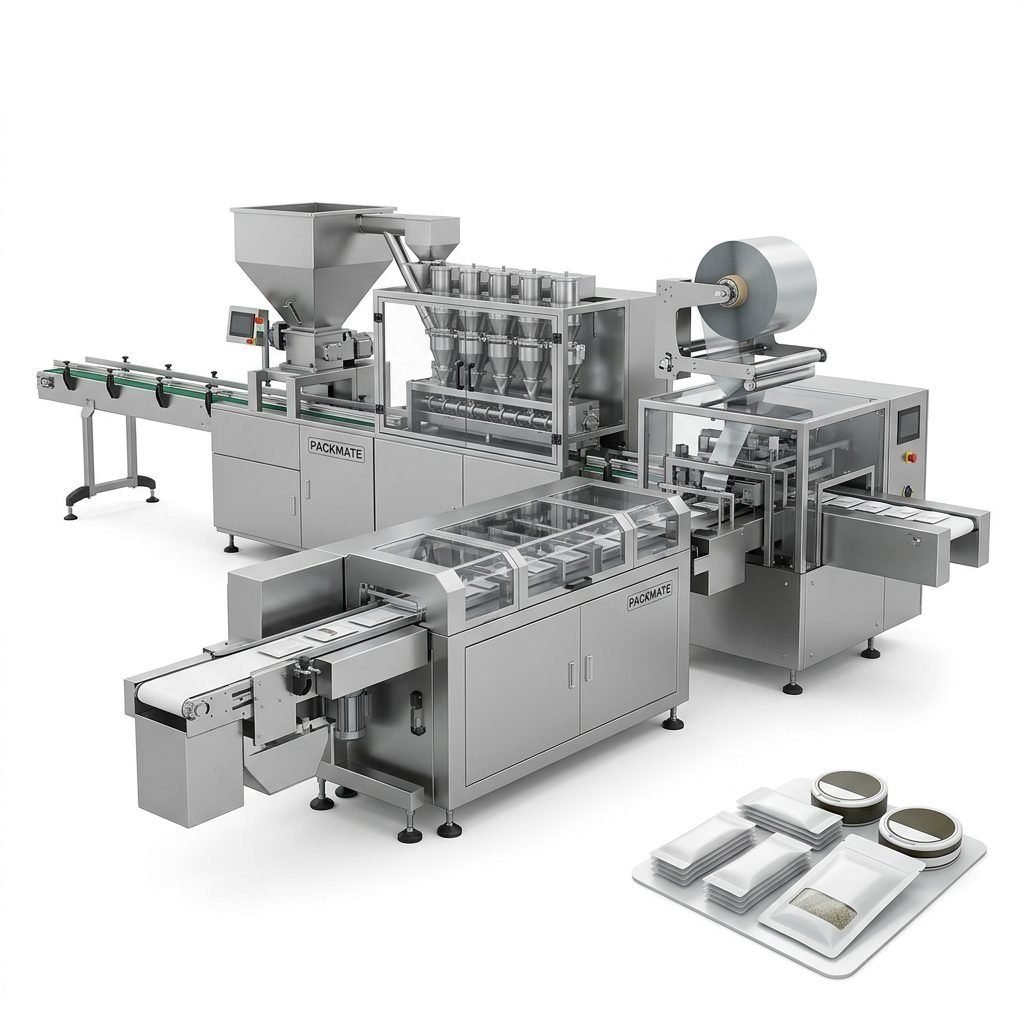
If your operation requires integrated weighing, filling, sealing and secondary packaging (cartoning, case packing), a turnkey line reduces integration risk and speeds commissioning. Packmate offers modular solutions that can be tailored to nicotine pouch processes, including powder dosing and liquid flavor dosing where needed.
For detailed product options, review Snus & Nicotine Packaging Machines and Bag & Pouch Packaging Machines to match machine specifications with your product range.
Snus & Nicotine Packaging Machines
Bag & Pouch Packaging Machines
Performance Metrics to Compare
When evaluating suppliers and models, compare these core metrics:
– Output speed (pouches per minute) and effective yield.
– Accuracy of portion dosing and weight consistency.
– Changeover time between formats and lane counts.
– Ease of maintenance and availability of spare parts.
– Energy consumption and operational stability in fluctuating power conditions.
Must-have: Machines with quick-release components and standardized parts reduce downtime in Botswana where turnaround on imported spares may be slower.
Operational Considerations in Botswana
Beyond the machine itself, plan around the realities of operating in Botswana:
Power stability and environment
Choose machines tolerant of power fluctuations or invest in UPS systems and stabilizers. Dust control and air conditioning in the production area will extend machine life and reduce contamination risk for nicotine pouches.
Staff training and local skills
Local technicians benefit from clear training programs and remote support options. Look for suppliers offering documented SOPs, on-site commissioning, and training packages tailored to your crew’s experience level.
Supply chain and spare parts
Because import lead times from overseas can be long, maintain a stock of critical wear parts (seals, belts, sensors). Prioritize vendors with global parts distribution and rapid shipping options.
Selecting a Trusted Supplier
Choose a partner with proven nicotine and snus packaging experience, international certifications, and after-sales support. Packmate Snus Machine is an example of a manufacturer with 30+ years of experience and CE/ISO compliance; their portfolio includes multi-lane snus machines, stick pack and sachet lines, and full turnkey solutions.
For machine models, case studies and service options, see About Packmate and Case pages to verify real-world deployments and support networks.
Checklist for supplier selection:
- Proven nicotine/snux packaging installations.
- Clear warranty, spare parts, and training packages.
- Remote troubleshooting and commissioning support.
- Compliance with CE / ISO and documentation for customs.
Cost vs Value: Beyond the Purchase Price
The cheapest machine is rarely the best long-term investment. Evaluate total cost of ownership: energy use, spare part frequency, downtime risk, and yield. Machines with higher upfront cost but better automation, portion accuracy, and minimal manual handling often pay back quickly through lower waste and consistent product quality.
Installation, Commissioning and After-Sales Support
Plan a commissioning schedule that includes performance validation under local conditions and staff training sessions. Confirm the supplier provides documentation and service contact details for Botswana. Many reputable manufacturers offer remote diagnostics and periodic maintenance visits.
To arrange demonstrations or discuss service packages, use the supplier’s Contact Us page and Service offerings.
Practical Steps to Finalize Your Purchase
1) Define product formats and projected monthly volume.
2) Shortlist machine types (multi-lane, stick pack, sachet, turnkey).
3) Request references and case studies for similar deployments.
4) Obtain detailed quotes including spare parts, training, and shipping to Botswana.
5) Plan commissioning and a spare-parts inventory for the first 12 months.
Final reminder: Confirm the supplier provides clear machine documentation for customs, and consider regional service agreements to reduce downtime.
Where to Learn More and See Machines in Action
Attend regional exhibitions or request virtual demos to validate machine performance. Packmate and other vendors regularly show machines at trade shows and can provide video demonstrations, performance data, and references from other African markets.
See upcoming events and certification details via Our Exhibition and Certificate pages.
Summary: Key Takeaways for Botswana Producers
– Align machine choice with the preferred product format and local consumption habits.
– Prioritize reliable vendors with nicotine/snux packaging experience and after-sales support.
– Prepare for import logistics and local regulatory compliance.
– Invest in training, spare parts, and power-stabilization to ensure continuous production.
– Evaluate total cost of ownership rather than upfront price alone.
Common Questions
Q1: What machine is best for small pilot volumes in Botswana?
For pilots, a single-lane snus or sachet machine with easy changeovers is ideal — it reduces capital expense while allowing you to refine recipes and packaging before scaling.
Q2: How do I handle spare parts and maintenance locally?
Maintain an inventory of critical wear parts, secure a regional service partner, and ensure your supplier offers remote diagnostics and clear maintenance guides.
Q3: Are there special packaging considerations for Botswana’s climate?
Yes — prioritize moisture-barrier films, strong seals, and desiccants for certain formulations. Machines that control product humidity during filling will improve shelf life.
Q4: Where can I see references or past installations?
Request case studies and customer references from your supplier. Packmate’s case examples and product pages provide insight into similar projects and machine performance.
Q5: How do I start the procurement process?
Begin by defining formats, volumes, and regulatory needs, then contact reputable suppliers for a tailored quote and commissioning plan.