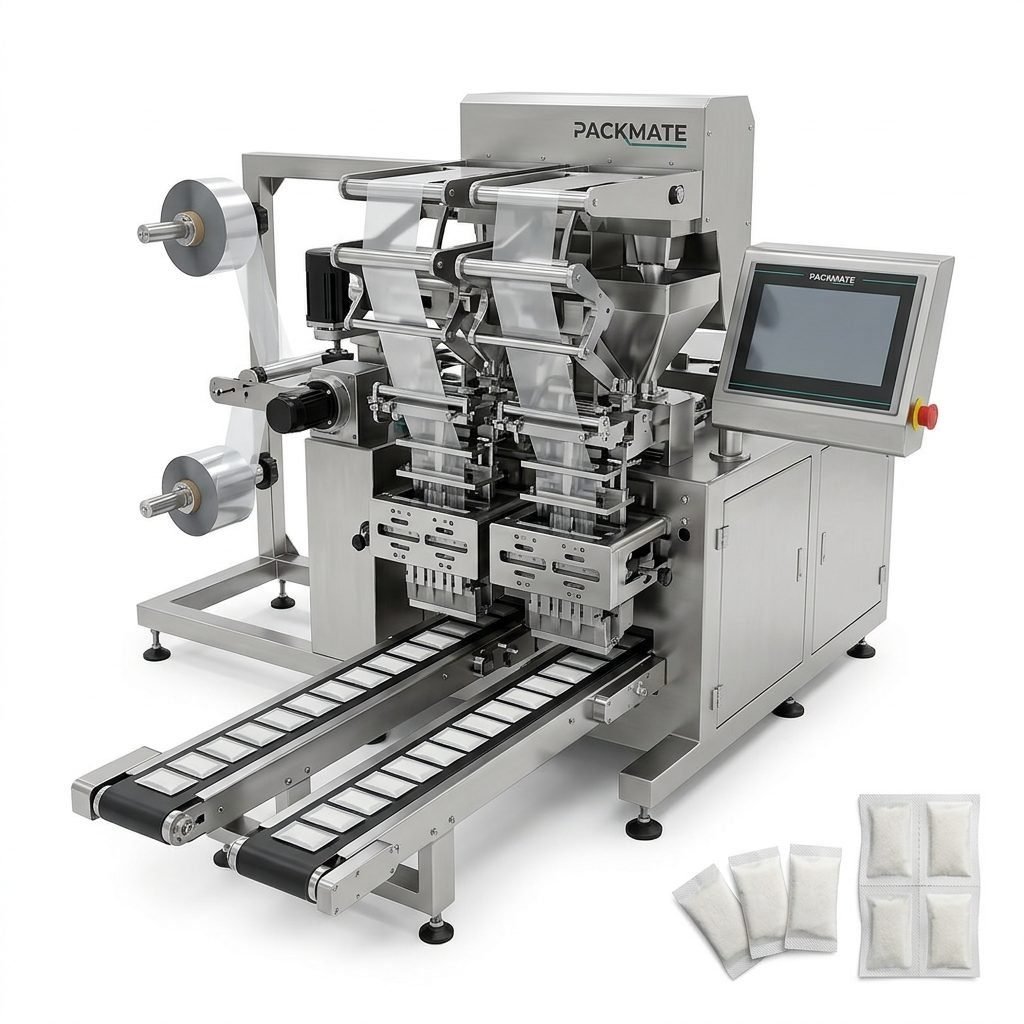
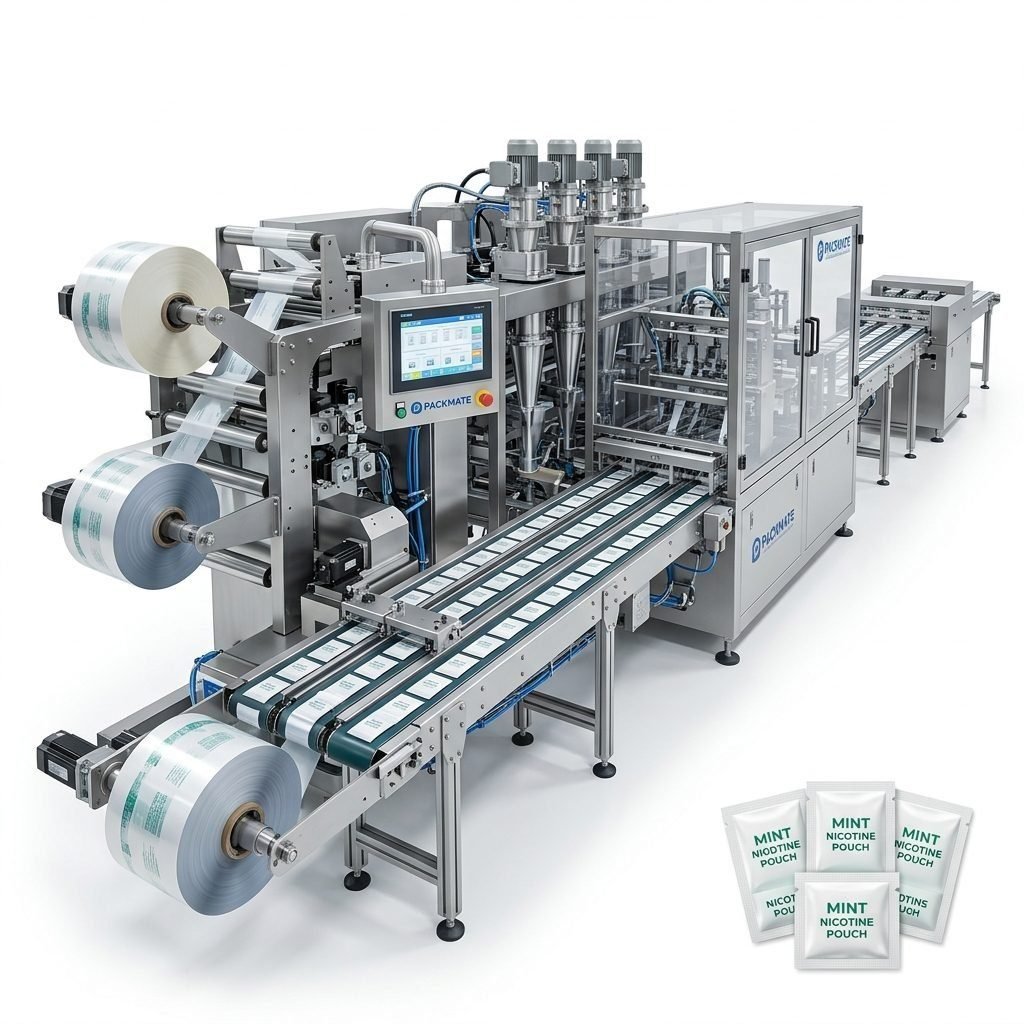
In the fast-evolving nicotine pouch and snus market, equipment reliability, production efficiency, and packaging consistency are the cornerstones of a successful operation. This article provides a practical, detailed guide to Nicotine Pouch Manufacturing Equipment and complete production line solutions designed for high-efficiency pouch making. It covers machine components, automation strategies, layout considerations, quality control, regulatory compliance, and turnkey service options from an experienced manufacturer with deep engineering heritage.
Overview of Nicotine Pouch Production Lines ⚙️
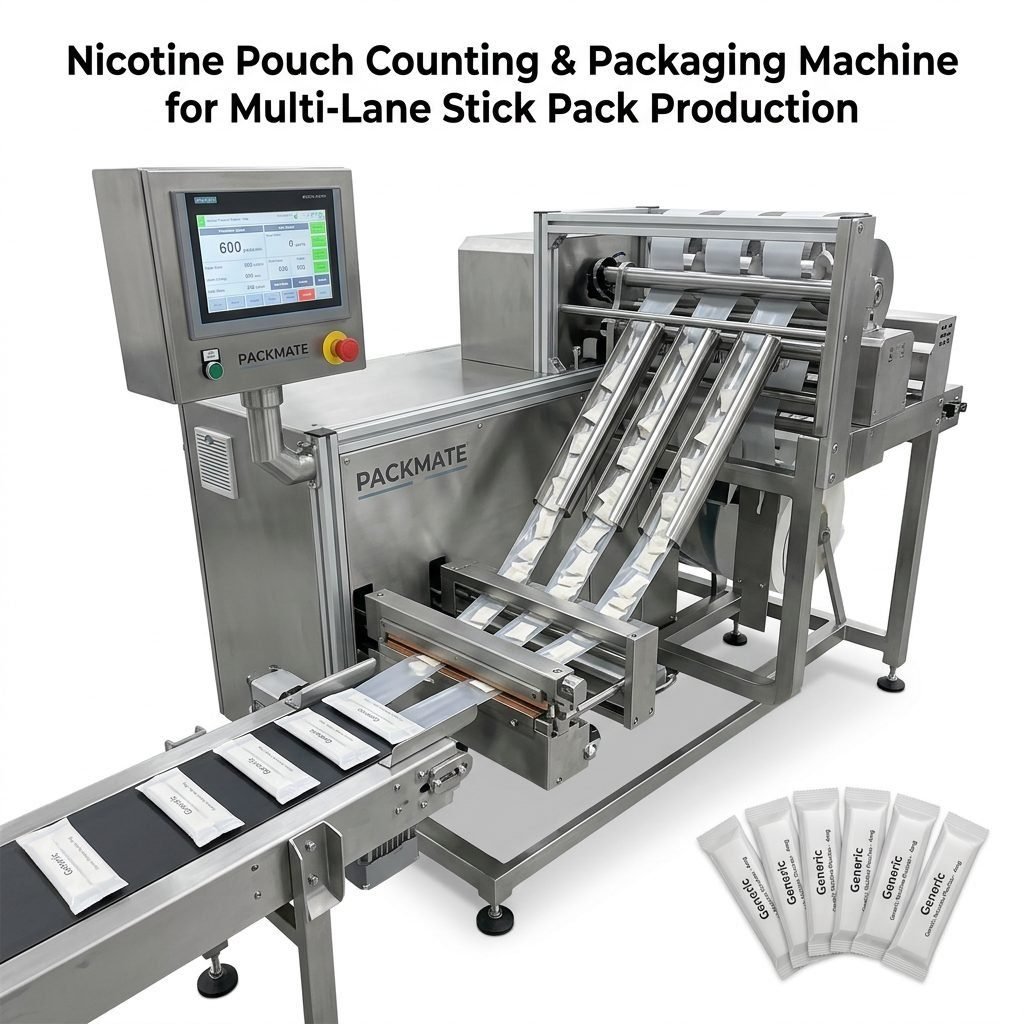
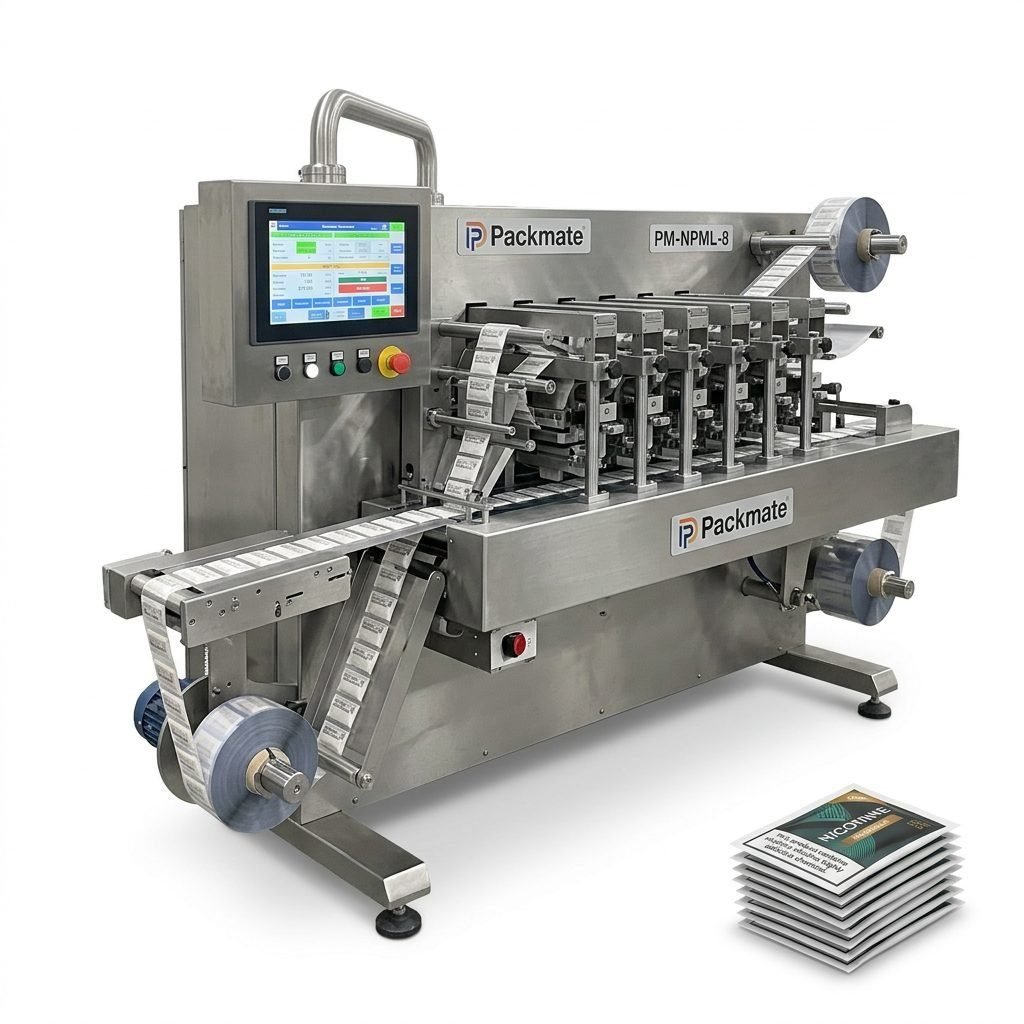
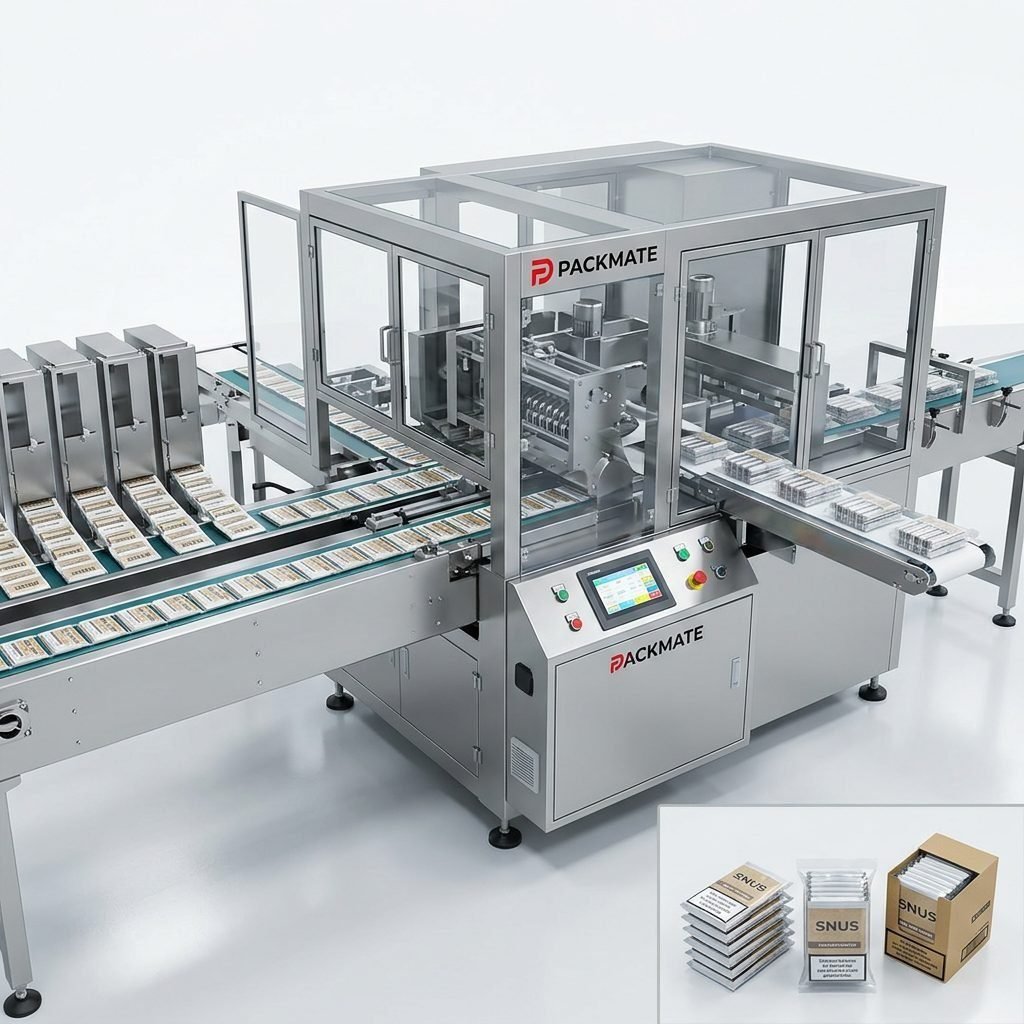
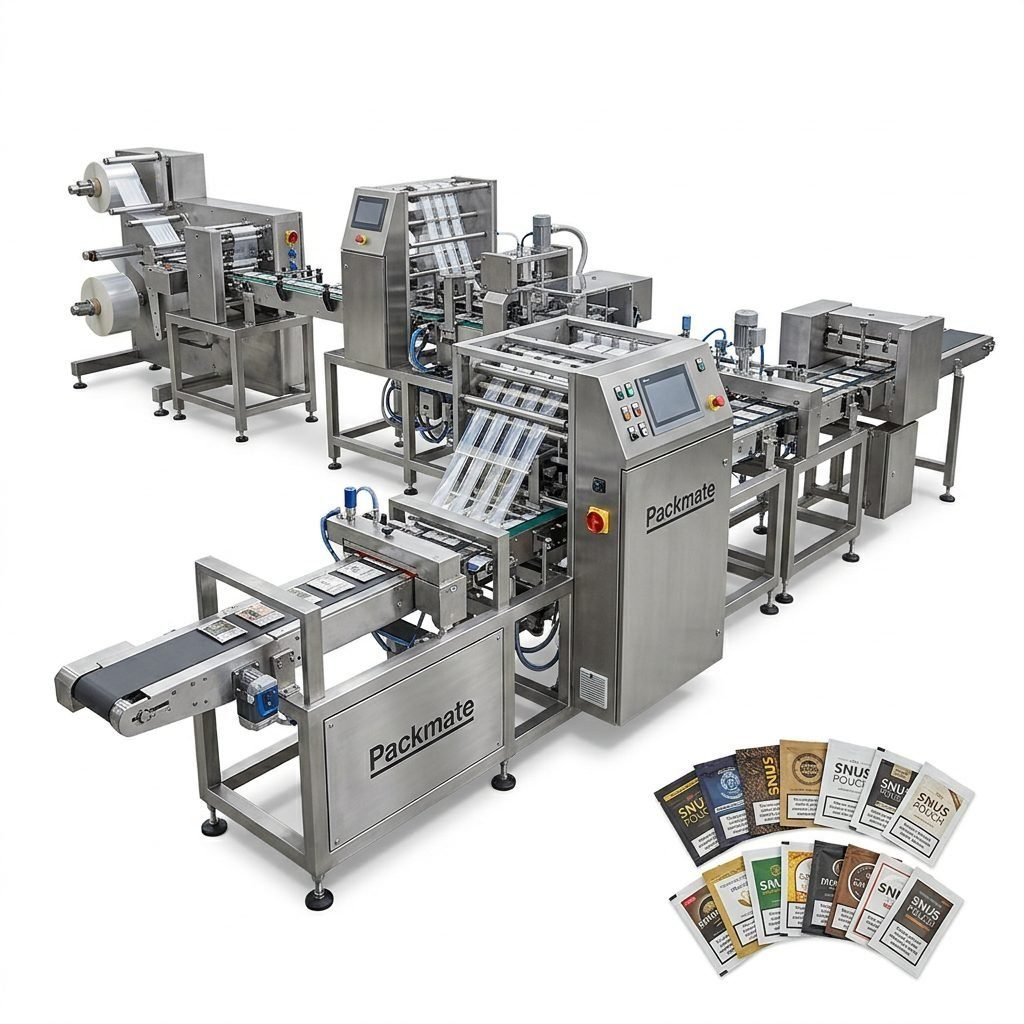
A modern nicotine pouch production line integrates multiple modules to transform raw material into finished, market-ready pouches. Typical lines include feeding and dosing, pouch forming and filling, sealing and cutting, multi-lane synchronization, secondary packaging, and automated palletizing. For companies seeking high throughput with consistent quality, multi-lane systems and in-line weighing ensure accuracy while reducing labor costs.
Core Components of a High-Efficiency Line
Key components work together to achieve continuous production:
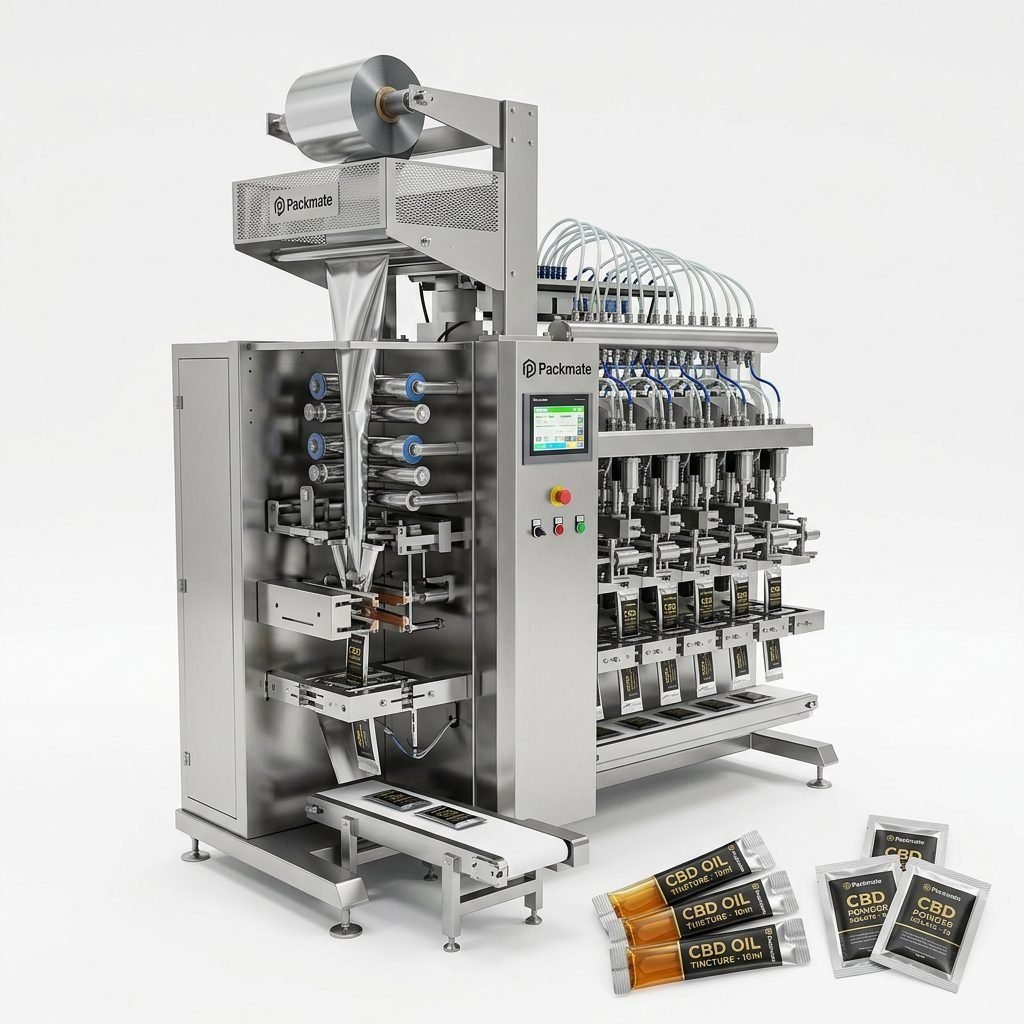
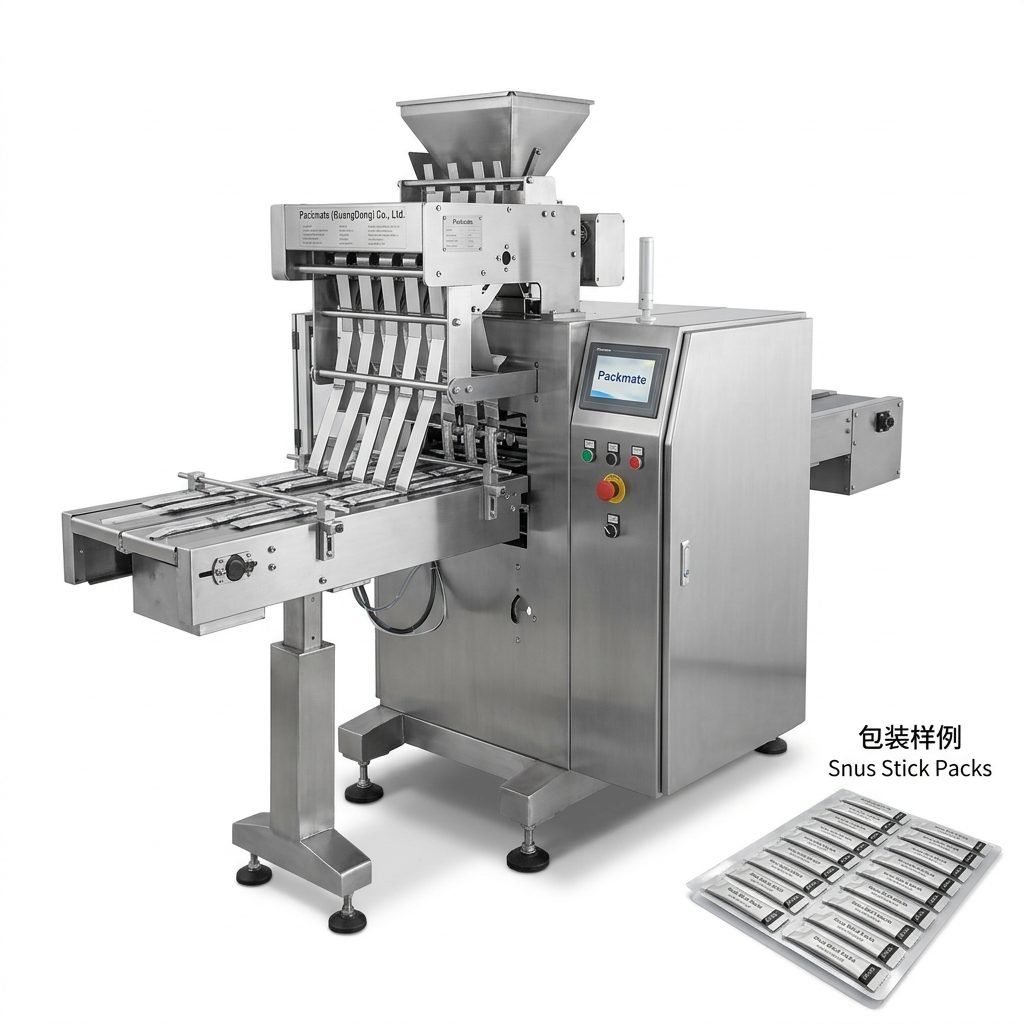
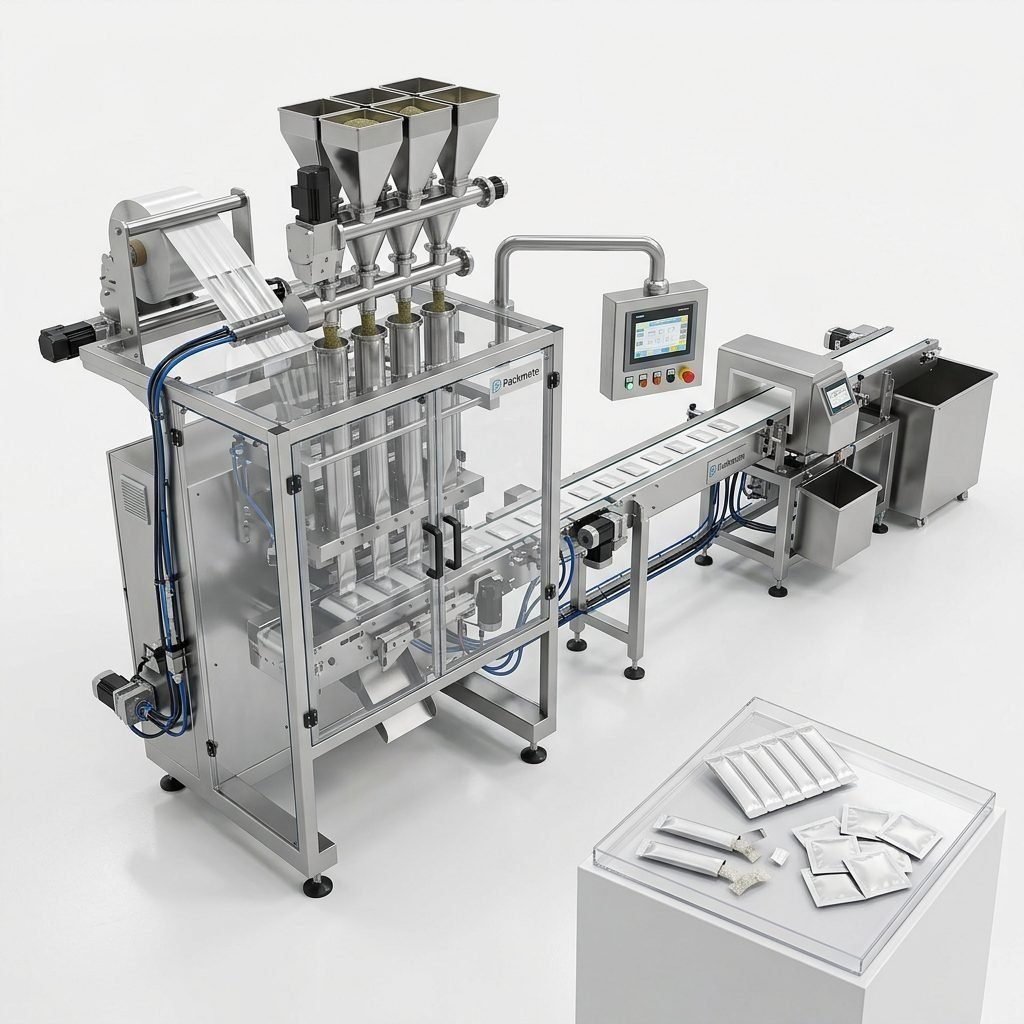
🔧 Dosing & Weighing Units — precision feeders and multi-head weighers that ensure each pouch contains the exact dose required for compliance and customer satisfaction.
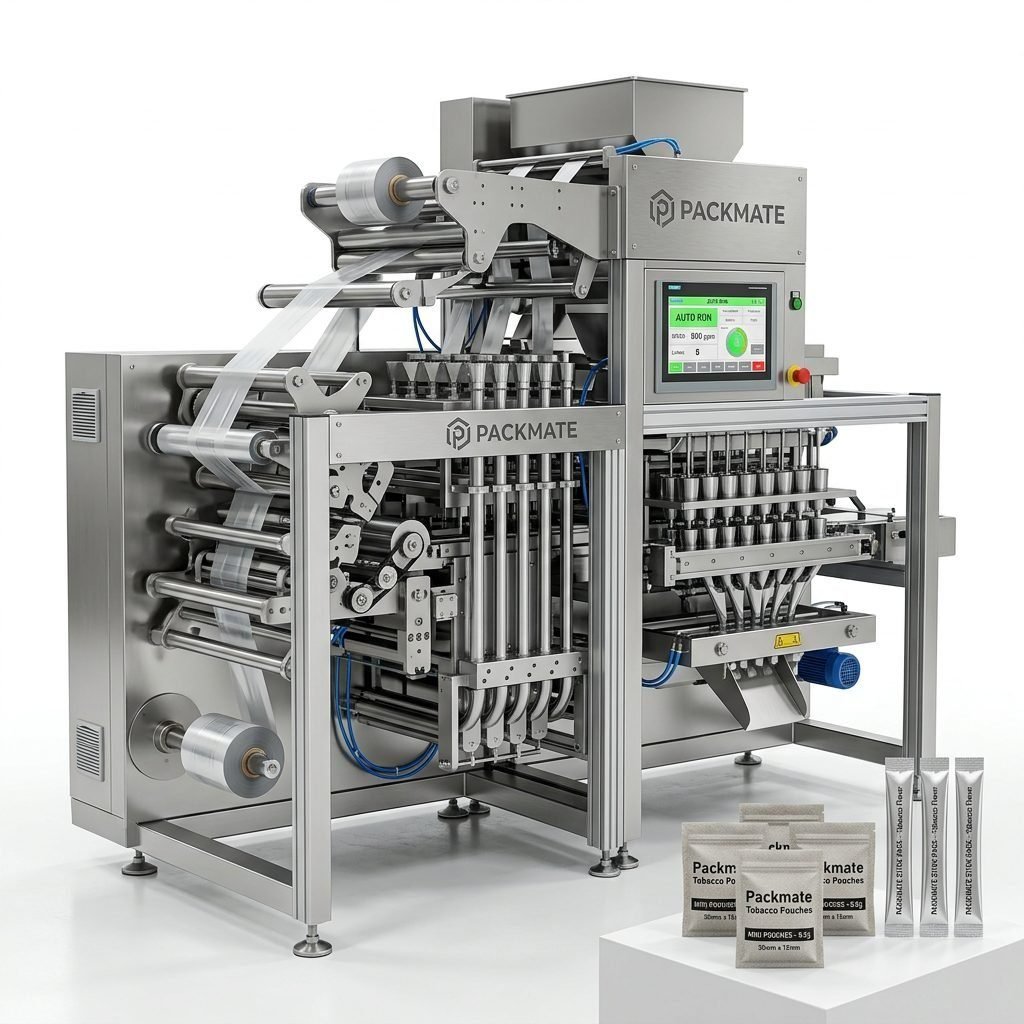
📦 Pouch Forming & Filling Machines — flexible pouch formats including stick pack, sachet, and multi-lane pouches tailored for nicotine products.
🔁 Sealing & Cutting Stations — high-speed sealing with accurate temperature control to maintain product integrity and shelf life.
🤖 PLC & HMI Control Systems — centralized controls for recipe management, fault diagnostics, and remote monitoring that reduce downtime.
Manufacturers like Packmate deliver modular units that can be combined into complete production lines for nicotine pouches. Choosing modular, upgradeable equipment supports future capacity increases with minimal disruption.
Production Line Layout & Workflow
An efficient layout minimizes material handling, reduces contamination risks, and improves product traceability. Typical workflow:
1. Raw material storage and pre-processing (powders, fibers, liquids)
2. Precision dosing and mixing — ensuring a consistent blend for each pouch
3. Multi-lane forming, filling, and sealing — synchronized lanes for high output
4. Secondary packaging — carton erecting, grouping, and case packing
5. Labeling, inspection, and palletizing — final QA and logistics preparation
Automation & Control: Reducing Variability
Automation is essential for consistent nicotine pouch production. Advanced PLC and HMI systems allow operators to:
• Load and store recipes for different pouch sizes and nicotine levels.
• Monitor throughput, machine health, and maintenance intervals in real time.
• Integrate with plant MES for traceability and production reporting.
Strong control systems result in fewer rejects, better yield, and predictable production cycles — critical metrics for any scaling manufacturer.
Quality Assurance & Regulatory Compliance
Quality assurance for nicotine pouch production involves material inspection, in-line weight checks, seal integrity tests, and finished product inspection. Compliance with global standards such as CE and ISO is often mandatory for export markets. Equipment suppliers should provide validation documentation and support for qualification protocols.
Inspection & Testing Capabilities
Inline metal detection, pressure/vacuum seal testers, and vision systems for pouch appearance are commonly integrated to ensure product safety and consistent branding.
Customization & Turnkey Solutions
Many manufacturers prefer turnkey solutions that include engineering, supply, installation, and start-up support. A reliable manufacturer will tailor equipment to product specifications (pouch size, filling type, lane count), integrate with upstream and downstream machinery, and provide operator training.
Packmate, with decades of experience and a 20,000㎡ manufacturing facility, offers modular machines and full line integration, helping clients move quickly from concept to full-scale production. Learn more about tailored lines and product options at Snus & Nicotine Packaging Machines and Bag & Pouch Packaging Machines.
Auxiliary Equipment & Integration
Auxiliary equipment such as conveyors, case packers, labeling systems, and palletizers complete the production ecosystem. Integrating weighing systems from the same vendor reduces compatibility challenges — explore Weighing & Packaging Systems and Filling & Packaging Lines for combined solutions.
Factory Capabilities & After-Sales Support
A strong supplier provides more than machinery — they offer engineering expertise, spare parts, training, and global service networks. Look for partners with rigorous CNC machining centers, dedicated assembly lines, and quality testing facilities that ensure each machine meets performance expectations.
Packmate’s credentials include CE and ISO compliance, 30+ years of industry experience, and participation in international exhibitions — valuable indicators of technical depth and global support capability. For specific cases, customers can review real-world implementations at Case.
Selecting the Right Machine Configuration
Choosing the optimal configuration depends on production targets, product characteristics, and regulatory obligations. Consider:
• Target daily output and peak demands
• Pouch dimensions, materials, and sealing requirements
• Integration with upstream mixing and downstream secondary packaging
• Ongoing service, spare parts availability, and operator training
Scalability & Upgrade Paths
A flexible machine architecture lets you add lanes or supplementary modules when demand grows. Investing in modular platforms reduces capital disruption when scaling and enhances ROI by protecting initial investments.
Installation, Validation & Commissioning
Professional installation and commissioning shorten time-to-production. Comprehensive FAT (Factory Acceptance Test) and SAT (Site Acceptance Test) procedures should be part of the supply scope. Verify supplier-supported validation documents and operator training to ensure safe, reliable operations at handover.
Before purchase, request a detailed project timeline that includes installation, commissioning, and acceptance testing. Good suppliers will also offer long-term service contracts — see Service and About Packmate for more supplier background.
Economic Considerations & ROI
Evaluate total cost of ownership, which includes initial capital, commissioning, training, spare parts, energy consumption, and maintenance. Efficiency improvements such as reduced changeover time, lower scrap rates, and higher uptime translate directly into improved margins.
Key Performance Indicators
Focus on OEE (Overall Equipment Effectiveness), yield percentage, average downtime, and average changeover time to monitor line performance and justify equipment investments.
Common Challenges & Practical Solutions
New nicotine pouch lines can face dust control issues, sealing variability, or dosing drift. Practical mitigations include:
• Enclosed material handling and dust extraction systems
• Real-time weight monitoring with automatic correction
• Redundant sensors and predictive maintenance alerts
Effective vendor collaboration reduces teething issues. Engage your supplier early for layout reviews, factory acceptance tests, and operator training sessions.
Why Choose an Experienced Partner?
Experience matters when dealing with specialized pouch formats and stringent regulatory landscapes. Established suppliers offer validated designs, global references, and demonstrated success across markets and product types.
If you want to explore machine models or discuss a turnkey project, visit the Contact Us page to connect with technical consultants.
Final Notes
Investing in the right nicotine pouch manufacturing equipment is a strategic decision that impacts product quality, regulatory compliance, and long-term profitability. Prioritize modular designs, robust control systems, and experienced suppliers to build a resilient production capability that scales with your business.
Frequently Asked Questions (FAQs)
Q1: How quickly can a turnkey nicotine pouch line be installed and commissioned?
A1: Typical timelines vary by line complexity and factory readiness. Small-to-medium lines can be delivered and commissioned in 12–20 weeks, while larger multi-lane turnkey projects may require 20–36 weeks including FAT/SAT and validation.
Q2: What regulatory certificates should the equipment have for international markets?
A2: Look for CE and ISO certifications as baseline safety and quality indicators. For specific markets, verify machine documentation and supplier support for validation and compliance evidence.
Q3: Can I upgrade a single-lane machine to multi-lane later?
A3: Many modern systems are designed for scalability. Confirm upgrade paths with the supplier — modular platforms allow additional lanes or enhanced filling modules with minimal downtime.
Q4: What ongoing support is typically offered after purchase?
A4: Reputable suppliers provide spare parts, remote diagnostics, on-site maintenance, and training packages. Consider service-level agreements that outline response times and parts availability.
Q5: Where can I see real-world examples of lines in operation?
A5: Review customer case studies and exhibition demos to evaluate machine performance. Explore Case and exhibition events for live demonstrations and references.