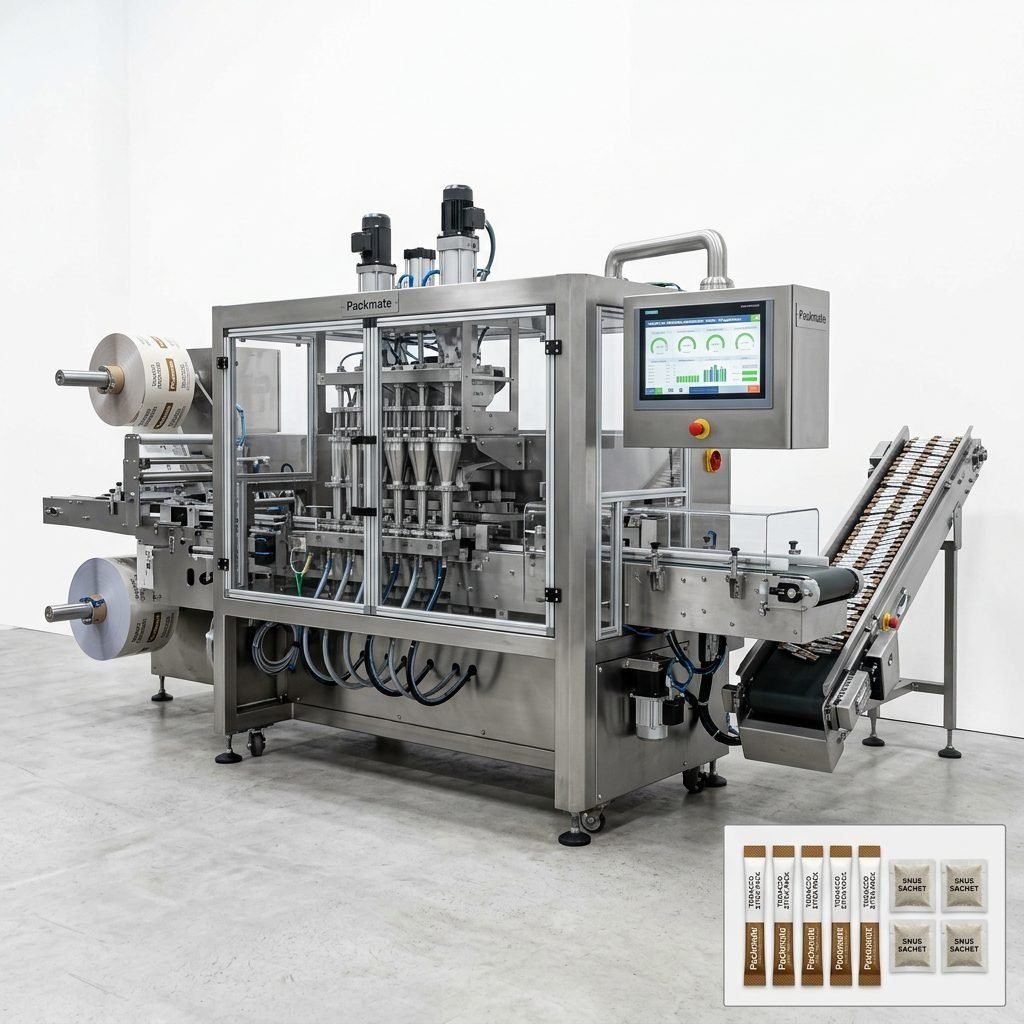
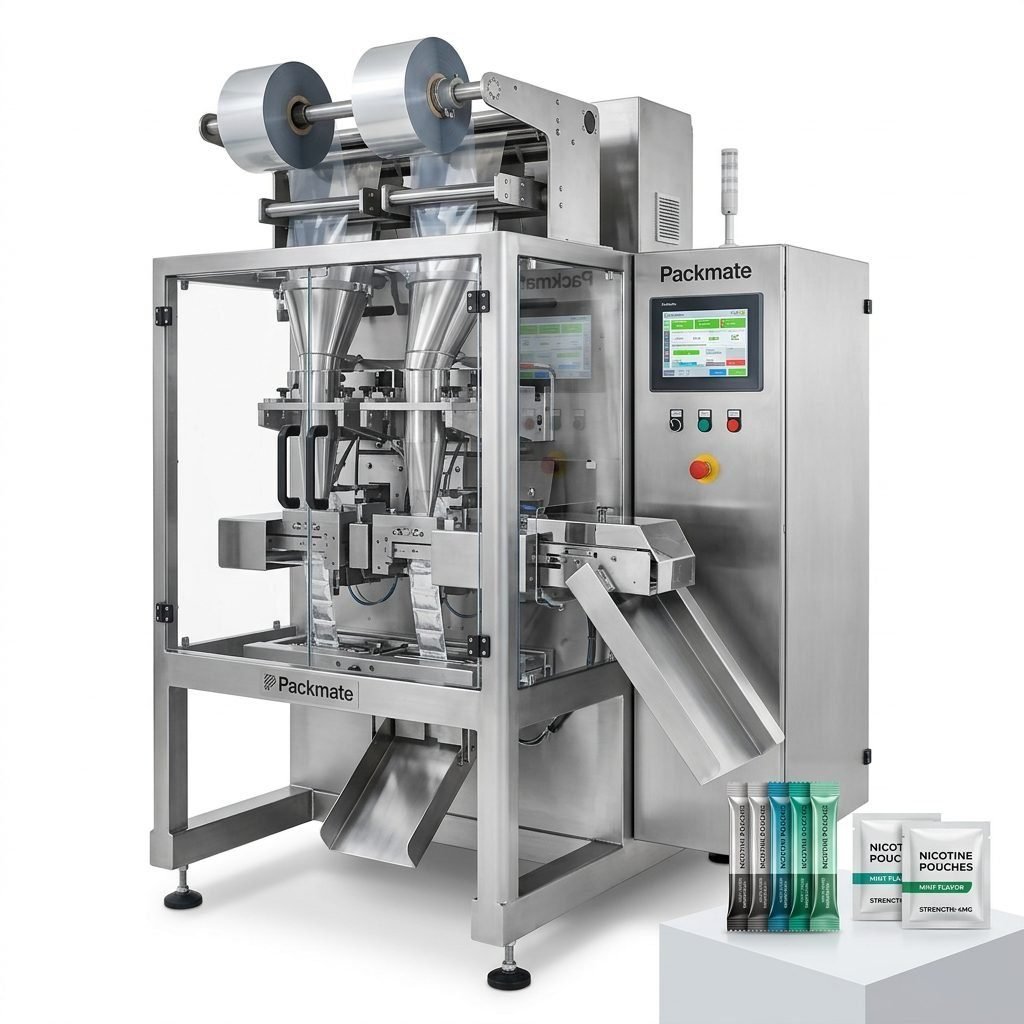
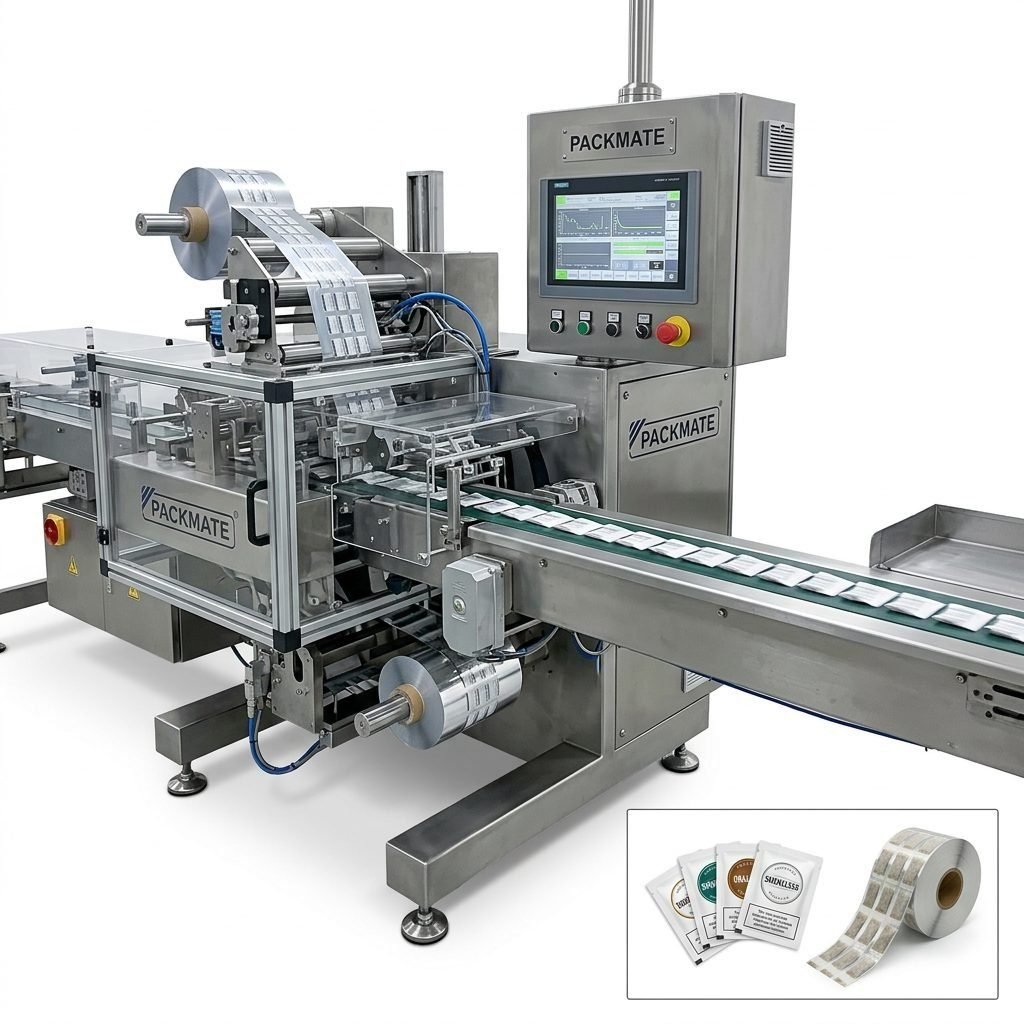
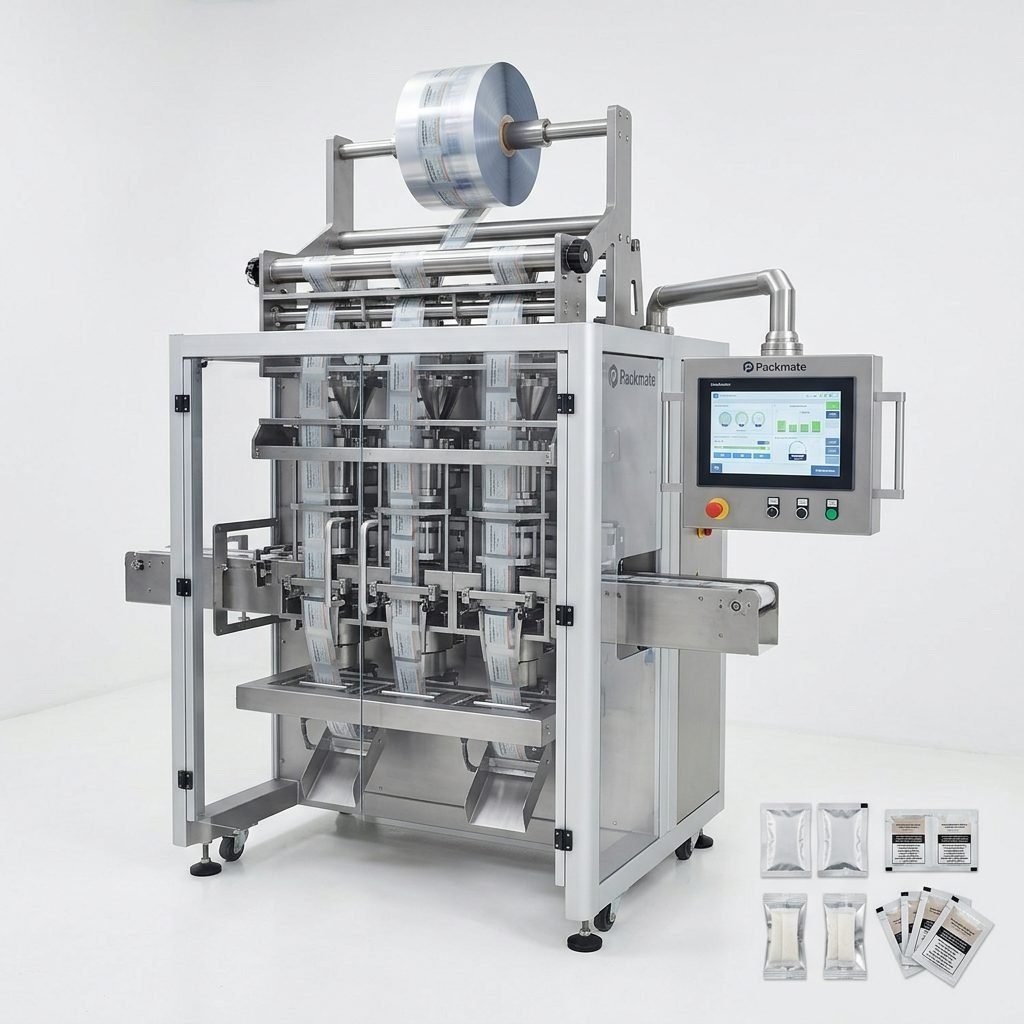
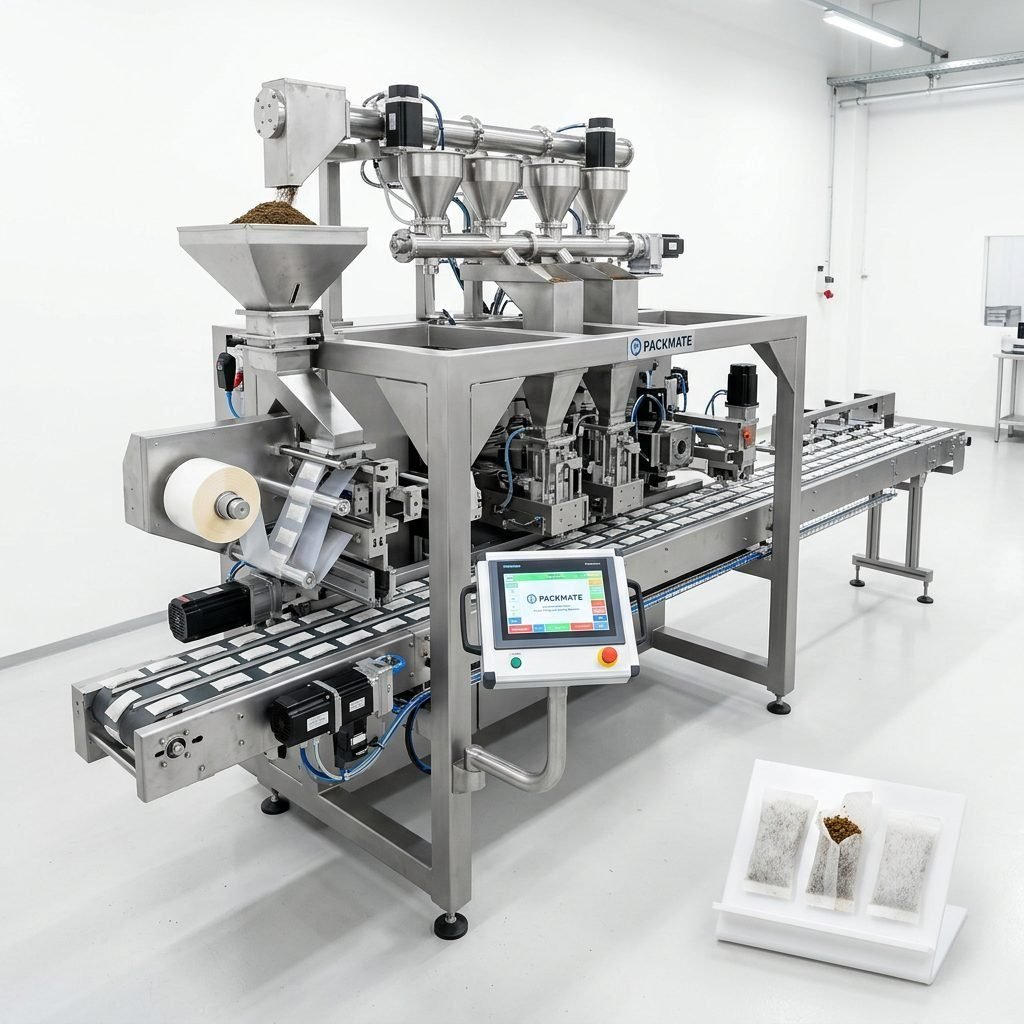
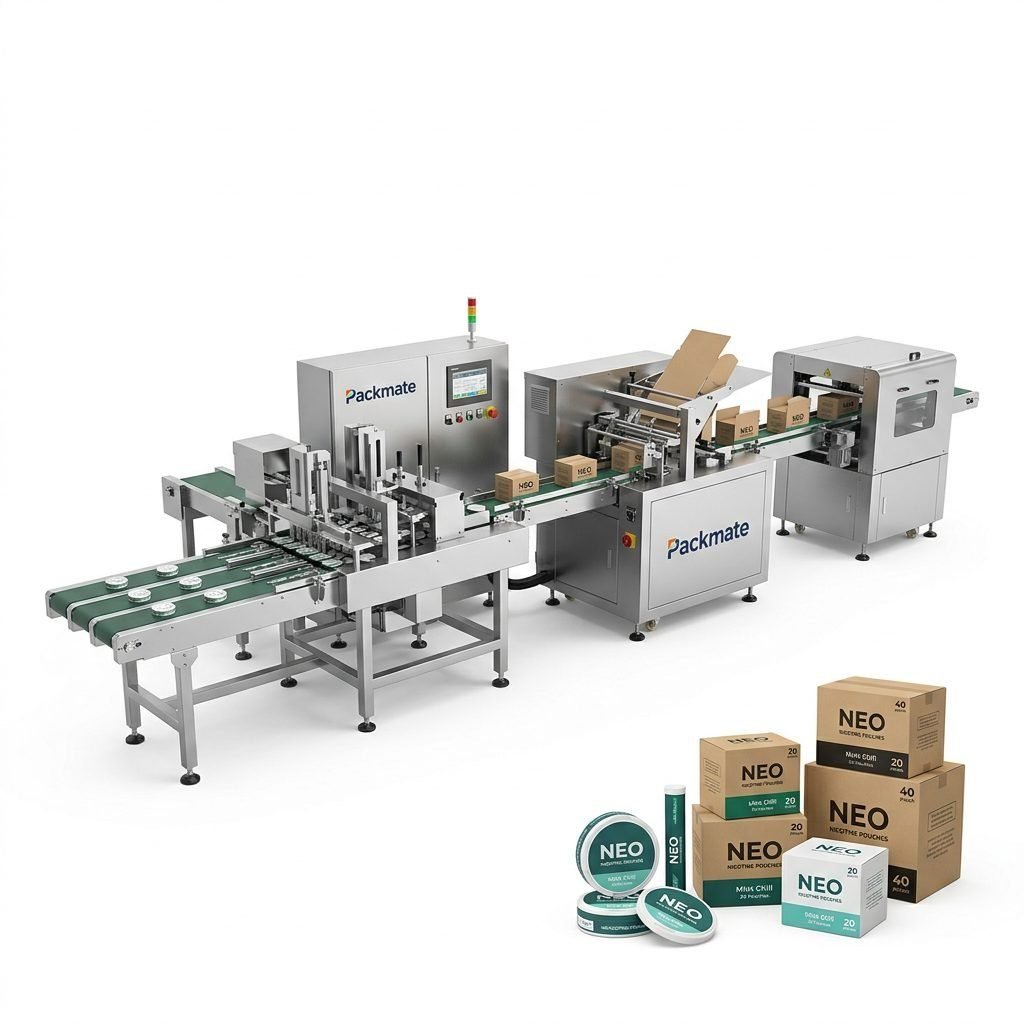
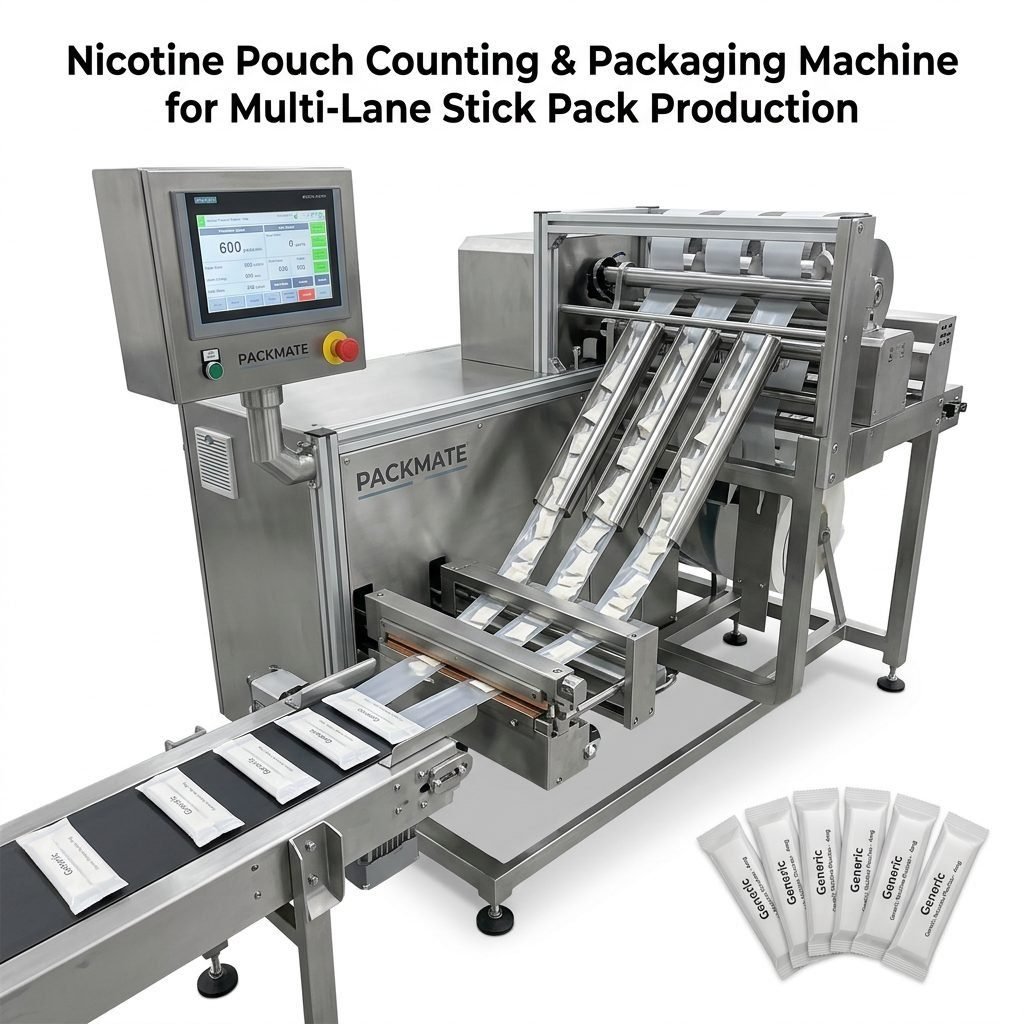
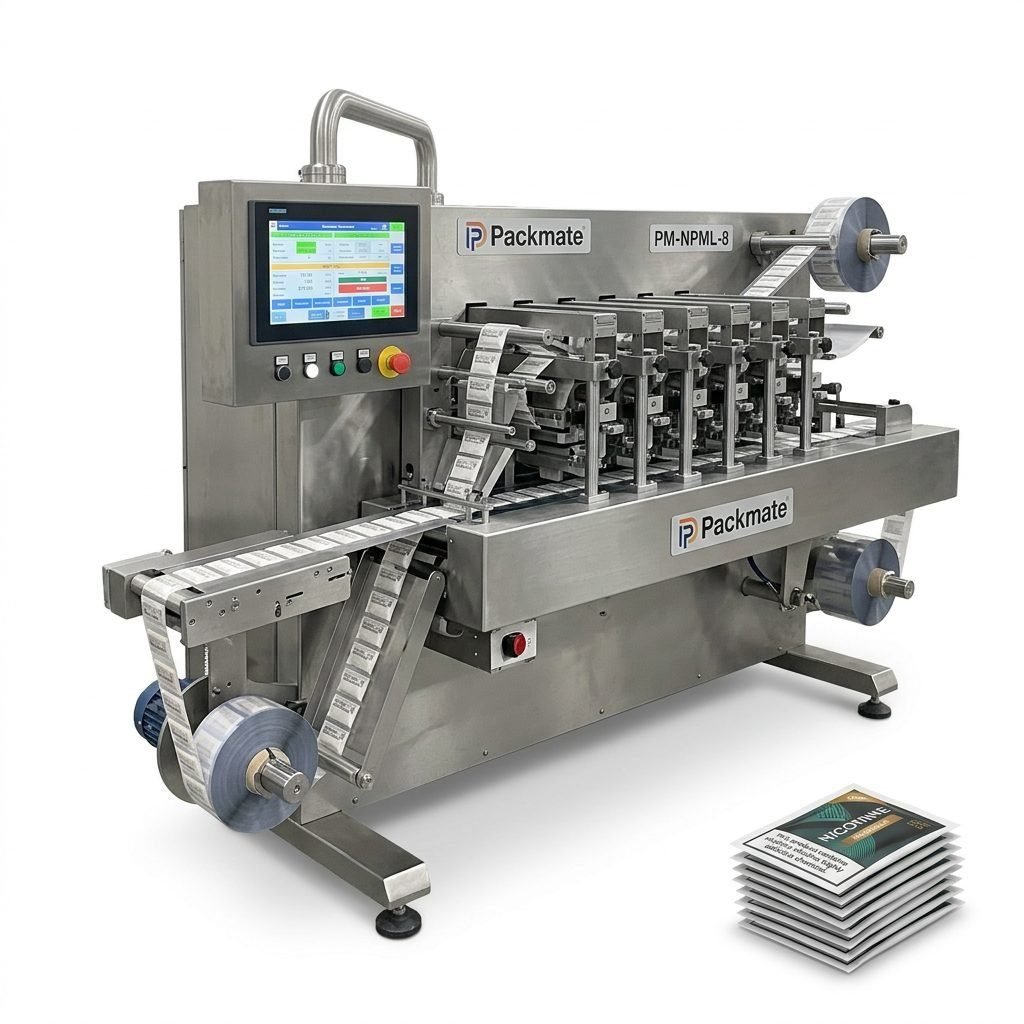
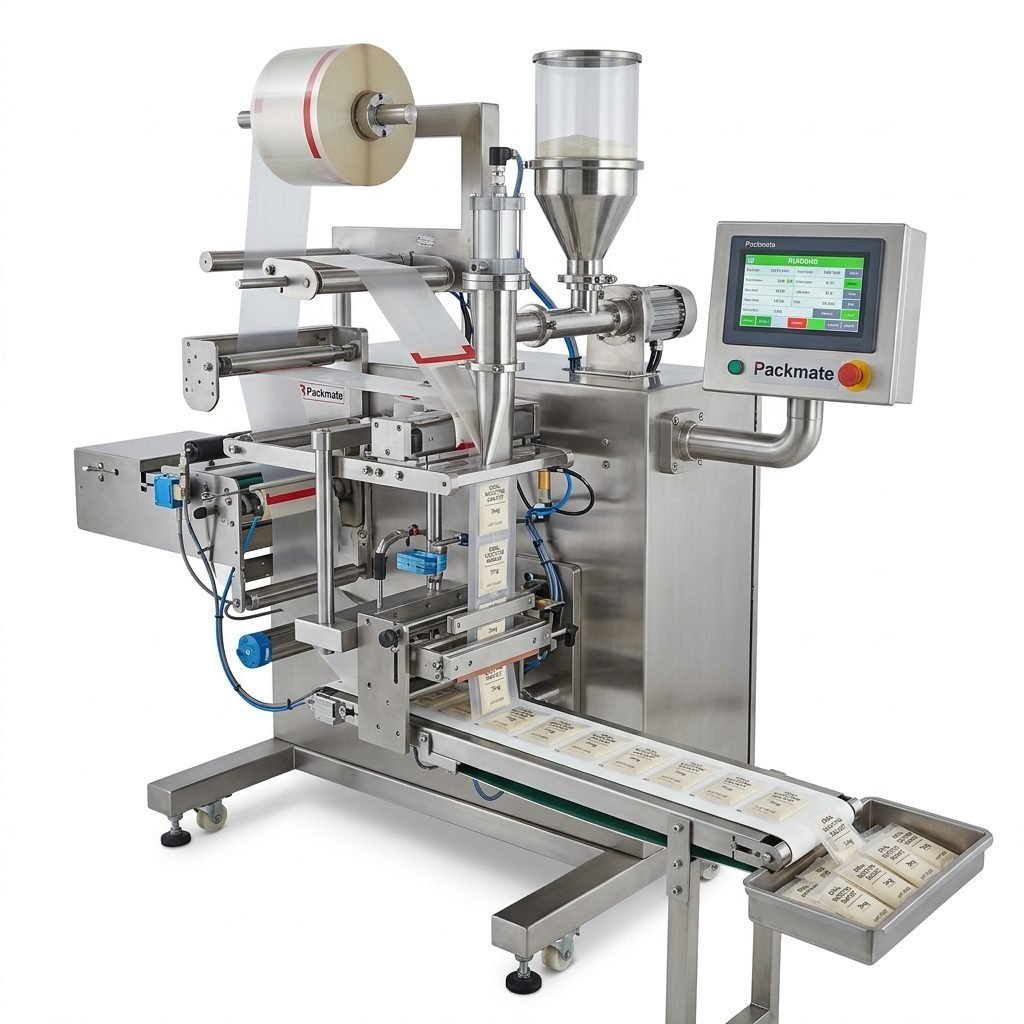
The rise of precision nicotine pouch and snus production has pushed packaging technology into a new era. Manufacturers demand machines that not only run faster and cleaner, but also think smarter. AI-powered snus packaging machines combine advanced robotics, machine vision, and adaptive controls to deliver consistent pouch filling, sealing, and secondary packaging — all while minimizing downtime and material waste. This article explores the core benefits, technical features, integration strategies, and practical considerations for deploying a modern AI-enabled snus pouch packaging line.
Why AI Matters in Snus Packaging
⚙️ Adaptive accuracy: AI algorithms continuously analyze production parameters (pouch weight, fill distribution, seal integrity) and adjust dosing, conveyor speed, and sealing temperature in real time to maintain tolerance. This reduces off-spec pouches and saves raw material.
🔍 Predictive maintenance: Machine learning models interpret vibration, current draw, and temperature signatures to predict component wear. Scheduled maintenance becomes proactive, lowering unplanned stoppages and improving overall equipment effectiveness (OEE).
Core Components of an AI-Powered Snus Packaging Line
A complete intelligent snus packaging system integrates several subsystems into a cohesive, automated line. Below are the essential elements that manufacturers should look for when evaluating solutions:
✅ High-precision dosing modules capable of measuring micro-gram to gram quantities with multi-head weighers for multi-lane production.
✅ Servo-driven pouch forming and filling stations with closed-loop control for repeatable pouch geometry and filling position.
✅ Machine vision systems for pouch inspection, text/print verification, and color detection to ensure label accuracy and brand consistency.
✅ AI-enabled PLC and HMI interfaces that surface actionable insights, recommend setpoint changes, and log production data for traceability.
Typical Line Topology
A typical snus packaging line starts with raw material handling (bulk hoppers and feeders), proceeds to metering/weighing, then to pouch forming and filling, followed by sealing and inspection stations. Downstream modules handle secondary packaging such as carton forming, grouping, and case packing. Each station communicates through a central MES or smart PLC to maintain synchronized throughput.
Benefits: Efficiency, Compliance, and Quality
📦 Higher throughput with reduced waste: AI tuning of dosing profiles and servo motion results in fewer rejects while maintaining higher speeds on multi-lane systems.
🔒 Regulatory traceability: Production batches, fill weights, and inspection logs are stored automatically to facilitate audits and compliance with international standards.
⏱️ Reduced downtime: Predictive insights and rapid fault diagnostics help operators address issues quickly and keep lines running longer between planned maintenance windows.
AI Use Cases in Detail
AI is not a feature but a toolkit. Some practical use cases include automated fill-weight optimization, dynamic sealing pressure adjustment based on pouch material, foreign object detection with vision analytics, and automated grading of cosmetic defects to segregate non-conforming pouches.
Designing for Multi-Lane, Small-Dose Production
Snus and nicotine pouches typically require extremely consistent small-dose filling across multiple lanes. Multi-lane systems multiply the challenge — and the reward. Properly engineered mechanical components (precision metering, synchronized indexing), combined with AI feedback loops, keep lane-to-lane variation within tight tolerances even at high speeds.
🔧 Mechanical stability: Rigid frames and precision drives minimize vibration so vision systems can reliably inspect fine details.
⚖️ High-precision weighing: Multi-head weighers with AI-assisted compensation handle product variation and ensure every pouch meets declared weight.
🔁 Lane balancing: Software algorithms detect lane imbalances and recommend parameter adjustments or temporarily divert product to protect overall yield.
Integration with Existing Production Systems
Integrating an AI-enabled snus machine with legacy MES, ERP, and plant SCADA is critical to unlock full value. Open communication protocols (OPC-UA, MQTT) and well-documented APIs enable data exchange, remote monitoring, and centralized recipe management.
Packmate Snus Machine provides turnkey solutions and supports integration services to connect packaging lines to enterprise systems. Learn more about their machine offerings and line configurations through their product pages: Snus & Nicotine Packaging Machines and Filling & Packaging Lines.
Data, Dashboards, and Continuous Improvement
Real-time dashboards display KPIs such as yield, waste percentage, average fill weight, and mean time between failures (MTBF). Historical data enables root-cause analysis and model retraining. Operators can accept or reject AI recommendations, creating a feedback loop that improves model accuracy over time.
📈 Continuous learning: Models adapt to seasonal raw material variability and equipment drift, reducing the need for frequent manual re-calibration.
Safety, Compliance, and Certifications
Safety and compliance go hand in hand with automation. Packmate Snus Machine ensures that equipment meets CE and ISO requirements. AI systems also contribute to compliance by logging each production step and maintaining electronic traceability for audits.
Operator Training and Change Management
Successful AI adoption requires operator buy-in. User-friendly HMIs, role-based access, and on-site training minimize disruption. Consider phased deployment with shadow-mode AI (where recommendations are observed but not enacted) to build trust before full automation.
Choosing the Right Supplier
Select a partner with proven domain expertise in snus and nicotine pouch packaging. Look for suppliers offering:
✔️ Industry experience in nicotine pouch packaging and multi-lane systems.
✔️ In-house engineering and manufacturing capabilities for rapid customization.
✔️ Robust after-sales support and field service for commissioning, training, and spare parts.
✔️ Compliance with international certifications and global exhibition presence for validation.
For a comprehensive look at supplier credentials and case studies, visit Packmate’s company overview and case pages: About Packmate and Case.
Deployment Roadmap
A phased approach reduces risk:
1. Assessment — map current bottlenecks and data availability.
2. Pilot — implement AI on a single lane or workstation to validate benefits.
3. Scale — roll out multi-lane AI control with operator training and MES integration.
4. Optimize — use production data to refine models and standardize best practices.
Real-World Performance Metrics
When implemented correctly, AI-enhanced packaging lines achieve tangible improvements: up to 10-20% reduction in material waste, 5-15% higher throughput, and a significant drop in unplanned downtime. Quality defect rates often fall by half due to continuous inspection and automated adjustments.
Sustainability Advantages
Waste reduction and optimized energy use are immediate sustainability wins. AI-assisted sealing and temperature controls also lower energy consumption while reducing the number of rejected pouches that would otherwise be discarded.
Common Concerns and Mitigations
Concern: Black-box AI — Mitigation: Use explainable AI modules and allow operators to review decision logs.
Concern: Integration complexity — Mitigation: Adopt standardized communication protocols and phased testing.
Concern: Data security — Mitigation: Implement role-based access, encrypted data channels, and local data storage options where required.
Next Steps for Manufacturers
Evaluate your current lines for bottlenecks, identify a pilot cell for AI deployment, and partner with a supplier experienced in snus packaging. Packmate offers a range of tailored machines and services to help scale from single-machine pilots to full turnkey lines — check their product suite for specific solutions: Sachet & Stick Pack Machines.
📣 Tip: Start small, measure impact, and scale when the ROI is proven. Combining AI with trusted mechanical design yields the best results for snus and nicotine pouch production.
Support and After-Sales
Reliable after-sales support includes commissioning, training, spare parts availability, and remote diagnostics. Visit the service page for details on support packages and warranty terms: Service.
Frequently Asked Questions
Q1: How does AI improve fill weight accuracy?
A1: AI analyzes historical and real-time weight measurements, compensates for hopper level changes, and dynamically adjusts dosing actuators to keep individual pouch weight within target tolerance. Continuous feedback avoids drift and reduces overfilling.
Q2: Can AI systems work with existing packaging machinery?
A2: Yes. Many AI modules are designed to integrate via standard industrial protocols (OPC-UA, Modbus, MQTT). A proper integration assessment will determine required hardware or sensor upgrades.
Q3: What are the typical ROI timelines?
A3: ROI depends on production volume and the severity of current inefficiencies. Typical payback is 12–36 months driven by reduced waste, higher throughput, and lower downtime.
Q4: Where can I see the machines in action or find technical documentation?
A4: Packmate exhibits at major international trade shows and publishes technical documentation and catalogs online. Visit their exhibitions and catalog pages for demos and downloads: Our Exhibition • Catalog.