Choosing the right snus packaging machine in Fiji is about balancing local market realities with global engineering standards. This guide walks Fiji-based manufacturers and importers through the process: from evaluating machine types and production capacity to understanding customs, labeling and after-sales support. Whether you need single-lane sachet machines for boutique runs or multi-lane high-speed lines for tourist-driven demand, this guide helps you make a confident purchase decision. 🇫🇯🔧
Understand Fiji’s Market, Culture and Regulations
Before you select a machine, consider how local consumer habits and regulations in Fiji affect snus and nicotine pouch sales. Fiji has a mix of urban consumers (Suva, Nadi) and dispersed island populations — products that are portable, discreet and clearly labeled tend to perform better. Additionally, public health policies and customs inspections may require clear ingredient lists and compliant packaging.
Practical points to note: label information should be in English and, where appropriate, offer clear health warnings; small-count pouch packs work well for tourists and convenience stores; and discreet single-dose pouch formats are popular for on-the-go consumers. Always check current import and tobacco/nicotine regulations with local authorities before ordering machines or raw materials.
Which Machine Type Fits Your Fiji Business?
Different production goals require different equipment. Below are the main machine families to consider:
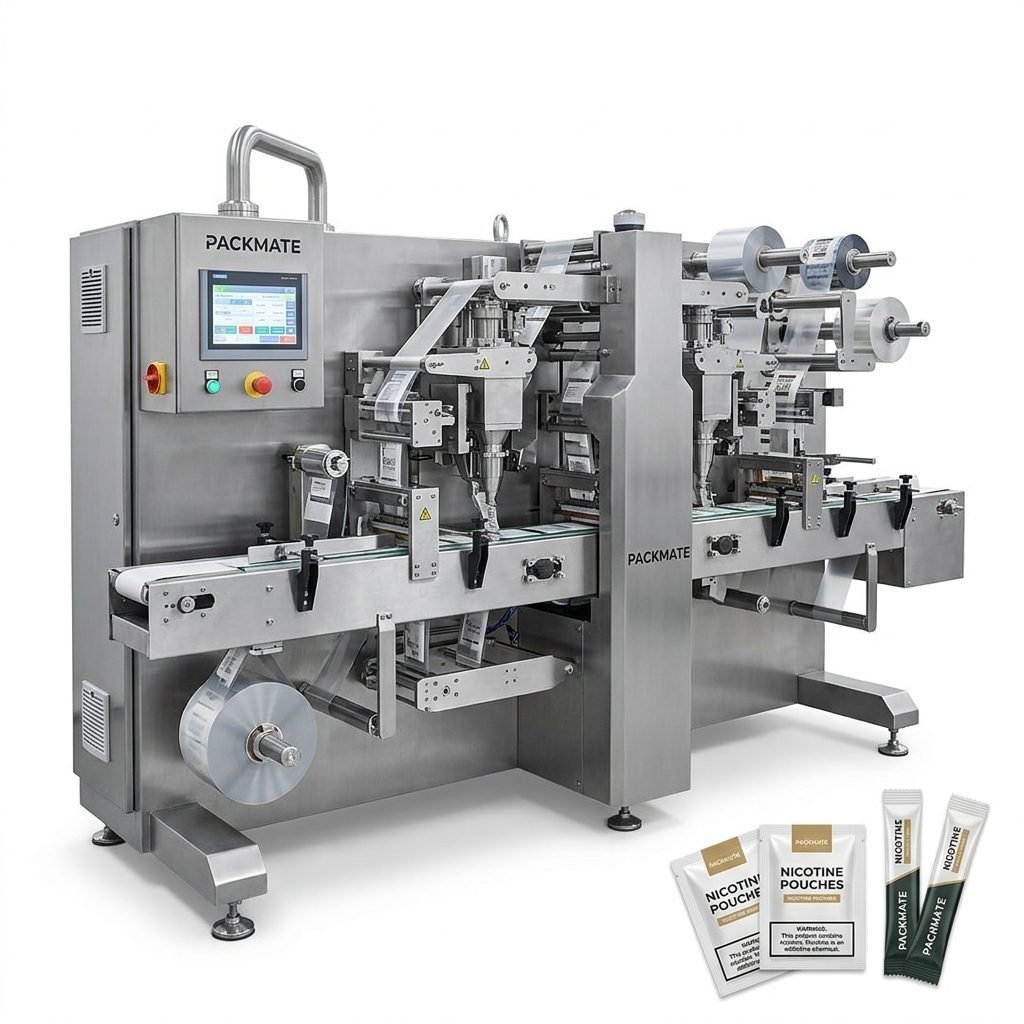
Sachet & Stick Pack Machines
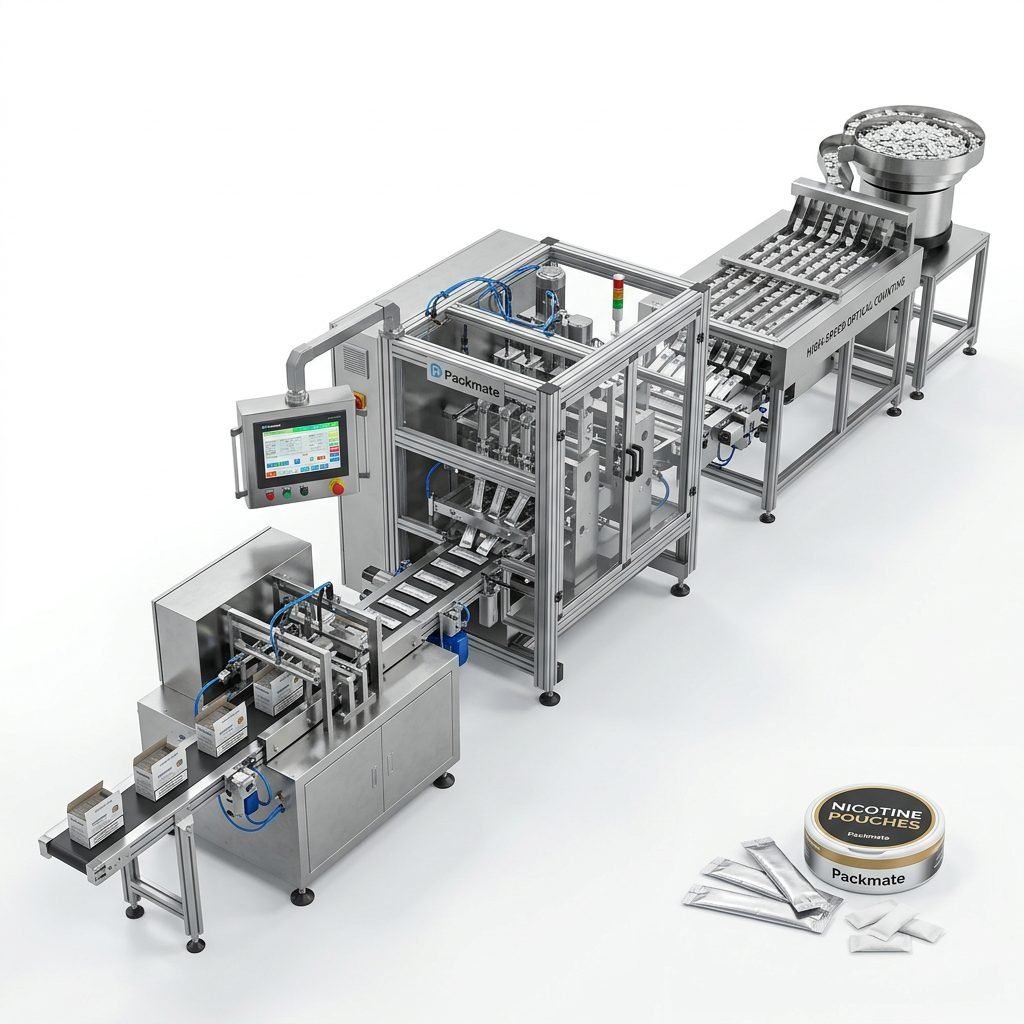
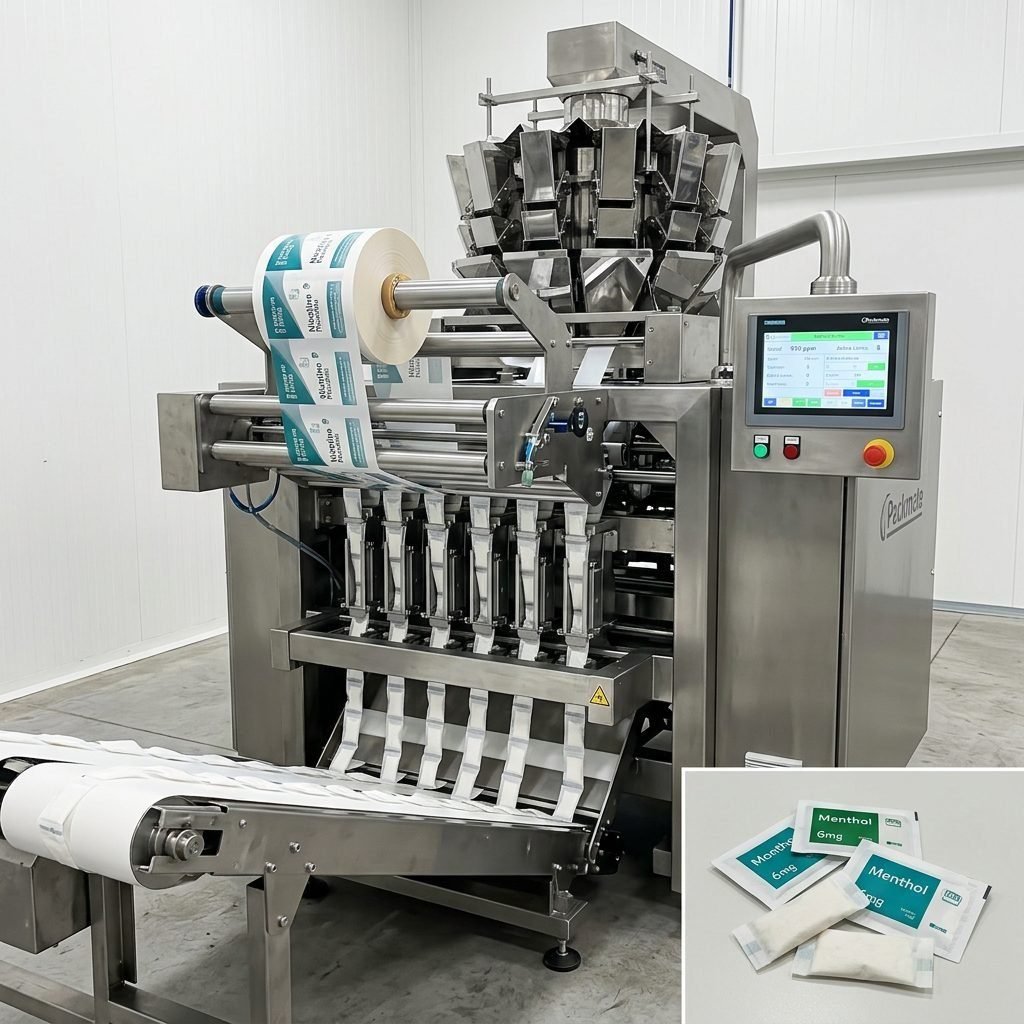
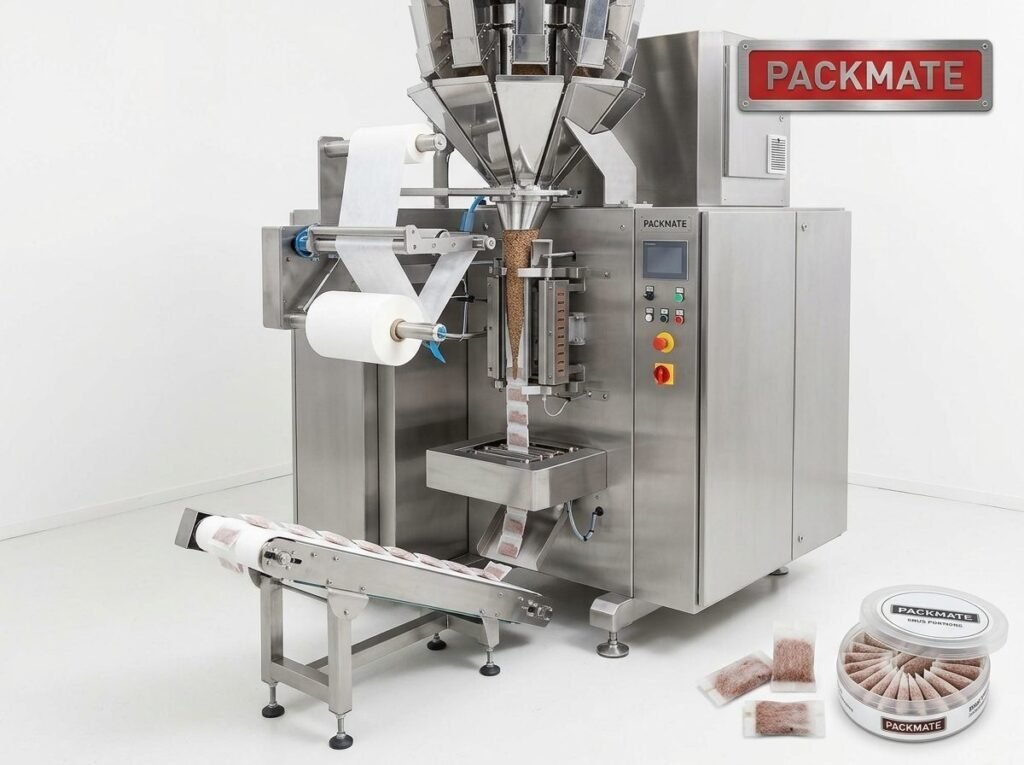
Sachet and stick-pack machines are ideal for single-dose formats and are commonly used for low-to-medium output lines. They are flexible for promotional sizes often favored by retail shops that serve tourists. Explore proven models that deliver consistent seal quality and low product giveaway: Sachet & Stick Pack Machines.
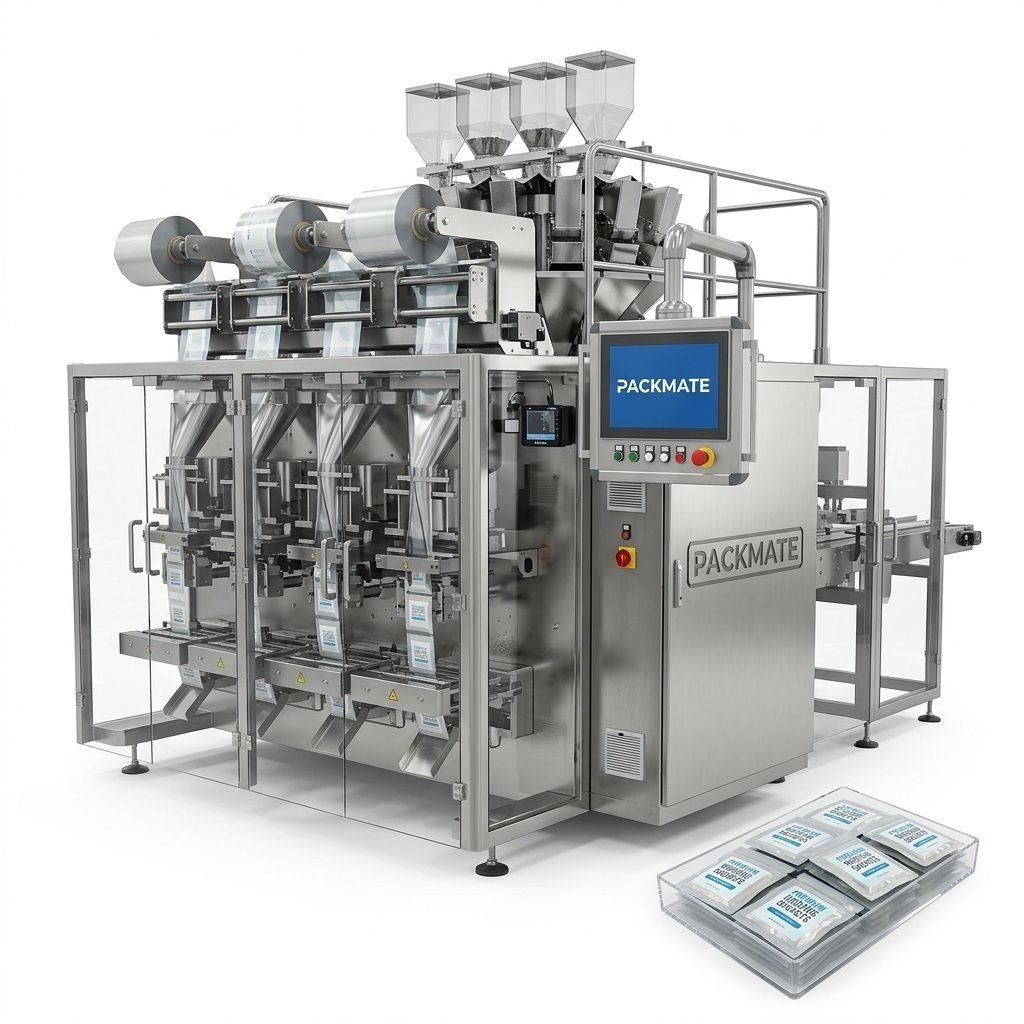
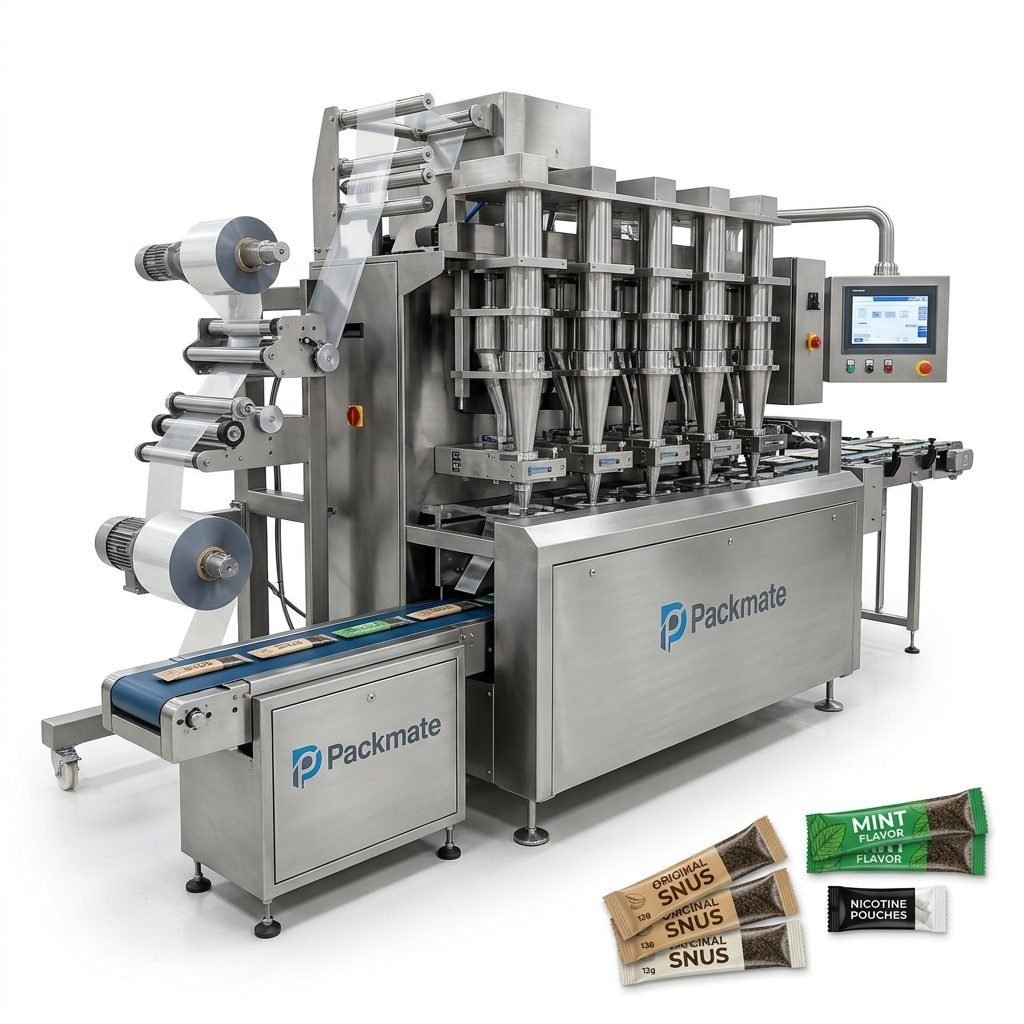
Multi-lane Snus & Nicotine Packaging Machines
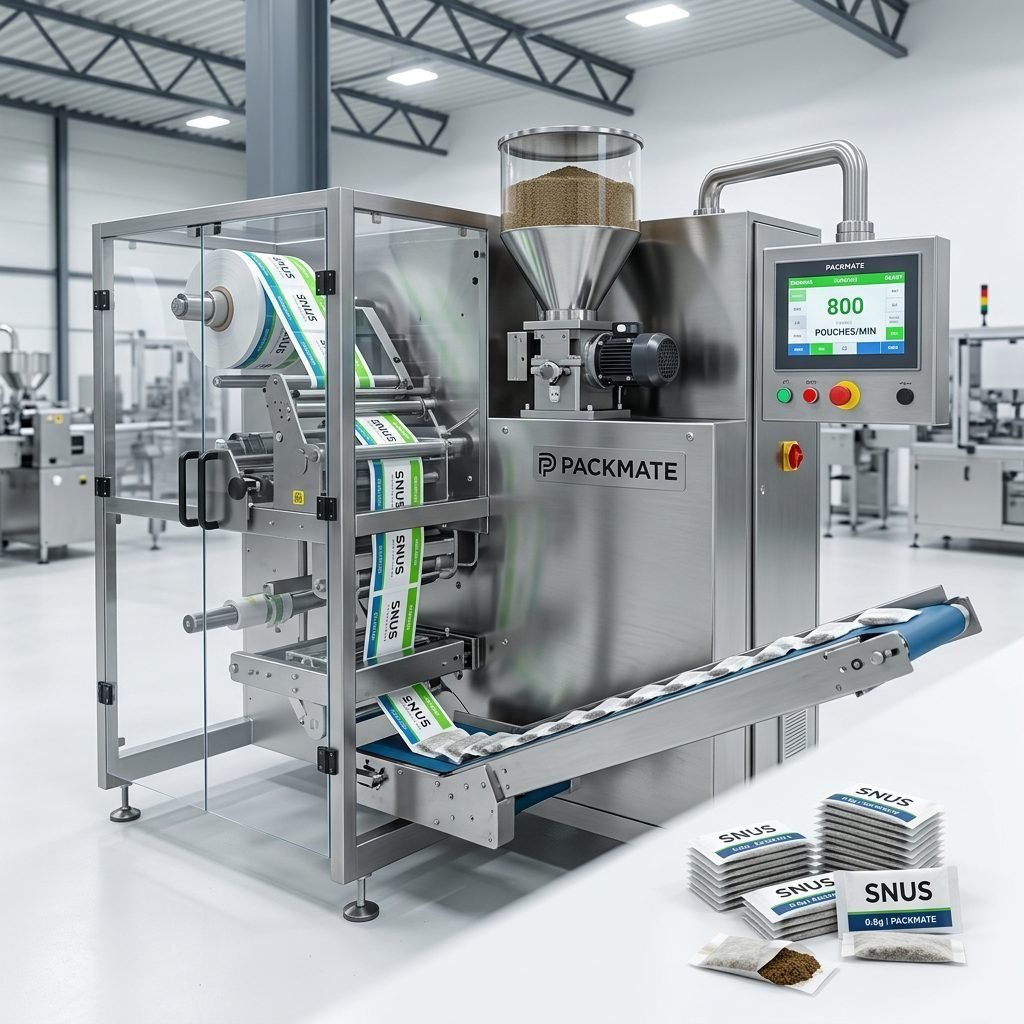
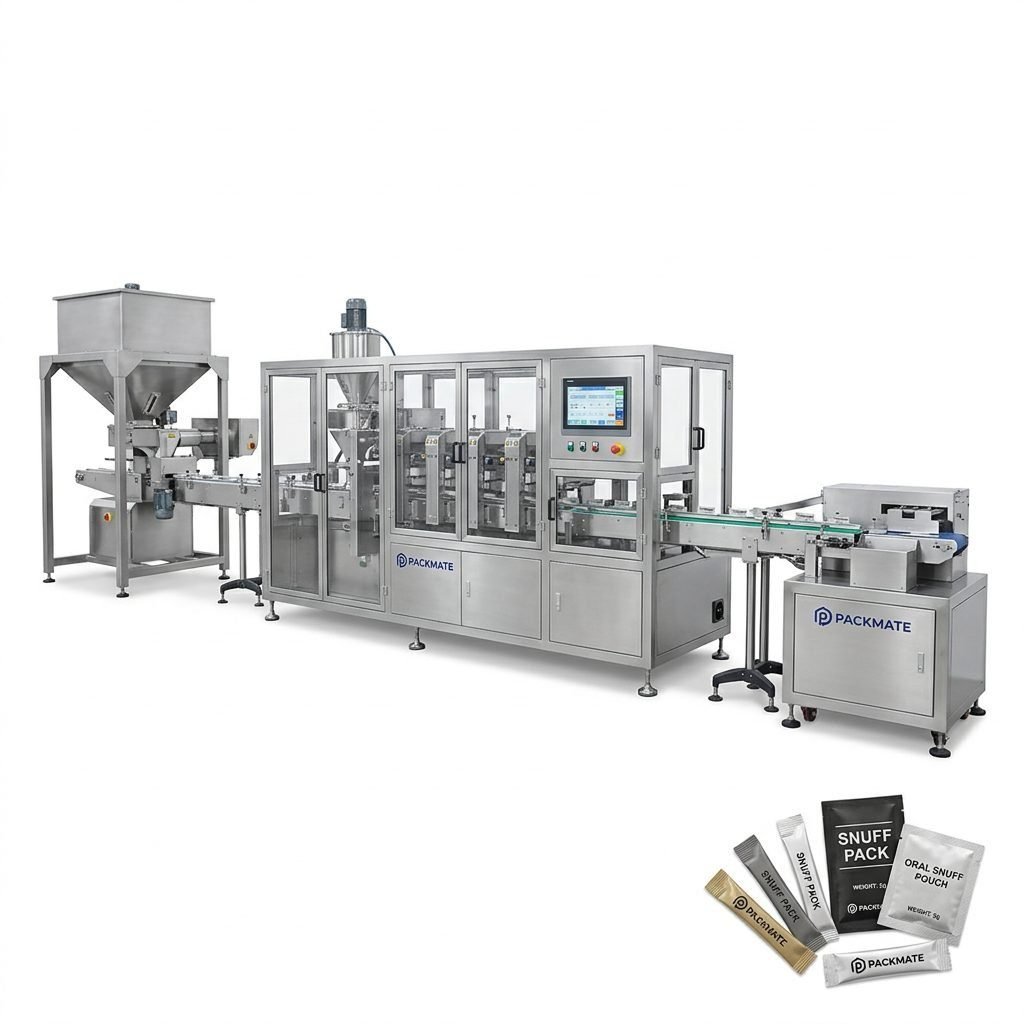
For larger-scale local distribution or export to nearby Pacific markets, multi-lane machines boost throughput without proportionally increasing footprint. They are best when you expect growth and steady orders. Learn about specialized snus systems here: Snus & Nicotine Packaging Machines.
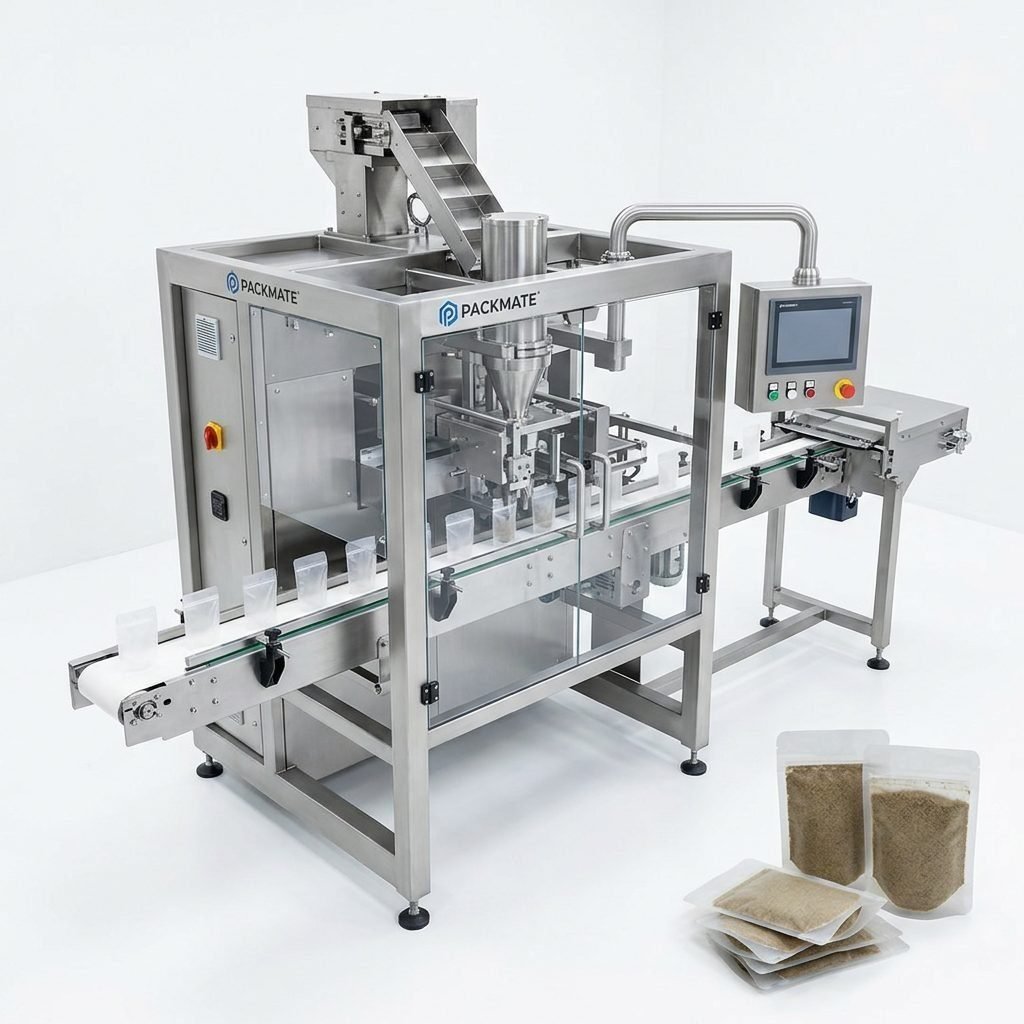
Filling & Complete Lines
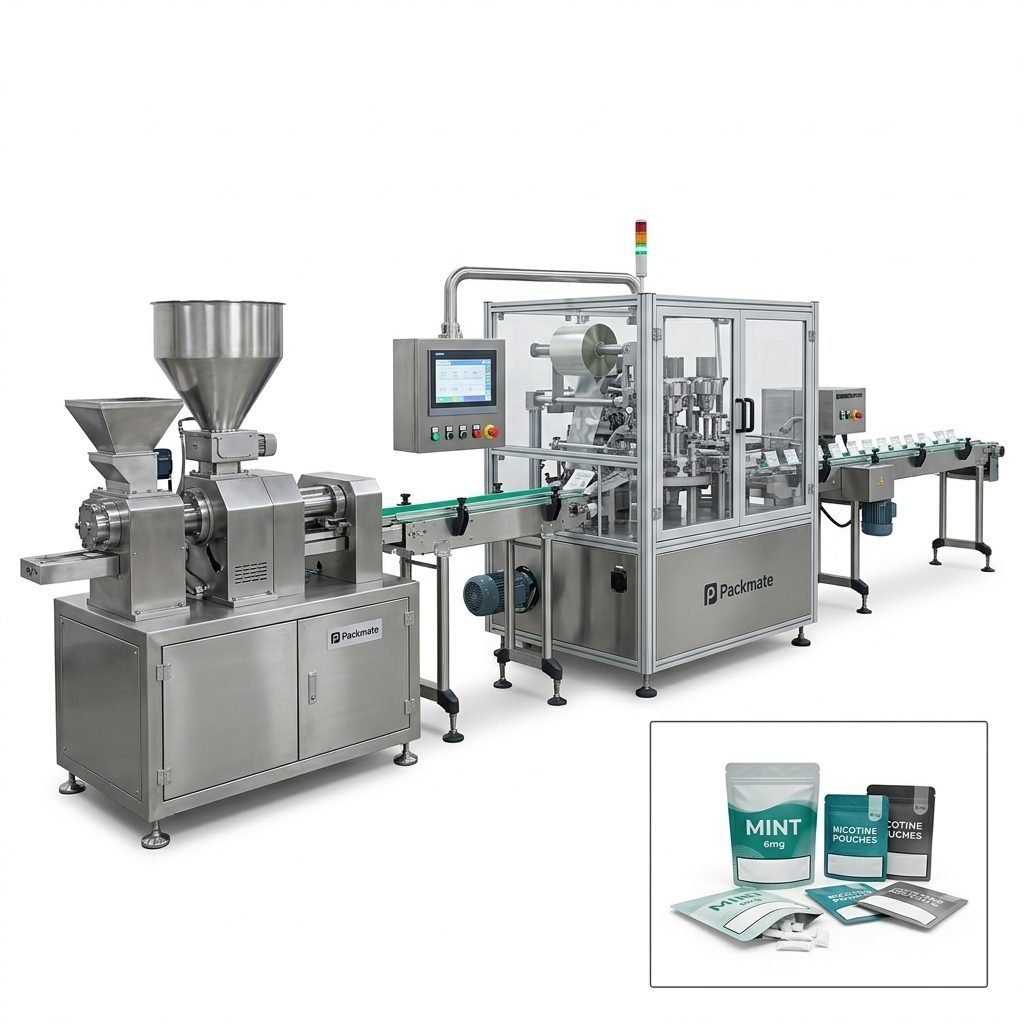
If you fabricate the pouches, invest in integrated filling and sealing lines for powders or loose-fill nicotine pouches. These reduce manual handling and improve hygiene — important for regulatory compliance. Check turnkey options and filling systems here: Filling & Packaging Lines.
Quick checklist — which format to pick:
🔸 Choose stick/sachet machines for low- to mid-volume and flexible pack sizes.
🔸 Choose multi-lane lines if your strategy is scale and export.
🔸 Choose integrated filling lines for hygiene-sensitive production and consistent dosing.
Key Technical Specs to Evaluate
When you compare machines, focus on specifications that impact uptime, product quality and operational cost:
– Servo-driven motion for precise pouch sealing and low maintenance. Servo control reduces waste and increases accuracy.
– PLC and HMI with intuitive controls — valuable for teams with limited technical training. Look for multi-language HMI if operator language variety exists.
– Weighing accuracy (if your product is measured by weight) and integration with feed systems. Consider linked systems from the Weighing & Packaging Systems menu.
– Materials compatibility: stainless steel where contact is needed, easy-to-clean surfaces and minimal product-trap design for hygiene.
Performance & Capacity — Match Speed to Demand
Calculate daily production targets and choose a machine with headroom for growth. Fiji buyers should weigh peak-season tourist demand (which may require extra capacity) and slower local months. A safe approach is to select equipment that can increase output by 20–30% without major upgrades.
Packaging Materials & Sustainability Considerations
Material choice affects seal integrity, shelf-life and regulatory compliance. Common options include laminated films with barrier layers for moisture control. Consider recyclable or mono-material solutions where possible — eco-conscious packaging appeals to tourists and urban consumers.
Material tips:
✅ Use barrier films for high humidity islands.
✅ Consider small-count retail packs that reduce waste and increase impulse purchase.
✅ Test materials for heat-seal strength under local transport conditions.
Installation, Training and After-Sales Support
A machine is only as good as the support behind it. For Fiji operations, prioritize suppliers with clear shipping and customs experience in the Pacific, remote training options and spare parts logistics. Look for:
– Remote commissioning and video-based training to reduce travel time and costs.
– Local technician training and a spare-parts starter kit. Small islands may face lead times for parts; ensure the supplier offers expedited shipment options.
– Service packages and extended warranties. Check the supplier’s service offerings here: Service.
Compliance, Certificates and Quality Assurance
Prioritize machines that comply with international standards like CE and ISO — they simplify import clearance and reassure retailers and regulators. Ask suppliers for test reports, material certificates and production photos. Packmate provides certificates and factory details on request: Certificate.
Total Cost of Ownership (TCO) and ROI
When budgeting, include purchase price, shipping, customs duties, installation, operator training and spare parts inventory. Factor in energy consumption and typical maintenance hours. For Fiji buyers, shipping and import duties can be a significant portion of upfront cost — compare turnkey quotes that include installation vs. machines sold as-is.
Why Choose an Experienced Manufacturer?
Vendors with decades of design and manufacturing experience deliver better uptime and return on investment. Packmate Snus Machine, for example, brings 30+ years of engineering and a 20,000㎡ facility producing 50+ machine models. See their company background and case studies for real-world examples: About Packmate and Case.
Top buying checklist (at-a-glance):
🔎 Capacity matched to peak tourist demand and local sales.
⚙️ Servo control, PLC/HMI, and hygienic material contact parts.
📦 Reliable spare parts supply and remote service availability.
🧾 Clear documentation, CE/ISO compliance and local labeling options.
Practical Tips for Fiji Importers and Manufacturers
1) Coordinate shipping and customs early — island logistics can add days or weeks. 2) Request pre-shipment testing videos and machine run-throughs to verify performance. 3) Order a spare parts kit and schedule virtual training sessions before shipment. 4) Consider modular machines if you need to expand gradually with limited floor space.
How to Evaluate Supplier Proposals
Compare proposals on these dimensions: machine uptime metrics, warranty terms, spare parts lead time, included training, on-site commissioning costs, and clear documentation for customs. Ask for references in similar climates and markets. If you need turnkey packaging lines or auxiliary equipment, review related solutions: Auxiliary Packaging Equipment.
Summary and Next Steps
Selecting a snus packaging machine for Fiji involves technical, commercial and cultural considerations. Prioritize machines that deliver reliable seals, accurate dosing and easy maintenance, and work with suppliers who understand island logistics and local compliance needs. Request detailed quotes, machine videos, and factory certifications. If you seek sample machine models or turnkey solutions, contact established suppliers to discuss your expected volumes and pack formats: Contact Us.
Common Questions
Q1: What machine speed should I choose for a small Fiji factory?
A: Start by estimating monthly demand; for small-batch local sales a mid-speed single-lane sachet or stick-pack machine often suffices. Choose a model with 20–30% expansion capacity so you can handle seasonal tourist peaks without a new purchase.
Q2: How to handle parts and maintenance in Fiji?
A: Negotiate a spare parts starter kit and spare-parts shipping plan. Ensure your supplier offers remote diagnostics and training. For critical parts, confirm local distributors or fast international shipping options to reduce downtime.
Q3: Do I need full turnkey lines or stand-alone machines?
A: If you produce your own pouches and fill product in-house, a turnkey filling + sealing line simplifies integration and hygiene. If you outsource pouches or start small, a stand-alone sachet/stick machine minimizes capital outlay.
Q4: Are there suppliers experienced with Pacific island shipments?
A: Yes — established manufacturers with global export experience often include shipping and customs guidance. Review supplier case studies and exhibition presence to confirm their global logistics capabilities: Our Exhibition.
Q5: How important is certification?
A: Certifications like CE and ISO demonstrate manufacturing quality and make customs and retail acceptance easier. Request certificates before purchase and confirm the machine’s electrical compliance with local standards.
For more detailed model comparisons and turnkey line options, you can review Packmate’s product categories and catalogues to match technical specs with your Fiji production needs: Catalog and explore machine families under Bag & Pouch Packaging Machines.