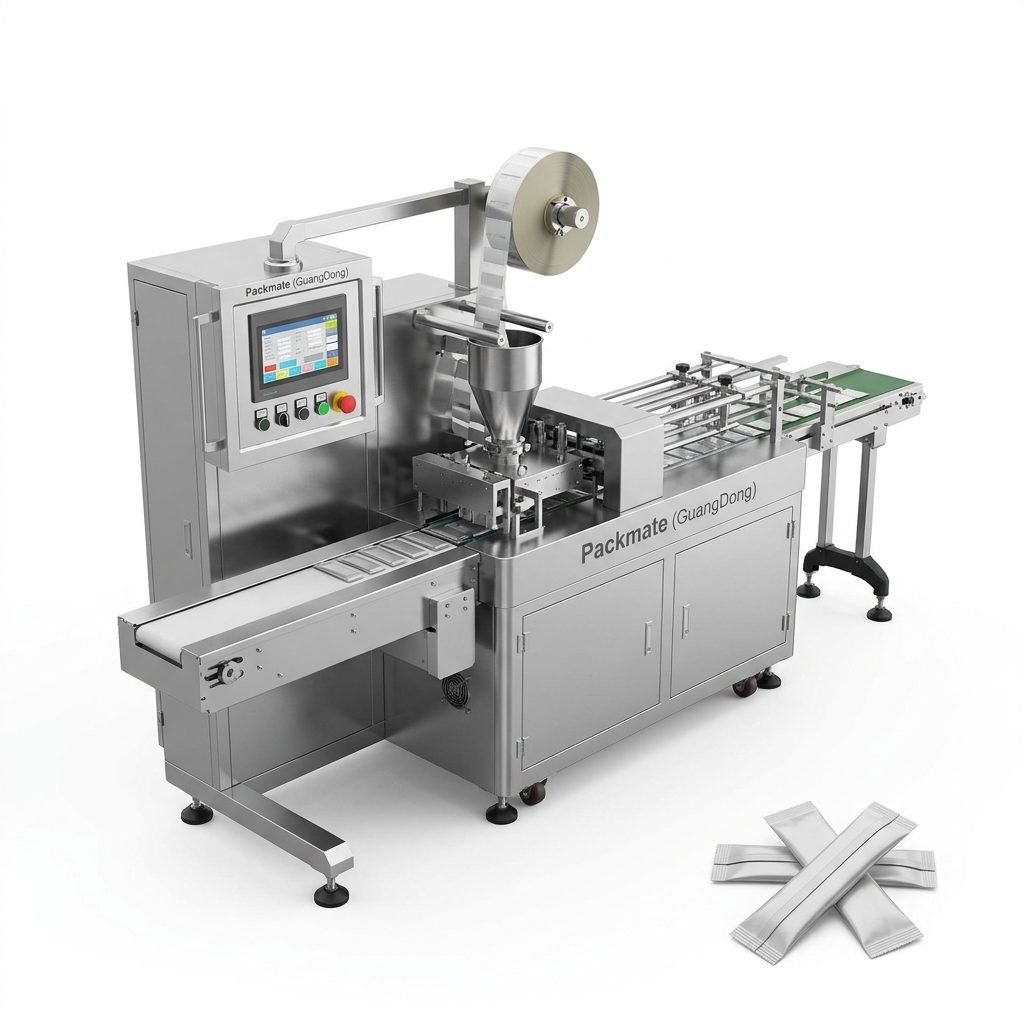
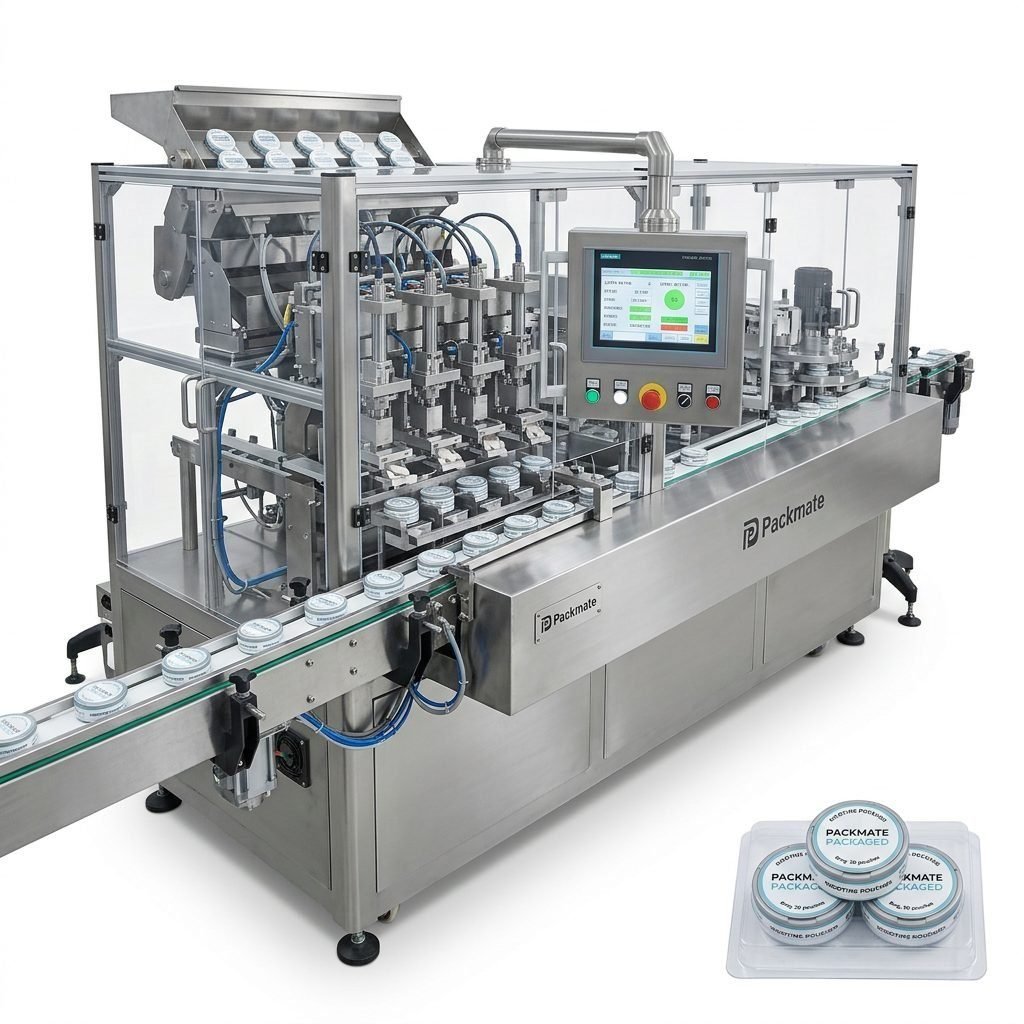
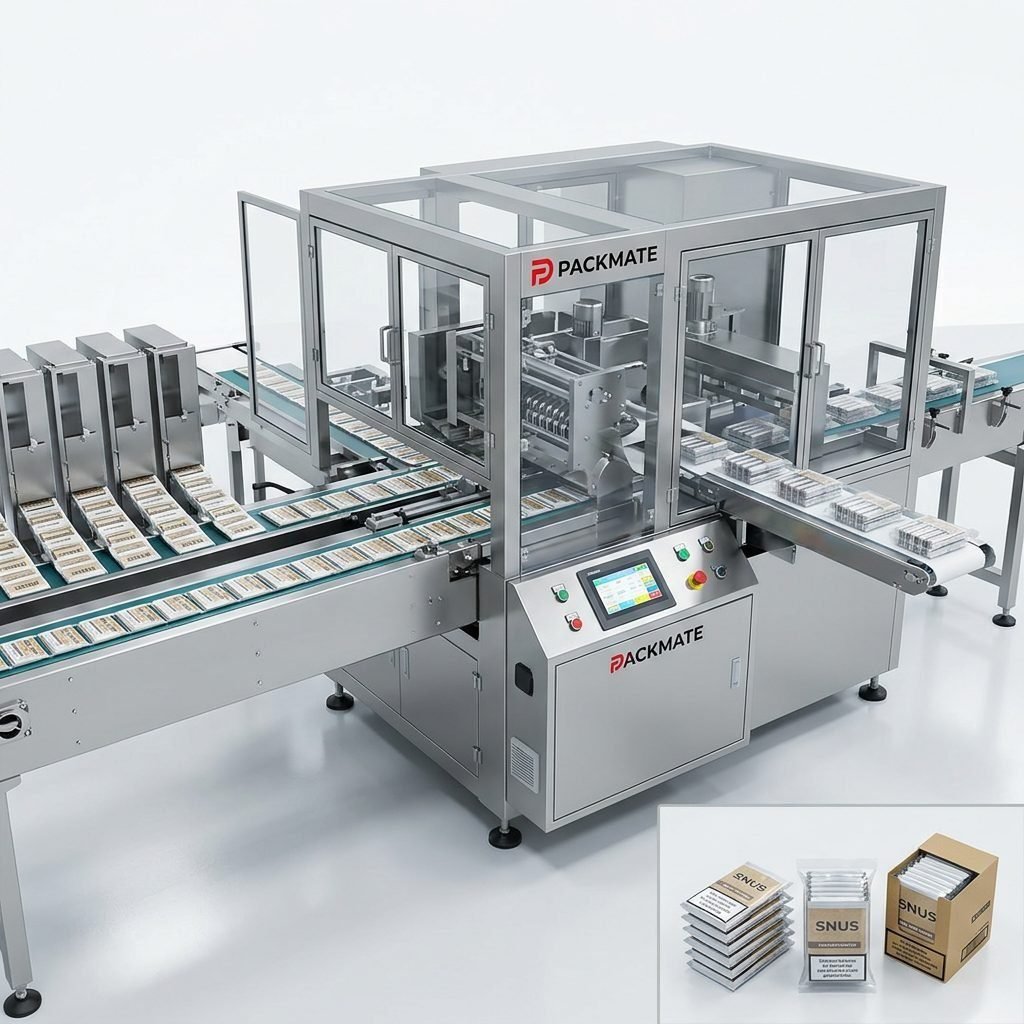
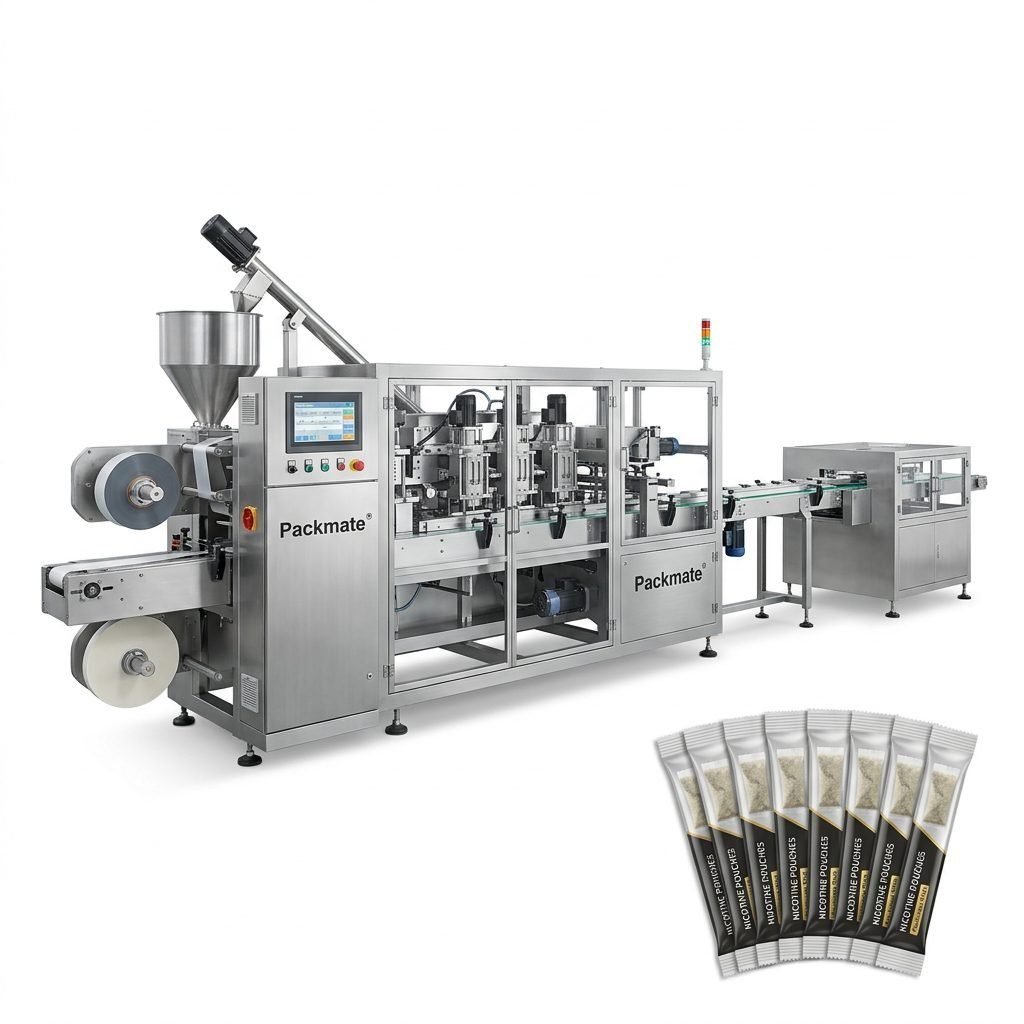
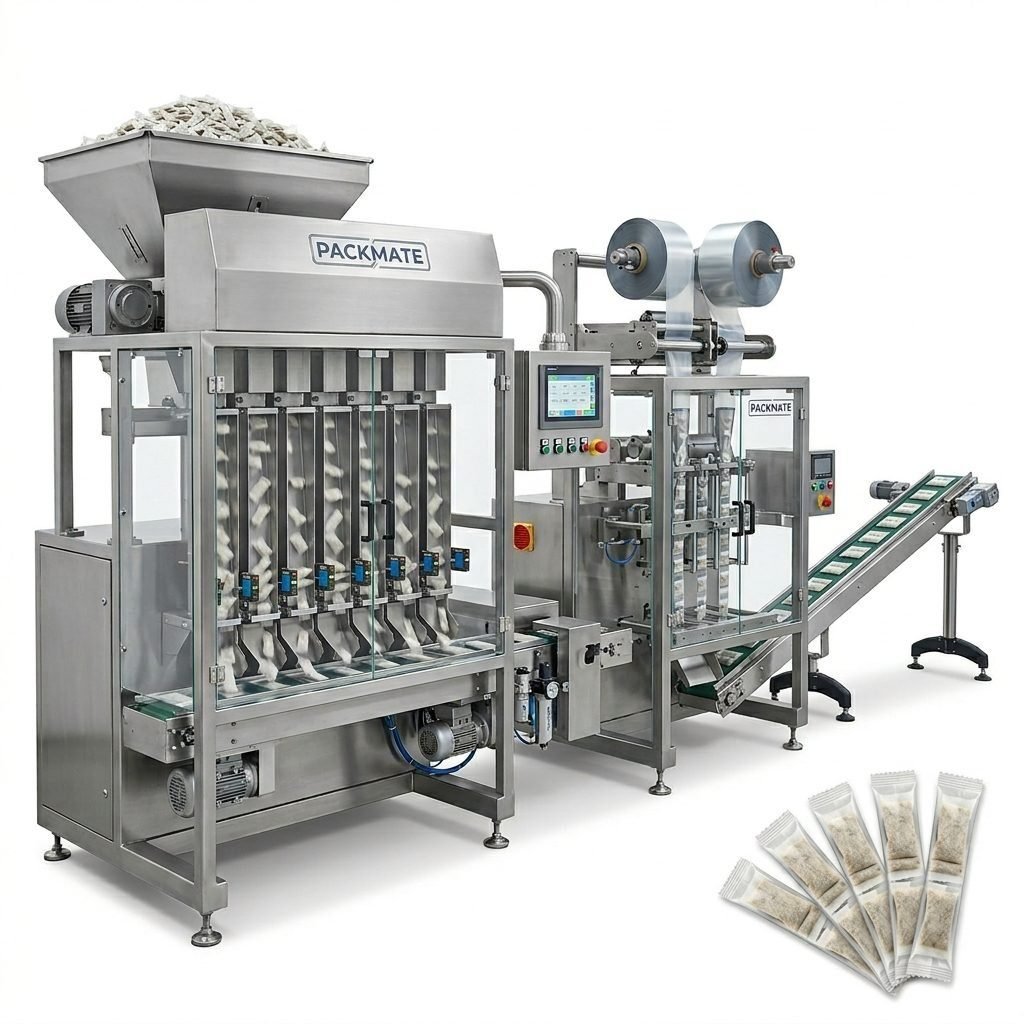
Choosing the right snus packaging machine manufacturer for your business in Senegal is a critical decision that affects product quality, compliance, and long-term profitability. This guide walks you through practical technical considerations, local market realities, and supplier evaluation criteria so you can select a partner that delivers reliable equipment, timely support, and packaging solutions tailored to Senegalese climate and consumer preferences.
Understand the Senegal Market and Local Habits 🔍
Before selecting machinery, consider how snus and nicotine pouch products fit into Senegal’s cultural and regulatory landscape. Senegal is predominantly Muslim, and while tobacco use exists, public perceptions and regulations can be stricter than in some Western markets. Labels in French are essential (French is the official language), and adding clear product information in Wolof or Arabic can improve local acceptability. Also note coastal humidity and warm temperatures: package barrier performance and moisture protection are vital to preserve product freshness.
Practical takeaways:
📌 Ensure labels include French (and optional Wolof) text to meet consumer expectations. 📌 Choose packaging films and sealing technologies designed for humid, warm climates to prevent moisture ingress and product degradation.
Key Technical Criteria for Snus Packaging Machines ⚙️
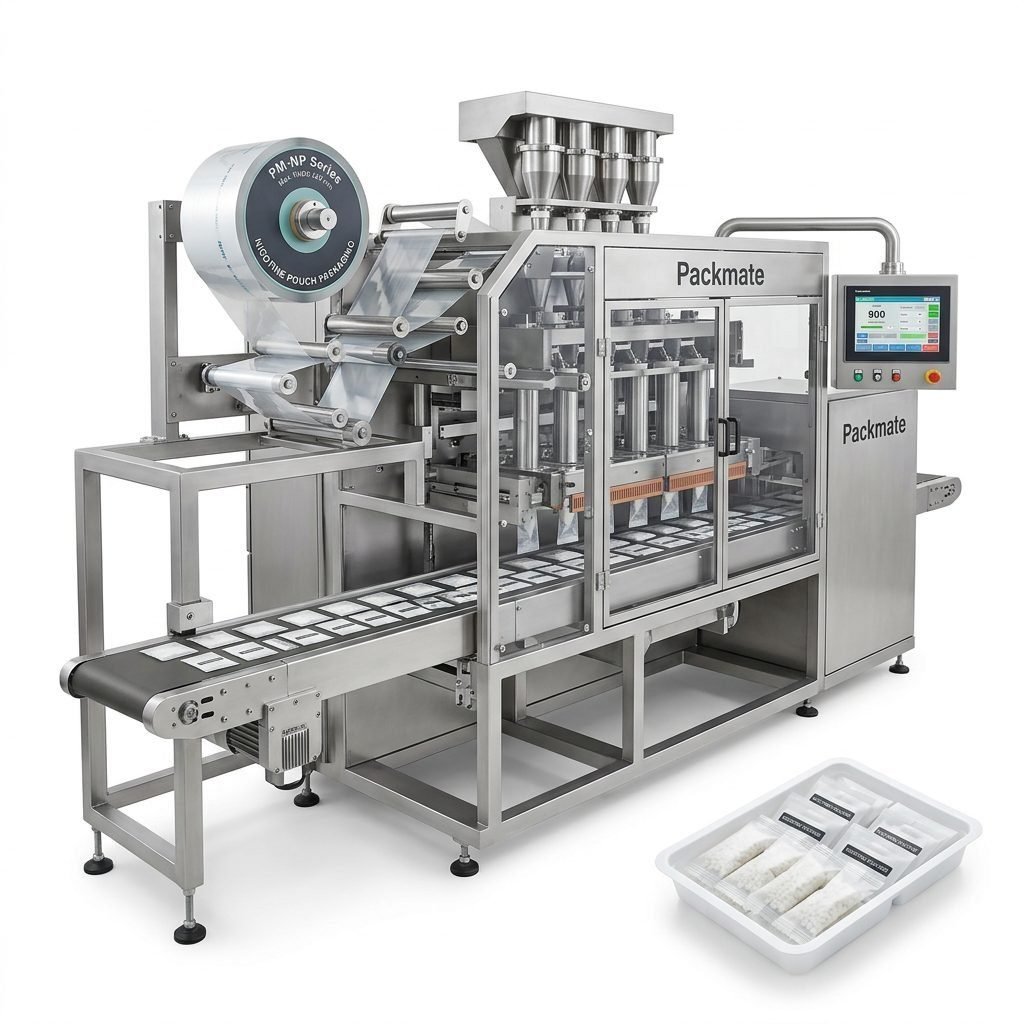
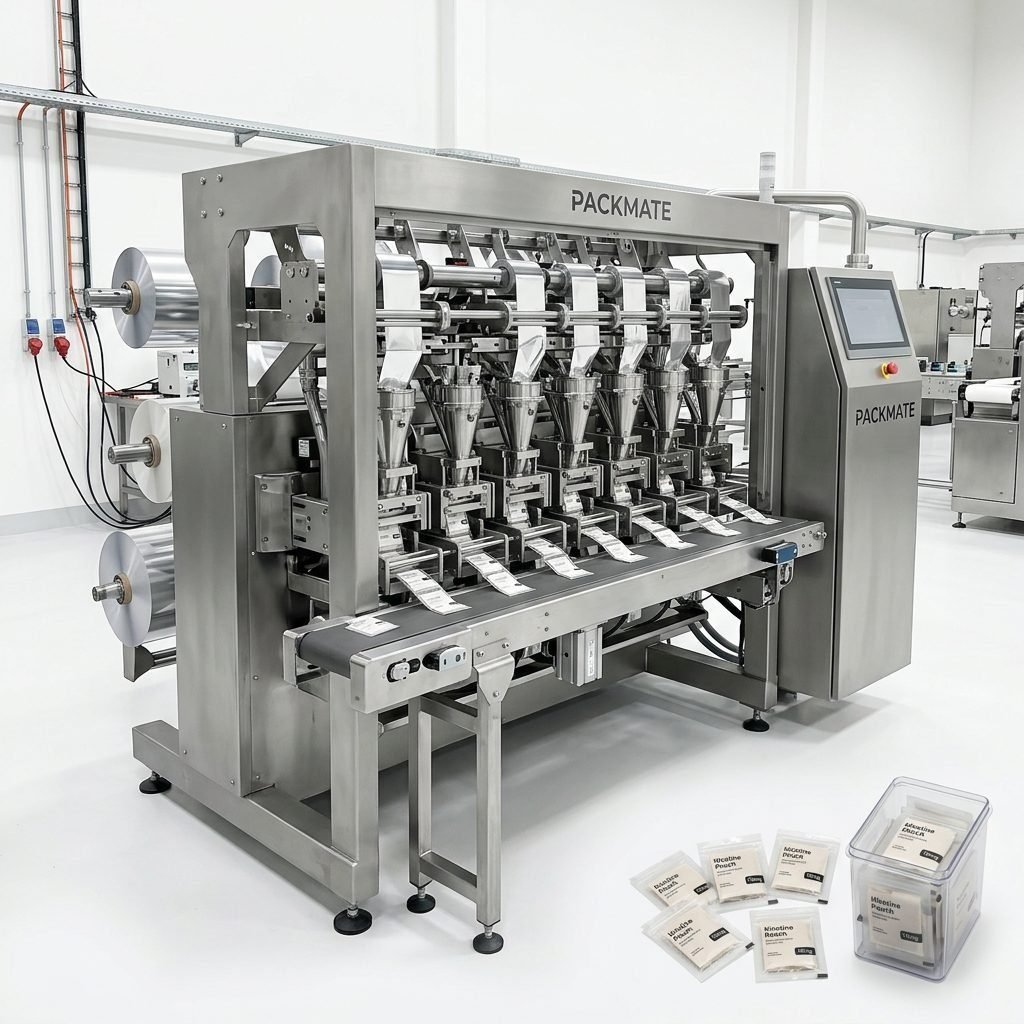
When comparing manufacturers, evaluate machines on core performance metrics: production speed, multi-lane capability, sealing quality, dosing accuracy, and compatibility with various pouch formats (stick, sachet, multi-lane nicotine pouch). Look for modular systems that can handle changes in recipe, pouch size, or film materials as your product line evolves.
Must-have machine features:
• High sealing integrity for moisture-sensitive products
• Precision dosing systems for consistent nicotine pouch weight
• Multi-lane capability for small-dose, high-output production
• Easy changeover and recipe memory for flexibility
Evaluate Manufacturer Credentials and Capabilities 🏭
Select a manufacturer with proven experience in snus or nicotine pouch lines. Look for a supplier with a broad product portfolio, factory-scale manufacturing, and certifications such as CE and ISO. A company that demonstrates global installations and turnkey solutions will be better equipped to handle regulatory documentation, integration, and after-sales support.
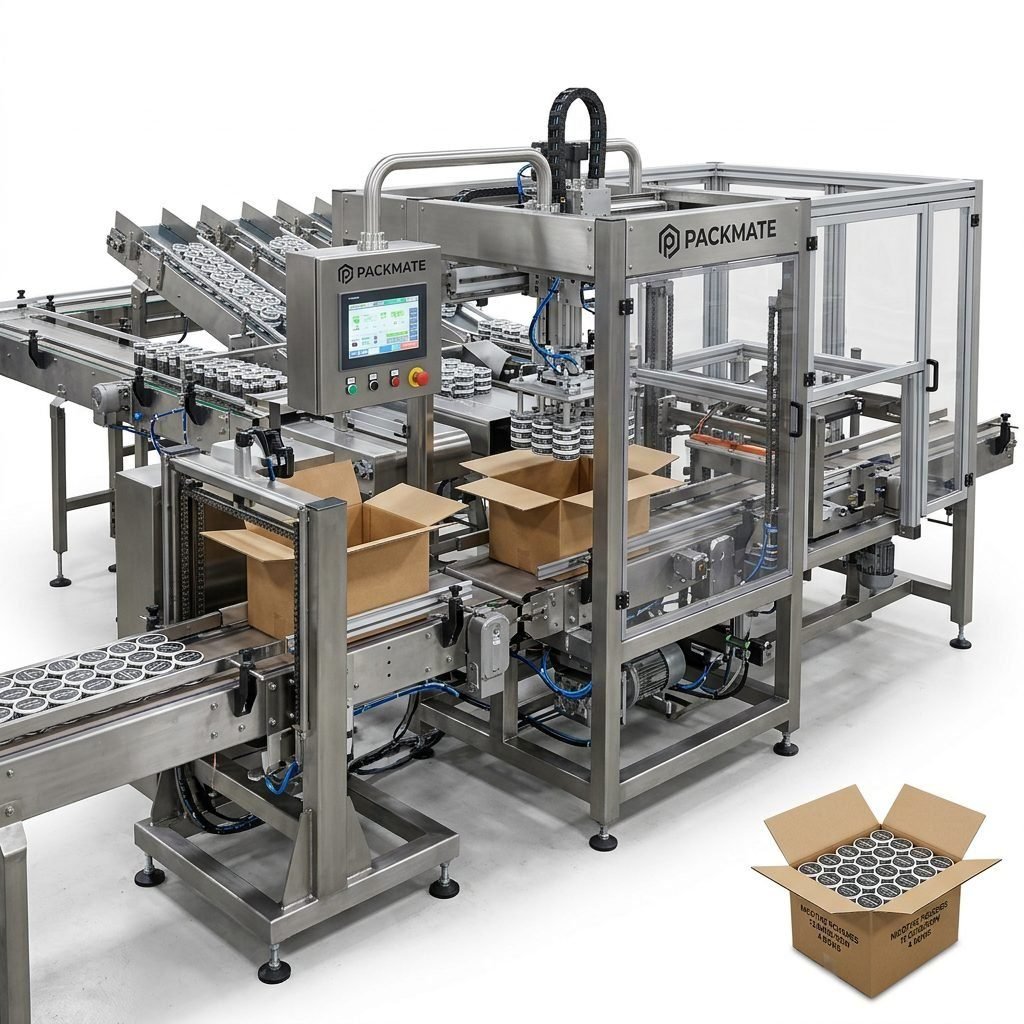
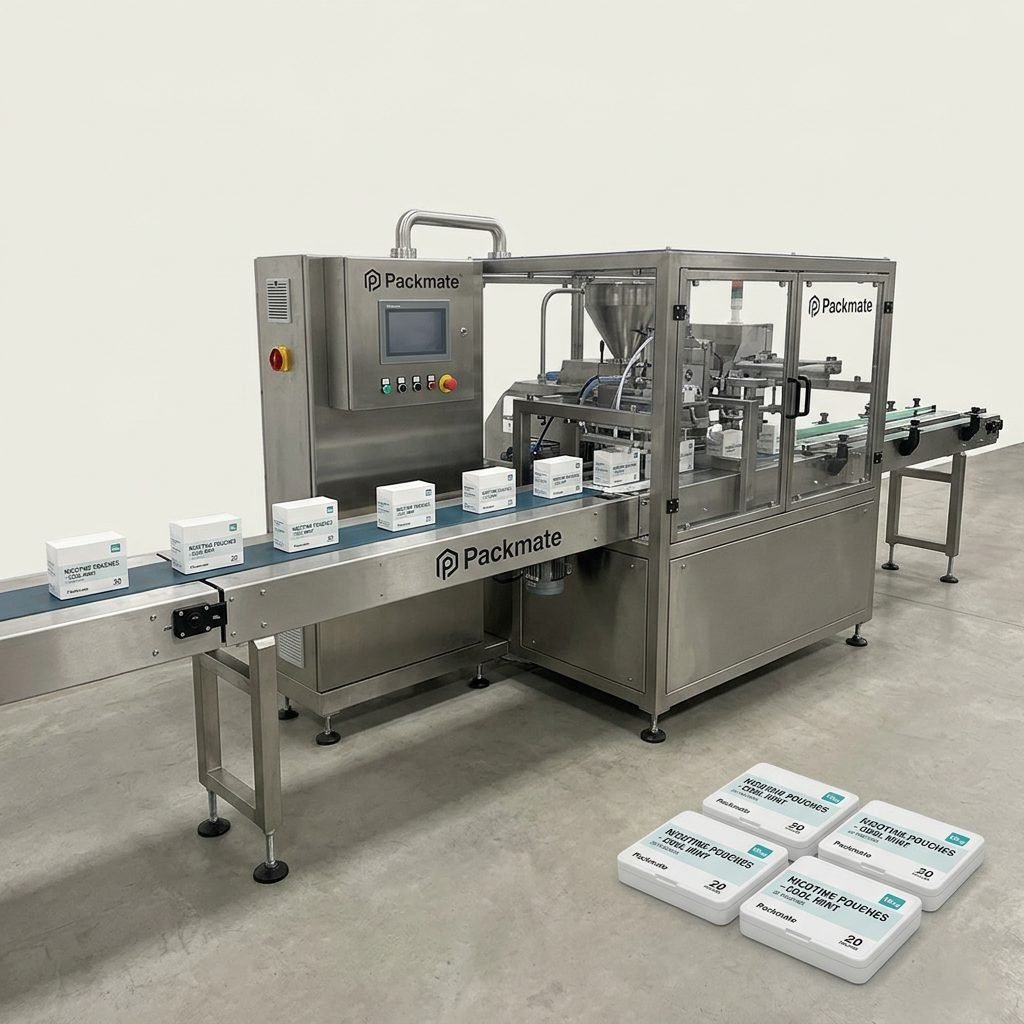
For example, Packmate Snus Machine brings over 30 years of engineering experience, a 20,000㎡ facility, and 50+ machine models. Their portfolio covers multi-lane snus machines, stick pack, sachet systems, and complete filling and packaging lines—useful when you plan full production integration. See more on their About page for company background: About Packmate.
Factory strength matters
A manufacturer with advanced CNC machining centers and precision assembly lines indicates control over critical tolerances and the ability to customize equipment. Ask about factory testing, QA processes, and machine run-offs prior to shipment to Senegal.
Packaging Material and Climate Considerations for Senegal ☀️
Senegal’s coastal humidity and heat mean your packaging must protect nicotine pouches from moisture and oxygen. Discuss barrier film options (aluminum composite films, metallized laminates) and sealing parameters (temperature, pressure, dwell time) with the manufacturer. The right combination extends shelf life and maintains product integrity under local distribution conditions.
Packaging design tip: Choose films with high moisture and oxygen barrier, and validate sealing performance through accelerated aging tests that mimic Senegalese warehouse and retail environments.
Compliance, Certifications and Labeling Requirements ✅
Compliance is non-negotiable. Ensure your machine supplier can provide documentation and machine features that facilitate regulatory compliance—traceability, batch coding, and hygienic design for cleaning. Manufacturers certified to CE and ISO are more likely to meet international safety and quality expectations. Packmate’s certified equipment and global installations are indicators of compliance readiness. Explore their certifications here: Certificate.
Labeling specifics for Senegal
Labels should be in French at minimum, with clear ingredient lists, warnings, manufacturer/importer details, and batch numbers. Consider bilingual labels (French + Wolof) to increase market penetration and consumer trust.
After-Sales Support, Spare Parts and Local Service 🌍
Reliable after-sales service is essential for minimizing downtime. Ask potential manufacturers about spare parts availability, recommended spare parts lists, remote diagnostics, and local service partners in West Africa. A manufacturer offering commissioning, operator training, and maintenance documentation will accelerate your time-to-market.
Packmate offers global turnkey solutions and participation in international exhibitions where you can see live demonstrations—valuable for verifying machine performance before purchase. Check their exhibition info here: Our Exhibition.
Cost Factors and Total Cost of Ownership (TCO) 💰
Don’t focus solely on the purchase price. Evaluate TCO, including spare parts, consumables (films, adhesives), energy consumption, maintenance intervals, and expected machine life. Machines with higher initial cost but superior reliability often reduce long-term operating expenses and minimize production losses.
TCO checklist: energy efficiency, mean time between failures (MTBF), ease of maintenance, and availability of consumables locally or via fast shipping.
Customization and Turnkey Packaging Solutions 🔧
If you plan multiple SKUs or specialized formats (e.g., unique pouch shapes, nicotine dosing variants), choose a manufacturer that offers customization and integration services. Turnkey providers can supply weighing systems, sealing machines, case packers, and automation that align with production targets and hygienic standards. See product ranges including snus and nicotine packaging machines: Snus & Nicotine Packaging Machines.
Factory Acceptance Test (FAT) and Site Acceptance Test (SAT) ✔️
Require a Factory Acceptance Test (FAT) before shipment and a Site Acceptance Test (SAT) after installation. FAT validates machine performance with your materials and product specifications, reducing surprises on arrival. A reputable manufacturer will allow you or your representative to witness FAT or provide video demonstration and run-off reports.
What to verify at FAT:
Production speed, sealing strength, dosing accuracy, multi-lane synchronization, alarm and safety functions, and complete documentation including wiring diagrams and spare parts lists.
Logistics, Import and Local Deployment in Senegal 🚚
Plan logistics early: heavy machinery needs correct HS codes, clear customs documentation, and an understanding of Senegalese import duties and VAT. Engage a local freight forwarder familiar with industrial equipment and coordinate with the manufacturer for crating and shipping arrangements. Confirm electrical compatibility (voltage and phase) and onsite utilities before shipment.
Reference Cases and Live Demonstrations 📦
Review supplier case studies and ask for references in similar markets. A manufacturer with successful deployments in humid climates or West African markets is preferable. Packmate’s global cooperation cases and demonstrated multi-lane snus lines provide context on performance and reliability: Case.
Choosing Between Standard Models and Full Custom Lines 🧩
If your product portfolio is stable, a proven standard model can minimize cost and lead time. If you anticipate changes or specialized formats, invest in modular, customizable systems. Discuss upgrade paths with the manufacturer to ensure future scalability without complete equipment replacement.
Vendor Communication and Long-Term Partnership 🤝
Beyond specs, evaluate responsiveness, clarity in proposals, and willingness to provide training. A strong supplier relationship includes local language support, robust documentation, and proactive maintenance schedules. Check the supplier’s FAQs and service pages to understand their support model: Service and FAQs.
Decision matrix highlights
Consider scoring suppliers across: machine performance, compliance documentation, after-sales support, spare parts lead time, cost vs TCO, and local-market fit (language, climate adaptation).
Final Steps Before Purchase ✅
1) Request detailed proposals with technical specs, FAT/SAT commitments, warranty terms, and spare parts lists.
2) Validate sample runs with your actual pouch materials and filling formulations.
3) Confirm training, documentation language, and commissioning schedule.
4) Negotiate payment terms and lead times that align with your launch plan in Senegal.
Quick checklist before signing:
• FAT video or witness option
• Spare parts and consumables list
• Local electrical and utility compatibility confirmation
• Training and commissioning included in the contract
How Packmate Can Support Your Senegalese Business
Packmate Snus Machine specializes in snus and nicotine pouch packaging solutions with decades of experience, advanced CNC manufacturing, and global turnkey capabilities. Their product range spans snus machines, sachet & stick pack machines, weighing systems, and auxiliary equipment. Explore their full product lines to match your production needs: Bag & Pouch Packaging Machines and Weighing & Packaging Systems.
Next steps
Contact the manufacturer to request case studies, arrange a FAT, and review turnkey options. Use direct contact channels to confirm lead times and after-sales arrangements: Contact Us.
Common Questions (常见问题)
Q1: What packaging films work best for Senegal’s climate?
Use high-barrier laminates such as metallized films or aluminum composite films combined with robust heat-seal layers. Validate with accelerated aging tests that simulate humidity and temperature variations common in Senegal.
Q2: How do I ensure local regulatory compliance?
Work with manufacturers that provide traceability features, batch coding, and complete documentation. Engage local regulatory consultants to confirm labeling requirements in French and any import permits for nicotine products.
Q3: Are multi-lane machines necessary for small-dose nicotine pouches?
Multi-lane systems increase throughput for small-dose pouches and reduce unit cost at scale. If you expect high volume or rapid growth, multi-lane options deliver better production efficiency.
Q4: What support should I expect after purchase?
Expect commissioning, operator training, spare parts supply, remote troubleshooting, and clear warranty terms. Verify service SLA and spare parts lead times before finalizing the purchase.
Q5: How do I verify machine performance before shipment?
Require a Factory Acceptance Test (FAT) with your materials and product specs. Ask for run-off videos, production reports, and the option to witness FAT in person or via live stream.