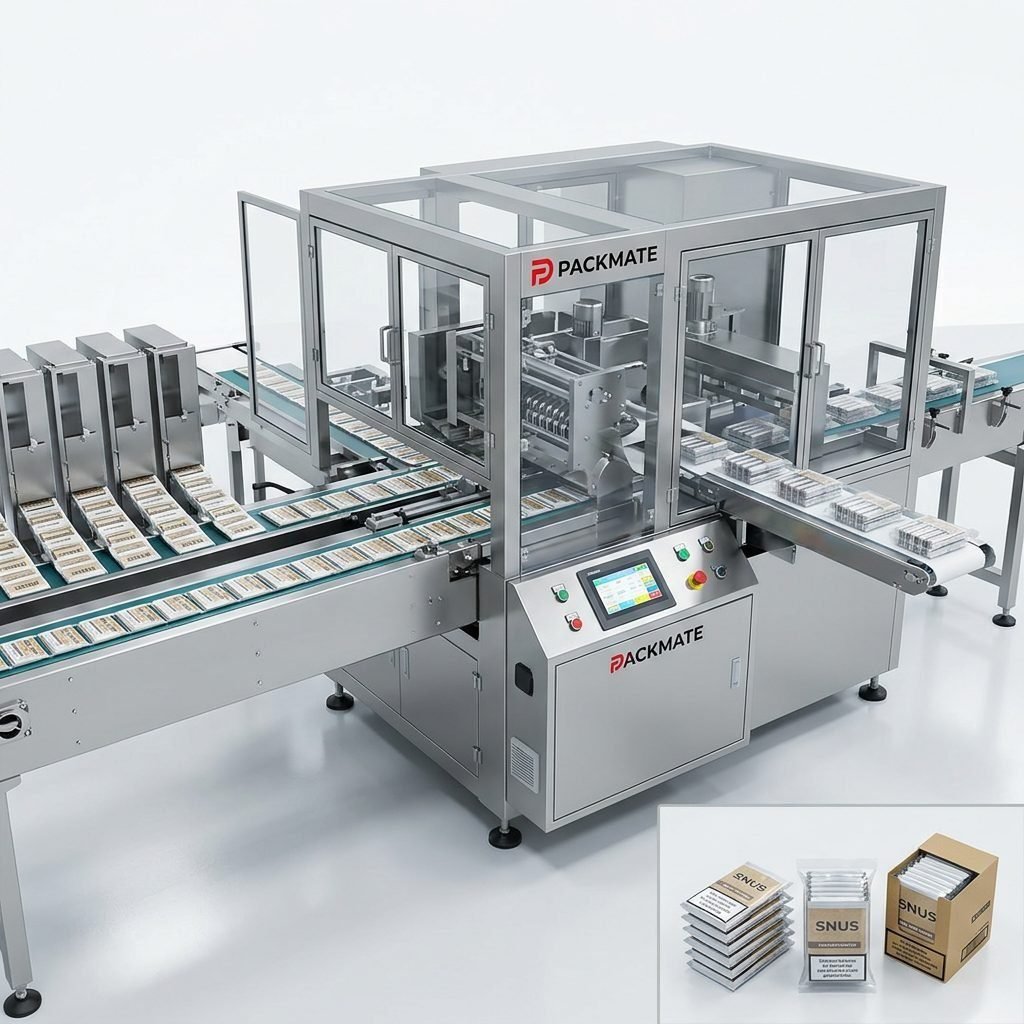
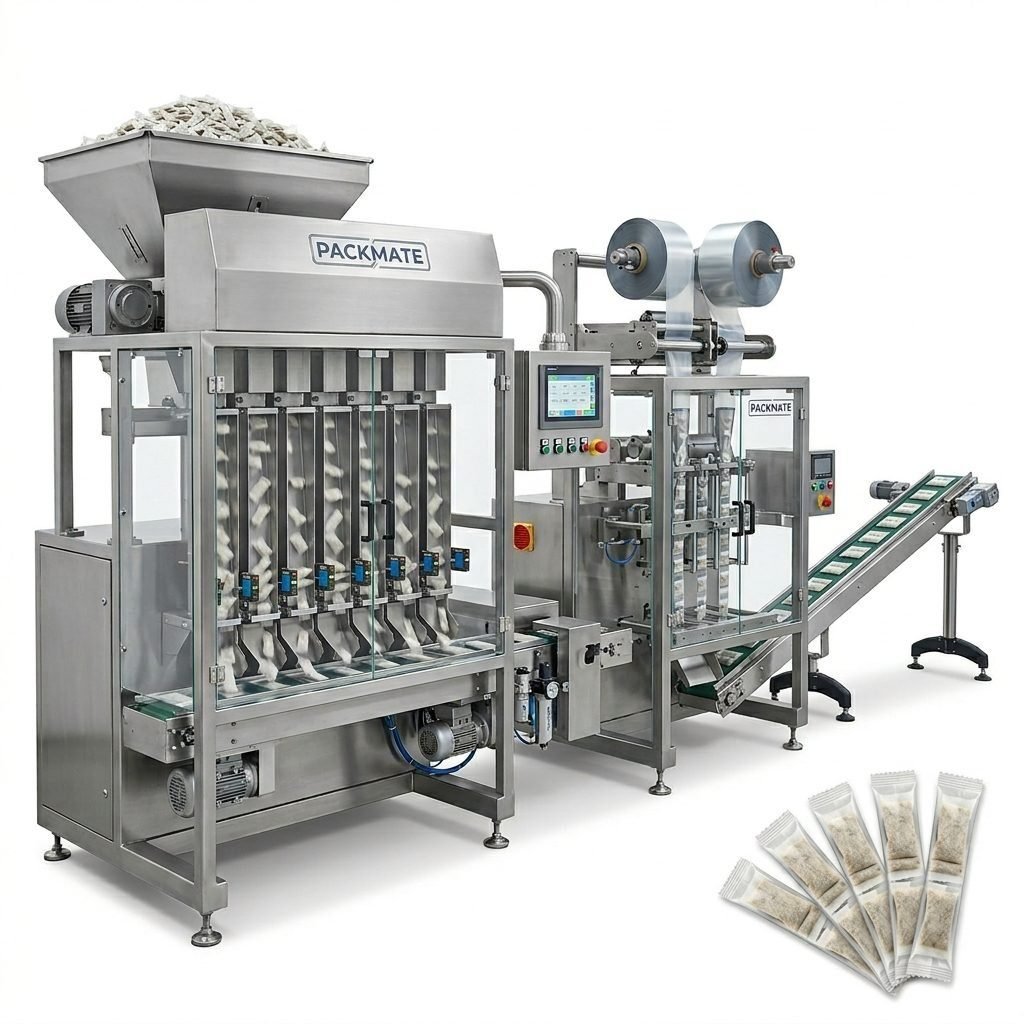
Choosing the right nicotine packaging machinery in Djibouti means balancing technical performance, local market needs, and regulatory sensitivity. Djibouti’s strategic location as a port nation on the Horn of Africa, its small but diverse population, and predominantly Muslim cultural context all affect how nicotine products are produced, labeled, and distributed. This guide walks production managers, business owners, and procurement teams through practical steps to select machinery that fits your capacity goals, product format, environmental constraints, and compliance obligations while helping you scale efficiently and sustainably.
Understand Djibouti’s Market & Cultural Context 🇩🇯
Before you evaluate machines, consider local consumption patterns, social norms, and legal frameworks. Djibouti’s population is largely Muslim, and public attitudes toward tobacco and nicotine may be conservative. For this reason, many businesses choose discreet, compliant packaging and clear labeling that conforms with local health regulations. In addition, Djibouti’s role as a logistics hub means import/export considerations, customs duties, and storage conditions (hot, humid coastal climate) all influence machinery choice and packaging material selection.
Key local factors to consider
• Regulatory compliance: ensure your packaging meets any national or regional labeling and ingredient disclosure requirements.
• Cultural sensitivity: adopt neutral or discreet branding and consider child-resistant features where relevant.
• Climate resilience: machines and materials must maintain performance in warm, sometimes dusty environments.
• Import logistics: plan for shipping times and customs inspections—choose robust machines that can tolerate shipping stresses.
Decide Your Product Format & Throughput Needs 🔧
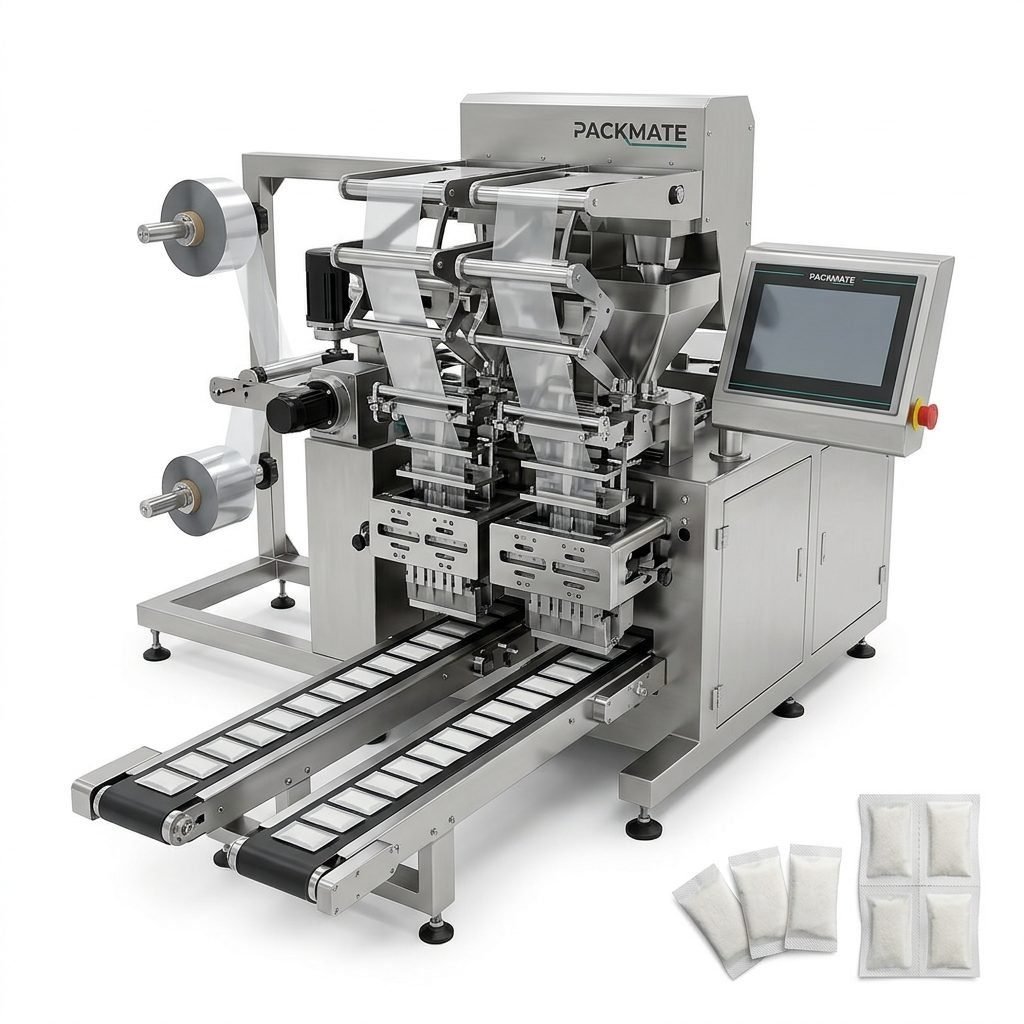
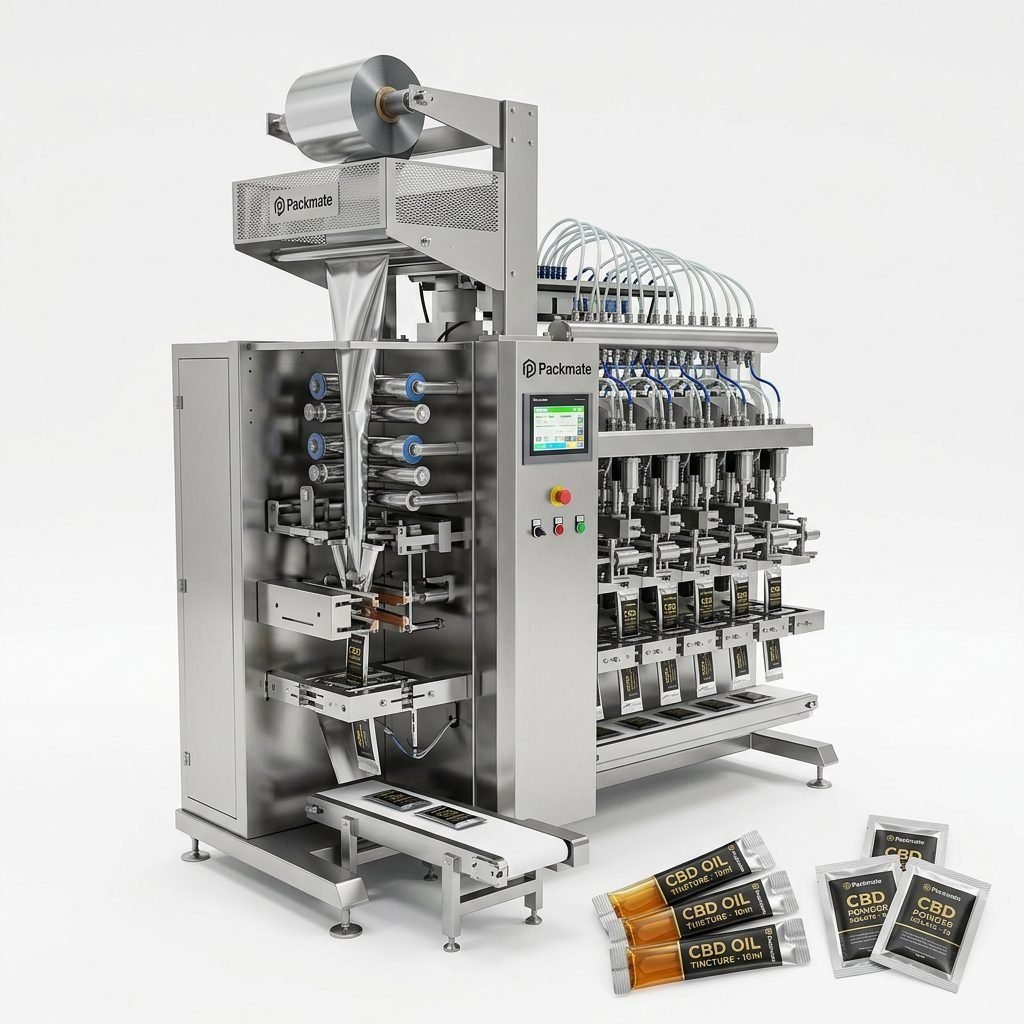
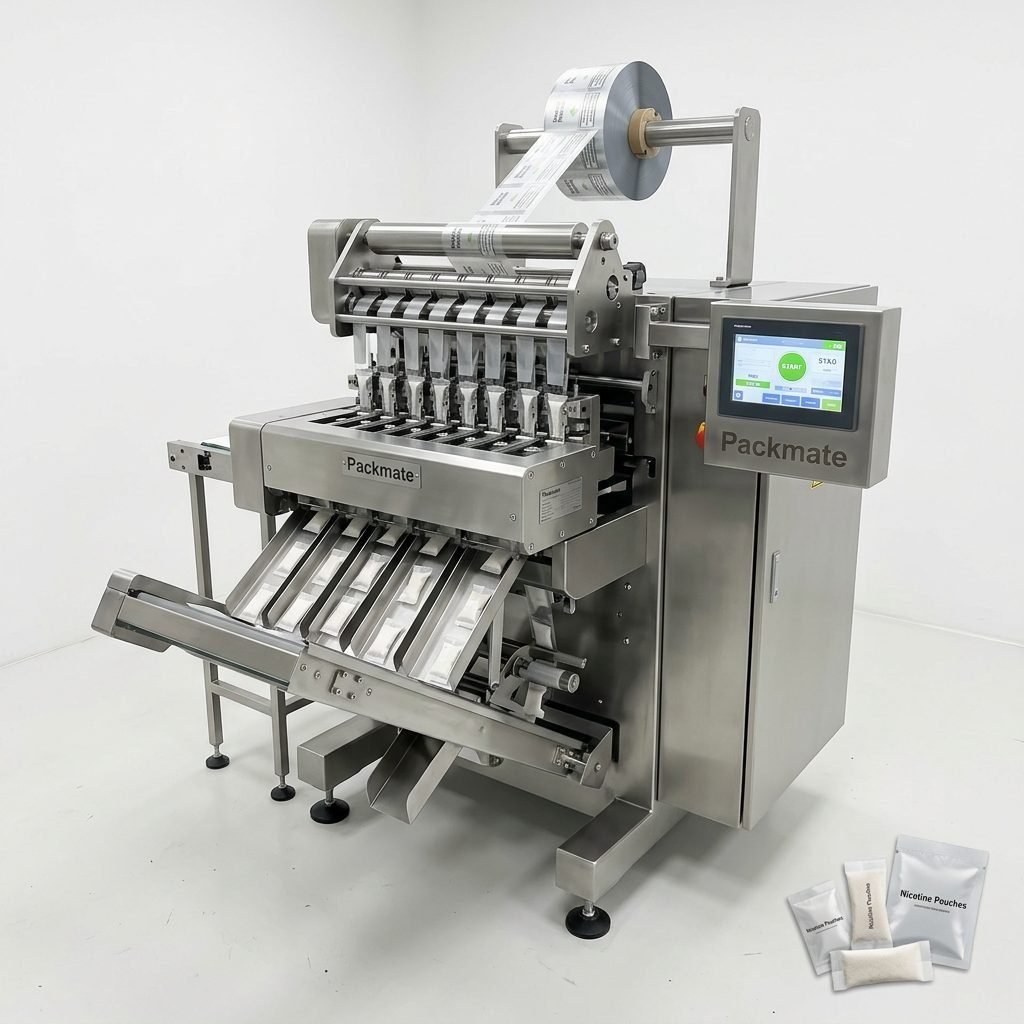
Nicotine pouches and snus can be packaged in a variety of formats: stick packs, sachets, single-portion pouches, multi-lane rolls or trays. The machine type you need depends on your product format and target capacity. Small artisan lines can use single-lane sachet or stick pack machines, while larger manufacturers require multi-lane systems and fully automated feeding, dosing, and case packing.
Quick selection checklist
🔹 Product type: nicotine pouch, snus, powder or granular blends.
🔹 Output/hour: estimate daily targets (e.g., 10k, 50k, 200k pouches).
🔹 🔧 Automation level: manual feeding vs. full turnkey lines.
🔹 ⚙️ Future growth: choose modular systems that scale with demand.
Choose the Right Machine Types
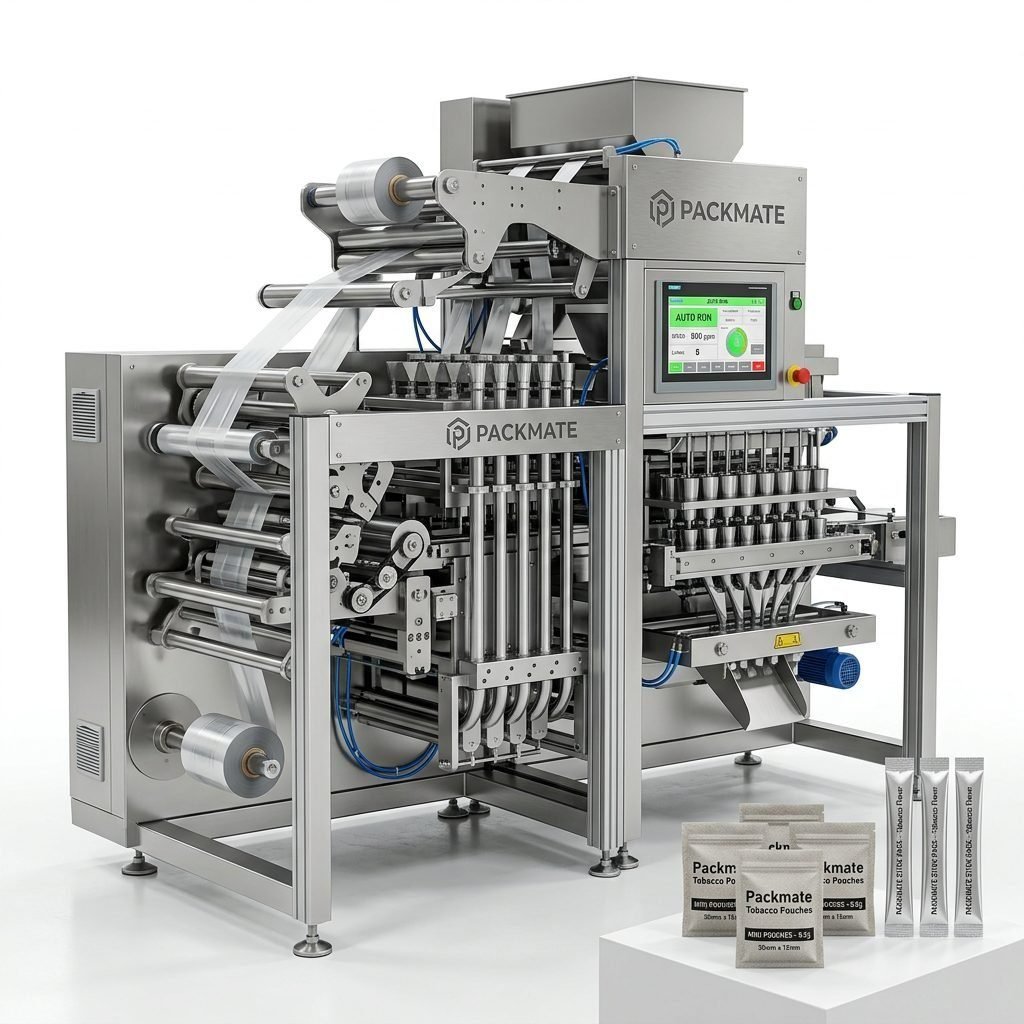
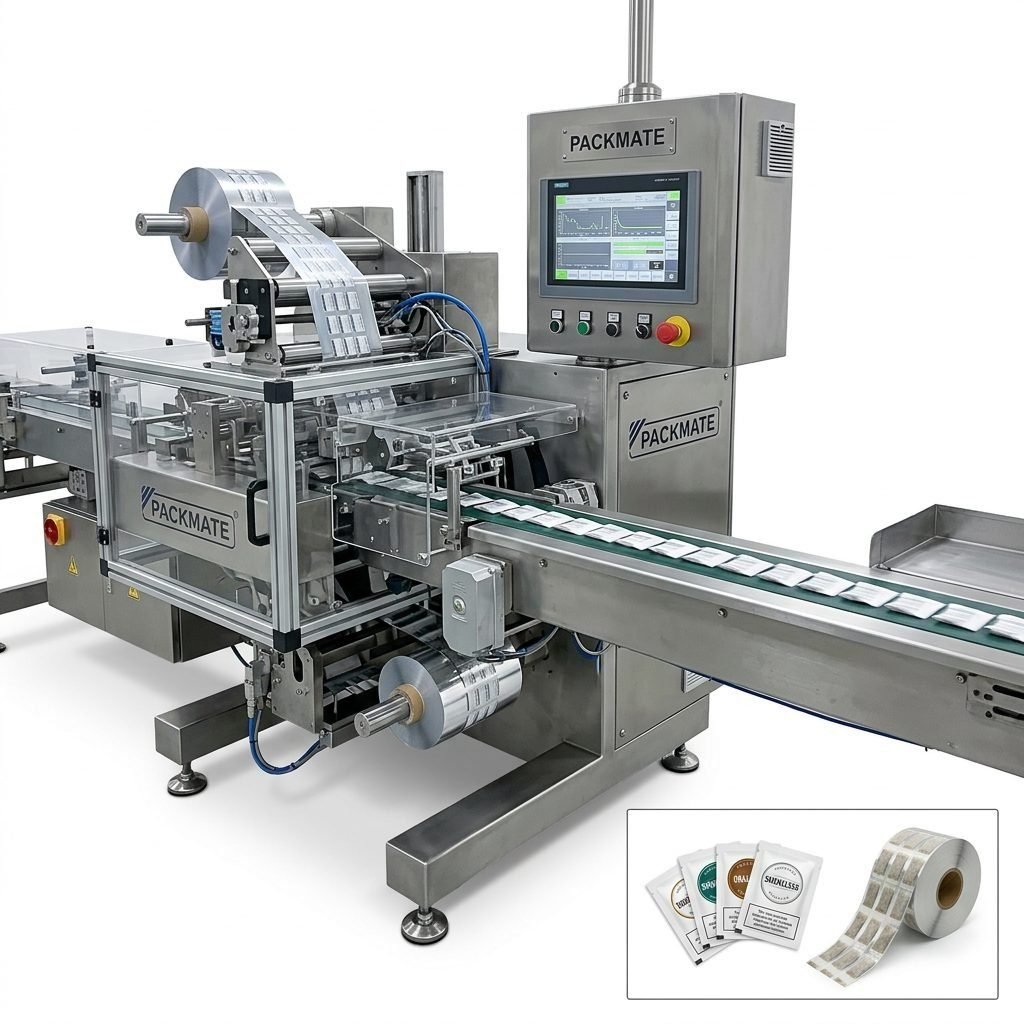
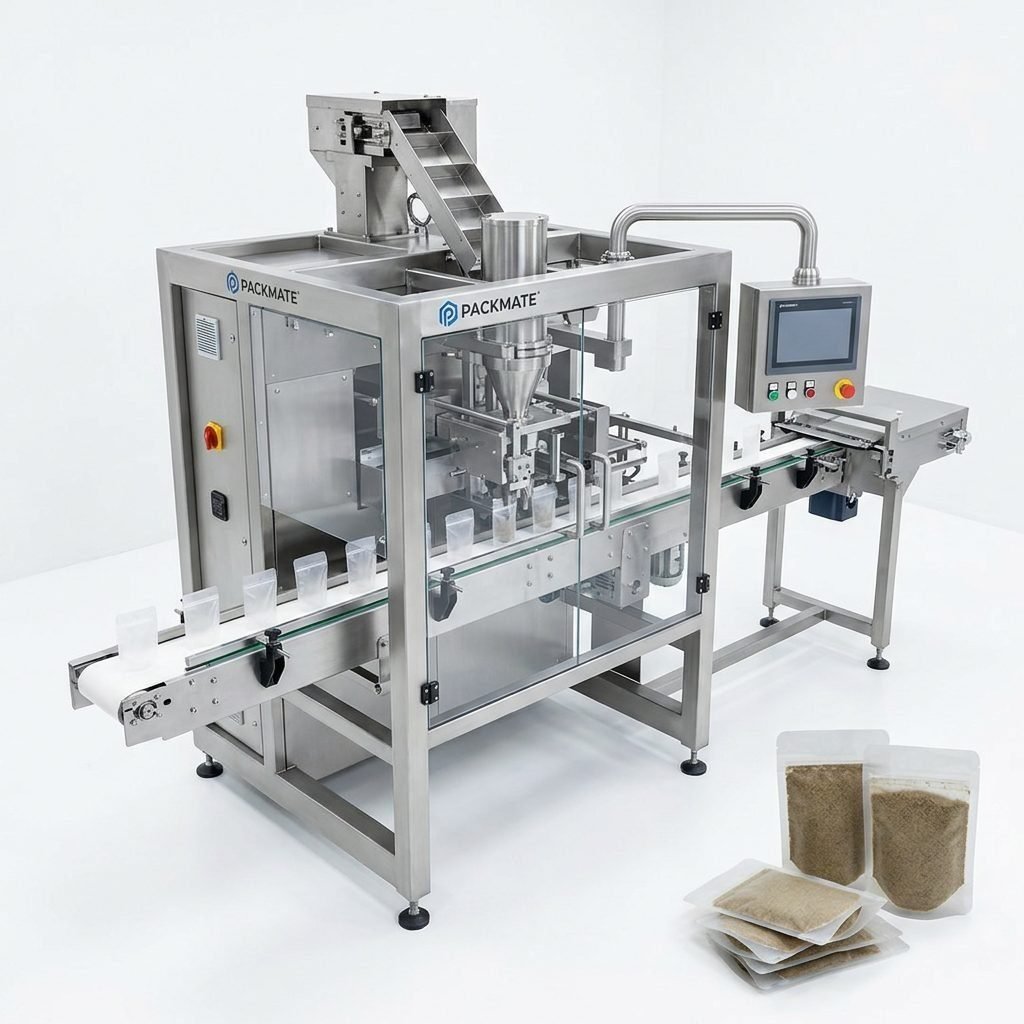
Major machine categories for nicotine packaging include: vertical form-fill-seal (VFFS) sachet machines, stick pack machines, multi-lane pouch machines, and integrated weighing and dosing systems. For nicotine pouches specifically, precision dosing and gentle handling are essential to preserve product integrity and weight accuracy.
Recommended options
– Small-scale producers: semi-automatic sachet or stick pack machines with simple servo drives.
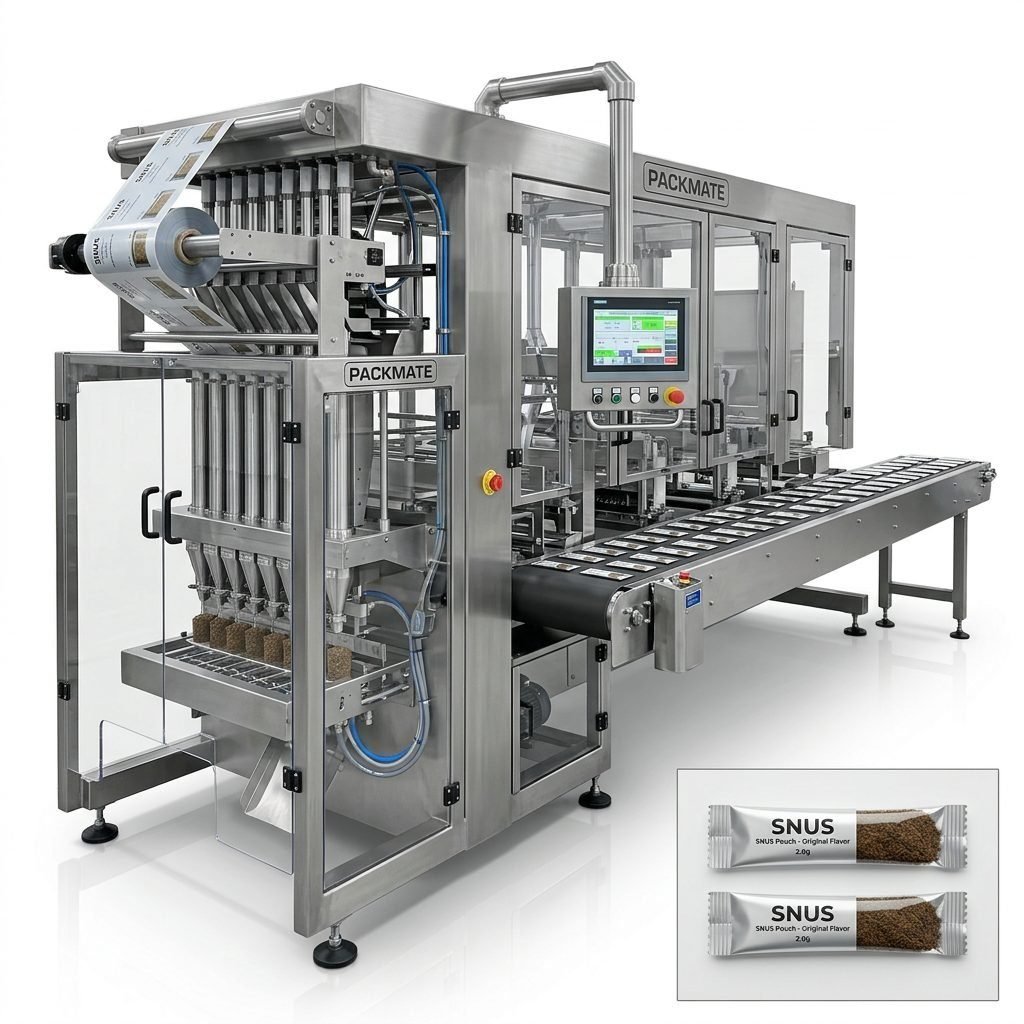
– Mid-scale: single- to multi-lane snus pouch machines with automated feeding and sealing.
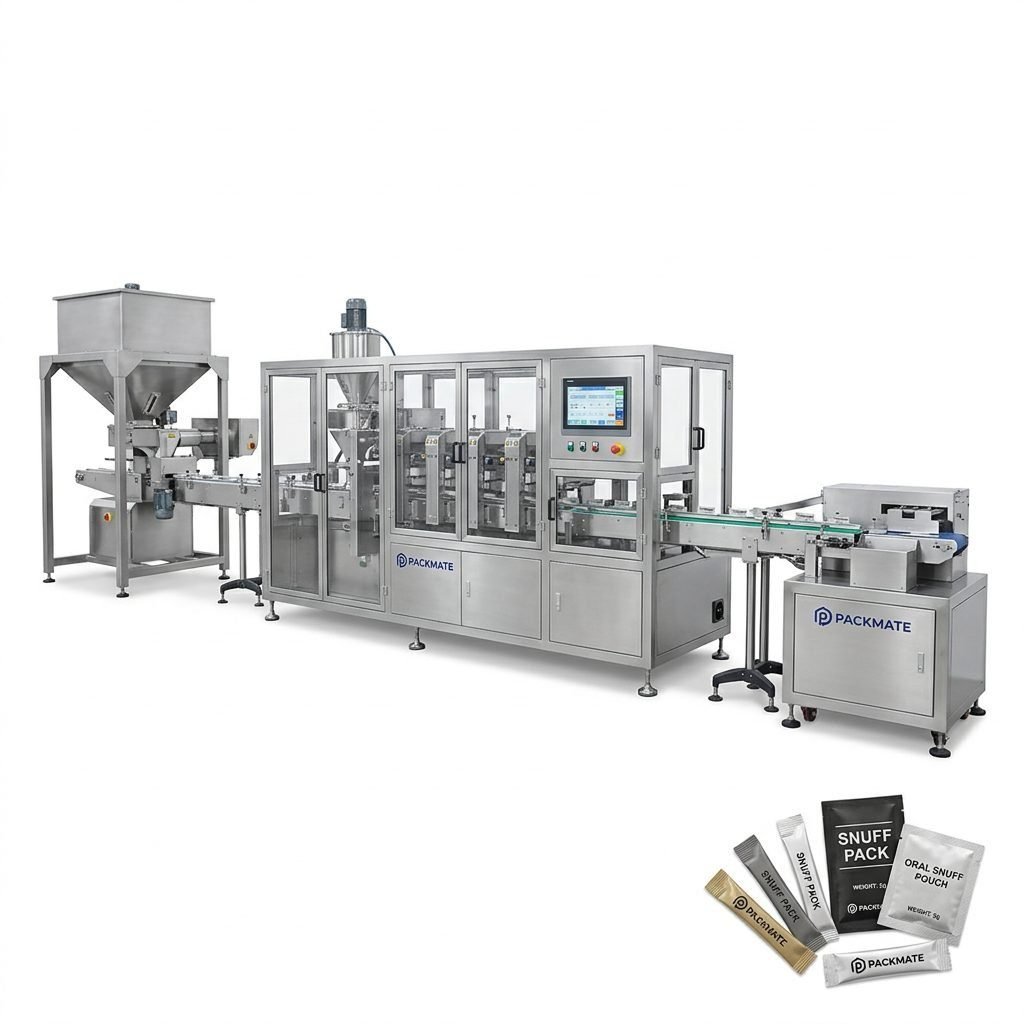
– High-capacity: fully integrated lines combining multi-lane packaging, automated case packing, and inline quality checks.
For product lines and configurations, see manufacturers’ detailed product pages like Snus & Nicotine Packaging Machines and Sachet & Stick Pack Machines.
Precision Dosing & Weighing: Accuracy Matters ⚖️
Consistent nicotine dosage and weight control are non-negotiable. Machines with integrated multi-head weighers or volumetric dosing systems provide better consistency. When targeting small portion sizes typical of nicotine pouches, opt for high-precision scales and closed-loop control systems that adjust fill weights in real time.
Tip: integrate a weighing & packaging system to reduce giveaway and maintain regulatory traceability.
Material Compatibility & Packaging Formats
Film type affects sealing behavior and shelf-life. In Djibouti’s warm climate, barrier films with good moisture resistance are crucial. Machines should handle laminated films, foil, and biodegradable options if you plan eco-friendly packaging. Evaluate seal bars, temperature control, and film unwinding features when comparing models.
Sustainability & consumer preference
Many international buyers now expect recyclable or compostable options. If your target export markets demand sustainable packaging, choose machines compatible with a wider range of film thicknesses and sealing technologies. For full line options and customization, review Filling & Packaging Lines.
Environmental & Site Considerations (Djibouti Climate)
Djibouti’s coastal climate can be hot, dusty, and humid. Choose equipment with robust dust protection, corrosion-resistant materials (stainless steel), and cooling or climate control options for sensitive electronics. Plan factory layout for ventilation and consider inline dehumidification for long-term product stability.
Service, Spare Parts & Local Support 🔁
After-sales support is crucial, especially in regions where technical service networks may be limited. Select vendors who provide reliable documentation, remote troubleshooting, and spare parts kits. Packmate Snus Machine offers global turnkey solutions and can assist with installation and training — learn more at About Packmate and explore case studies at Case.
Service checklist
🔧 Local training: on-site commissioning and operator training.
🛠️ Spare parts: ensure critical spares are on hand or shipped quickly.
🌐 Remote support: remote diagnostics reduce downtime.
Quality Control & Traceability
Implement inline quality checks such as weight verification, seal integrity inspection, and barcode printing for batch traceability. These features help meet export requirements and local quality standards. Machines that offer modular inspection systems save time and reduce manual QC labor.
Budgeting & Total Cost of Ownership (TCO)
Consider not only purchase price but installation, spare parts, energy consumption, and labor. A slightly more expensive machine with lower energy use and fewer consumable parts often results in a lower TCO. Request performance data, energy ratings, and mean time between failures (MTBF) from suppliers.
Compliance & Export Readiness
If you plan to export from Djibouti, your packaging line must support international labeling, language variations, and batch coding. Ensure machines can integrate printers and labelers. Verify certifications like CE and ISO for peace of mind; Packmate machines comply with these standards — see Certificate.
Documentation to request from suppliers
– CE/ISO certificates and electrical schematics.
– Performance data and spare parts list.
– Training plan and warranty terms.
– Export packing and shipping documentation.
Partner Selection: Why Vendor Reputation Matters
Choose manufacturers with proven experience in snus and nicotine packaging. Vendors with multiple machine models, a large factory footprint, and exhibition presence typically provide stronger support and scalability. Packmate’s 30+ years in packaging machine R&D and a 20,000㎡ factory are examples of capabilities to look for; check Our Exhibition and Service pages for more information.
Buying tip: visit the factory or request live demos to validate machine stability and packaging quality before purchase.
Installation, Training & Ramp-Up
Plan installation and operator training well in advance. Allow several weeks for commissioning, process optimization, and staff training to achieve target throughput. Remote support combined with periodic on-site service visits works best for locations like Djibouti where specialized technicians may not be locally available.
Next Steps: From Evaluation to Purchase
1) Define your product specifications and daily output. 2) Shortlist machines based on format and capacity. 3) Request performance data, references, and detailed quotes. 4) Plan logistics, spare parts, and training. 5) Execute a pilot production run to validate quality and regulatory compliance before full-scale manufacturing.
Resources & Contacts
For detailed product lines and turnkey solutions, explore Bag & Pouch Packaging Machines, Auxiliary Packaging Equipment, or contact manufacturers directly via Contact Us to request tailored proposals.
Conclusion
Selecting the right nicotine packaging machinery in Djibouti requires a careful mix of technical assessment, cultural and regulatory sensitivity, and pragmatic planning for climate and logistics. Prioritize precision dosing, material compatibility, scalability, and post-sale support. By partnering with experienced suppliers and validating equipment through demos and pilot runs, you can build a reliable, compliant, and cost-effective production line that meets both local and export market demands.
Frequently Asked Questions (FAQs)
Q1: What machine types are best for small-batch nicotine pouch production in Djibouti?
A1: Small-batch production often uses semi-automatic sachet or stick pack machines with precise dosing. These machines are cost-effective and easier to maintain locally. Consider a compact multi-lane pouch machine if you expect to scale.
Q2: How do I ensure compliance with local labeling and customs requirements?
A2: Work with local legal advisors and customs brokers to confirm labeling, warnings, and ingredient disclosure. Choose machines that can print batch codes and variable text so packaging can be adapted for local languages and export markets.
Q3: What maintenance and spare parts should I plan for in a remote location like Djibouti?
A3: Stock critical consumables (seals, sensors, belts), and request a spare parts kit from your supplier. Ensure remote troubleshooting capabilities and arrange periodic on-site support or training for local technicians.
Q4: Are Packmate machines suitable for hot climates and export-oriented production?
A4: Yes. Packmate’s equipment is designed for robust industrial use, with stainless steel construction and global certifications. They offer turnkey solutions, factory testing, and exhibition demos to validate performance.
Q5: How can I evaluate total cost of ownership (TCO) when comparing machines?
A5: Include purchase price, energy consumption, spare parts, downtime risk, labor requirements, and expected lifespan. Request MTBF data and real-case performance metrics from suppliers to make informed comparisons.