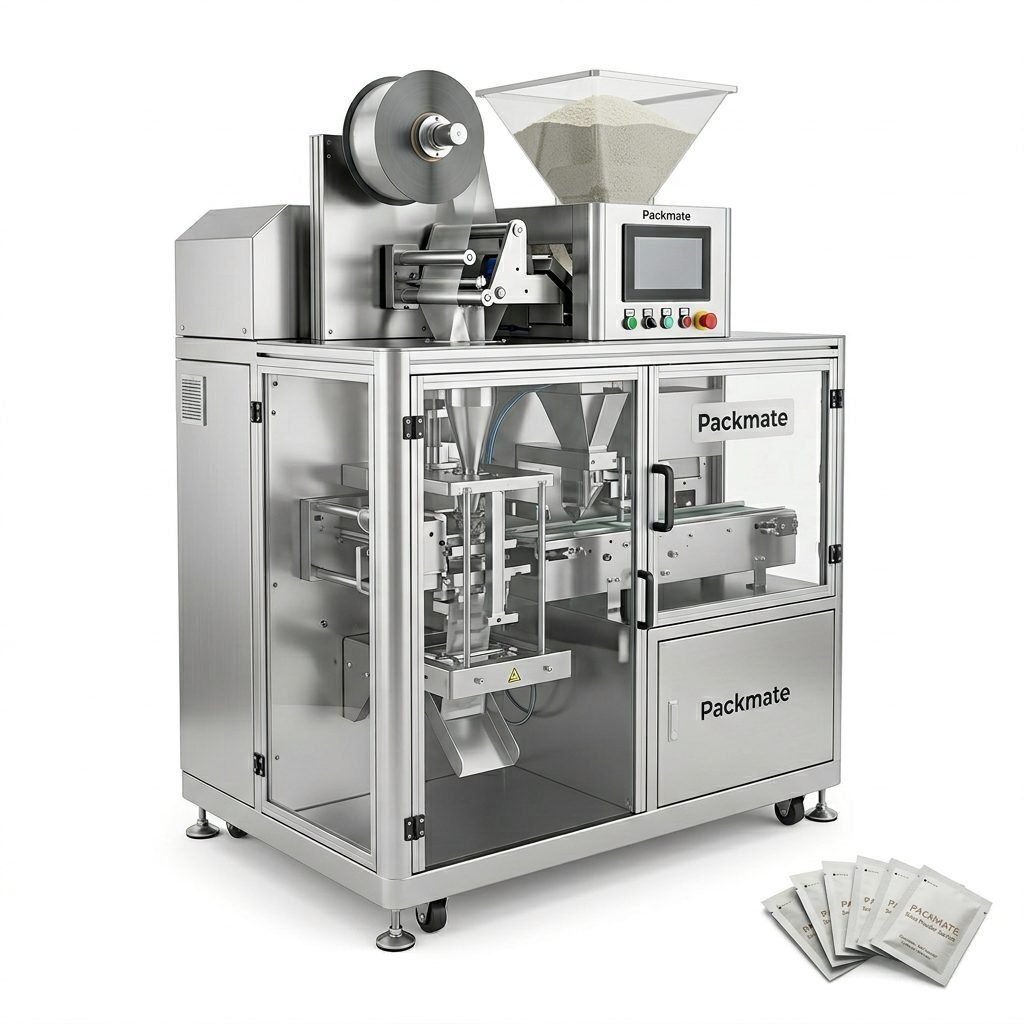
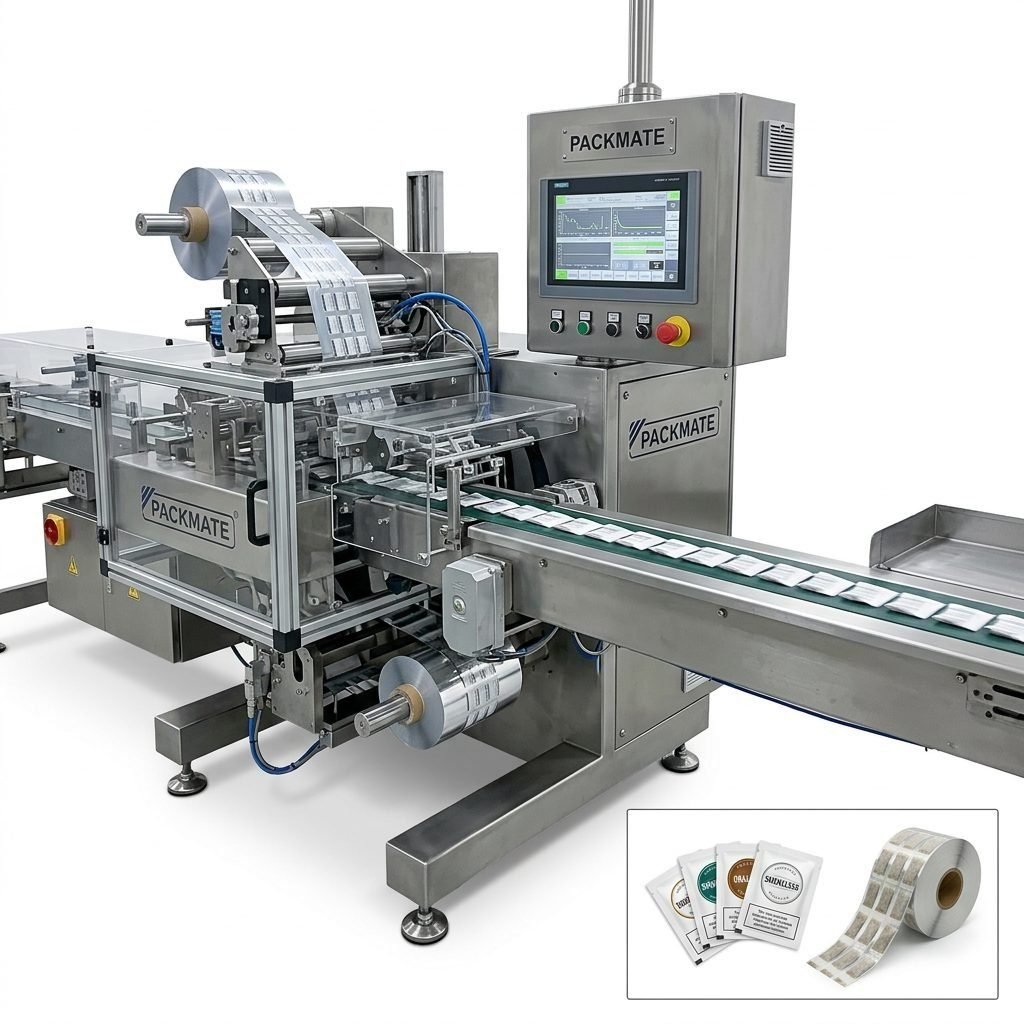
Choosing the right snus packaging machine manufacturer in Algeria is a strategic decision that affects product quality, production efficiency, regulatory compliance, and long-term costs. Whether you’re a startup entering the nicotine pouch market or an established tobacco company expanding into snus, this guide walks you through practical steps, local considerations for Algeria, and how to compare manufacturers to find the best partner for your business.
Why the Manufacturer Matters: Beyond the Machine
A packaging machine is more than metal and motors: it determines uptime, consistency of dosing, regulatory traceability, and the speed with which you can scale. In Algeria, where regulatory attention and import logistics can add complexity, selecting a manufacturer with proven global standards and responsive support network is critical.
Key business impacts to consider
Reliability: Frequent breakdowns mean lost production and higher operating costs. Look for manufacturers with strict quality processes and long-life components.
After-sales support: Local spare parts availability, remote troubleshooting, and training shorten recovery time. A manufacturer with international experience often provides documented service plans and spare parts logistics.
Customization & compliance: Different snus formats, nicotine pouch sizes, and Algerian labeling requirements may need tailored solutions. Choose suppliers who can customize machine formats and help with regulatory documentation.
Understand Algeria’s Market and Cultural Context 🇩🇿
Algeria presents unique features that influence packaging decisions: local consumer preferences, distribution channels, and religious and social sensitivities. Many Algerian consumers prefer discreet, well-sealed pouches that align with conservative public norms. Packaging aesthetics, strong tamper-evidence, and odor control are often more important than overt branding.
Logistics in Algeria can involve long domestic transit and varying climatic conditions. Machines that provide hermetic seals and robust packaging materials help maintain product integrity through heat and humidity variations often found across regions.
A practical local tip
When planning capacity, consider distribution patterns: retailers in larger coastal cities (Algiers, Oran, Constantine) often require smaller, more frequent runs, while inland distributors may prefer bulk shipments. A flexible packaging line that can handle multiple pack sizes will reduce changeover downtime.
Technical Specifications to Prioritize
Not all machines are created equal. When comparing manufacturers, ensure the machine specs align with your product needs and production targets.
Throughput (pouches per minute): Verify achievable speeds for your chosen pouch size and dose. Manufacturers should provide tested data at different lanes and product types.
Dosing accuracy: Nicotine pouch markets require strict dosing. Ask for documentation on weighing systems, multi-lane consistency, and statistical process control practices.
Material compatibility & sealing: Machines should handle film types used locally and offer strong seal integrity to prevent moisture and odor migration.
Evaluate Manufacturer Capabilities
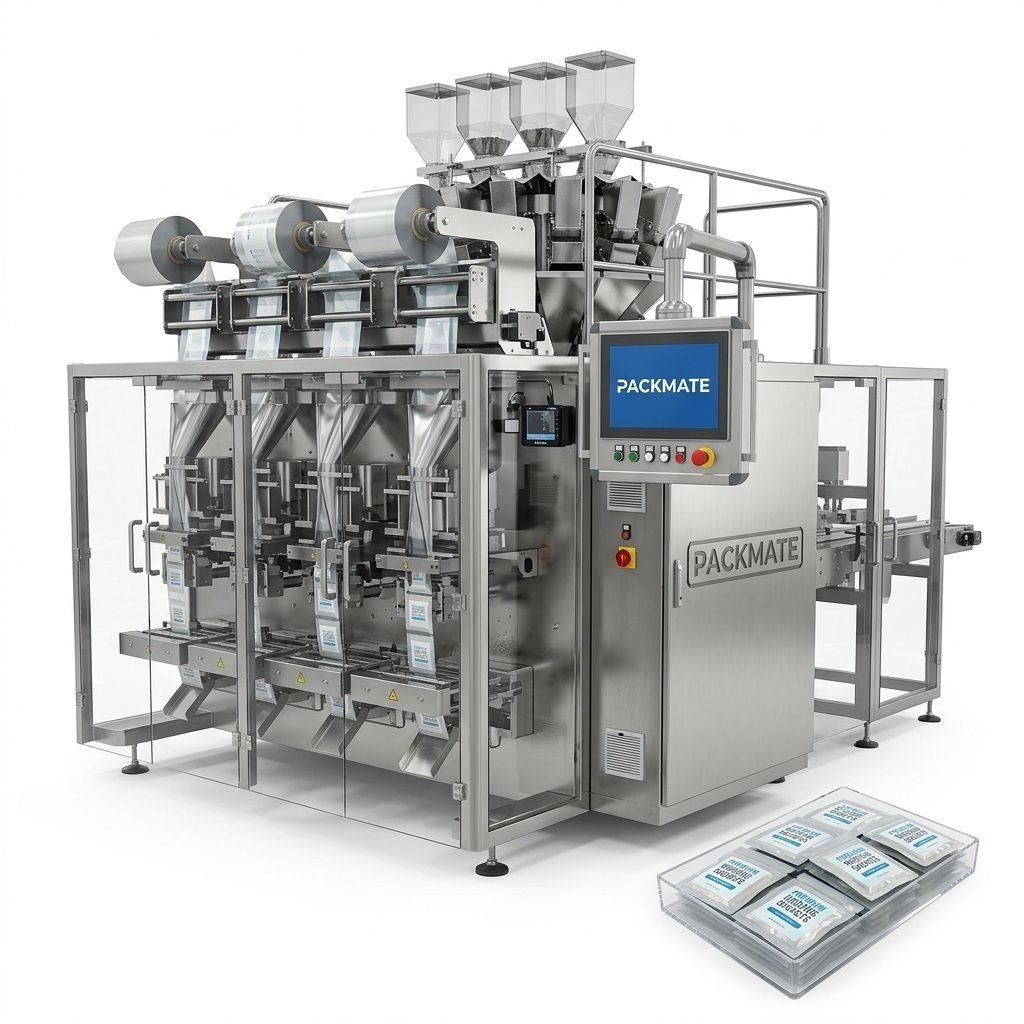
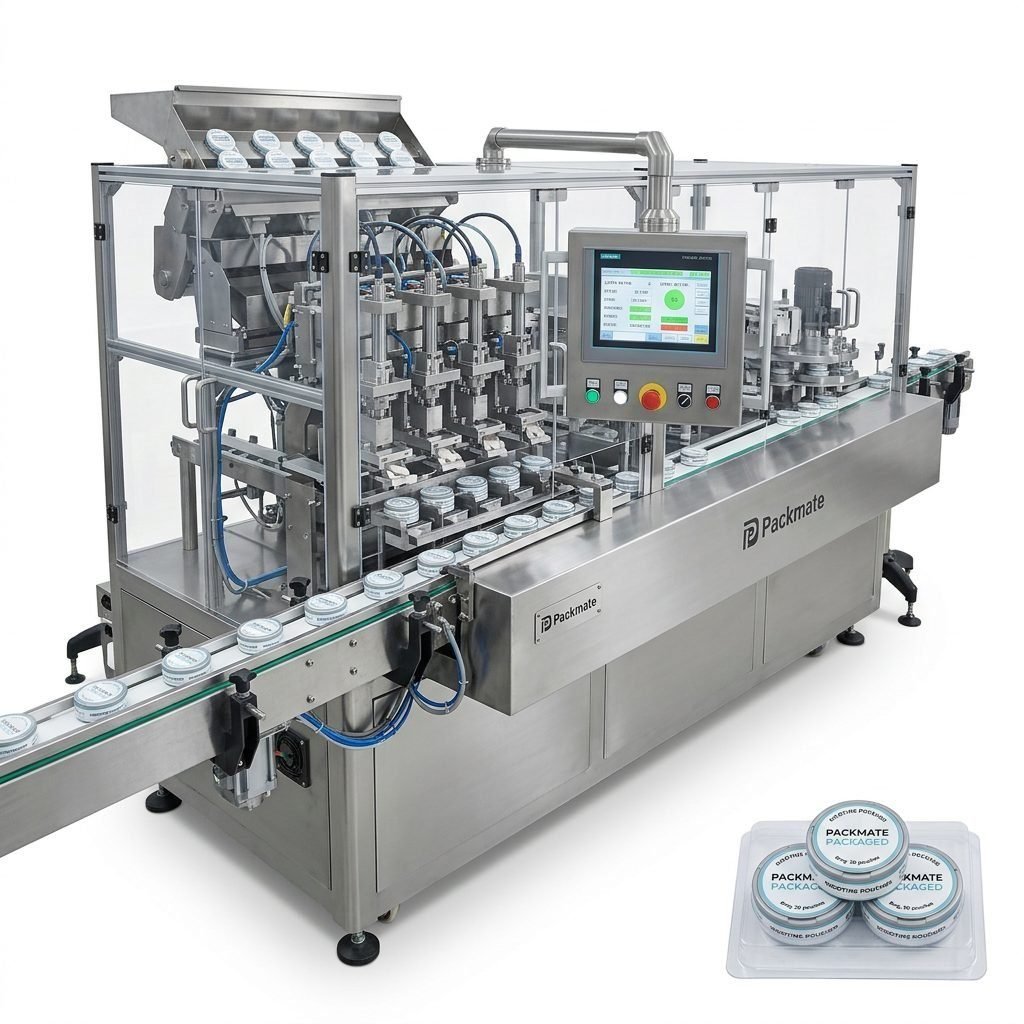
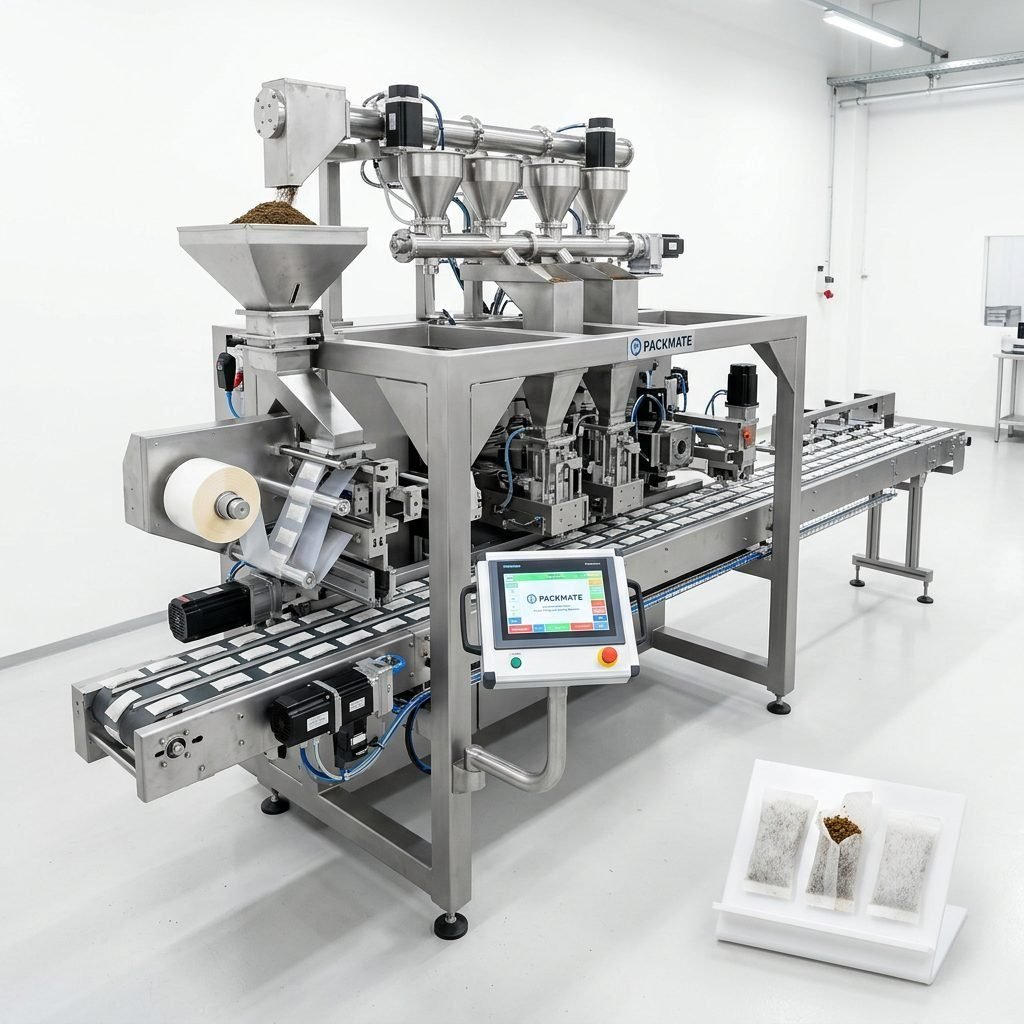
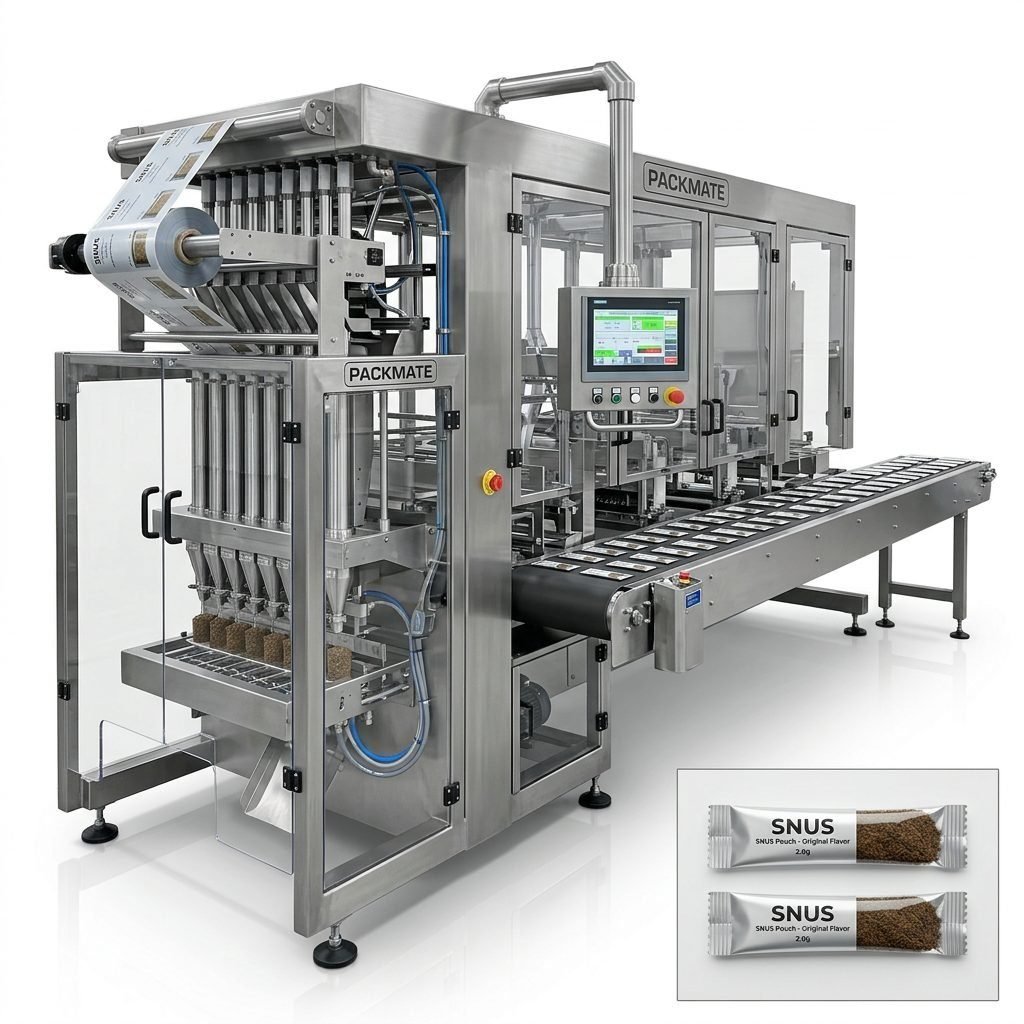
Evaluate manufacturers across engineering competence, factory scale, certifications, and global references. For example, Packmate Snus Machine emphasizes 30+ years of experience, a 20,000㎡ factory, and multiple machine models for snus and nicotine pouches — attributes that reduce execution risk.
Check for international certifications like CE and ISO; these indicate compliance with global safety and quality standards. If the manufacturer can demonstrate installations in similar markets and has references from Europe, Asia or the Americas, that suggests they can manage cross-border regulatory and logistics challenges.
Factory & service questions to ask
– What is your factory throughput and lead time for delivery?
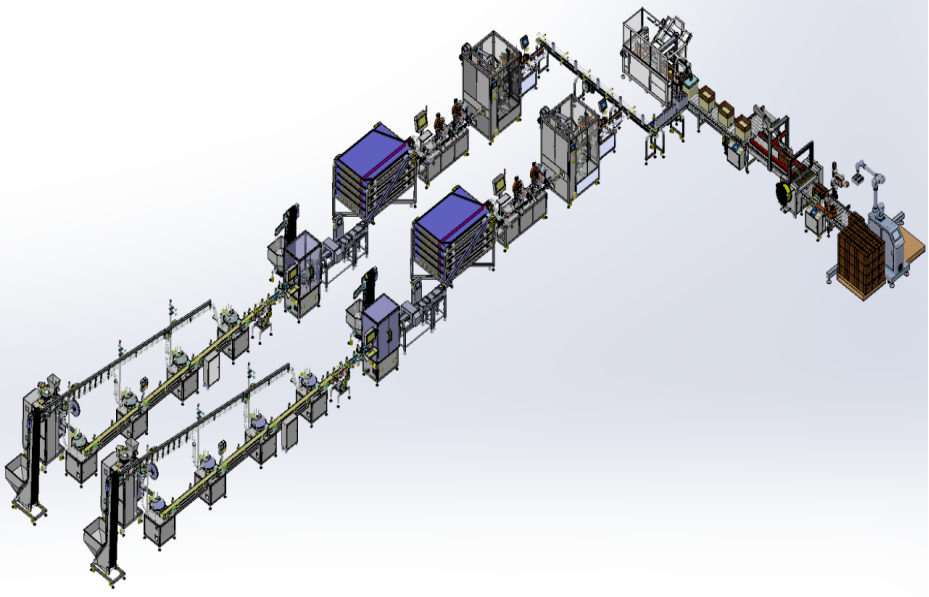
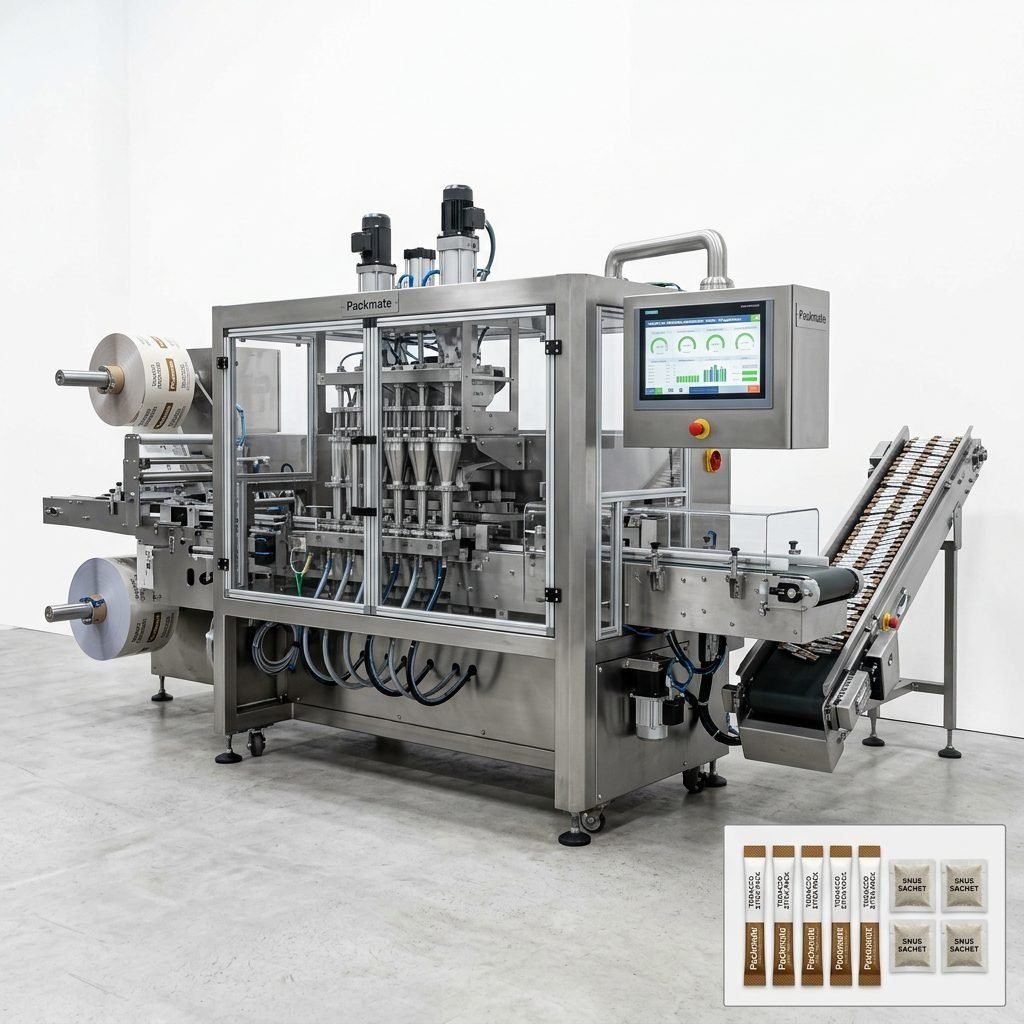
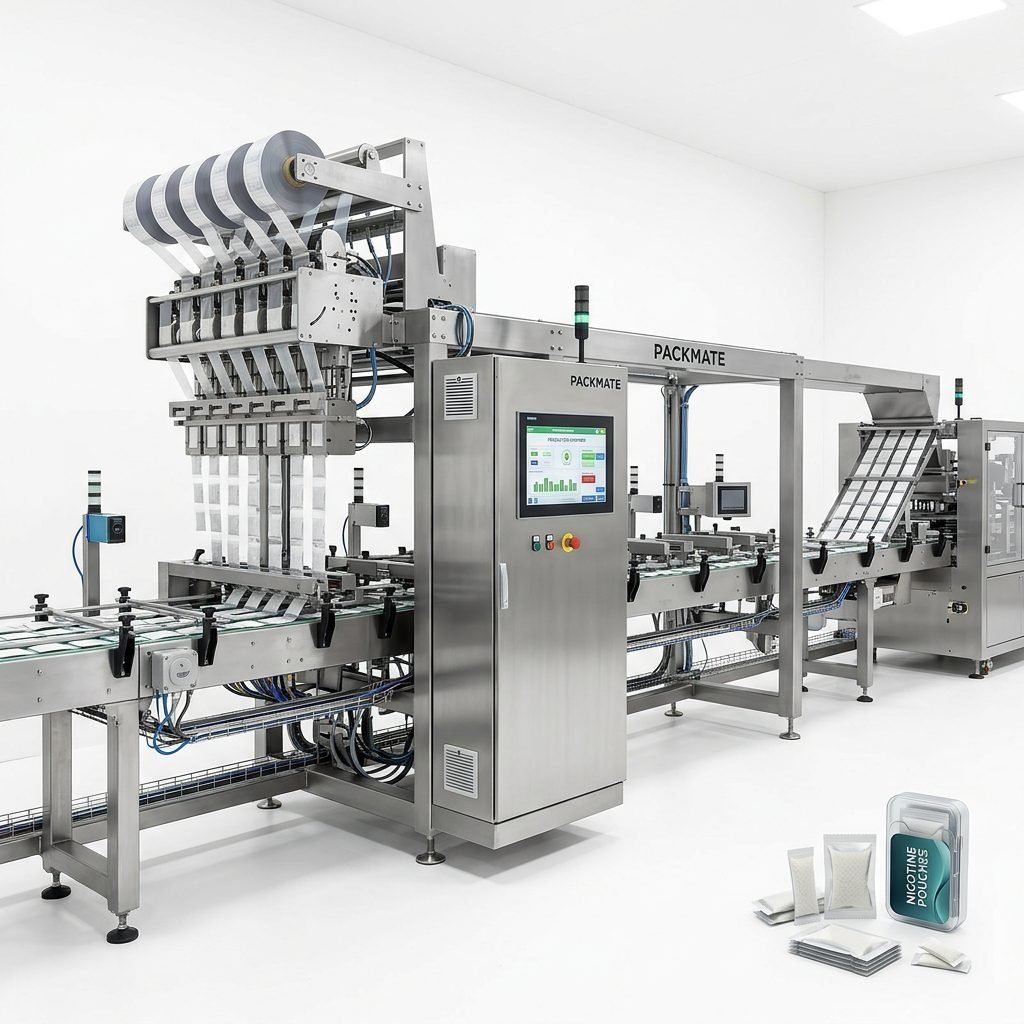
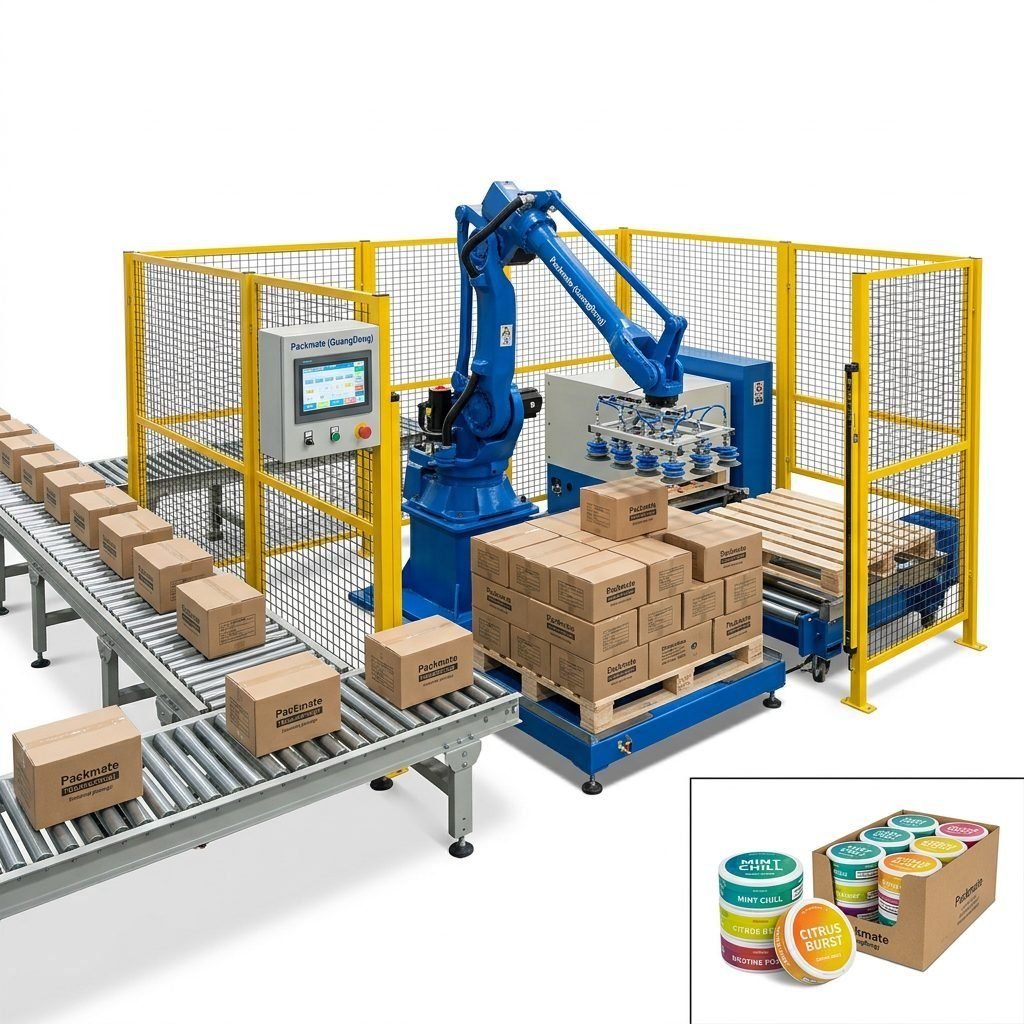
– Do you offer turnkey solutions including weighing, feeding, and final packaging lines? (Look for integrated lines such as Stick Pack, Sachet, and multi-lane systems.)
– Can you provide references, case studies, or on-site demonstration videos for similar machines?
Service, Training and Spare Parts — The Hidden ROI
Fast, predictable support reduces downtime. Confirm the manufacturer’s spare parts policy, average response time for field service, and whether they offer remote diagnostics. Manufacturers with global exhibition presence and established service networks often provide faster onboarding and technical assistance.
On-site training: Ensure operator training is included and that training materials are available in languages relevant to your team.
If you plan to operate in Algeria, check whether the manufacturer has previously worked with North African customers — familiarity with customs paperwork and freight routing significantly speeds up delivery.
Customization & Upgradability
Your first machine should be a platform that grows with you. Ask about modular upgrades: additional lanes, higher-speed servo systems, automatic feeding options, or integration with vision inspection and metal detection. A manufacturer who offers 50+ models and turnkey lines can usually adapt to evolving product lines.
Checklist for customization
– Can the machine be retooled quickly for different pouch sizes?
– Is spare tooling available and priced transparently?
– Are software updates and PLC recipes provided so you can store product settings for fast changeovers?
Compare Total Cost of Ownership (TCO), Not Just Price
Purchase price is only one component of TCO. Consider energy efficiency, spare part cost, downtime risk, and training expenses. Machines built with quality CNC components may cost more upfront but reduce maintenance and downtime over years of operation.
Ask for a TCO projection: Request a 3–5 year cost estimate covering energy, parts, labor for maintenance, and expected uptime percentages.
Quality Assurance & On-site Acceptance
Insist on Factory Acceptance Tests (FAT) before shipment and Site Acceptance Tests (SAT) after installation. FAT should document production speeds, dosing accuracy, and sealed pouch integrity under actual product conditions.
For international suppliers, ask for video records of FAT and a checklist that maps to your acceptance criteria. A clear acceptance plan prevents disputes and ensures the delivered equipment performs to expectations.
How to Validate Manufacturer Claims — Practical Steps
1. Request technical datasheets and FAT videos for the exact model you will purchase.
2. Ask for client references in similar markets; contact them about installation, reliability, and after-sales support.
3. Confirm certifications and ask for copies of CE/ISO certificates and test reports for major components.
Recommended Resources & Next Steps
Explore product pages and case studies to evaluate machine families and real-world installations. For example, manufacturers that provide both single-lane and multi-lane snus lines make it easier to scale. See product portfolios and case references to shorten your shortlist:
– Snus & Nicotine Packaging Machines: https://www.snusmachinery.com/products/snus-nicotine-packaging-machines/
– Sachet & Stick Pack Machines: https://www.snusmachinery.com/products/sachet-stick-pack-machines/
– Case studies and global installations: https://www.snusmachinery.com/case/
– Contact for inquiries and tailored quotes: https://www.snusmachinery.com/contact-us/
Decision Framework — A Simple Scoring Model
When evaluating manufacturers, assign scores for: Performance (throughput, accuracy), Service (spare parts, training), Compliance (certs, FAT), Cost (TCO), and Local adaptability (logistics, language). Weight items according to your priorities and choose the vendor with the highest weighted score.
Example priorities for Algeria-focused operations
– High weight to reliability and spare parts logistics.
– Medium weight to aesthetic and seal quality for discreet consumer markets.
– Medium weight to supplier’s international export and customs experience.
Why Consider Packmate and Similar Experienced Suppliers
Suppliers with decades of engineering experience, large manufacturing facilities, and broad product lines are often better equipped to deliver turnkey lines and global support. Packmate Snus Machine, for instance, highlights 30+ years of engineering, a 20,000㎡ factory, multiple packaging solutions, and certifications — all useful indicators when assessing vendors.
If you need integrated weighing, filling, and packaging solutions, explore dedicated systems like Weighing & Packaging Systems and Filling & Packaging Lines to see how components integrate into a full production workflow:
– Weighing & Packaging Systems: https://www.snusmachinery.com/products/weighing-packaging-systems/
– Filling & Packaging Lines: https://www.snusmachinery.com/products/filling-packaging-lines/
Practical Implementation Plan
1. Define product specifications (pouch size, dose, film type, desired throughput).
2. Shortlist 3–5 manufacturers and request FAT videos, datasheets, and references.
3. Compare TCO and service agreements, and confirm spare parts shipping times to Algeria.
4. Negotiate acceptance criteria and warranty terms; book FAT and an installation schedule.
5. Train operators and set up preventive maintenance plans before production ramp-up.
Key Red Flags to Watch For
– No FAT documentation or refusal to allow reference checks.
– Vague spare parts policy or exceptionally long lead times for critical components.
– Lack of certifications or inability to prove performance claims under real product conditions.
Final Checklist Before You Buy
– Confirm production speed and dosing accuracy under your product conditions.
– Verify spare parts availability and initial spare parts package included in the contract.
– Ensure FAT and SAT acceptance criteria are documented and agreed upon.
– Confirm training schedule and post-installation support commitments.
Quick action tip: When you have narrowed the shortlist, schedule a remote demo or FAT video walkthrough and ask the vendor to simulate your exact pouch and fill weight on camera — this reveals much about their engineering discipline and honesty.
Useful Links for Deeper Research
– About the manufacturer and corporate background: https://www.snusmachinery.com/about-us/
– Product catalogs and auxiliary equipment: https://www.snusmachinery.com/catalog/
– Service offerings and FAQs: https://www.snusmachinery.com/service/ | https://www.snusmachinery.com/faq/
Conclusion
Selecting the best snus packaging machine manufacturer in Algeria requires a balanced assessment of technical capability, service and logistics readiness, compliance, and cultural fit. By focusing on proven engineering, documented performance, spare parts strategy, and clear acceptance tests, you minimize risk and ensure your production line supports growth in Algeria’s evolving nicotine pouch market.
Frequently Asked Questions (FAQs)
Q1: What certifications should I ask a snus machine manufacturer for?
A1: Request CE, ISO (9001) certificates, and any equipment-specific compliance documents. Also ask for FAT reports and component test records.
Q2: How long does it typically take to receive spare parts in Algeria?
A2: Lead times vary. Confirm the vendor’s logistics plan and whether they maintain regional stock or will ship parts from the factory. Prioritize suppliers with faster documented lead times.
Q3: Can a manufacturer provide machines that handle multiple pouch sizes?
A3: Many modern suppliers offer modular tooling and multi-lane systems that support different pouch sizes. Verify changeover time and tooling costs before purchase.
Q4: Should I require a local technician or remote support package?
A4: Both are valuable. Remote diagnostics speed troubleshooting, but having trained on-site technicians or vendor-arranged field engineers reduces downtime for complex repairs.
Q5: How can I ensure the machine meets Algerian labeling and packaging rules?
A5: Provide the manufacturer with local labeling requirements and packaging formats early; experienced vendors can adapt software and printing modules to comply with regional regulations.