In the competitive global snus and nicotine pouch market, selecting the right packaging supplier is a strategic decision for any exporter. This guide explains how to identify reliable snus production and packaging machine partners, evaluate manufacturing capability, verify certifications, and negotiate export logistics. Whether you’re scaling a start-up nicotine pouch line or upgrading a high-speed multi-lane snus line, the following practical insights will help you make decisions that protect product quality, regulatory compliance, and long-term profitability.
Why choose a proven snus machine supplier?
Choosing a proven supplier means gaining more than a machine — you secure a partner who understands the nuances of snus and nicotine pouch production. Look for suppliers with decades of engineering experience, extensive factory capacity, and a track record in automated packaging solutions for delicate, dose-controlled products. Key differentiators include stable multi-lane systems, precision filling for small-dose pouches, and robust after-sales support.
Quick highlight: Suppliers with 20,000㎡+ factories, advanced CNC machining centers, and CE/ISO certification are better positioned to deliver reliable, export-ready snus packaging lines.
Core machine types and when to use them
Different product presentations and market preferences require distinct packaging machines. Understand the machine types to match your product format, speed, and flexibility.
Snus & Nicotine Packaging Machines
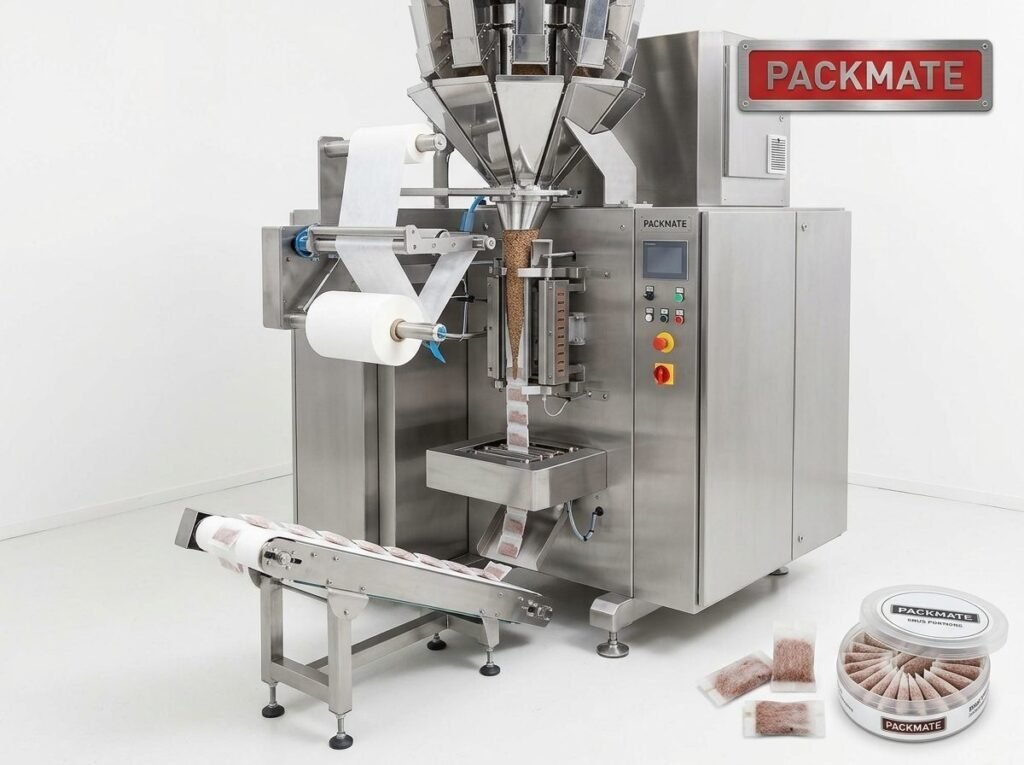
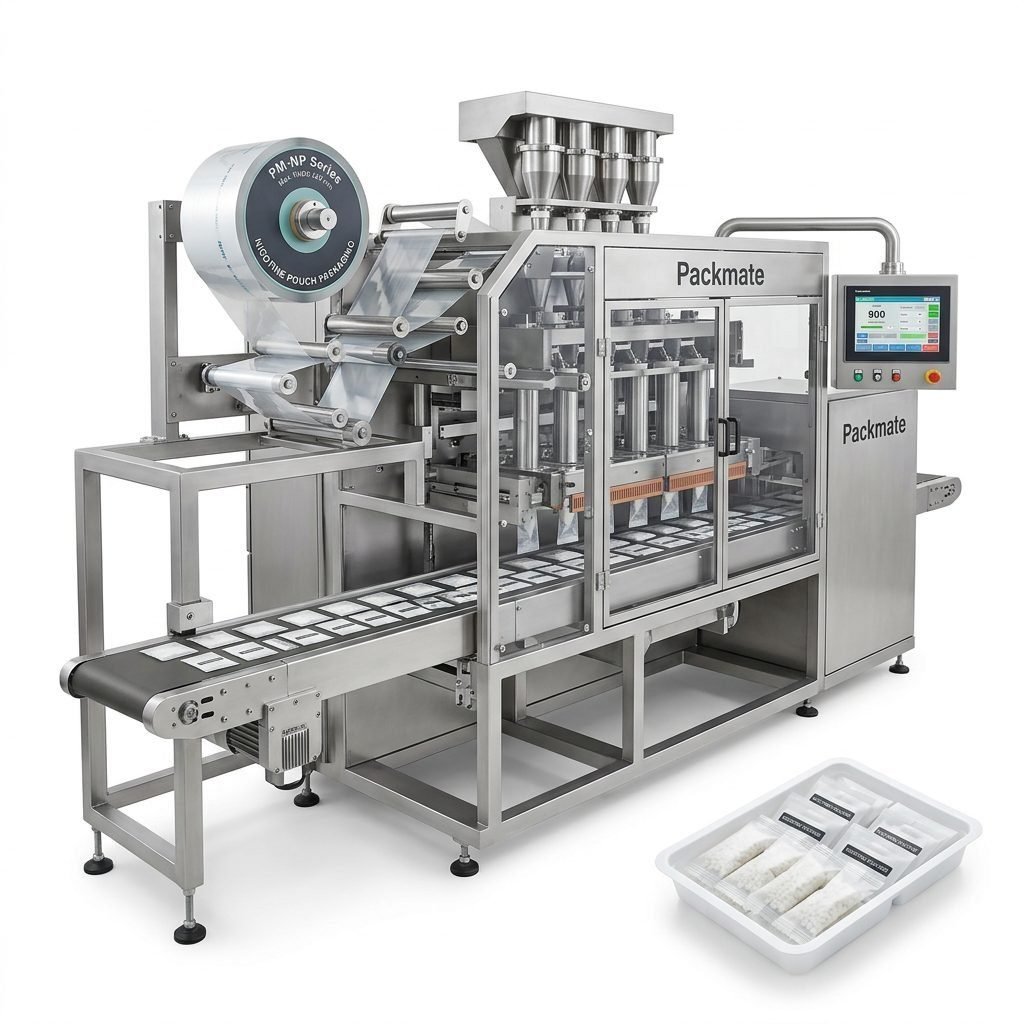
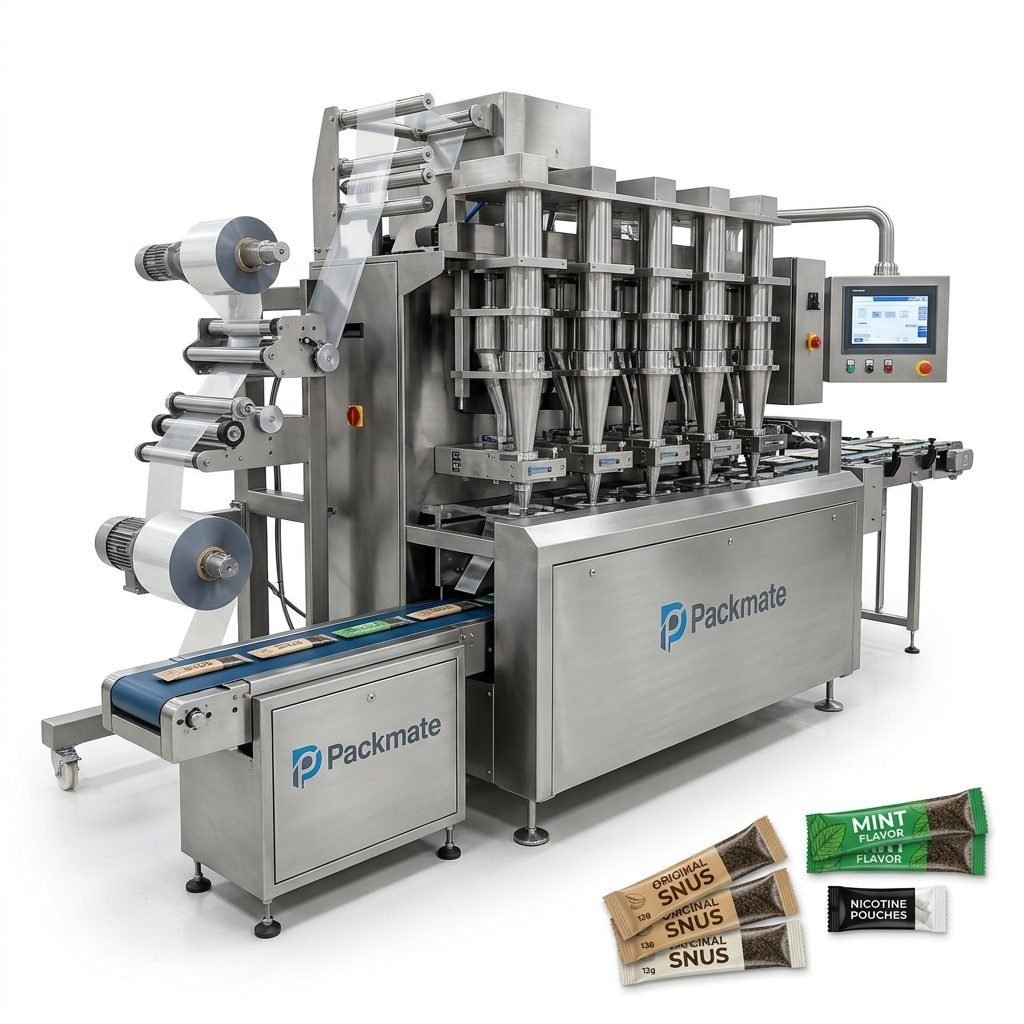
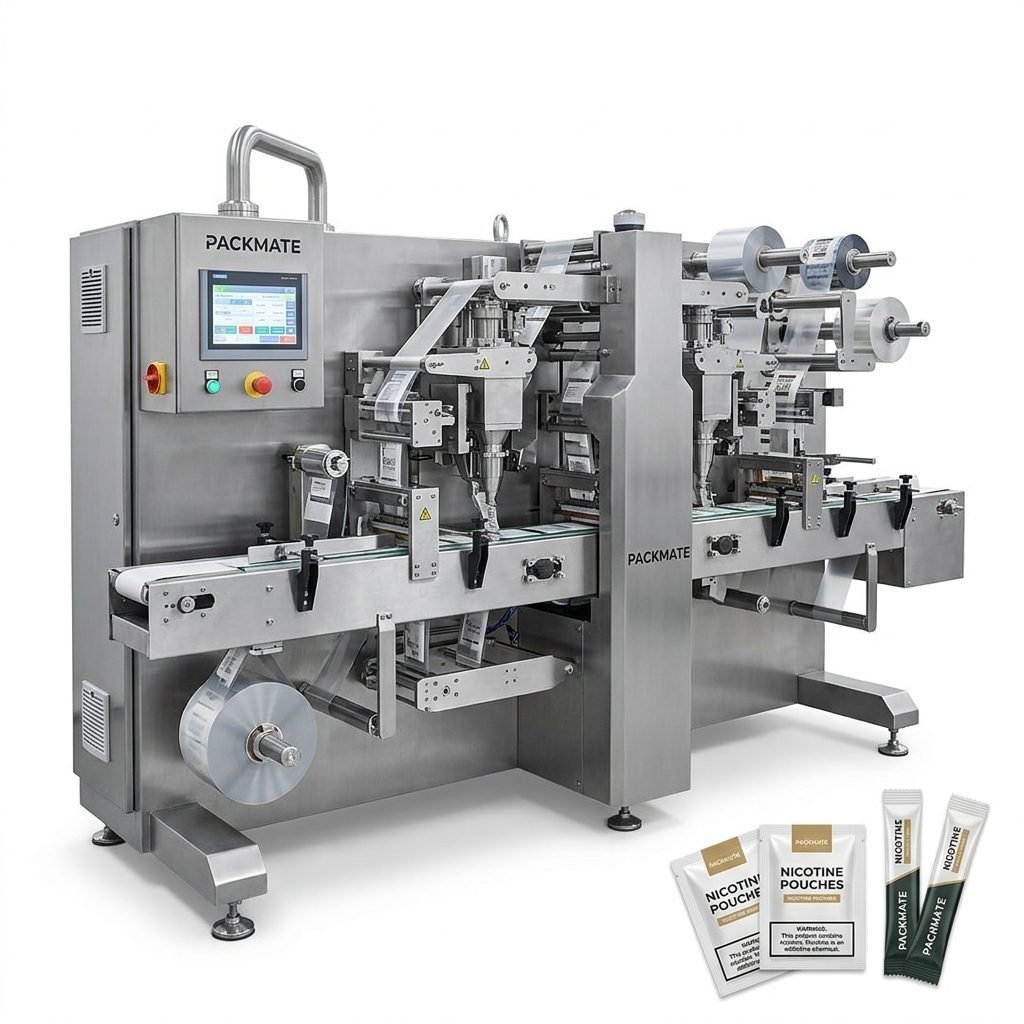
Multi-lane snus machines and precision pouch packers are designed for nicotine pouches and traditional snus. These systems provide tight weight control, consistent sealing, and minimal product loss. For technical details and model options, explore the supplier’s Snus & Nicotine Packaging Machines catalogue: Snus & Nicotine Packaging Machines.
Sachet & Stick Pack Machines
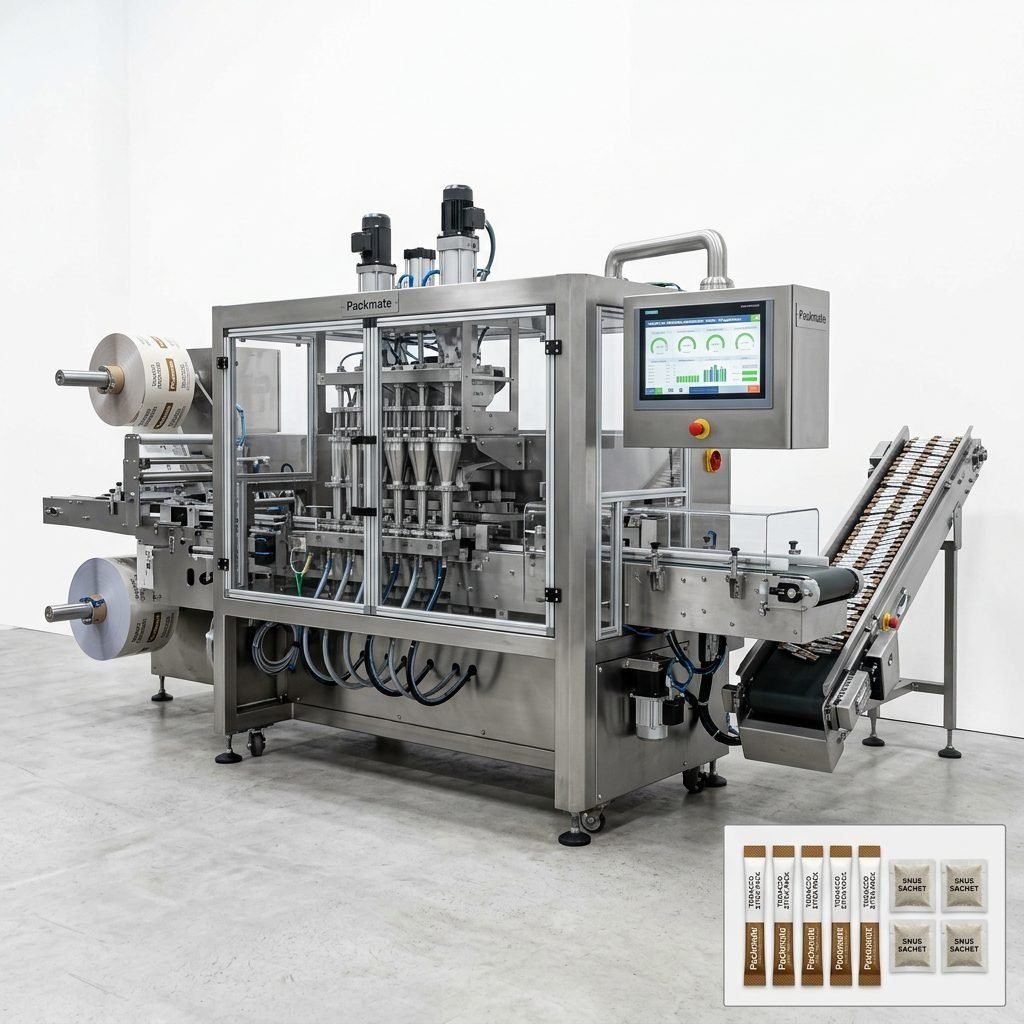
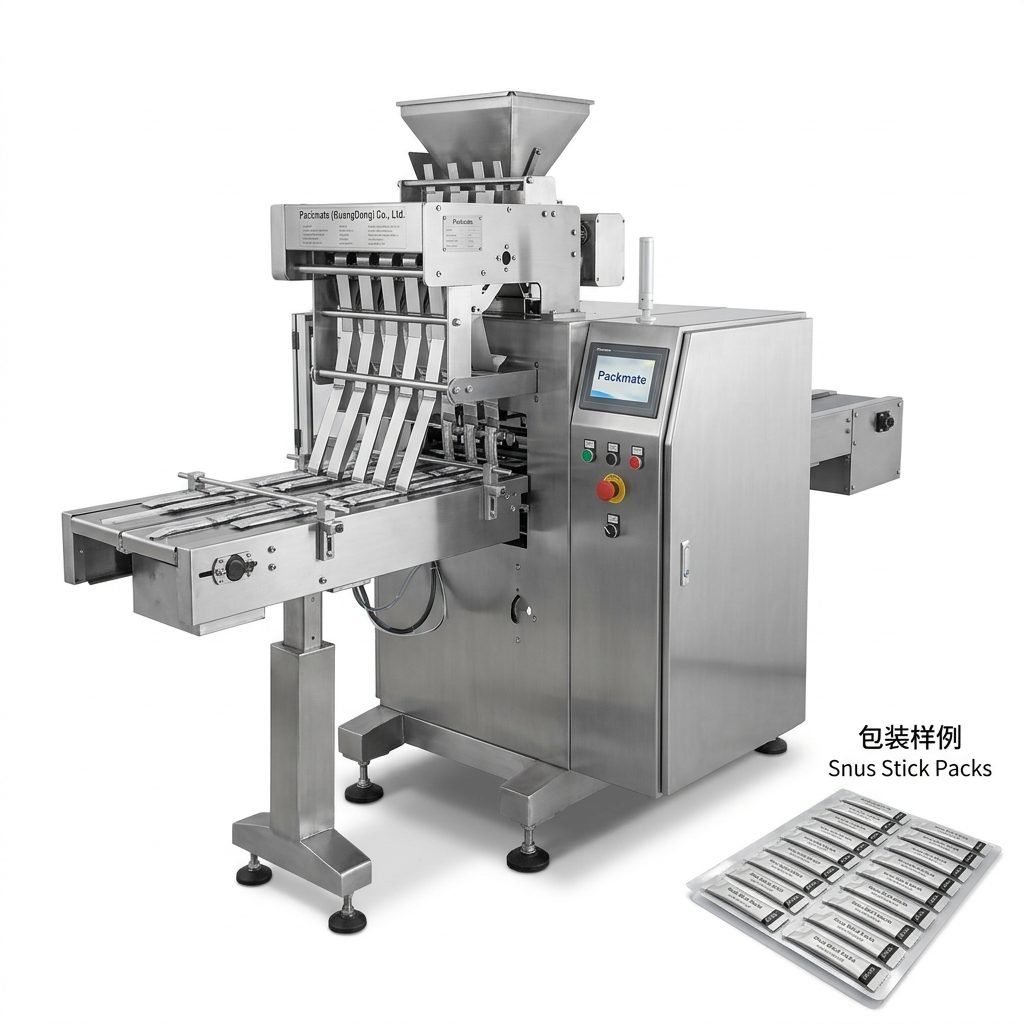
Stick packs and sachets suit single-use or sample formats. These machines are versatile for powdered blends and moisture-sensitive fillings. If your product strategy includes promotional single-dose offerings, check Sachet & Stick Pack Machines for options and speeds: Sachet & Stick Pack Machines.
Bag & Pouch Packaging Machines
For larger format pouches, re-sealable bags, or retail-ready packaging, automated bag and pouch systems provide flexibility and finish options such as zip locks and tear notches. Suppliers that offer end-to-end packaging lines including these modules reduce integration risk. See Bag & Pouch Packaging Machines: Bag & Pouch Packaging Machines.
What to inspect in supplier capability
Exporters should perform a structured evaluation covering engineering depth, production control, and customization ability. Below are the most important criteria to verify before placing an order.
⚙️ Engineering history and models: 30+ years of R&D and a wide model range (50+ models) indicate repeatable designs and options for customization.
🏭 Factory strength: A 20,000㎡ facility with advanced CNC centers and precision assembly ensures consistent quality and easier spare parts sourcing.
✅ Certifications: CE and ISO compliance reduce export compliance risk and simplify entry into regulated markets.
Testing, validation, and sample runs
Insist on factory acceptance testing (FAT) with your product or a close formulation. FAT should include performance metrics such as throughput, weight control deviation, sealing integrity under humidity stress, and changeover times. A trusted supplier will offer on-site demos at international exhibitions or detailed case studies: Case studies.
Integration with upstream and downstream systems
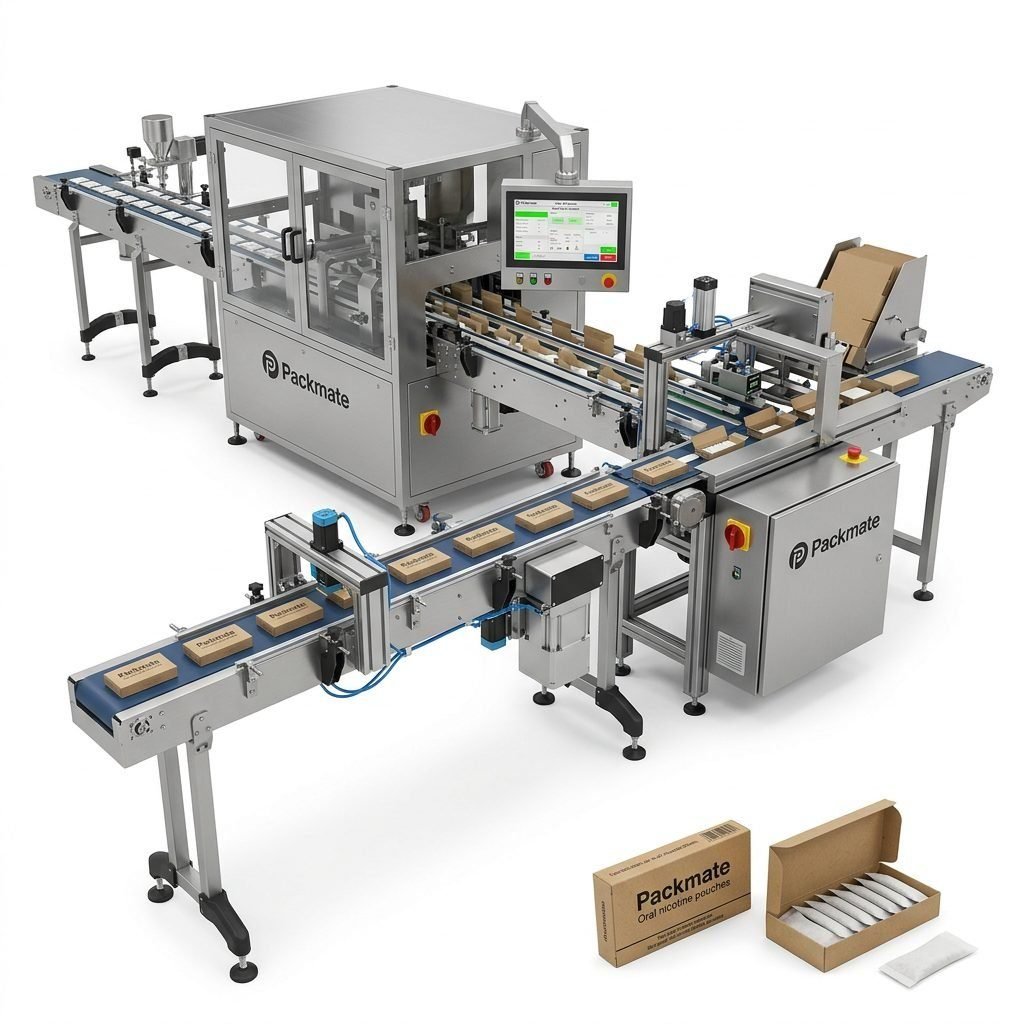
A turnkey snus production line combines feeders, dosing/weighing systems, pouch forming machines, sealing, and secondary packaging. Verify that the supplier provides seamless compatibility for weighing and packaging systems and filling lines: Weighing & Packaging Systems and Filling & Packaging Lines.
After-sales service, spare parts and training
For exporters, fast response time and spare parts availability are critical. Ask about local agent networks, remote diagnostics, training packages for operators and maintenance teams, and guaranteed spare parts lead times. Reliable suppliers provide clear service agreements and a responsive contact channel: Service and Contact Us.
Export logistics and documentation
Exporters must ensure the supplier understands international shipping for heavy equipment: appropriate crating, lifting points, and customs paperwork are essential. Confirm the supplier provides:
– Packing lists and commercial invoices formatted for customs clearance.
– CE/ISO certificates and electrical/mechanical documentation to satisfy import checks.
– Spare parts lists, recommended tools, and software licenses where applicable.
How to evaluate cost vs value
The lowest upfront price rarely equals lowest total cost of ownership. Evaluate lifecycle costs: energy consumption, consumables, maintenance intervals, mean time between failures, and resale value. A trustworthy supplier will present transparent total-cost calculations and reference installations.
Negotiation tips
– Lock down delivery milestones and penalties for delays.
– Request spare parts bundled at favorable terms for first-year consumption.
– Include acceptance criteria and test protocols in the purchase contract.
– Negotiate training and commissioning terms (onsite and remote).
Common configurations and expected outputs
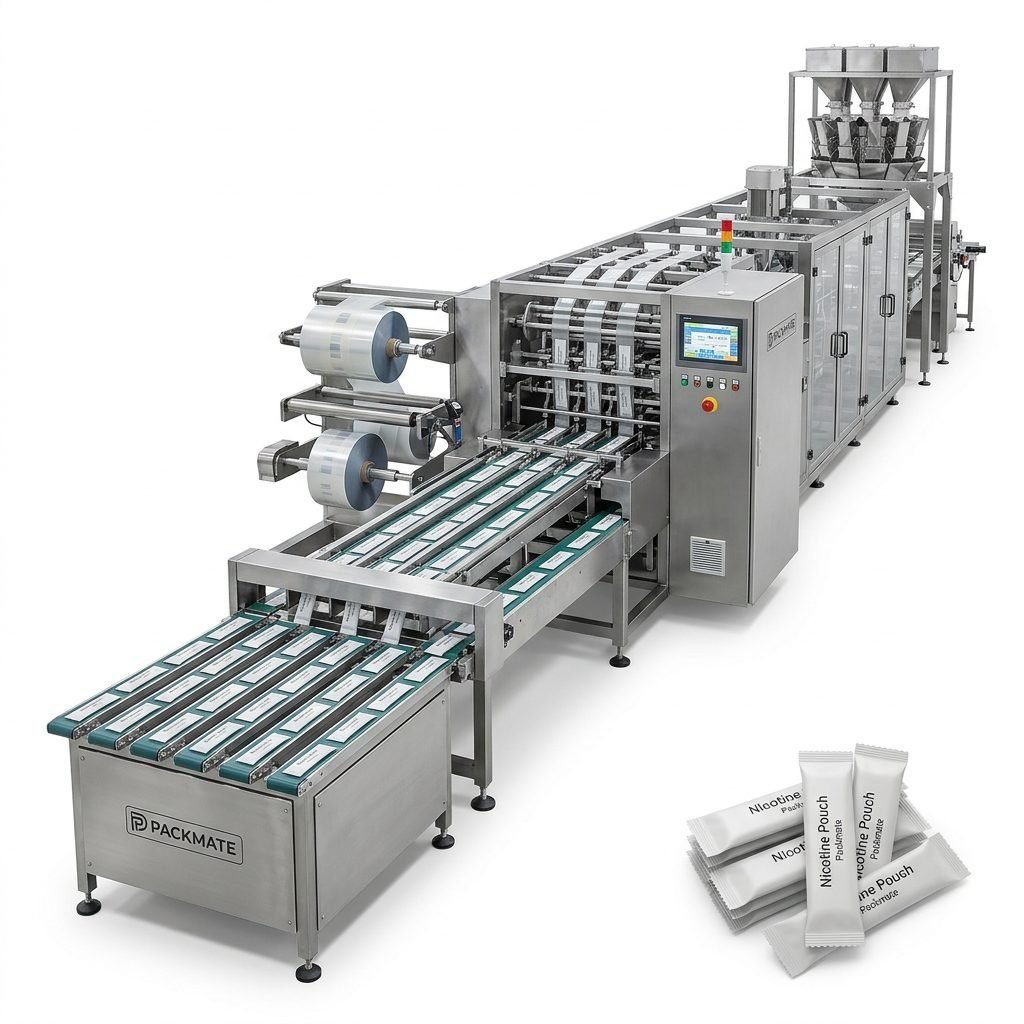
Typical snus lines range from single-lane pilot setups to high-speed multi-lane production. Production capacity depends on lane count, pouch format, and dosing precision. When reviewing proposals, compare throughput figures under real-material conditions rather than theoretical maxima.
📦 Example: A 4-lane precision pouch line with automatic dosing and rotary sealing can deliver high hourly output while maintaining ±2% weight accuracy for nicotine pouches — ideal for regulated markets.
Selecting a supplier: red flags and green lights
Watch for these indicators during supplier selection.
Green lights: Transparent factory tours, multiple working references, downloadable catalogs, exhibition participation, and clear warranty terms. See About Packmate and their exhibition presence for reassurance: About Packmate • Our Exhibition.
Red flags: Unwillingness to allow FAT, vague spare parts policy, inconsistent performance claims, or no CE/ISO documentation.
Implementation checklist before first production run
1. Confirm FAT with signed acceptance criteria and performance metrics.
2. Verify spare parts shipment and on-site toolkits.
3. Ensure operator and maintenance training schedules are booked.
4. Run commissioning with full formulation and packaging material to validate seal and shelf-life assumptions.
Building a long-term partnership
Successful exporters treat their machinery supplier as a strategic partner. Share forecasts, plan phased upgrades, and request proactive maintenance plans. Long-term collaboration often yields priority spare parts allocation, preferential pricing on new modules, and faster response times during demand spikes.
Sustainability and continuous improvement
Encourage suppliers to provide energy-efficient designs, recyclable components, and systems that reduce product waste. Continuous improvement cycles such as software updates and retrofit kits extend machine life and maintain compliance with new regulations.
Documents and online resources
For exporters who need brochures, certificates, and technical catalogs, ask suppliers for digital assets before purchase. Commonly provided resources include product catalogs, certificates, and FAQs: Catalog • Certificate • FAQs.
Conclusion
Exporting snus production lines requires more than price comparison — it demands careful evaluation of engineering capability, factory strength, testing support, certification, and after-sales service. Prioritize suppliers that offer end-to-end solutions, transparent FAT procedures, and a clear spare-parts strategy. With the right partner, you will deliver consistent product quality, meet regulatory demands, and scale production to meet market growth.
Frequently Asked Questions
Q1: How long does it take to deliver a custom snus packaging line from order to shipment?
A1: Delivery time varies by complexity; standard models may ship in 8–12 weeks, while custom turnkey lines often require 12–20 weeks for engineering, build, and FAT.
Q2: What certifications should I request from a snus machine supplier for international export?
A2: At minimum request CE and ISO certificates. For specific markets, confirm compliance with local electrical and safety standards and request detailed documentation for customs.
Q3: Can I get a machine demo or reference run before purchase?
A3: Reputable suppliers offer factory demonstrations, FAT with your product, and references from existing installations. Visiting exhibitions can also provide live demos.
Q4: What after-sales support should be included in the contract?
A4: Include commissioning, operator training, a spare parts kit for first-year consumption, remote diagnostics access, and agreed response times for on-site service calls.
Q5: How do I manage spare parts and consumables for export lines?
A5: Negotiate a parts agreement with lead-time guarantees, keep a recommended stock on-site for critical wear parts, and confirm that the supplier can ship parts internationally with clear part numbers and manuals.