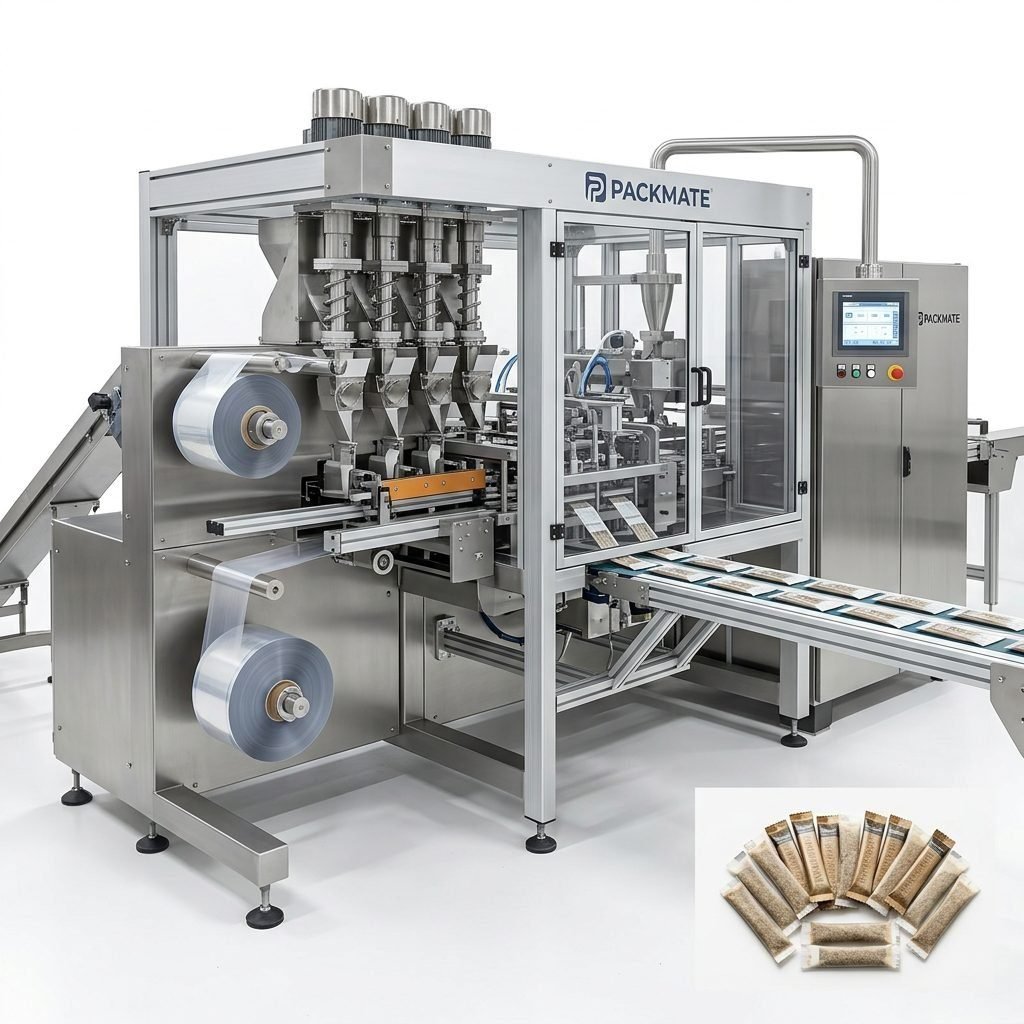
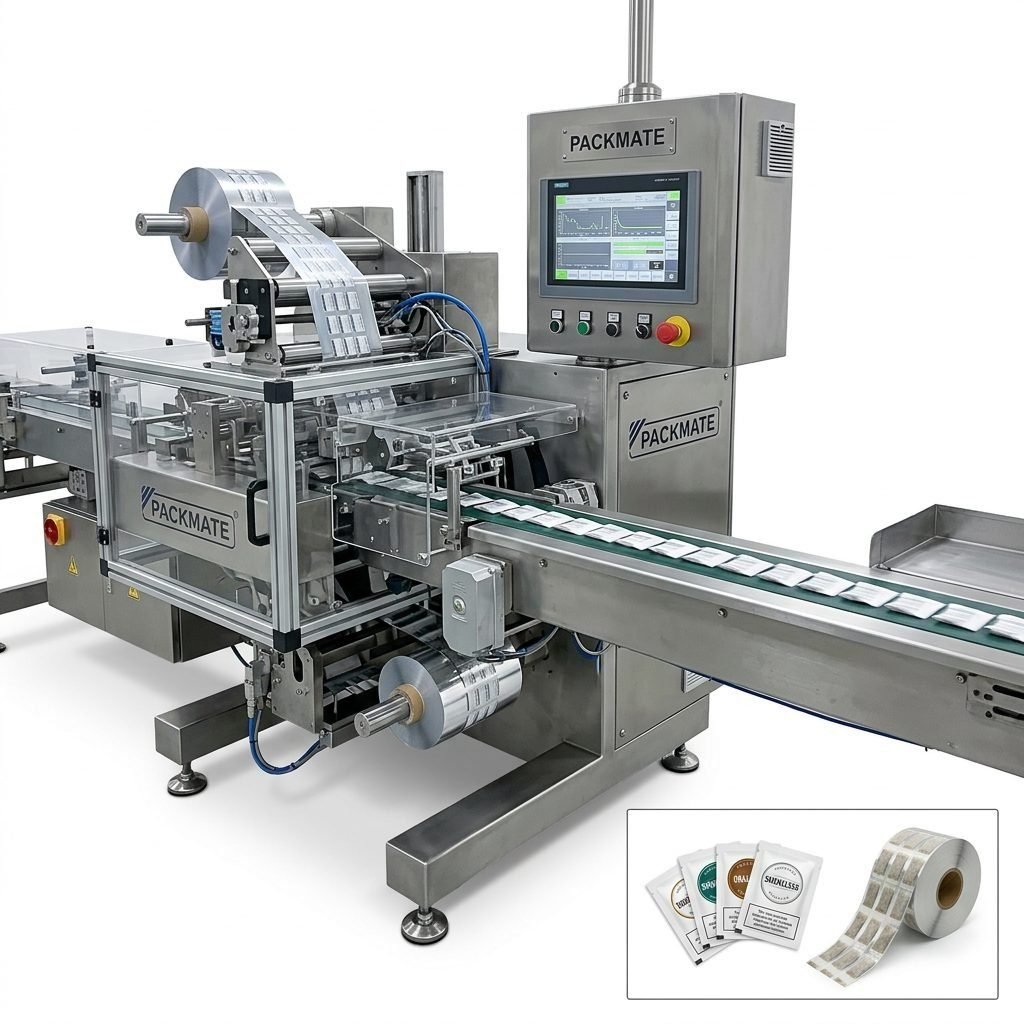
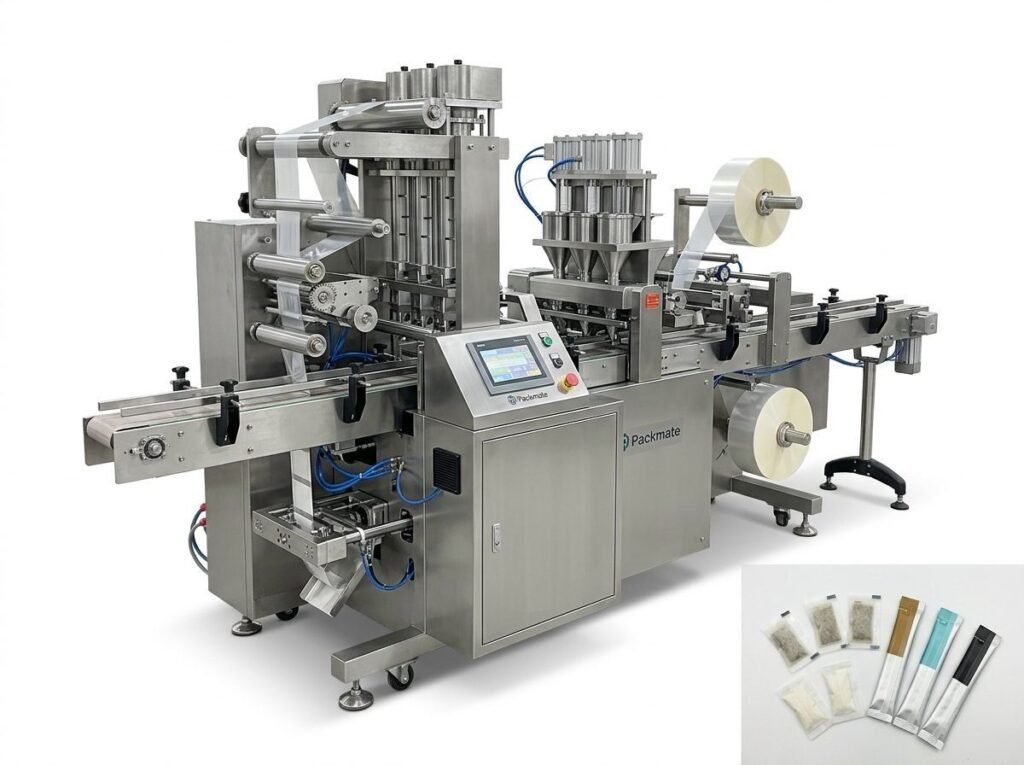
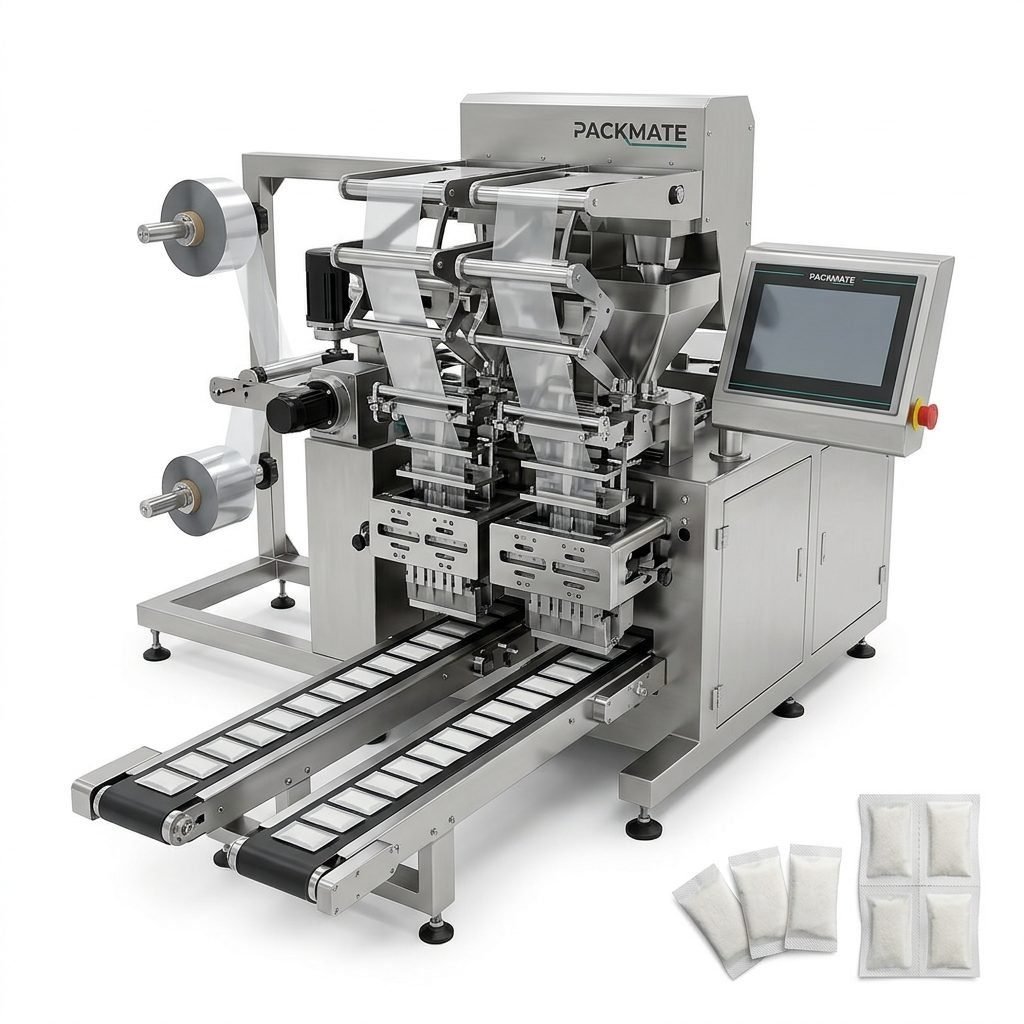
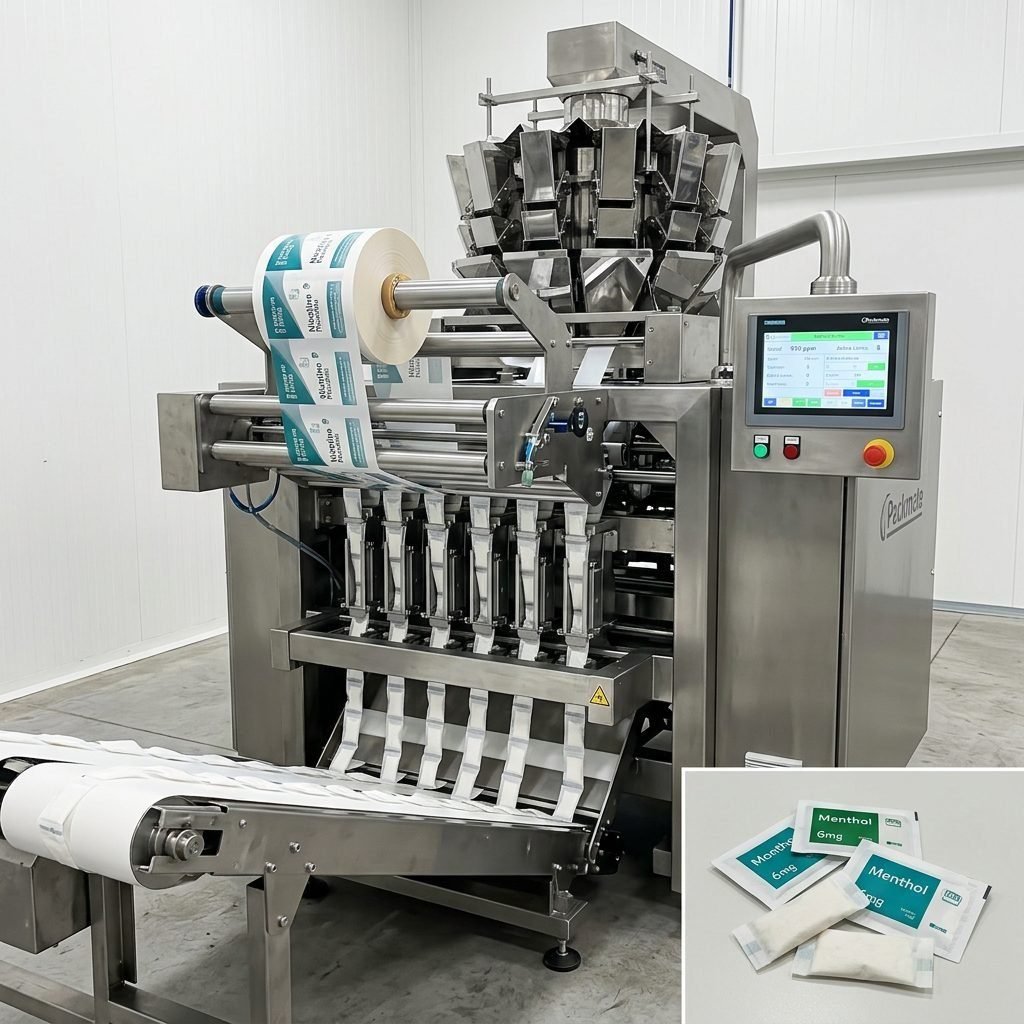
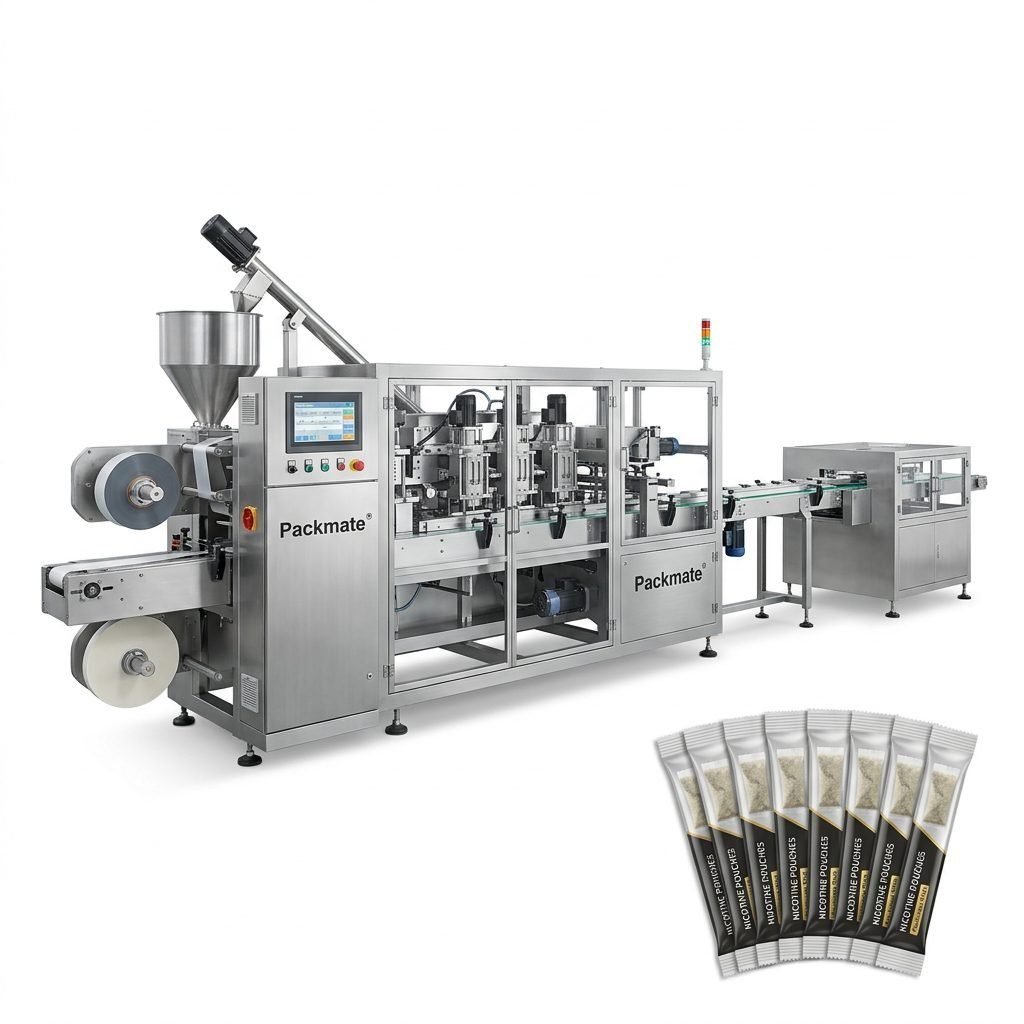
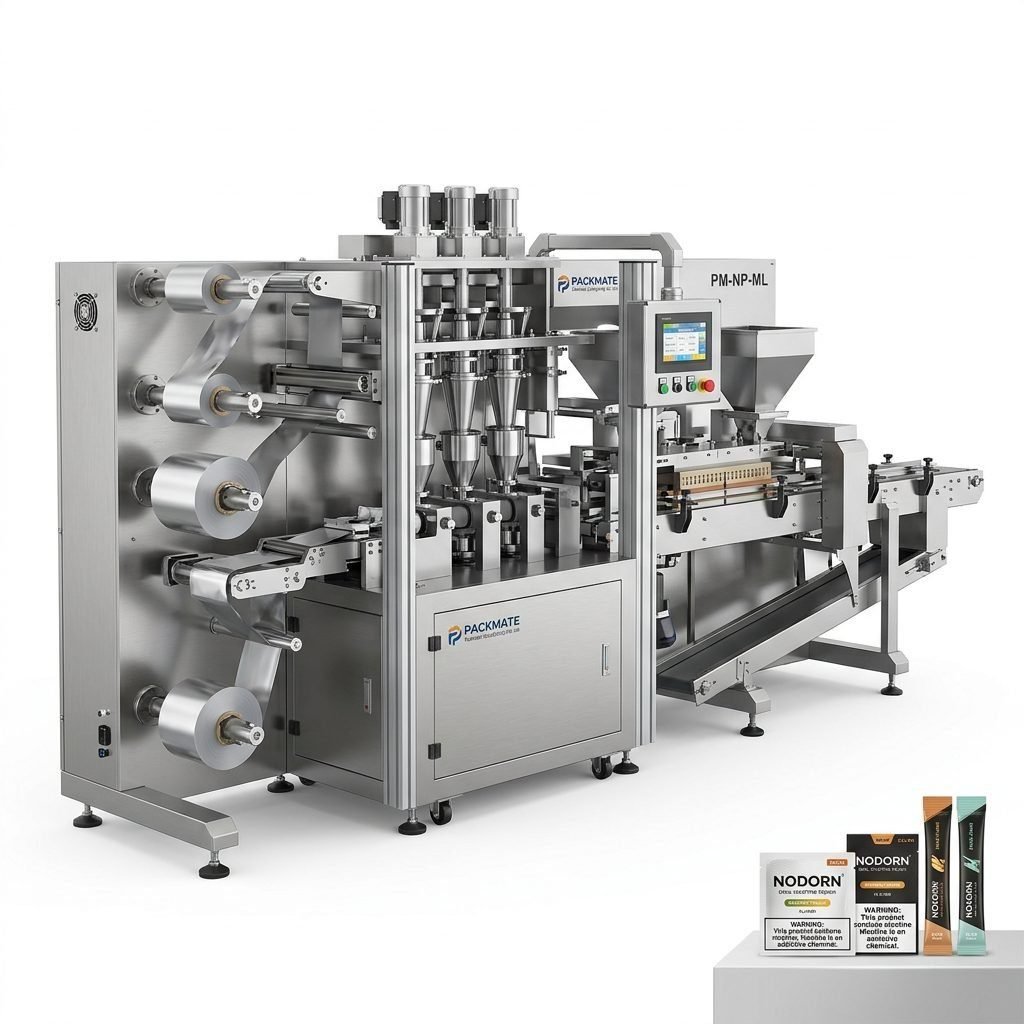
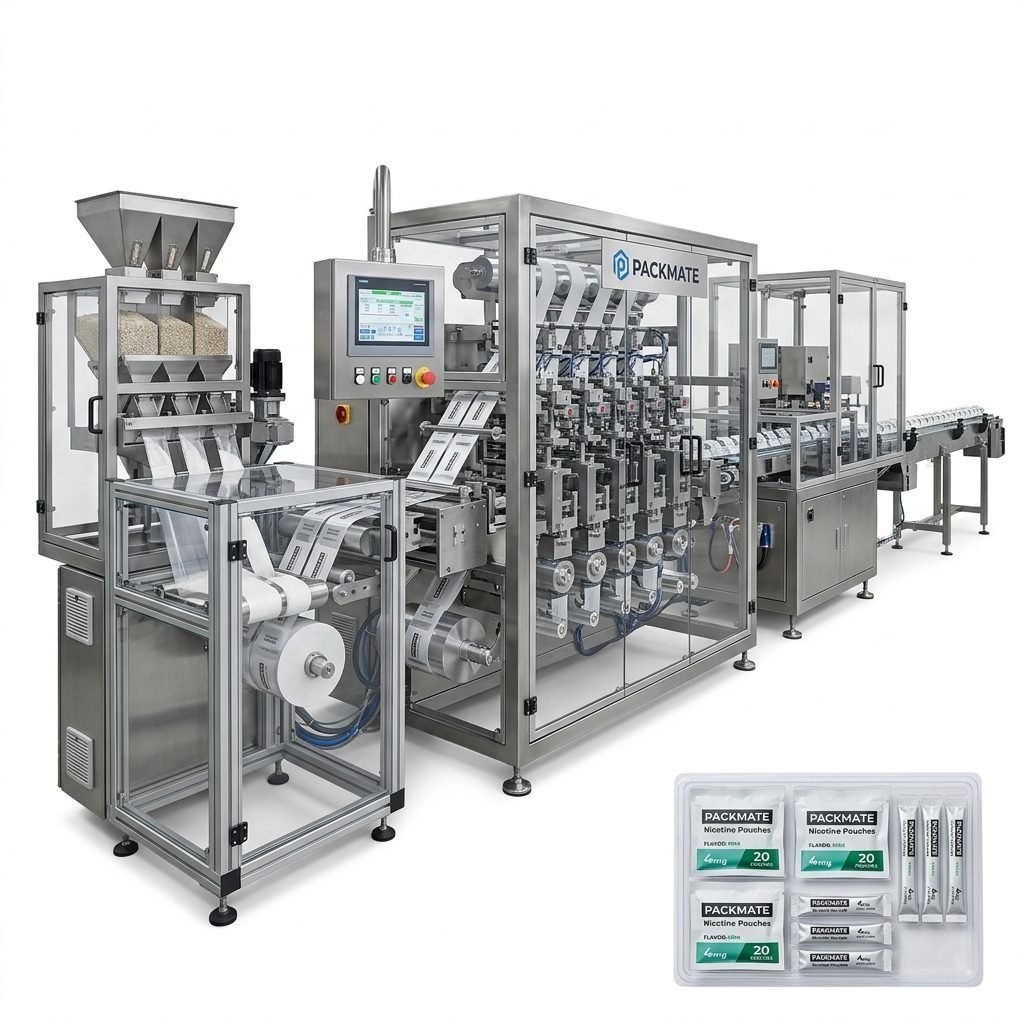
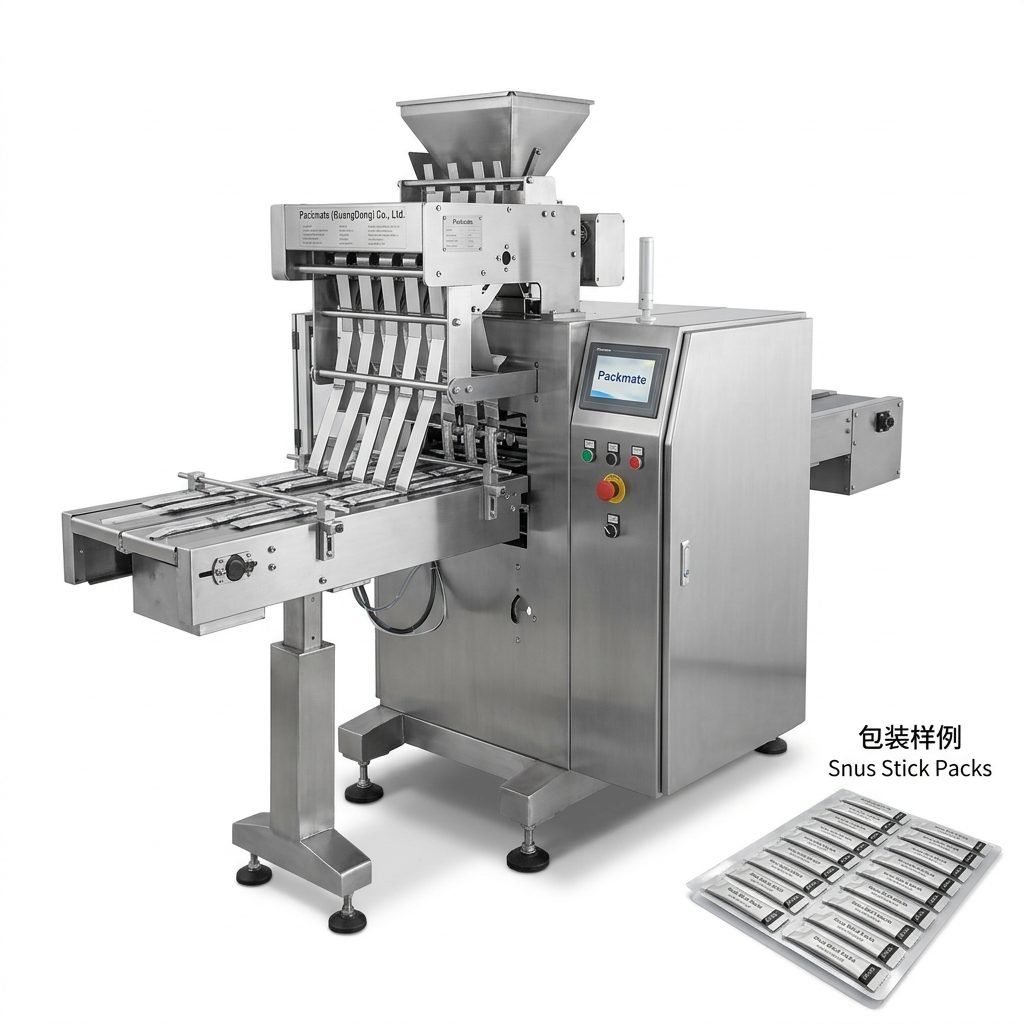
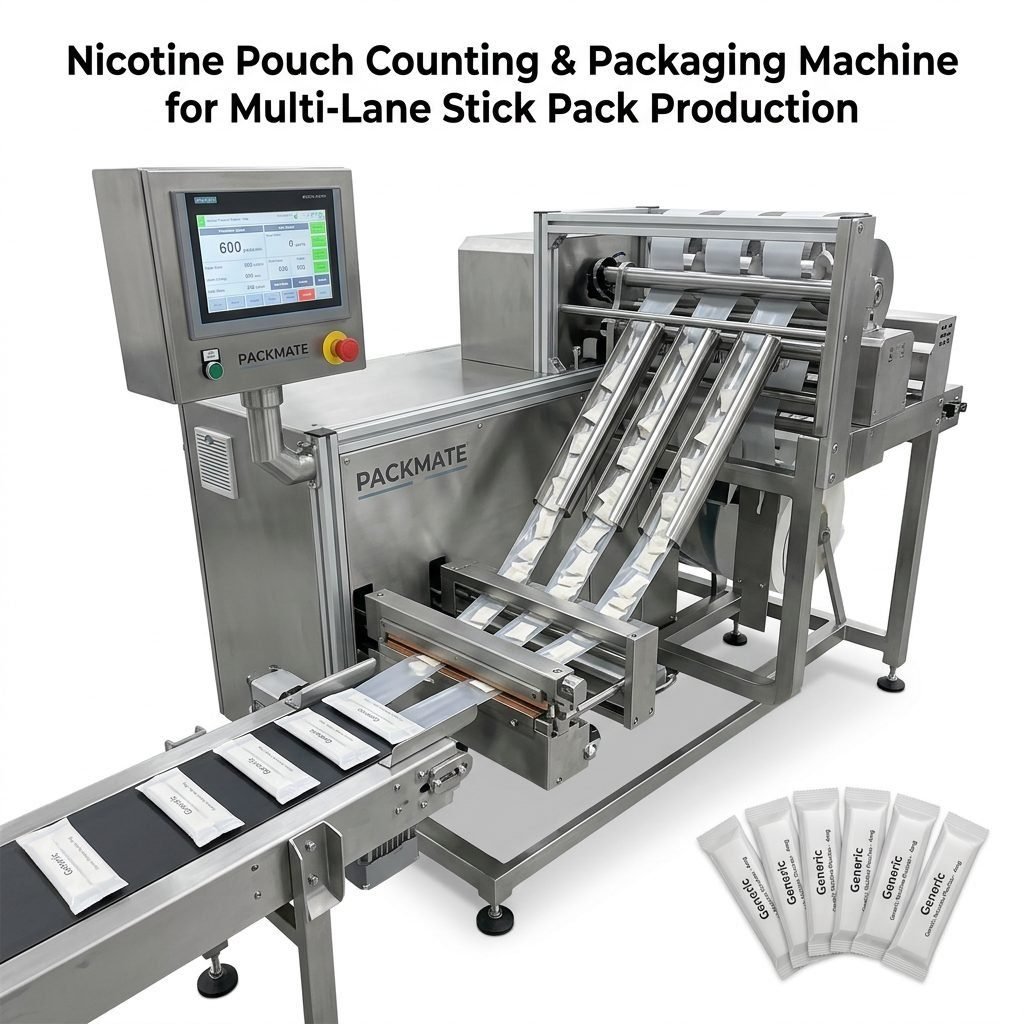
Choosing the right nicotine packaging machinery manufacturer for production in Chile can determine the difference between a reliable, scalable operation and constant downtime. This guide walks you through practical criteria, technical requirements, and commercial considerations to help you select a supplier who delivers performance, compliance, and long-term value.
🔍 Understand Your Production Needs First
Start by mapping your current and anticipated production volumes, product formats, and packaging materials. Nicotine pouches, snus, and small-dose sachets demand specialized machinery. Ask:
Production capacity and uptime
Determine hourly, daily, and monthly output goals. For example, multi-lane systems are ideal if you plan to scale quickly; stick-pack and sachet machines suit slimmer runs. A supplier should provide validated cycle-rate data for machines under realistic loads.
Product formats and flexibility
If you expect to run nicotine pouches, powdered blends, or liquid-filled sachets, prioritize manufacturers with a portfolio spanning snus machines, sachet/stick pack lines, and filling systems. Explore product pages such as
Snus & Nicotine Packaging Machines and
Sachet & Stick Pack Machines.
✅ Tip: Prioritize machines that support quick changeovers and modular tooling if you plan to run multiple SKUs. This reduces downtime and improves ROI.
⚙️ Technical Capabilities and Factory Strength
Evaluate a manufacturer’s engineering depth, manufacturing footprint, and quality controls. Key indicators include factory scale, CNC capability, and experience with nicotine pouch production.
What to check
• Workshop and assembly area size (a larger, organized facility often indicates robust production capacity).
• Availability of advanced CNC machining centers and precision assembly lines.
• Range of machine models and ability to provide turnkey lines.
🔧 Manufacturer Example: Companies with 20,000㎡ factories and 50+ machine models bring a higher probability of finding a tailored solution — especially when they focus on snus and nicotine pouch systems.
📦 Machine Types: Match Equipment to Product
Different packaging formats call for different machines. Be clear which system you need:
Snus & nicotine pouch machines
Designed for small-dose pouches with high precision filling and sealing. Look for proven multi-lane options if you intend to boost output without enlarging floor space. See detailed options:
Snus & Nicotine Packaging Machines.
Stick pack and sachet machines
Ideal for single-serve or portioned formats. Ensure the machine supports your chosen film and sealing parameters. Explore machine families like
Sachet & Stick Pack Machines.
🧾 Quality, Compliance and Certifications
Compliance is critical for nicotine products. Verify manufacturer certifications and adherence to international safety and quality standards:
• CE and ISO compliance for electrical safety and manufacturing processes.
• Traceable quality control records and acceptance tests for each machine.
• Ability to provide documentation needed for regulatory submissions in Chile and export markets.
⚠️ Essential: Ask for certificates and test reports. Reliable manufacturers routinely list certifications and can include them in the purchase agreement.
🔁 After-sales Service, Spare Parts and Training
After-sales support determines long-term reliability. Confirm the manufacturer’s capability to provide:
• Global spare parts availability and reasonable lead times.
• Remote diagnostics, software updates, and local service partners (or dispatchable engineers).
• On-site commissioning, operator training, and maintenance documentation.
Service offerings to request
1) A defined Service Level Agreement (SLA) for response times.
2) Spare parts kits for consumables and wear parts.
3) Training programs for operators and maintenance staff.
💰 Total Cost of Ownership (TCO) and Financing
Purchase price is just one part of the cost. Calculate TCO by including installation, spare parts, energy use, consumables, maintenance, and expected downtime. Get itemized quotes that show:
• Machine base price, optional modules, and tooling costs.
• Shipping, insurance, and import duties to Chile.
• Estimated energy consumption and recommended preventive maintenance schedule.
📦 Commercial Tip: Request a long-term parts price list and estimated consumption of wear parts to forecast annual operating costs accurately.
🔬 Factory Visits, References and Case Studies
Visiting a manufacturer’s factory or attending an exhibition where machines are demonstrated gives direct insight into build quality and operational reality. Review case studies and past projects to assess the supplier’s track record. See examples and customer cases here:
Case.
Check references in similar geographies or regulatory environments to ensure the vendor understands Chilean import, installation, and operational requirements.
🚚 Logistics, Delivery and Installation in Chile
Confirm the manufacturer’s experience shipping to South America and handling customs requirements. Ask about:
• Packing standards for ocean shipment.
• Local partners for unloading and installation.
• Assistance with customs documentation and regulatory submissions.
📈 Scalability and Future-proofing
Choose suppliers who can scale with your business: modular systems, upgrade paths, and integration with upstream/downstream lines (weighing systems, filling lines, and bag/pouch equipment). Useful links for complementary systems:
Weighing & Packaging Systems,
Filling & Packaging Lines,
and
Bag & Pouch Packaging Machines.
🔎 Final Checklist Before Signing
• Detailed machine specifications and validation protocol.
• Acceptance test criteria and on-site commissioning plan.
• Warranty terms, spare parts lead times, and SLA details.
• Explicit list of included training, manuals, and drawings.
• Clear shipping terms and installation responsibilities.
📣 Helpful Resource: Learn more about the supplier’s company history, certifications and exhibitions to build confidence:
About Packmate,
Certificate, and
Our Exhibition.
Conclusion
Selecting a nicotine packaging machinery manufacturer for Chile requires a balance of technical fit, manufacturing strength, regulatory compliance, and reliable after-sales support. Prioritize partners with proven snus and nicotine pouch experience, clear TCO analysis, and strong service offerings to protect uptime and ROI.
Frequently Asked Questions
Q1: What certifications should I require?
Request CE and ISO certifications, plus any test reports for electrical safety and machine acceptance. Certification documentation must be part of the contract package.
Q2: How important is a factory visit?
Highly recommended: visits allow you to verify quality controls, machine assembly practices, and see machines running under load. If travel isn’t possible, request live demos or virtual tours.
Q3: Should I buy modular or turnkey lines?
If you need rapid deployment with guaranteed integration, turnkey lines are ideal. If you want flexibility to mix and match systems over time, modular machines may suit better.
Q4: How do I manage spare parts availability in Chile?
Negotiate lead time commitments and consider stocking critical wear parts locally. Confirm whether the manufacturer has local partners or a regional warehouse to improve response times.
Q5: Where can I get more information or request a quote?
Contact the manufacturer directly for tailored proposals and technical consultation:
Contact Us. Explore product catalogs and services for deeper insights:
Catalog and
Service.