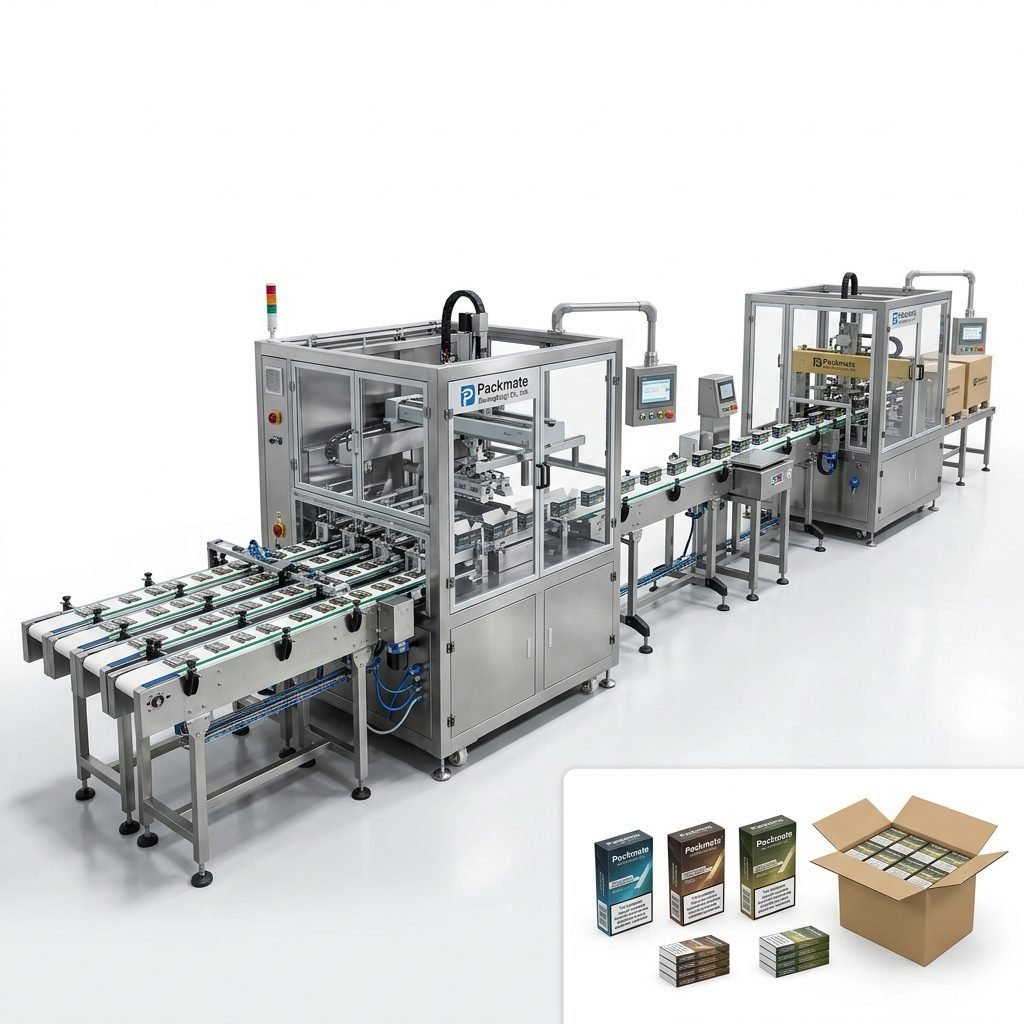
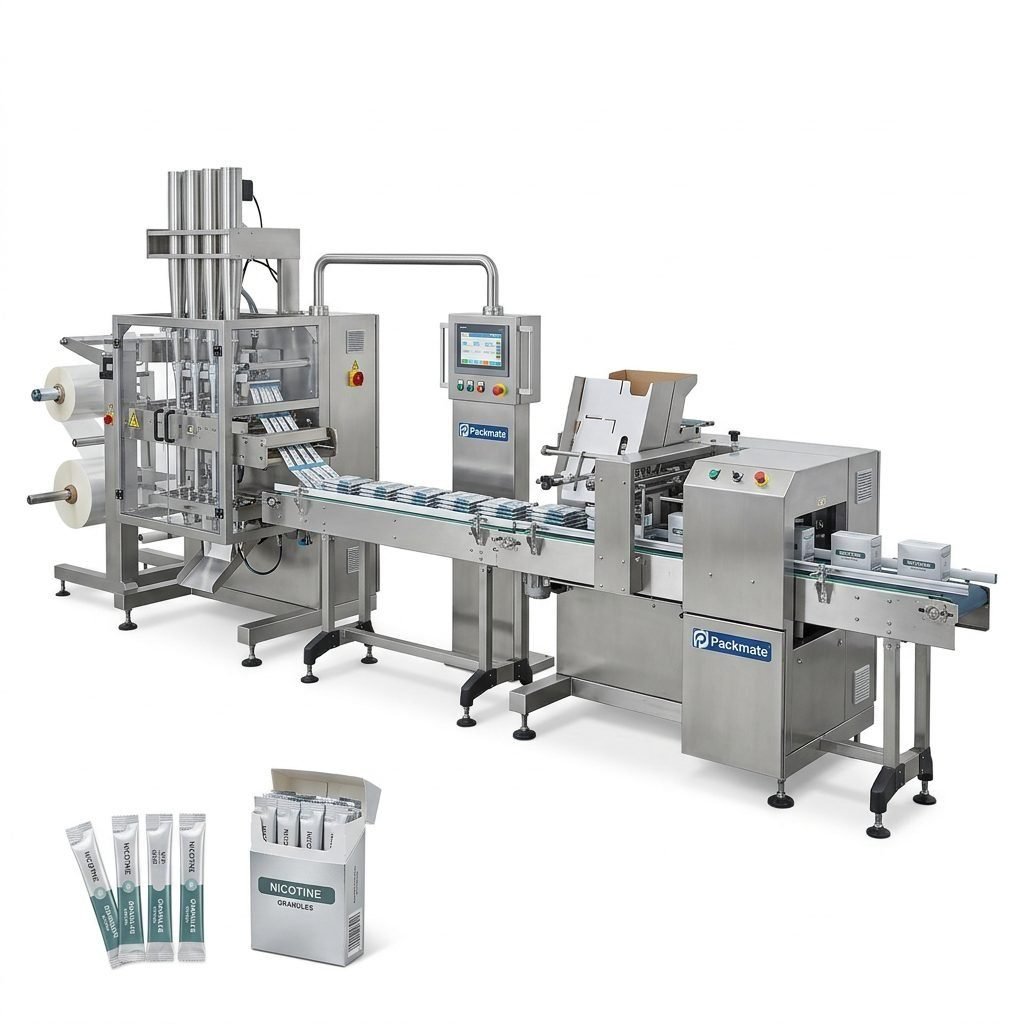
For manufacturers in Eritrea considering entry into the nicotine pouch or snus packaging business, choosing the right packaging machinery is one of the most important investments you will make. This guide walks through practical selection criteria, local considerations for Eritrea, technical features to compare, supplier evaluation tips, and a step-by-step procurement checklist to ensure your production line is efficient, compliant, and reliable in local conditions.
Understanding Local Market & Cultural Context in Eritrea
Eritrea’s market environment is shaped by a mix of small domestic demand, regional trade opportunities and specific cultural considerations. Many communities prefer discreet, compact formats and clear, multilingual labeling (Tigrinya, Arabic and English). When selecting machinery, prioritize equipment that supports small-batch flexibility and customizable printing/labeling so you can adapt quickly for different markets and regulatory labels.
Why local context matters
Port access via Massawa or Assab, variable power supply in some regions, and dusty coastal climate all influence the type of machines that perform well. Consider robustness, ease of maintenance, and spare parts availability when evaluating vendors.
Core Types of Nicotine Packaging Machinery
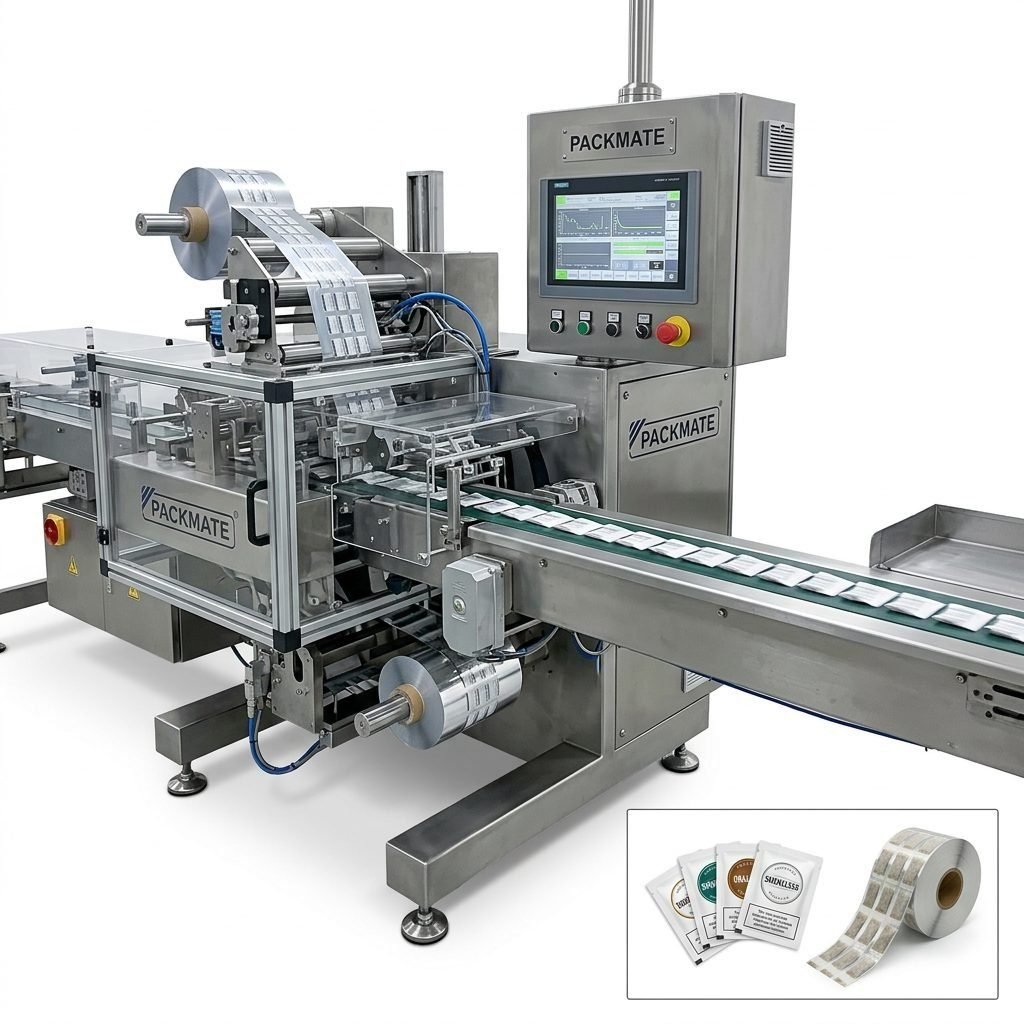
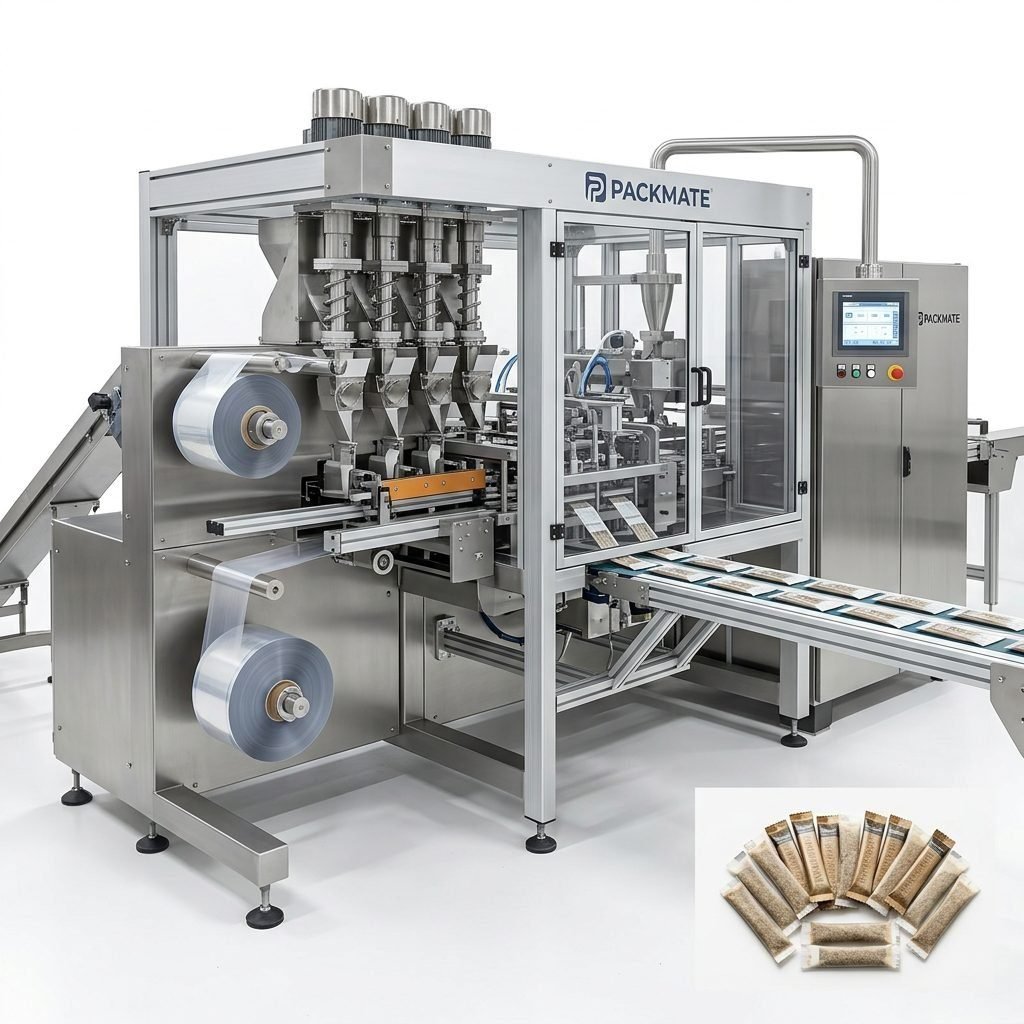
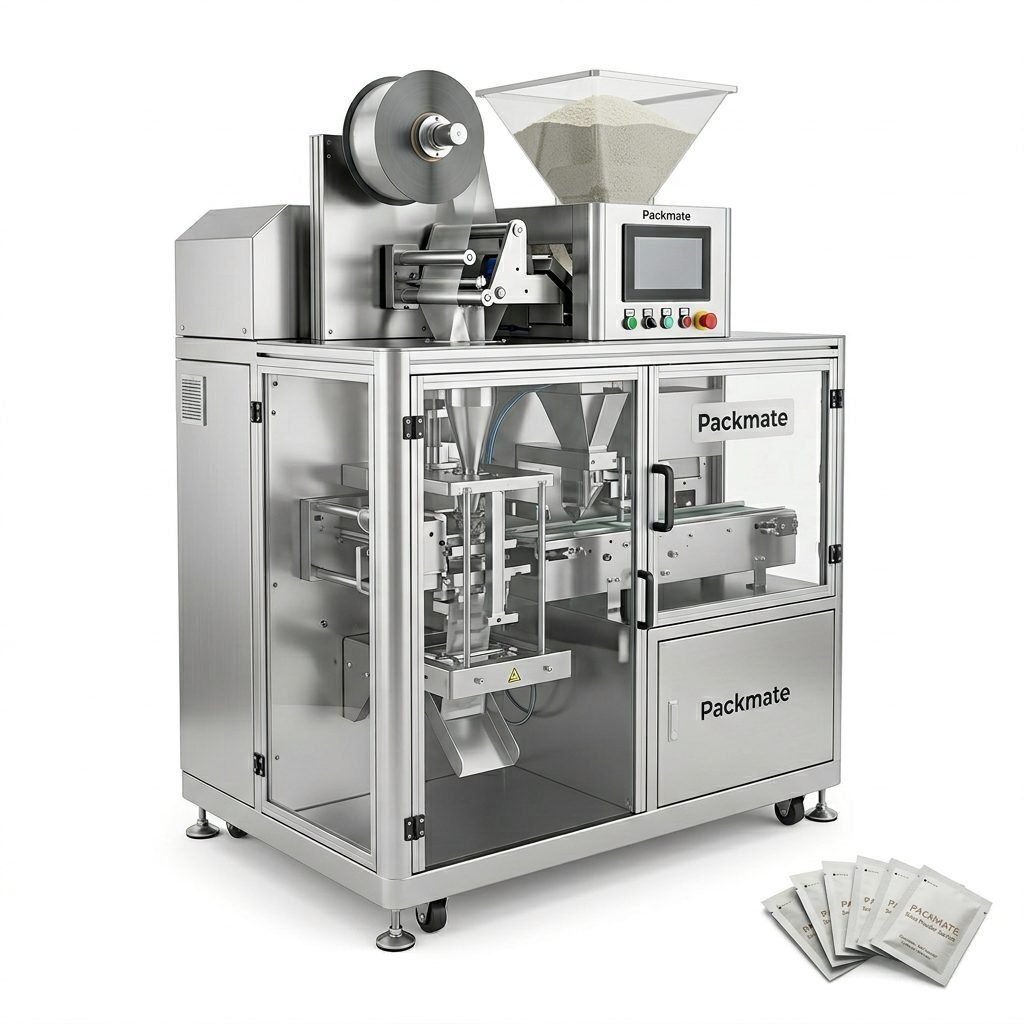
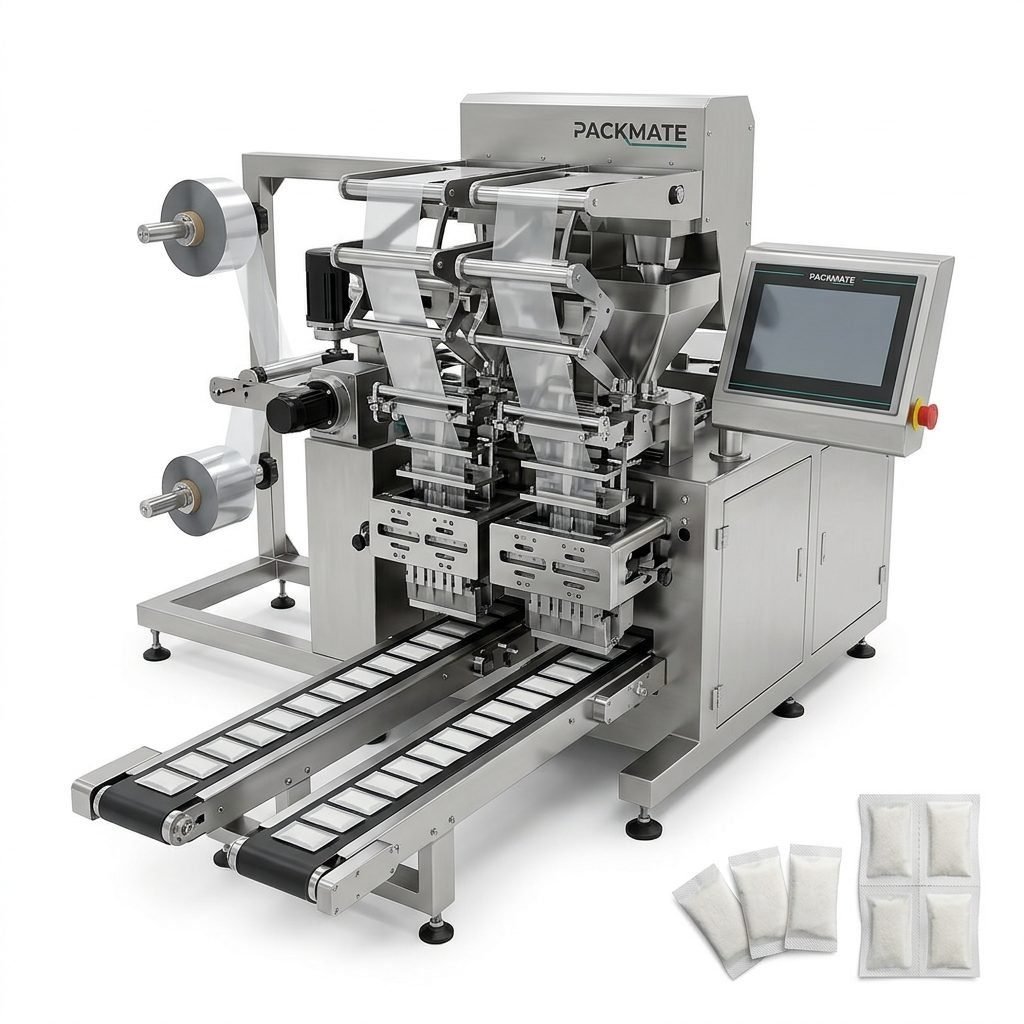
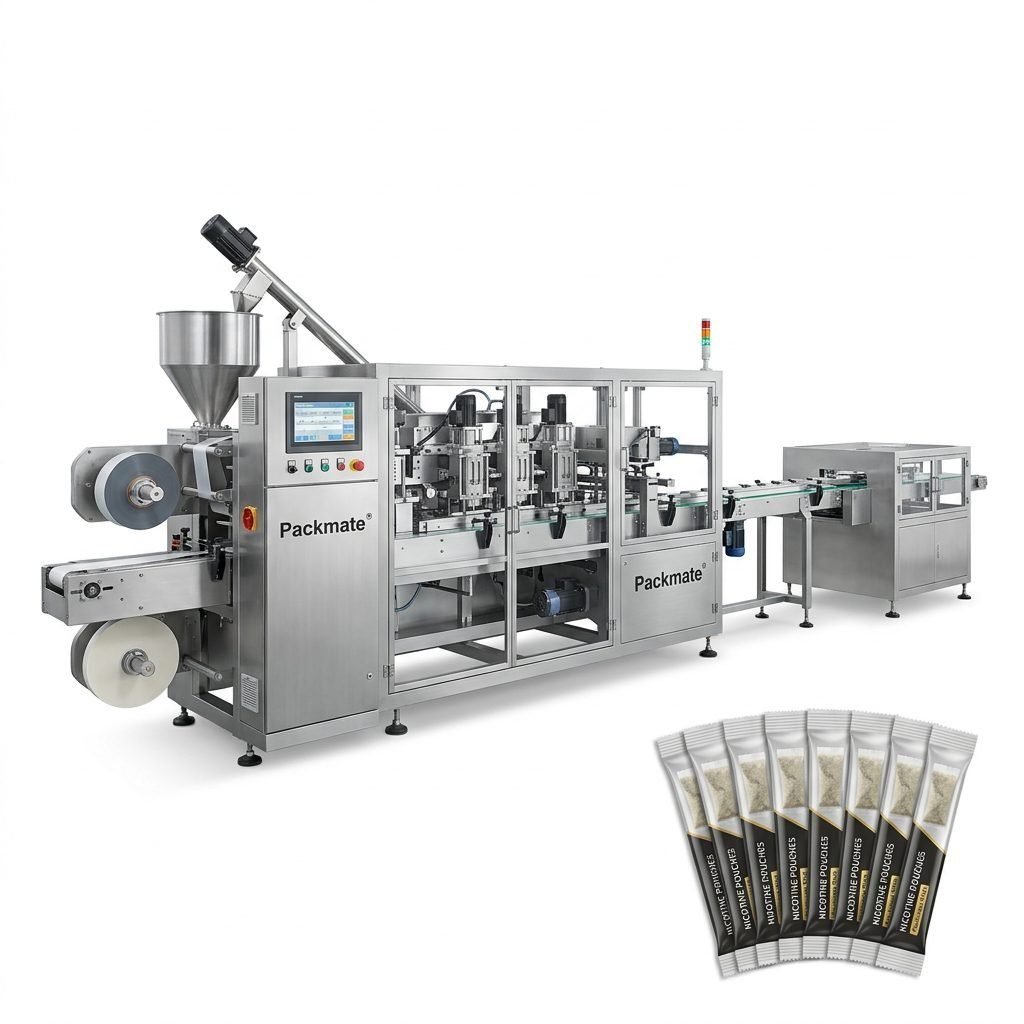
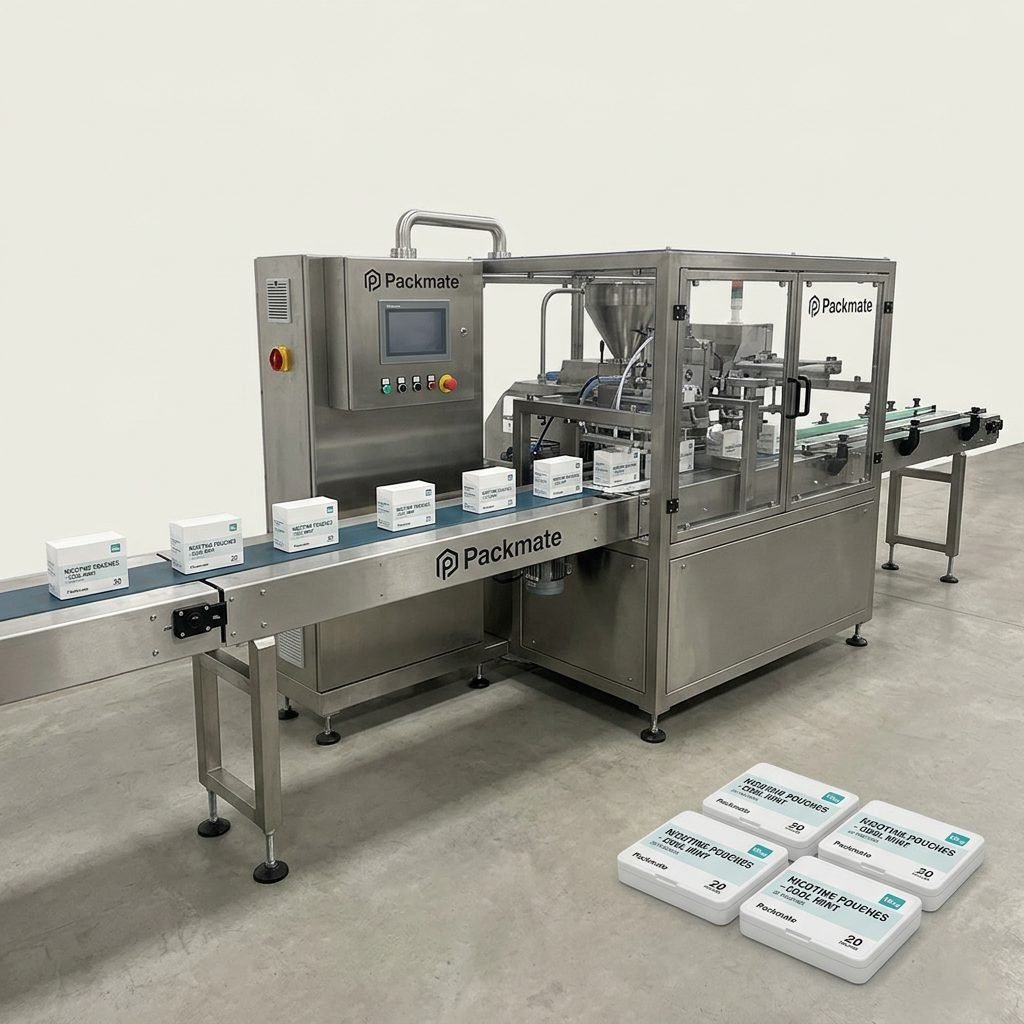
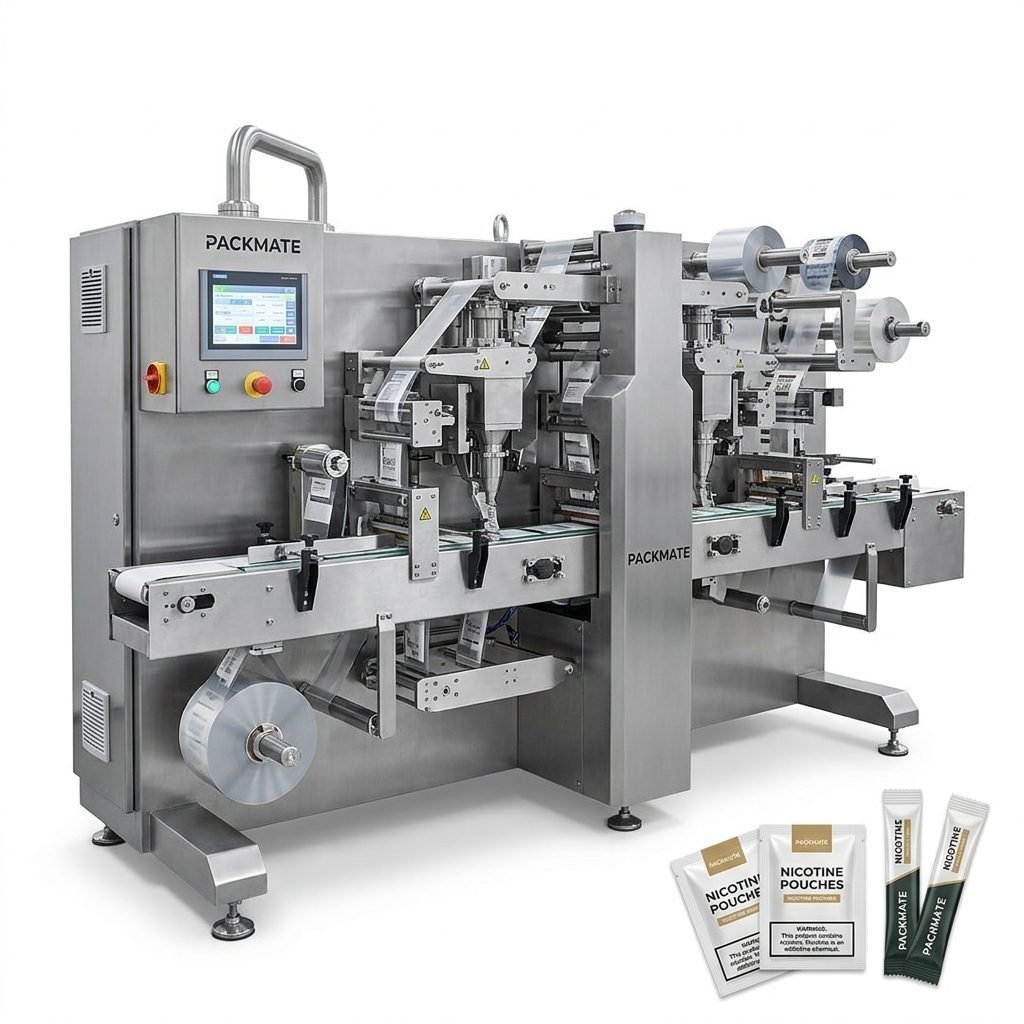
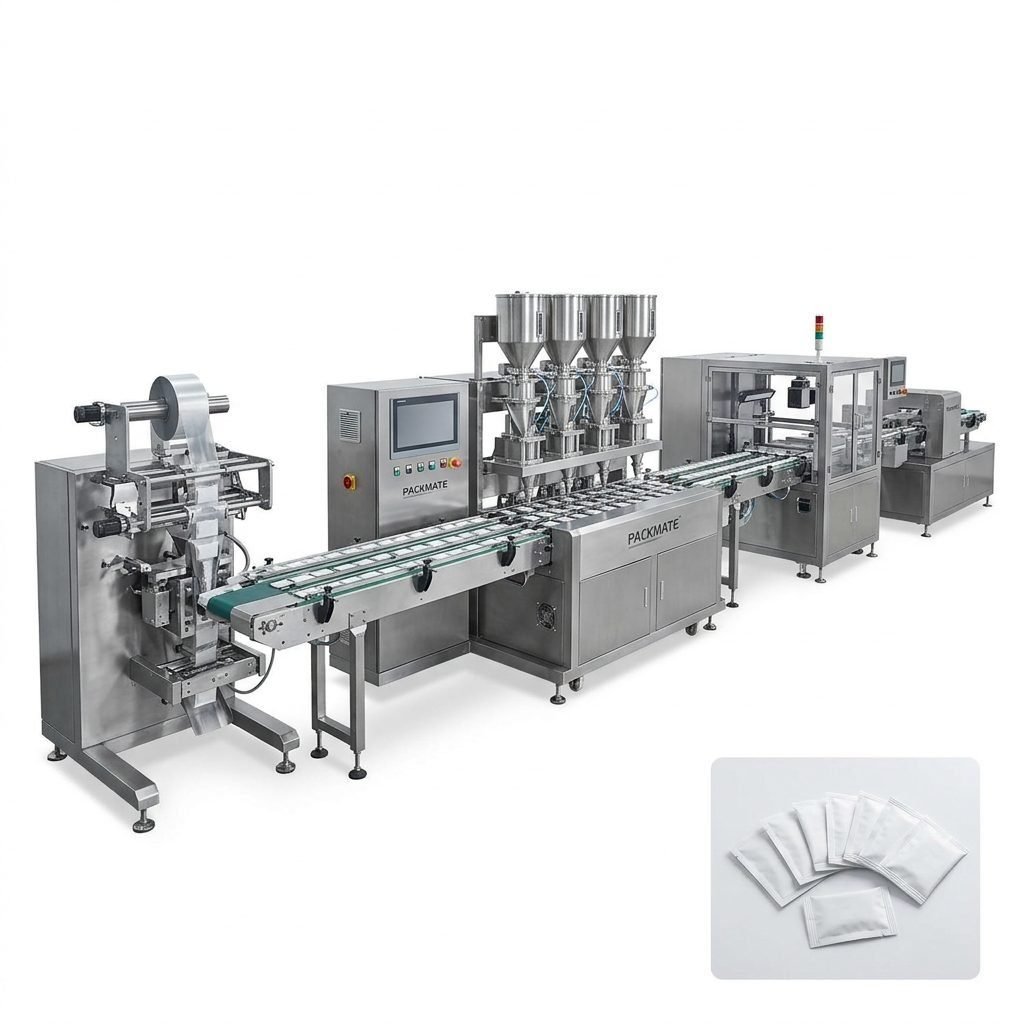
Different packaging formats require different machines. The major options manufacturers evaluate include stick pack machines, sachet/stand-up pouch machines, multi-lane snus pouch machines and fully integrated filling & packaging lines. Each has different throughput, footprint and investment profiles.
Quick comparison
Stick pack machines — compact, low to medium speed; ideal for single-dose pouches.
Multi-lane snus pouch machines — high throughput for export-oriented lines and bulk production.
Sachet & pouch machines — flexible for powders, granules and nicotine blends; good for varied product lines.
Key Technical Features to Prioritize
When comparing models and suppliers, focus on core performance indicators and resilience to local conditions.
Performance and Quality
Look for machines with consistent dose accuracy, low product giveaway, stable sealing quality and minimal downtime. Accuracy of weighing/filling is essential for nicotine pouches where regulatory limits and consumer safety are critical.
Durability & Environmental Protection
Eritrea’s coastal and inland dust levels, plus intermittent humidity near ports, mean you should select machines with protective enclosures, sealed electronics and corrosion-resistant components. Dust-proof covers and IP-rated control cabinets reduce maintenance and extend service life.
Power & Control Systems
Choose equipment tolerant to power fluctuations or plan for stabilizers/UPS. PLC control, touchscreen HMI and easy recipe management speed product changeovers—valuable for small-batch runs typical in Eritrean operations.
Operational Factors: Capacity, Footprint, and Automation
Match machine capacity to expected volumes. Over-investing in capacity raises capital costs; under-investing restricts growth. Multi-lane systems deliver high throughput for export, while single-lane compact units are better for domestic-focused producers.
Rule of thumb: Start with a modular line that allows future expansion. Ensure the vendor can add lanes or integrate auxiliary equipment such as weighing systems, cartoning, or labeling modules.
Materials Compatibility & Packaging Formats
Confirm your chosen machine handles the films and pouches you intend to use (laminate barrier films, paper foil laminates, biodegradable films if required). Compatibility with different pouch sizes and printable surfaces is essential to adapt labeling languages and regulatory information for Eritrean and regional export markets.
After-sales Service, Spare Parts & Training
Reliable local support shortens downtime. Evaluate the supplier’s spare parts lead times, availability of remote diagnostics, and on-site training programs. Look for vendors who provide clear maintenance manuals and on-site commissioning. If local service centers are not available, confirm shipping time for critical spares to Eritrean ports.
Supplier credibility checklist
Ask about production history, factory capabilities, certifications (CE, ISO), international references, and live plant visits. Suppliers like Packmate provide decades of engineering experience, multiple machine models and turnkey solutions—valuable if you need a complete production line. See the manufacturer profile for more: About Packmate.
Regulatory Compliance & Labeling
Verify that your packaging meets Eritrean import and health regulations and labeling requirements. Multi-language printing and the ability to handle variable batch numbers and expiry dates are necessary. Machines with integrated printing systems or pre-printing compatibility make compliance easier.
Total Cost of Ownership (TCO) and Return on Investment
Beyond purchase price, include installation, training, spare parts, energy consumption, maintenance contracts and downtime risk in your TCO calculation. High-efficiency machines often pay back through less waste and faster changeovers. Ask for case studies and calculate expected payback given your projected volumes.
Factory Acceptance Testing & Pre-shipment Checks
Insist on factory acceptance tests (FAT) that include test runs with your exact materials and recipes. A proper FAT reduces risk and ensures the line works with your films and nicotine formulations. Obtain video evidence, performance data and signed FAT documentation before shipment.
Logistics for Eritrea: Shipping, Customs & Installation
Plan for port handling at Massawa or Assab, consider inland transport constraints and local customs clearance procedures. Confirm whether the supplier offers assistance with documentation, crating, and local installation. If needed, choose a supplier that can coordinate delivery to your site and provide skilled installers.
Choosing the Right Supplier: Questions to Ask
Key questions include production lead time, spare parts policy, warranty, training scope, local references, machine robustness in dusty/humid environments, and energy consumption. Request references from installations in similar climates or nearby regions.
Must-have procurement items:
– Factory Acceptance Test report with your materials
– Spares kit for first 12 months (belts, sensors, seals)
– On-site commissioning and operator training
– Clear warranty terms and remote support channels
Recommended Machine Types for Different Eritrean Strategies
If your goal is local small-batch supply with low capital: choose compact stick pack or single-lane pouch machines. For export or regional distribution: invest in multi-lane snus pouch machines and integrated weighing/packaging lines. Packmate supplies a wide range of options from single-lane to multi-lane turnkey lines—see product details: Snus & Nicotine Packaging Machines and Filling & Packaging Lines.
Integration with Auxiliary Equipment
Consider auxiliary modules such as automatic feeding systems, metal detectors, cartoning machines and case packers for a complete production line. Integration reduces manual handling and increases hygiene and traceability. Explore additional modules here: Auxiliary Packaging Equipment.
Final Procurement Checklist
Use the following checklist before signing a purchase agreement:
✅ FAT with your materials and target speeds documented
✅ Spare parts kit and lead time commitments
✅ On-site installation and operator training included
✅ Warranty and clear service level agreement
✅ Energy requirements, IP rating and dust protection confirmed
✅ Reference plants and performance data from similar climates
Next Steps & How to Request Quotes
Prepare a clear request-for-quote (RFQ) including desired formats, expected daily output, packaging materials, available factory utility specs (power, compressed air), and any regulatory labeling requirements. Ask suppliers for an itemized quote covering machine price, shipping, commissioning, training and spare parts. For turnkey lines and supplier credibility, see Packmate’s case studies and services: Case and Service.
Conclusion
Choosing the best nicotine packaging machinery in Eritrea means balancing flexibility, robustness and support. Prioritize machines that handle local environmental challenges, offer modular scalability, and come with reliable after-sales service. With careful RFQs, FATs and spare part planning, you can establish a production line that serves both domestic needs and regional export opportunities.
Frequently Asked Questions
Q1: What machine type suits a startup in Eritrea with limited capital?
A1: Start with a compact stick pack or single-lane pouch machine that supports small batches and has low footprint and energy needs.
Q2: How important is factory acceptance testing (FAT)?
A2: FAT is critical. It verifies performance with your specific films and fillings, reducing installation risk and ensuring expected throughput.
Q3: What should I consider about spare parts and maintenance?
A3: Secure a spares kit for the first 12 months, confirm lead times to Eritrean ports, and make sure the supplier offers remote diagnostics and training.
Q4: Can I expand a small line later?
A4: Yes—choose modular equipment or suppliers that offer lane expansion and auxiliary integrations to scale as demand grows.
Q5: Where can I learn more about suitable machines and turnkey solutions?
A5: Review manufacturer portfolios and service pages for machine types, certifications and turnkey options: Sachet & Stick Pack Machines, Weighing & Packaging Systems.