Choosing the right nicotine packaging machinery in Malaysia requires a careful balance of safety, efficiency, and regulatory compliance. Manufacturers and brand owners must consider machine performance, local market requirements, maintenance support, and cultural sensitivities to build a production line that runs reliably in Malaysia’s humid climate and diverse business environment. This guide walks you through the practical steps and key decision factors so you can select equipment that minimizes downtime, ensures worker safety, and yields consistent product quality.
Understand the Malaysian Market & Regulatory Landscape
Malaysia is a multi-ethnic country with strong public health regulations and specific rules on tobacco-related products. When planning a nicotine pouch or snus packaging line, you must verify local legality, labelling, and import requirements. Work closely with local legal advisors to ensure compliance with Ministry of Health regulations and any state-level restrictions. Consider also that many consumers and regulators will expect clear labelling in Malay and English and that packaging should be tamper-evident and child-resistant where required.
Key local considerations
• Respect cultural sensitivities: Malaysia has a significant Muslim population. While nicotine pouches are a regulated product rather than a food product, brands often face consumer perception issues. Be transparent and compliant to build trust. Safety and legal compliance are paramount.
• Language & labelling: Provide labels in Malay (Bahasa Malaysia) and English. Make sure ingredients, warnings, and manufacturer/importer information are easily legible.
Match Machine Types to Your Product and Capacity Needs
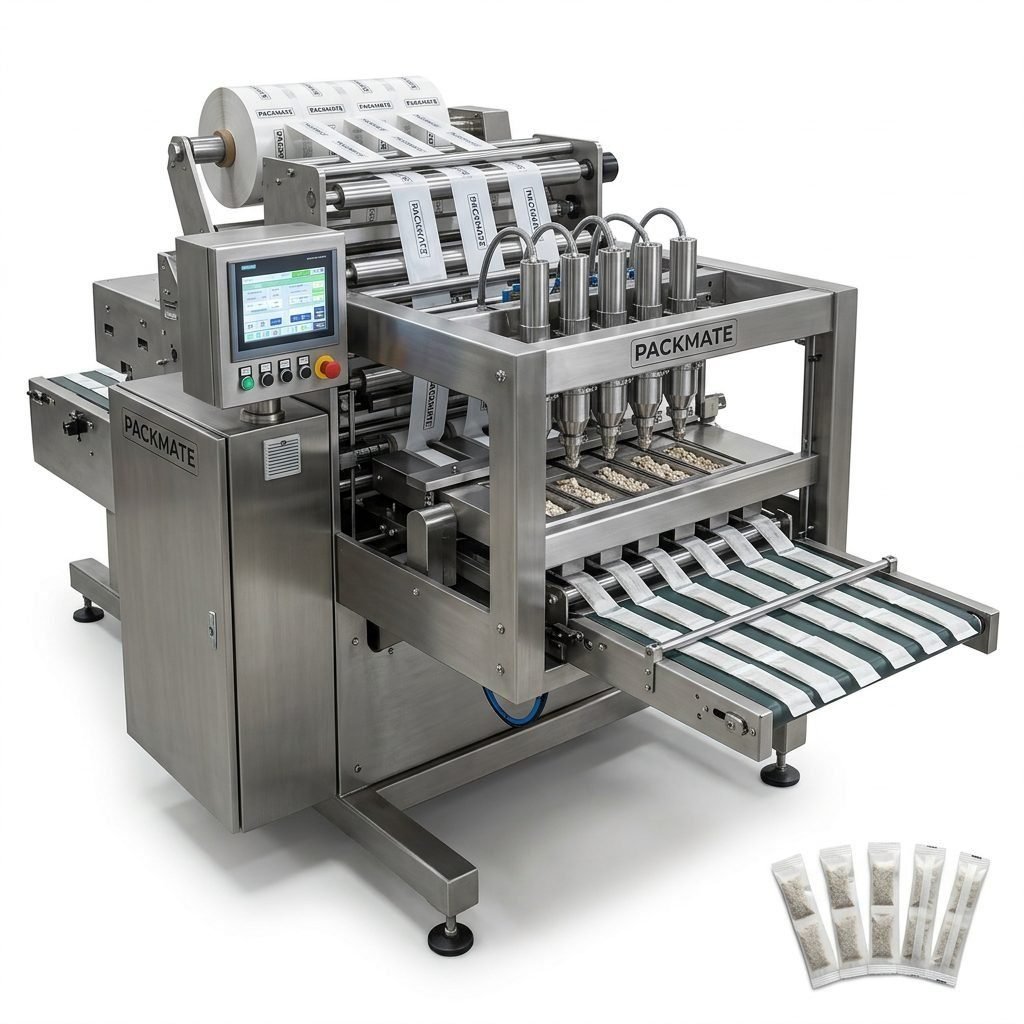
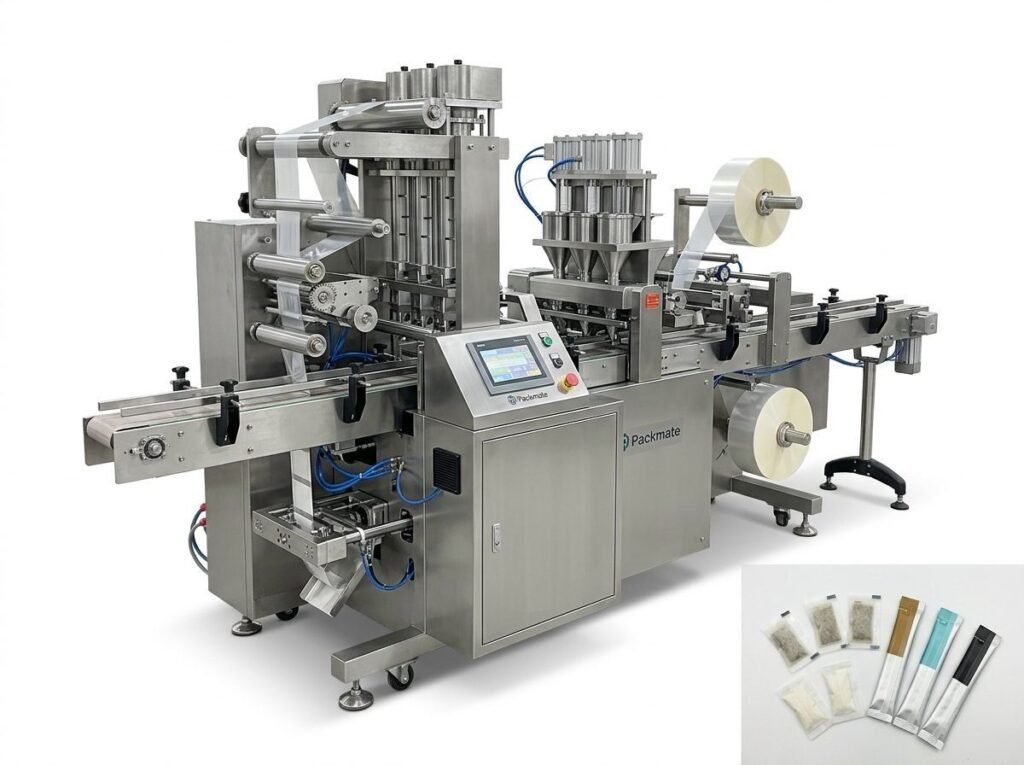
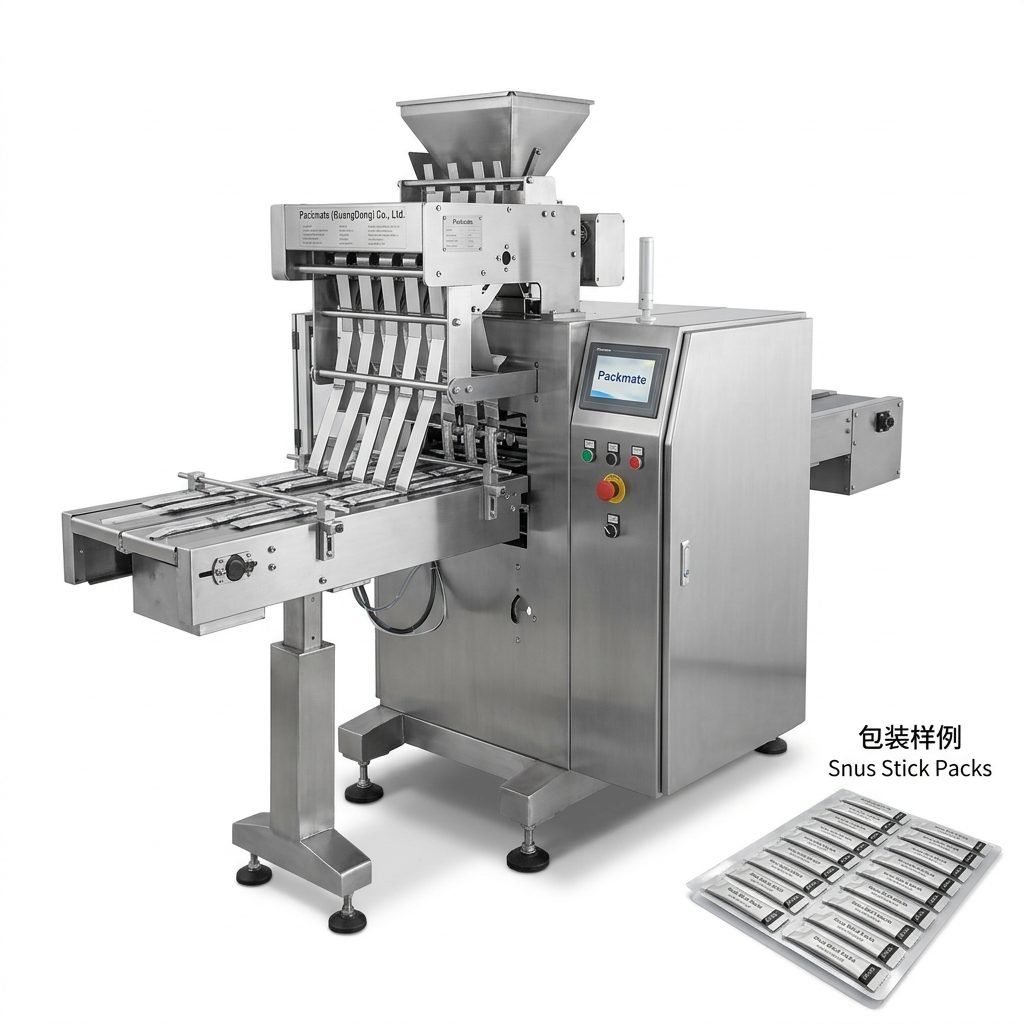
Different nicotine formats require different packaging solutions. Typical options include stick packs, sachets, pouches, or multi-lane snus packaging lines. Evaluate expected production volumes, SKU variety, and future growth when selecting between single-lane and multi-lane systems.
Quick guide:
• Low-volume startups: choose modular single-lane machines that allow easy changeover.
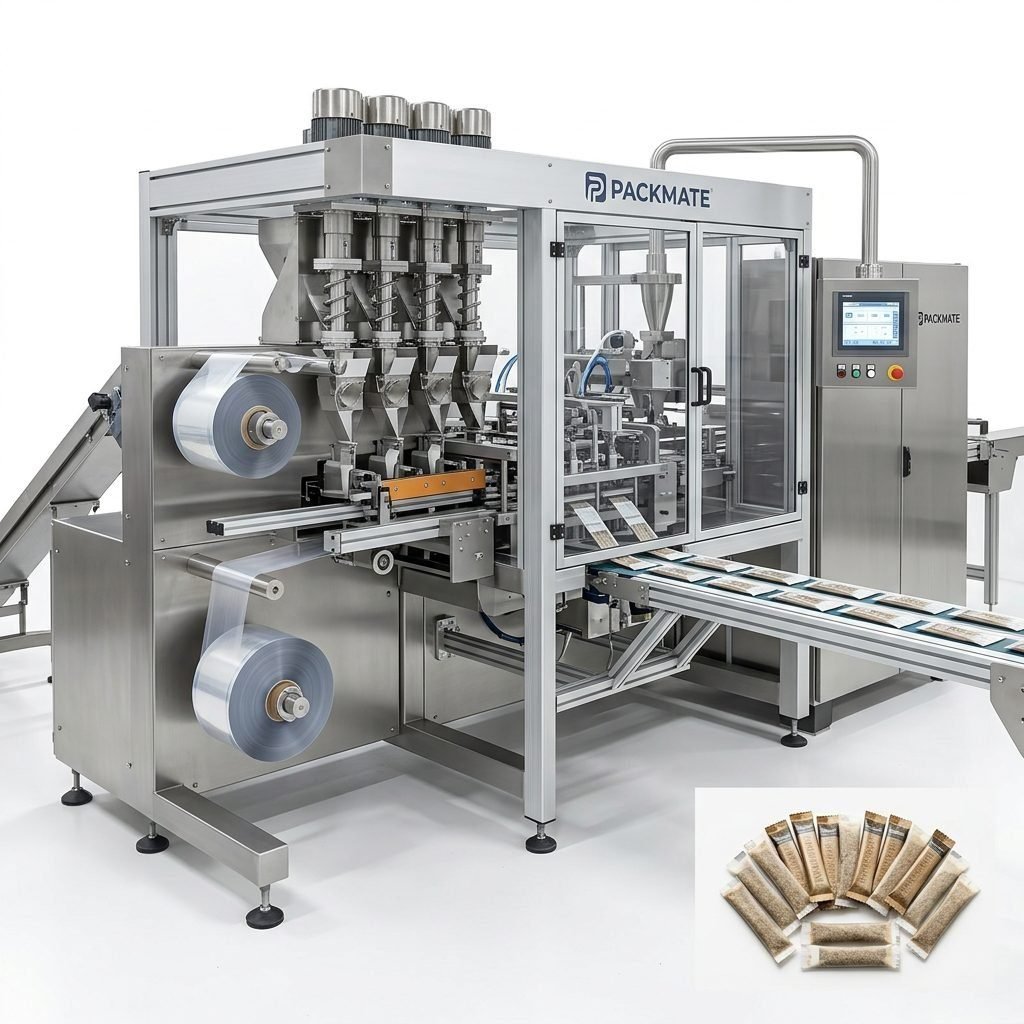
• Scaling brands: multi-lane sachet/snус lines provide high throughput and lower labor per unit.
• Diverse SKUs: look for fast format change systems and recipe-based PLC controls.
Machine categories to consider
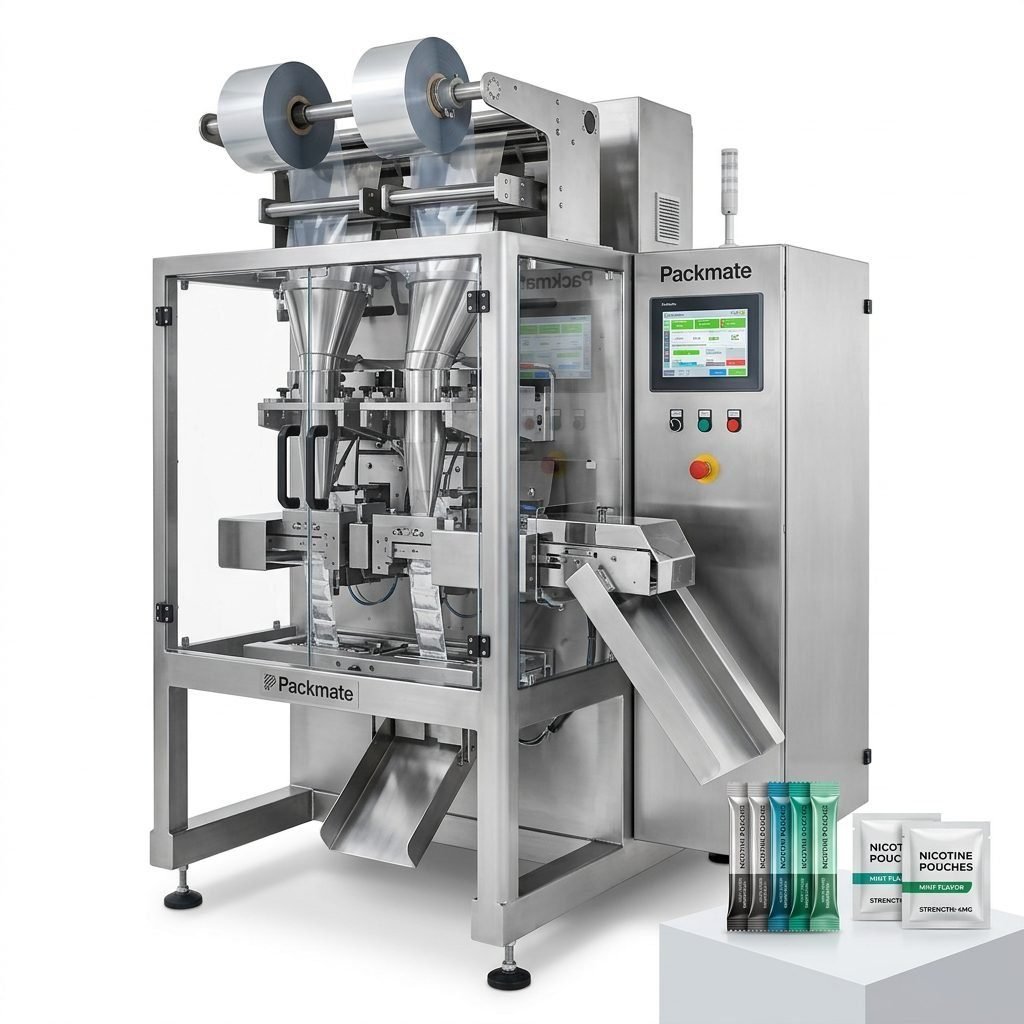
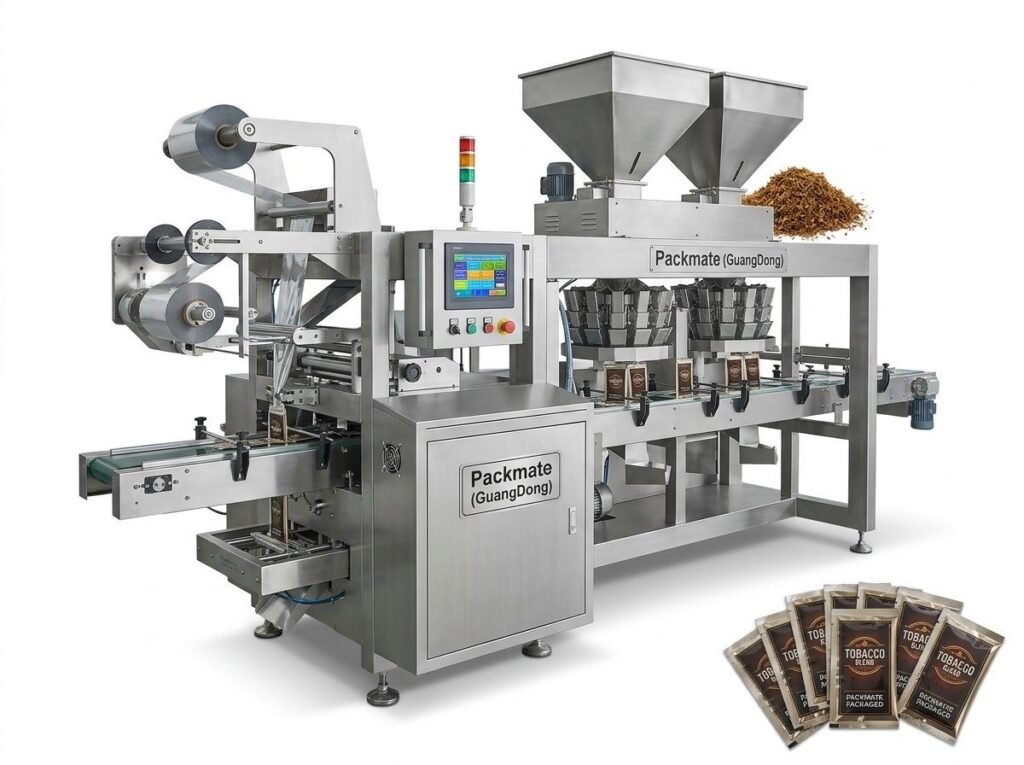
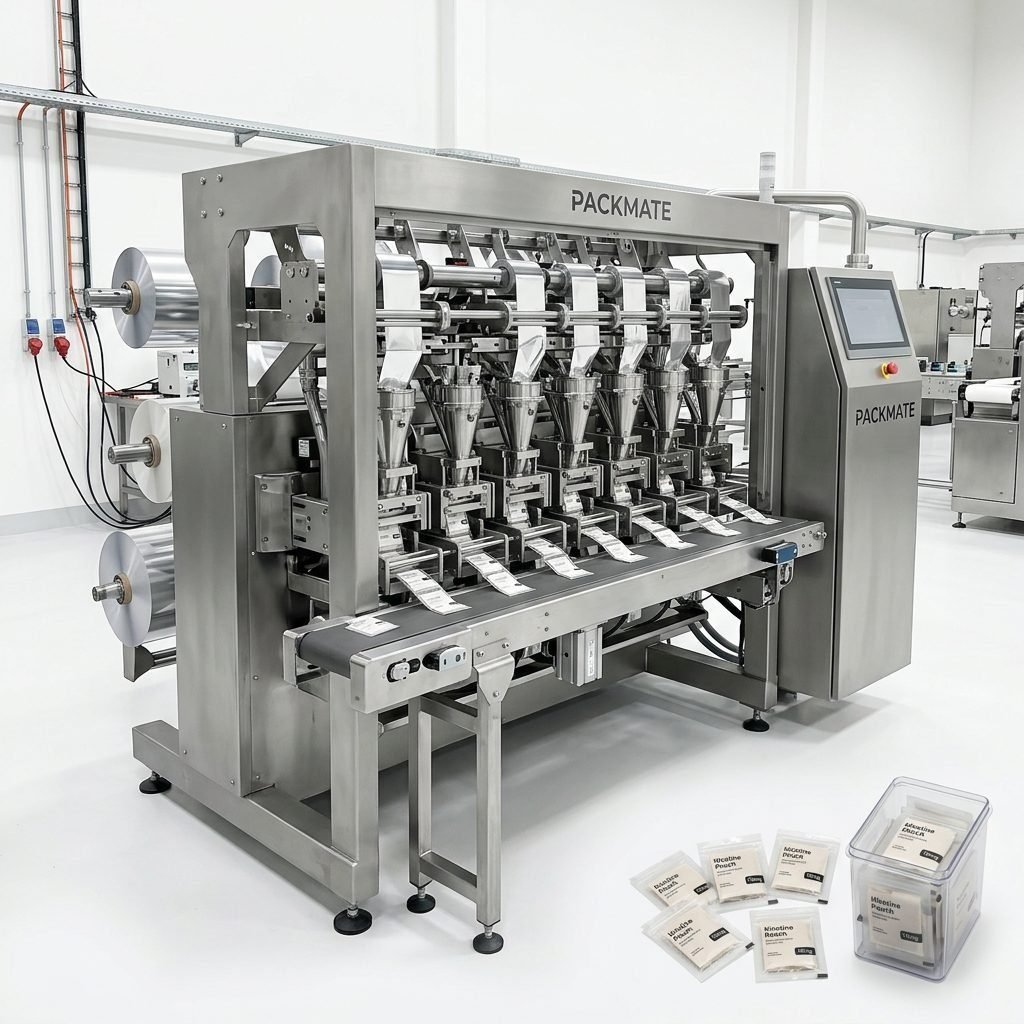
• Snus & nicotine pouch packing machines — specialized for small-dose pouches and precision filling. See examples at Snus & Nicotine Packaging Machines.
• Bag & pouch packaging machines suitable for resealable outer packs: Bag & Pouch Packaging Machines.
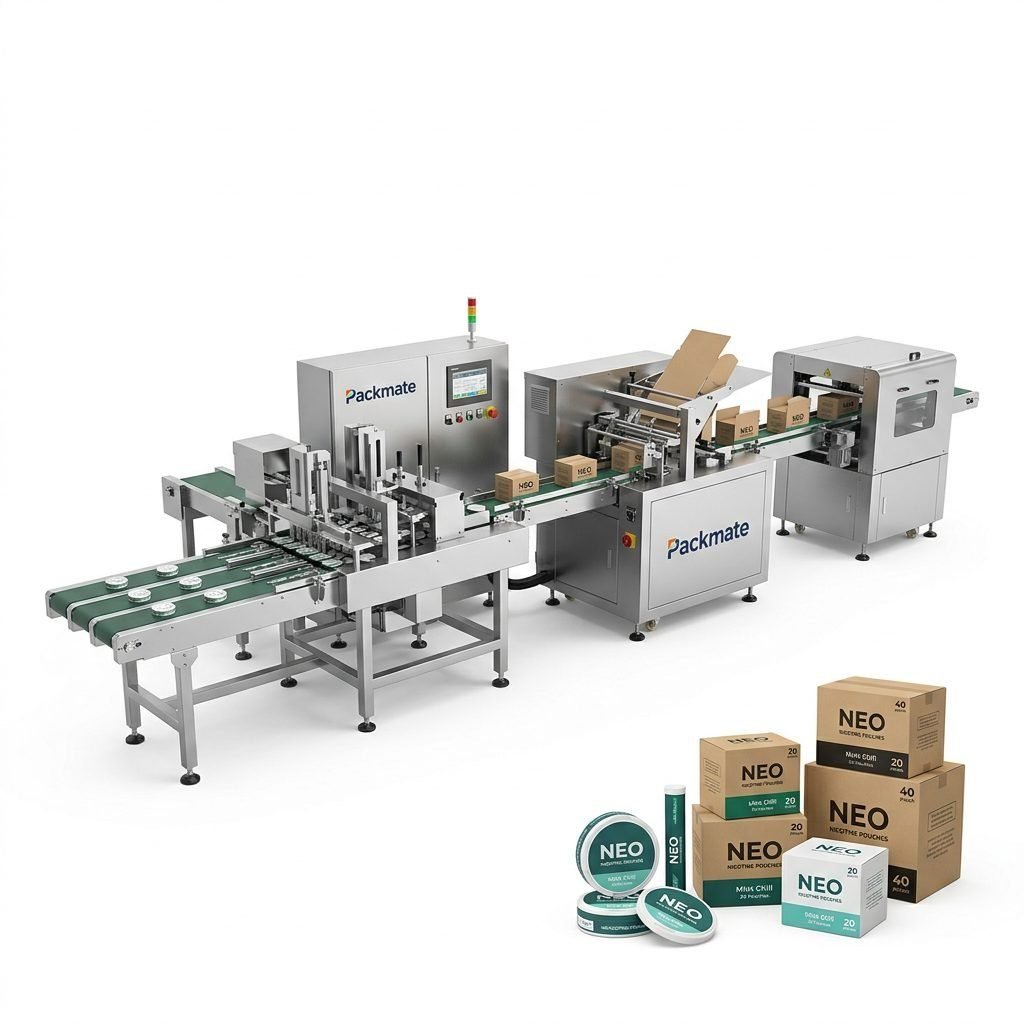
• Integrated filling & packaging lines for automated upstream-to-downstream workflows: Filling & Packaging Lines.
Prioritize Food-Grade Materials and Hygienic Design
Nicotine pouch production benefits from food-grade contact surfaces and hygienic machine architecture to prevent contamination and simplify cleaning. Stainless steel 316 or 304 contact parts, sealed motors, and accessible surfaces for CIP (clean-in-place) or easy manual sanitation are crucial.
Must-have hygienic features: stainless contact surfaces, sloped trays to avoid liquid pooling, IP-rated electronics, and tool-less access panels for fast cleaning.
Humidity and climate controls
Malaysia’s high humidity can affect hygroscopic tobacco derivatives and pouch fillings. Select machines with climate control options, controlled dosing hoppers, and desiccant systems or integrate dehumidified production rooms to maintain product stability and packing consistency.
Automation, Line Integration & Multi-Lane Systems
To achieve high yields with nicotine pouches, automation is key. Multi-lane systems dramatically increase output per square meter, but they require accurate synchronization and robust PLC controls. Look for suppliers with experience in multi-lane snus production lines and strong software support to manage lane balancing, fault detection, and predictive maintenance.
Integrating upstream dosing/weighing systems and downstream cartoning, sealing, and case packing reduces manual handling and contamination risk. Explore integrated solutions such as Weighing & Packaging Systems to streamline line performance.
Automation benefits
🔧 Higher uptime, ⚙️ consistent fill accuracy, and ✅ traceable production data are the main advantages. For export-oriented producers, automated batch records and serialization readiness are additional must-haves.
Quality Control & Testing for Safety and Consistency
Implement in-line quality checks: weight verification, pouch integrity checks, leak detection, and vision systems for label and code verification. A robust QC strategy reduces recalls and protects brand reputation.
QC checklist: in-line weighing, metal detection, vision inspection for printing & sealing, and random laboratory sampling for product testing.
Selecting a Supplier: Technical Support, Certifications & Local Service
Choose a supplier with proven experience in snus and nicotine pouch machines, strong manufacturing capabilities, and international certifications such as CE and ISO. Suppliers with a global presence and local partners in Southeast Asia will shorten lead times for spare parts and technical support. Learn more about manufacturers and their offerings at About Packmate and their product pages for real-world capabilities.
Service & spare parts
Ensure the vendor provides installation supervision, operator training, and responsive spare parts shipments. For Malaysian operations, a supplier that arranges on-site commissioning and remote troubleshooting is ideal. Check references and case studies to confirm performance — see Case examples to evaluate real deployments.
Return on Investment & Total Cost of Ownership
Beyond initial purchase price, evaluate TCO: energy consumption, spare parts costs, expected MTBF (mean time between failures), maintenance complexity, and required headcount. Higher automation and multi-lane systems often yield lower unit costs over time, but require greater initial capital and training.
ROI tips: run production simulations with sample SKUs, factor in yield improvements from automation, and estimate spare parts lead times to calculate realistic downtime costs.
Installation, Training & Ongoing Optimization
Proper installation and operator training are essential to reach rated speeds and maintain safety. Ask suppliers for structured training programs and clear maintenance schedules. After installation, implement continuous improvement routines: OEE tracking, root-cause analysis for stoppages, and scheduled preventive maintenance.
Local workforce & ergonomics
Malaysia’s manufacturing workforce is skilled and adaptable. Design the production layout with operator ergonomics in mind and include local-language SOPs. Safety signage and PPE protocols should reflect local regulations and languages to reduce operator risk and improve process adherence.
Sustainability & Packaging Waste Management
Environmental concerns are growing in Malaysia and globally. Choose machinery that supports lightweight films, recyclable materials, and precise dosing to lower material waste. Consider partnering with suppliers who can help design packaging that reduces polymer use and facilitates recycling.
Design for recyclability
Work with your packaging supplier and machinery vendor to trial packaging formats that are easier to recycle while maintaining product shelf life and barrier properties. This reduces material costs and aligns with regional environmental expectations.
Checklist: How to Decide — A Practical Purchasing Roadmap
1) Define product specs: pouch size, fill weight, additives, and barrier needs.
2) Estimate throughput and future growth, then choose single-lane vs multi-lane.
3) Verify hygienic construction, materials, and ease of cleaning.
4) Confirm regulatory compliance, labelling capabilities, and traceability features.
5) Evaluate supplier references, spare parts logistics in Malaysia, on-site training, and warranty terms.
Top procurement reminders: insist on factory acceptance testing (FAT), request video demos on your SKU, and negotiate clear SLAs for spare parts lead time.
Why Supplier Credentials Matter — A Final Word
Work with manufacturers that can demonstrate decades of experience, robust manufacturing facilities, and global deployment records. Suppliers with CE and ISO certification and a track record in snus/nicotine packaging are better positioned to support your Malaysian production. For a comprehensive product range and turnkey solutions, consider vendor pages such as Sachet & Stick Pack Machines and their auxiliary equipment listings at Auxiliary Packaging Equipment.
Planning for deployment in Malaysia
Plan lead times for import clearances, arrange local electrical and mechanical contractors for utilities, and coordinate with customs brokers familiar with regulated products. Factor in installation windows that allow for commissioning and staff training without rushed launches.
Summary: The critical success factors
Successful nicotine pouch production in Malaysia hinges on regulatory compliance, hygienic machine design, robust automation for consistent output, and a supplier that offers strong local support and spare parts logistics. Focus on total cost of ownership, QC integration, and training to achieve reliable, safe, and efficient production.
Frequently Asked Questions (FAQs)
Q1: Are nicotine pouches legal in Malaysia and what approvals are needed?
A1: Legal status can be complex and evolves; consult local regulatory counsel and the Ministry of Health requirements. Ensure all product labels, warnings, and importer details comply with local law and that any necessary permits are obtained before import or local sale.
Q2: What machine features reduce downtime in humid climates like Malaysia?
A2: Choose machines with sealed electronics (IP-rated), stainless contact parts, climate-controlled ingredient hoppers, and features that simplify cleaning. Predictive maintenance tools and remote diagnostics also cut downtime.
Q3: How do I choose between single-lane and multi-lane packaging machines?
A3: Base the decision on current and projected volumes. Single-lane machines are ideal for lower volumes and flexibility; multi-lane systems maximize throughput and reduce labor per unit for high-volume production.
Q4: What after-sales services should I expect from a packaging machine supplier?
A4: Expect installation, operator training, a warranty, a clear spare parts policy, remote troubleshooting, and availability of local service engineers or authorized partners for fast response.
Q5: Can I view past installations and performance reports before buying?
A5: Yes — reputable vendors provide case studies, factory acceptance testing (FAT) reports, and references. Review these materials and, where possible, visit an installed site or request a demo on your SKUs to validate performance.