Choosing the right nicotine packaging machine in Indonesia requires more than checking technical specs — it means understanding local market habits, retail channels, regulatory nuances, and the production scale that best suits your brand. This guide walks you through practical, business-oriented steps to evaluate machines, suppliers, and after-sales considerations so you can invest wisely in equipment that delivers stable output, compliance, and long-term value.
🔎 Understand the Indonesian Market and Local Habits
Indonesia has a strong tobacco culture — kretek clove cigarettes are widely consumed and small retail formats dominate the distribution network. For nicotine pouches and snus-style products entering this market, consider three local realities:
Price sensitivity — many consumers buy in single-serve or low-count packs, so packaging lines that can economically produce small sachets, stick packs, or low-count pouches are advantageous.
Retail mix — convenience stores, roadside kiosks, and small supermarkets are key points of sale. Packaging that stands out on a crowded shelf and is easy for retailers to handle will perform better.
Cultural and labeling considerations — product labeling and marketing should consider local language (Bahasa Indonesia), pictorial cues, and any religious or health-related sensitivities. Always verify local regulations for nicotine products before production.
⚙️ Key Machine Types and Which Suits Your Business
Different packaging formats target different customer groups and price points. Here are the common machine types and when to choose them:
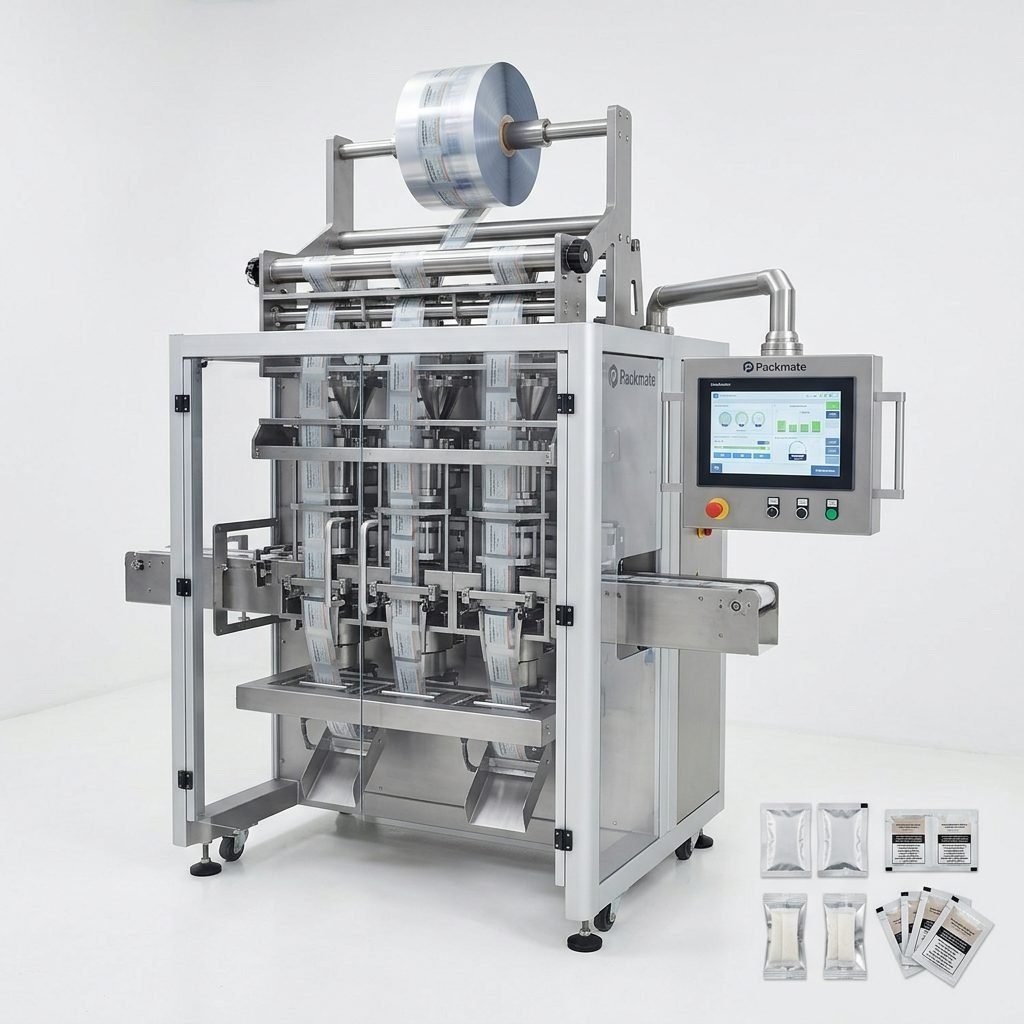
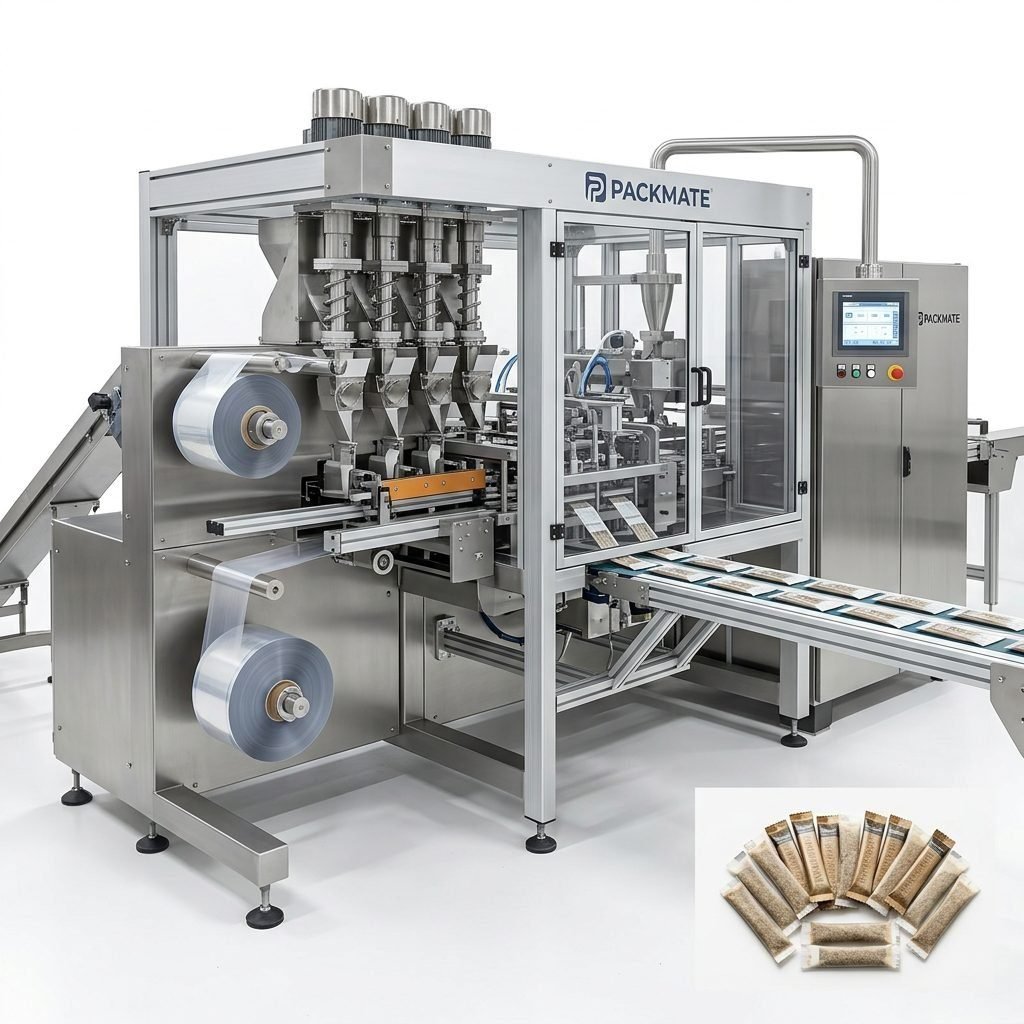
✔️ Stick pack machines — ideal for single-dose trials or on-the-go offerings where portability matters. They are cost-effective for high-speed single-lane output and simple vertical pouch styles.
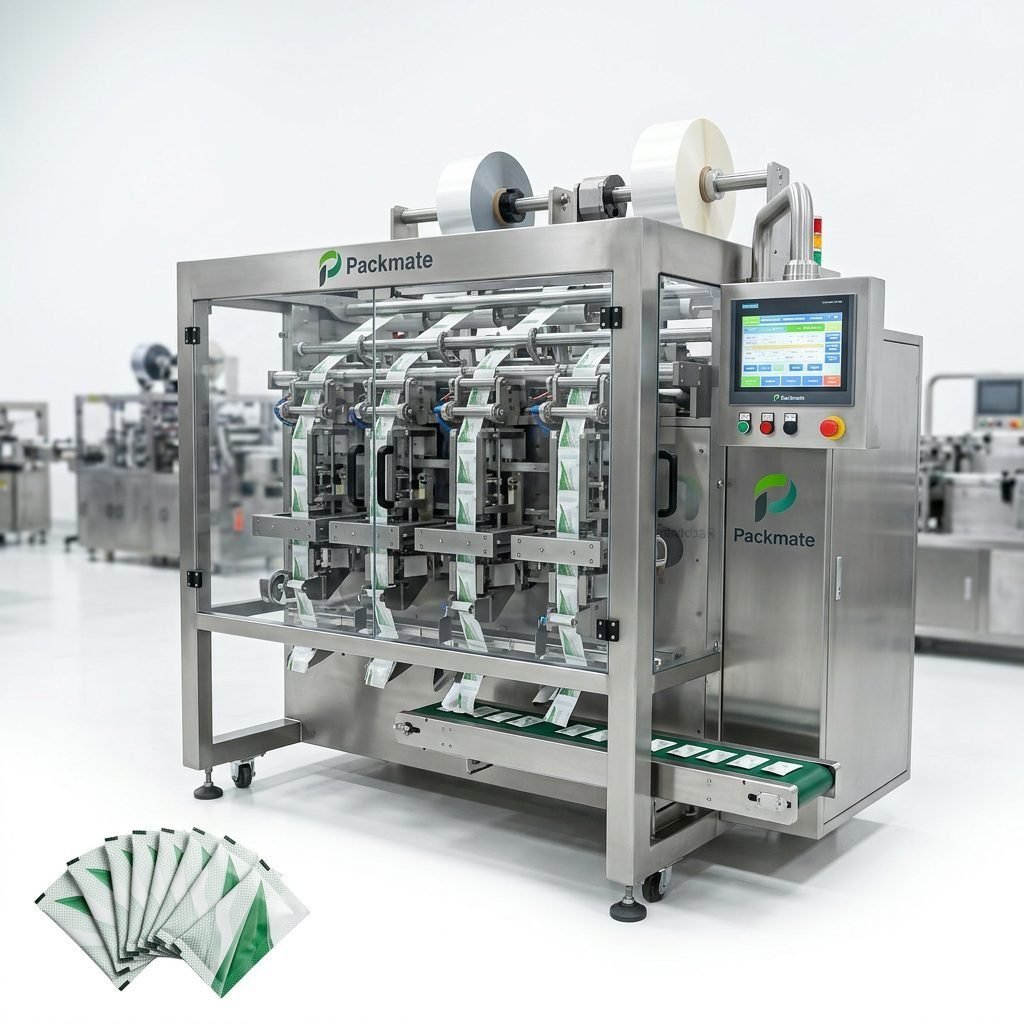
✔️ Sachet & pouch machines — versatile for multi-size bags, tear-notches, and resealable options; suitable when you need a range of counts from single pouches to multi-pouch bags.
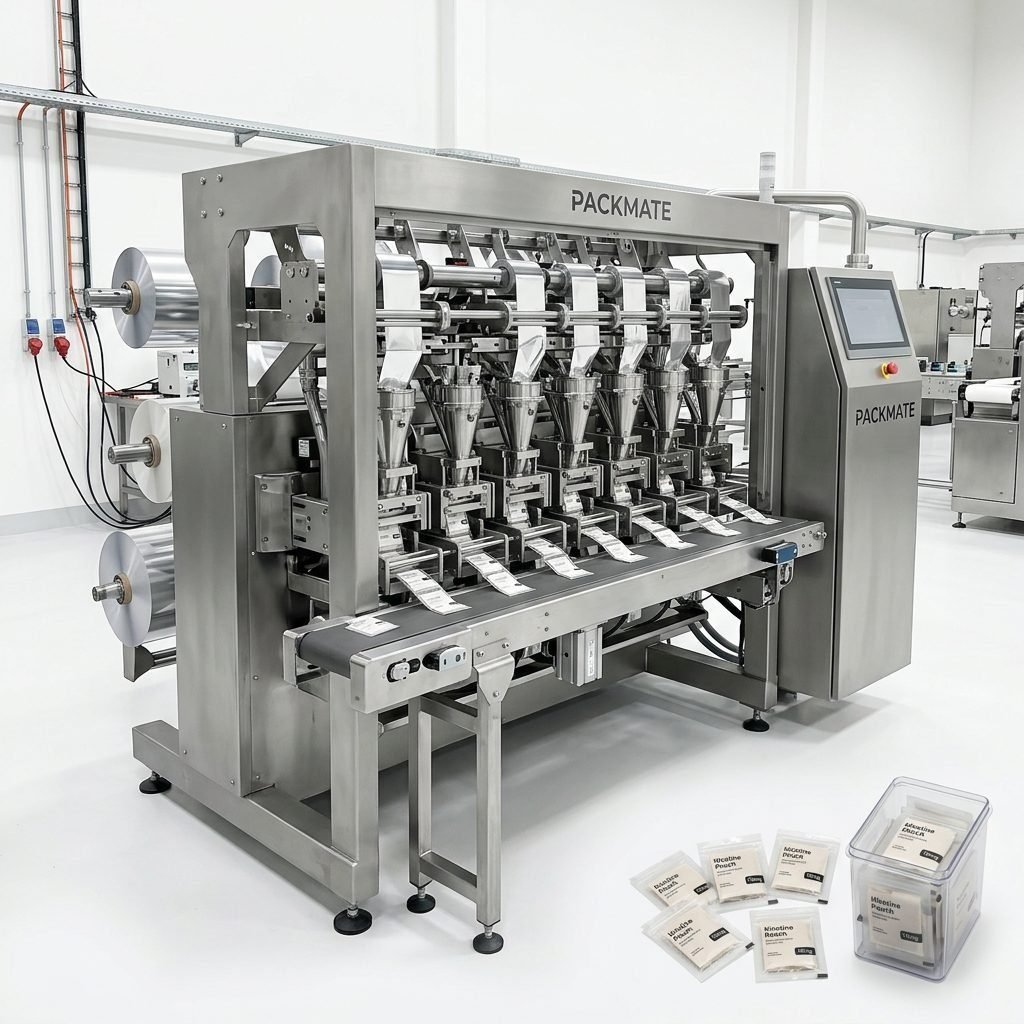
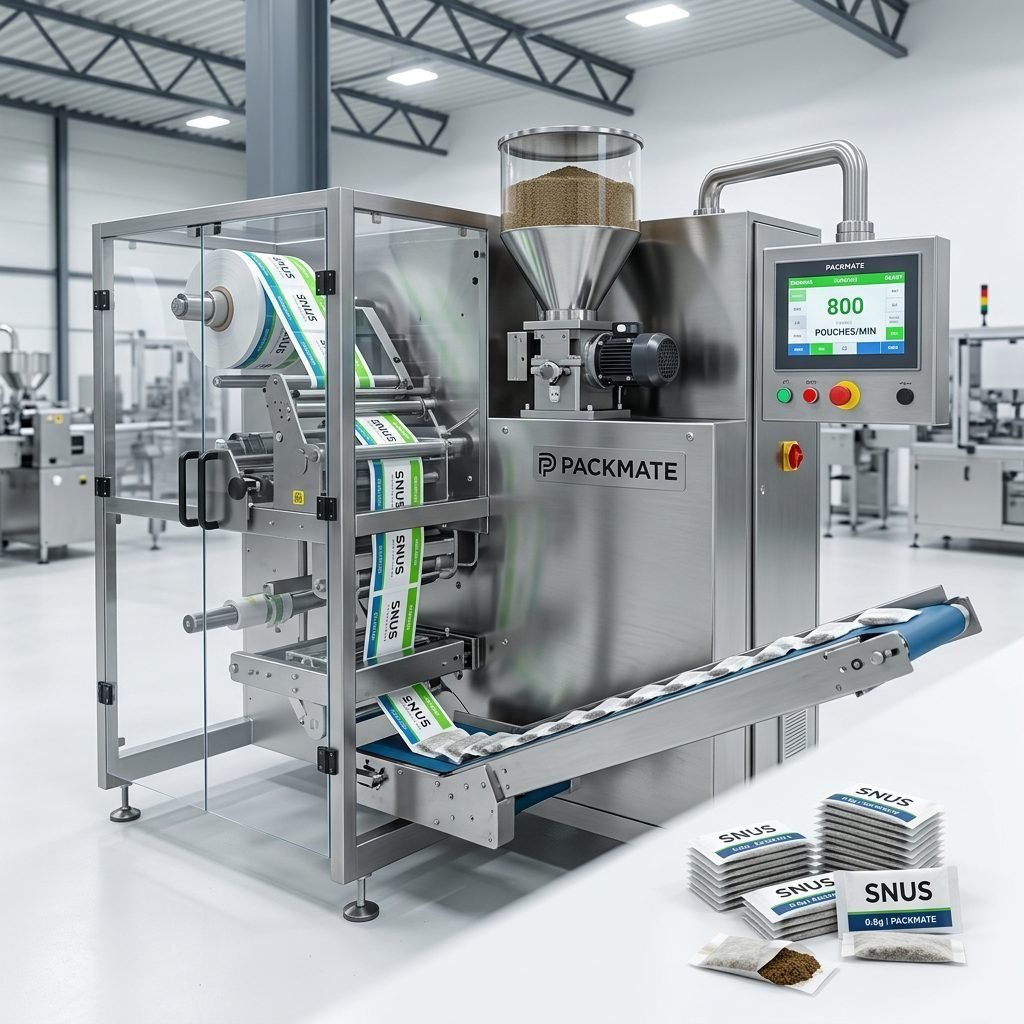
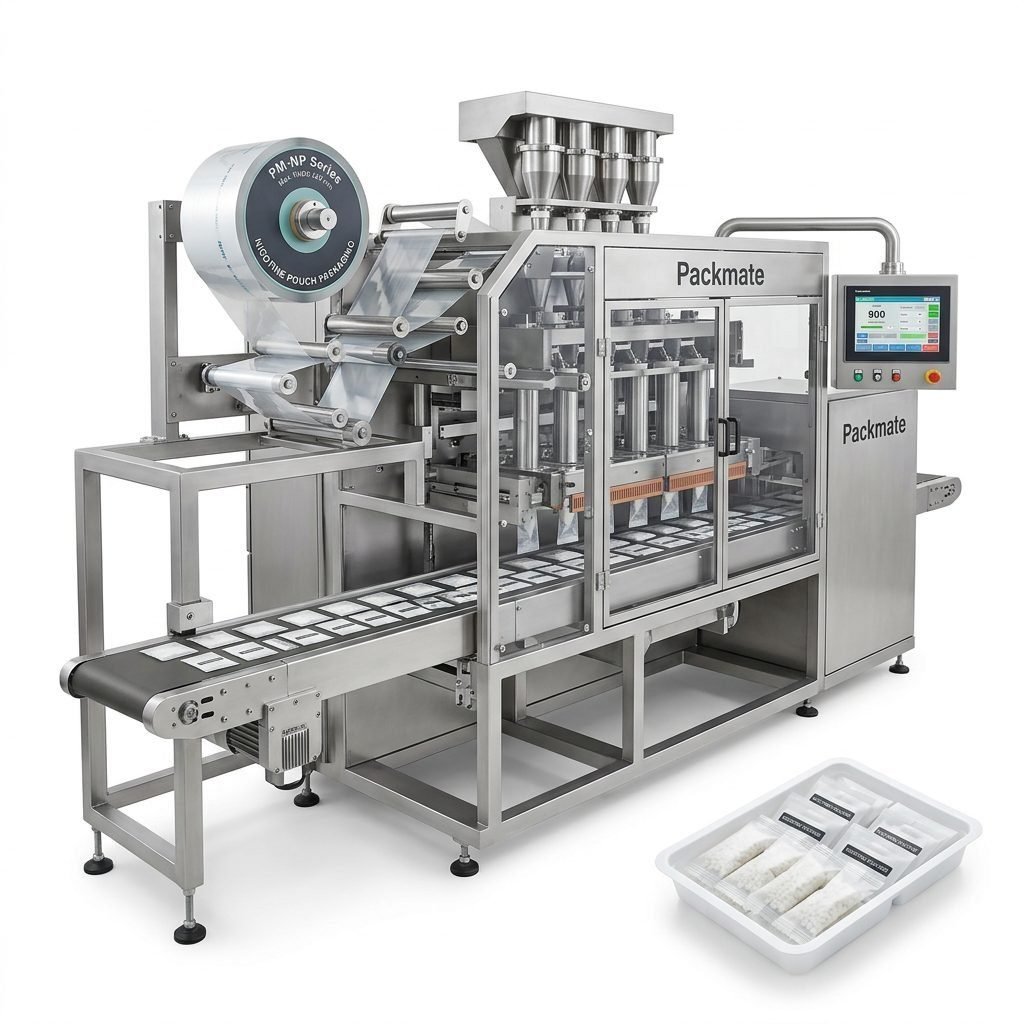
✔️ Multi-lane snus/nicotine pouch machines — best when you require high throughput without increasing footprint. Multi-lane systems can produce dozens of pouches per stroke and reduce per-unit costs for mid-to-large production volumes.
📦 Format vs. Volume Checklist
If you plan low-volume artisan or niche runs: prefer modular, easily changeable single-lane machines.
If you plan consistent medium-to-high volume sales across Indonesia: consider multi-lane solutions that maximize output and reduce labor.
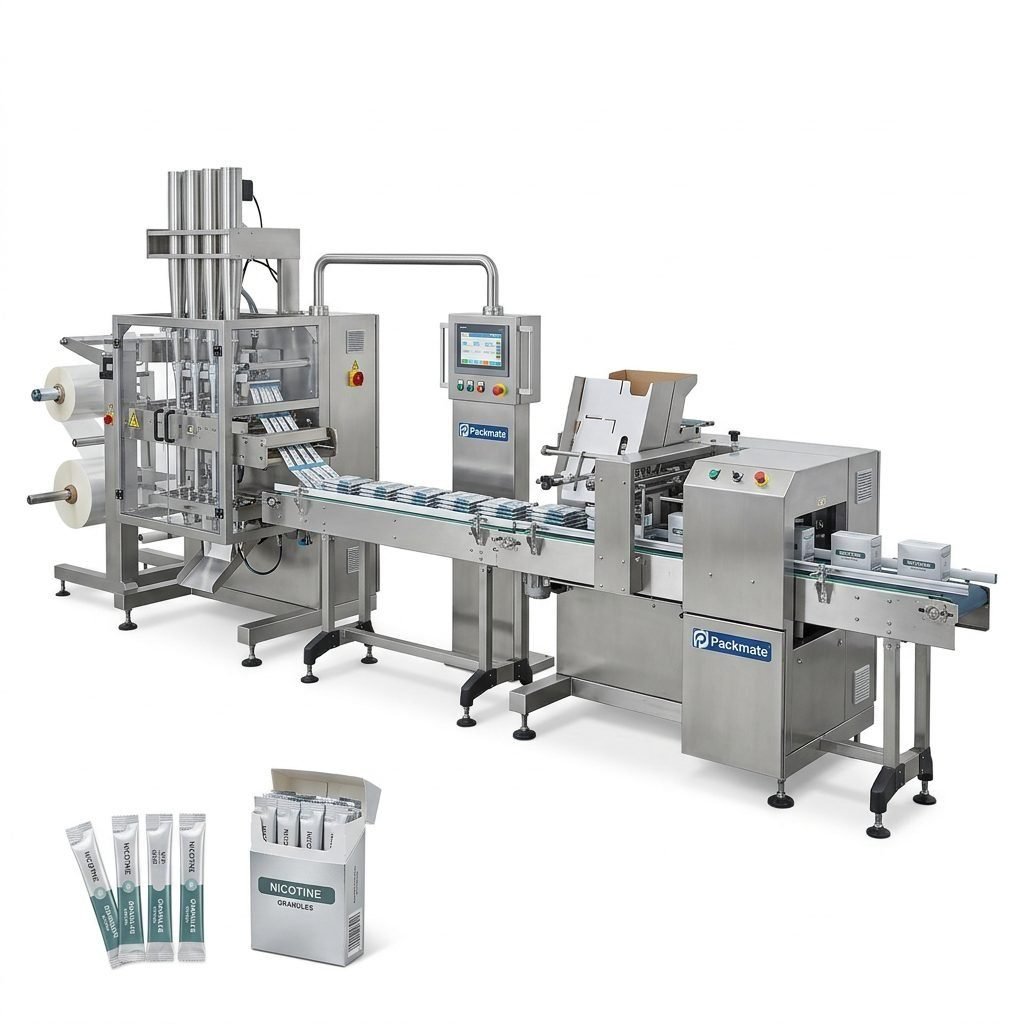
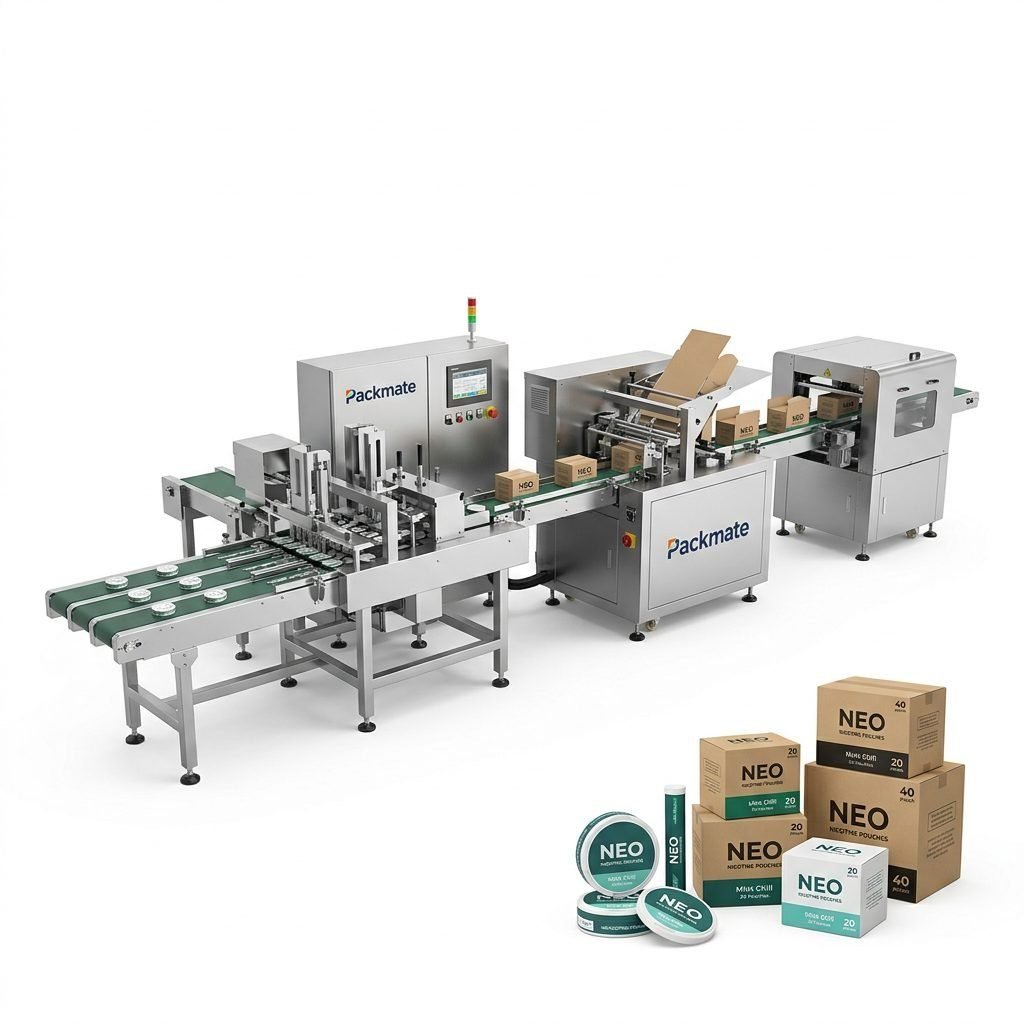
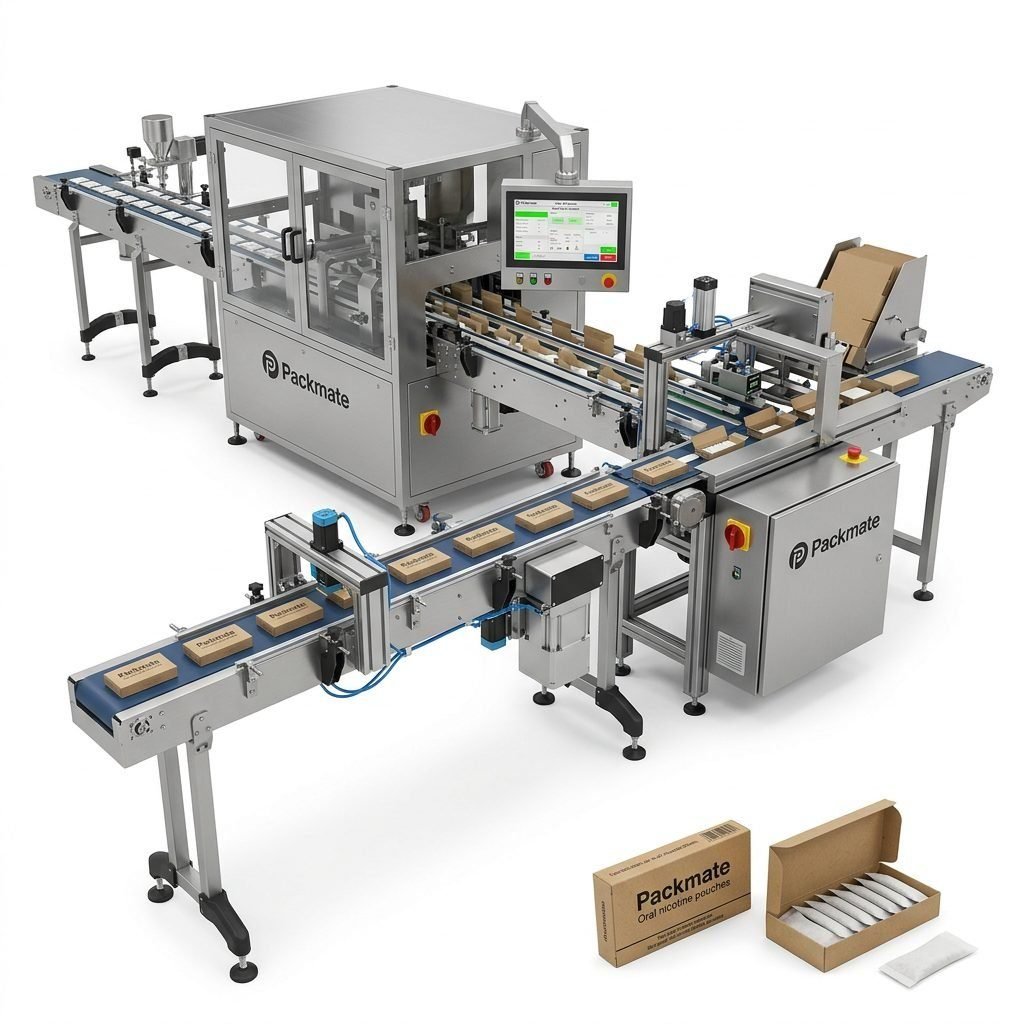
If you want multiple packaging types: look for turnkey suppliers offering integrated solutions (filling, weighing, pouch-making, secondary packaging).
🔧 Technical Specifications to Prioritize
When comparing machines, examine these metrics closely:
Filling accuracy and dosing range — nicotine dosing must be precise to ensure product consistency and compliance. Look for filling systems with minimal variance and stable volumetric or auger dosing controls.
Speed and effective output — check real-world output rather than theoretical maximums. For multi-lane machines, validate lane synchronization and pouch sealing quality at target speed.
Material compatibility — confirm the machine supports the packaging film types you intend to use (foil laminates, heat-sealable films, barrier films) and any specialty liners for moisture control.
Changeover time — fast, tool-less changeovers reduce downtime and are essential if you plan frequent SKU changes.
🏗 Engineering, Build Quality and Certifications
A machine is a long-term investment. Evaluate build quality, materials, and the manufacturer’s engineering background:
• Does the manufacturer use hardened stainless steel and precision CNC components for critical wear parts?
• Are electrical and control systems industrial-grade PLCs and touch-screen HMI with multilingual support (important in Indonesia)?
• Check for international certifications like CE and ISO, which indicate adherence to global safety and quality standards.
🤝 Supplier Capabilities and After-Sales Support
Choosing a reliable supplier is as important as the machine. Key considerations:
• Local responsiveness — ensure the supplier or an authorized partner can deliver spare parts and service within Indonesia quickly.
• Training and documentation — multilingual manuals and on-site operator training reduce startup time and prevent operator errors.
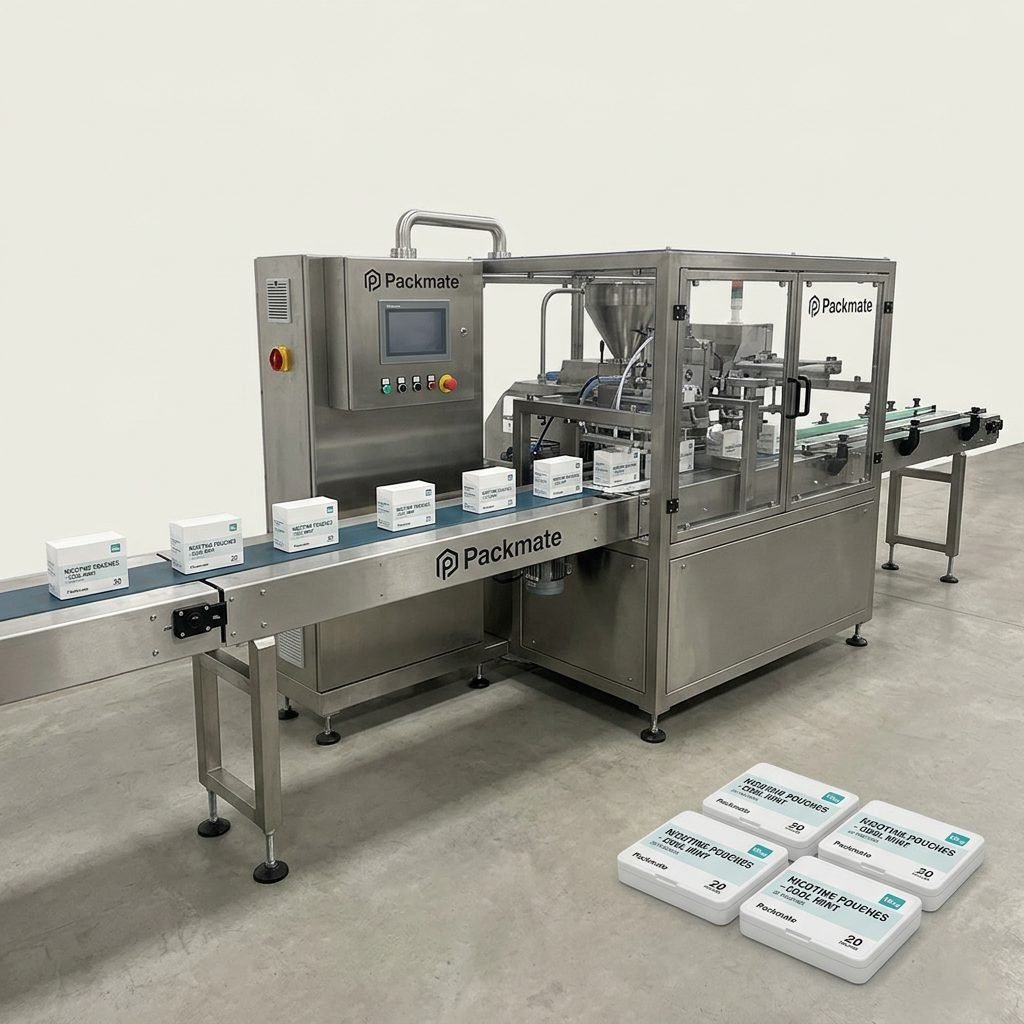
• Turnkey solutions — if you want an integrated line (metering, filling, pouch forming, secondary packaging), opt for vendors who can provide and commission a full line rather than piecing machines from different vendors.
Case Study Insight
A Southeast Asian brand expanding into Indonesia prioritized a multi-lane snus pouch line to meet demand across major islands while keeping logistics costs low. They selected a manufacturer with strong CNC capabilities, global exhibition presence, and turnkey service. The result: consistent pouch quality, reduced per-unit cost, and fast market rollout.
💡 Practical Buying Tips and Negotiation Points
1. Ask for site videos or live demos to verify performance at speed.
2. Request references in the nicotine/snus category — the handling nuances differ from food or pharma.
3. Negotiate inclusion of a spare-parts kit, initial commissioning, and basic training in the contract.
4. Confirm warranty scope and the response time for technical support in Indonesia.
5. Consider financing or phased payments if you need to scale capacity incrementally.
📑 Compliance, Labeling and Regulatory Checks in Indonesia
Regulation for novel nicotine products varies and can change quickly. Before production:
• Consult local regulatory counsel or a compliance consultant to confirm whether nicotine pouches are permitted and what labeling, health warnings, and ingredient disclosures are required.
• Be mindful of packaging materials that preserve product integrity in Indonesia’s tropical climate — humidity and heat can affect pouch contents. Use barrier films and include desiccants when needed.
📈 Total Cost of Ownership (TCO) and ROI
When evaluating price, calculate TCO: purchase price, installation, training, spare parts consumption rate, energy use, and expected uptime. Higher initial cost can be justified by lower maintenance and higher efficiency over years of operation.
Useful Resources
For detailed machine models and turnkey options, review specialized product pages and company information:
• Snus & Nicotine Packaging Machines
• Sachet & Stick Pack Machines
• About Packmate — for company history, factory scale, and manufacturing capability.
• Contact Us — to request demos, quotations, or spare parts plans.
🔍 Final Checklist Before You Buy
• Confirm daily and monthly production targets.
• Check compatibility with intended pouch materials and additives (e.g., flavor or moisture control components).
• Verify on-site installation and operator training schedules.
• Ensure spare parts availability and local technical partners in Indonesia.
• Validate warranty terms and optional maintenance contracts.
🇮🇩 Local Considerations to Maximize Market Fit
– Tailor pack sizes and price points to local buying habits — single sachets and small-count packs often sell better in kiosks.
– Offer Bahasa Indonesia labeling and clear usage instructions.
– Explore distribution partnerships with local wholesalers and retail chains that understand regional demand patterns across islands.
FAQs
Q: How do I know which machine speed is realistic for my product?
A: Request a live demonstration or video showing your exact film and filling formulation at full production speed. Ask for reference customers with similar product specs.
Q: Are multi-lane machines suitable for all nicotine pouch types?
A: Multi-lane systems excel in high-volume, small-dose pouch production but require precise synchronization and high-quality film feeding. They are ideal if you have stable SKUs and predictable demand.
Q: What after-sales services should I insist on?
A: On-site commissioning, operator training, accessible spare parts, responsive technical support in Indonesia time zones, and clear warranty terms are essential.
Q: Where can I see production case studies or product catalogs?
A: Visit supplier case pages and catalogs to evaluate real-world applications and machine families. For example, review product details and company cases to benchmark performance.
• Case examples: Case
• Full product lines: Snus & Nicotine Packaging Machines