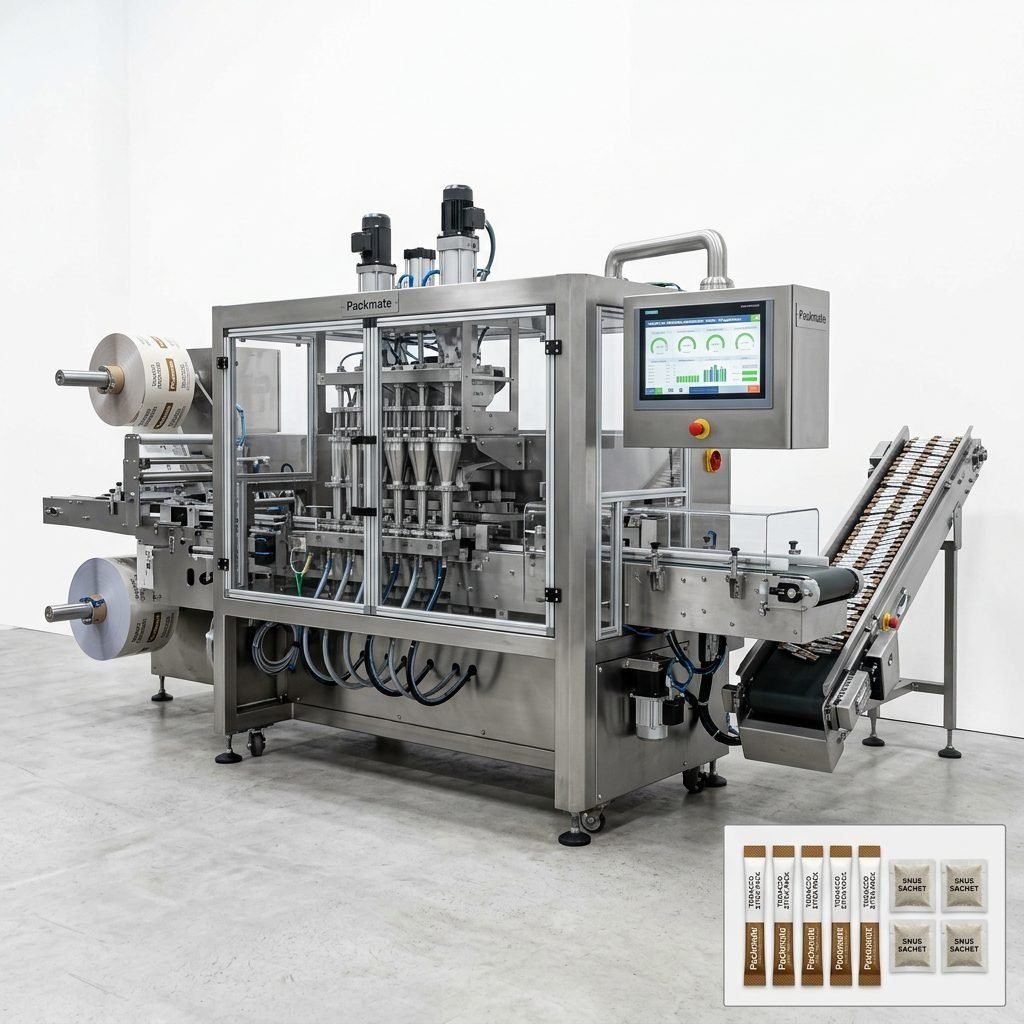
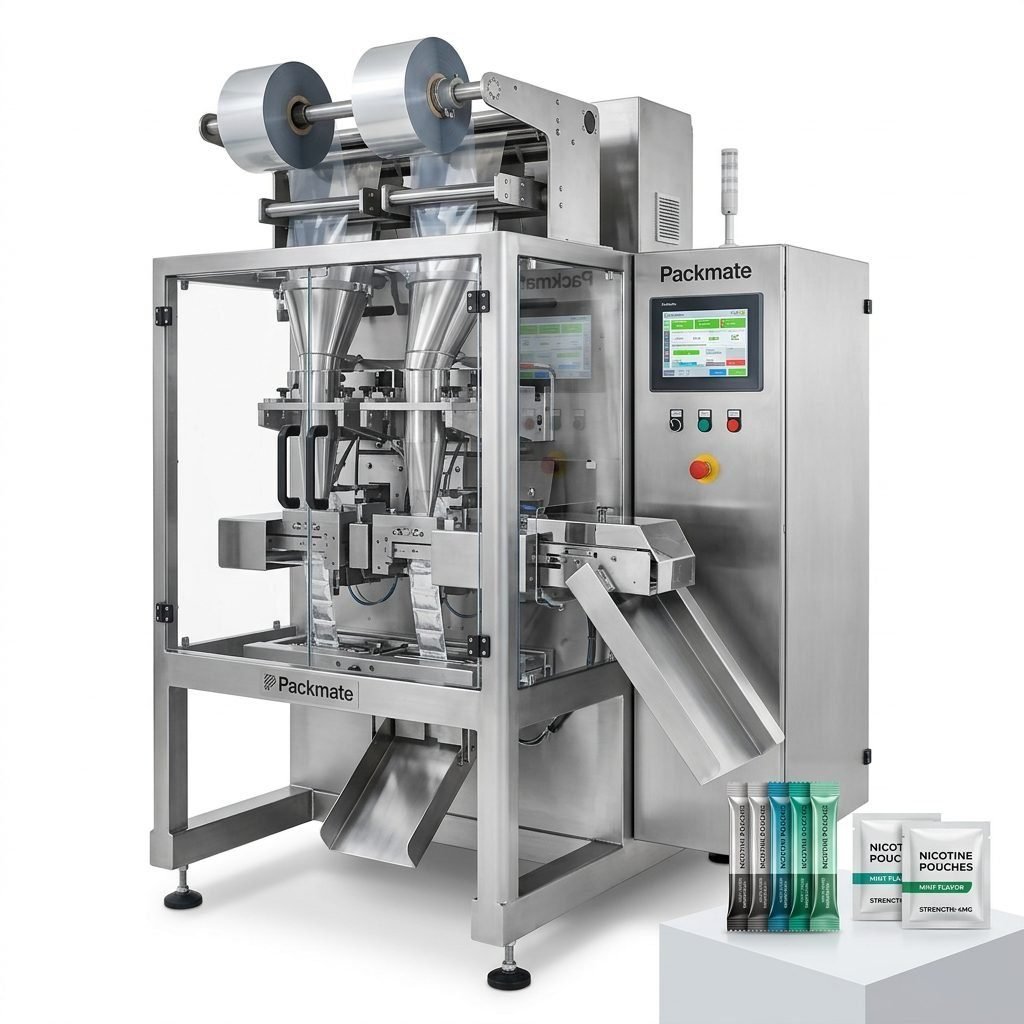
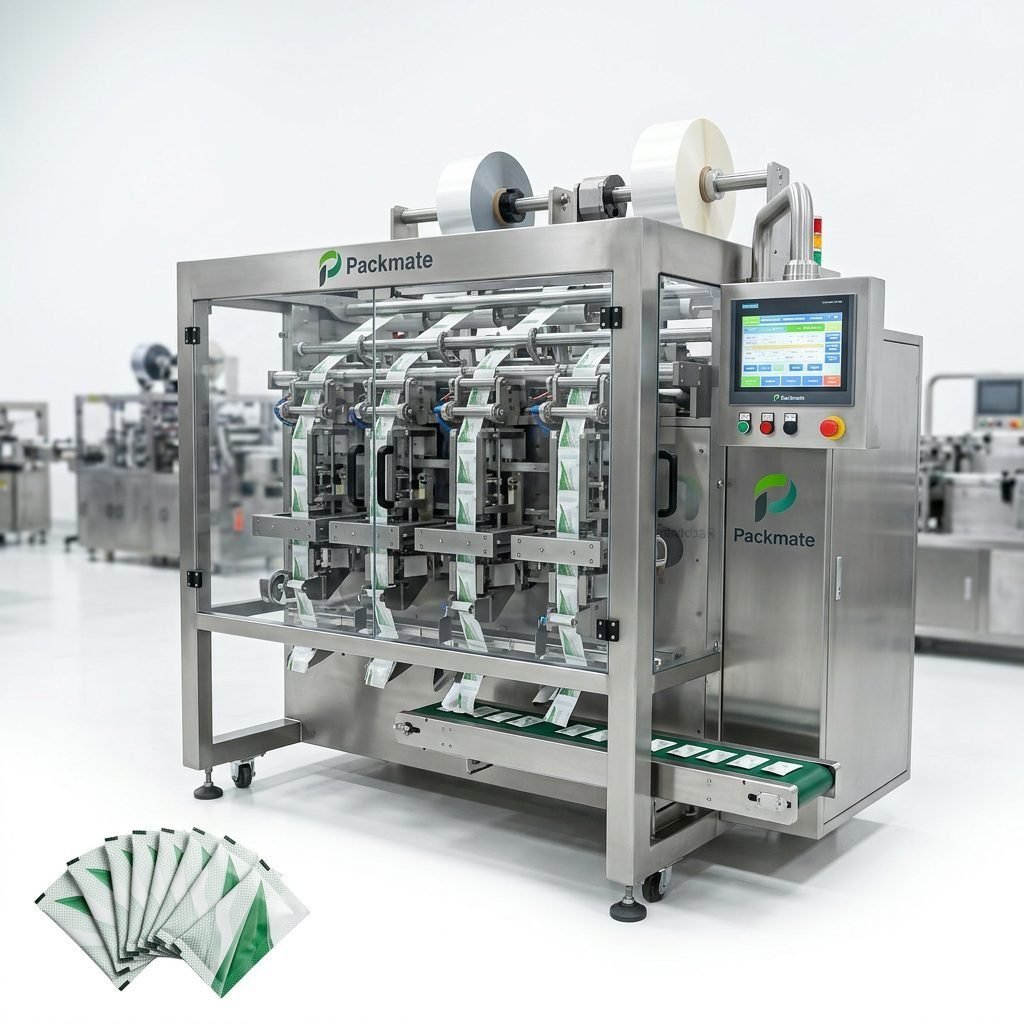
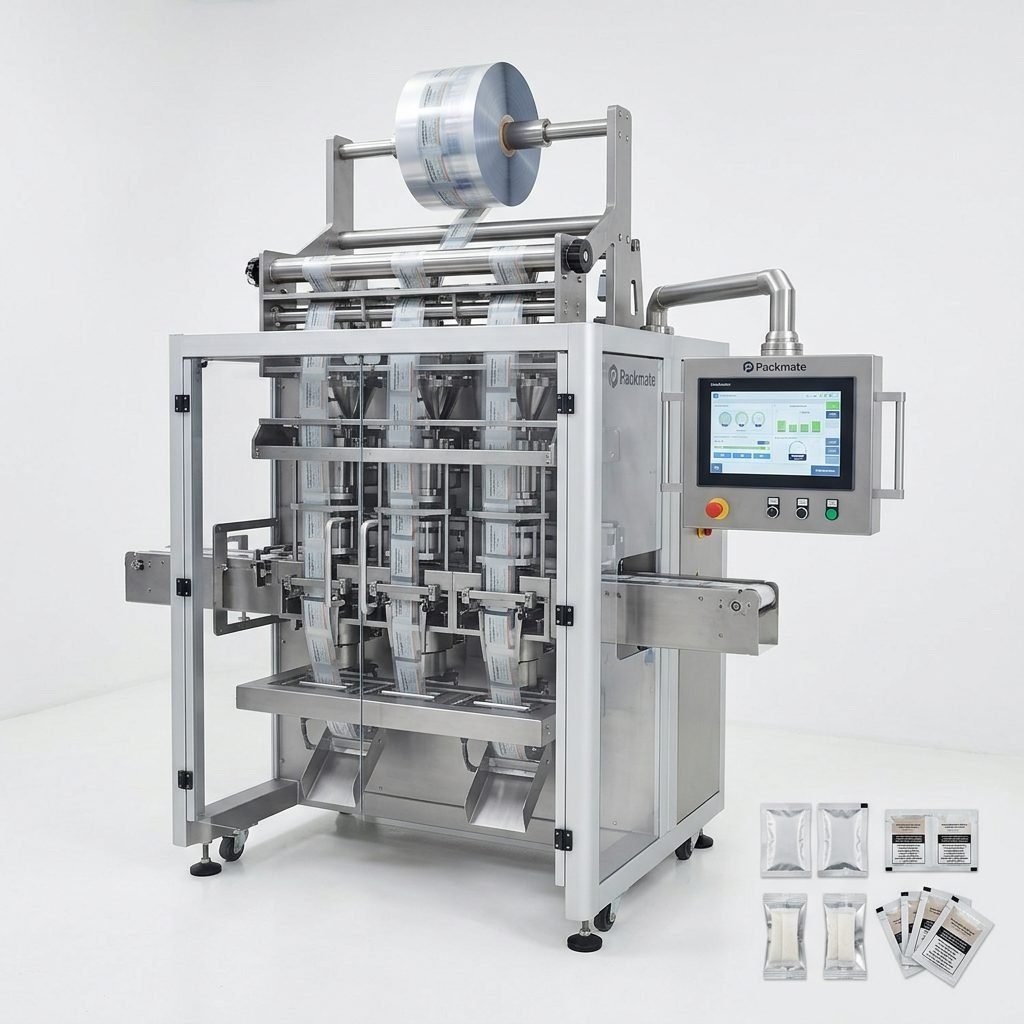
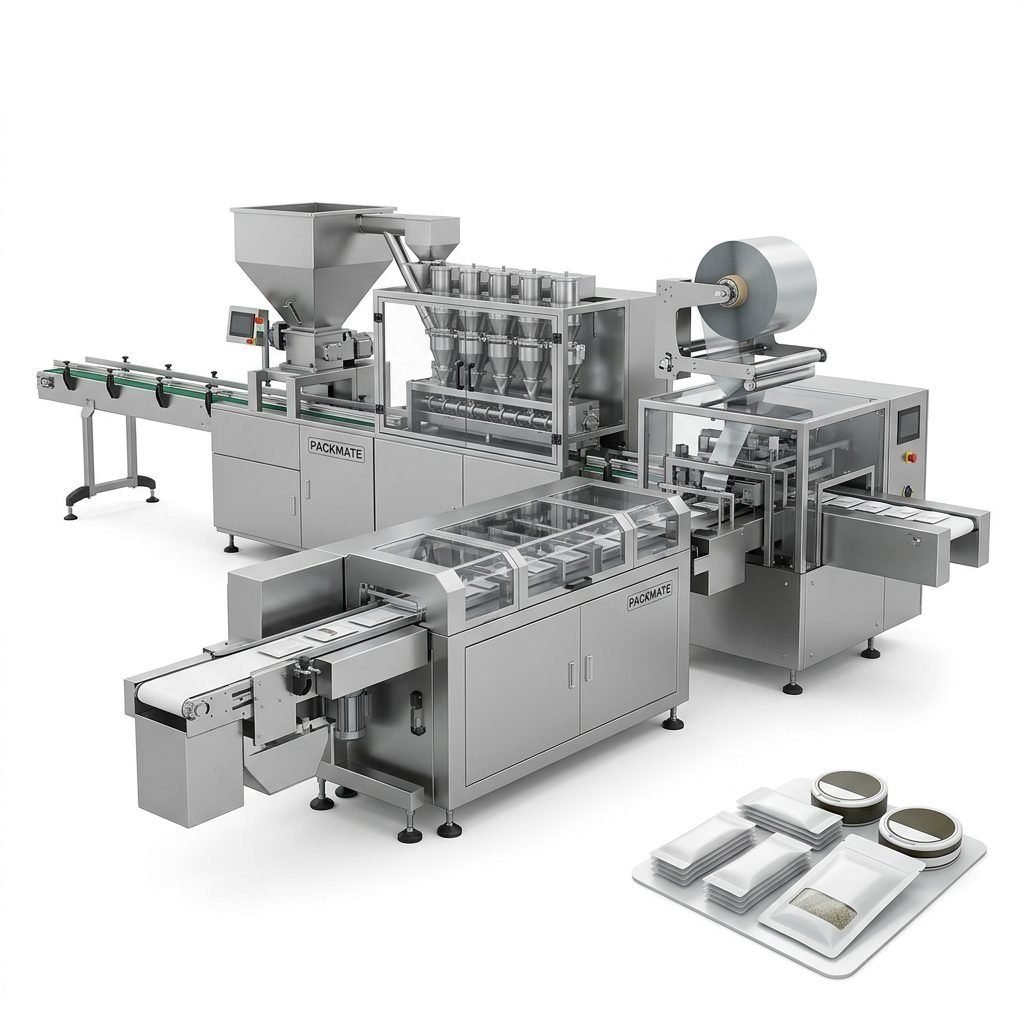
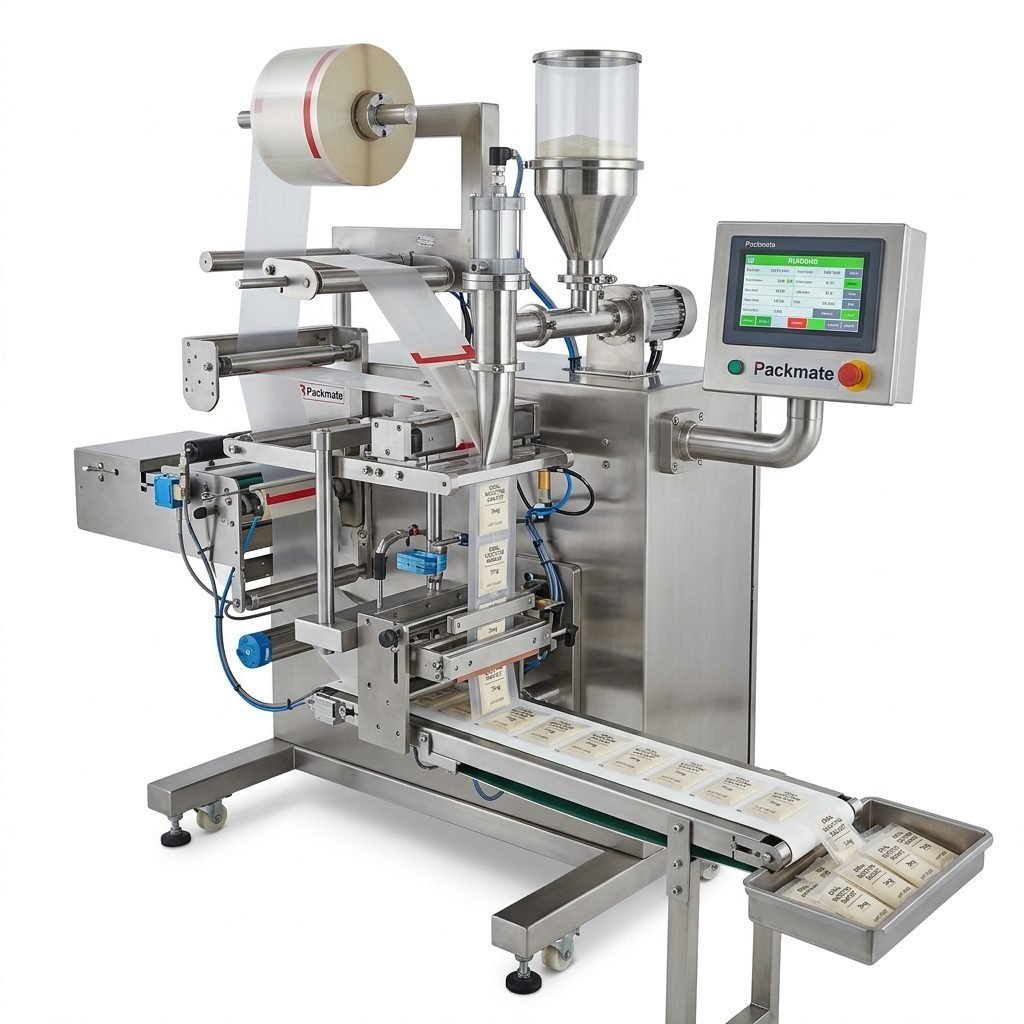
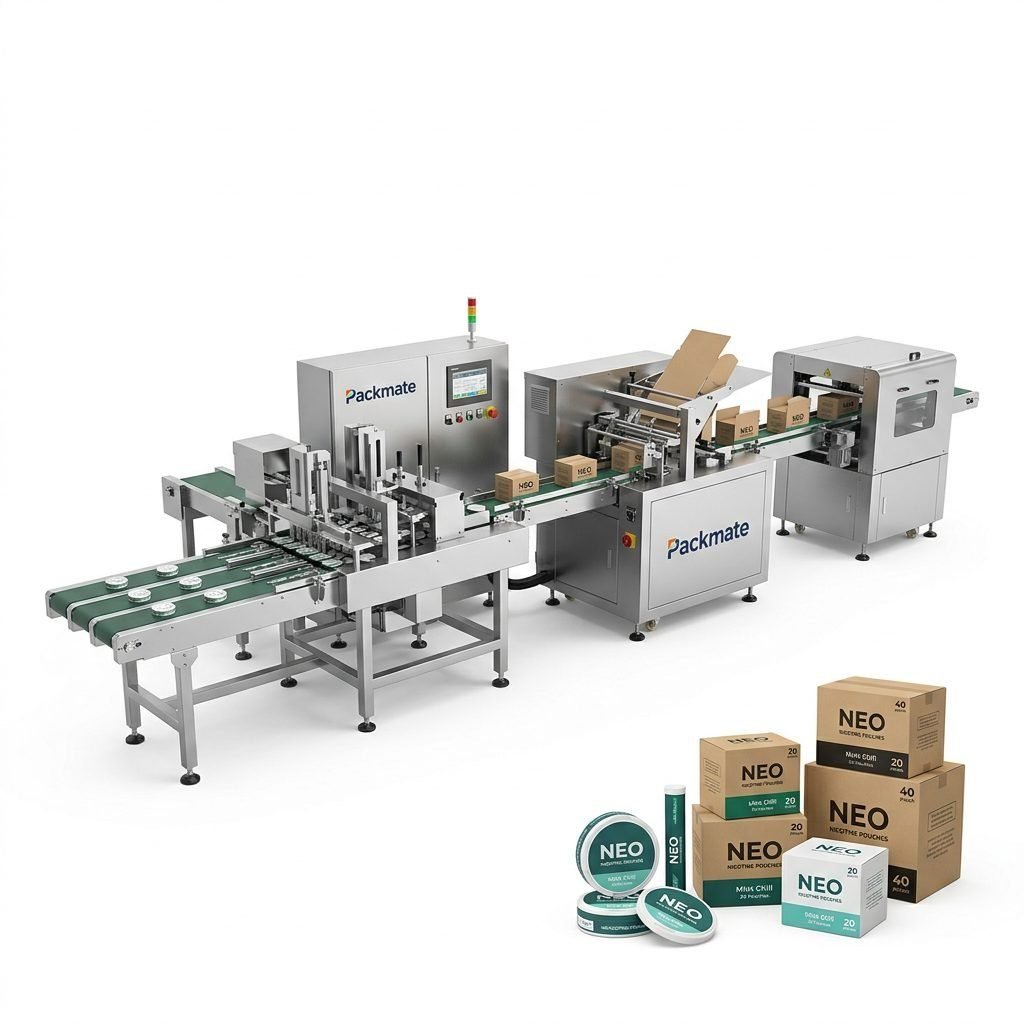
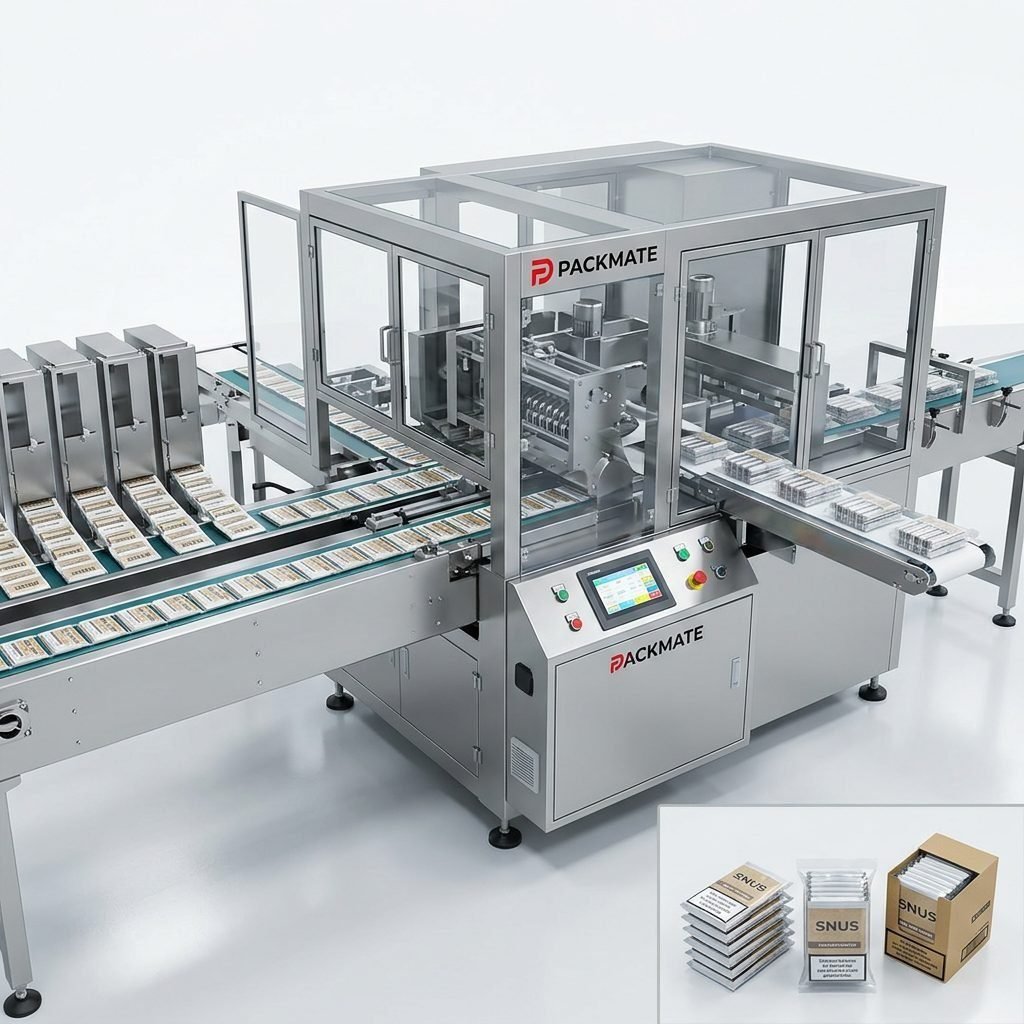
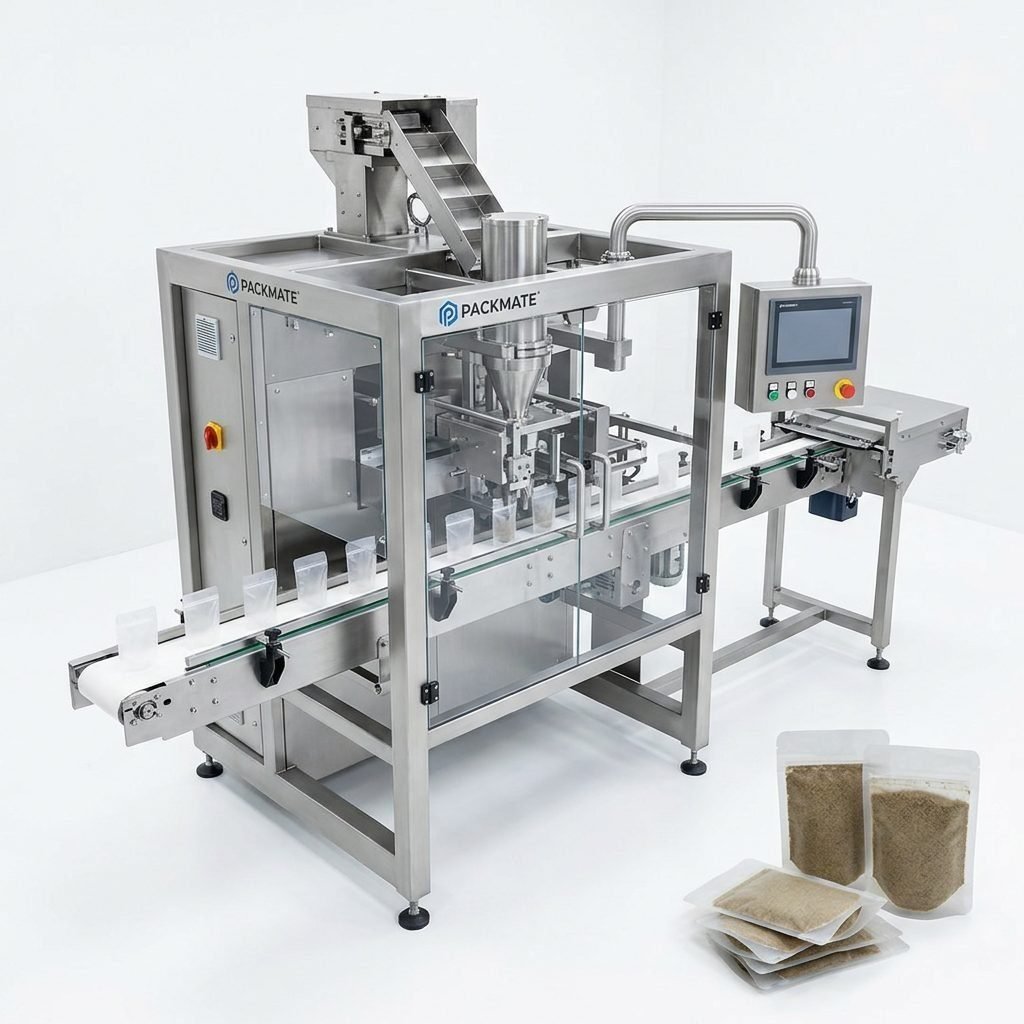
Selecting the right snus packaging machine manufacturer in China can transform your production line from a trial setup into a reliable, high-output operation. This guide walks you through practical steps to evaluate suppliers, negotiate effectively, and secure a turnkey solution that matches your capacity, compliance, and budget requirements — with special considerations for working with Chinese partners and manufacturing culture.
Why China for Snus Packaging Machines?
China has become a global center for packaging equipment due to a combination of mature supply chains, advanced CNC and assembly capabilities, and competitive pricing. For snus and nicotine pouch producers, Chinese manufacturers offer:
-
Wide product range including stick pack, sachet, multi-lane systems and fully automated lines.
-
Flexible customization for small-dose pouches, nicotine pouches, and related formats.
-
Large manufacturing facilities with CNC centers and precision assembly to ensure consistency.
-
Proven exporters with CE/ISO compliance for international markets.
Tip: If you want a quick overview of available machine types, review manufacturers’ product pages like the Snus & Nicotine Packaging Machines to compare technologies and models.
View Machines
Key Evaluation Criteria: How to Compare Manufacturers
1. Experience & Track Record
Look for manufacturers with decades of engineering history and a focused portfolio in snus, nicotine pouches, and small-dose multi-lane systems. A company with 20+ years or a clear development timeline demonstrates continuous improvement and product maturity. For example, companies with timelines showing steady expansion into multi-lane systems suggest strong R&D and stable growth.
2. Factory & Production Capacity
Visit or request videos of the production facility. Important indicators:
-
Factory area and dedicated assembly lines (e.g., 20,000㎡ indicates scale).
-
Presence of CNC machining centers and precision testing rigs.
-
Range of 50+ machine models or modular options for expansion.
Factory strength matters for long-term spare parts availability and fast turnaround on custom orders. Reliable manufacturers often publish their case studies — see examples in the Case section.
3. Certifications & Compliance
Ensure machines comply with CE, ISO, and relevant safety standards for your market. Certifications reduce customs friction and make it easier to obtain approvals for food- and pharma-grade packaging. Ask for certificate copies and test reports.
4. Customization & Turnkey Solutions
One-size rarely fits all. Evaluate a manufacturer’s ability to:
-
Customize cutters, hopper sizes, lane counts and pouch shapes.
-
Integrate weighing, filling, capping, and packing into a single line.
-
Provide software and HMI support for recipe management and traceability.
Check product groups like Bag & Pouch Packaging Machines or Filling & Packaging Lines to understand integration capabilities.
Note: A supplier who offers auxiliary equipment and weighing systems can save time during commissioning and provide a more cohesive solution.
Weighing & Packaging Systems
Cost vs. Value: What to Expect
Initial quotes can vary widely. Beware low-ball offers that cut corners on components, service, or documentation. Consider total cost of ownership:
-
Warranty terms, spare part kits, and training included.
-
Availability of local service partners or remote support.
-
Lead time, shipping logistics, and customs handling.
If budget is tight, prioritize core machine accuracy and stability over cosmetic extras. Core performance drives yield and reduces long-term costs.
Inspecting Technical Details
When reviewing specifications, focus on measurable performance:
-
Cycle rate (pouches/min) and uptime expectations.
-
Accuracy tolerances for dosing (mg/±%).
-
Material compatibility: powders, granules, tea, nicotine blends.
-
Multi-lane synchronization and changeover time.
Testing & FAT
Request Factory Acceptance Test (FAT) videos or live streams. A comprehensive FAT includes continuous run tests, dosing checks, and simulated product runs. The supplier should provide documentation and performance logs.
Practical Tips for Working with Chinese Manufacturers
Understanding Chinese business culture can accelerate negotiations and build trust. Keep these cultural factors in mind:
1. Face & Relationship (Mianzi & Guanxi)
Building long-term relationships often matters more than short-term concessions. Regular communication, respectful visits, and small gestures can deepen cooperation.
2. Factory Visits & Exhibitions
Plan factory visits during regular working months — avoid Chinese New Year and national holidays when production stops. Attending trade shows and visiting the supplier at exhibitions is common practice; it’s a useful way to see machine demos and meet engineers. See the company exhibition page for events.
3. Clear Contract Terms
Specify technical acceptance criteria, delivery schedules, penalty clauses, training requirements, spare parts list, and after-sales response times in the contract. Use clear payment milestones (e.g., deposit, pre-shipment, and balance on acceptance).
For support and direct contact, use the manufacturer’s official Contact Us page to ensure you reach verified channels.
After-Sales Service & Spare Parts
A solid after-sales program includes:
-
Remote troubleshooting and software updates.
-
Fast spare parts shipping or local distributor stock.
-
On-site commissioning and operator training.
-
Maintenance contracts and preventive service schedules.
Checklist Before You Commit
Use this compact checklist to compare final vendors:
-
Factory tour or live FAT evidence (videos, logs).
-
References from global customers and case studies.
-
Clear warranty, spare parts list, and lead times.
-
Agreed acceptance tests and on-site commissioning plan.
-
Transparent pricing with option breakdowns for electronics, tooling, and installation.
Real-World Example: From Inquiry to Turnkey Line
A typical engagement flow with a reputable Chinese manufacturer:
-
Initial inquiry & product specs — provide pouch size, weight, and target speed.
-
Proposal & configuration — supplier offers machine model, lane count, and layout.
-
FAT & acceptance — run tests and verify tolerances before shipment.
-
Shipping & installation — coordinate logistics and customs.
-
Commissioning & training — supplier engineers support start-up and handover.
For a full lineup of available machines and accessories, consult the manufacturer’s product sections for sachet & stick pack machines and auxiliary equipment.
Sachet & Stick Pack Machines ·
Auxiliary Equipment
Final Selection: Make Data-Driven Decisions
Choose the supplier that best balances technical capability, factory strength, cultural fit, and after-sales reliability. Prioritize predictable uptime and easy access to spare parts. A pragmatic approach combined with respectful local engagement will yield the best long-term partnership.
If you want to learn more about the manufacturer’s background or request a catalog, visit About Packmate or download product details and certificates.
Summary: Key Actions Before Signing
To recap, before signing an equipment contract:
-
Verify factory capability and CNC/assembly infrastructure.
-
Request FAT, testing data and references.
-
Clarify warranty, spare parts lead times, and support scope.
-
Negotiate clear payment and delivery milestones.
-
Plan factory visits and respect local business customs to build trust.
Frequently Asked Questions
1. How long does it take to get a snus packaging line from China?
Typical lead time ranges from 8 to 16 weeks depending on customization, machine complexity, and current production schedules. Allow extra time for FAT, shipping, and customs clearance.
2. Are Chinese snus machines compliant with international standards?
Reputable manufacturers provide CE and ISO certifications. Always request and verify certificates and test reports. Machines intended for food or pharma sectors often include additional hygienic design options.
3. What level of after-sales support should I expect?
Expect remote technical support, spare parts supply, and optional on-site commissioning. Confirm response times and local partner availability in your region to reduce downtime.
4. How can I ensure dosing accuracy for nicotine pouches?
Specify dosing tolerances in the contract and require FAT runs with your specific product formulation. High-precision feeders, multi-head weighers, and stable multi-lane synchronization are key components.
5. What cultural tips help when negotiating with Chinese suppliers?
Be patient, build rapport, schedule visits outside major holidays (especially Chinese New Year), and respect hierarchical communication. Clear written contracts protect both parties.
For more information on product lines, services, or to request a quote, use the official Service and Contact pages to reach verified representatives.
Service ·
Contact Us