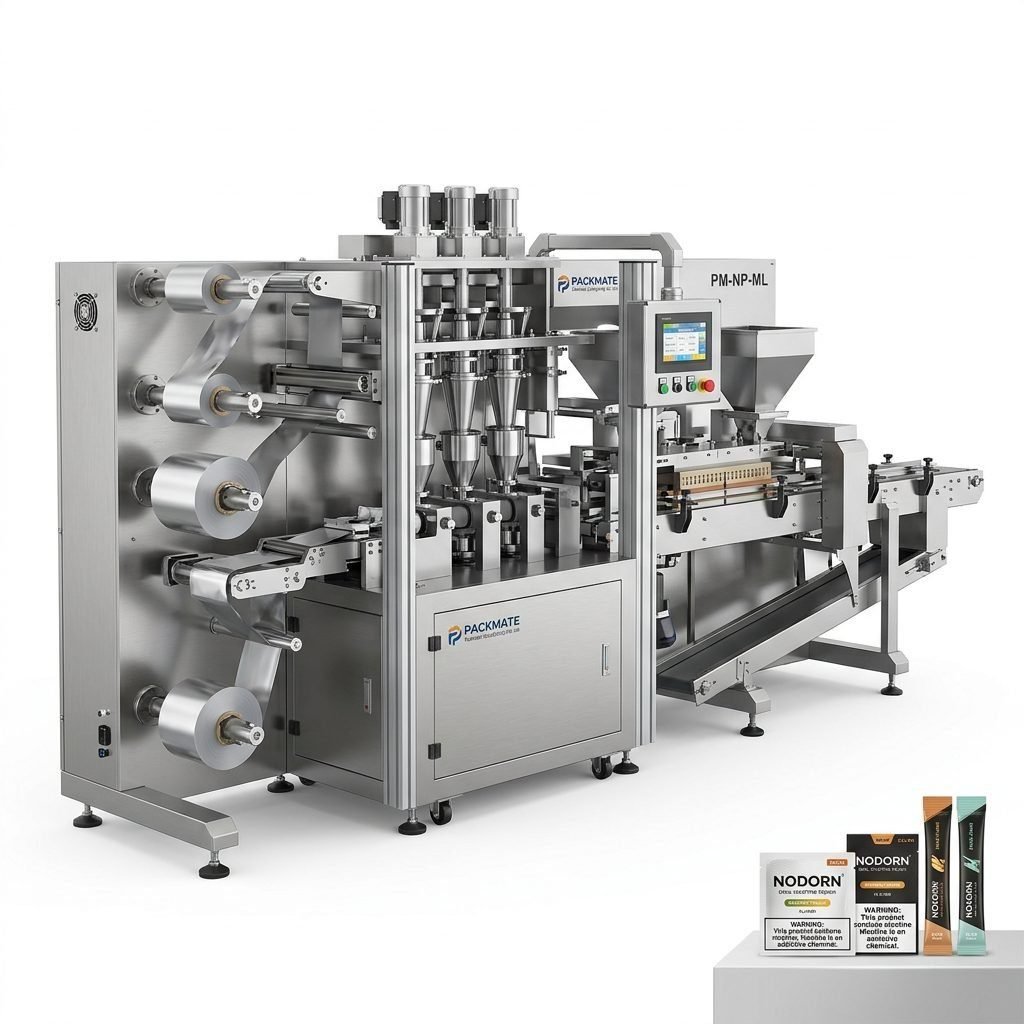
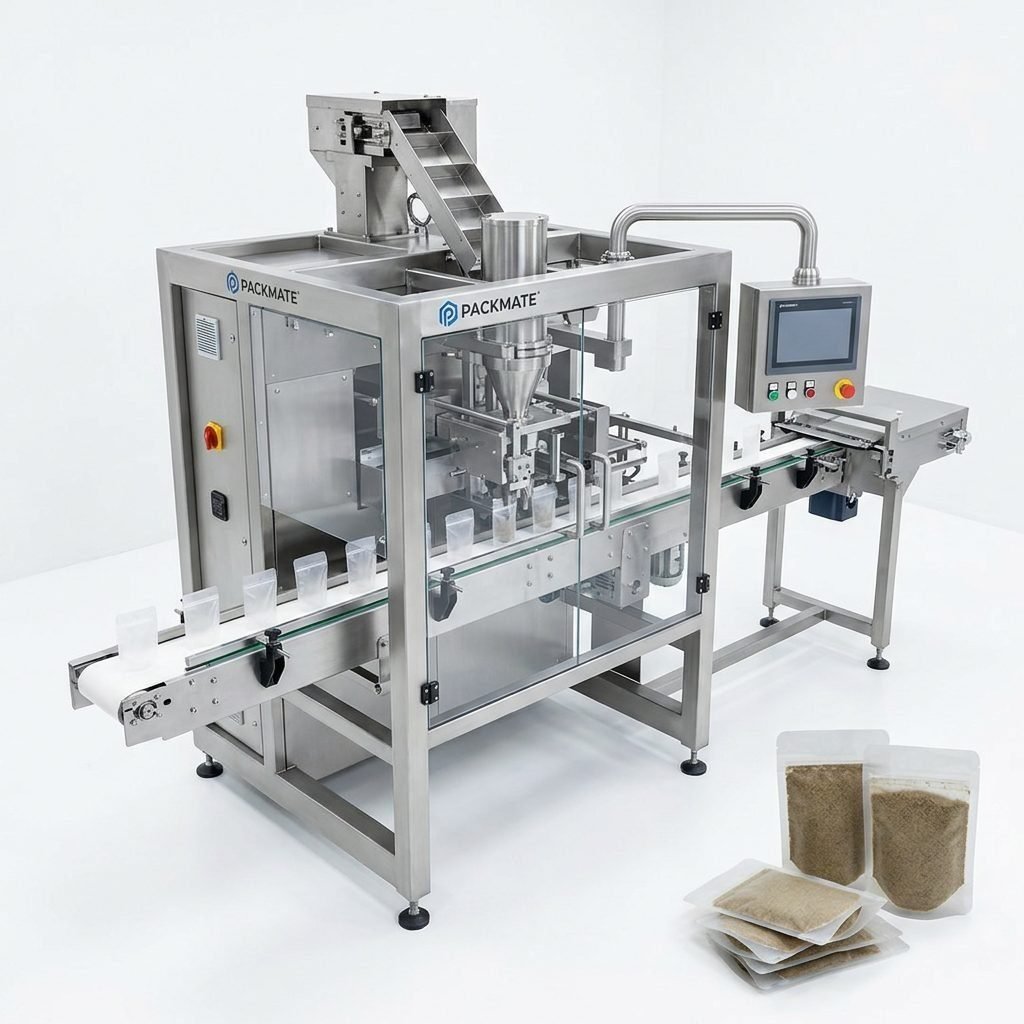
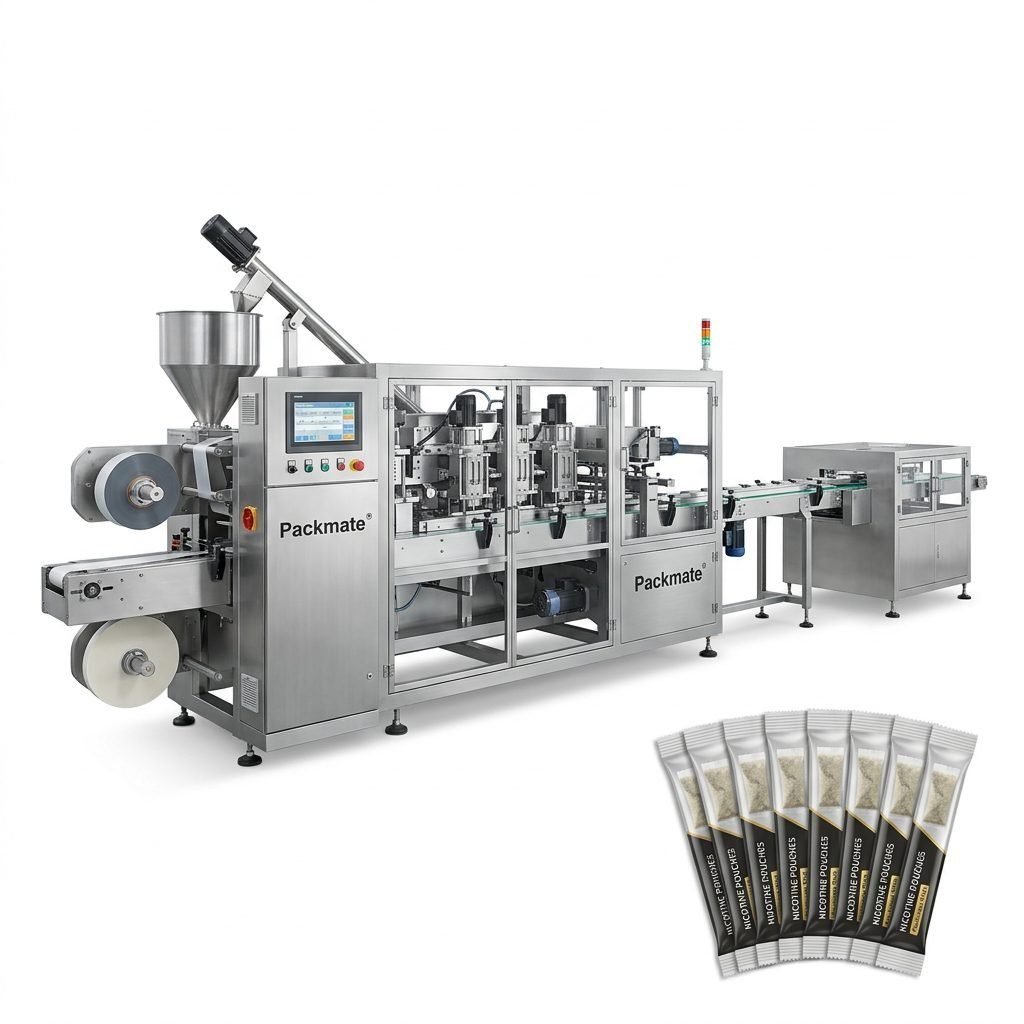
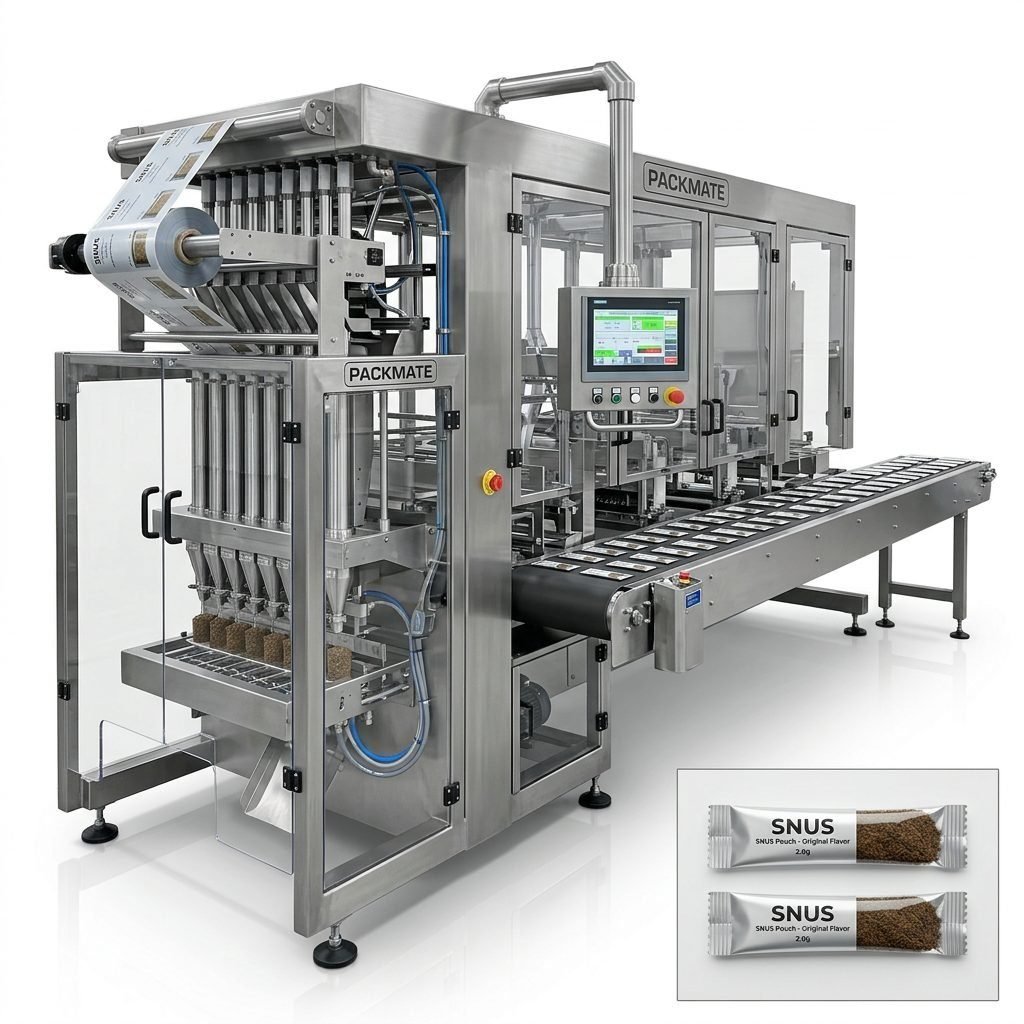
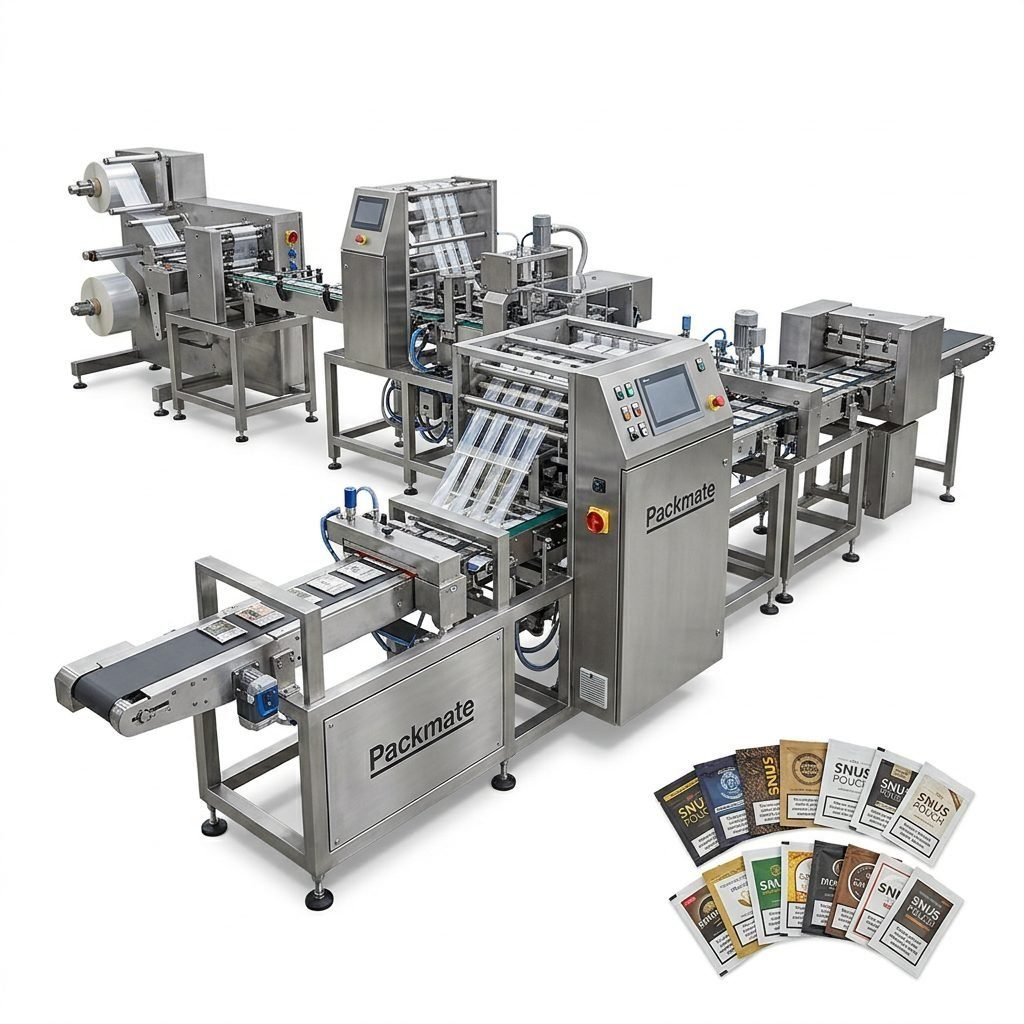
Choosing the best nicotine packaging machine manufacturer in Mongolia requires more than a simple price comparison. It involves understanding local market needs, climate impacts, regulatory requirements, production volumes, and after-sales support. This guide walks you through practical steps, selection criteria, and on-the-ground tips tailored to Mongolia’s unique marketplace so you can confidently select a supplier that delivers stable, compliant, and efficient snus or nicotine pouch packaging lines.
Understand Mongolia’s Market and Consumer Habits
Mongolia’s population is concentrated in Ulaanbaatar and a few provincial centers, while a significant percentage still live a semi-nomadic lifestyle in rural areas. This means packaging for nicotine pouches often needs to be:
- Durable against cold and moisture—materials and sealing quality matter.
- Compact and portable for consumers on the move.
- Easy to understand with clear labeling—consider Cyrillic and bilingual labeling for urban and rural buyers.
Why local customs matter
In Mongolia, gifting and sharing small items among family and friends is common. Packaging that allows single-dose convenience, resealability, and discreet carrying will appeal to consumers who often travel between urban and rural areas. Manufacturers that appreciate these cultural nuances can help you design packaging formats that sell better locally.
Tip: Choose machines that support flexible pouch sizes, high-quality heat seals, and low-temperature performance to address Mongolia’s climate extremes.
Key Technical Criteria When Evaluating Manufacturers
Technical performance determines long-term productivity and profitability. Below are the non-negotiable technical features to evaluate:
1. Production Speed and Configuration
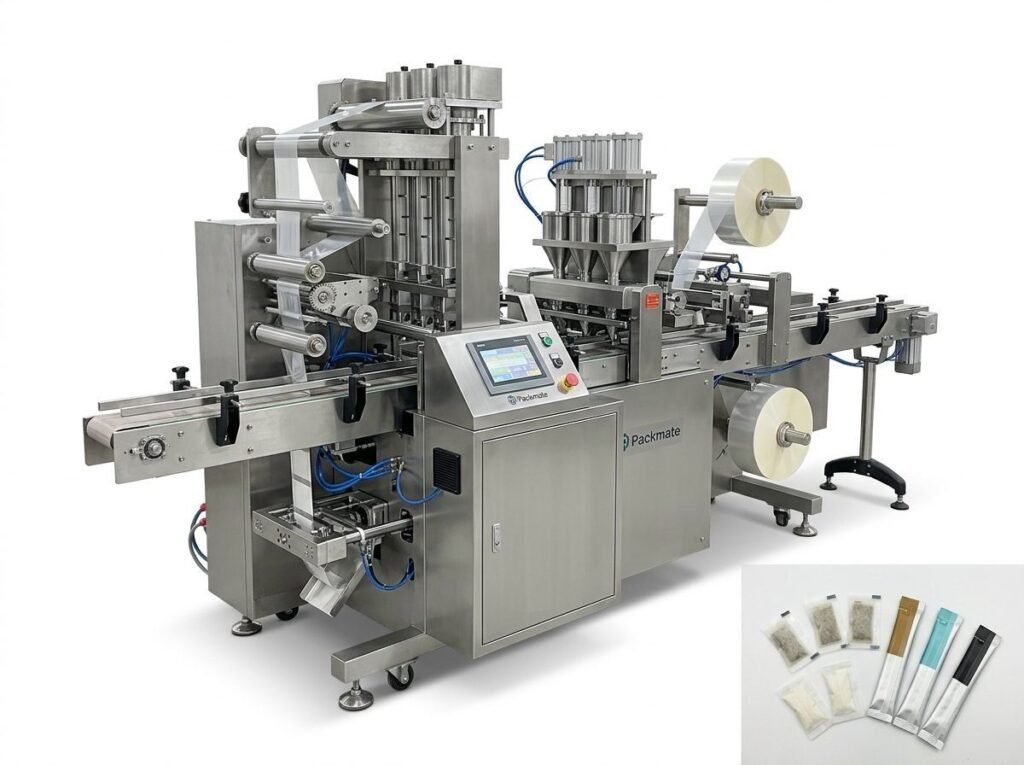
Look for machines with scalable speeds that suit your planned output. Multi-lane and multi-head machines are ideal for scaling production without dramatically increasing floor space. If you plan to serve multiple small retailers across Mongolia, machines that can switch between small batch runs and larger runs are a major advantage.
2. Filling Accuracy and Weighing Systems
Consistency in dosage is critical for regulated nicotine products. Choose manufacturers who integrate accurate weighing and dosing systems, and who can provide documentation for calibration and verification. Reliable weighing reduces product waste and helps avoid compliance issues.
3. Material Compatibility and Sealing Quality
Ensure machines can handle laminated films, foil, and multi-layer pouches commonly used for nicotine pouches. Heat seal uniformity, air-tightness, and tamper-evident features are essential for product safety, shelf-life, and consumer trust.
Must have: CE and ISO certifications help ensure machines meet international safety and quality standards. Ask for certificates and compliance documentation.
Manufacturer Capabilities and Factory Inspection
A manufacturer’s factory capability is a strong indicator of consistent machine quality. Consider the following when evaluating potential suppliers:
Factory Size and Equipment
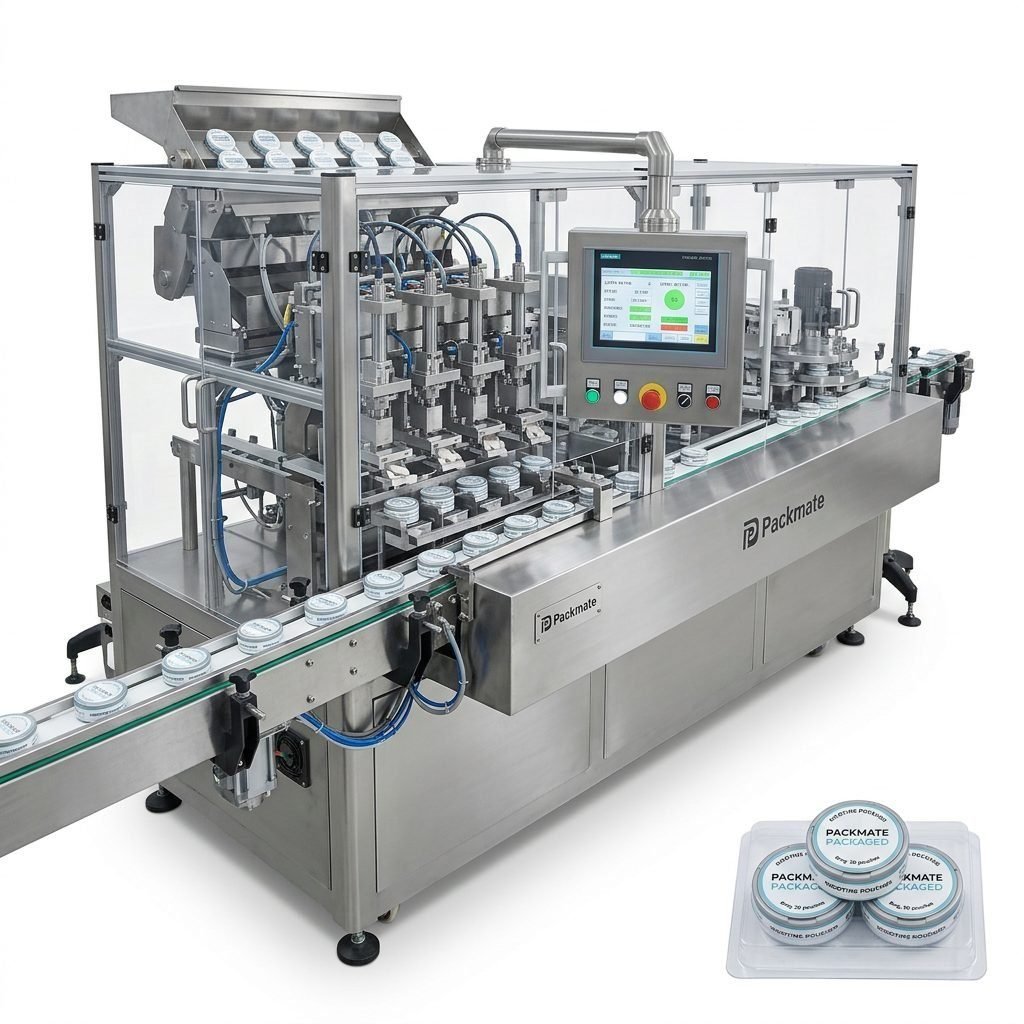
Larger facilities with advanced CNC centers and precision assembly lines typically produce more consistent machines. For example, Packmate operates a 20,000㎡ facility with CNC machining and stringent QA — a level of investment that matters when you require reliable long-term support.
Engineering Experience and Model Range
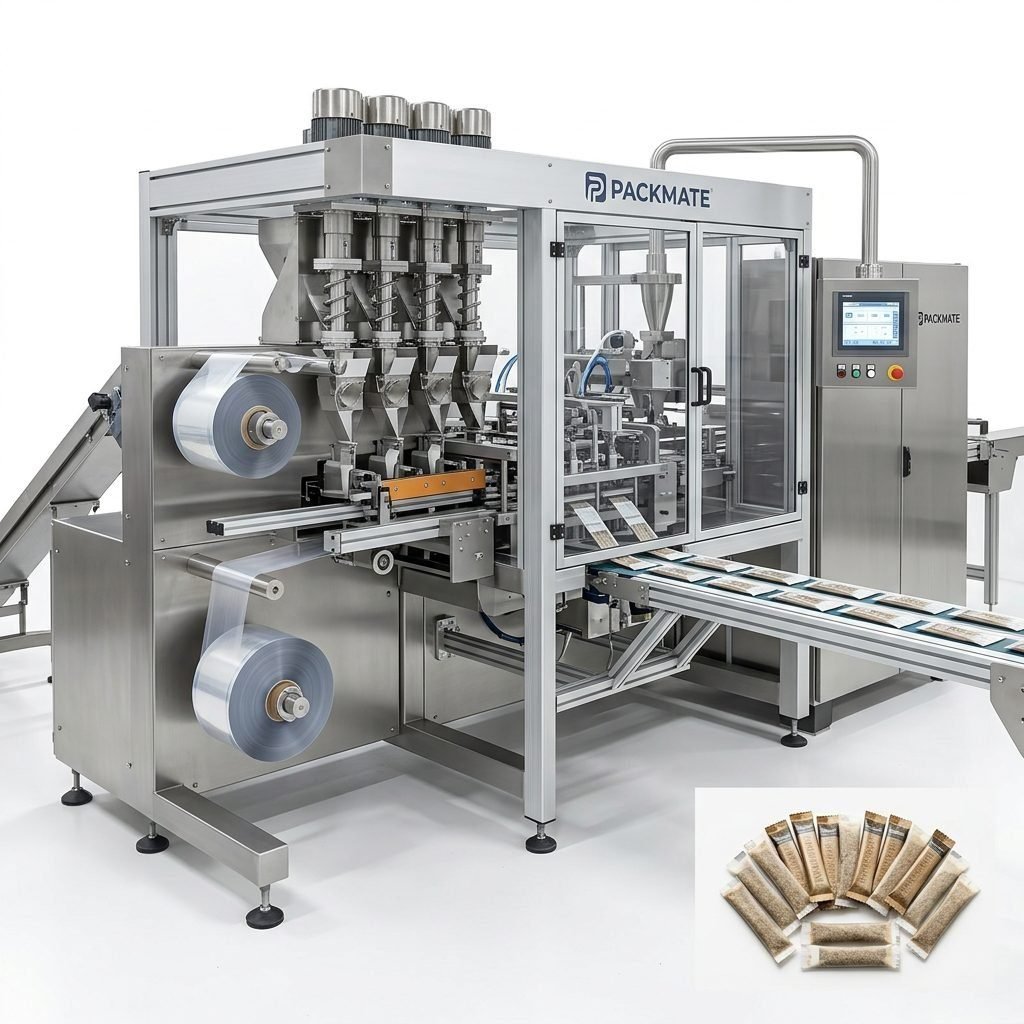
Look for manufacturers with decades of engineering experience and a wide model range. A vendor offering varied models (stick pack, sachet, multi-lane) can better tailor solutions to evolving Mongolian demand.
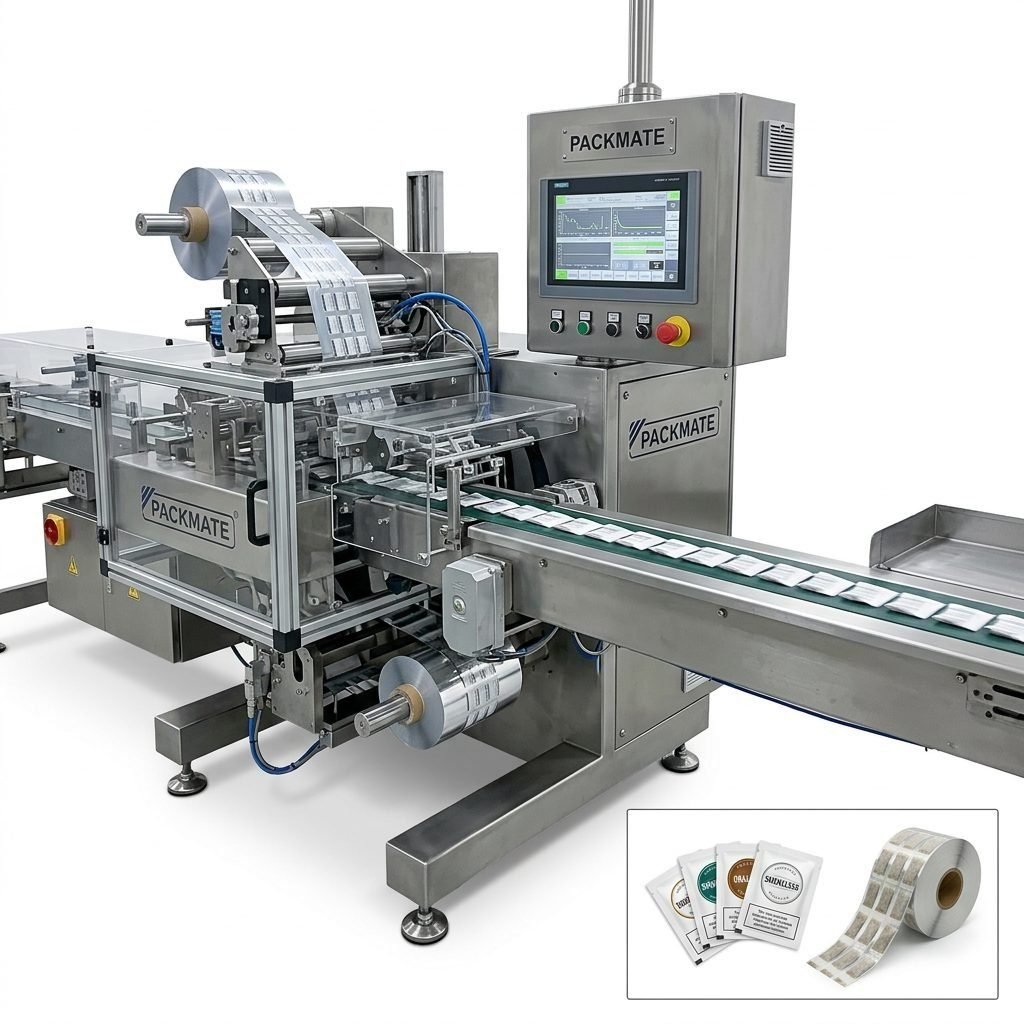
For reference, suppliers like Packmate provide multiple packaging types; learn more about their product range here:
Snus & Nicotine Packaging Machines,
Sachet & Stick Pack Machines,
Filling & Packaging Lines.
Service, Spare Parts, and After-Sales Support
In Mongolia, service turnaround time is crucial because international shipping can add days or weeks to downtime. Assess a manufacturer’s support network carefully:
- Local stocking of common spare parts or a clear logistics plan for rapid dispatch;
- Remote support capability (video troubleshooting, PLC backup files, remote diagnostics);
- Training programs for operators and maintenance staff, preferably on-site in Mongolia or via detailed video materials;
- Warranty and clear service level agreements (SLAs) for response times.
🔧 Critical: Confirm spare part lead times and request a spare parts list with pricing before purchase.
Regulatory and Compliance Considerations in Mongolia
Nicotine products may fall under specific tobacco or pharmaceutical regulations. Be sure your packaging and machine supplier understand:
- Labeling requirements in Mongolian Cyrillic and any required health warnings;
- Documentation required for import permits and customs clearance;
- Traceability and batch coding systems to support recalls or health authority audits;
- Child-resistant features if mandated.
Suppliers with export experience to Eurasian markets typically have a better understanding of paperwork, customs classification, and compliance documentation. Check a manufacturer’s export track record and ask for references or case studies: Case.
Customization, Integration and Turnkey Solutions
Packaging lines rarely operate in isolation. For a smooth production flow you may need filling systems, weighing systems, labellers, and packaging conveyors. Seek manufacturers who provide integrated turnkey solutions and can tailor machines to local power standards, control languages, and packaging formats.
Consider asking for:
- Complete line layouts and workflow diagrams for your floor space;
- Electrical and control documentation translated into English or Russian/Mongolian;
- Pre-shipment FAT (Factory Acceptance Test) videos and performance data.
Integration Example
A robust solution may combine a dosing/weighing station with a multi-lane snus pouch machine, followed by a quality-check (metal detector or weight check) and an automated case packer. For parts like weighing systems, explore suppliers under categories such as Weighing & Packaging Systems.
Commercial Terms and Risk Management
Commercial conditions and contract clarity can save significant headaches. Important aspects include:
- Payment terms and milestones tied to delivery and testing;
- Clear warranty scope and exclusions (wear parts vs. electronics);
- Installation, commissioning, and training responsibilities and costs;
- Penalties or remedies for missed delivery or performance guarantees.
✅ Pro tip: Insist on a pre-shipment demonstration and recorded FAT showing performance at agreed speeds and tolerances.
Selecting the Right Manufacturer: Checklist
Use this practical checklist when judging potential suppliers:
🔎 Factory & Capacity: Facility photos, CNC capabilities, and production capacity.
📄 Certifications: CE, ISO, and export documentation.
⚙️ Technical Fit: Compatibility with film types, sealing strength, and dosing accuracy.
🛠️ Service & Parts: Spares list, lead times, and remote support options.
Working with International Manufacturers from Mongolia
If your chosen supplier is overseas, pay attention to logistics, customs clearance, and local installation expertise. Many established suppliers provide full export support, including documentation and customs guidance. You can explore a manufacturer’s company profile and support offerings to evaluate their export readiness: About Packmate and Contact Us.
Logistics and Installation
Plan for customs inspections, VAT or import duties, local certification checks, and local crane or lifting equipment for installation. Ask the manufacturer to include detailed unpacking and installation instructions and to provide an experienced commissioning engineer if possible.
Sustainable and Efficient Production Practices
Sustainability and waste reduction are increasingly valued by retailers and consumers. Discuss options such as film recycling, energy-efficient drives, and production reporting features that help minimize material waste. Manufacturers who design for easy changeover and minimal scrap can improve margins and reduce environmental impact.
How to Shortlist and Finalize Your Manufacturer
Follow these steps to move from research to purchase:
- Gather quotes and technical sheets from at least three reputable suppliers.
- Request FAT videos and client references, preferably in similar climate or market conditions.
- Evaluate total cost of ownership: spare parts, service, electricity, and downtime risk.
- Negotiate payment and delivery milestones tied to agreed testing results.
- Sign a clear contract including warranty, spare parts list, and training commitments.
Final considerations
Building a long-term partnership with your manufacturer is often more valuable than finding a low-cost machine. Good suppliers offer continuous improvement, spare parts availability, and regional understanding, which are essential when operating in Mongolia’s varied and often remote markets.
⚠️ Warning: Don’t compromise on sealing integrity and dosing accuracy—these directly impact legality, shelf-life, and customer trust.
Where to Learn More and See Machines in Action
Attend international exhibitions or request live demonstrations when possible. Packmate showcases machines at global exhibitions and offers pre-shipment testing and documentation; you can read more about their exhibition participation and certificates here: Our Exhibition, Certificate.
Next steps for Mongolian buyers
Start with a needs assessment: projected volumes, pouch formats, and local labeling/legal requirements. Request detailed proposals from shortlisted manufacturers, including line layouts and total installed cost. Plan for training and local technician development to reduce reliance on distant support.
Common Questions
Q1: How important is local language support for machine HMI and manuals?
A1: Very important. HMI and manuals in Mongolian or Russian reduce operator errors and speed training. Ask manufacturers about HMI language options and translated documentation.
🔍
Q2: What spare parts should I keep on hand?
A2: Keep critical consumables like sealing jaws, belts, sensors, and wear parts. Maintain a list provided by the manufacturer and negotiate lead times.
✅
Q3: Can machines be adapted to harsh cold or fluctuating power environments in Mongolia?
A3: Yes. Look for features like insulated control cabinets, low-temperature lubricants, and voltage stabilizers. Discuss local climate adaptations with the supplier during specification.
⚙️
Q4: How do I verify a manufacturer’s claims?
A4: Request FAT videos, client references in similar industries or climates, and copies of certification. If possible, visit the factory or invite a third-party inspection.
Q5: Who should I contact to get a tailored quote and layout?
A5: Reach out directly to the manufacturer’s sales and engineering team. For example, you can contact Packmate via their contact page to discuss turnkey solutions and site-specific layouts: Contact Us.
Selecting the right nicotine packaging machine manufacturer for Mongolia is a strategic investment that should balance technical fit, regulatory compliance, service readiness, and cultural understanding. Prioritize long-term reliability and local adaptability to ensure your production line delivers consistent quality to Mongolian consumers.