Choosing the right nicotine packaging machinery manufacturer for your business in Israel is a strategic decision that affects product quality, regulatory compliance, and long-term operational efficiency. The Israeli market blends high-tech expectations, strict regulatory oversight, and a customer base that values product safety and consistent performance. This guide walks you through the practical steps, technical considerations, and local nuances to evaluate manufacturers and select a partner that aligns with your production goals.
🔎 Understand Local Market Needs and Regulatory Context
Israel’s consumers and regulators place strong emphasis on safety, traceability, and product information. Before contacting manufacturers, clarify the regulatory requirements for nicotine pouches and related products in Israel — including labeling, permissible ingredients, and import controls. Manufacturers with export experience to regulated markets, and familiarity with certifications like CE and ISO, are advantageous.
– Fast response and local after-sales support are highly valued.
– Logistics centers in Haifa and Ashdod streamline imports; confirm the manufacturer’s export and shipping experience.
– Environmental and consumer-safety expectations can influence machine materials and cleaning requirements.
🧭 Types of Nicotine Packaging Machines to Consider
Different manufacturers specialize in different formats. Determine which of the following aligns with your product line:
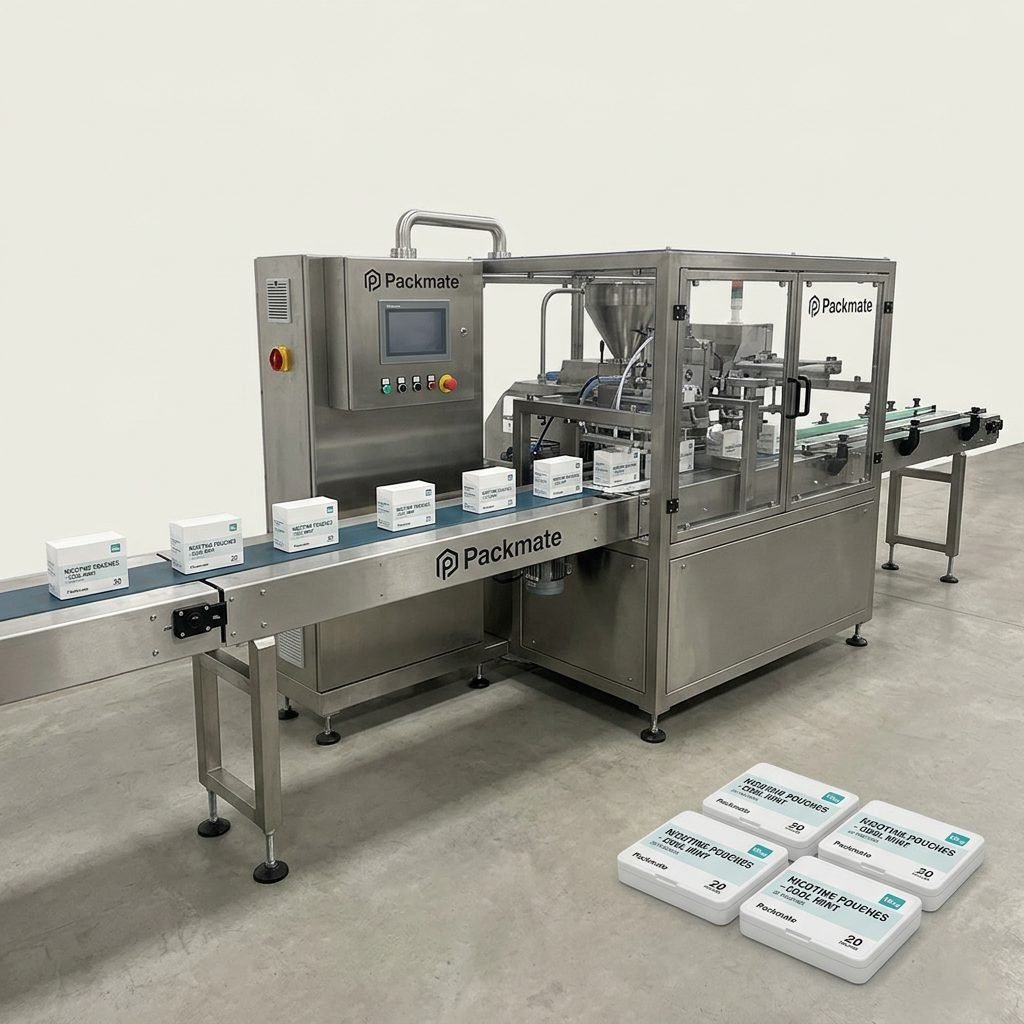
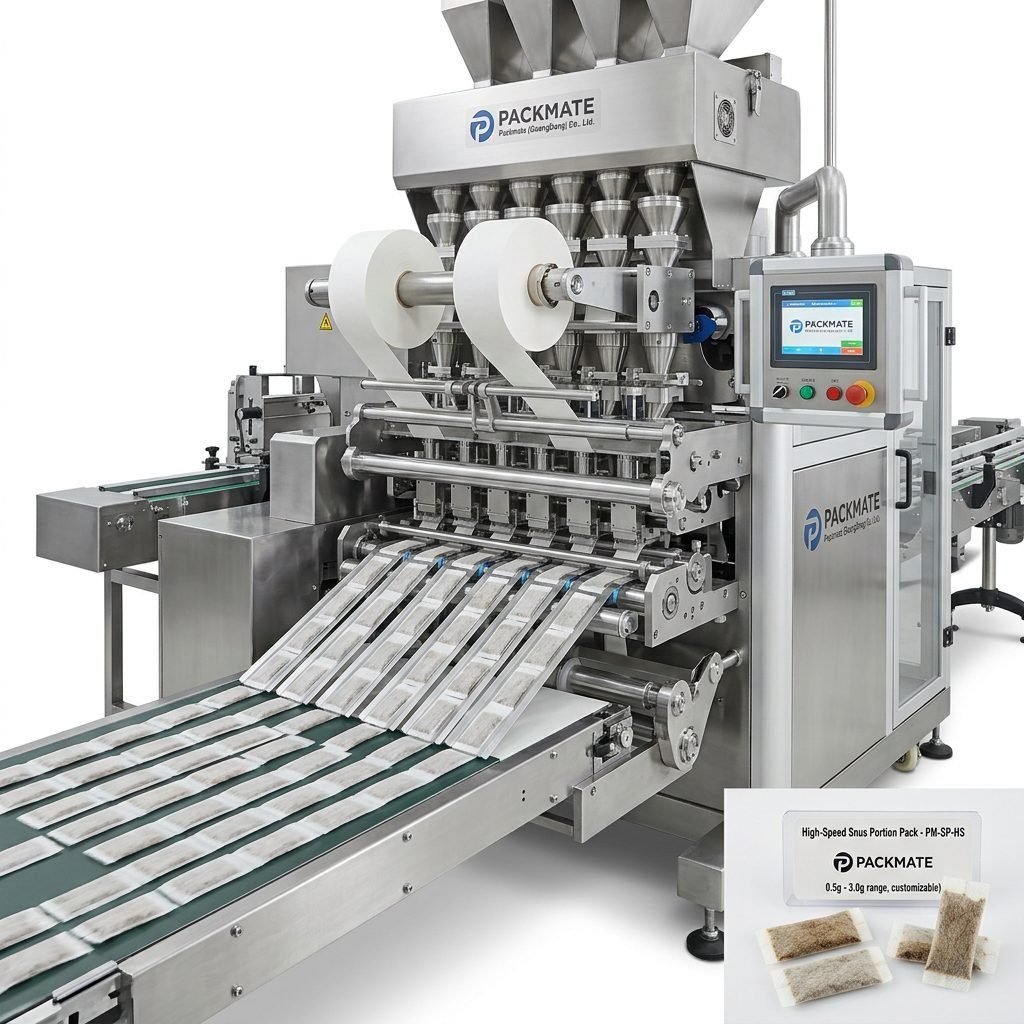
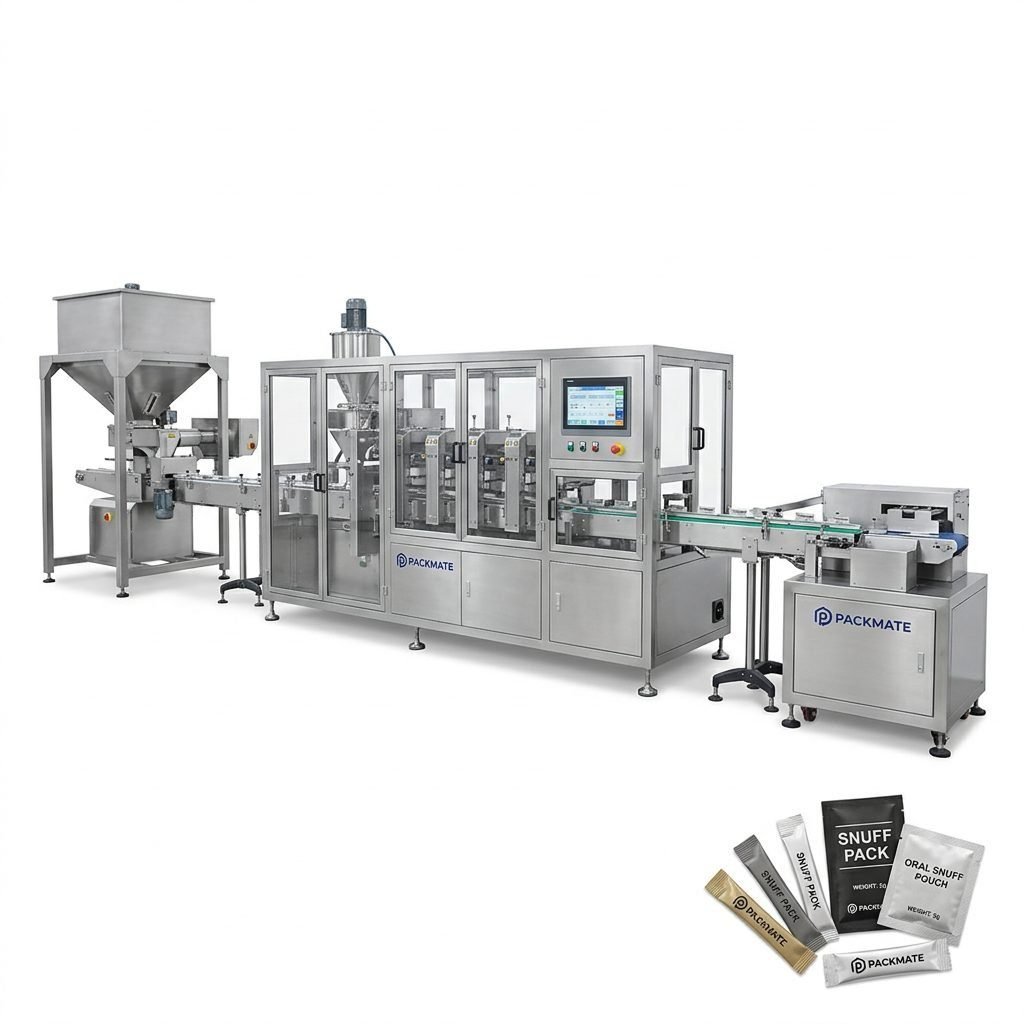
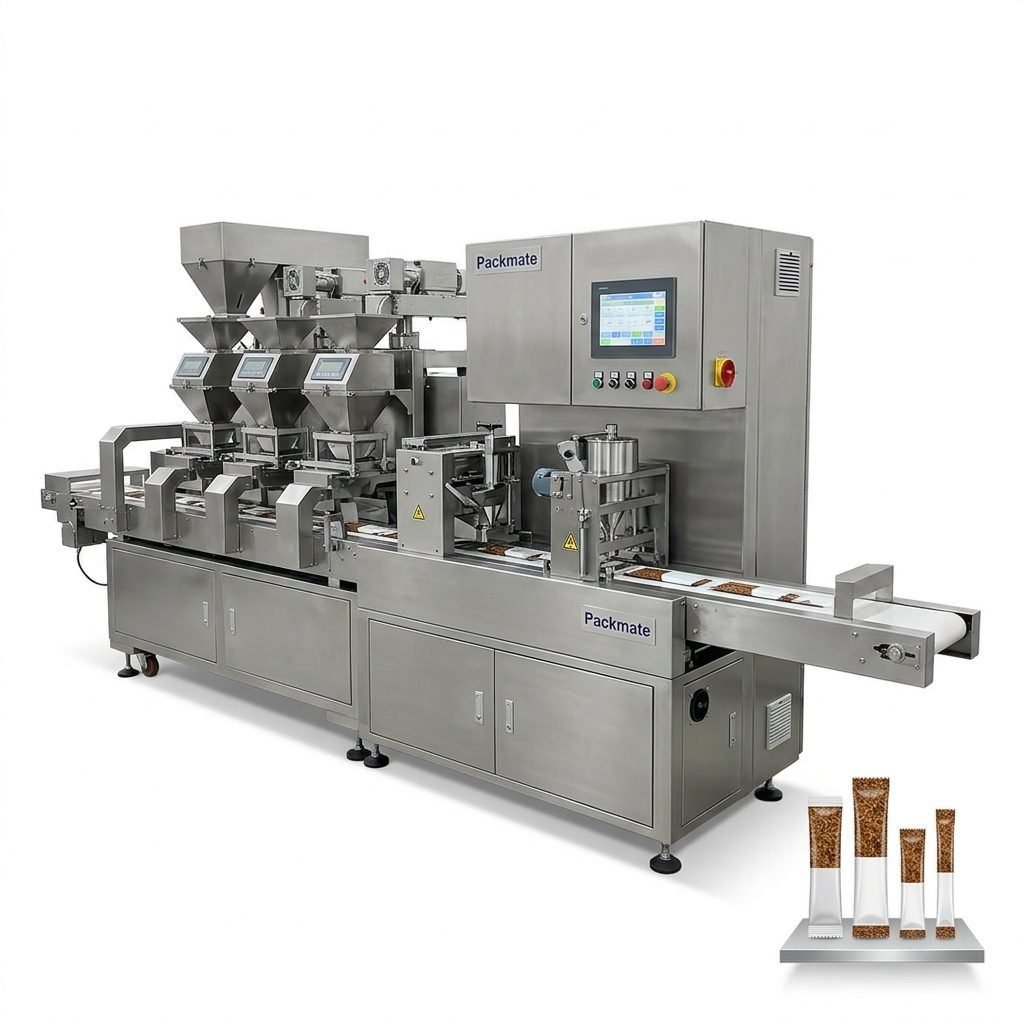
- Snus / nicotine pouch packing machines (single or multi-lane)
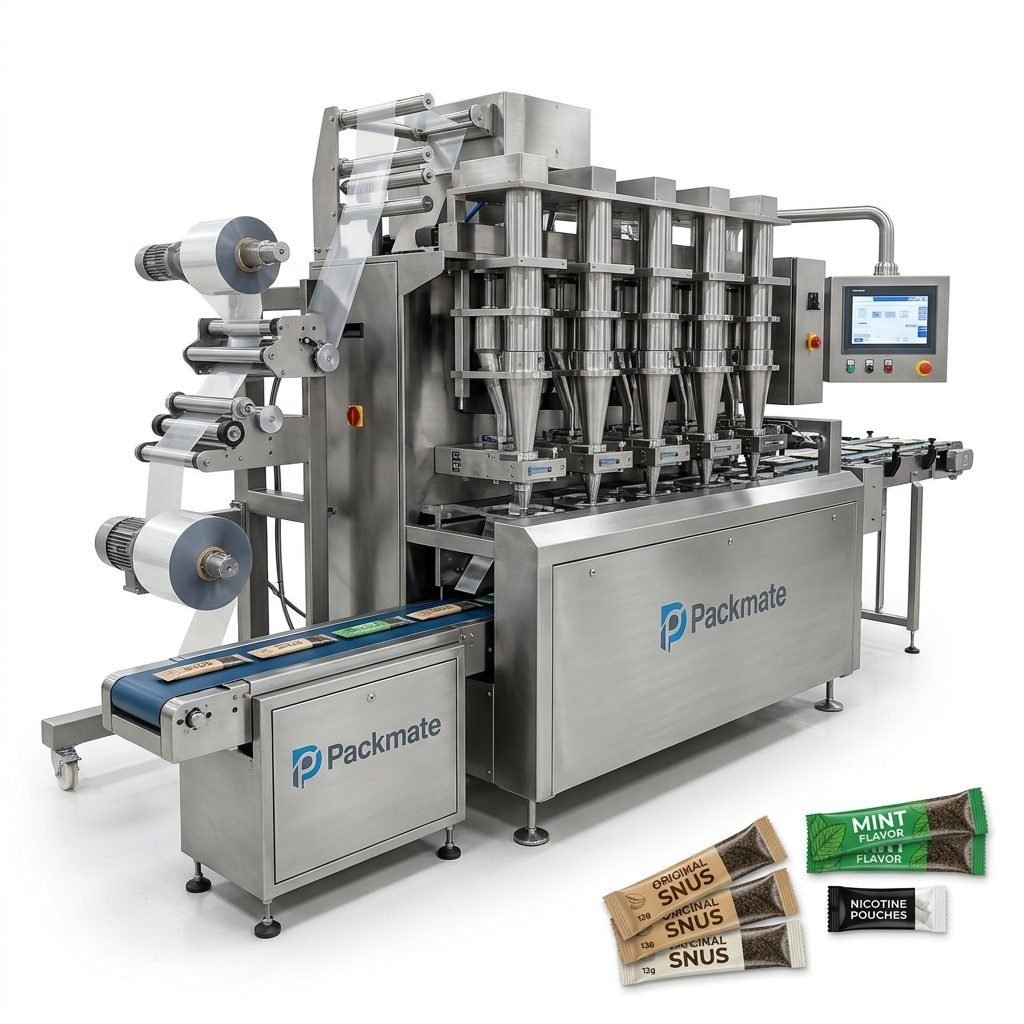
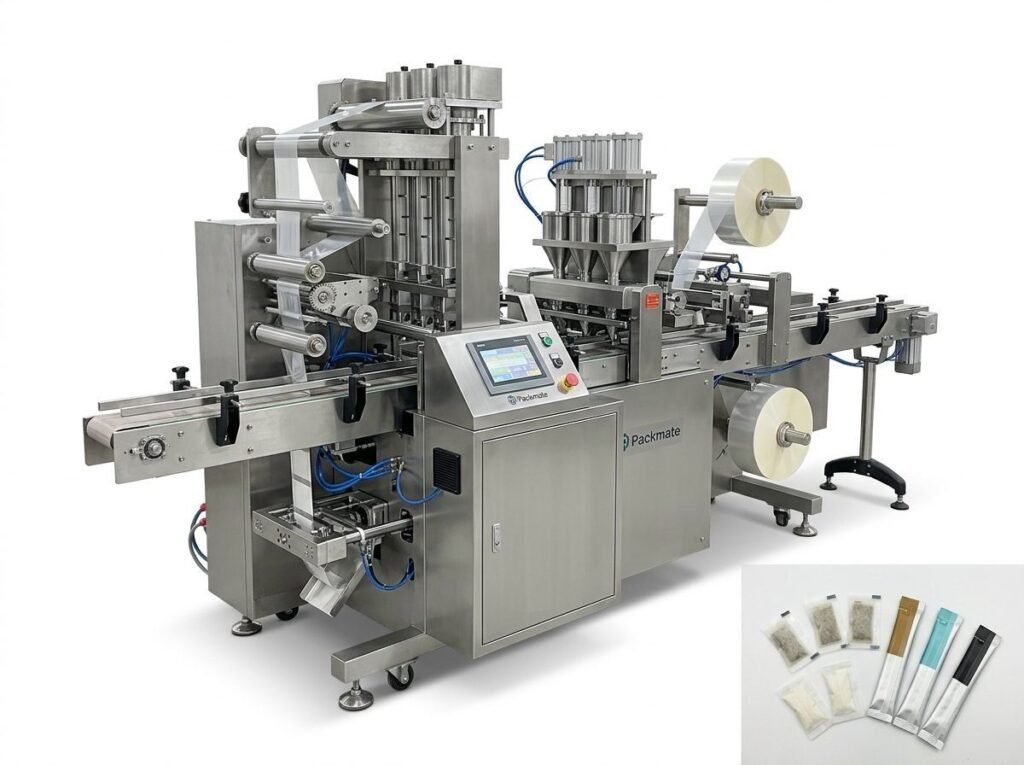
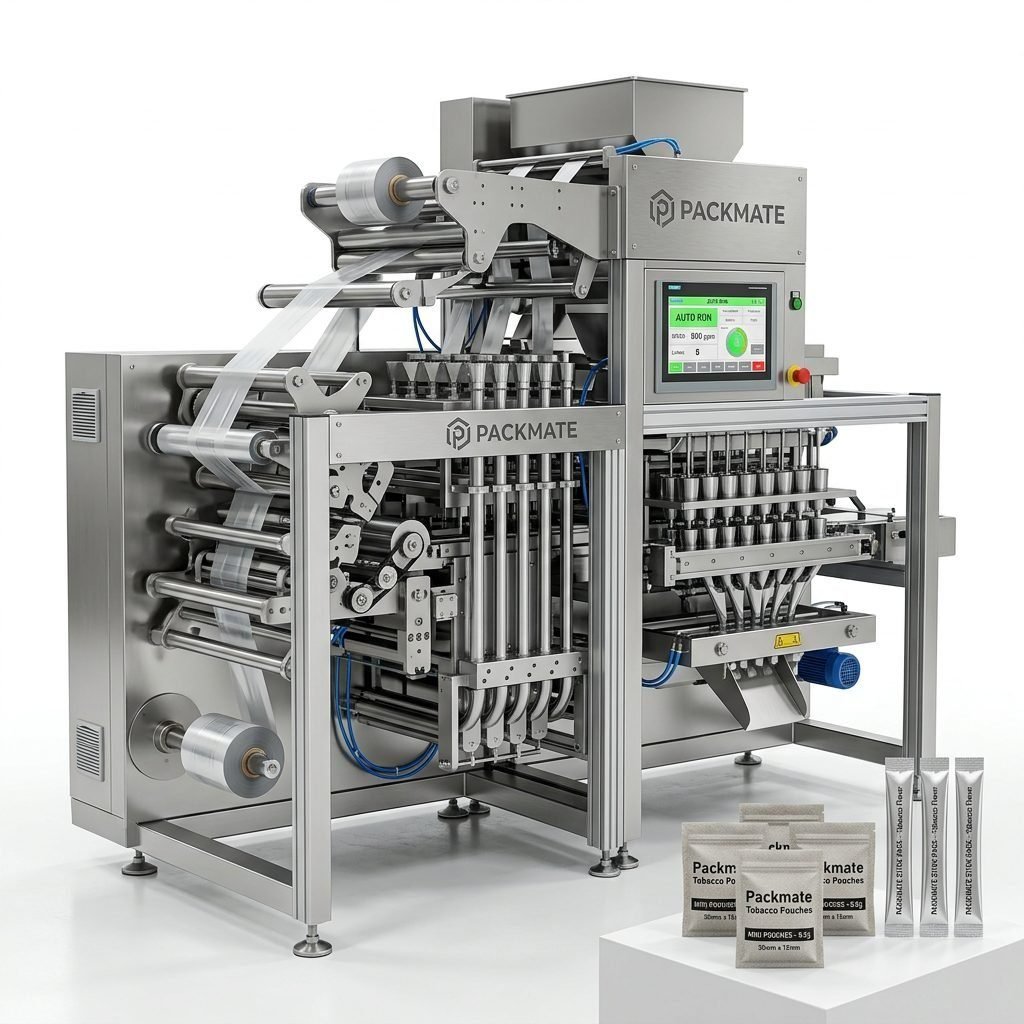
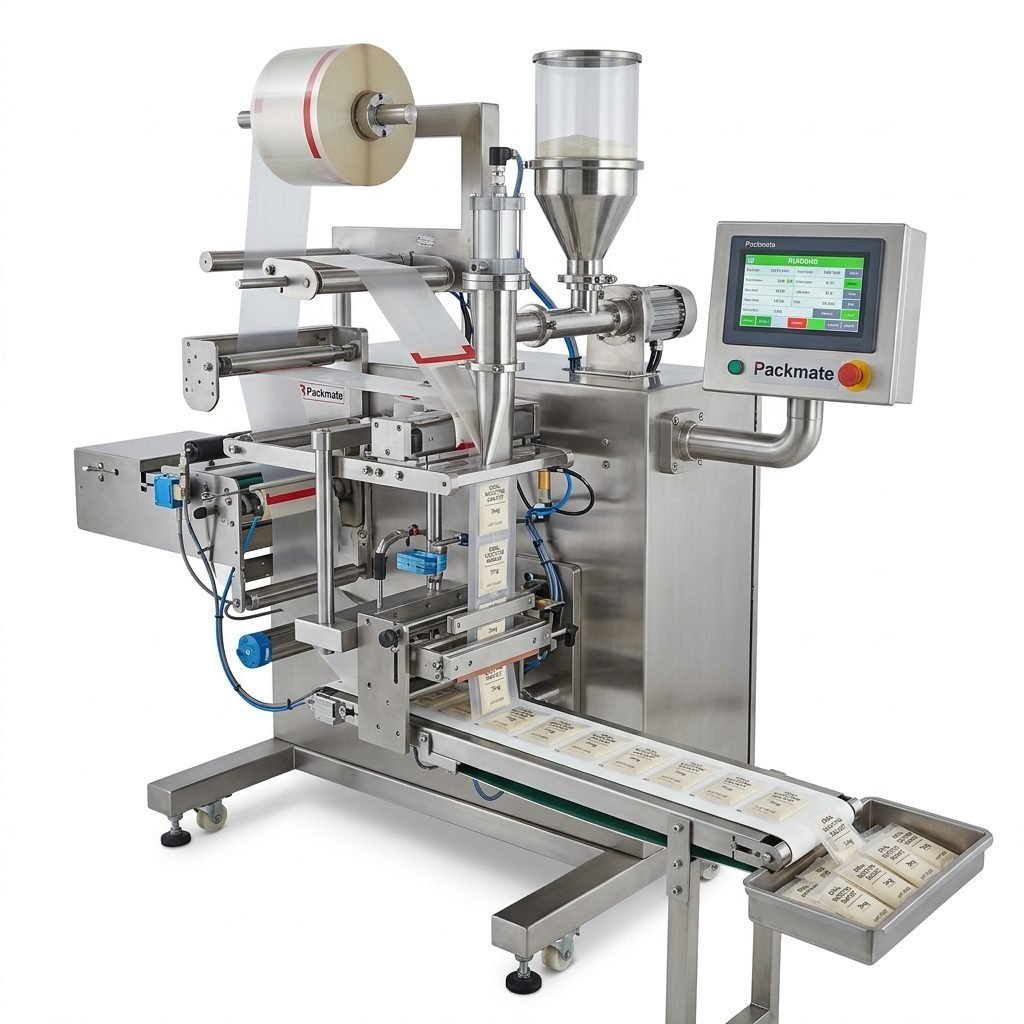
- Stick pack machines and sachet machines for single-dose formats
- Powder, granule, and liquid filling systems for various nicotine matrices
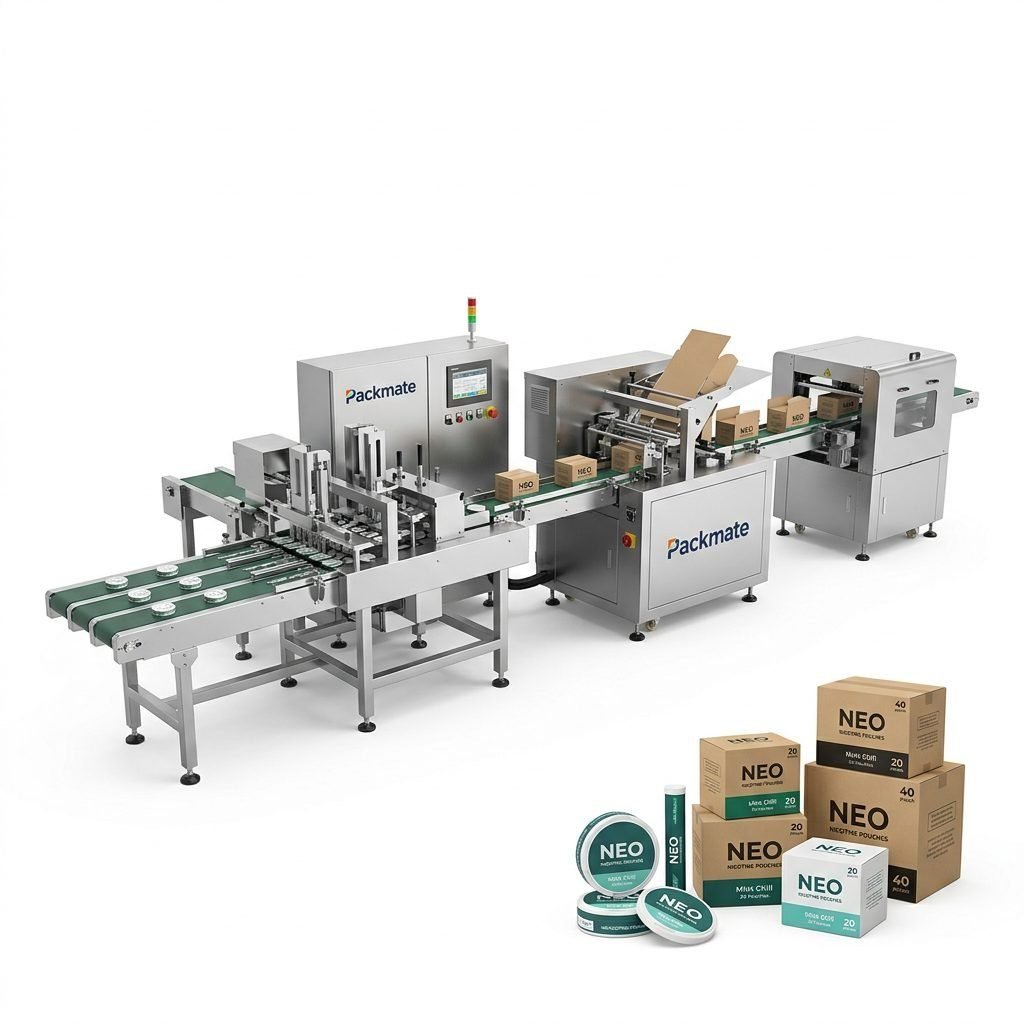
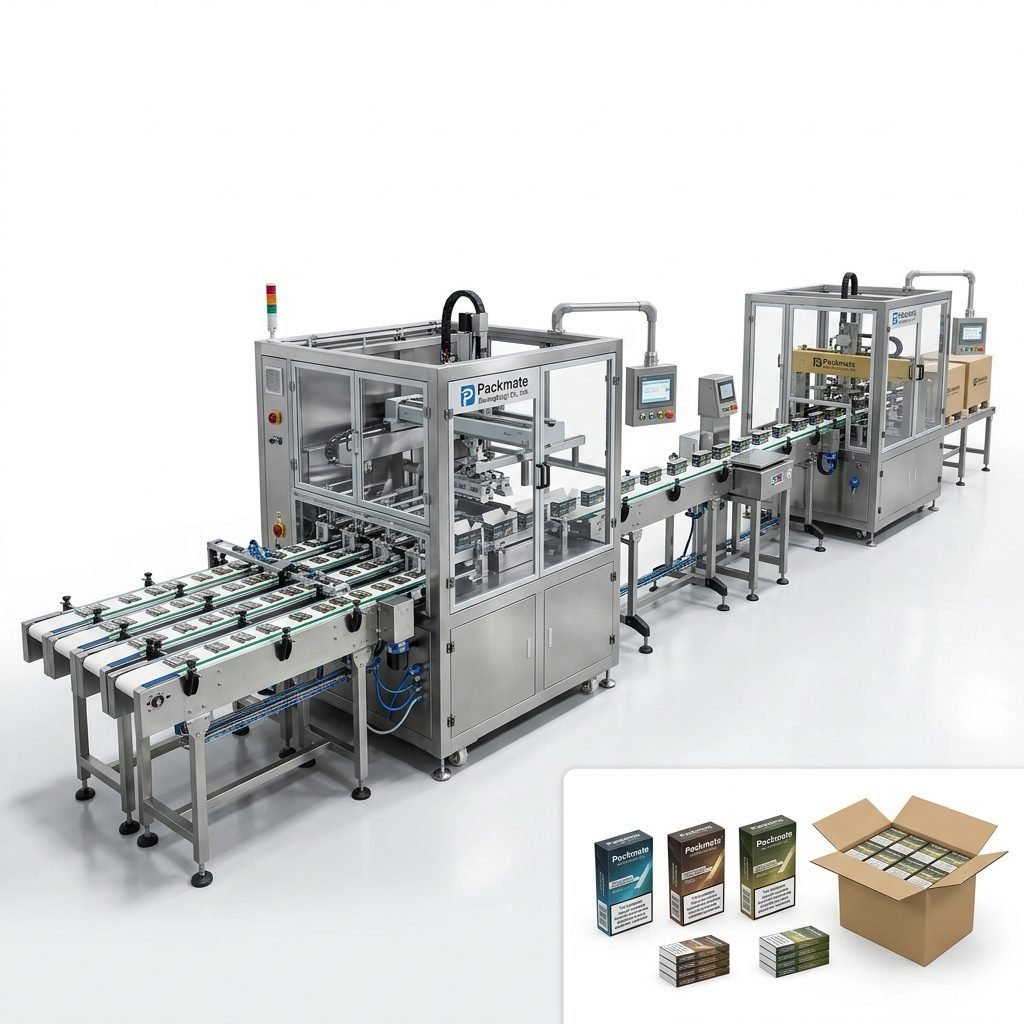
- Auxiliary equipment: feeders, metal detectors, labelers, and secondary packaging
Explore examples and technical models on the manufacturer’s product pages, such as Snus & Nicotine Packaging Machines, Sachet & Stick Pack Machines, and Filling & Packaging Lines.
⚙️ Technical Specifications That Matter
When reviewing proposals, make sure the manufacturer provides clear specifications and test data for:
- Production speed (pouches/minute) and number of lanes for multi-lane systems
- Filling accuracy and dosing tolerance for low-dose nicotine formulations
- Film compatibility, sealing technology, and pouch formats supported
- Materials of contact parts (stainless steel 316 recommended for hygiene)
- Automation level: PLC controls, HMI languages (ask about Hebrew or English), and remote diagnostics
Request machine trial videos and accuracy certificates. For nicotine products, ask for documentation on cross-contamination prevention and cleaning protocols.
🏭 Manufacturer Capabilities & Factory Strength
Evaluating the manufacturer’s manufacturing environment and history reduces risk. Look for:
- Years of industry experience and specialized focus on snus/nicotine equipment
- Manufacturing scale: modern CNC centers, dedicated assembly lines, and a sizable factory footprint
- Range of models and willingness to provide turnkey solutions
- Certifications such as CE and ISO that demonstrate compliance with international standards
Packmate Snus Machine (Packmate) is an example of a supplier highlighting these strengths: 30+ years of engineering experience, a 20,000㎡ manufacturing facility, advanced CNC machining, and 50+ machine models. Learn more about the manufacturer at About Packmate and view real-world installations in their Case section.
💡 Why Certifications & Testing Matter
Certifications show that a manufacturer follows recognized quality systems. For nicotine packaging lines, CE and ISO compliance ensures safety, electrical standards adherence, and a quality-management approach that supports reliable deliveries and traceable manufacturing records.
🤝 Service, Spare Parts & After-sales Support
After-sales capability is vital for Israeli operators who expect rapid response times and clear support channels. Confirm the following:
- Availability of spare parts and typical lead times
- Remote troubleshooting and ability to provide software updates
- Installation, commissioning, and operator training (on-site or virtual)
- Warranty terms and options for service contracts
Israeli clients often prefer suppliers who can guarantee fast technical support, spare parts accessibility through nearby distribution, or direct factory shipments to Haifa/Ashdod.
📈 Total Cost of Ownership (TCO) — Beyond the Purchase Price
The lowest purchase price may not deliver the best long-term value. Consider:
- Energy consumption and maintenance frequency
- Availability and cost of consumables (sealing elements, cutters, dosing nozzles)
- Downtime risk and ease of part replacement
- Upgrade paths and software support over time
🔍 Factory Acceptance Tests (FAT) and Pre-shipment Checks
A thorough FAT validates machine performance to your specifications before shipping. Insist on:
- Run-off trials with your product or a close simulant
- Performance reports and video documentation
- Clear acceptance criteria for speed, yield, and dosing accuracy
🌍 Logistics & Import Considerations for Israel
Confirm the manufacturer’s export experience and recommended incoterms. Consider customs clearance, local taxes, and any permits required for nicotine-related equipment and products. A manufacturer experienced in global turnkey deliveries will help speed customs and reduce unexpected delays.
Confirm whether machine documentation, manuals, and software are provided in English and whether training materials can be adapted for Hebrew-speaking staff.
🧾 Contract Terms, Warranties & Payment
Protect your investment by negotiating clear contract terms:
- Detailed scope of supply and installation responsibilities
- Warranty period, exclusions, and service response timelines
- Payment milestones tied to FAT and acceptance
- Penalty clauses for delayed delivery or nonconforming performance
📣 How to Shortlist & Evaluate Suppliers
Follow a practical evaluation workflow:
- Define your production targets and pouch formats.
- Request brochures, technical sheets, and video demonstrations.
- Check references and visit a live installation if possible.
- Compare FAT data and request a customized proposal with TCO analysis.
- Confirm local support plans and spare parts strategies.
If you want to review a comprehensive catalog of packaging options, see Catalog. For questions on service and support, visit Service and Contact Us.
🌟 Why Choose an Established Specialist
Specialist manufacturers focused on snus and nicotine pouch lines often provide optimized multi-lane systems, accuracy for small-dose dosing, and industry-specific knowledge. A specialized supplier like Packmate brings decades of engineering experience and turnkey capabilities, which can accelerate your ramp-up and reduce integration risk.
Prioritize manufacturers with proven nicotine/snuse packaging experience, strong QA systems, clear FAT procedures, and robust after-sales support tailored to the Israeli market.
📅 Engage Early & Plan for Scale
Engage with shortlisted manufacturers early to allow design-for-manufacture adjustments, compliance documentation, and production trials. Plan scalable solutions if you anticipate volume growth — modular machines and upgrade paths reduce future capital expenditure.
For more detailed product categories and auxiliary solutions that may be part of a turnkey line, consult the manufacturer’s product sections: Bag & Pouch Packaging Machines, Weighing & Packaging Systems, and Auxiliary Packaging Equipment.
- Have you reviewed FAT videos and test reports?
- Are spare parts and service response times acceptable for Israel?
- Is documentation and training available in your preferred language?
- Does the supplier provide a realistic timeline and clear warranty?
Frequently Asked Questions
Q1: How long does it typically take to receive and commission a nicotine packaging line in Israel?
Lead times depend on customization, current factory queue, and shipping. Typical delivery cycles range from 12 to 28 weeks after contract signing. Allow additional time for FAT, shipping, customs clearance, and on-site commissioning.
Q2: What certifications should I require from the manufacturer?
Request CE and ISO certificates for quality and safety, plus documentation of material traceability, electrical safety, and calibration records. For nicotine products, ask for validation protocols and contamination-control measures.
Q3: Can manufacturers handle turnkey solutions including auxiliary equipment?
Yes — many specialists provide turnkey lines that include feeders, weighers, metal detectors, and secondary packaging. Review integrated solutions on product pages such as Filling & Packaging Lines.
Q4: How important is on-site training and will it be offered in Hebrew?
On-site training ensures operators understand machine setup, cleaning, and troubleshooting. Ask manufacturers if they can provide training materials in Hebrew or local-language support; many suppliers offer multilingual documentation and remote coaching.
Q5: Where can I see live demonstrations or meet suppliers?
Attend industry exhibitions and live demonstrations to inspect machines in operation. Check the manufacturer’s exhibition schedule at Our Exhibition and request invitations for factory visits or demo days.