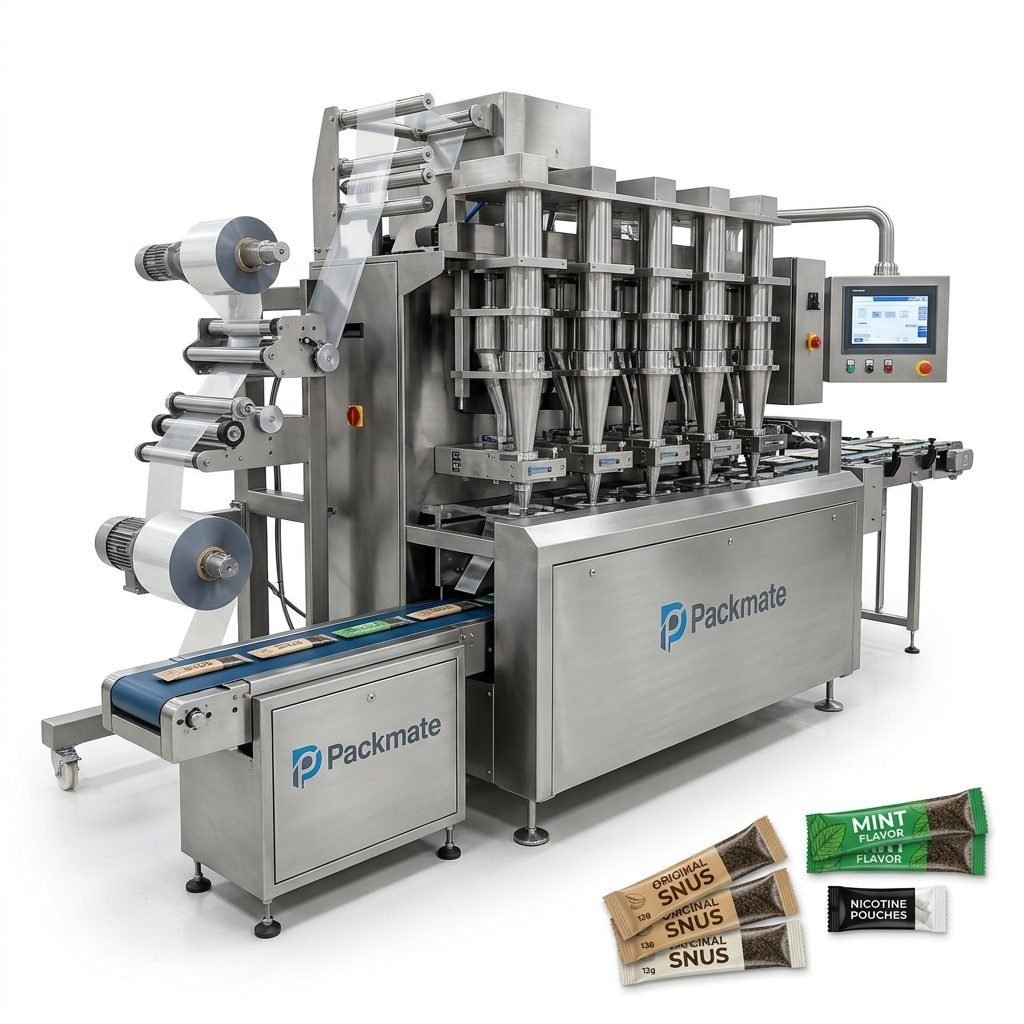
Choosing the right snus packaging machinery manufacturer for your business in Libya is a strategic decision that affects product quality, regulatory compliance, and long-term profitability. Whether you are launching nicotine pouches, snus, or similar products, a manufacturer with the right technical capabilities, certifications, local awareness, and after-sales support can accelerate your market entry and ensure stable production. This guide outlines practical criteria and Libya-specific considerations to help you select the best partner for your packaging equipment needs.
Understand the Libyan Market and Local Customs
Libya’s business environment reflects a mix of Arab and Mediterranean trading traditions. Key points to keep in mind:
⚠️ Cultural sensitivity: Business relationships in Libya often rely on trust and personal rapport. Expect to invest time in relationship building and clear communication. Arabic is widely used in communications, so consider a partner who offers Arabic-language support or local representation.
Regulatory & Religious Considerations
Libya is a predominantly Muslim country. While nicotine products like snus are sold in some markets, ensure that your product positioning respects local norms and legal frameworks. Check local import rules and labeling requirements, and be prepared for customs inspections that may require clear documentation and machine certificates.
Key Technical Criteria for Snus Packaging Machinery
Not all packaging machines are created equal. For snus and nicotine pouches, focus on the following technical attributes:
- Precision dosing systems for small-dose pouches to maintain consistent weight and customer trust.
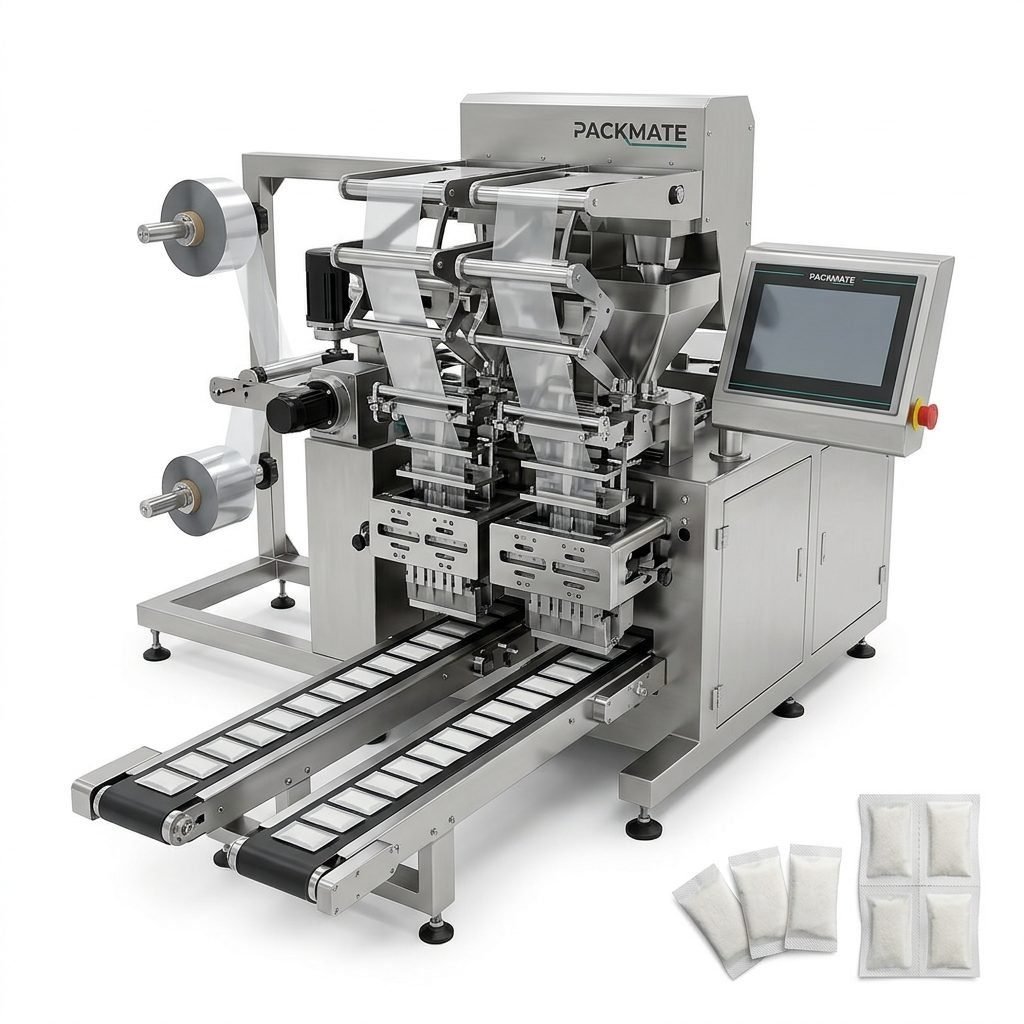
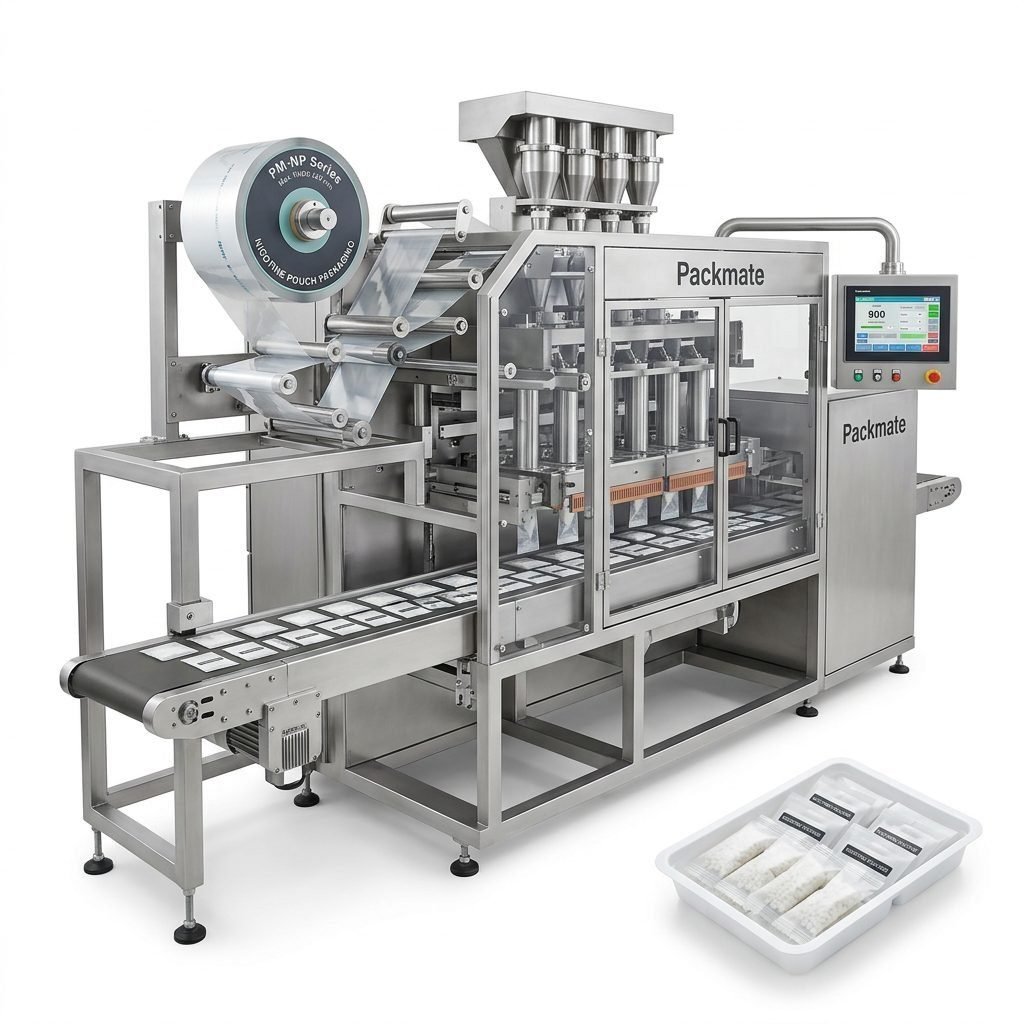
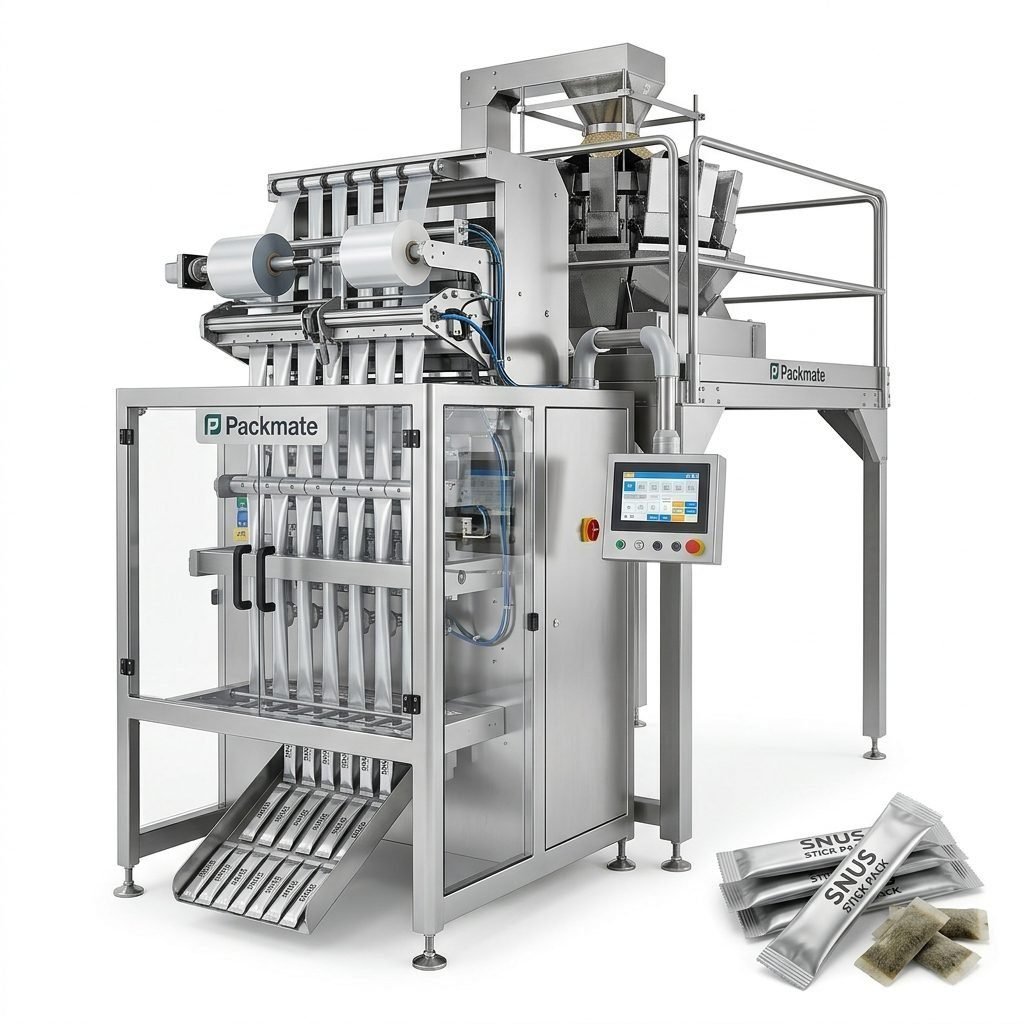
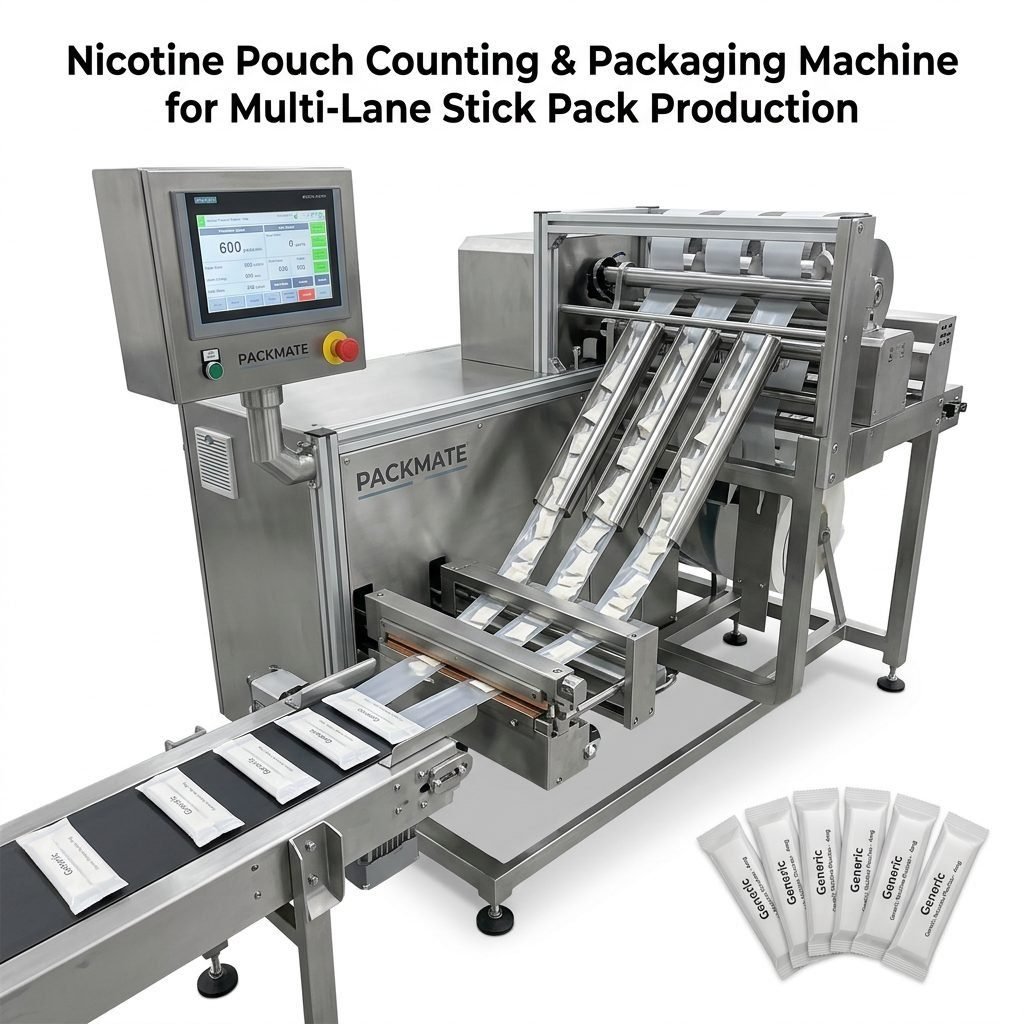
- Multi-lane capability if you plan to upscale quickly—this significantly boosts output per footprint.
- Gentle handling and sealing solutions to preserve the product’s integrity and moisture balance.
- Sturdy construction and dust-resistant designs for operations in Libya’s occasionally dusty and hot environments.
Why multi-lane systems matter
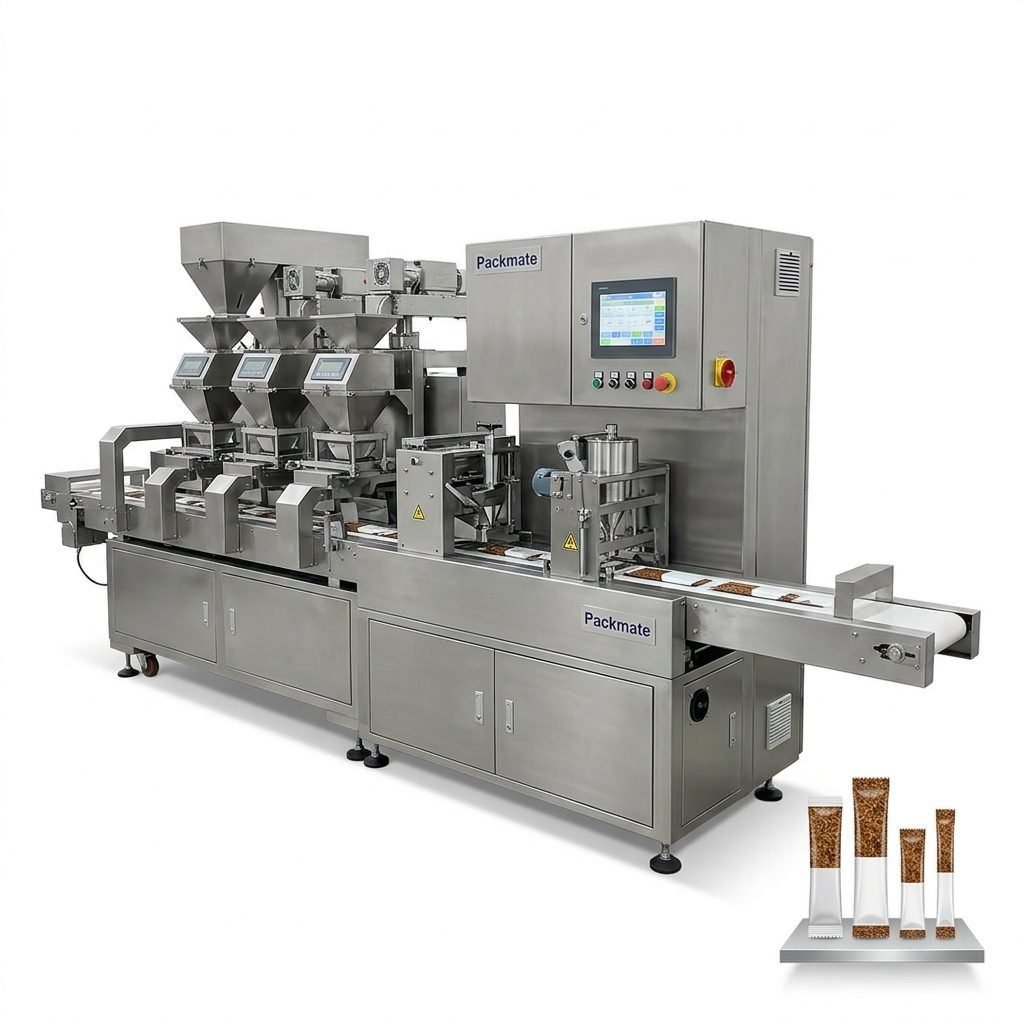
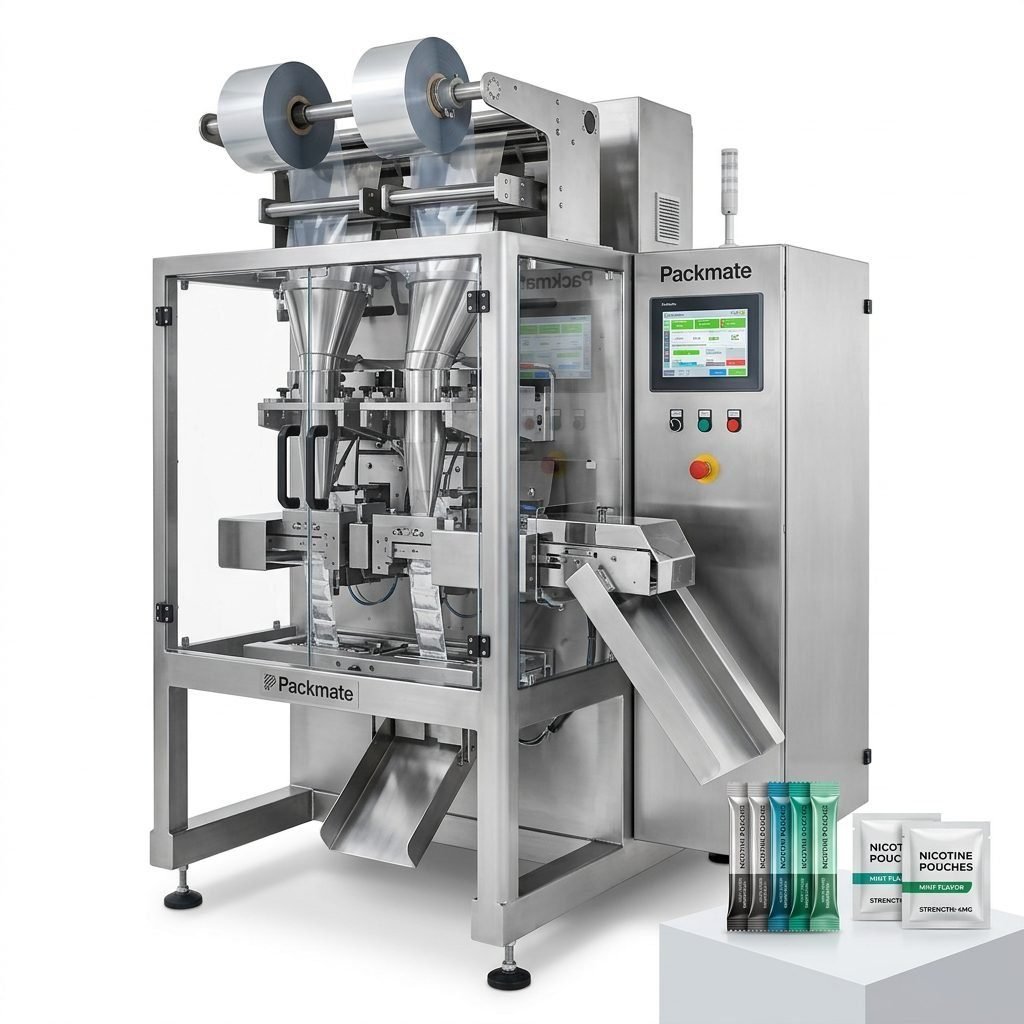
A multi-lane packaging machine lets you run several product lanes simultaneously, multiplying output without expanding floor space. For markets with growing demand, this is a cost-effective route to scale while keeping labor and energy per unit low.
🔧 Tip: Ask for throughput curves and sample runs from the manufacturer. Real production data beats theoretical speed claims.
Evaluate Manufacturer Capabilities and Track Record
A strong manufacturer should provide transparent evidence of capability. Look for:
- Years of industry experience and a proven product line.
- A modern manufacturing facility with CNC machining and precision assembly.
- Certifications such as CE and ISO to ensure international compliance.
- Customer references and case studies in similar product sectors.
For example, manufacturers with over 20 years of focused development in snus packaging often provide more mature solutions—covering stick packs, sachets, and custom pouch formats—than generalist suppliers. You can review product lines and references through the manufacturer’s web pages like Snus & Nicotine Packaging Machines, Sachet & Stick Pack Machines, and the Case section for real installations and performance records.
Factory Tour and Production Tests
Whenever possible, visit the factory or request a live video demonstration. Witnessing CNC machining centers, test runs, and final assembly builds confidence in quality control. Ask for a machine acceptance test video showing your product or a close analog being filled and sealed.
Customization, Turnkey Solutions and Integration
You may need more than a single machine. Choose a manufacturer that offers end-to-end solutions, including:
- Customized tooling and recipe settings for your product specifications.
- Complete filling and packaging lines with weighing systems, baggers, and final packing.
- Control systems and HMI with multi-language support for Libyan operators.
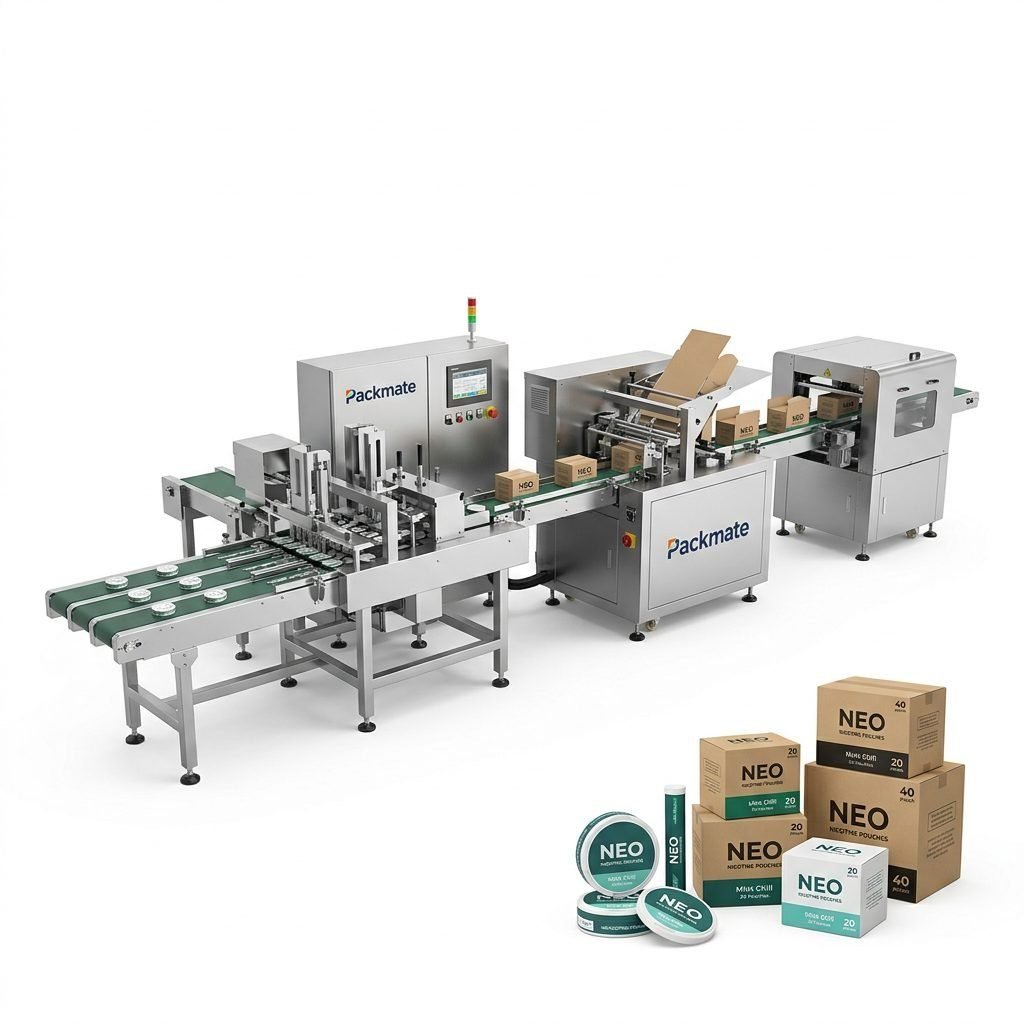
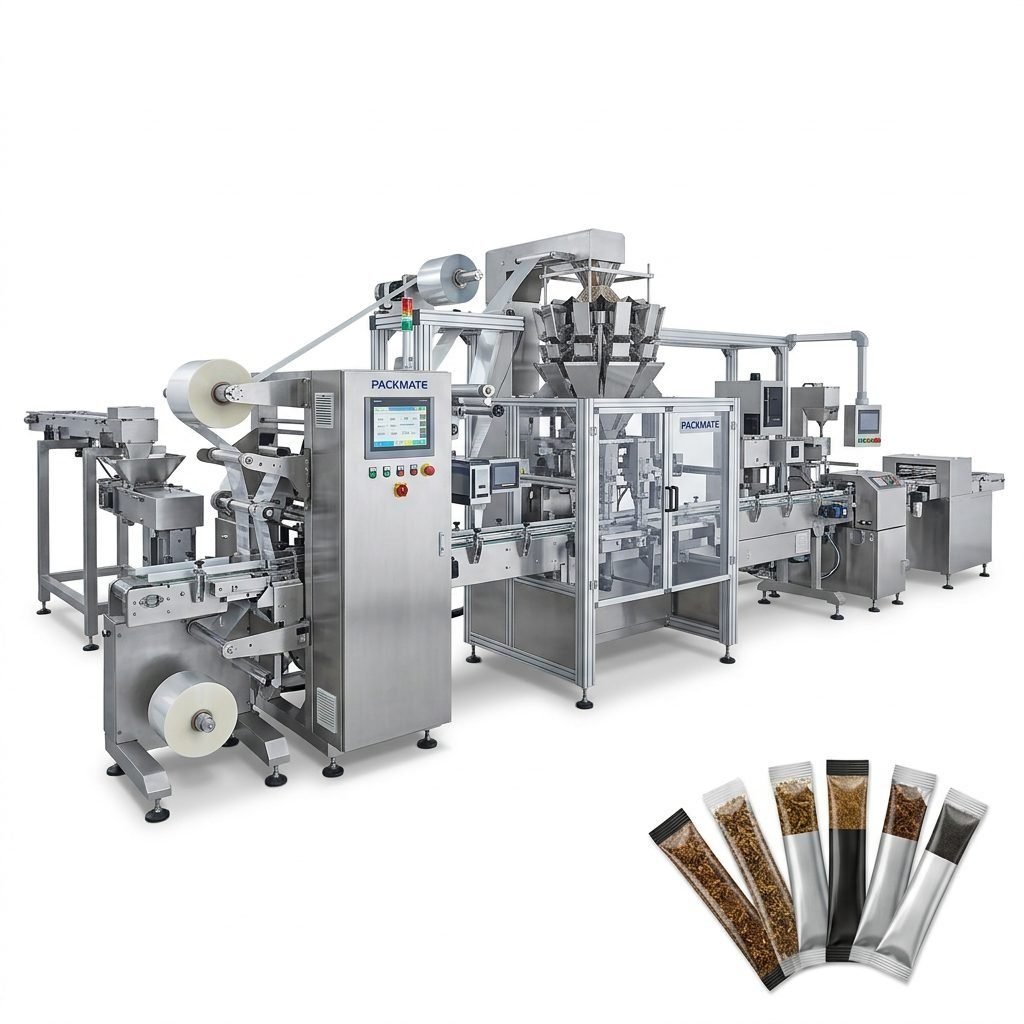
Manufacturers that provide integrated lines—combining dosing, pouch forming, sealing, and secondary packing—reduce compatibility issues and shorten commissioning times. See manufacturers’ full solution pages such as Filling & Packaging Lines and Weighing & Packaging Systems for examples of turnkey offerings.
📦 Note: A turnkey provider can often help with local logistics, installation supervision, and operator training—crucial services if you are importing machines into Libya.
Quality Assurance, Certifications and Compliance
Quality systems and certifications are non-negotiable. Confirm the manufacturer has:
- CE marking and ISO quality management systems to meet global safety and performance expectations.
- Documented FAT (Factory Acceptance Test) and SAT (Site Acceptance Test) procedures.
- Traceable parts and clear spare parts lists for wear items.
You can check supplier credentials and certification details on their certificate pages like Certificate, and ask to see maintenance manuals and electronic drawings before purchase.
After-Sales Support, Spare Parts and Training
After-sales support matters more than the initial purchase price. Essential services include:
- Timely spare parts availability and clear lead times.
- Remote diagnostics, software support, and telephone assistance in relevant languages.
- On-site installation and operator training with documentation in Arabic or English.
Confirm support options and typical response times—especially important in Libya where importing spare parts can introduce delays. A reliable manufacturer will offer spare parts kits and training plans; check their Service and Contact Us pages for details on support channels.
Pricing, Financing and Total Cost of Ownership (TCO)
Price is important, but the lowest initial cost may lead to higher long-term expenses. Consider:
- Energy consumption and consumables (seals, jaws, nozzles) affect operating costs.
- Downtime costs—machines with better support and spare parts shorten interruptions.
- Financing options or leasing can ease capital expenditure; ask about payment terms and warranties.
✅ ROI Insight: A machine with higher uptime and lower waste will often pay back faster than a cheaper alternative that requires frequent repairs.
Logistics, Installation and Local Conditions in Libya
Plan for shipping, customs, and installation challenges:
- Choose suppliers experienced in international shipping and export documentation to minimize delays.
- Account for climate control inside production facilities—insulation and air-conditioning can protect sensitive components in hot weather.
- Ensure local technicians receive training for routine maintenance to avoid reliance on long-distance travel for minor fixes.
Local Partner or Agent
Working with a local agent or partner in Libya can smooth customs clearance, local language communication, and spare-part distribution. Verify the manufacturer’s global cooperation cases and exhibitions to evaluate their regional presence—see their Our Exhibition page for evidence of global engagement.
Decision Checklist: Questions to Ask Suppliers
🔎 Essential Questions:
• What is the machine’s realistic throughput under your product’s density and pouch specifications?
• Can you provide FAT videos and references for similar installations?
• What warranties, spare parts kits, and training packages are included?
• How do you handle remote diagnostics and emergency support for clients in North Africa?
Final Recommendations for Libyan Buyers
When selecting a snus packaging machinery manufacturer for Libya, prioritize these elements:
- Proven experience in snus and nicotine pouch equipment—makers with decades of specialization are preferred.
- Turnkey capabilities including filling, weighing, and secondary packing to simplify procurement and integration.
- Strong after-sales support and spare-part availability tailored to North African logistics.
- Local-awareness—manufacturers who understand Libyan trade patterns, documentation, and cultural communication are easier to work with.
🔧 Pro tip: Request a small pilot run or sample production to validate packaging integrity and user experience before committing to full-line purchases.
Where to Start Your Supplier Search
Begin with suppliers that display transparent technical documentation, global case studies, and clear contact channels. Browse product and solution pages like Bag & Pouch Packaging Machines and the corporate About Packmate information to evaluate credibility.
Conclusion
Selecting the best snus packaging machinery manufacturer for your Libyan operation requires balancing technical performance, local adaptability, and reliable support. Pay attention to multi-lane options, quality certifications, spare parts accessibility, and a supplier’s willingness to conduct FAT/SAT tests. A partner who understands Libya’s business culture and logistics will reduce risk and speed up your path to profitable production.
Frequently Asked Questions (Common Questions)
Q1: How long does it take to receive and install a snus packaging line in Libya?
A1: Typical lead times vary from 8 to 20 weeks depending on customization, shipping, and customs clearance. Installation and training usually require 1–3 weeks on site for a standard line.
Q2: What certifications should I require from a manufacturer?
A2: Request CE and ISO certification evidence, FAT reports, and any export-related documentation. These ensure compliance and easier customs processing.
Q3: Are multi-lane machines suitable for startups?
A3: Yes—if you anticipate fast growth. Multi-lane machines provide scalability, but consider initial demand and cash flow to justify the investment.
Q4: How do I handle spare parts and local maintenance?
A4: Negotiate spare parts kits and lead times into your purchase contract. Arrange local technician training and maintain an inventory of common wear items to reduce downtime.
Q5: Who can help with customs and shipping to Libya?
A5: Work with manufacturers experienced in international export and partner with local freight forwarders familiar with Libyan import regulations. A local agent can streamline clearance and delivery.