Choosing the right snus packaging machine for the Malaysian market requires more than comparing speeds and prices. Malaysia’s unique regulatory environment, cultural context, product preferences, and logistics considerations all influence which machine will deliver the best ROI, compliance and long-term reliability. This guide walks you through every practical step — from machine types and technical specs to vendor selection, installation, and after-sales care — so you can make a confident purchase decision.
Why Malaysia-specific considerations matter
📌 Malaysia has a Muslim-majority population and strict tobacco & nicotine regulations that affect distribution, labeling, and marketing. Even if you plan to sell in non-Muslim segments or duty-free channels, understanding local legalities and cultural sensitivities is essential. Local preferences also favor discreet, hygienic, and well-sealed pouches — so packaging quality is a key market differentiator.
✅ Regulatory checks: verify local nicotine/tobacco product laws, labeling requirements and import controls before selecting machine features that affect packaging format and marking.
Understand the main snus packaging machine types
Selecting the right machine family is the first technical decision. Each machine type suits different formats, production volumes and product characteristics:
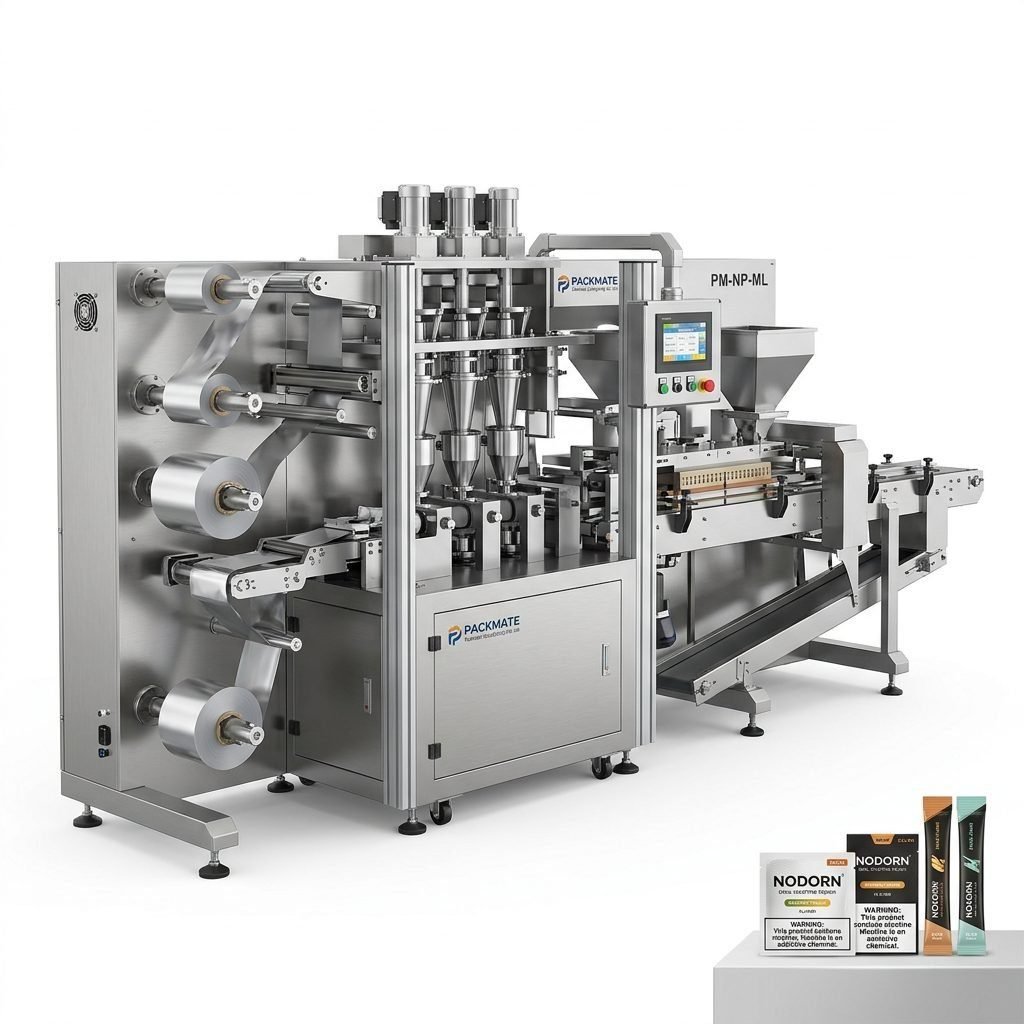
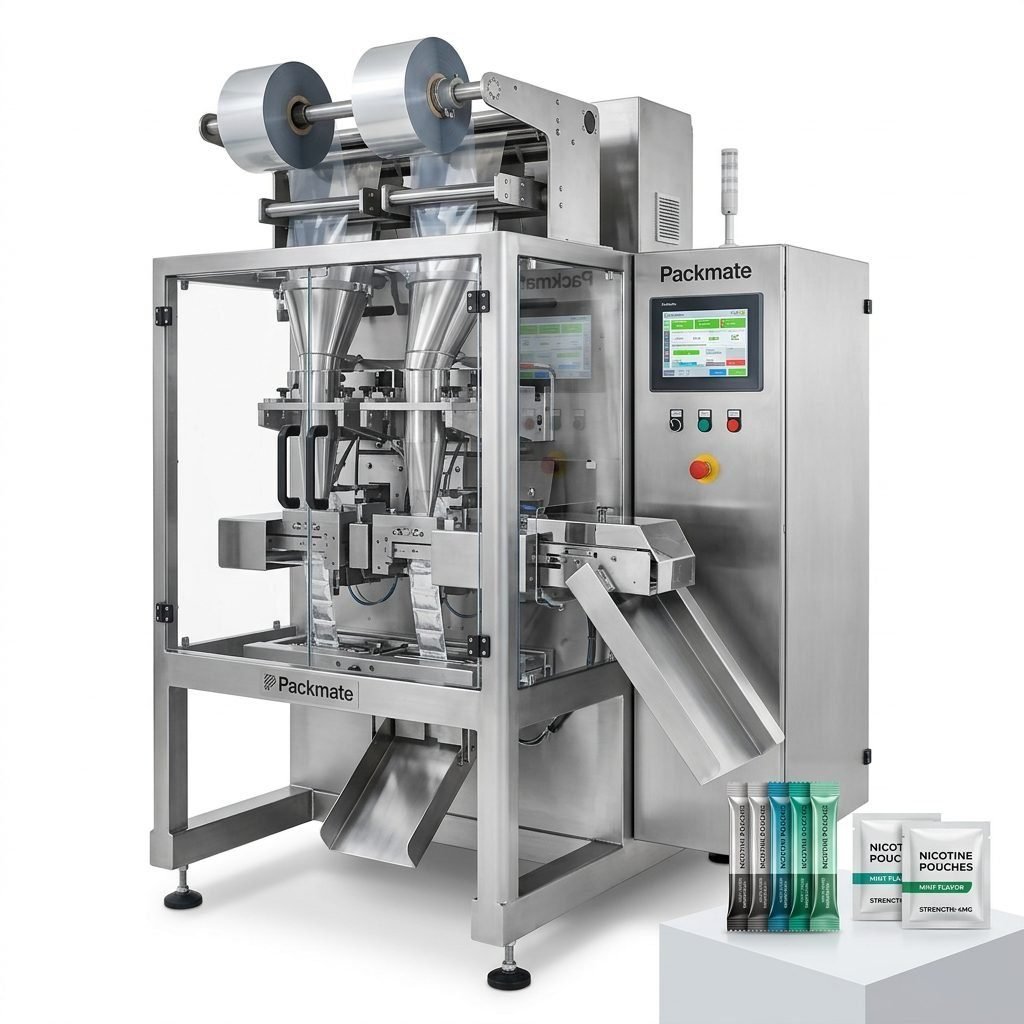
Sachet & stick pack machines
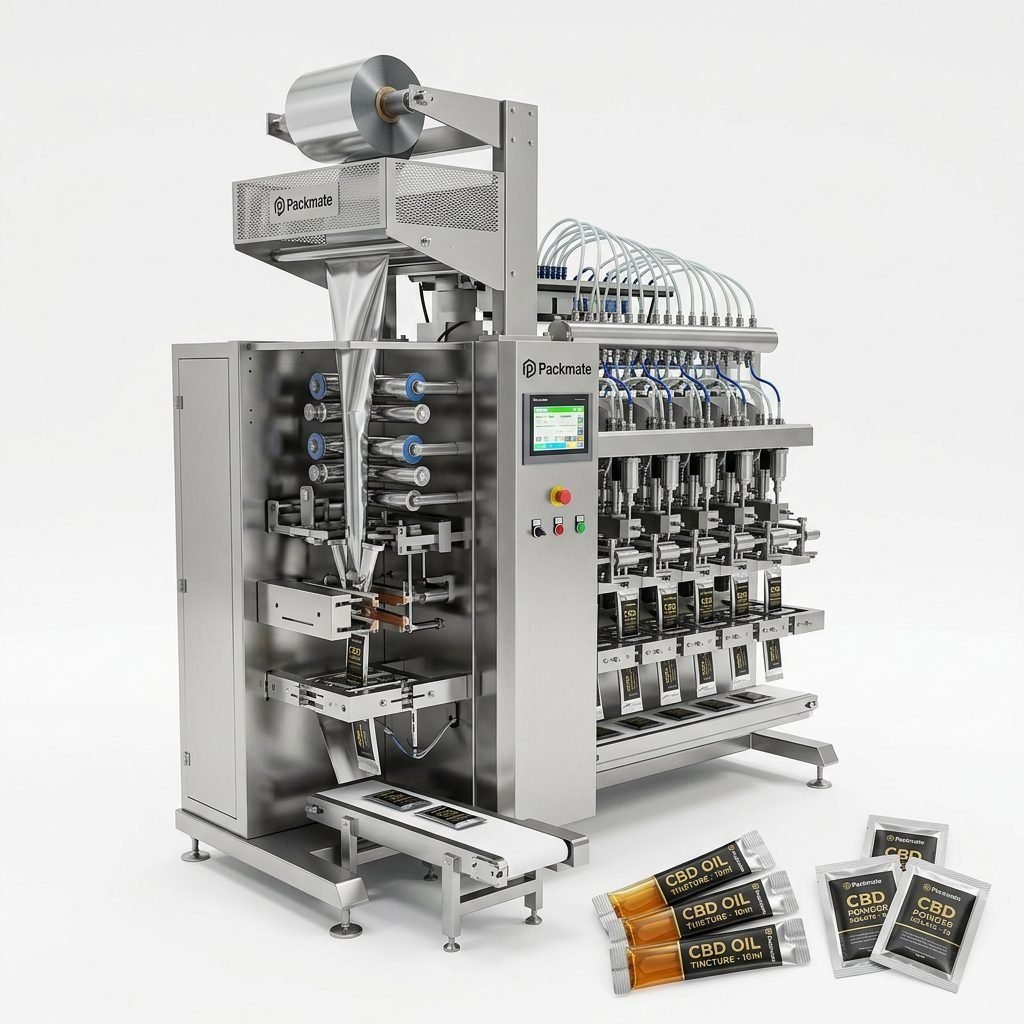
These are excellent for single-dose nicotine pouches or stick-style snus products. They are ideal for medium to high-speed production and can be configured for tear notches, easy-open features, and graphics printing.
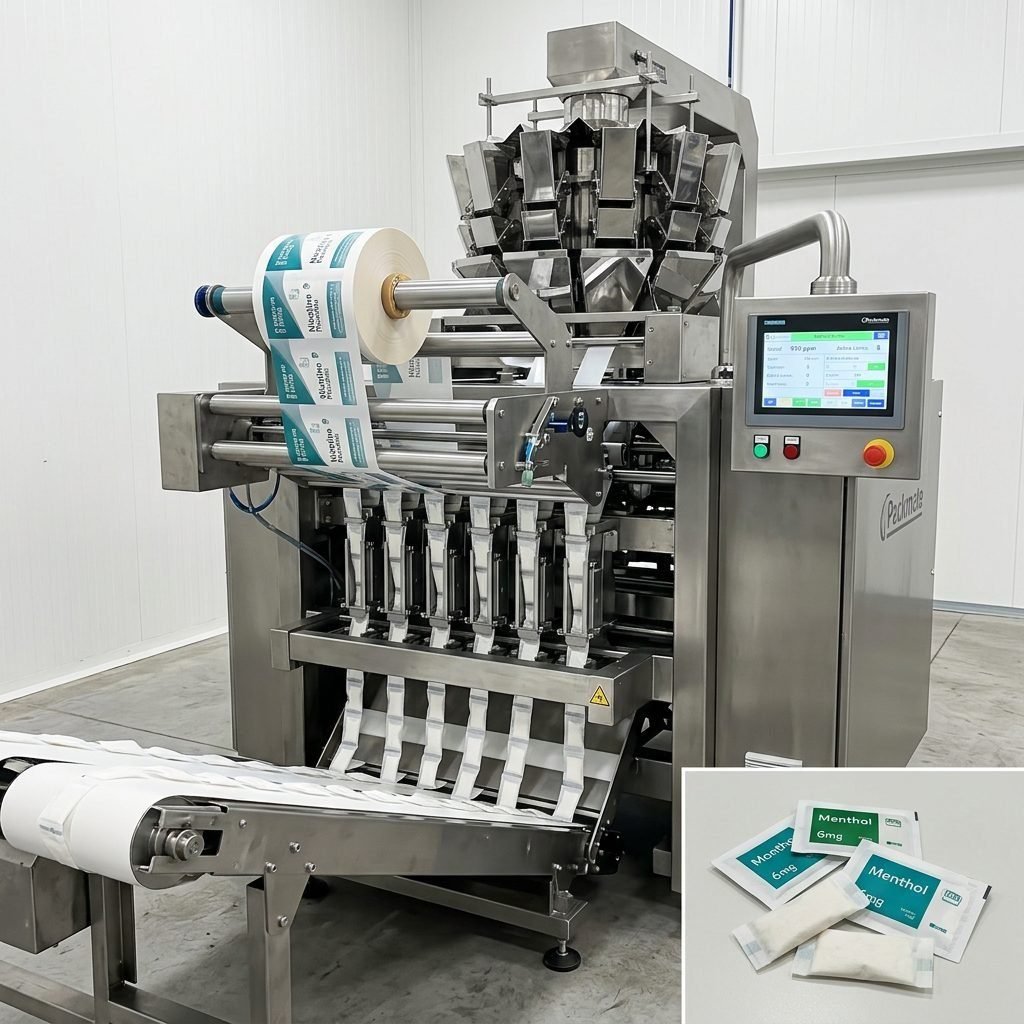
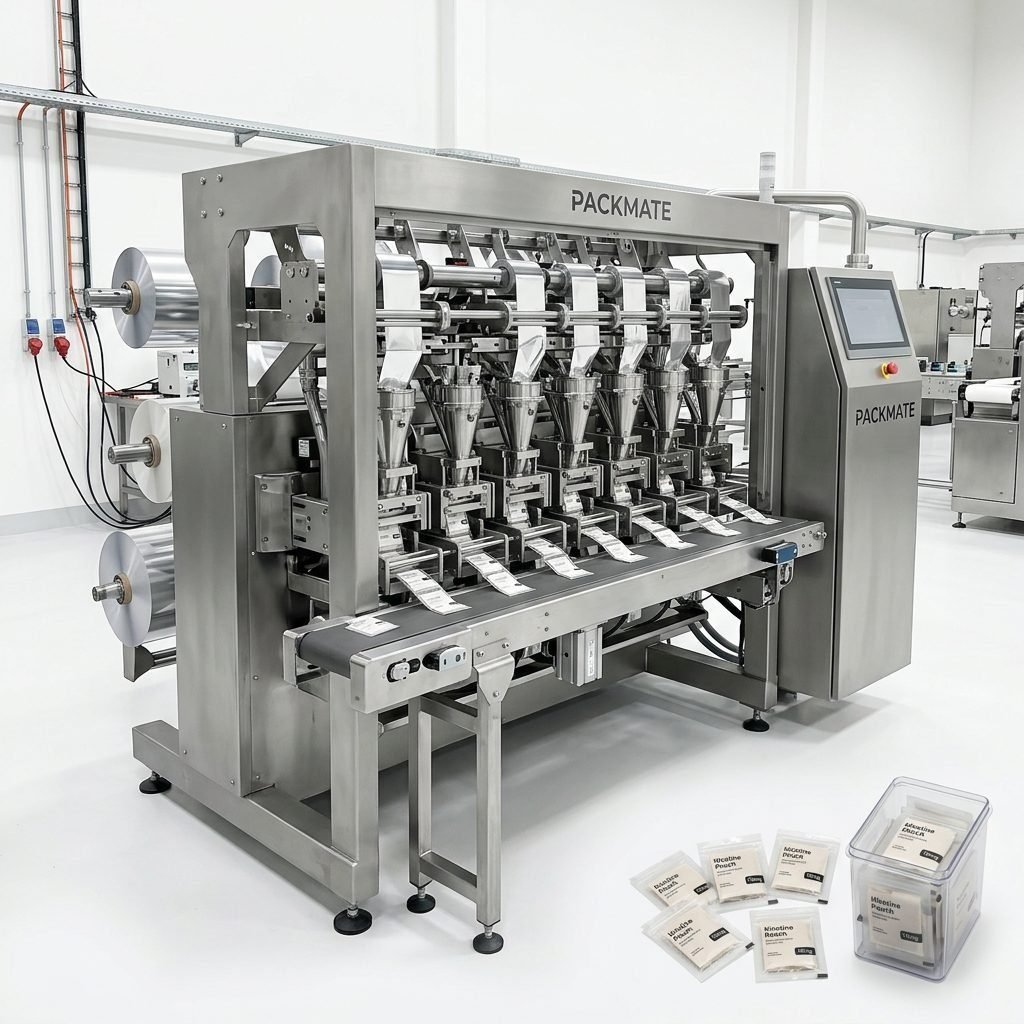
Multi-lane snus/nicotine pouch systems
Multi-lane machines significantly increase output for small-dose pouches while maintaining dosing accuracy. If you serve retail chains or export markets with large-volume demand, multi-lane systems deliver better throughput per square meter.
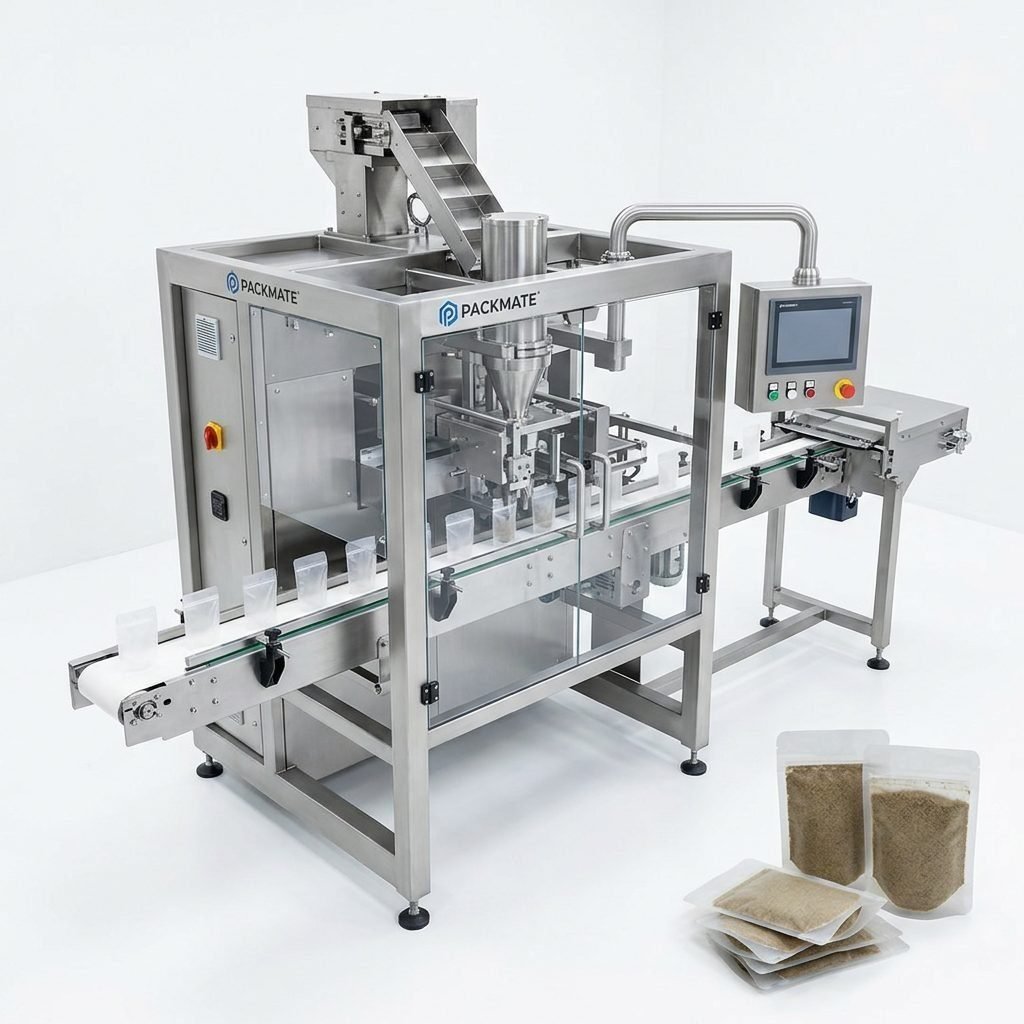
Stick-to-pouch & custom formats
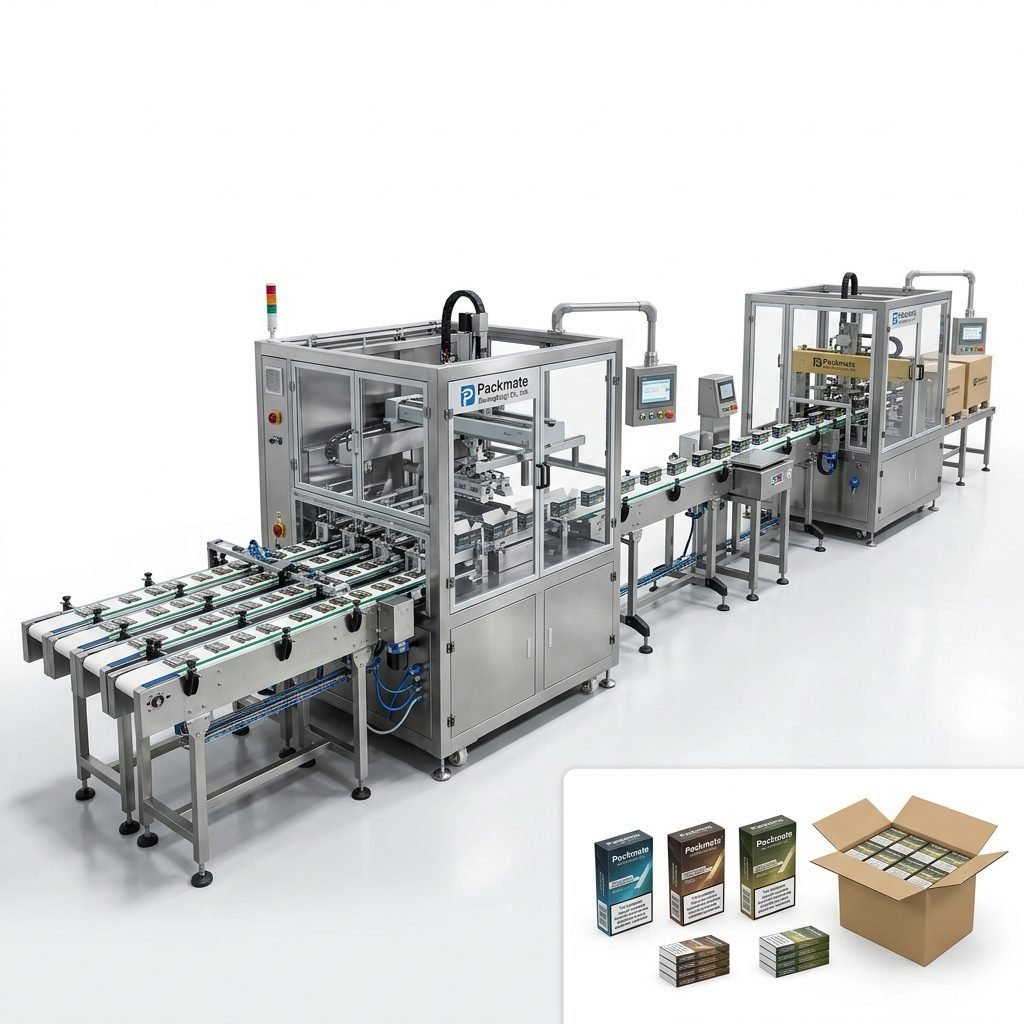
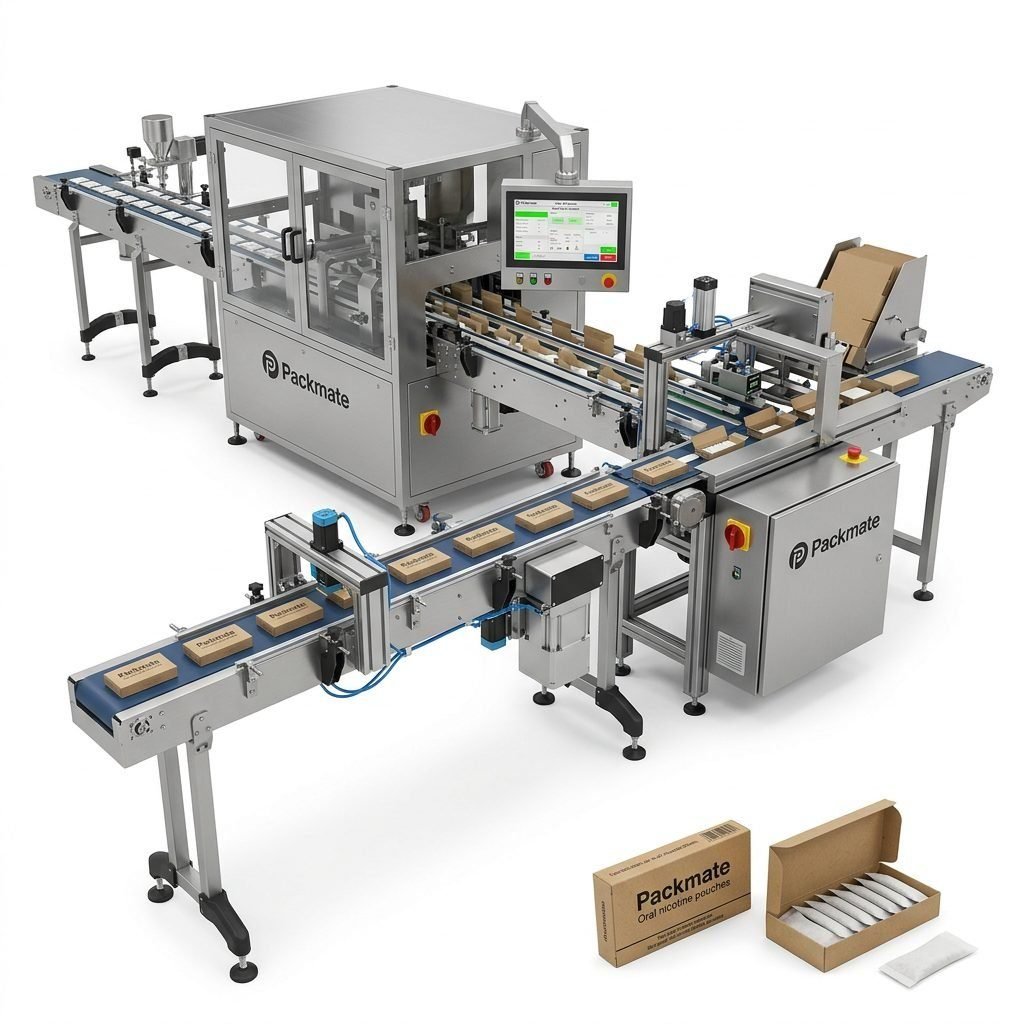
For brands that want unique shapes, resealable features, or special barrier layers, modular machines with auxiliary equipment (cartoners, heat-sealers, date coders) provide flexibility for future product variations.
⚙️ Tip: choose machines that can be upgraded (e.g., add lanes or change format tooling) to protect your investment as demand evolves.
Key technical specifications to compare
When you evaluate machines, focus on metrics that determine production capability, product quality and long-term cost of ownership.
Production speed & throughput
Look at both nominal speed (packs/min) and realistic throughput based on your product weight, pouch size and required changeover frequency. Multi-lane designs amplify throughput but require precise synchronization.
Dosing accuracy and consistency
Accurate dosing avoids regulatory issues and customer complaints. Check the machine’s dosing system (auger, vibrating feeder, volumetric cup, or weighing integrated systems) and the expected variance (e.g., ±X%).
Material & hygiene standards
Choose machines constructed in food-grade stainless steel (typically SS304/SS316 for wet environments) with sanitary designs that minimize product entrapment. For nicotine products, corrosion resistance and easy cleaning are vital.
Automation & control
Modern servo-driven machines with touchscreen HMI, recipe management and quick format change reduce downtime. Look for PLCs from reputable vendors and easy diagnostics for troubleshooting.
Packaging film & sealing quality
Evaluate heat-seal temperature control, continuous seam integrity, and suitability for barrier films (foil-laminates, PET/PE). For Malaysian humidity conditions, moisture barrier performance affects shelf life.
Selecting the right supplier: what to check
A reliable supplier reduces risk across procurement, installation, and long-term operations. Prioritize manufacturers with strong engineering experience, local service capability or regional partners, and clear documentation.
🏭 Packmate Snapshot: With 30+ years of engineering experience, Packmate Snus Machine operates a 20,000㎡ factory and offers 50+ models, turnkey lines and global support — a profile to consider when you need proven expertise and scalable solutions.
Factory capabilities & certifications
Verify factory scale, CNC and assembly capabilities, and certifications like CE and ISO. These indicate consistent build quality and compliance for international markets.
After-sales support & spare parts
Confirm lead times for spare parts, availability of local technicians or training programs, and remote support options. Machines are long-term assets — fast support minimizes downtime.
References, case studies & live demos
Ask for references in similar markets. Visiting an exhibition or attending a live demo is particularly useful to validate speed, sealing quality, and operator ergonomics. See real-world examples of lines and case studies to compare performance expectations.
Useful resources: Snus & Nicotine Packaging Machines, Sachet & Stick Pack Machines, and About Packmate for factory background and product lines.
Packaging design, materials & local climate
Malaysia’s heat and humidity influence film selection and seal parameters: choose barrier laminates and robust sealers to prevent moisture ingress and flavor loss. Consult with film suppliers and your machine OEM to test film-runability and seal windows.
🔬 Material test: always request sample-run trials with your actual film and product before final purchase to avoid surprises during production start-up.
Costs, ROI and total cost of ownership
Purchase price is only one part of the equation. Consider installation, commissioning, tooling costs, spare parts inventory, operator training, energy consumption, and expected uptime. Calculate ROI based on realistic throughput, scrap rates, and labor savings.
Hidden costs to watch
Tooling for multiple formats, specialized spare parts with long lead times, and integration with in-line weighers or cartoners can add significant upfront expense. Ensure warranty terms and first-year support are included.
Installation, commissioning and operator training
A smooth start-up depends on expert commissioning and structured operator training. Confirm that the supplier provides onsite commissioning, recipe setup, and transfer of maintenance know-how. For Malaysian clients, multilingual manuals and local language support are beneficial.
Maintenance best practices
Establish preventive maintenance schedules for belts, seals, bearings, and film-feed components. Keep critical spares (heating blocks, sensors, servo drivers) in stock. Use OEM-recommended lubricants and follow cleaning protocols to preserve hygiene and machine life.
Shipping, customs and local support in Malaysia
Plan for freight, customs clearance, and local installation logistics. Machines may arrive in sections requiring cranes or forklifts on site. Partner with suppliers experienced in exporting to Malaysia or leverage local representatives for smoother clearance and installation.
If you need to review product lines, also see Bag & Pouch Packaging Machines and Filling & Packaging Lines for complementary equipment that can be integrated into a turnkey solution.
📦 Logistics reminder: confirm local power specifications, available floor space, and any import duties or special permits for nicotine-related machinery and materials.
Why choose an experienced OEM like Packmate for Malaysia?
An experienced OEM brings engineering maturity, field-proven designs, and a range of machine options that match different volumes and formats. Packmate’s decades of R&D, multi-lane expertise and turnkey capabilities mean faster ramp-up, tested recipe libraries, and better access to spare parts.
Learn more about services and global cases at Service and Case pages.
Checklist before you buy
✔ Confirm product format and film compatibility
✔ Verify dosing accuracy and sealing tests
✔ Ensure CE/ISO and factory capability documentation
✔ Agree on commissioning, training and spare parts package
✔ Check after-sales response times for Malaysia or nearby regions
Final recommendations
Invest time in format trials and a thorough supplier evaluation. For Malaysian operations, prioritize machines that deliver moisture-proof seals, easy maintenance, strong dosing control and local support. A modular approach (start with a reliable base machine and add lanes or modules later) often balances capital expenditure and market flexibility.
Frequently Asked Questions
Q1: Are snus/nicotine packaging machines legal for import into Malaysia?
A: Regulations change frequently. Before purchasing, consult local regulatory authorities or legal counsel to confirm import permissions and labeling requirements for nicotine products in Malaysia.
Q2: How do I test film compatibility before ordering a machine?
A: Request a sample-run trial with your exact film and product. Many suppliers, including experienced OEMs, offer trial runs or demo videos using your materials to validate sealing and feedability.
Q3: What spare parts should I stock locally?
A: Keep heating elements, seals, sensors, belts, and a few critical servo components on hand. Also maintain a list of local service partners or remote-support contacts for quick troubleshooting.
Q4: Can machines be upgraded from single-lane to multi-lane?
A: Some modular machines support lane expansion, but this depends on the OEM and initial machine frame. Discuss upgrade pathways before purchase to avoid costly retrofits.
Q5: How important is after-sales training?
A: Critical. Proper operator and maintenance training reduces downtime, improves yield and extends machine life. Insist on structured training during commissioning and follow-up sessions.