Choosing the right snus packaging machine manufacturer in Equatorial Guinea requires a blend of technical knowledge, regulatory awareness, and sensitivity to local market habits. This guide helps buyers evaluate manufacturers, compare machine types, and select solutions that withstand Equatorial Guinea’s equatorial climate and meet local import and labeling expectations.
Understand Your Product and Output Requirements
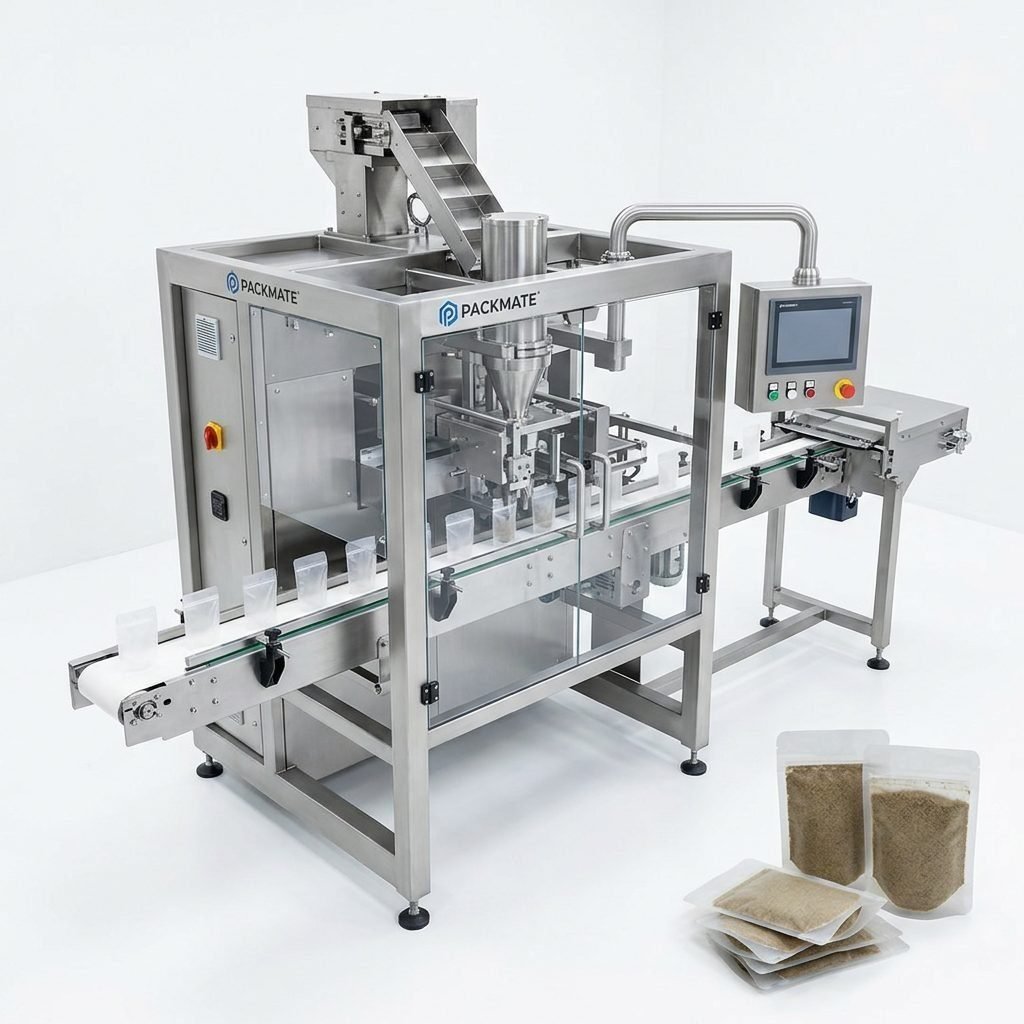
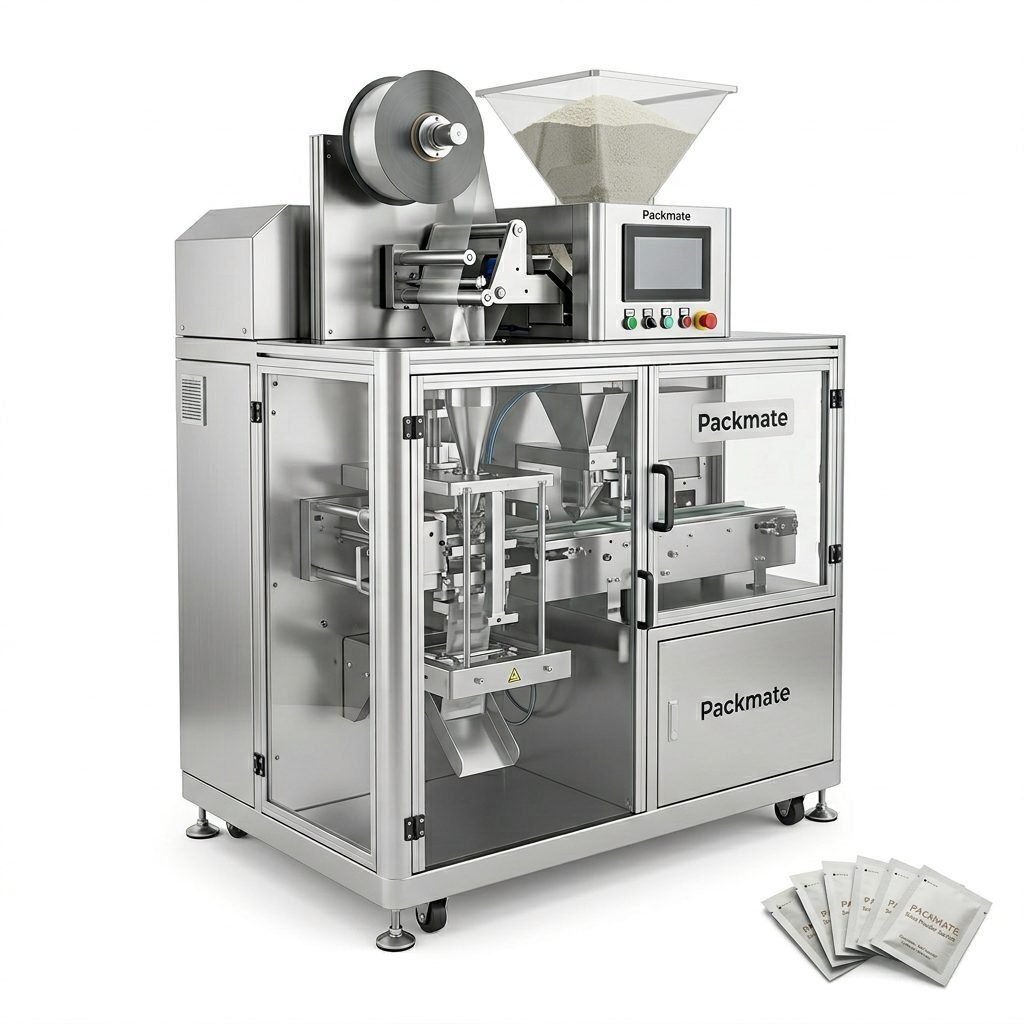
Start by defining the product form you will package: nicotine pouches (snus), powder, granules, or liquid. Each product type demands distinct filling and sealing technologies. For nicotine pouches and snus, look for high-precision pouch fillers and multi-lane systems that deliver consistent dose control and gentle handling. If you plan different SKUs, prioritize machines with fast changeover and flexible tooling.
Key specification checklist:
- Target production speed (pouches/min or lanes × pouches)
- Fill weight accuracy and dosing method (weighing, auger, volumetric)
- Pouch formats supported (stick, sachet, multi-lane)
- Material compatibility (film types, laminates)
- Automation level and required auxiliary equipment
Why Local Climate and Customs Matter in Equatorial Guinea
Equatorial Guinea’s hot, humid environment and coastal ports influence machine selection and packaging design. High humidity can affect product stability and film adhesion, so choose machines with proper environmental control, moisture-resistant components, and film sealing technologies that maintain seal integrity in humid conditions. Additionally, local commerce and consumer habits favor Spanish-language labeling and compact retail formats—ensure your packaging machine supports multilingual labeling and small-batch flexibility.
Cultural considerations
Equatorial Guinea’s official languages include Spanish, French, and Portuguese. For market acceptance, plan labels and leaflets primarily in Spanish. Local retailers often stock products in smaller retail displays and kiosks, so smaller pouch formats or stick packs may perform better than bulk packaging.
Evaluate Manufacturer Capabilities and Track Record
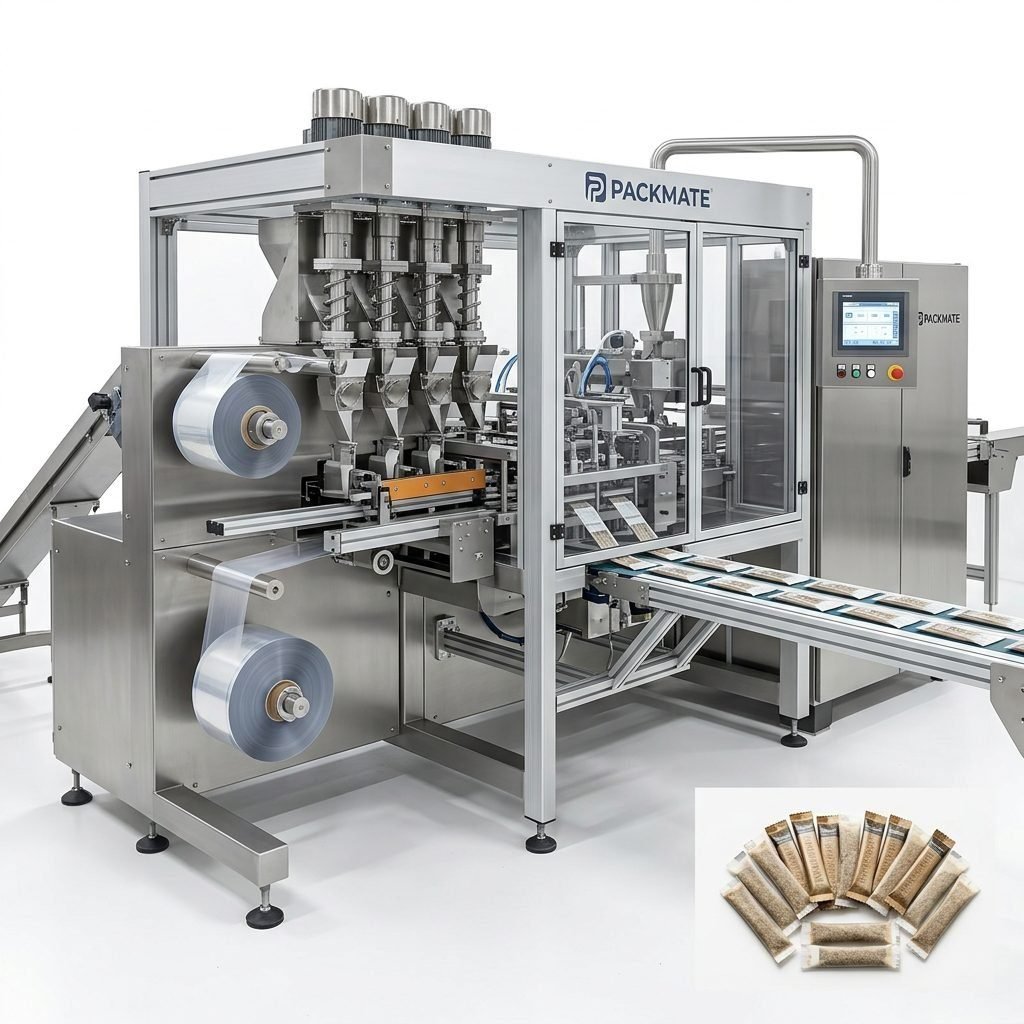
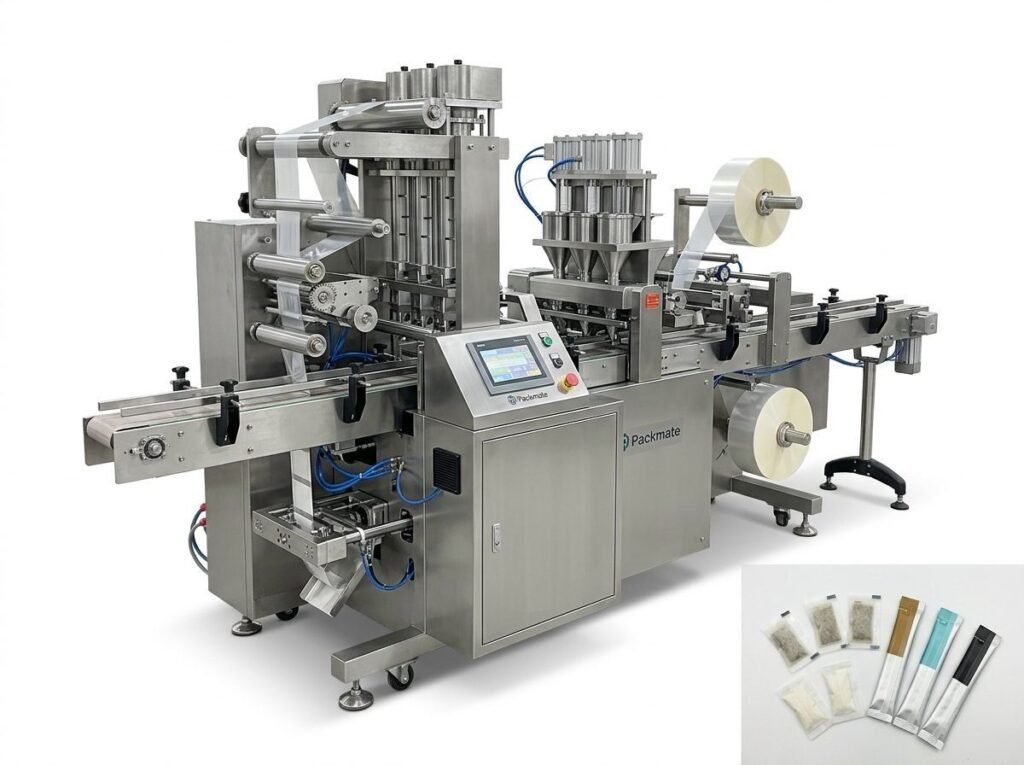
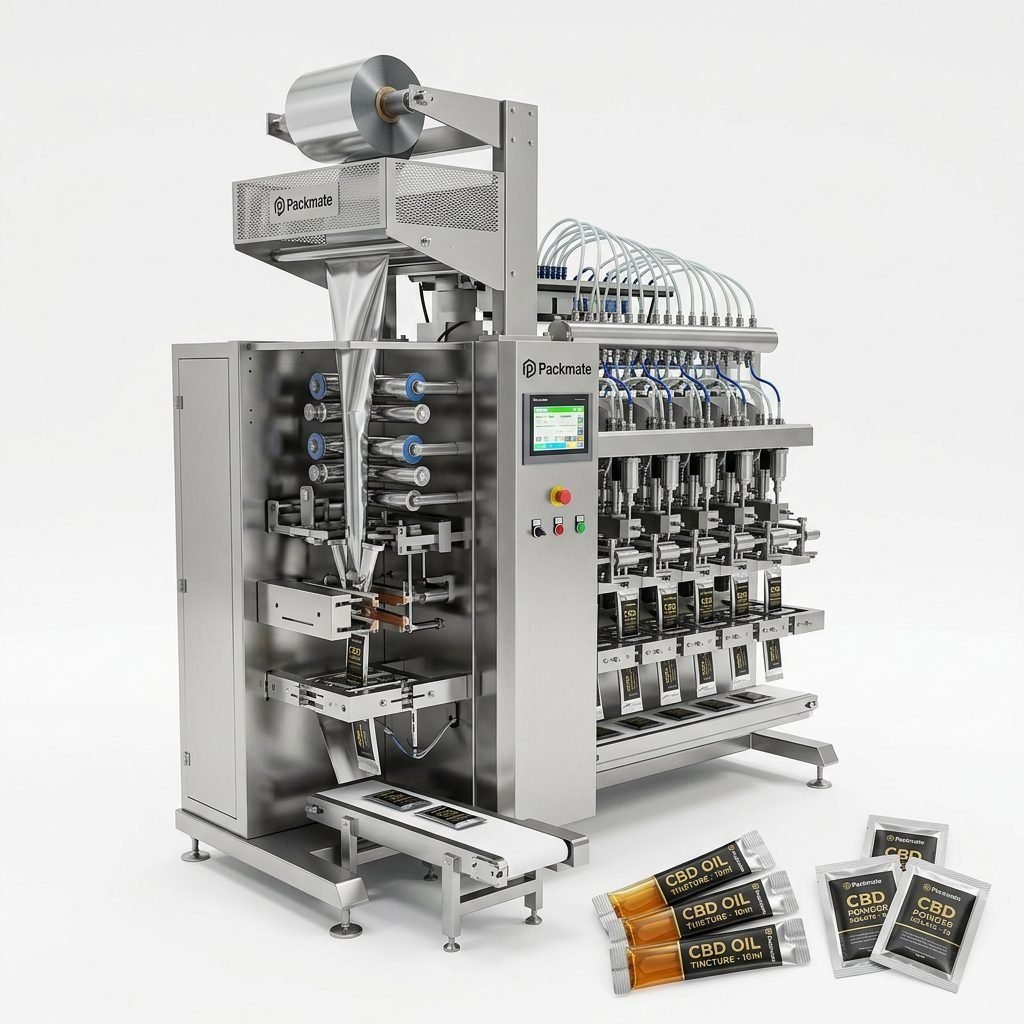
A strong manufacturer should offer engineering depth, factory capacity, certifications, and after-sales support. Look for companies with decades of experience, on-site CNC machining, and proven case studies in snus packaging. Packmate Snus Machine, for example, has 30+ years of engineering experience and a modern 20,000㎡ facility producing multi-lane systems and turnkey lines—factors that reduce risk and improve delivery predictability.
What to verify on site or during vendor discussions:
- Factory photos, assembly lines, and CNC capabilities
- Demonstration videos of your target machine model
- References or case studies in similar product categories (snus, nicotine pouches)
- International certifications like CE and ISO
Key Machine Features to Prioritize
When comparing models, focus on:
- Precision dosing systems for consistent nicotine pouch weights
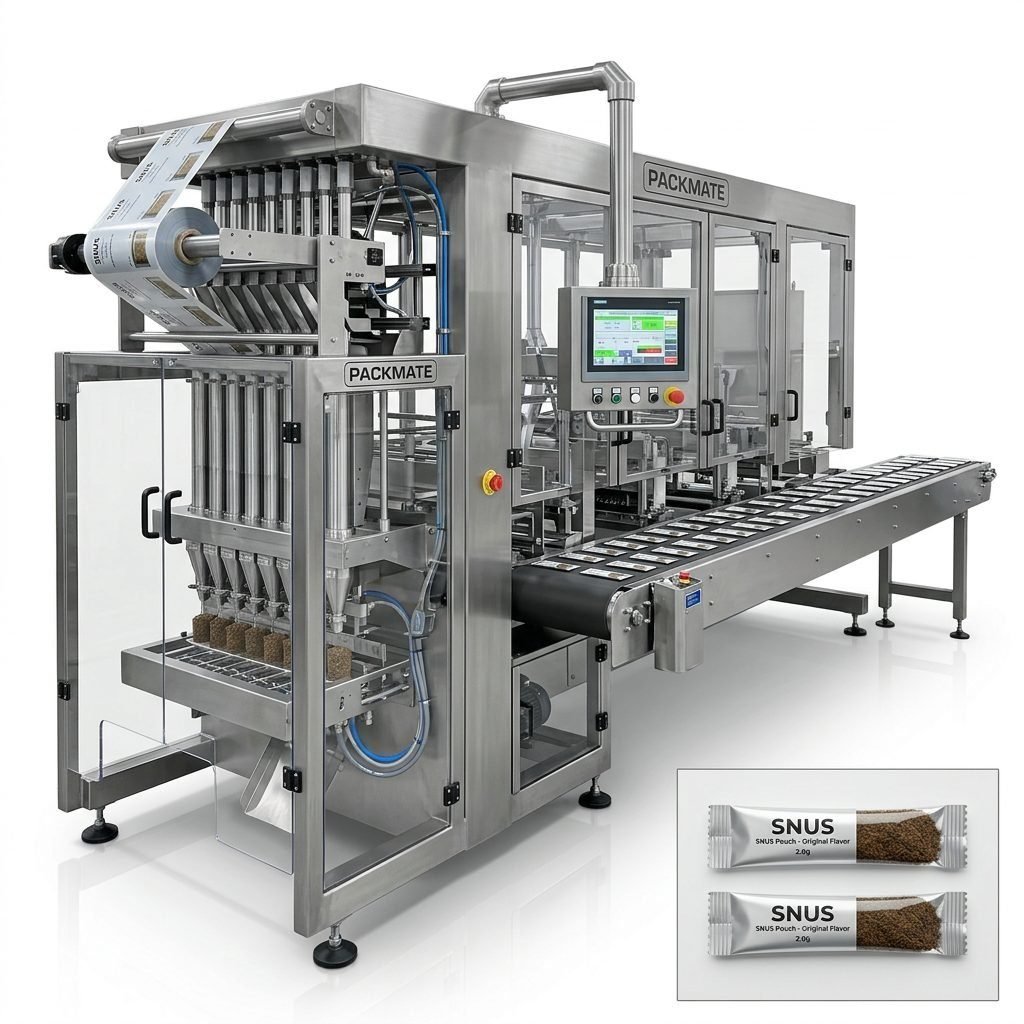
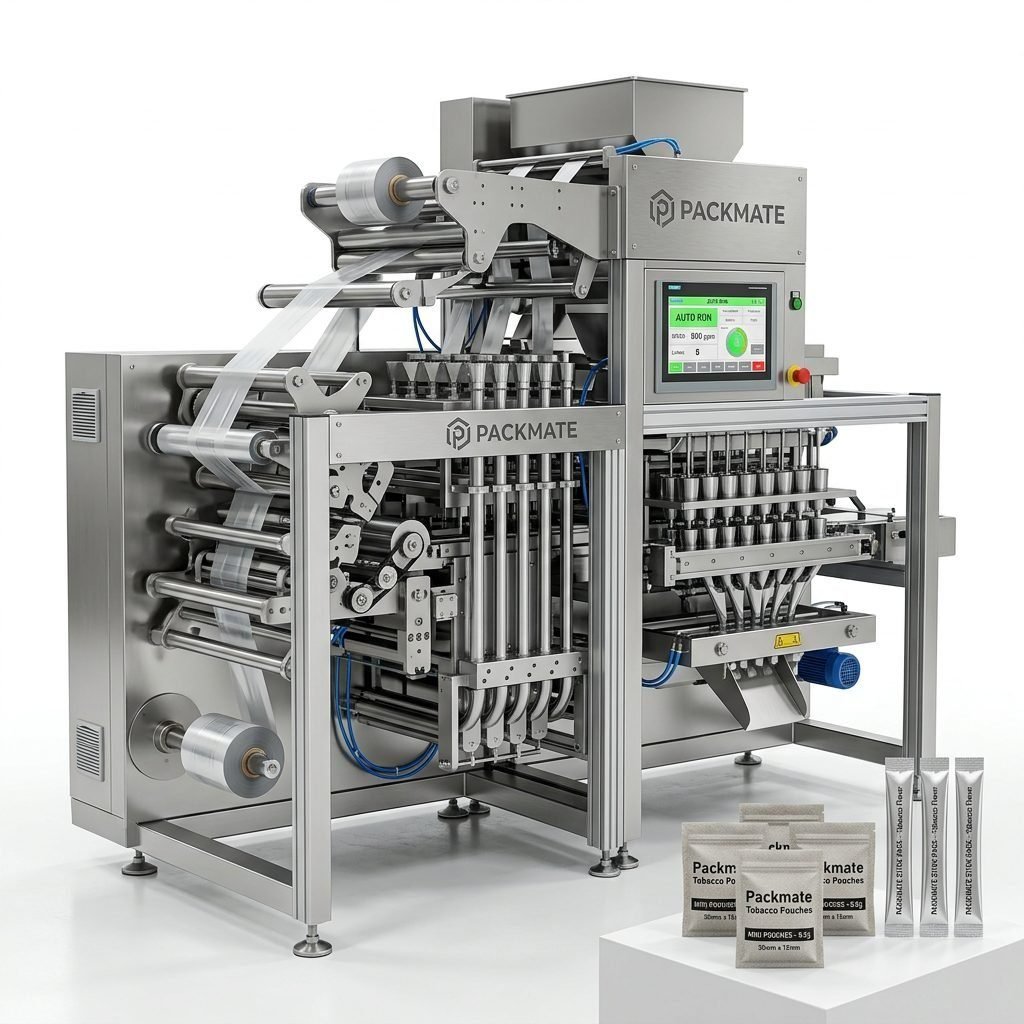
- Multi-lane capability to increase throughput without enlarging footprint
- Hygienic design and corrosion-resistant parts suitable for humid climates
- User-friendly HMI with multilingual support (Spanish is important in EG)
- Remote support options and spare parts availability
Automation and Integration
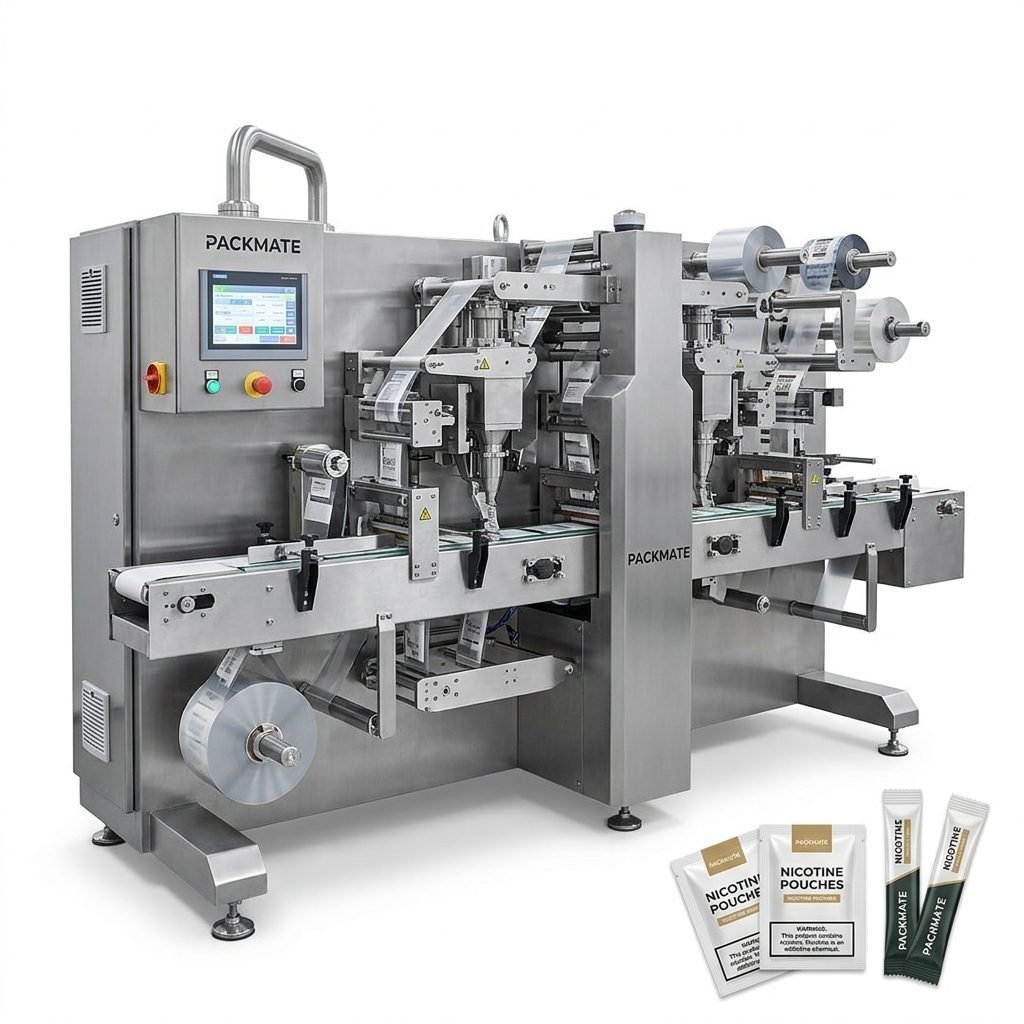
For a turnkey line, ensure the manufacturer can integrate weighing systems, conveyors, checkweighers, and secondary packaging equipment. Check whether they offer complete filling and packaging lines—see product ranges like Snus & Nicotine Packaging Machines and Filling & Packaging Lines.
Regulatory Compliance and Documentation
Equatorial Guinea enforces import and labeling regulations that vary for tobacco-related and nicotine products. Ensure the manufacturer provides full compliance documentation: CE/ISO certificates, electrical schematics, user manuals in Spanish, and machine performance reports. Manufacturers that support export documentation, customs clearance guidance, and local partner referrals will ease the import process.
Important documents to request:
- CE and ISO certificates
- Factory acceptance test (FAT) records and videos
- Spare parts list and recommended inventory
- Instruction manuals and wiring diagrams in Spanish
After-Sales Support and Spare Parts Strategy
After-sales support is a critical differentiator. Confirm typical response times, availability of remote diagnostics, and courier-friendly spare part kits. Manufacturers with global exhibition presence and international service networks, like Packmate, typically provide faster response for spare parts and training—review their Service and Contact Us pages for support options.
Training and Local Commissioning
Insist on commissioning support and operator training in Spanish. Ideally, the supplier provides remote commissioning or dispatches an engineer to Equatorial Guinea to oversee installation, performance validation, and staff training.
Cost vs. Value: Total Cost of Ownership
Purchase price is only part of the equation. Assess total cost of ownership (TCO) including energy consumption, maintenance intervals, spare parts costs, expected machine life, and resale value. A slightly higher upfront cost for a robust multi-lane system may pay off with lower operating costs and greater uptime—especially in humid coastal environments where quality stainless steel and sealed electrical cabinets matter.
TCO items to calculate:
- Energy and compressed air usage per month
- Planned maintenance hours and technician costs
- Spare parts consumption and lead times
- Downtime cost per production hour
Factory Visits, FAT and Acceptance Testing
Whenever possible, perform a Factory Acceptance Test (FAT) at the manufacturer’s facility or request a recorded FAT that includes operation at target speeds and with similar film and product. FAT should prove sealing quality, dosing accuracy, and integration with auxiliary equipment. If visiting the factory isn’t possible, request live video runs and third-party inspection reports.
Selecting the Right Vendor: Red Flags and Green Flags
Green flags: clear certification, demonstrable case studies, transparent spare parts pricing, multilingual manuals, and local language support. Red flags: vague technical specifications, long unaccounted spare part lead times, limited factory capability, or poor responsiveness during negotiation.
Quick checklist before signing
- Detailed quotation with itemized spare parts and lead times
- Agreement on FAT acceptance criteria
- Clear warranty terms and service SLA
- Language requirements for manuals and labels (Spanish)
Why Packmate Could Be a Fit for Equatorial Guinea Buyers
Packmate Snus Machine combines three decades of engineering expertise with a large manufacturing footprint and a focus on snus and nicotine pouch equipment. Their product range includes stick pack, sachet, multi-lane systems, and complete filling lines. For more details on their offerings and credentials, see About Packmate and their Certificate page.
Helpful links for deeper research:
Negotiation and Contract Tips
Negotiate payment milestones linked to FAT completion, shipping documents, and successful commissioning. Include clear warranty start dates and dispute resolution mechanisms. If you require Spanish documentation or on-site support in Equatorial Guinea, include these as contract deliverables.
Summary and Next Steps
Selecting a snus packaging machine manufacturer for Equatorial Guinea is a strategic decision balancing machine capability, regulatory compliance, climate resilience, and after-sales support. Start by defining your product specs and target speeds, verify the manufacturer’s certifications and FAT procedures, and ensure Spanish-language support for labeling and manuals. Engage vendors that demonstrate proven snus packaging experience and offer clear spare part strategies.
Final action list
- Shortlist manufacturers with relevant snus experience
- Request FAT videos and Spanish manuals
- Confirm spare part lead times and service SLAs
- Plan labeling and import compliance aligned with Equatorial Guinea regulations
Frequently Asked Questions
Q1: Do snus packaging machines need special modifications for Equatorial Guinea’s climate?
Yes. Request corrosion-resistant materials, sealed control cabinets, and humidity-tolerant sealing systems. Also consider climate-controlled packaging rooms to maintain product quality.
Q2: What language should my machine manuals and labels use?
Spanish is the primary choice for Equatorial Guinea, supplemented by French or Portuguese if you target neighboring markets. Ask the supplier for manuals and label templates in Spanish.
Q3: How important is FAT before shipping?
FAT is critical—it validates machine performance, sealing integrity, and dosing accuracy. Insist on FAT records and, if possible, witness the test or obtain comprehensive video evidence.
Q4: Can suppliers help with customs and shipping to Equatorial Guinea?
Many reputable manufacturers assist with export documentation and advise on shipping logistics. Confirm their experience with African shipments and whether they provide DDP or FOB options.
Q5: Where can I see manufacturer references and real-world cases?
Review case studies and exhibition participation pages like Case and Our Exhibition to evaluate real-world installations and customer feedback.