In the Philippines’ fast-growing nicotine pouch market, choosing the right snus packaging machinery is a business-critical decision. Tropical weather, local retail habits, and emerging regulatory scrutiny shape equipment needs differently than in Europe or North America. This buyer’s guide walks you through practical selection criteria — from machine types and material compatibility to after-sales support and cost of ownership — so you can make an informed purchase that fits Philippine market realities.
Understanding the Philippine Market Context
The Philippines is a tropical archipelago with high humidity and temperatures year-round. Consumers increasingly favor discreet, single-use nicotine pouches and flavored options sold through convenience stores, supermarkets, and online channels. Many small retailers (sari-sari stores) stock compact formats, while urban shoppers expect modern packaging and clear labeling. For manufacturers and packers, this means selecting machinery that delivers stable seals, excellent barrier performance, and flexible formats to support both retail and e-commerce channels.
Key local considerations
Climate resilience — Machines must handle high humidity without corrosion or condensation-related defects. Power compatibility — most facilities in the Philippines use 220V/60Hz; verify voltage and phase requirements. Distribution channels — packaging formats should suit both convenience-store shelves and online fulfillment, where tamper-evident seals and compact secondary packaging matter.
Select the Right Machine Type for Your Product
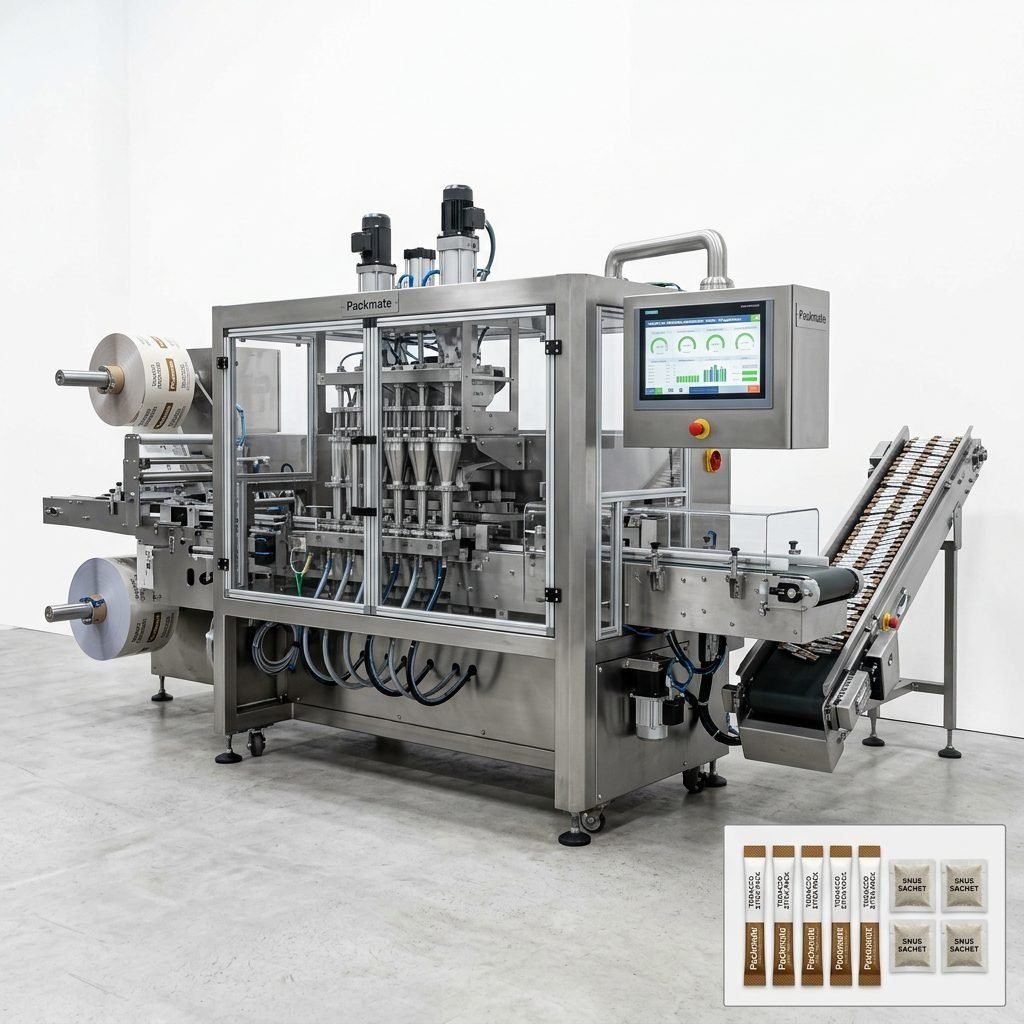
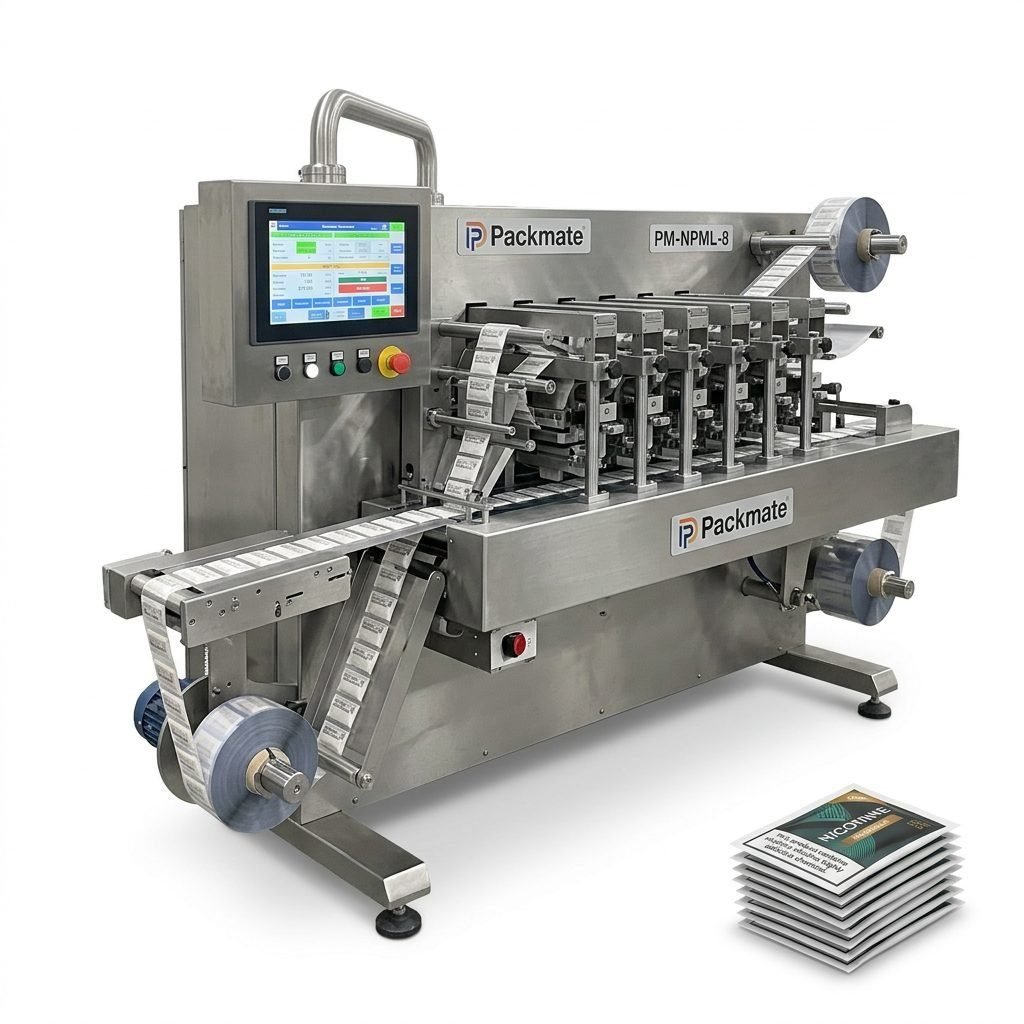
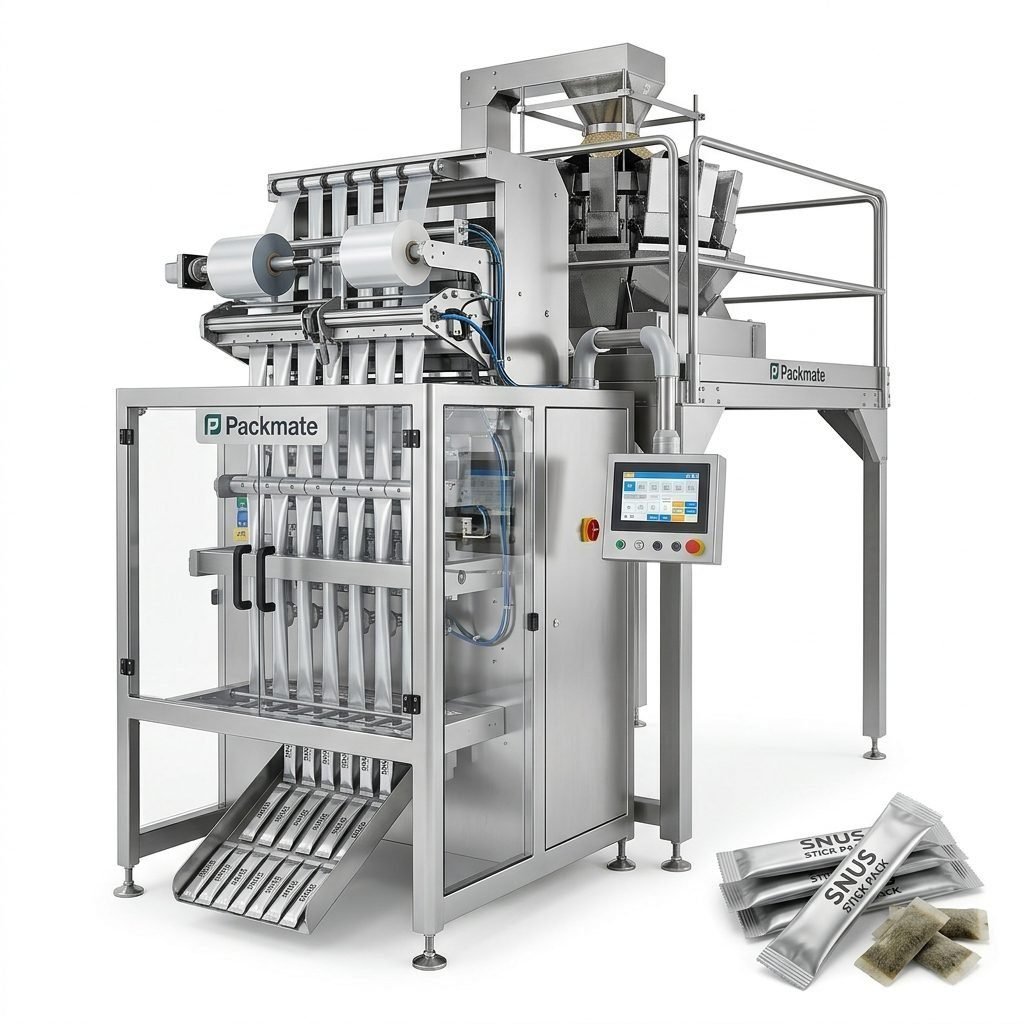
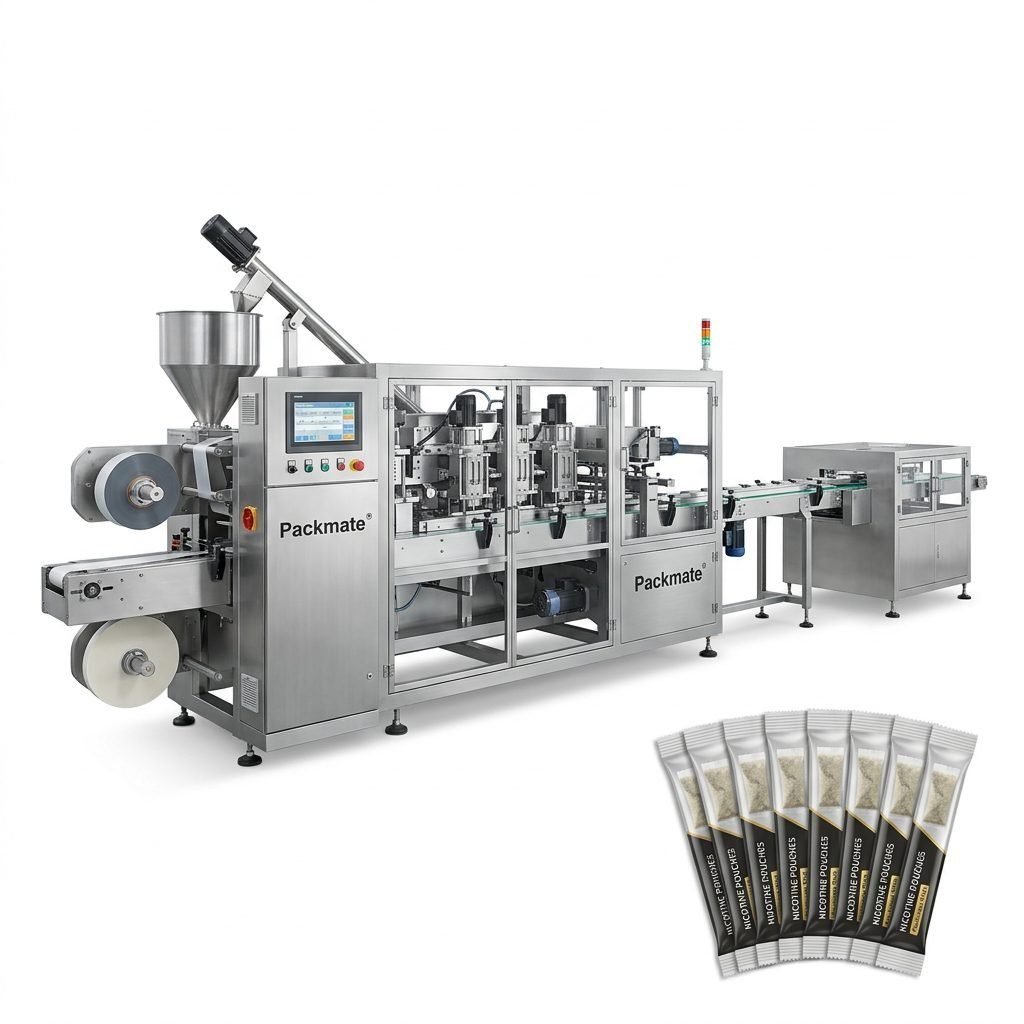
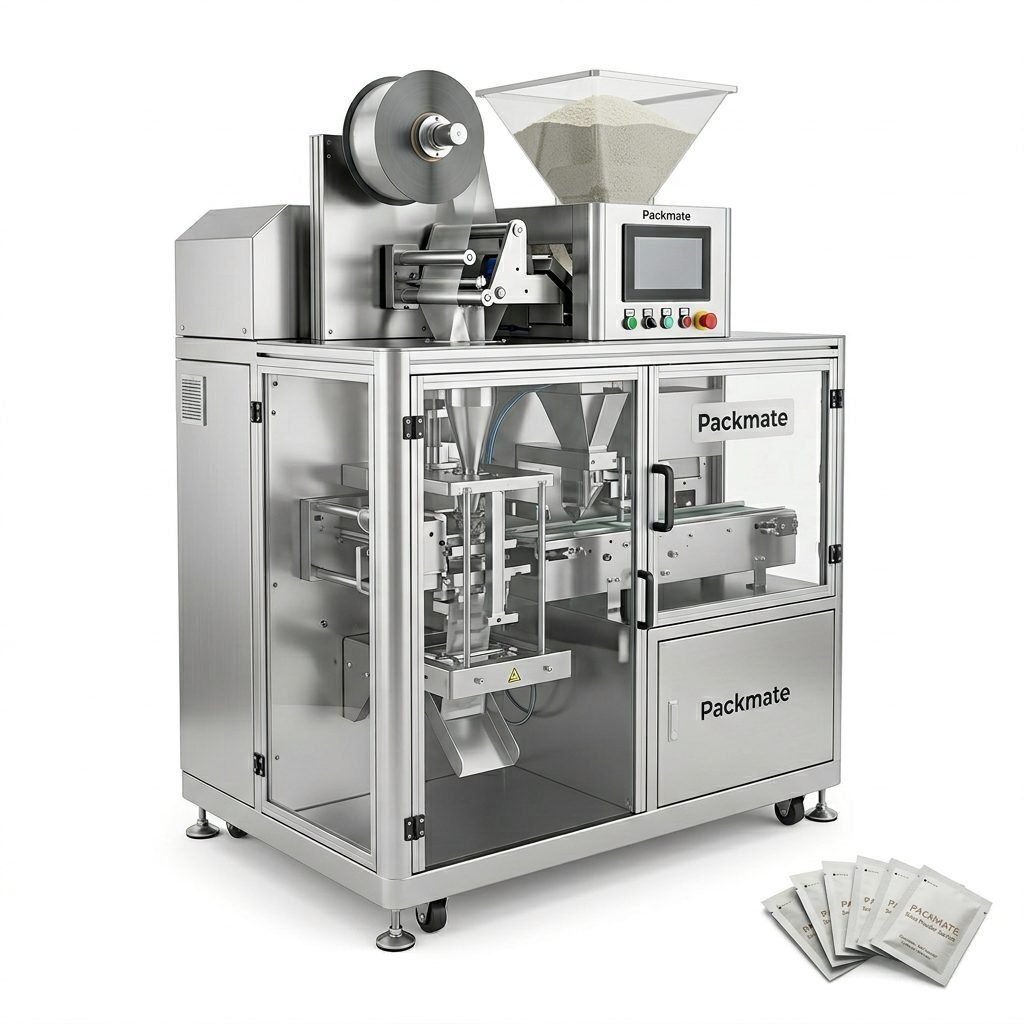
Snus and nicotine pouches are packed in various formats: sachets, stick packs, multi-lane pouches, and cans. Each format requires a different machine topology and auxiliary systems.
Stick Pack & Sachet Machines
Ideal for single-portion pouches and flavor variations. These machines offer speed and flexibility for small-dose pouches and are often compact for smaller production floors. Look for servo-driven tension control and precision forming to ensure consistent pouch weight and seal integrity.
Multi-lane Pouch Systems
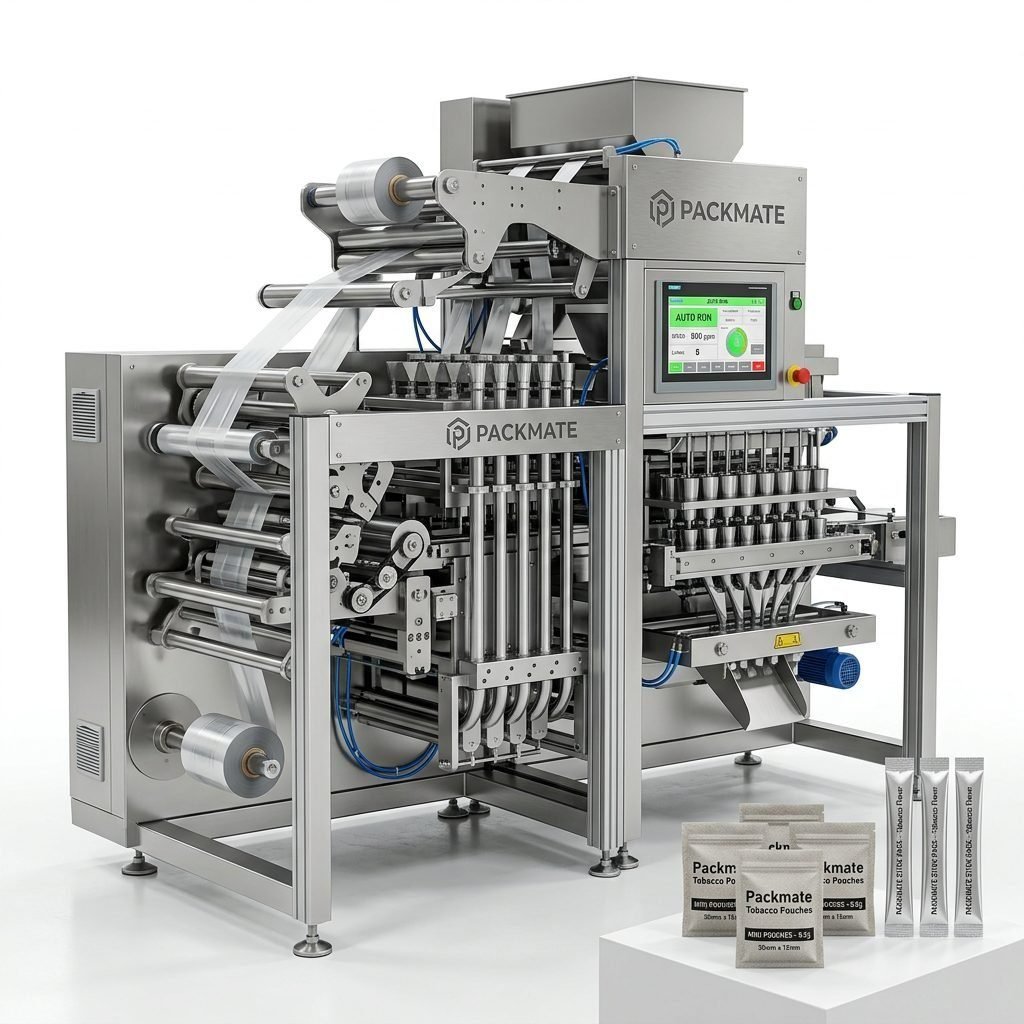
If you plan high-output production or multiple SKUs, multi-lane machines multiply output on a single frame. Check lane synchronization, product distribution systems, and lane-specific sensors to avoid cross-lane contamination or misfeeds.
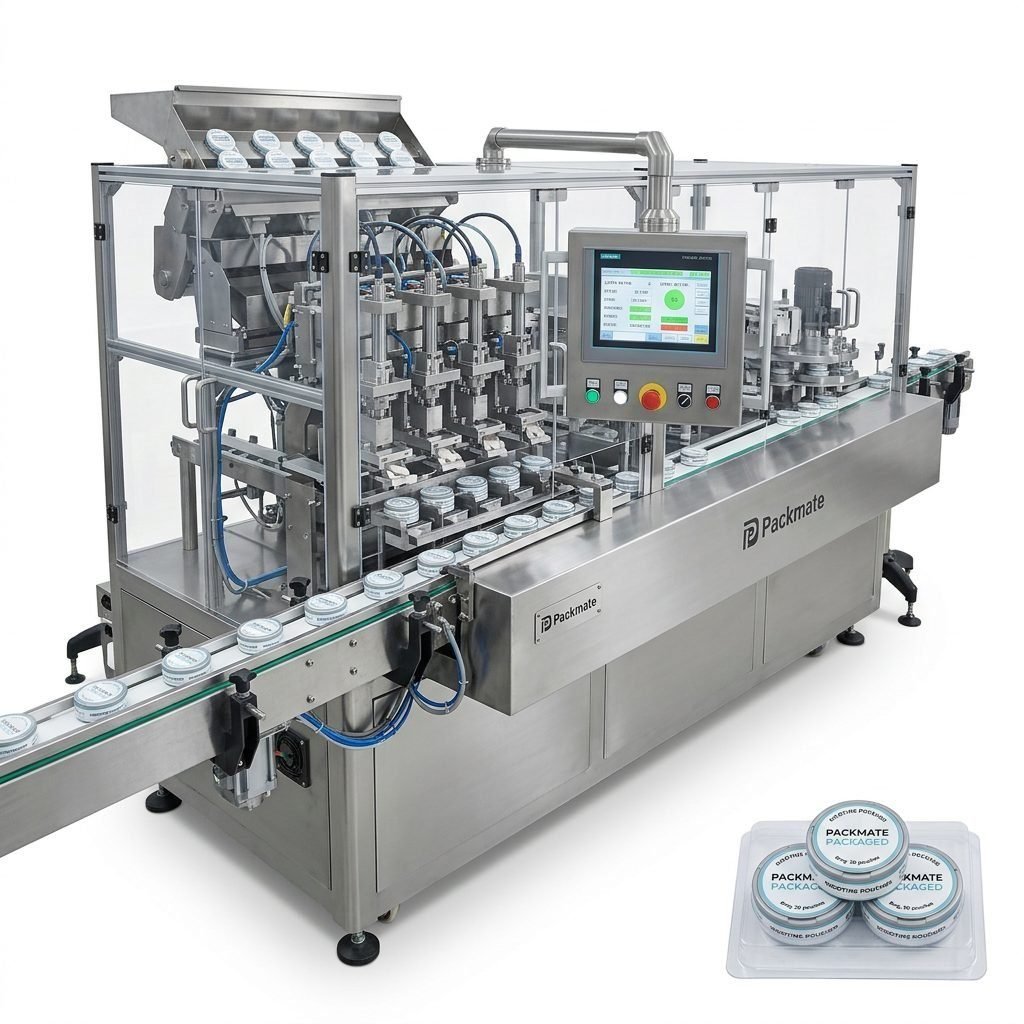
Integrated Can & Secondary Packaging Lines
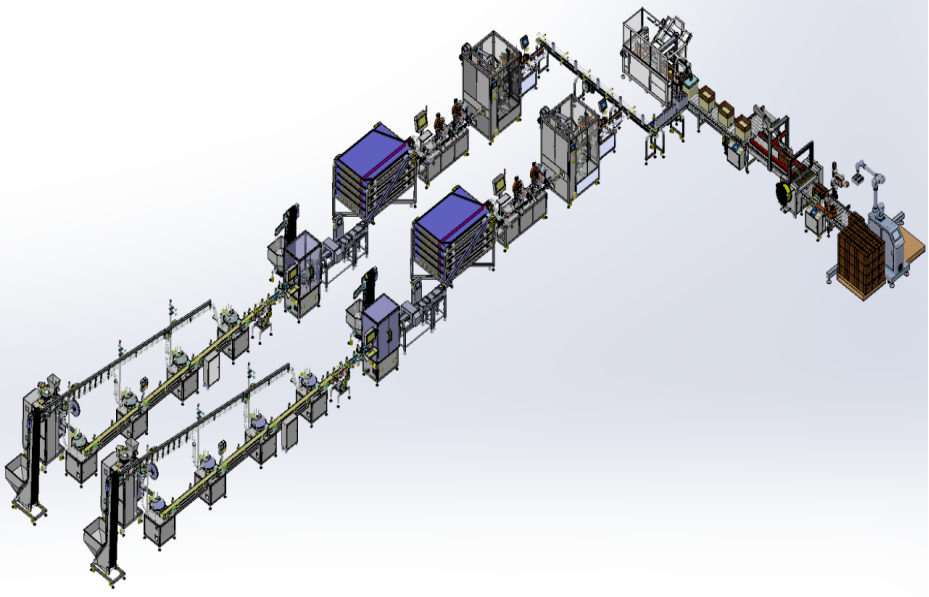
For brands selling pouches in cans or cartons, consider integrated filling, canning, and cartoning lines. These reduce manual handling and improve throughput while ensuring hermetic sealing and aesthetic finishing for retail presentation.
🔧 Practical tip: Start with machines that can handle multiple pouch sizes and sealing types. Flexibility saves CAPEX when launching new flavors or formats in the Philippines’ diverse market.
Material Compatibility & Barrier Performance
Packaging materials (laminates, foils, bio-based films) and their barrier properties impact shelf-life and flavor preservation. In hot, humid climates, oxygen and moisture barriers are crucial to prevent flavor loss and microbial issues.
✅ Choose machines compatible with high-barrier laminates and vacuum or nitrogen-flushing modules to extend shelf life and maintain product quality during long distribution chains, especially when shipping across islands.
Production Speed, Accuracy & Yield
Evaluate throughput requirements in pouches per minute and ensure machines maintain fill accuracy. Overfilling increases material costs while underfilling risks regulatory fines and customer complaints.
Look for:
- Servo-driven dosing and film feed systems for precision.
- In-line checkweighers and rejection units to protect yield.
- Easy-change tooling for rapid SKU changeovers.
Hygiene, Cleanability & Materials of Construction
Stainless steel construction, hygienic design, and easy access panels matter a great deal. Machines should resist rust and be easy to sanitize—this is particularly important in humid environments where corrosion risk is higher.
What to check
⚠️ Verify that contact parts are 304 or 316 stainless steel, and that crevices are minimized. Consider IP-rated electrical enclosures for dusty or wet production floors.
Automation Level & Integration Needs
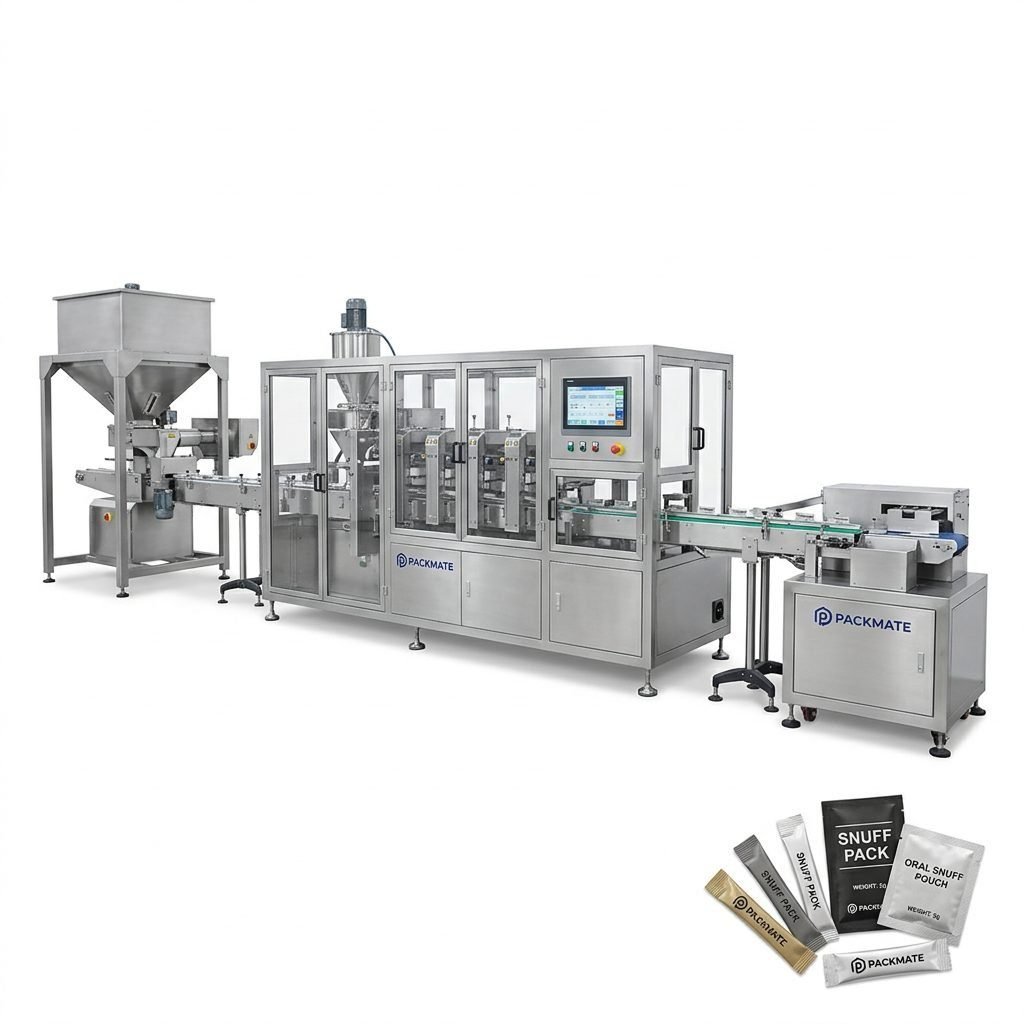
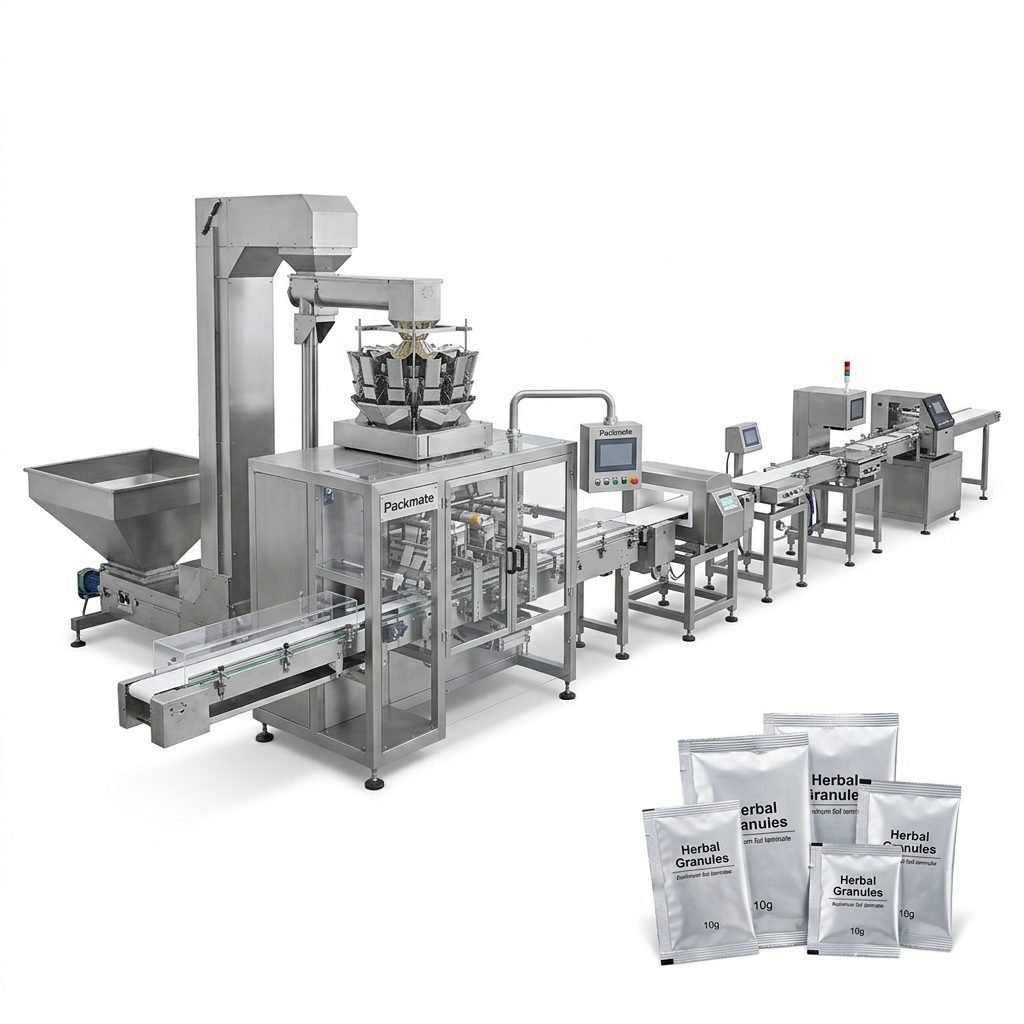
Decide how much automation you need: a standalone machine, a semi-automatic line, or a turnkey solution integrating filling, sealing, labeling, and secondary packaging. Turnkey solutions reduce integration risk but increase initial cost.
💡 Integration advantage: Suppliers with full-line capability (weighers, multihead feeders, cartoners) help ensure smooth production ramp-up and reduce belt-and-pulley integration issues.
See examples of integrated lines: Filling & Packaging Lines and Weighing & Packaging Systems.
Regulatory & Certification Requirements
While nicotine product regulations in the Philippines are evolving, compliance with international machine standards (CE, ISO) demonstrates safe design and quality manufacturing. Ensure your machine vendor provides necessary documentation and can support product labeling traceability.
Must-have documents: CE/ISO certificates, electrical schematics, materials certificates for contact parts, and validation/IOQ documentation if required by local regulators.
After-sales Support, Spare Parts & Training
Reliable local support reduces downtime. Confirm lead times for spare parts, availability of local engineers or partnered service centers, and whether the supplier provides on-site installation and operator training.
🔧 Ask the supplier: average response time for critical faults, recommended spare parts kits, remote diagnostic capabilities, and training packages for Philippine operators.
Total Cost of Ownership (TCO)
Purchase price is only one part of the cost equation. Calculate TCO by including installation, shipping, duties, training, spare parts, utilities (power consumption), and expected uptime. Machines with higher initial cost but better uptime and lower scrap often yield the best ROI.
TCO checklist
– Energy efficiency (important for 24/7 operations).
– Waste rate at target speed and SKU mix.
– Planned maintenance intervals and mean time between failures.
– Resale value / modular upgrade paths.
Vendor Reputation & Factory Capabilities
Choose vendors with demonstrated experience in snus/nicotine packaging and proven multi-lane solutions. Suppliers with strong manufacturing assets, in-house CNC, and assembly capability tend to deliver higher precision and consistency.
📌 Example: Packmate Snus Machine — with 30+ years of engineering experience, a 20,000㎡ factory, CE/ISO compliance, and multiple machine models — is positioned to support turnkey lines and after-sales service. Learn more at About Packmate and explore product ranges like Snus & Nicotine Packaging Machines.
Site Preparation & Utilities
Prepare your Philippine plant for machine installation: stable 220V supply, compressed air quality (dry and oil-free), adequate floor loading, and climate control for sensitive dispensers. Consider isolation pads to reduce vibration transmission in multi-machine lines.
Quality Control & Traceability Features
In-line inspection systems (vision systems, metal detectors, checkweighers) are essential for consistent product quality and meeting retailer standards. Serialization and batch coding modules help with traceability and recall readiness.
🔎 Must-have QC features: vision inspection for seal defect detection, inkjet or laser coding for batch traceability, and automated reject conveyors.
Financing, Lead Times & Sample Trials
Negotiate clear lead times, acceptance testing protocols, and the option for on-site FAT/SAT (Factory & Site Acceptance Tests). Request sample runs using your actual materials and product formulations to validate performance before purchase.
💬 Pro tip: Suppliers often accept a paid trial order to run real materials; this helps identify film feed, forming, and sealing adjustments unique to tropical films used in the Philippines.
Installation, Training & Local Partnerships
Ensure installation includes operator training and preventative maintenance instruction. For long-term operations, develop relationships with local integrators and certified technicians who can perform scheduled maintenance and emergency repairs.
Consider a service contract
A service contract covering scheduled visits, priority spare parts shipping, and remote support reduces unplanned downtime and helps maintain yield targets.
Final Checklist Before You Buy
Use this concise checklist to finalize your decision:
- Machine format matches target pouch/can types.
- Material compatibility & barrier handling proven.
- Local power, air, and site requirements met.
- Vendor provides CE/ISO docs and FAT/SAT procedures.
- After-sales support, spare parts and training available locally or via reliable remote support.
- Sample trials validated with your actual film and product.
📎 Helpful resources: Browse product categories and supporting equipment like Bag & Pouch Packaging Machines, Sachet & Stick Pack Machines, and Auxiliary Packaging Equipment to design a complete line.
Conclusion
Choosing the right snus packaging machinery for the Philippines requires balancing climate robustness, format flexibility, quality assurance features, and reliable after-sales support. Prioritize machines that offer modular upgrades, proven barrier handling, and vendors who provide FAT/SAT, training, and spare parts. With thoughtful selection, you can build a production line that protects product integrity, adapts to local retail needs, and grows with your brand.
Frequently Asked Questions
1. What machine format is best for small-batch flavored nicotine pouches?
Stick pack and sachet machines are ideal for small-batch, flavor-rich portfolios because they support rapid SKU changes and lower initial investment. Multi-lane machines are better when consistent high-volume output is required.
2. How do I protect pouch quality in the Philippines’ humid climate?
Use high-barrier laminates, consider nitrogen flushing or modified atmosphere packaging, and select machines with reliable sealing controls. Maintain climate control in storage and production where possible.
3. How important is local after-sales support?
Extremely important. Fast access to spare parts and trained technicians reduces downtime. Confirm the supplier’s service network, response SLA, and options for remote diagnostics before purchase.
4. Can I test my materials before buying a machine?
Yes — reputable suppliers offer sample trials or paid runs using your actual films and product formulations. This validates performance and prevents surprises after installation.
5. Where can I learn more or see machines in person?
Visit manufacturer pages and exhibition listings for live demos. For example, review Packmate’s product lines and exhibition schedule: Case, Our Exhibition, or contact the vendor directly at Contact Us.