Choosing the right snus packaging machine manufacturer in Guyana is a strategic decision that affects product quality, regulatory compliance, and long-term profitability. Whether you plan to produce nicotine pouches, snus, or related oral products, your packaging line must match local market preferences, climate challenges, and supply chain realities. This guide walks you through the essential criteria, practical checks, and local considerations to select the best partner for your business in Guyana.
Understand Your Product and Market Needs
Before discussing manufacturers, define the exact specifications of what you will pack. Are you producing single-dose nicotine pouches, multi-pouch sachets, or stick packs? Do you need a multi-lane high-speed system for large volumes, or a compact, single-lane machine for pilot production? In Guyana, demand can vary by region and customer group, so align production capacity with realistic sales forecasts for Georgetown and interior markets.
Key product considerations
🔹 Dose size and pouch format — small-dose pouches need high precision dosing and reliable sealing.
🔹 Packaging material — foil laminates, heat-sealable films, or paper-based pouches have different sealing and handling needs.
🔹 Filling medium — powders, granules, or pre-formed pouches require different feeders and weighing systems.
📌 Tip:
Start with a clear product specification document. It is the best tool to communicate needs with potential manufacturers and to get accurate quotes and machine drawings.
Why Local Conditions in Guyana Matter
Guyana’s tropical climate, port infrastructure, energy reliability, and cultural practices influence machine selection and ongoing operation. Manufacturers who understand these local variables can recommend design adaptations that keep downtime low and product quality high.
Climate and materials
Humidity in coastal areas and the interior can affect hygroscopic product behavior and film sealing. Ask suppliers about humidity control options, modified atmosphere packaging, and material handling features that ensure consistent seals and shelf life in Guyana’s conditions.
Logistics and installation
Georgetown is the main port and distribution hub. Confirm that machine dimensions and crate sizes are compatible with local transport vehicles and customs clearance processes. Suppliers with experience exporting to South America will help avoid unexpected delays and additional costs.
📦 Logistics note:
Verify spare parts lead times to Guyana and whether the manufacturer holds regional stocks or works with local agents.
Technical Criteria for Selecting a Manufacturer
Use a checklist to compare manufacturers objectively. Technical competence is the most important factor — a robust machine reduces maintenance, scrap, and downtime.
Core evaluation checklist
🔹 Precision & accuracy of dosing (mg-level repeatability for nicotine pouches).
🔹 Sealing integrity under high humidity.
🔹 Speed and scalability — single-lane vs multi-lane options.
🔹 Ease of changeover between sizes and pouch formats.
🔹 Automation compatibility — integration with weighing, feeding, and secondary packaging lines.
After-Sales Support and Compliance
After-sales service is critical when operating in Guyana, where specialized technicians may be less available. Prioritize manufacturers who offer clear training, remote support, and a spare parts plan.
Certification and compliance: Ensure machines meet CE and ISO standards for safety and quality. Documentation should be comprehensive to ease customs and local regulatory review.
🔧 Service promise:
Contract for a minimum response time and include training for local operators. Confirm whether the manufacturer provides remote diagnostics and wiring/schematic diagrams in English (Guyana’s official language).
Financial Factors and Total Cost of Ownership
Upfront equipment price is only one element. Evaluate the total cost of ownership (TCO), which includes installation, training, spare parts, energy consumption, and downtime risk. In a developing market like Guyana, machine reliability and lower maintenance frequency directly improve margins.
Ask suppliers for:
🔹 Energy consumption per hour at rated speed.
🔹 Recommended spare parts kit for 12 months of operation.
🔹 Average mean time between failures (MTBF) and examples of customers in similar climates.
Customization and Turnkey Solutions
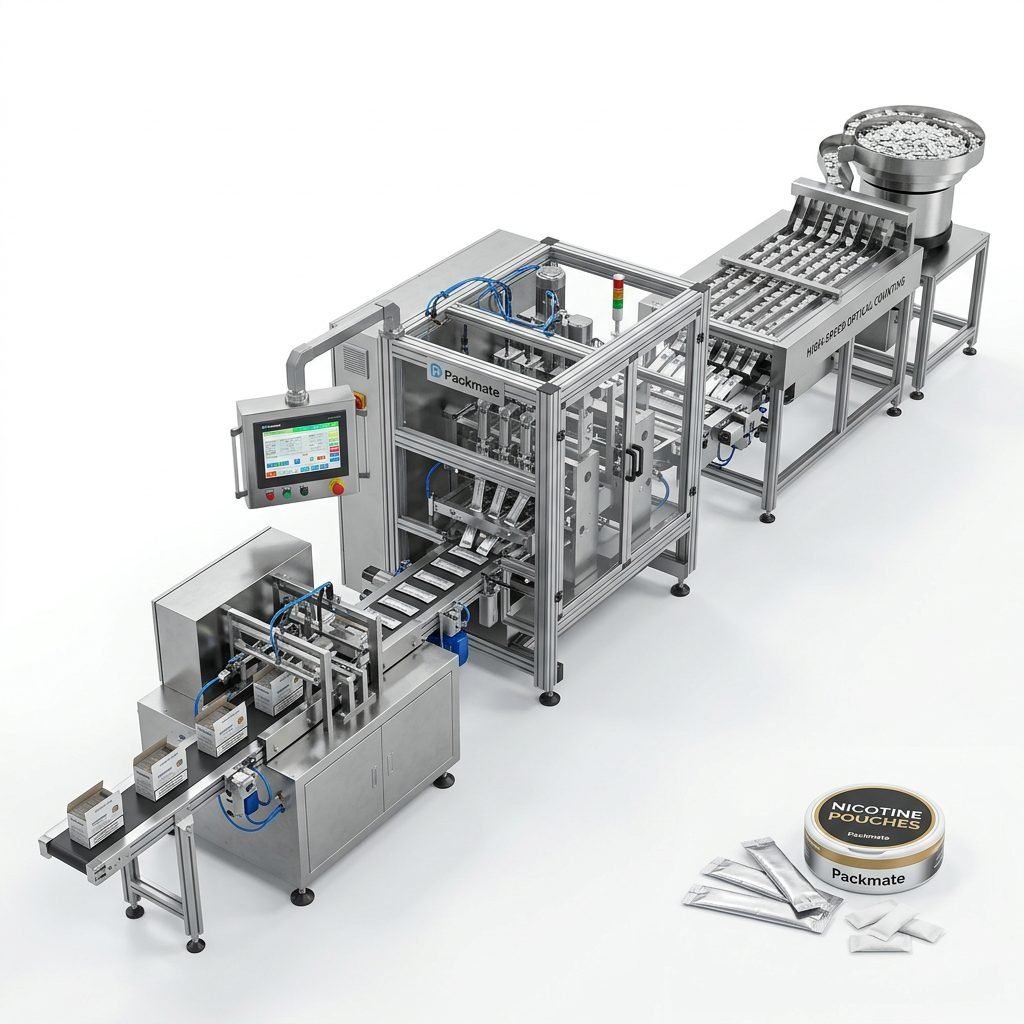
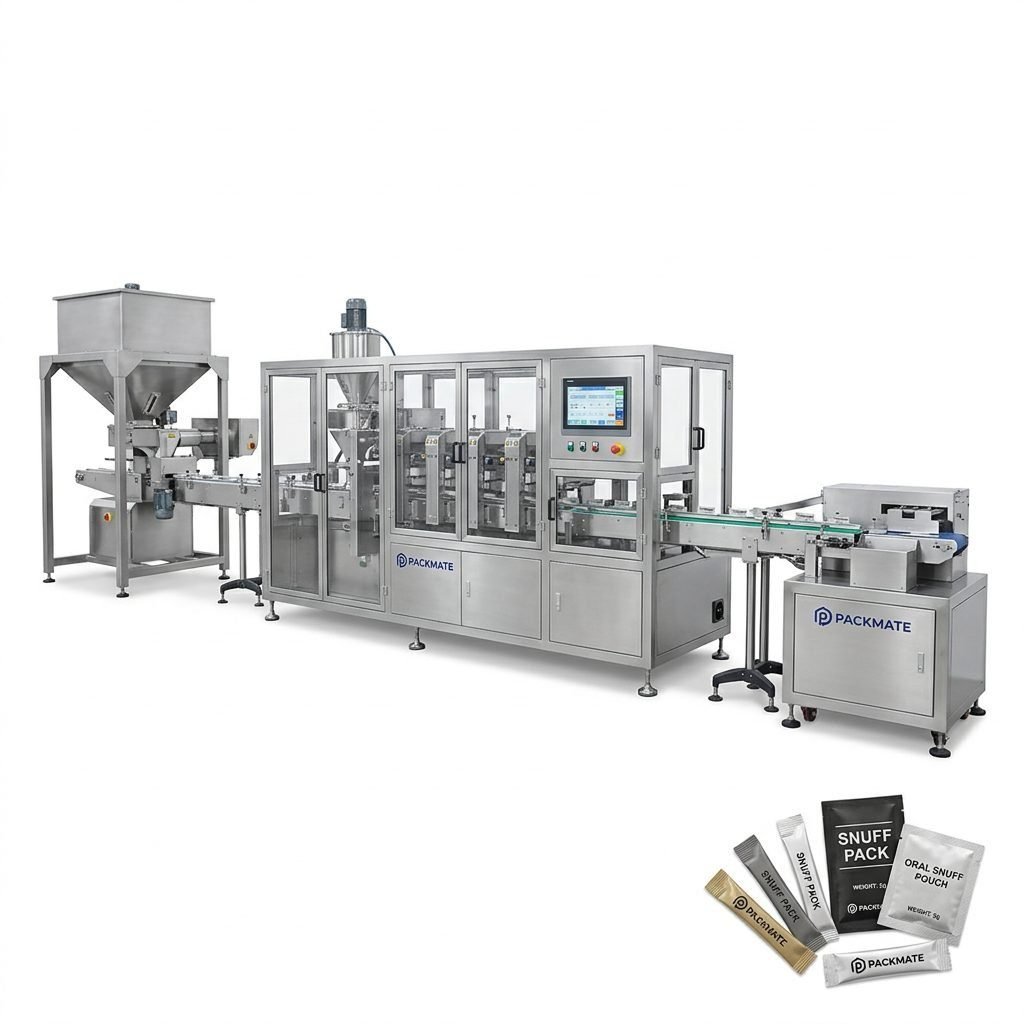
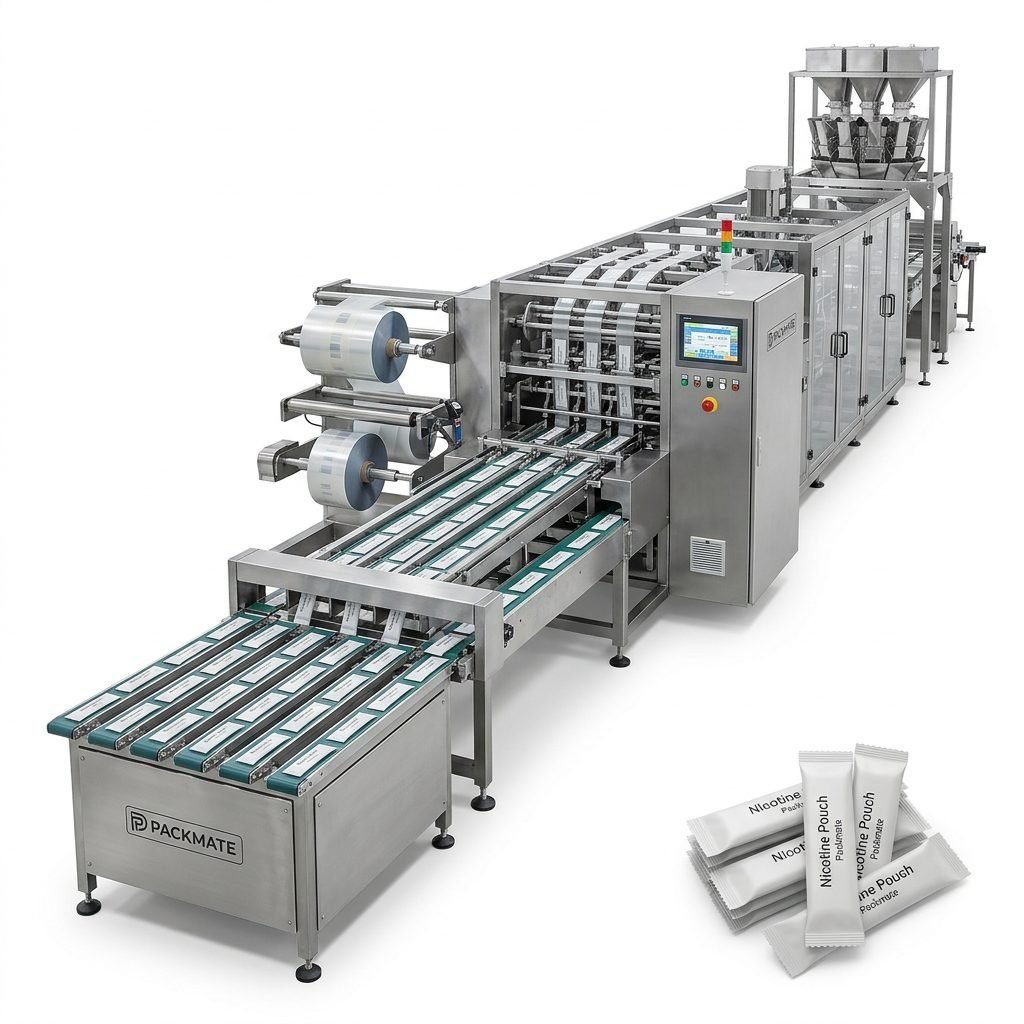
If you require a full production line — filling, weighing, pouch forming, sealing, secondary packing — prefer manufacturers who provide turnkey solutions and system integration. This reduces compatibility issues and ensures smoother commissioning.
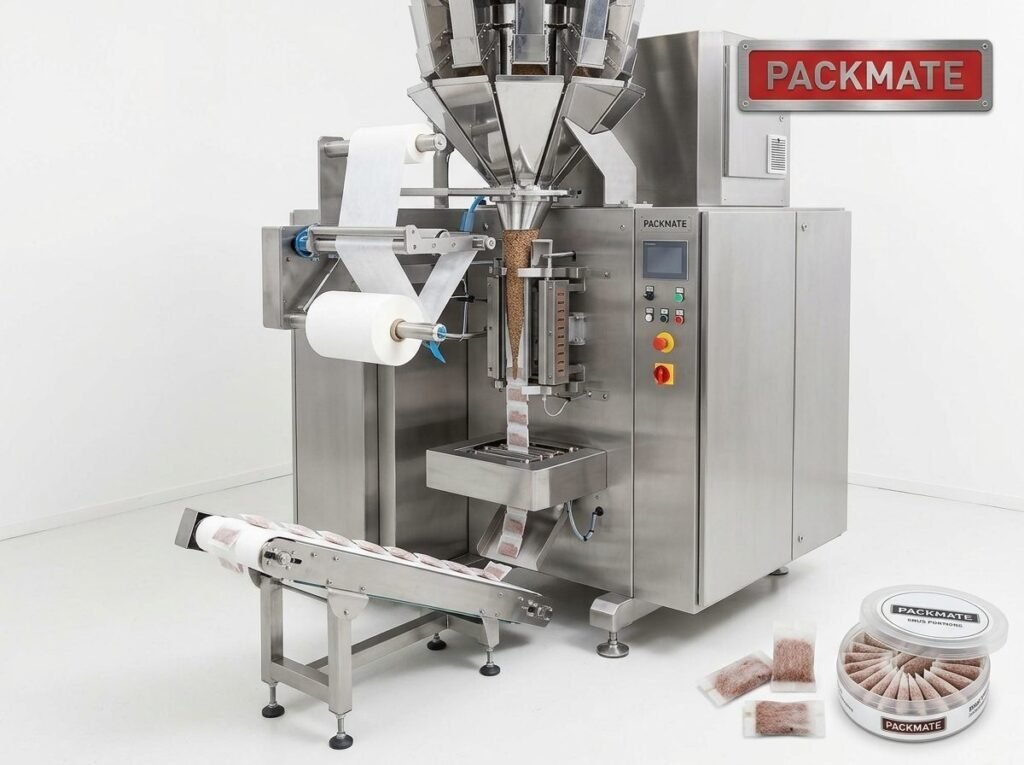
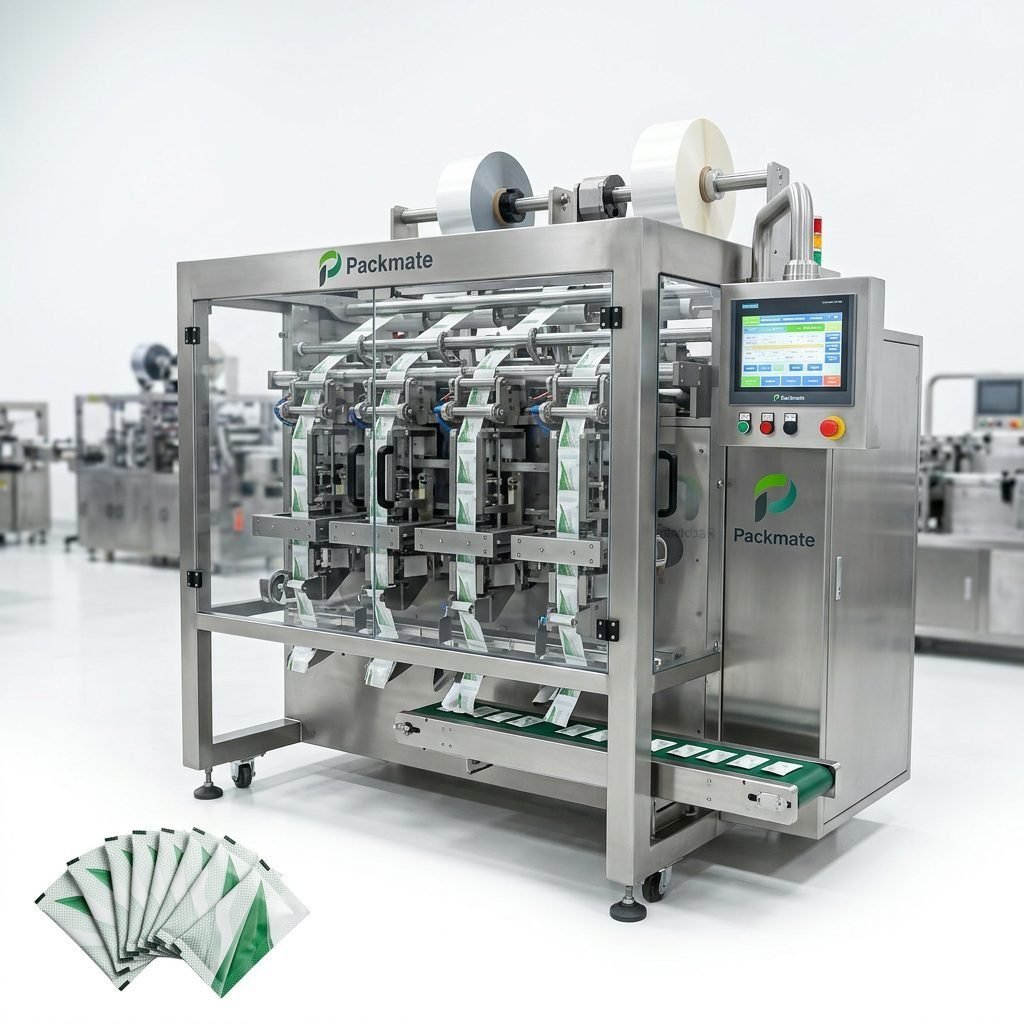
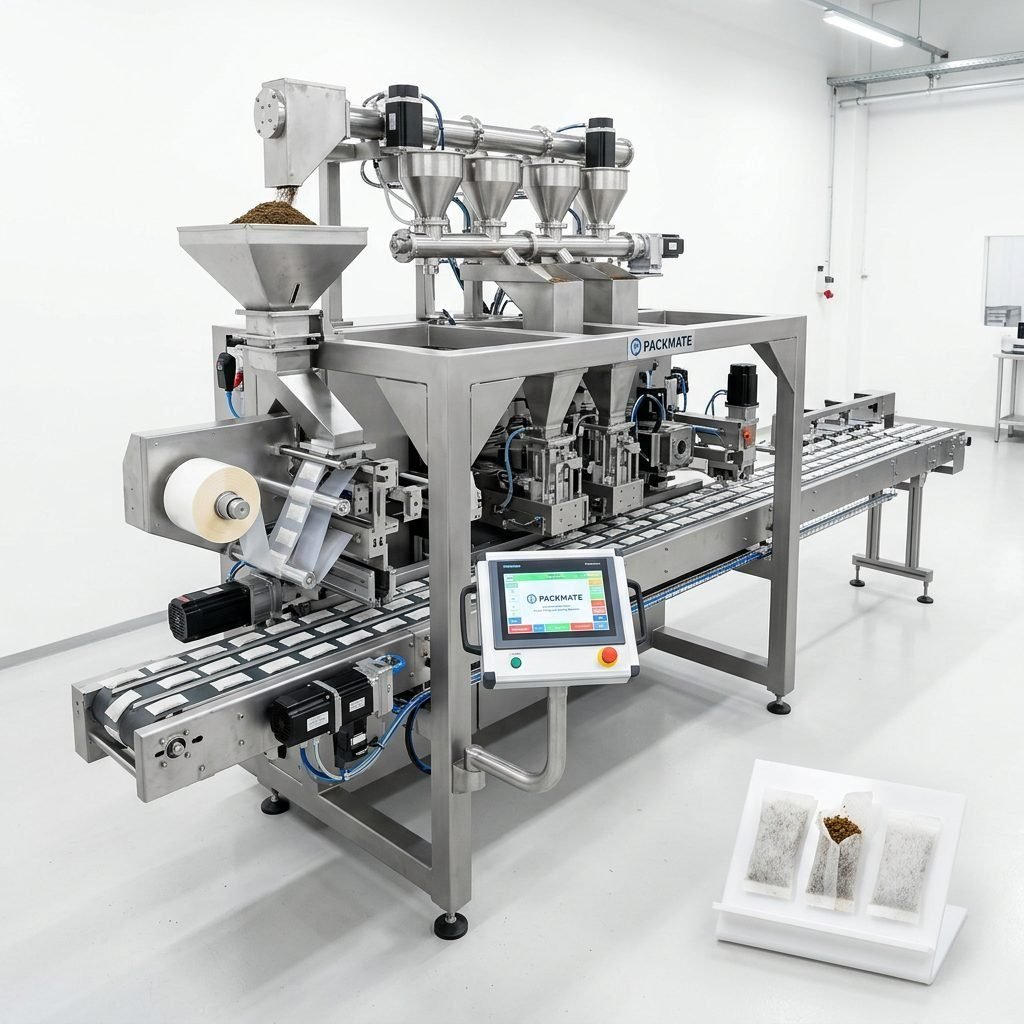
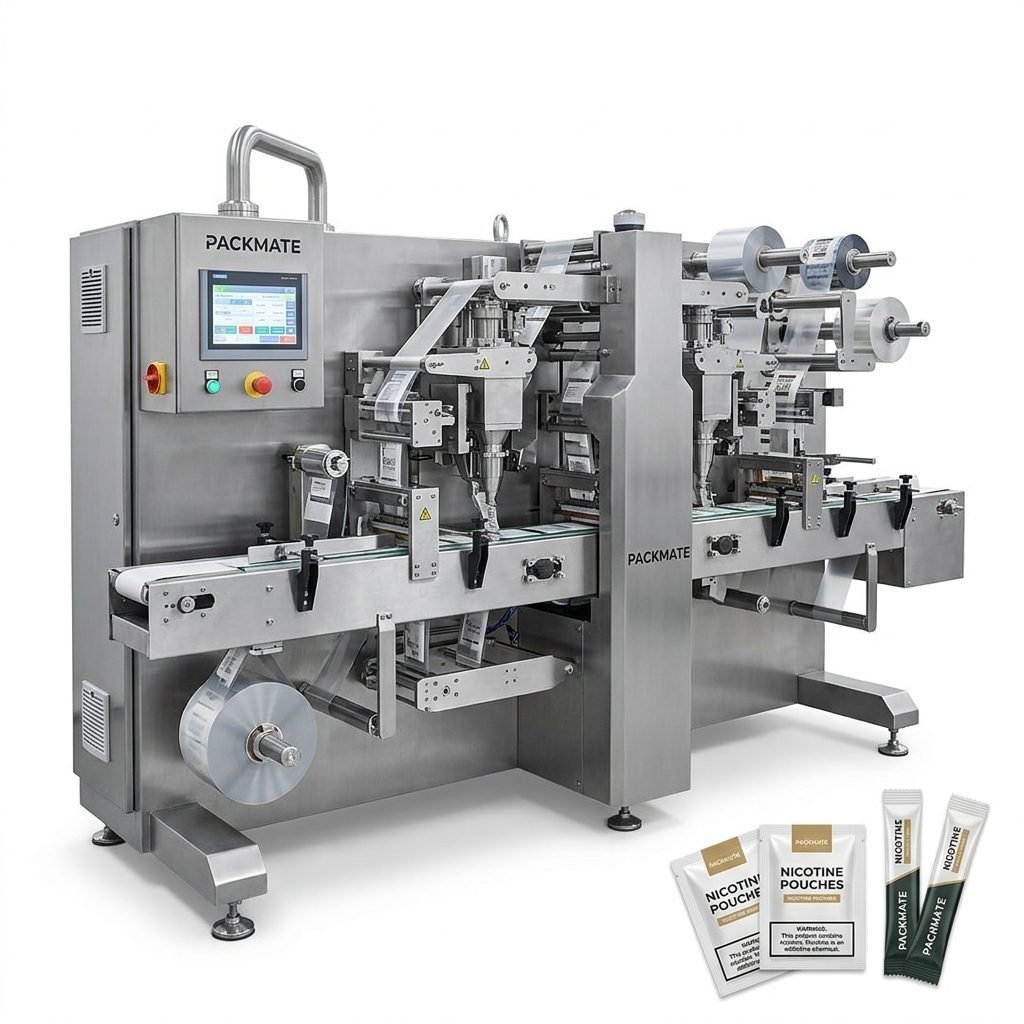
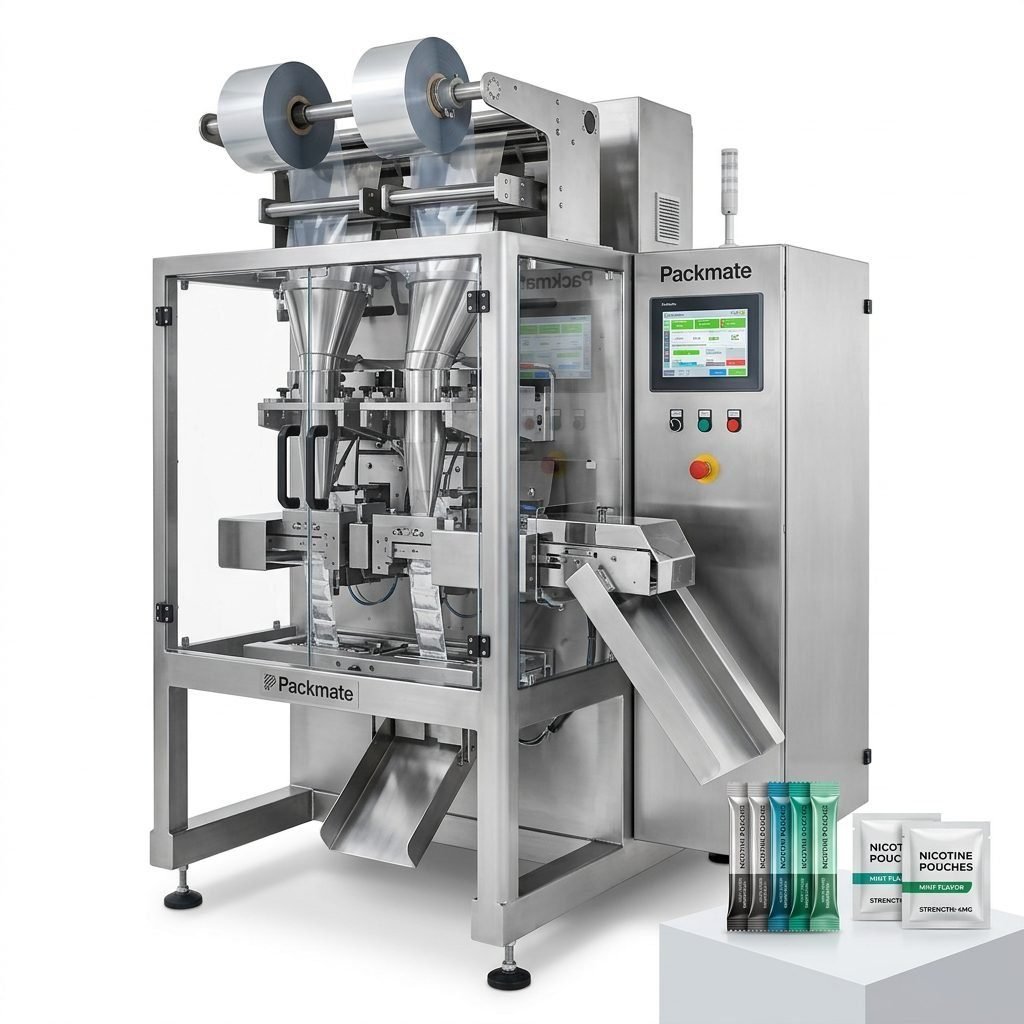
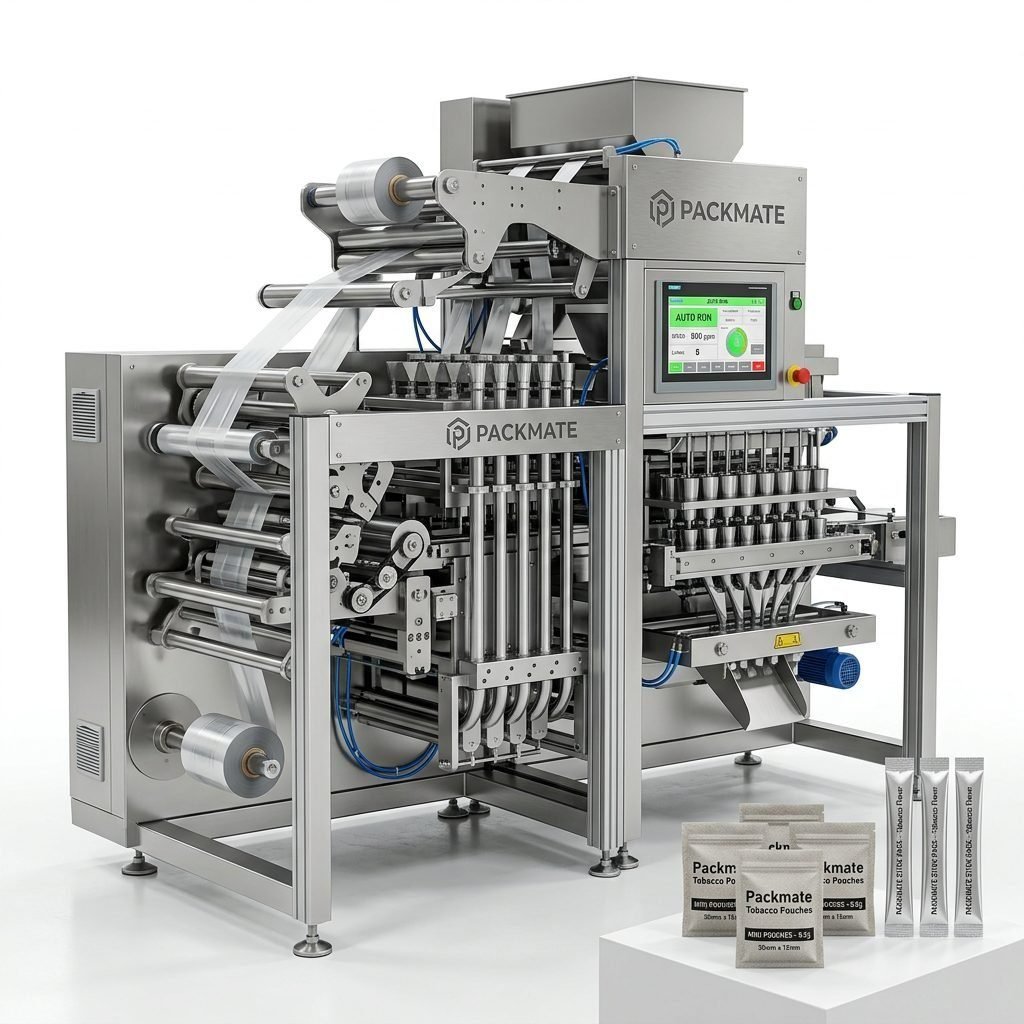
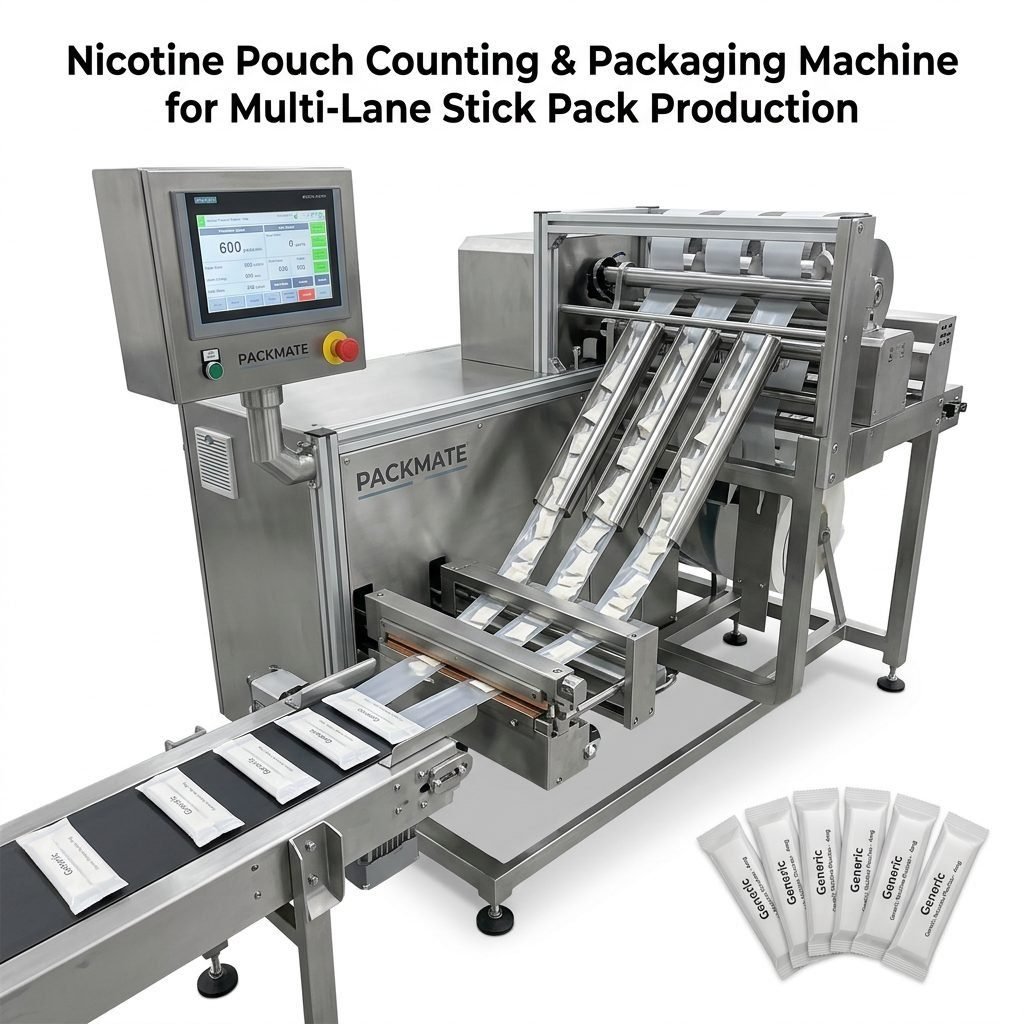
Packmate Snus Machine, for example, offers complete lines and multiple machine models suitable for nicotine pouches, stick packs, and sachets, and provides turnkey packaging solutions that can be tailored to output capacity and local conditions. Learn more about their product lines on their company pages.
Useful resources:
Snus & Nicotine Packaging Machines,
About Packmate,
Case Studies,
Contact.
Vendor Verification: Questions to Ask Potential Manufacturers
Use this checklist during your vendor interviews and site visits. Answers should be documented and compared quantitatively.
🔹 Can you provide references from clients in similar climates or markets?
🔹 Do you supply installation, commissioning, and operator training on-site?
🔹 What is your spare parts lead time to Guyana and do you ship via reliable couriers or ocean freight?
🔹 Do you provide remote support and diagnostic tools?
🔹 Are machines modular to allow future capacity upgrades?
✅ Red flag:
Vague answers on spare parts availability or refusal to provide client references are warning signs. Reliable vendors will share detailed case studies and support plans.
Installation, Training and Local Staffing
Smooth commissioning depends on clear installation plans and operator competency. In Guyana, consider training materials in English and extended on-site training to ensure local teams can handle routine maintenance.
Consider hiring or training technicians who understand pneumatic and PLC control systems, and arrange periodic refresher sessions with the manufacturer or their local agent. If you plan expansion, ensure knowledge transfer so new machines can be installed efficiently.
Practical Comparison: What Good Manufacturers Offer
A top-tier snus packaging machine manufacturer will provide:
🔹 Detailed technical drawings and factory acceptance testing (FAT) reports.
🔹 On-site installation and SAT (site acceptance testing).
🔹 Training programs and multilingual manuals.
🔹 Spare parts kits and predictable lead times.
🔹 Compliance certificates (CE, ISO) and quality traceability.
Making the Final Decision
Narrow your choices to 2–3 manufacturers and request detailed proposals including lead times, warranty terms, FAT procedures, spare parts lists, and references. Visit the factory if possible, or request live video demonstrations and virtual FAT.
Factor scoring can help: assign weights to cost, reliability, spare parts availability, service response time, and compliance documentation. The highest-scoring vendor on things that matter most to Guyana operations should be your selection.
ℹ️ Local insight:
Consider flexible payment terms, and verify export documentation for smooth customs clearance at the Port of Georgetown.
Why Consider Packmate and Where to Learn More
With over 30 years of engineering experience and a focus on snus and nicotine pouch packaging systems, Packmate Snus Machine supplies a range of machines from single-lane units to high-speed multi-lane lines. Their experience building turnkey solutions and working with international clients makes them a practical option for businesses in Guyana looking for reliability and after-sales support.
Explore product categories and technical information:
Weighing & Packaging Systems,
Sachet & Stick Pack Machines,
Project Case Studies.
Final Checklist Before You Buy
• Confirm machine compatibility with your product and film materials.
• Verify spare parts lead times to Guyana and warranty coverage.
• Request FAT and clear acceptance criteria.
• Confirm installation, operator training, and service response commitments.
• Check references and, if possible, visit an installed machine in a similar market.
Frequently Asked Questions
Q1: How important is CE/ISO certification when buying a snus packaging machine for Guyana?
A1: Certification demonstrates compliance with international safety and quality standards and simplifies export and customs procedures. It is an important trust signal for both buyers and local regulators.
Q2: Can packaging machines be adapted to Guyana’s humidity and temperature?
A2: Yes. Reputable manufacturers provide solutions for humidity control, appropriate sealing settings, and material handling configurations suited to tropical climates. Ask for examples and FAT evidence.
Q3: What is the typical lead time for a turnkey snus packaging line to Guyana?
A3: Lead times vary by complexity and customization. Standard machines may take weeks, while turnkey multi-station lines typically require months. Confirm factory schedules and shipping options early in negotiations.
Q4: How do I ensure local technicians can maintain the equipment?
A4: Arrange manufacturer-led training during commissioning, request detailed manuals and spare parts lists, and consider remote support agreements. Identify one or two local staff for advanced training to ensure continuity.
Q5: Where can I view real-world examples of snus packaging lines?
A5: Ask manufacturers for case studies and video demonstrations. Packmate’s case pages and product galleries show installed lines and project details that can help you evaluate performance in similar markets.