Selecting the right snus packaging machinery manufacturer for your business in Lesotho requires more than comparing price tags. You must consider product format, local market habits, regulatory constraints, manufacturing reliability, and long-term service. This guide walks you through a practical, step-by-step approach to choosing a trustworthy supplier — with actionable checklists, evaluation criteria, and operating tips tailored for Lesotho’s market characteristics and small-to-medium manufacturers who want consistent output and compliance.
Understand Your Product and Lesotho Market Needs
Before you approach any manufacturer, be crystal clear about the snus product formats you plan to produce. In Lesotho, consumers often prefer discreet, single-portion products and compact pouch formats that are easy to carry. Local language considerations (Sesotho and English) and modest, unobtrusive packaging designs are common. Think about these product variables:
✦ Format: nicotine pouches, stick packs, sachets, or multi-lane small-dose pouches.
✦ Fill types: powders, granules, or small moist pouches — each needs specific filling accuracy.
✦ Daily output target: small-batch artisan lines vs. high-capacity industrial lines.
✦ Packaging material: laminated films, foil pouches, or paper-based wrappers suitable for local climate and shelf-life requirements.
Key product-match tip
What to Look for in a Manufacturer
Choosing a reliable manufacturer is the most important step. Focus on capability, experience, certifications, and after-sales service.
Experience & specialization: Vendor should have a proven track record in snus or nicotine pouch packaging lines. A company with decades of machine R&D and industry-specific models will understand the nuances of pouch sealing, dosing precision, and gentle handling required for tobacco and nicotine products.
Factory strength & quality control: Look for firms with a dedicated manufacturing facility, CNC centers, and a strict QC process. A larger factory footprint and documented assembly lines reduce the risk of production delays and quality inconsistencies.
Certifications and Compliance
Ensure the supplier offers machines that meet international standards (for example, CE and ISO). Certified equipment simplifies import clearance and demonstrates a commitment to quality and safety. Ask the vendor for copies of certifications and recent factory audit reports.
Evaluate Technical Capabilities and Machine Types
Match the machine type to your production plan. Here are core machine families to consider:
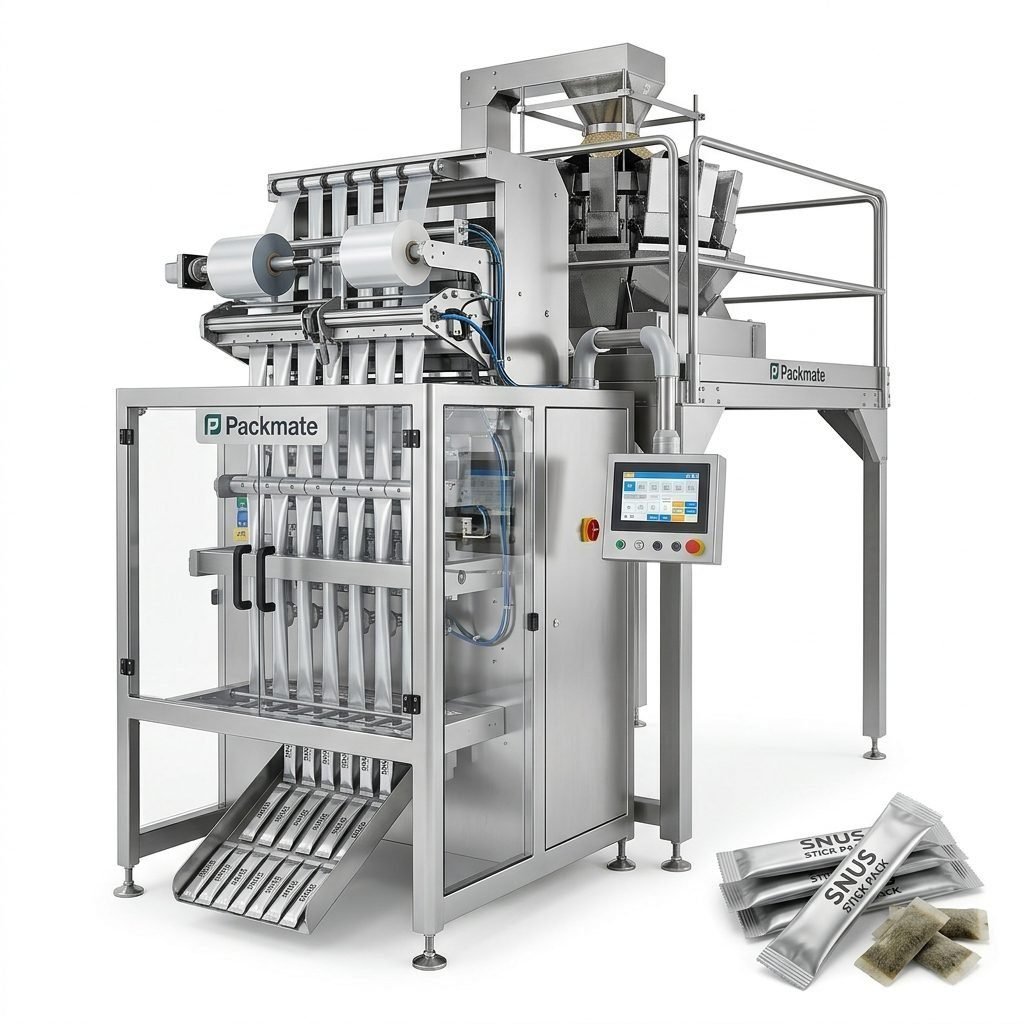
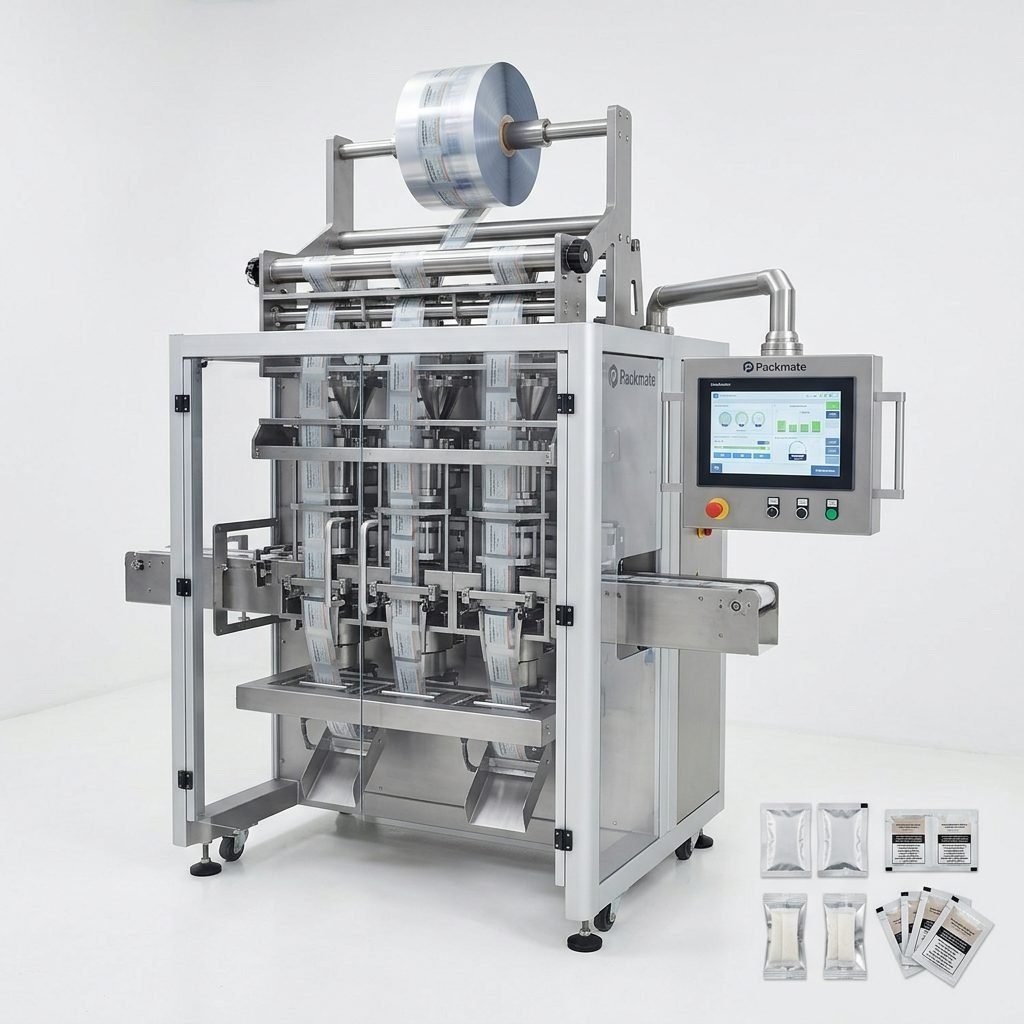
✦ Stick pack machines: best for single-dose elongated packs.
✦ Sachet & stick pack machines: versatile for powder and granule-type snus.
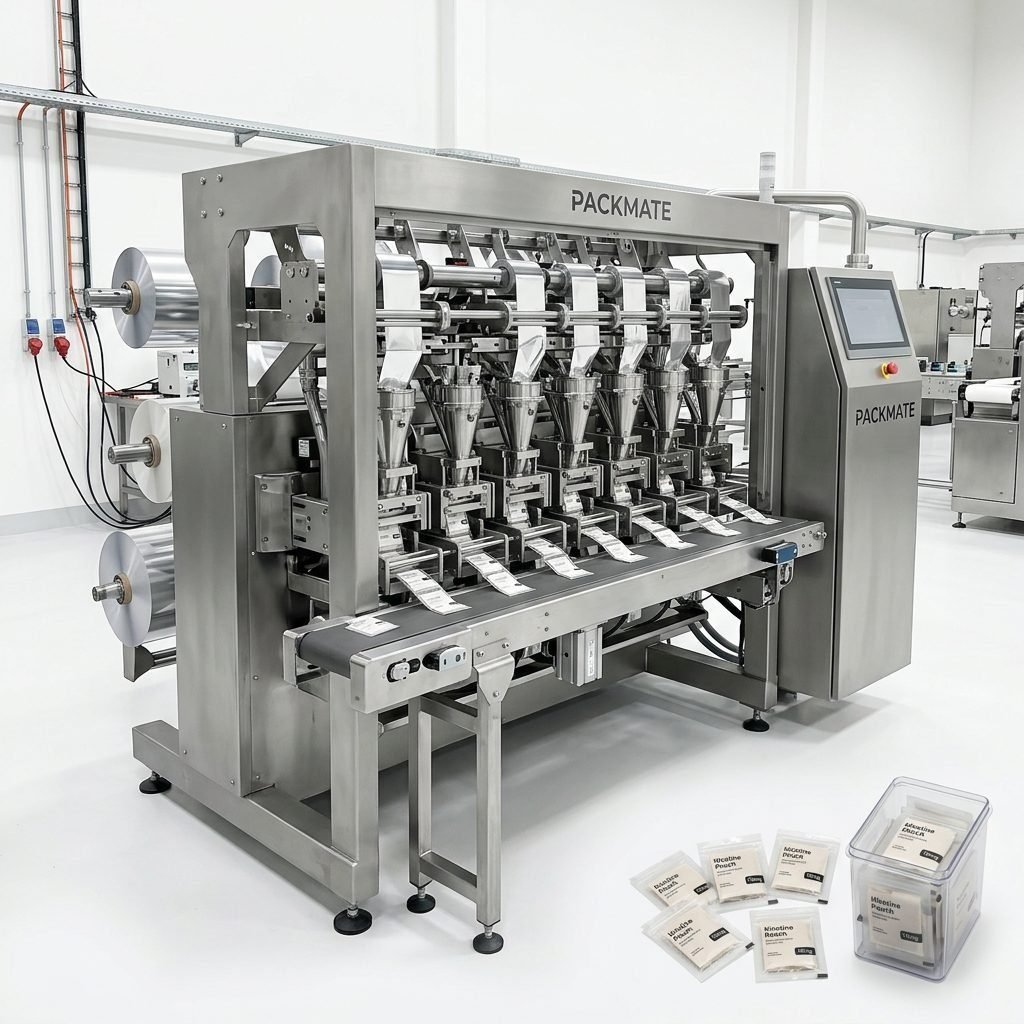
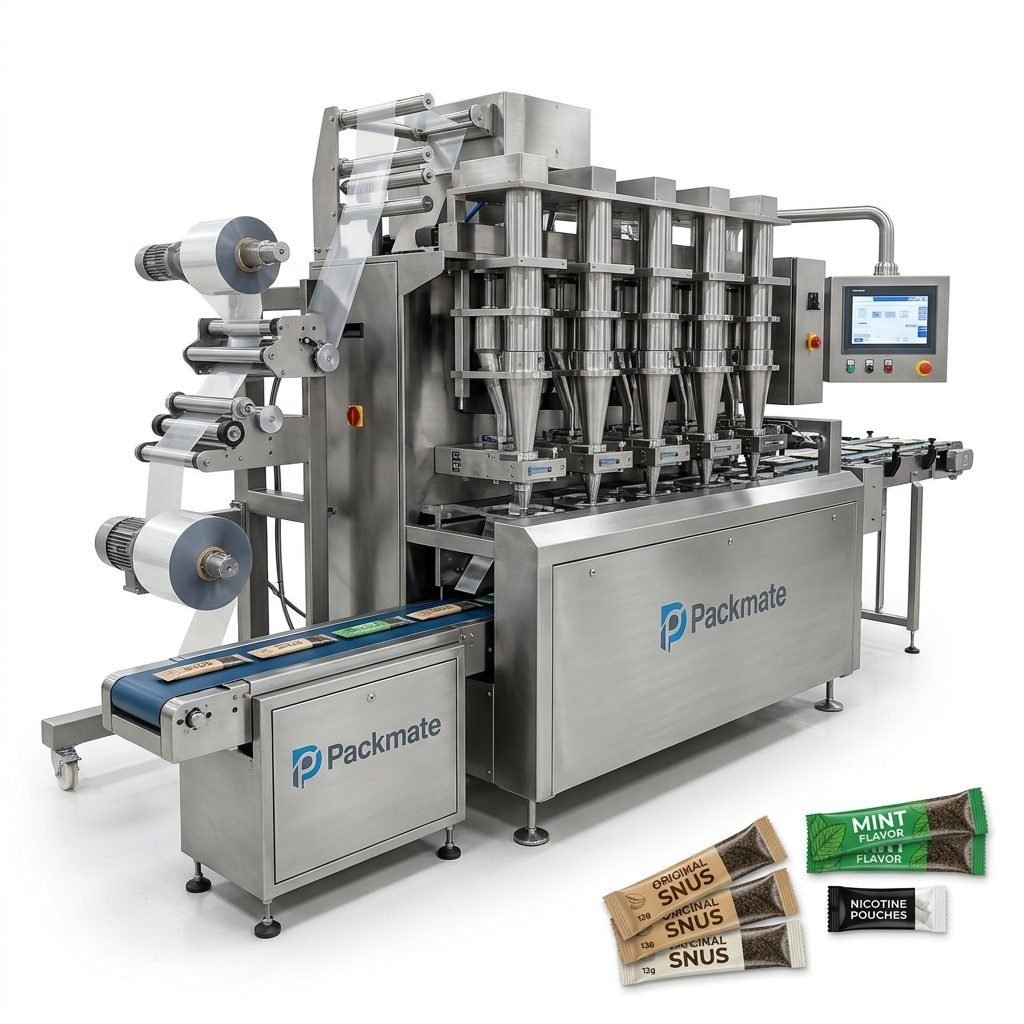
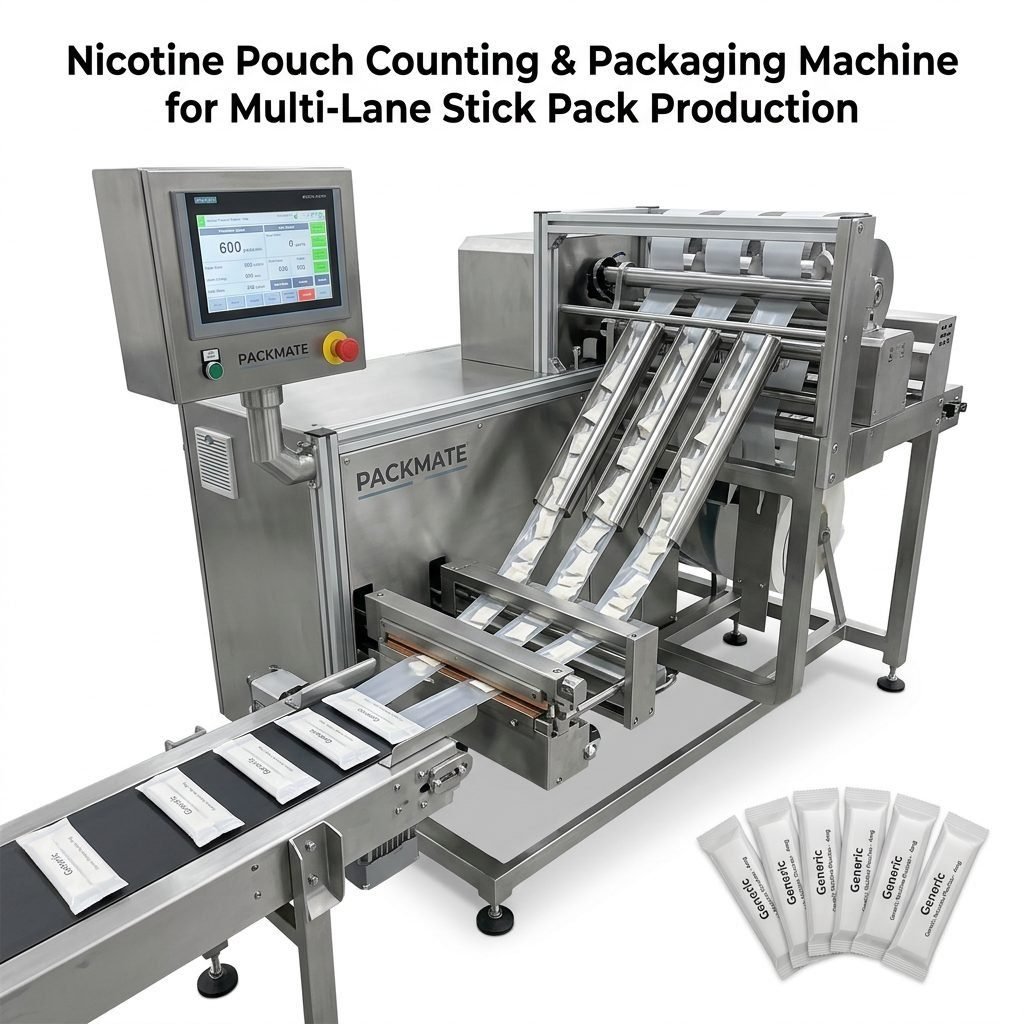
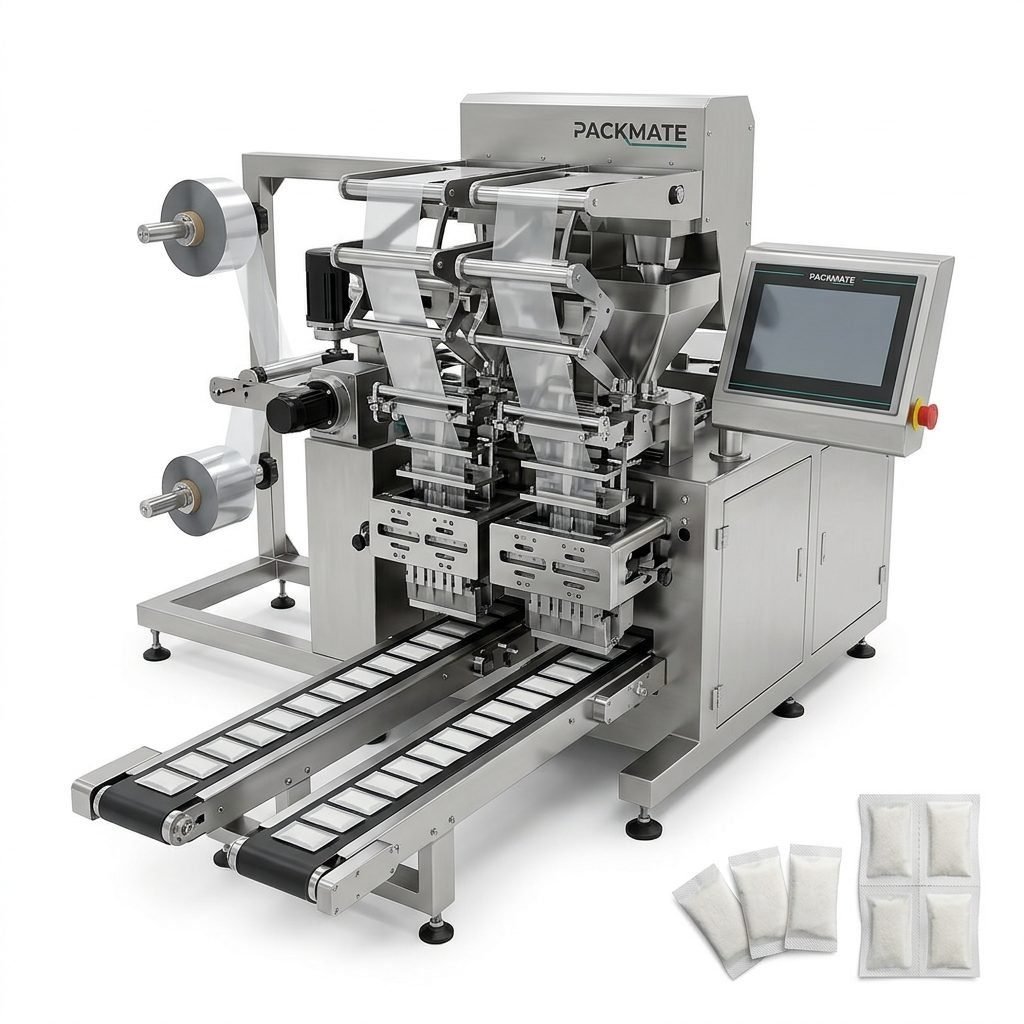
✦ Multi-lane snus pouch machines: ideal for high throughput of small pouches; look for modular lanes and synchronized dosing.
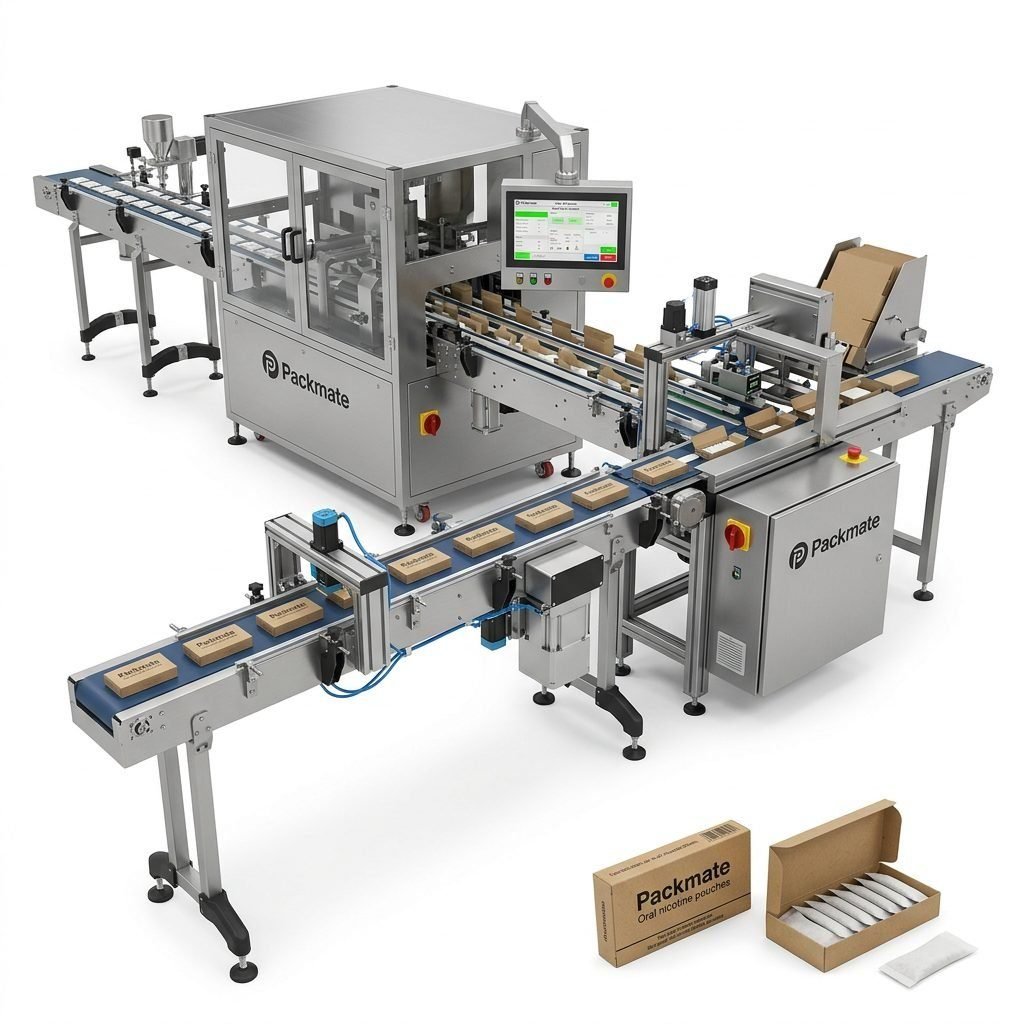
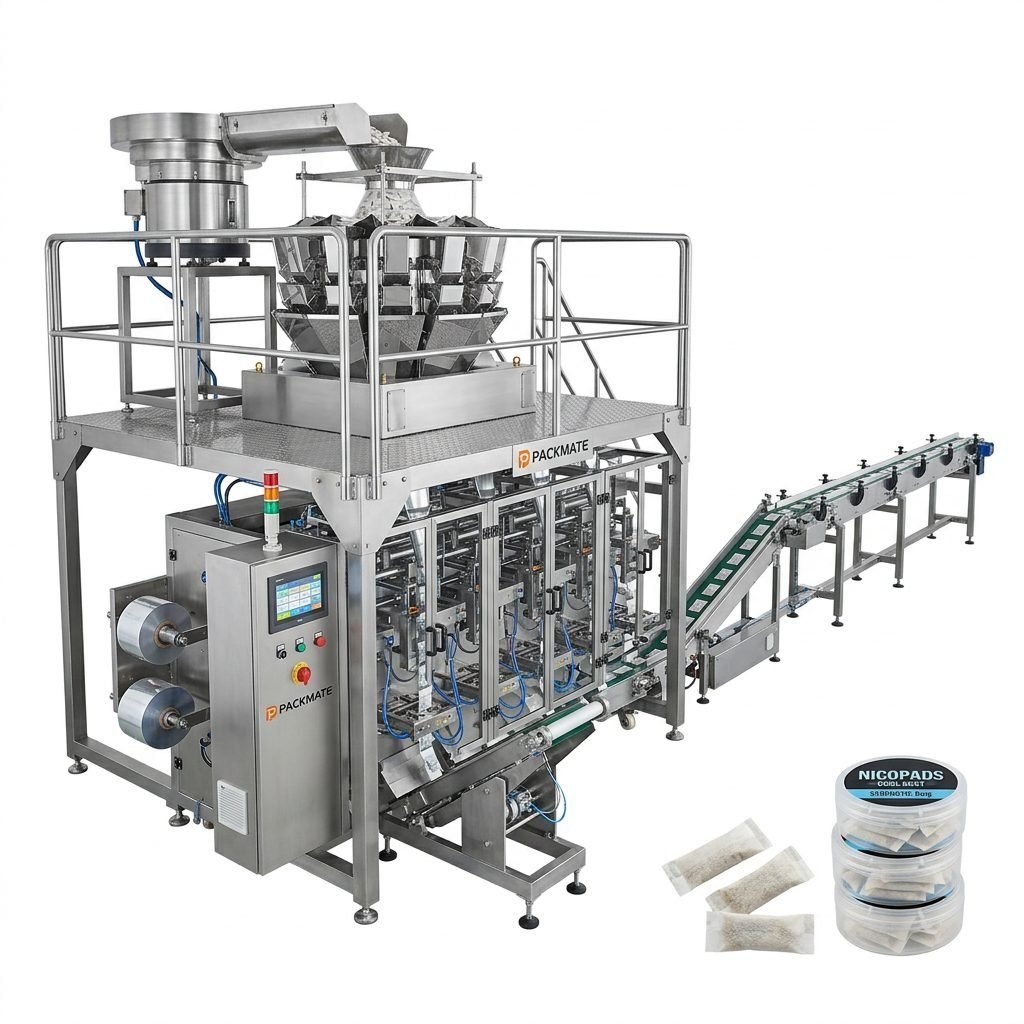
✦ Auxiliary systems: feeders, weighers, and full filling & packaging lines that integrate into a turnkey solution.
Assess After-Sales Service and Local Support
In Lesotho, reliable technical support and spare parts supply are critical because on-site expertise may be limited and logistics can introduce delays. Ask the manufacturer about:
✓ Remote troubleshooting capabilities (video support, diagnostic tools).
✓ On-site commissioning and operator training programs.
✓ Spare parts kits and lead times for critical components.
✓ Warranty terms and global service network.
A manufacturer that provides complete turnkey solutions and long-term service contracts reduces operational risk. See examples of extended services on their Service page.
Factory Visit & Reference Checks
If feasible, arrange a factory visit or request a remote live demonstration. During visits, verify:
– Assembly lines and machining centers are modern and organized.
– Finished machines pass factory tests with documented results.
– Existing customers in similar markets and performance references (ask for case studies). You can review real-world examples under Case.
Cost Considerations and ROI
Price is only one factor. Evaluate total cost of ownership (TCO): equipment cost, installation, training, spare parts, utilities, and downtime risk. When calculating ROI, include:
• Production yield and wastage rate.
• Labor hours per shift and automation level.
• Packaging material compatibility and cost per pouch.
• Energy consumption and maintenance intervals.
Regulatory & Cultural Considerations in Lesotho
Lesotho combines English and Sesotho in formal communications. When designing labels and instructions, include both languages where possible, and ensure compliance with import regulations and any health-warning requirements. Work with local legal counsel or consult local authorities regarding nicotine product classification and labeling rules to avoid import or retail issues.
Cultural sensitivity matters: packaging that is too flashy may not align with local preferences. For discreet consumer products like snus, understated and modest designs often perform better. Consider packaging structures that minimize odor leakage and preserve freshness in Lesotho’s variable climate.
Import & Customs Tips
Coordinate shipping terms, HS codes, and any required inspection certificates before placing an order. Manufacturers who offer assistance with shipping documentation and customs clearance are a valuable partner. For fast reference, you may contact the supplier via their Contact Us page to confirm export documentation support.
Customization, Upgrades and Scalability
Your chosen manufacturer should allow customization to match your product’s unique requirements: pouch size, multi-lane configurations, downstream packing (cartoning or flow wrap), and integration with weighing or metal-detection systems. Confirm whether:
– They can deliver pilot machines for product testing.
– Spare tooling and additional lanes can be added later.
– Software and recipe management are user-friendly and support multiple SKUs.
Operational Readiness — Training & Spare Parts
Successful commissioning requires operator training, preventive maintenance schedules, and a local inventory of fast-moving spare parts. Ask the manufacturer about training programs tailored for first-time operators and whether they provide multilingual manuals (English and simple technical diagrams are essential).
Ensure you receive:
✅ A recommended spare parts kit for 6–12 months of operation.
✅ Access to remote support and diagnostic tools.
✅ Clear maintenance checklists and parts ordering procedures.
- Factory acceptance test (FAT) plan and performance guarantees;
- Clear warranty terms and spare parts pricing;
- Delivery schedule and installation timeline;
- Training scope and documentation language(s);
- Post-sale support SLA (response times, remote vs. on-site).
Why Choose an Established Manufacturer Like Packmate
Manufacturers with decades of experience and comprehensive product portfolios reduce risk. A proven supplier typically offers:
– Extensive R&D and specialized snus machinery models;
– A large factory footprint with CNC machining centers and precision assembly;
– A range of machines from single-unit stick packers to multi-lane snus pouch lines and turnkey solutions;
– Compliance with international certifications and global service networks.
For more information about experience and company background, view the About Packmate page and product categories like Bag & Pouch Packaging Machines and Weighing & Packaging Systems.
Negotiation Points and Contract Essentials
When negotiating contracts, clarify payment terms, delivery milestones, acceptance tests, penalties for late delivery, and post-installation obligations. Insist on a mutually agreed factory acceptance test (FAT) and site acceptance test (SAT) criteria that include throughput, accuracy, and sealing quality.
Practical Steps to Finalize Your Supplier Choice
1. Shortlist 3–5 manufacturers with relevant snus machine experience.
2. Request detailed quotations including tooling, installation, training, and spare parts lists.
3. Ask for FAT videos, references, and recent case studies.
4. Compare TCO and ROI scenarios for each option.
5. Negotiate a clear contract with defined acceptance tests and warranty.
Next Steps & Useful Resources
If you are ready to explore machines and discuss a pilot line, check available models and catalogs, review certificates, and schedule a demo. Helpful links include the product catalog and certification references on the manufacturer site.
– Catalog: Catalog
– Certificates: Certificate
– Exhibitions & live demos: Our Exhibition
Summary FAQ
Q1: What machine type is best for small-batch snus production in Lesotho?
A: For small-batch and flexible production, multi-lane snus pouch machines with modular lanes and quick-change tooling are ideal. They allow simultaneous runs of small pouches and reduce changeover time while maintaining dosing precision.
Q2: How important is after-sales support and spare parts availability?
A: Extremely important. Fast access to spare parts and reliable remote or in-country technical support minimizes downtime. Verify the manufacturer’s spare parts lead times and ask for a recommended parts kit for the first 6–12 months.
Q3: What regulatory things should I check for Lesotho?
A: Confirm nicotine product classification, labeling rules (use English and Sesotho where applicable), import documentation, and any health-warning requirements. Consult local authorities or legal counsel to ensure compliance before shipping machines or finished products.
Q4: Can manufacturers provide turnkey solutions and pilot tests?
A: Many experienced suppliers offer turnkey lines and pilot machines for product testing. Request a factory acceptance test (FAT) and pilot runs to validate packaging format, sealing integrity, and dosing accuracy before finalizing the purchase.
Q5: Where can I find examples and more information about suppliers?
A: Explore the manufacturer’s case studies and product pages for real-world examples and technical specifications. For direct inquiries, use the Contact Us page to request demos, certifications, or a tailored proposal.