Choosing the right snus packaging machine in Papua New Guinea requires balancing production goals, local market habits, regulatory considerations, and long-term operating costs. This guide walks production managers, entrepreneurs, and packaging engineers through a practical, step-by-step process to select equipment that delivers reliability, compliance, and strong ROI for nicotine pouch and snus production in PNG’s unique cultural and logistical environment.
Understanding the Papua New Guinea Context
Papua New Guinea (PNG) is culturally diverse, with many communities using traditional oral products such as betel nut. As modern nicotine pouches and snus enter the market, producers must respect local habits and community norms while navigating import logistics and regulatory oversight. When selecting equipment, consider pack formats popular with local consumers, small-batch flexibility for market testing, and machines that can be serviced locally or supported remotely.
Why local habits matter
Consumer preferences in PNG can favor small portion sizes, discreet packaging, and clear labeling in local languages. Machines that can produce multiple pouch sizes, offer high print clarity for labels, and support variable dosing help you adapt quickly to local demand patterns.
Types of Snus Packaging Machines and When to Choose Them
Selecting the right machine starts with understanding the main machine categories and matching them to your production strategy.
Stick pack & Sachet systems
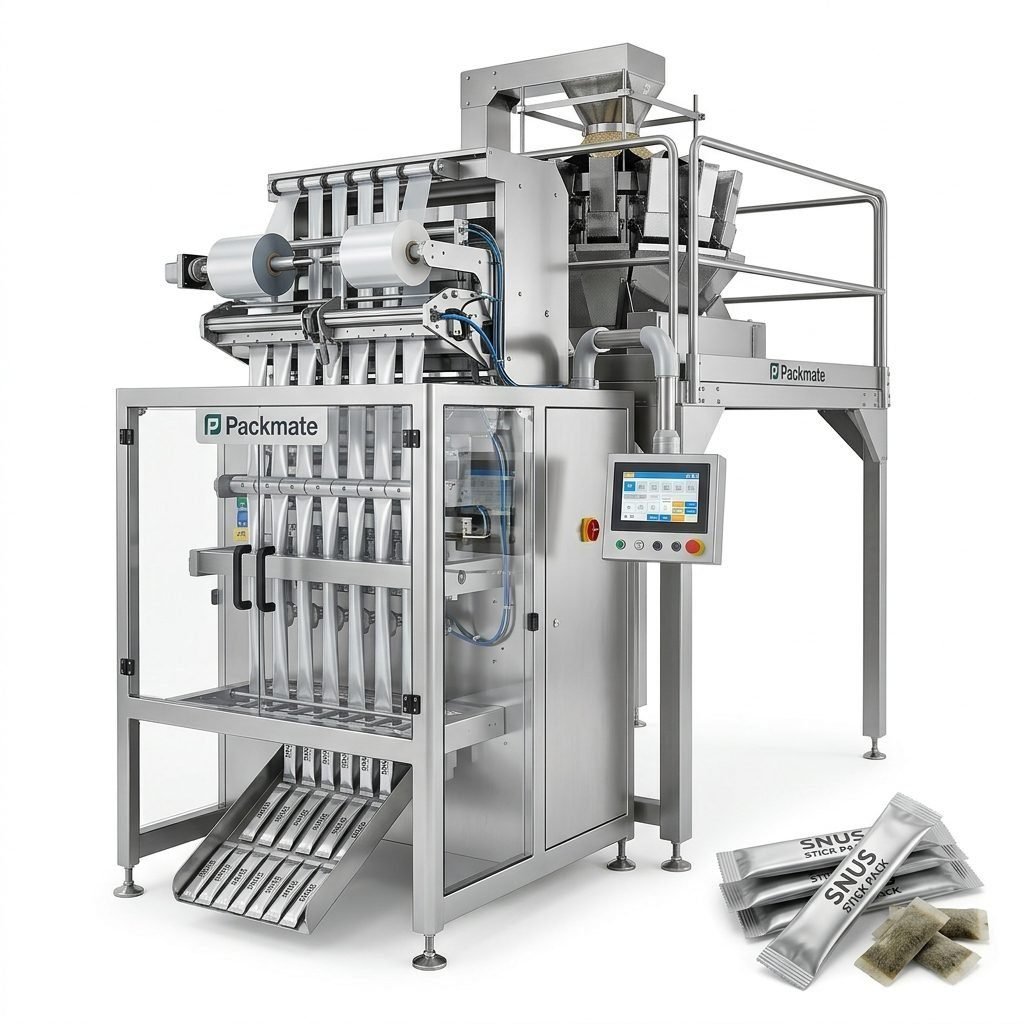
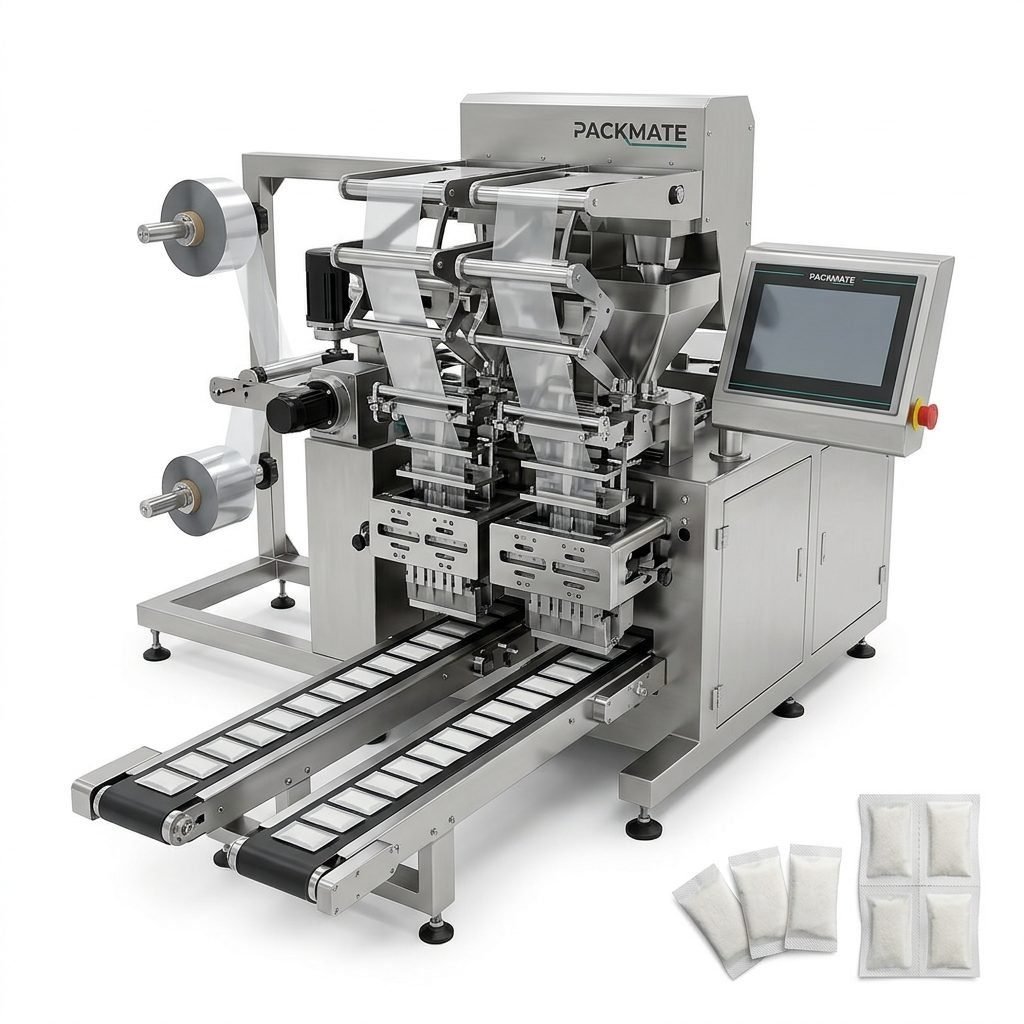
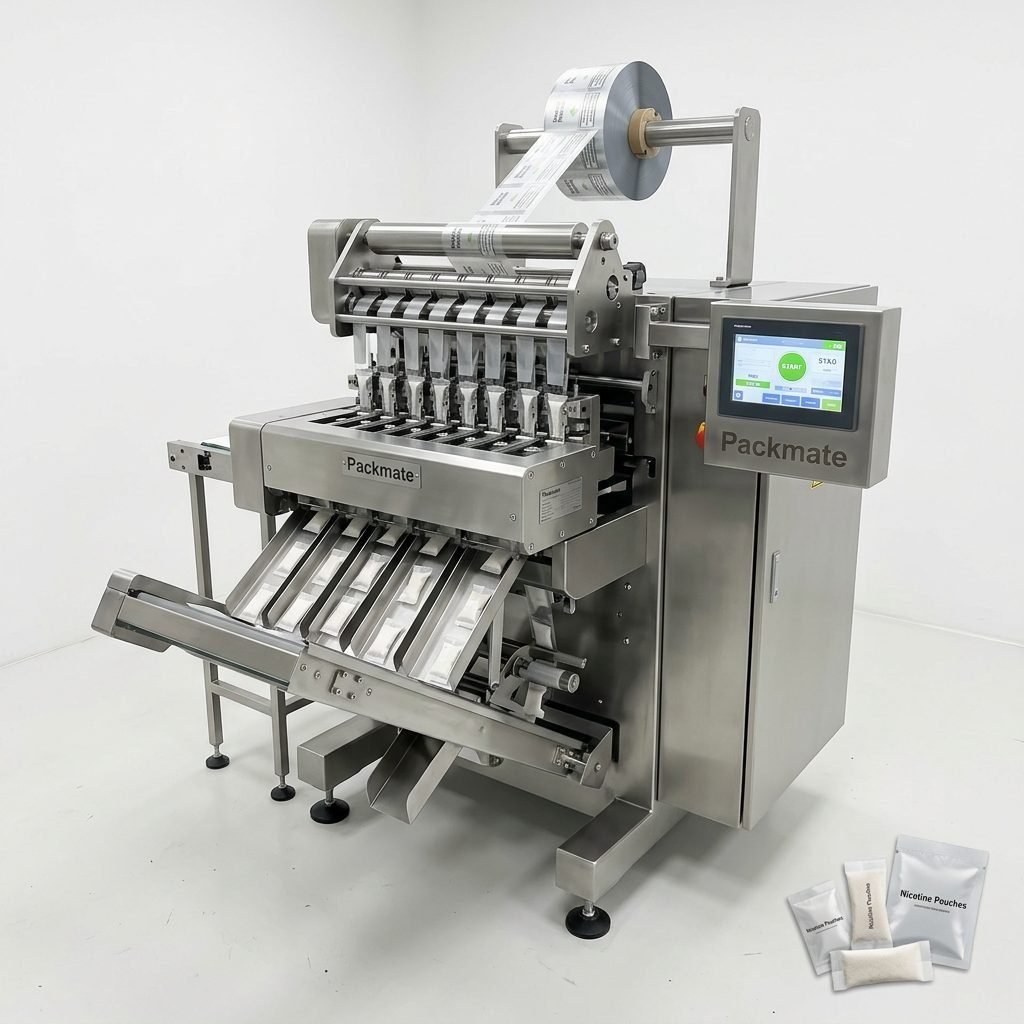
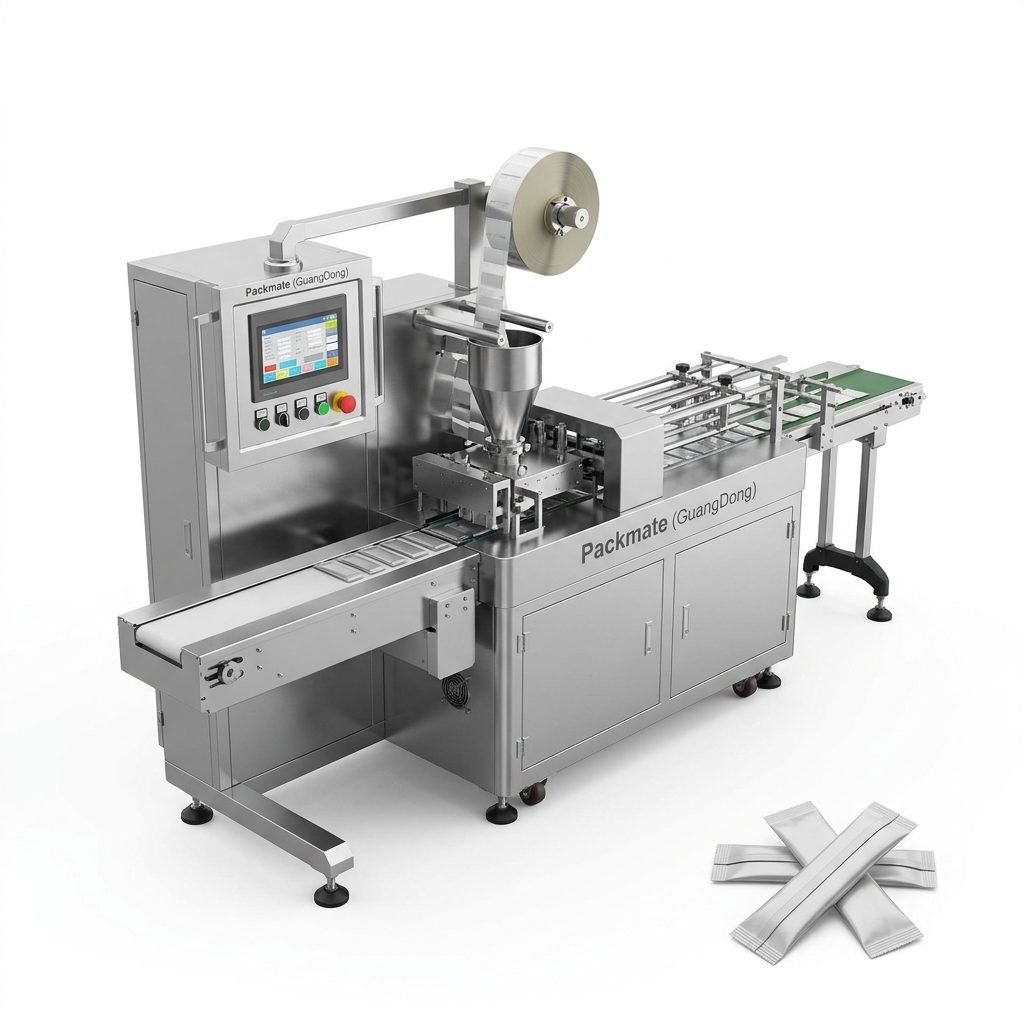
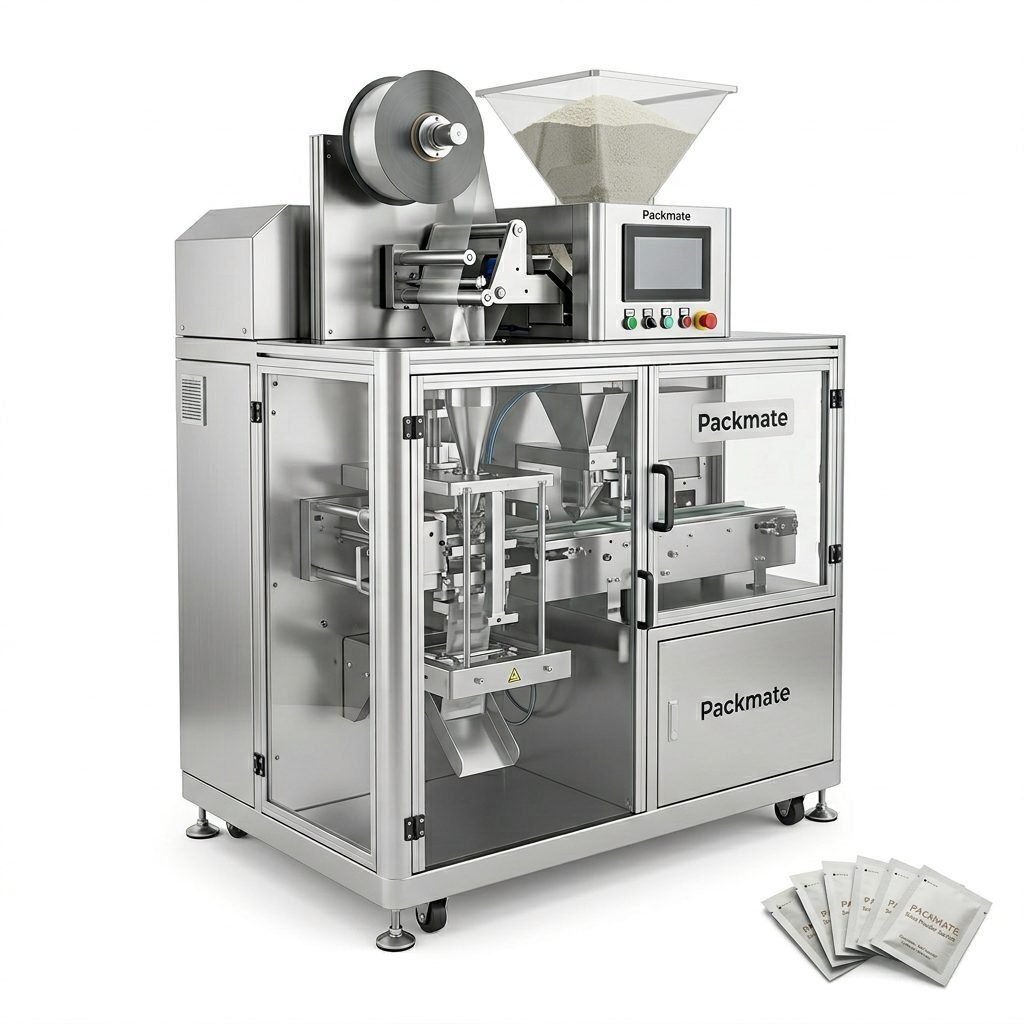
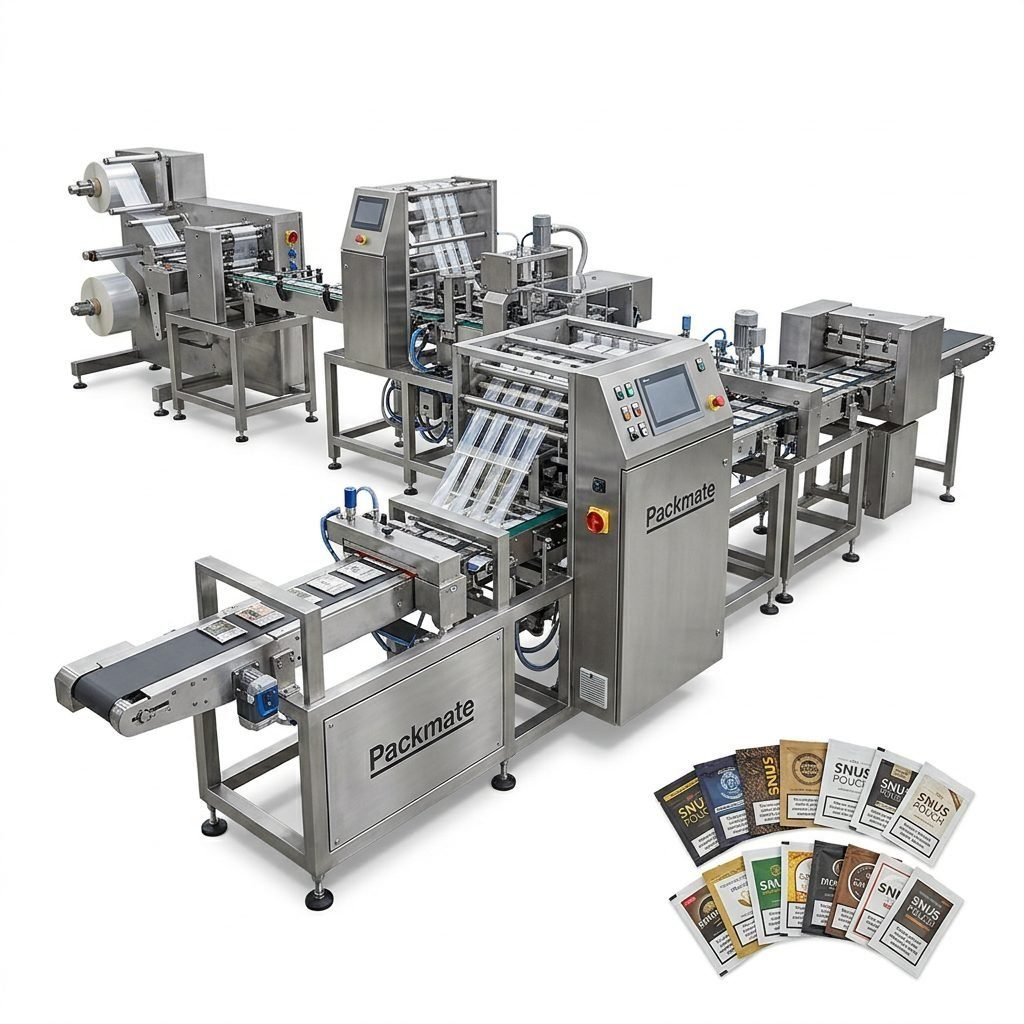
Stick packs and sachets are ideal for single-portion nicotine pouches and small-dose snus. These systems provide flexible portion weights, fast changeovers, and relatively compact footprints — perfect for pilot production or regional distribution across PNG.
Multi-lane systems for high throughput
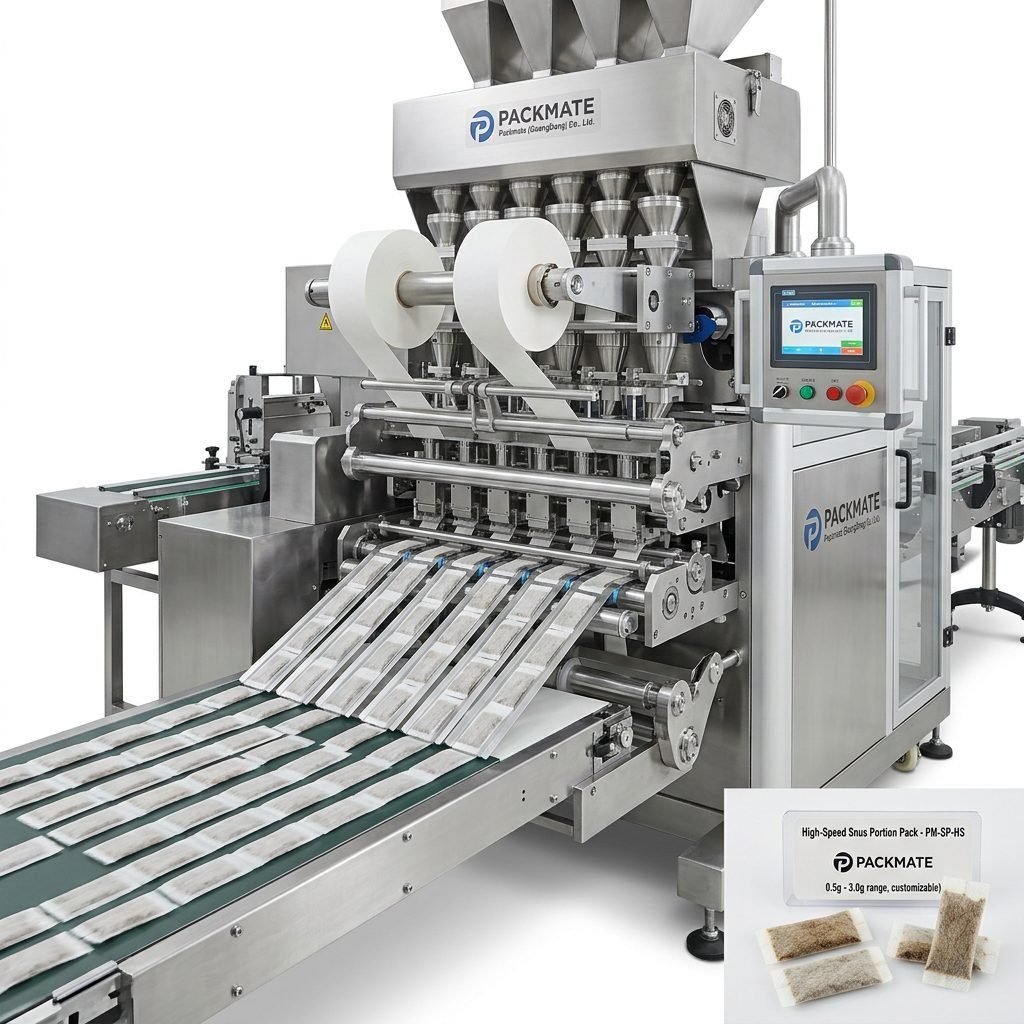
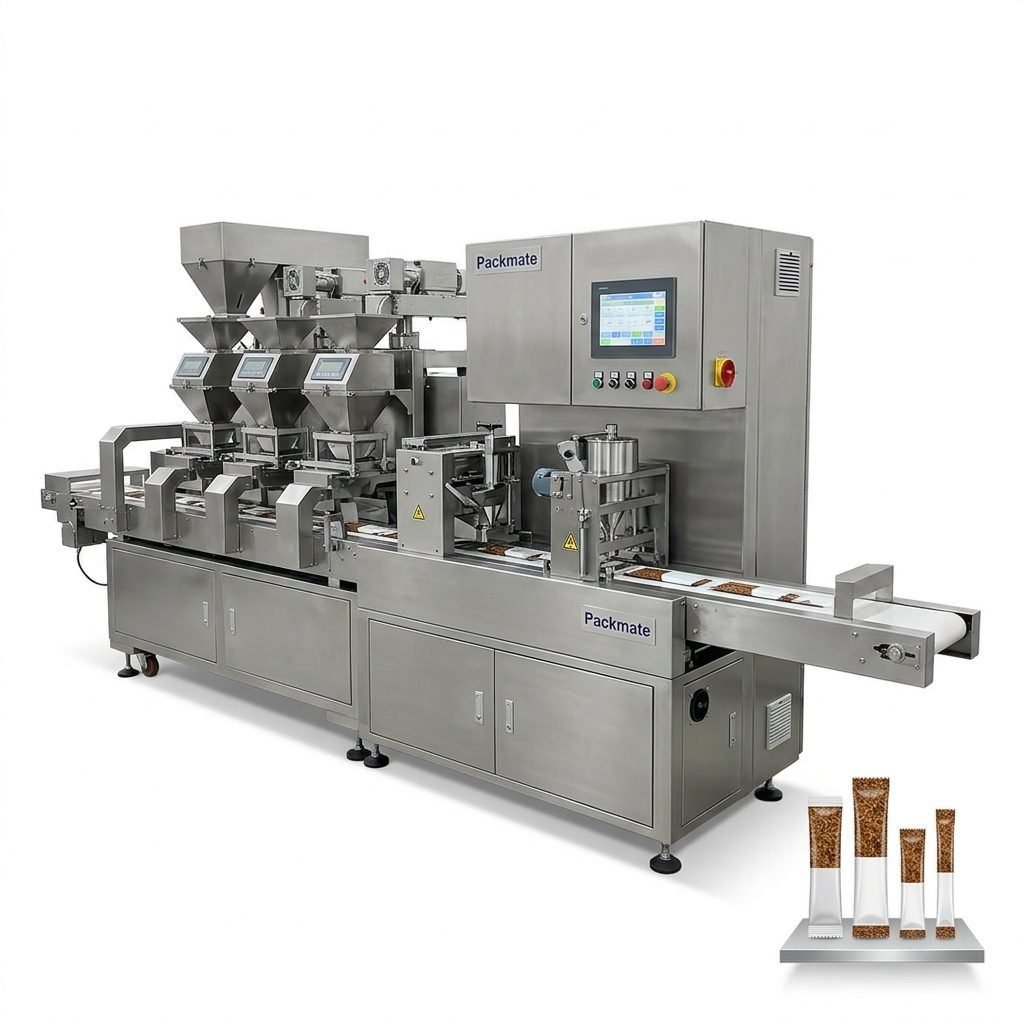
If you anticipate scaling rapidly across the Pacific or exporting to nearby markets, multi-lane packaging machines offer high output per hour and cost efficiencies. Consider multi-lane options once demand is stable and you need to maximize throughput.
Integrated lines vs. standalone machines
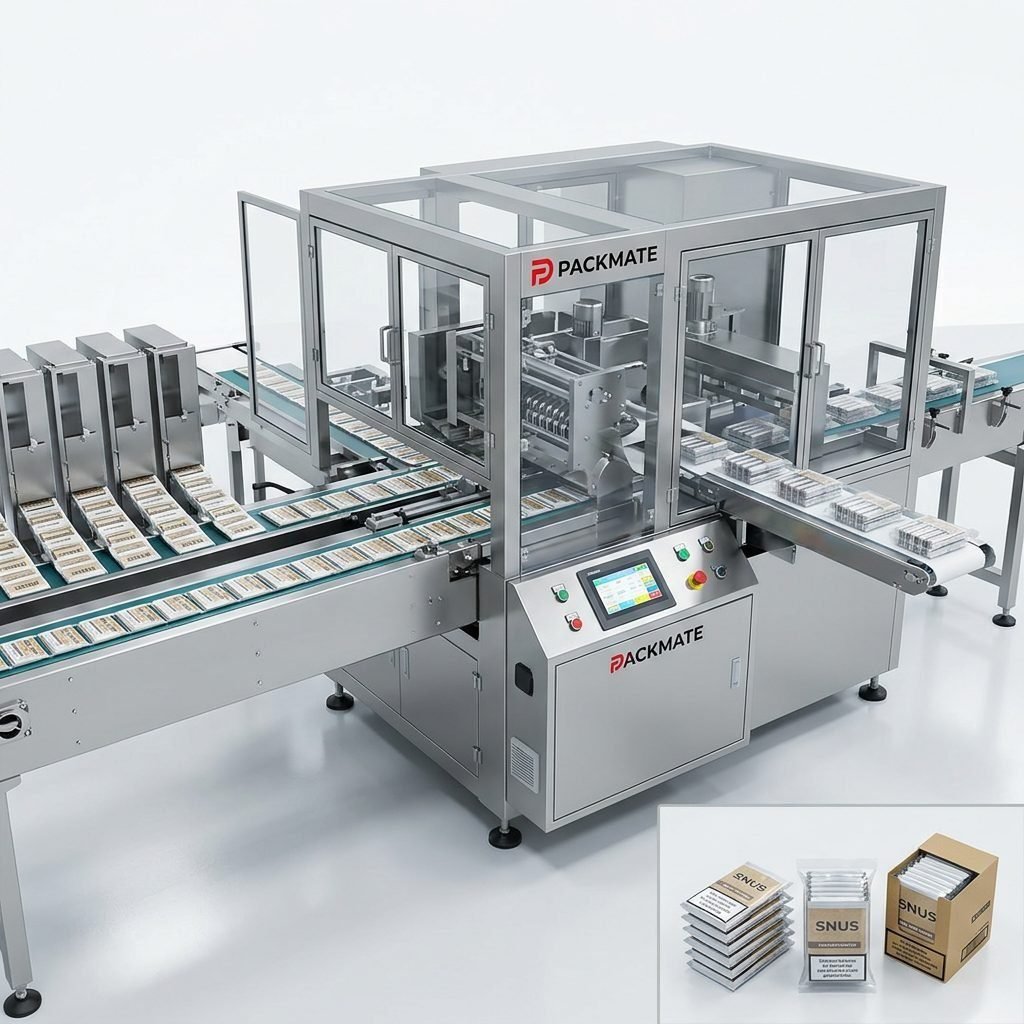
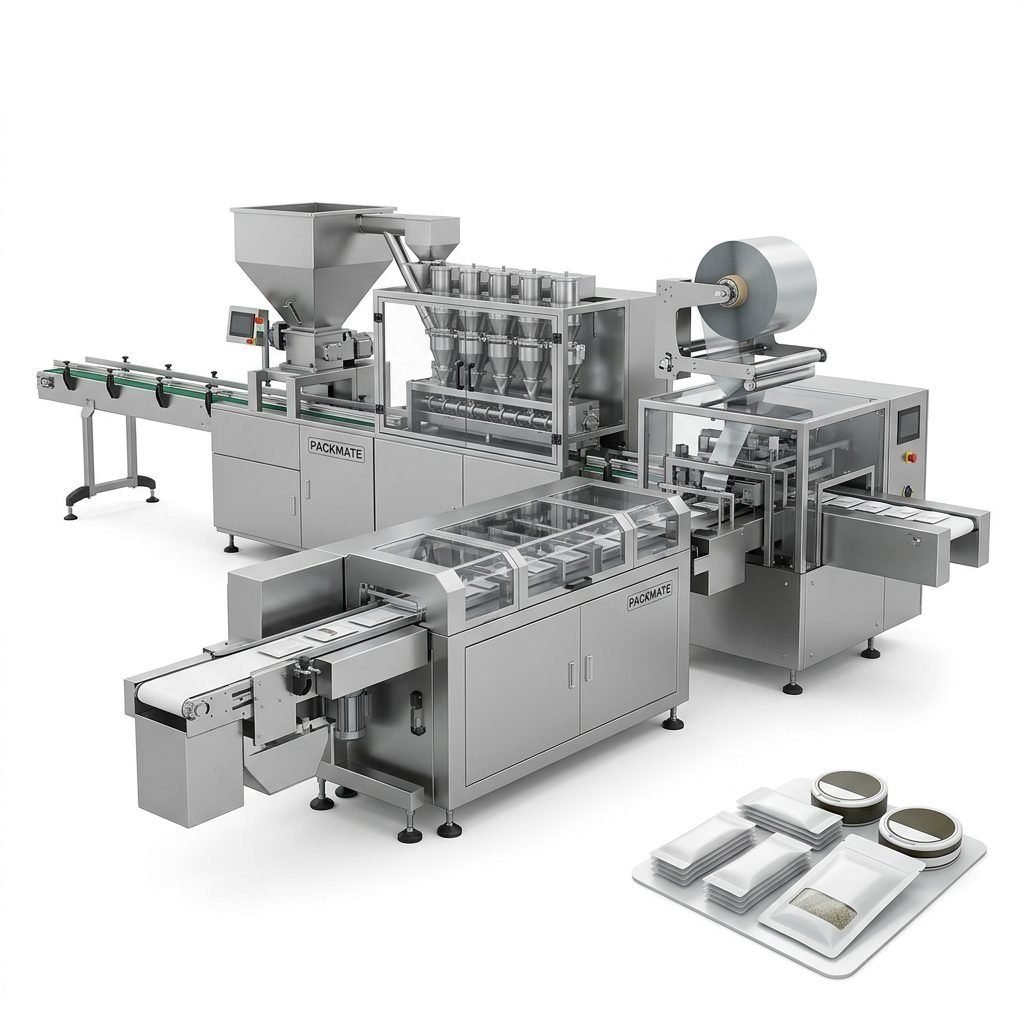
Integrated filling and packaging lines reduce manual handling and improve hygiene, while standalone machines are more affordable upfront and easier to install in constrained factory spaces. Choose integrated systems for long-term automation goals; choose standalone if you need flexibility and incremental investment.
Key Technical Specifications to Evaluate
When comparing models, focus on technical factors that directly impact product quality, uptime, and cost of ownership.
Filling accuracy and dosing range
Look for filling systems with tight tolerance control (low deviation in dose weight). This ensures regulatory compliance and reduces product giveaway. Machines with advanced servo controls and high-precision auger or volumetric fillers work best for small-dose nicotine pouches.
Speed and output consistency
Match machine speed to realistic production forecasts. Higher speed machines require better raw material handling and more robust downstream equipment (e.g., conveyors, case packers). For many PNG producers, a mid-speed machine with exceptional consistency beats a high-speed unit that suffers frequent stoppages.
Material compatibility and pouch formats
Ensure the machine supports the pouch films (foil, laminated films, paper-foil) you plan to use. Machines that can switch between stick, sachet, and pillow formats without major tooling changes add valuable flexibility.
Hygiene, Safety & Regulatory Compliance
Food- and pharma-grade hygienic design reduces contamination risk and eases regulatory inspections. PNG authorities expect manufacturers to follow international best practices for consumable products; therefore, prioritize equipment with certifications and sanitary features.
Certifications to consider
Machines certified to CE and ISO standards demonstrate compliant electrical safety and quality management. Manufacturers such as Packmate typically supply CE- and ISO-compliant equipment, which simplifies export documentation and local approvals.
Local Support, Training and Spare Parts
In PNG, on-the-ground technical support can be limited. Choose suppliers that offer robust training, clear documentation, remote support, and fast spare parts logistics. Consider vendors with regional partners or reliable courier options for parts delivery.
After-sales services to prioritize
– Remote diagnostics and PLC access for quick troubleshooting.
– Training packages for operators and maintenance staff.
– Spare parts kits for wear components (seals, belts, cutters) especially if shipping lead times are long.
Total Cost of Ownership (TCO) and ROI
Purchase price is only one component of TCO. Consider energy consumption, spare parts availability, expected uptime, and labor requirements. High-quality machines often deliver lower TCO through reduced downtime and consistent yields.
Calculating ROI
Estimate ROI using realistic run rates, expected scrap/waste percentages, and maintenance intervals. Factor in local costs for utilities and skilled labor. Machines with easier changeovers and fast cleaning cycles typically improve line efficiency and shorten payback periods.
Supply Chain & Logistics Considerations for PNG
Shipping to PNG can involve longer lead times and customs complexity. Choose machines that are packaged for sea freight, and confirm supplier experience shipping to Oceania to avoid delays or unexpected costs.
Packing and installation planning
Plan for equipment dimensions, crane/hoist requirements, and on-site utilities. Request detailed pre-shipment checklists from the supplier to speed customs clearance and installation.
Why Choose a Specialized Manufacturer Like Packmate
Specialized manufacturers bring focused expertise: Packmate Snus Machine, for example, concentrates on snus and nicotine pouch packaging and offers a portfolio that includes stick pack, sachet, multi-lane systems, and full turnkey lines. Their decades of engineering experience help ensure machines are tailored for small-dose products and precise filling systems.
Manufacturer strengths to look for
– Proven multi-lane designs for small-dose pouches.
– Factory testing and pre-shipment validation to reduce on-site setup time.
– Clear documentation and training packages for operators and technicians.
Learn more about specialized options such as Snus & Nicotine Packaging Machines or explore related equipment on the Bag & Pouch Packaging Machines page.
Selecting the Right Supplier: Questions to Ask
When evaluating suppliers, ask targeted questions that reveal production fit and supplier capability.
Essential questions
– Does the machine come with CE/ISO documentation?
– Can you provide references or case studies for nicotine pouch production?
– What is the expected lead time and shipping strategy to PNG?
– What training and warranty terms are included?
– Are remote support and spare parts shipping available from nearby hubs?
Installation, Validation and Ongoing Optimization
A good supplier supports installation, line validation, and initial process optimization. Expect on-site commissioning to include performance trials, dosing validation, operator training, and basic preventative maintenance instruction.
Performance validation checklist
– Dose accuracy tests across the full speed range.
– Packaging seal integrity and leak tests.
– Throughput trials with your actual materials.
– Safety interlock and emergency stop verification.
Common Pitfalls and How to Avoid Them
Be aware of recurring issues other producers face and how to mitigate them early.
Underestimating material testing
Many producers order machines before finalizing their film and pouch materials. Conduct material compatibility testing to avoid sealing and forming issues.
Ignoring local infrastructure limits
Check power stability, compressed air quality, and available floor space. Machines often need voltage stabilizers or dedicated air dryers in regions with variable utilities.
How to Start: A Practical 6-Step Buying Roadmap
Follow this roadmap to minimize risk and accelerate time to market.
- Define product formats and initial volumes (pilot vs. scale).
- Shortlist machine types: stick pack, sachet, or multi-lane.
- Request demos and full factory acceptance tests (FAT).
- Confirm documentation, spare parts lead times, and training.
- Plan logistics, installation, and commissioning timelines.
- Execute performance validation with your product and materials.
For detailed machine options and full turnkey lines, review the Filling & Packaging Lines and explore real-world implementations in the Case section.
Final Selection Checklist
✅ Production fit: Machine meets your current and near-term volume needs.
✅ Technical fit: Dosing accuracy, material compatibility, and speed validated.
✅ Compliance: CE/ISO certifications and labeling flexibility for PNG regulations.
✅ Support: Training, spare parts strategy, and remote diagnostics in place.
✅ TCO & ROI: Realistic payback calculation completed.
Next Steps and Where to Get Help
Start by documenting your product formats, weekly output targets, and preferred packaging materials. Contact reliable suppliers with experience in snus and nicotine pouch equipment to request tailored proposals and FAT schedules. For more information about Packmate’s capabilities and global support, visit About Packmate or reach out directly via Contact Us.
Quick resources
– Product catalog and technical specs: Catalog
– FAQs on ordering and service: FAQs
Frequently Asked Questions
Q1: What is the best starter machine for small-scale snus production in PNG?
A practical starter option is a flexible stick pack or sachet machine with moderate speed and easy changeovers. These allow you to test market acceptance with lower capital investment and scale later to multi-lane systems as demand grows.
Q2: How important are machine certifications and will they help exports?
Certifications such as CE and ISO show compliance with international standards and simplify export documentation. For PNG manufacturers planning to export, certified equipment reduces barriers and builds buyer confidence.
Q3: What spare parts should we stock locally?
Keep an inventory of wear parts: cutters, belts, seals, sensors, and basic electrical components. This mitigates downtime risks caused by extended shipping lead times to PNG.
Q4: Can machines be customized for different pouch sizes and materials?
Yes. Many manufacturers offer modular tooling and quick-change components to support multiple pouch formats and material thicknesses. Confirm changeover time and required tooling costs before purchase.
Q5: How do we arrange installation and training?
Reputable suppliers include commissioning and operator training in their service packages. Plan for on-site commissioning and request remote support options for follow-up troubleshooting to ensure smooth startup.