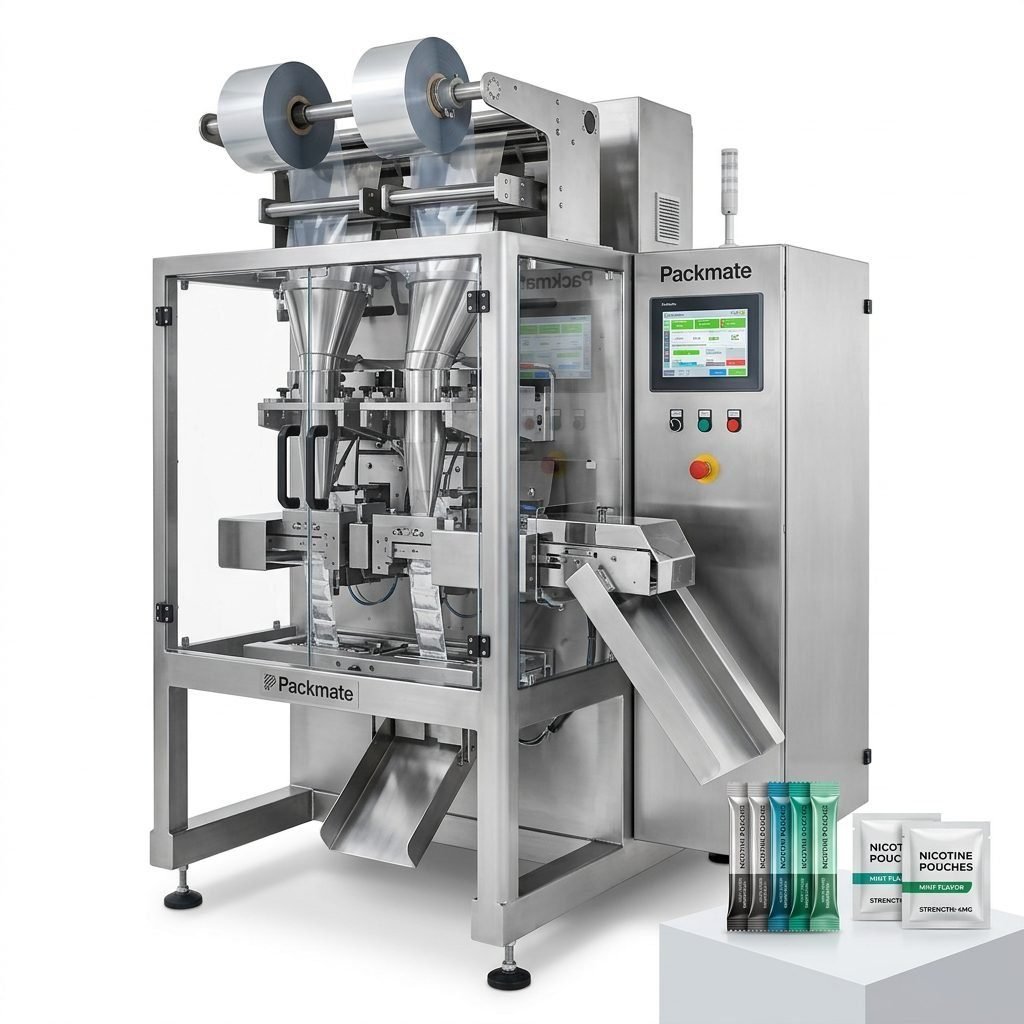
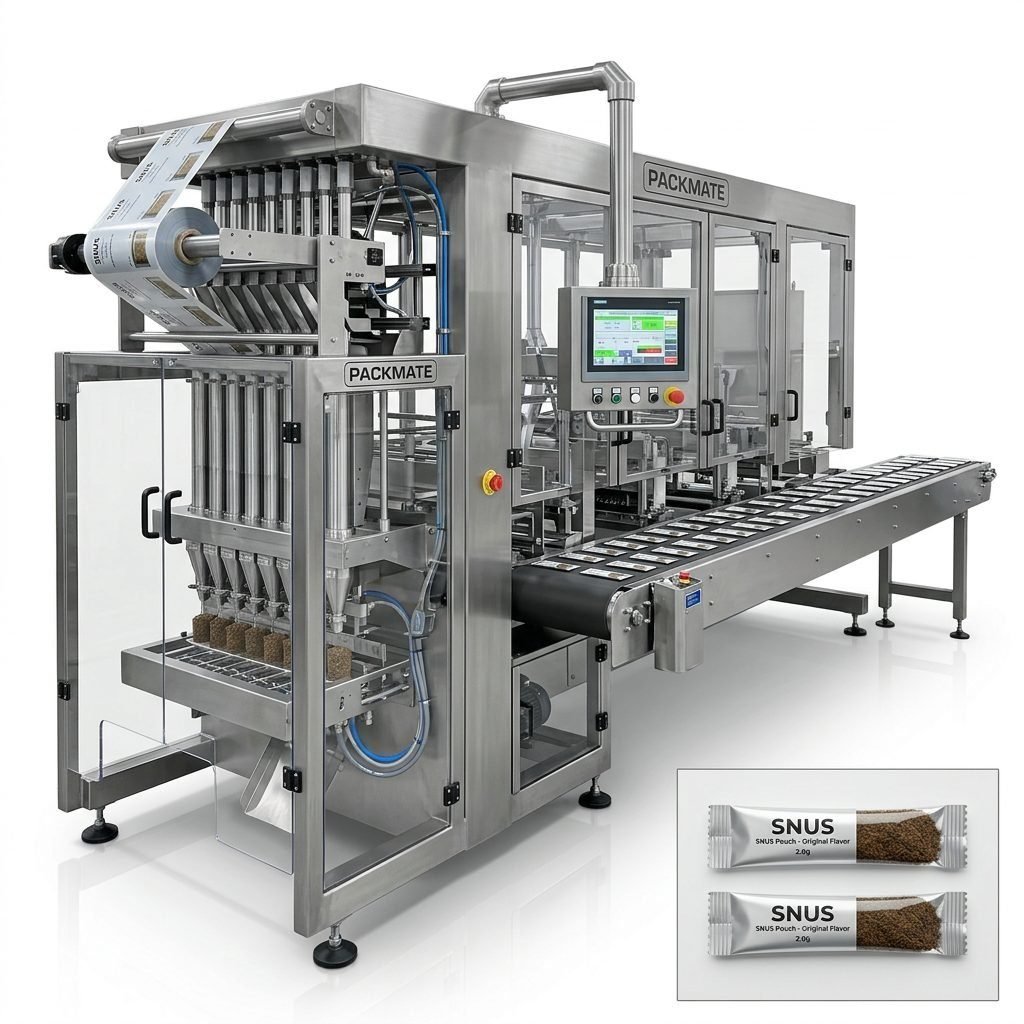
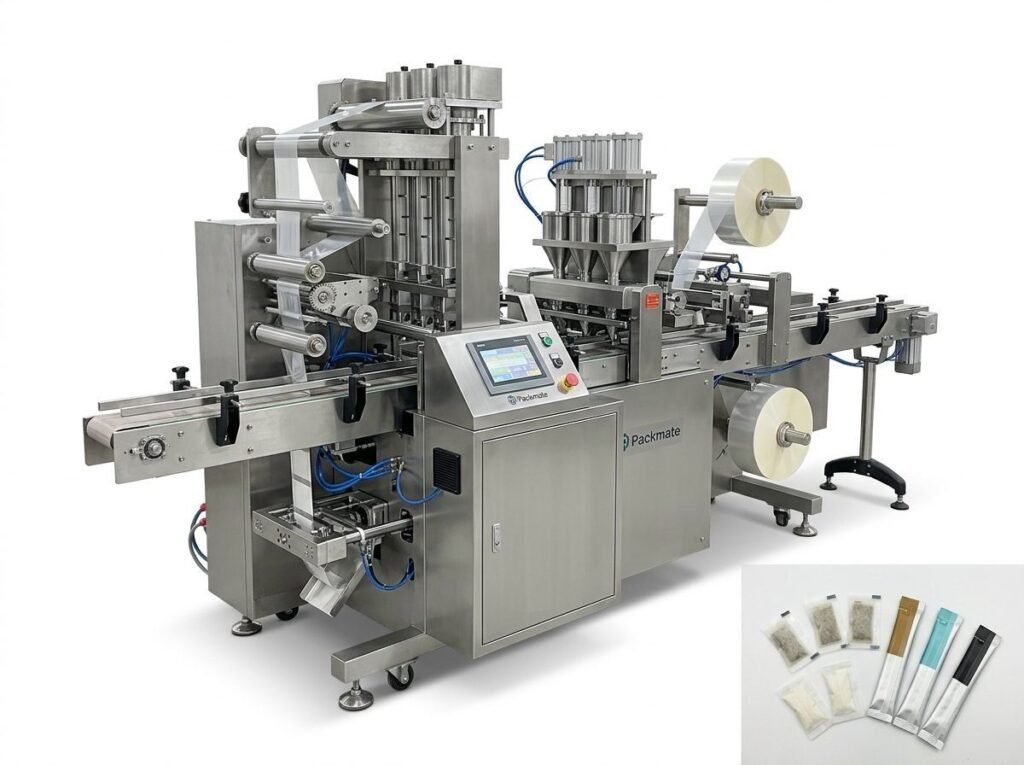
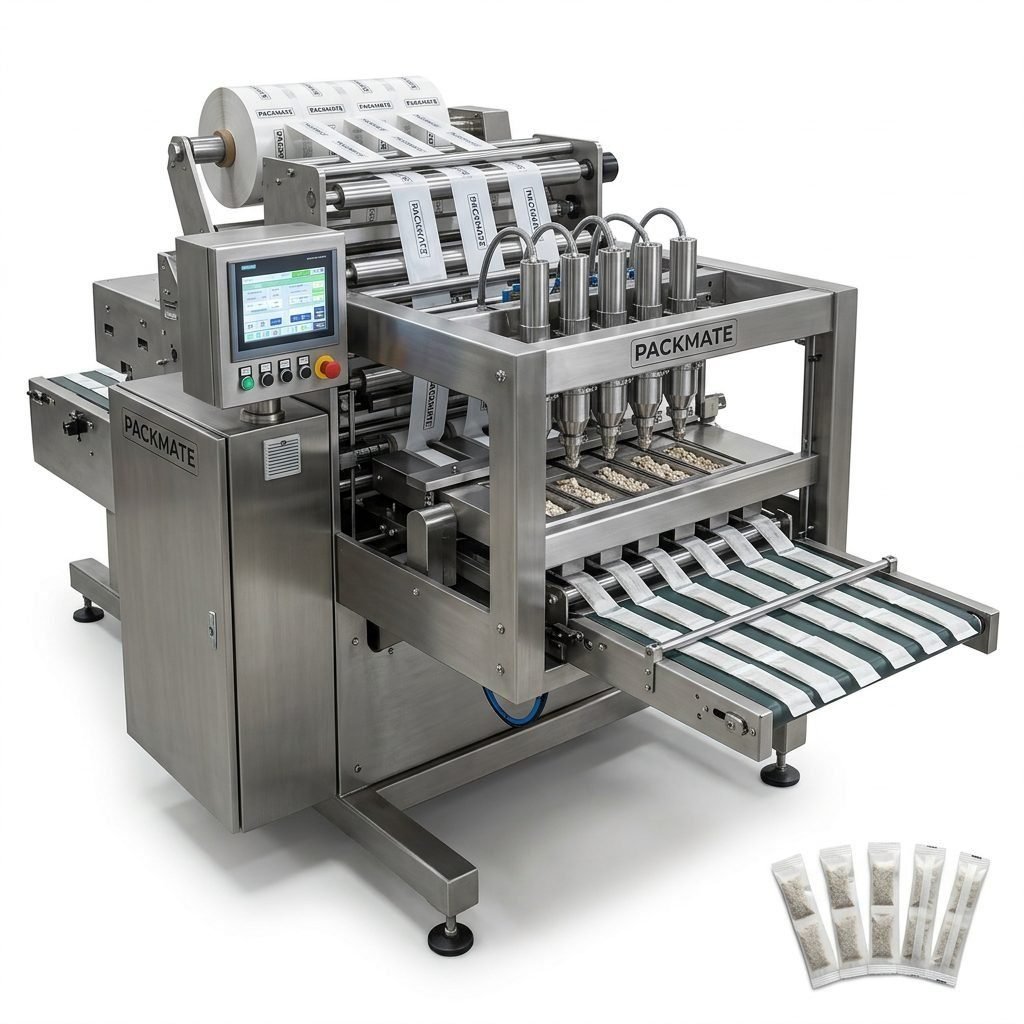
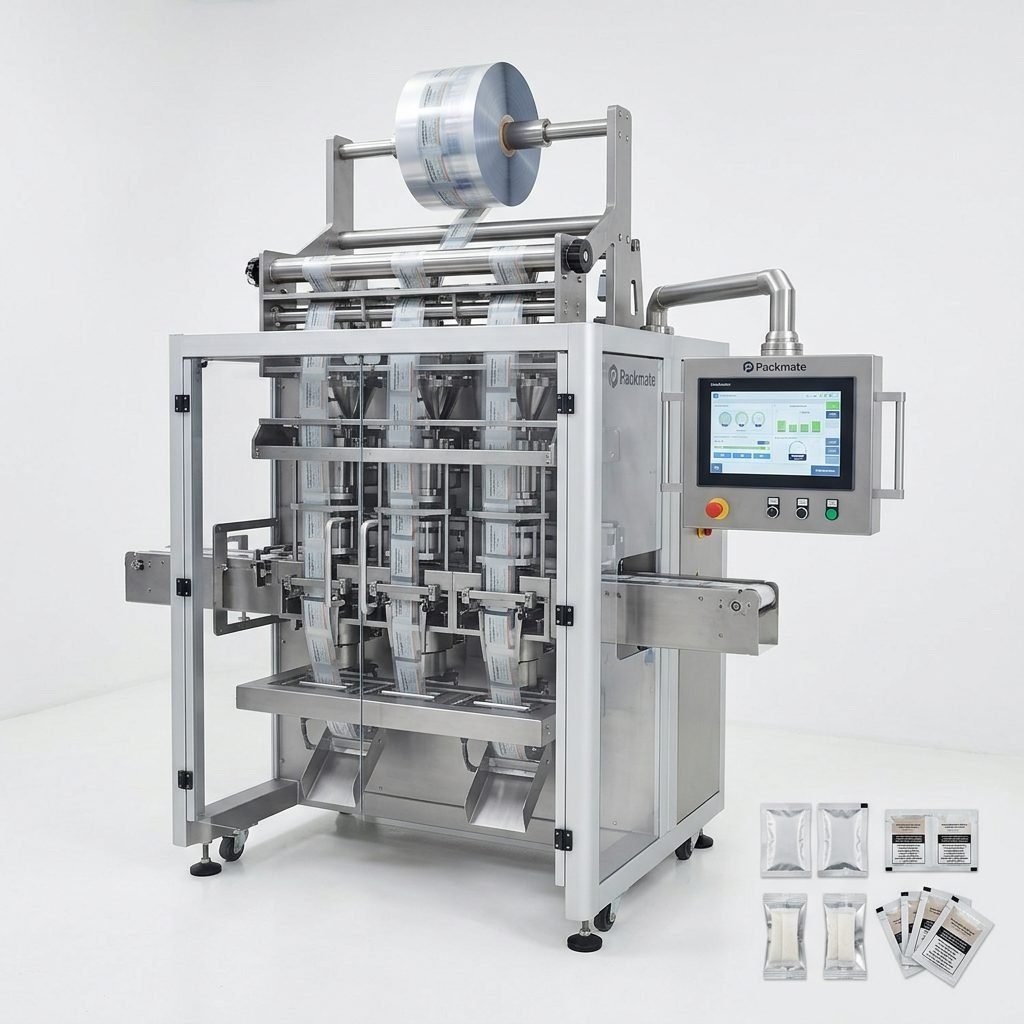
Entering the Moroccan nicotine pouch and snus market — or upgrading a local packaging line — requires a careful match between machinery capabilities and local production realities. This guide walks you through the key factors to consider when choosing nicotine packaging machinery in Morocco, from regulatory checks and product formats to automation, maintenance, and supplier selection. Whether you plan to produce small-batch artisanal pouches for specialty retailers or high-speed multi-lane outputs for national distribution, the right equipment decision will protect product quality, improve efficiency, and maximize ROI.
Understand Morocco’s Market and Cultural Context 🇲🇦
Morocco’s tobacco and nicotine landscape is shaped by a mix of traditional consumption habits, seasonal demand patterns, and evolving regulatory frameworks. Consumers often prefer discreet, well-packaged products for urban retail and duty-free channels. Markets in Casablanca, Rabat and Agadir place higher value on premium packaging finishes, while secondary cities may favor cost-effective formats.
Important local considerations:
- Religious and social calendars (e.g., Ramadan) can influence production cycles and demand planning.
- French and Arabic are commonly used in labeling — allow flexibility for multi-language printing and packaging inserts.
- Retail channels include modern supermarkets, tobacconists, and cross-border travel retail — packaging formats must suit point-of-sale display and consumer portability.
Key Takeaway
Match machine capabilities with Moroccan market segments: premium urban products need versatile finishing and printing, while mass-market SKU lines prioritize uptime and cost-efficient formats.
Regulatory Compliance and Safety Requirements
Before selecting machinery, confirm national and regional regulations regarding nicotine products, packaging warnings, tamper-evident seals, and child-resistant features. Moroccan authorities, distributors, and international buyers will expect compliance with labeling rules and safety standards.
When evaluating machines, prioritize equipment that supports:
- Accurate dosing and fill control to meet product weight and nicotine limits;
- Flexible printing or labeling modules for multilingual compliance;
- CE and ISO compliant components to ease export and certification processes.
Choose the Right Packaging Format
Different packaging formats require specialized machinery. Common options include:
- Stand-up pouches with resealable zippers — ideal for retail shelves and repeated consumption;
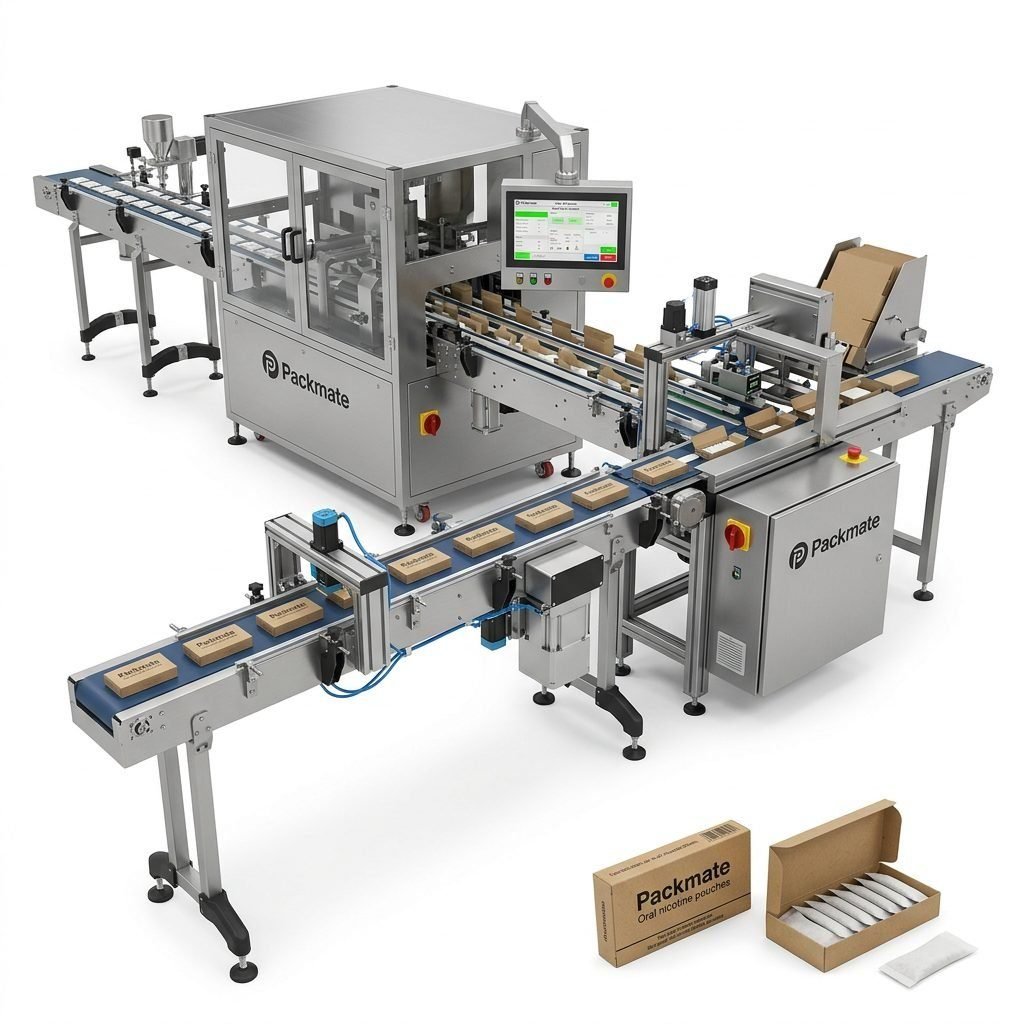
- Individual sachets or stick packs — preferred for single-use convenience and travel retail;
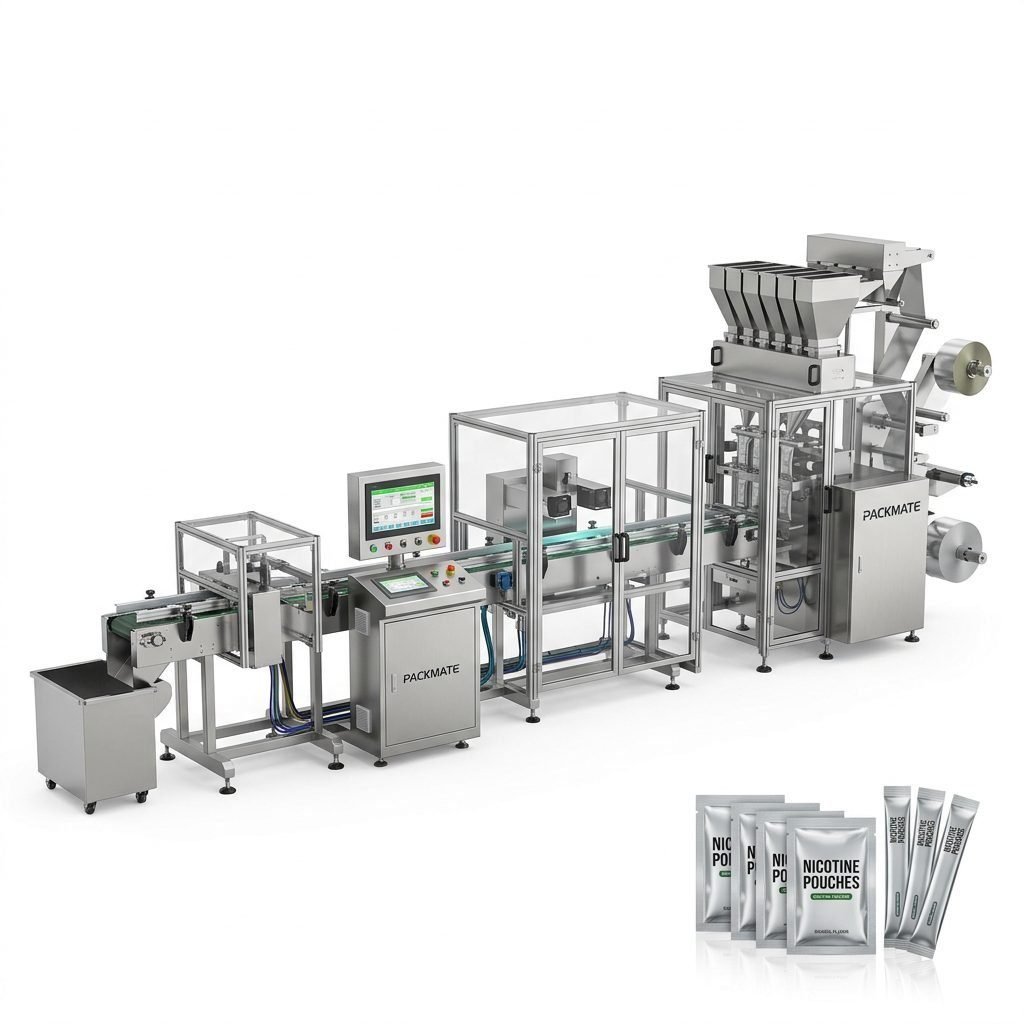
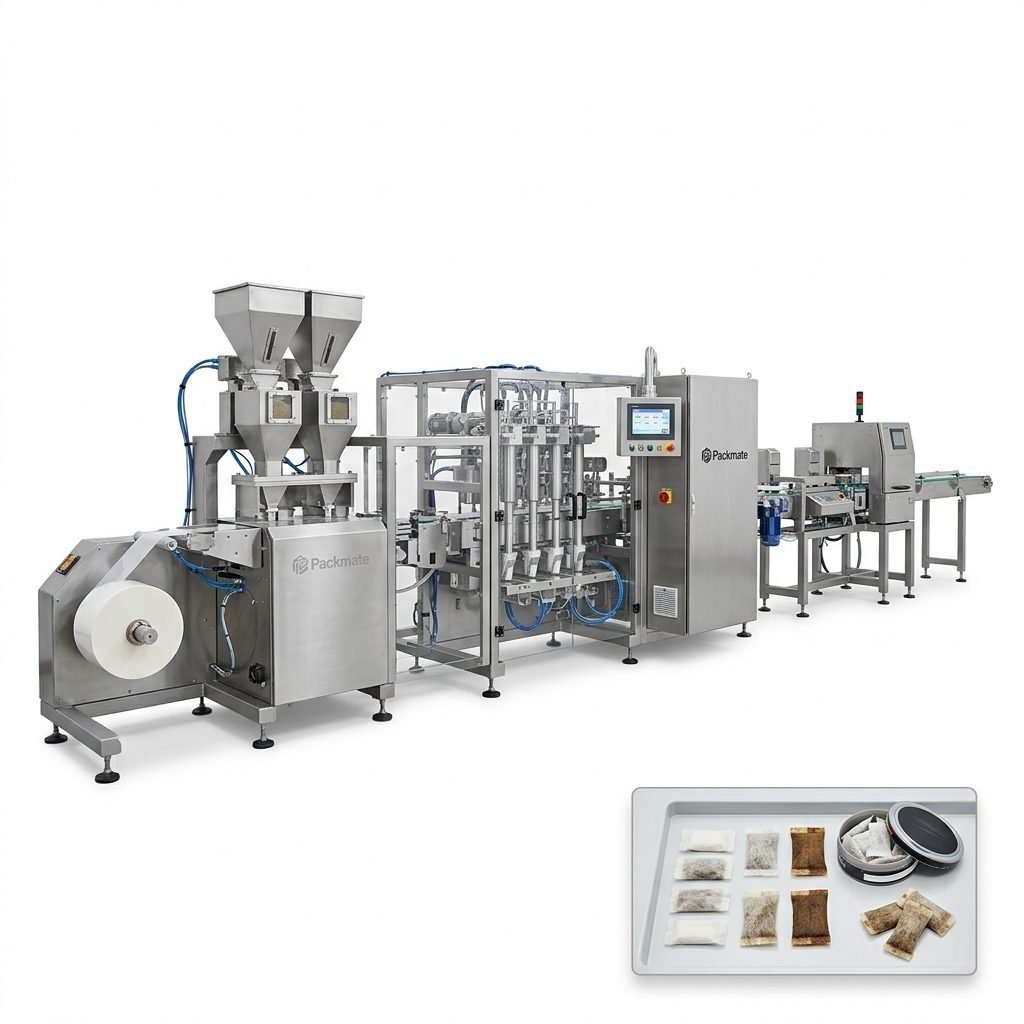
- Multi-lane pouch systems for high-output small-dosage pouches (snus/nicotine pouches).
If you need multi-format flexibility, consider modular machines that can switch between sachet, stick pack and pouch configurations. For details on machine types, review industry offerings such as
Snus & Nicotine Packaging Machines and
Sachet & Stick Pack Machines.
Production Capacity & Speed
Calculate current and projected throughput before selecting a machine. Key metrics include pouches per minute, lanes, changeover times, and downstream packing or cartoning capacity. Choose a machine that supports a realistic growth path — it’s often more cost-effective to buy slightly above current needs than to outgrow equipment in months.
Speed vs Stability: high-speed multi-lane machines boost output but demand robust maintenance and operator training. For variable demand or artisanal lines, a lower-speed, more flexible machine may yield better quality control.
Material Compatibility & Product Handling
Nicotine pouches vary in moisture content, size, and texture. Machines must handle these consistently without product damage or variation in fill weight. Ask suppliers for product handling case studies and references for similar materials.
Important features:
- Gentle conveying systems to protect delicate pouches;
- Accurate weigh-fill or volumetric dosing units for consistent nicotine and pouch weights;
- Static control, dust management, and easy-clean elements for hygienic handling.
Automation, Integration, and Industry 4.0
Modern packaging lines benefit from automation and real-time monitoring. Look for machines with PLC controls, HMI interfaces, and data logging to track OEE and batch records. This is especially valuable in Morocco where export customers may request traceability.
Integration considerations:
- Can the machine integrate with your existing weighers and cartoners?
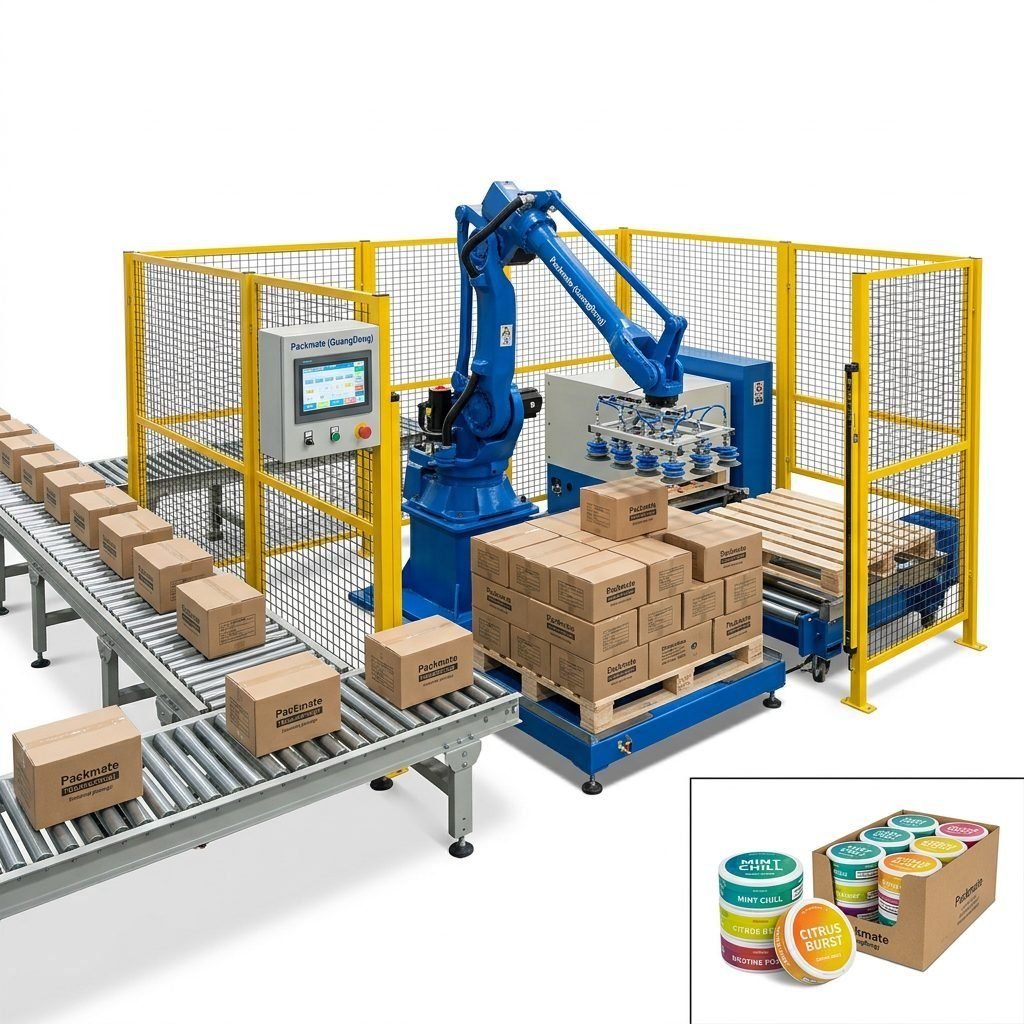
- Does the supplier offer turnkey solutions (filling + packaging + secondary packing)? See examples on Filling & Packaging Lines.
- Is remote monitoring possible for quick diagnostics and support?
Quality, Service, and Local Support
Equipment uptime depends heavily on after-sales service. In Morocco, timely spare parts delivery and field service support can be a differentiator. Evaluate suppliers for:
- Local or regional spare parts stocks and service agreements;
- Training for operators and maintenance staff in French or Arabic if needed;
- Clear warranty terms and options for extended service contracts.
Supplier credibility matters: choose a manufacturer with proven packaging lines and global references. Packmate (Packmate Snus Machine) provides turnkey solutions and long-term support — learn more on the
About Packmate page.
Customization and Turnkey Solutions
Many producers in Morocco benefit from customizing machines for unique SKUs or local regulatory labels. Turnkey suppliers can manage everything from product dosing to final boxing, which reduces integration risk and accelerates time-to-market.
When discussing customization, request:
- Proof-of-concept runs or sample videos using your exact product;
- Engineering drawings and layout plans for your facility footprint;
- Clear timelines for delivery, installation and commissioning.
Total Cost of Ownership & ROI
Machine price is only the beginning. Calculate TCO including installation, commissioning, training, spare parts, utilities, downtime risk, and expected lifespan. Faster machines may offer lower per-unit costs but require more frequent calibration and higher maintenance budgets.
Use a simple ROI model:
- Estimate annual production volume × cost saving per unit from automation;
- Subtract annual operating expenses for maintenance and spare parts;
- Divide net annual benefit by capital cost to get a payback period.
Installation, Training, and Commissioning in Morocco
Plan installation during low-demand periods if possible (e.g., outside peak Ramadan demand surges). Require on-site training in the language your team prefers; many international suppliers provide bilingual manuals and trainers. Confirm who handles electrical and mechanical integration, and whether the supplier will commission the line on-site.
Selecting a Reliable Supplier — What to Ask
When comparing vendors, evaluate:
- References and case studies for nicotine pouch projects — see Packmate’s global Case examples;
- Detailed technical specs and uptime metrics;
- Availability of spare parts and lead times to Morocco;
- Options for factory acceptance tests (FAT) prior to shipment;
- Certifications such as CE and ISO to ensure international compliance — view Certificate information.
Practical Checklist (Quick)
- ✔️ Production capacity match (today & 2–5 year forecast)
- ✔️ Format compatibility (pouch, sachet, stick)
- ✔️ Material handling reliability
- ✔️ Local service & spare parts availability
- ✔️ Clear warranty and training plan
Examples of Machine Types to Consider
– Multi-lane pouch machines for high throughput small-dosage pouches.
– Stick pack machines for single-dose convenience.
– Sachet machines for small sachets and trial packs.
– Integrated filling + packaging lines for complete automation — learn about modular systems on the Weighing & Packaging Systems page.
Why Packmate Could Be a Strong Partner
Packmate Snus Machine brings decades of experience in snus and nicotine machinery, offering multi-lane solutions, stick pack and sachet systems, and full turnkey lines from filling to final packing. Their 20,000㎡ factory and 30+ years of engineering demonstrate the production and service capacity needed for export and local markets. Explore services and catalogues on the Catalog and Service pages.
Final Implementation Tips for Morocco
– Schedule FATs and pilot runs to validate performance with your actual product.
– Ensure training materials and spare parts lists are translated into the working language of your operators.
– Build production buffers around major cultural or holiday periods.
– Secure a reliable logistics plan for importing parts and machines, including customs clearance and documentation.
Conclusion
Choosing the right nicotine packaging machinery for Morocco is a strategic decision that affects product quality, compliance, and commercial success. Focus on matching machine type to packaging format, ensuring regulatory readiness, planning for local market rhythms, and partnering with a supplier who provides local support, proven references, and turnkey options. A measured approach — balancing speed, flexibility and service — will deliver the best ROI and long-term stability for your production line.
Frequently Asked Questions (Common Questions)
Q1: How do I ensure my machine meets Moroccan labeling and safety rules?
A1: Work with your supplier to confirm printing and labeling modules can handle multilingual content and mandatory warnings. Ask for previous export documentation and certification copies (CE/ISO) and consult local authorities or legal counsel for nicotine-specific rules.
Q2: What machine speed should I choose for a new line in Casablanca?
A2: Base speed on projected yearly volume. For urban retail brands planning national distribution, multi-lane machines (higher RPM with more lanes) often fit. For niche or seasonal products, a flexible lower-speed line may be more economical.
Q3: How important is local service and spare parts availability?
A3: Extremely important — fast access to parts reduces downtime. Confirm spare parts lead times to Morocco and consider service contracts that include preventive maintenance and remote diagnostics.
Q4: Can I see references or case studies of similar nicotine lines?
A4: Yes — reputable suppliers provide case studies and references. For example, review Packmate’s project cases and exhibition history on their Our Exhibition and Case pages.