Choosing the right snus packaging machine manufacturer for your business in Japan requires more than price comparison. Japanese customers and retailers expect precision, hygiene, compact footprints, and packaging that aligns with local aesthetics and convenience store distribution models. This guide walks you through the practical and cultural considerations, technical must-haves, and supplier selection process so you can confidently select a partner who supports long-term production, compliance, and product appeal.
Understand the Japanese Market Context
Japan values high-quality workmanship, meticulous cleanliness, and refined packaging design. For snack, tobacco-alternative, and personal-consumption items like nicotine pouches, packaging must be neat, discreet, and easy to carry. Convenience stores (konbini) dominate retail distribution, emphasizing compact, sturdy packs that resist humidity and temperature changes. Suppliers who know these preferences and can design packaging and machines tailored to small, high-frequency runs will deliver a better ROI.
Cultural & operational nuances to keep in mind
– Prioritize machines that deliver consistent output to match Japan’s reputation for reliability and product uniformity.
– Expect detailed documentation and thorough after-sales service; Japanese buyers highly value supplier transparency and responsiveness.
– Packaging aesthetics matter: minimalistic, informative, and space-efficient designs typically perform better at retail.
– Consider vending and konbini shelf requirements: dimensions, resealability, and tamper evidence may influence machine format and sealing methods.
Key Technical Factors When Evaluating Manufacturers
Look beyond brochures. Before you engage a manufacturer, verify the following technical capabilities and quality indicators to ensure the equipment will meet Japanese production standards and your business needs.
1. Experience and specialization
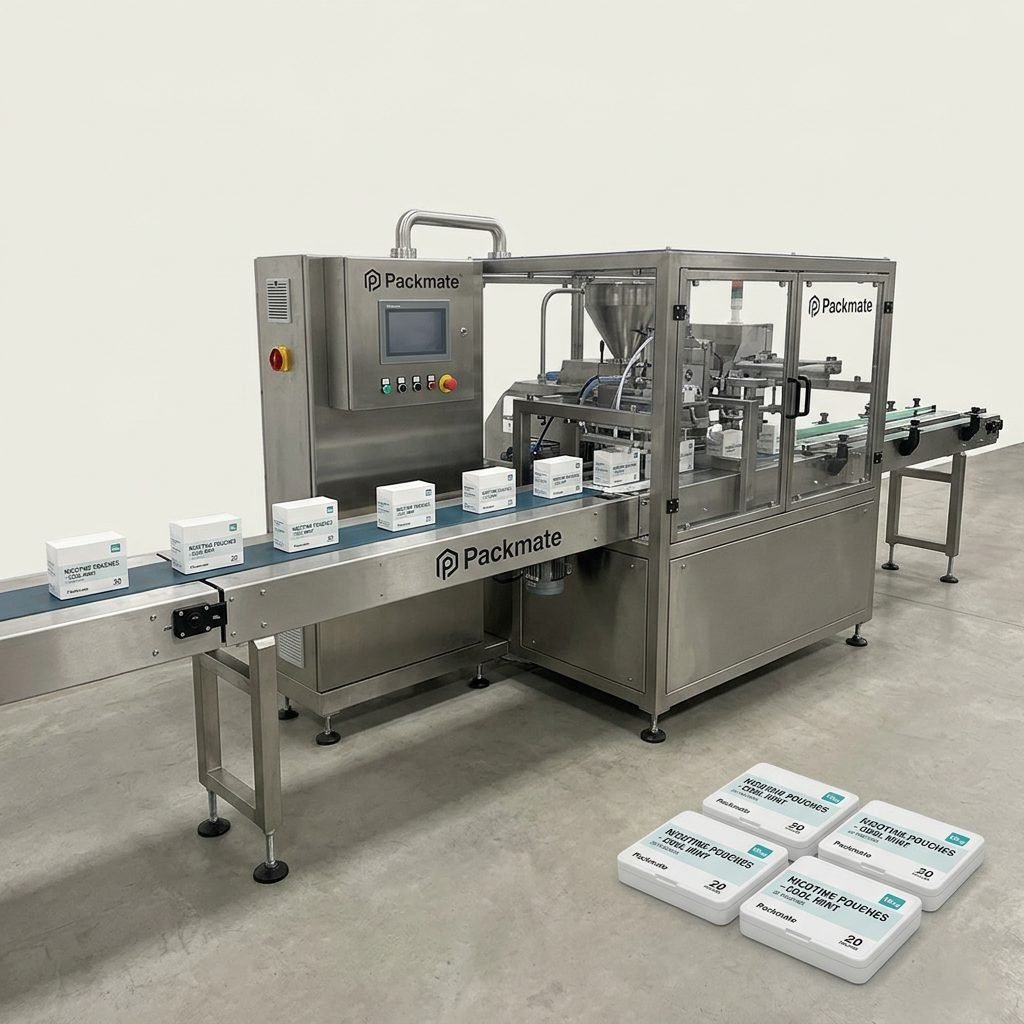
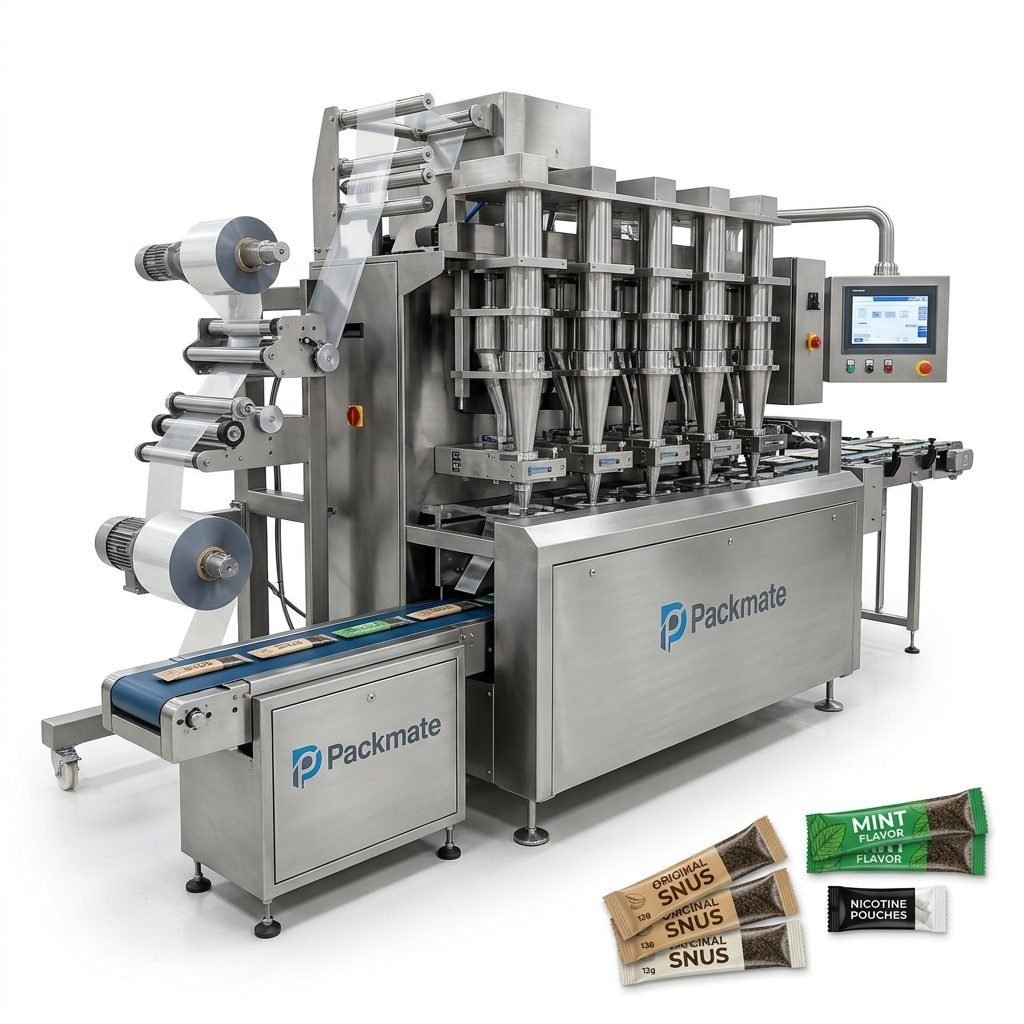
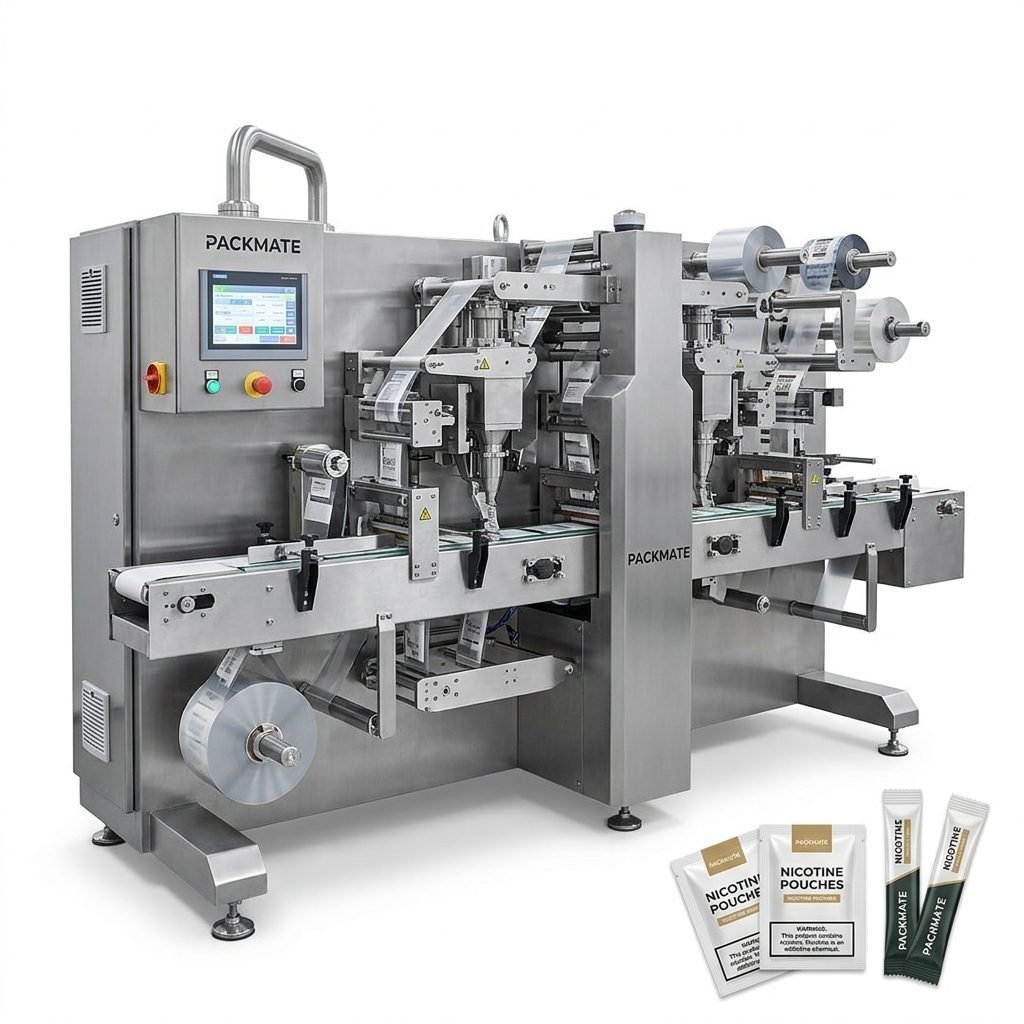
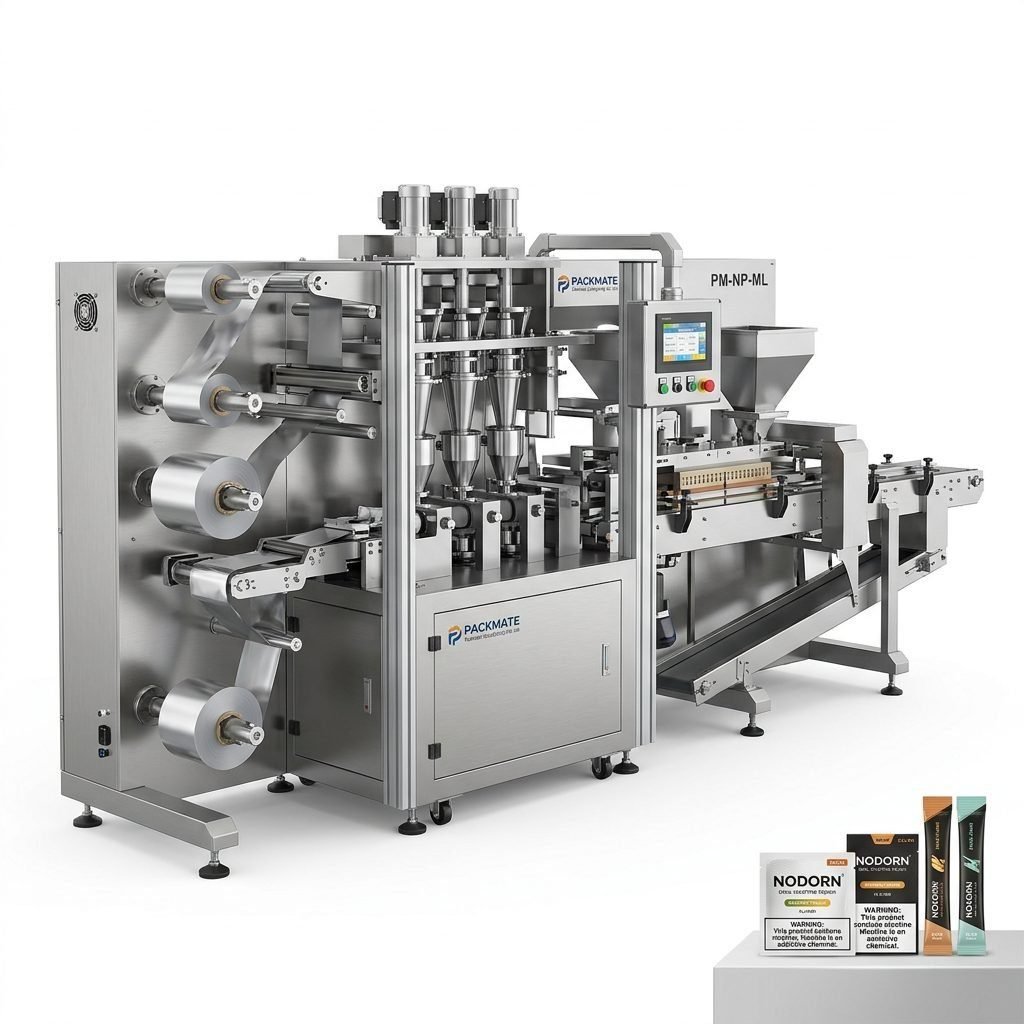
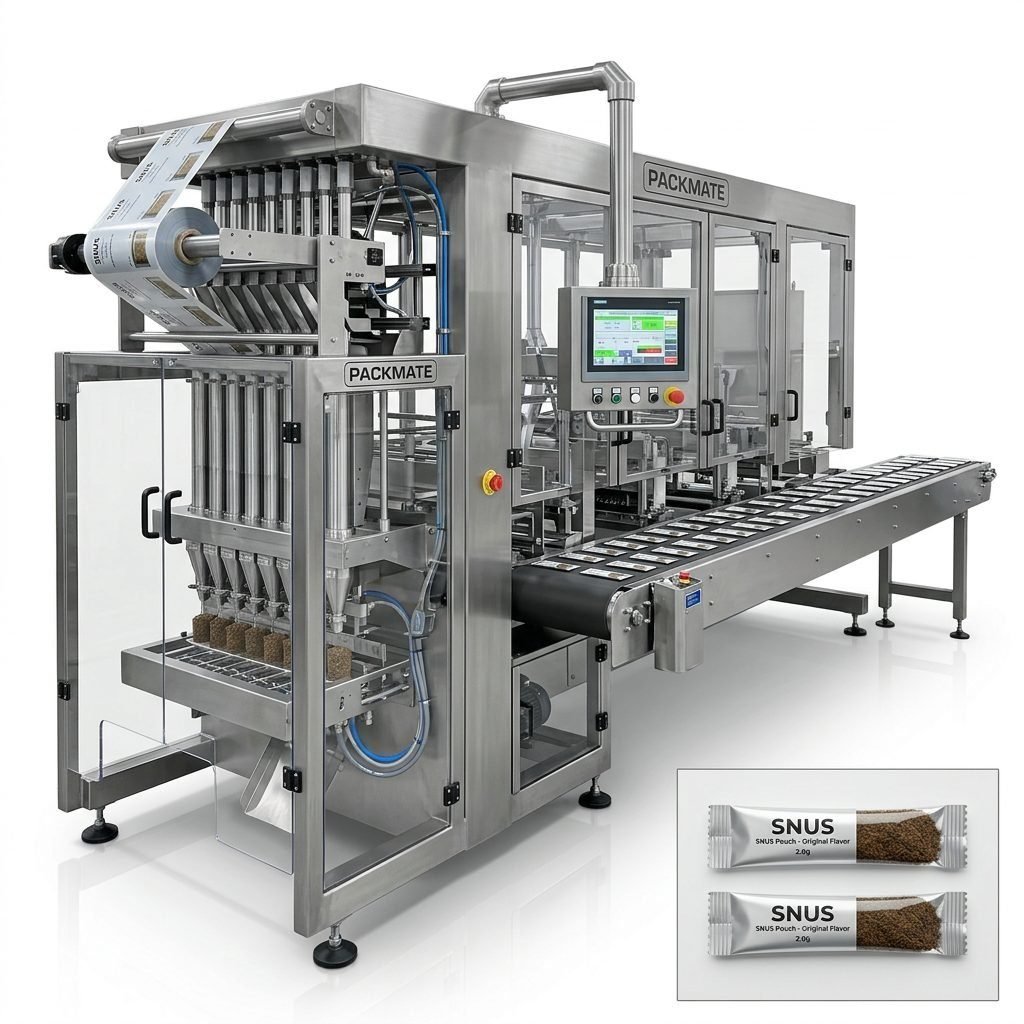
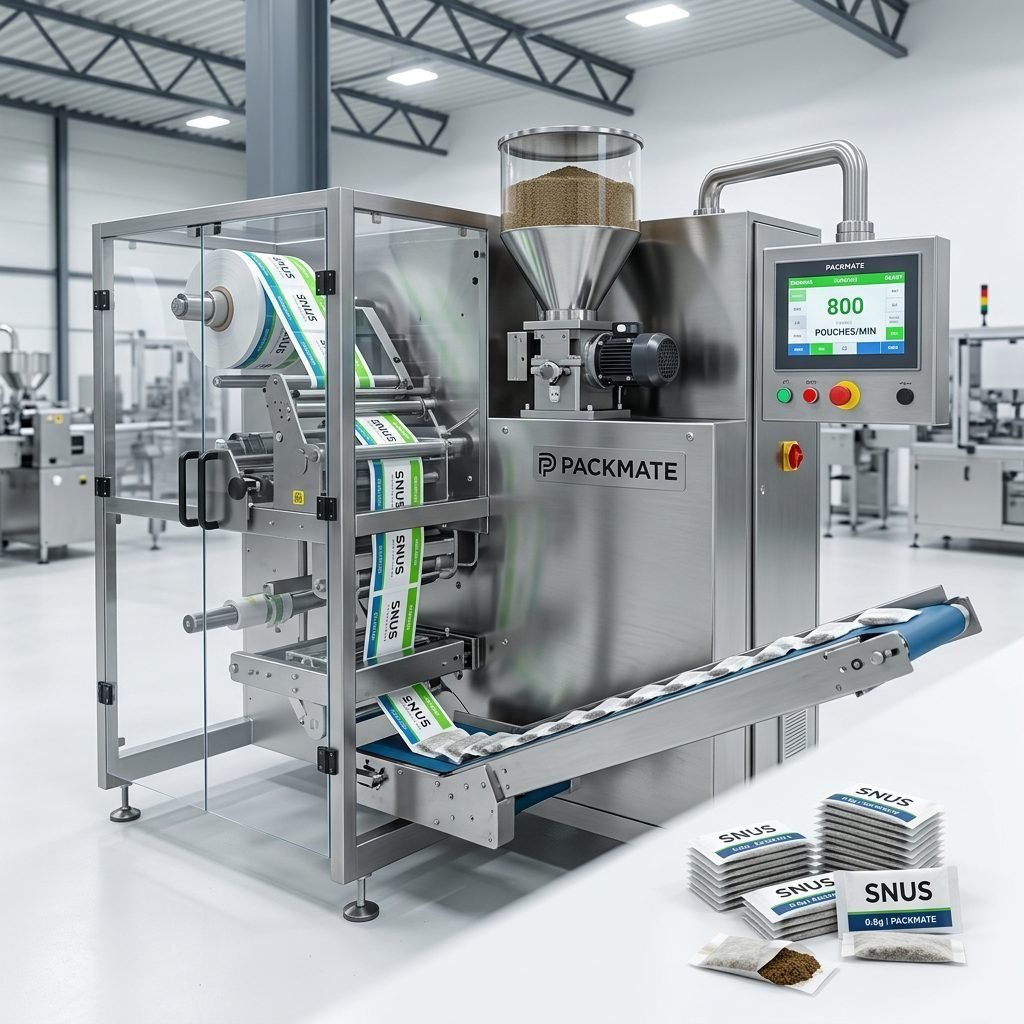
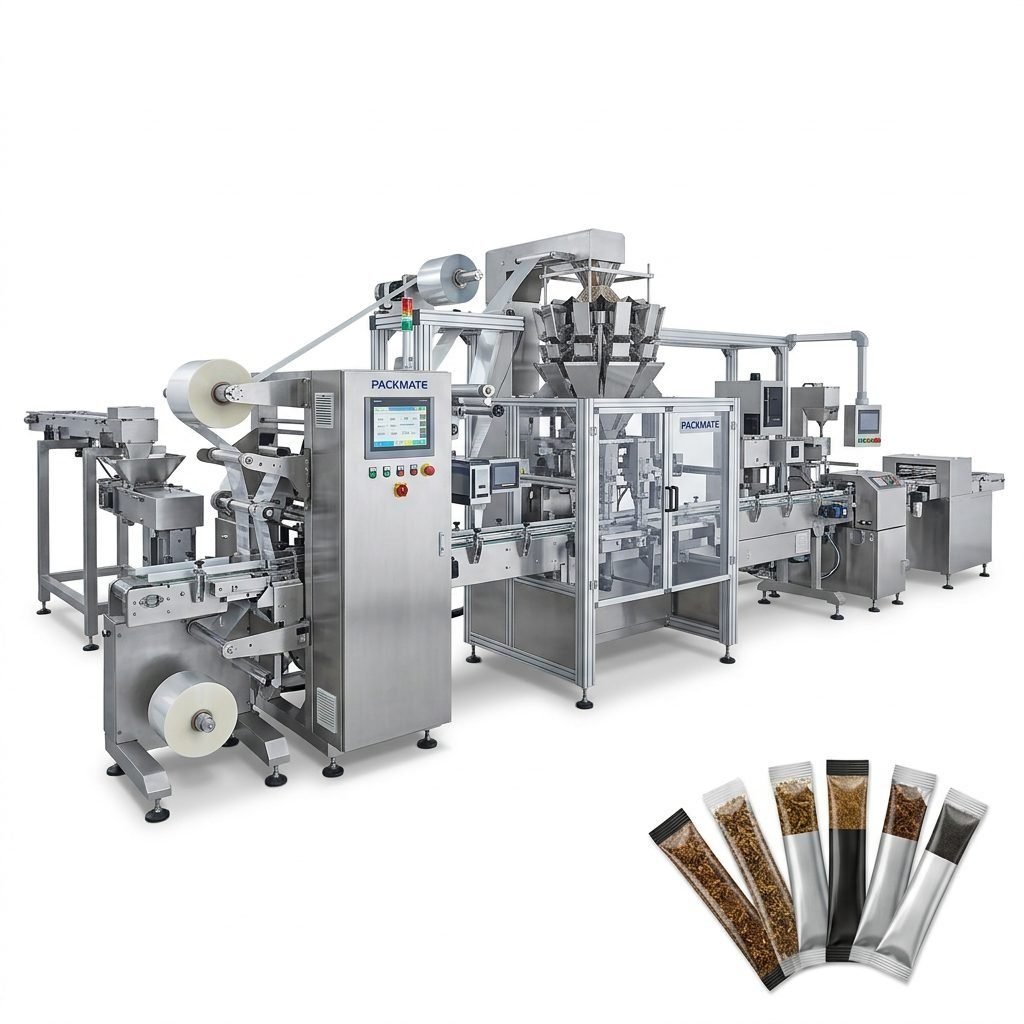
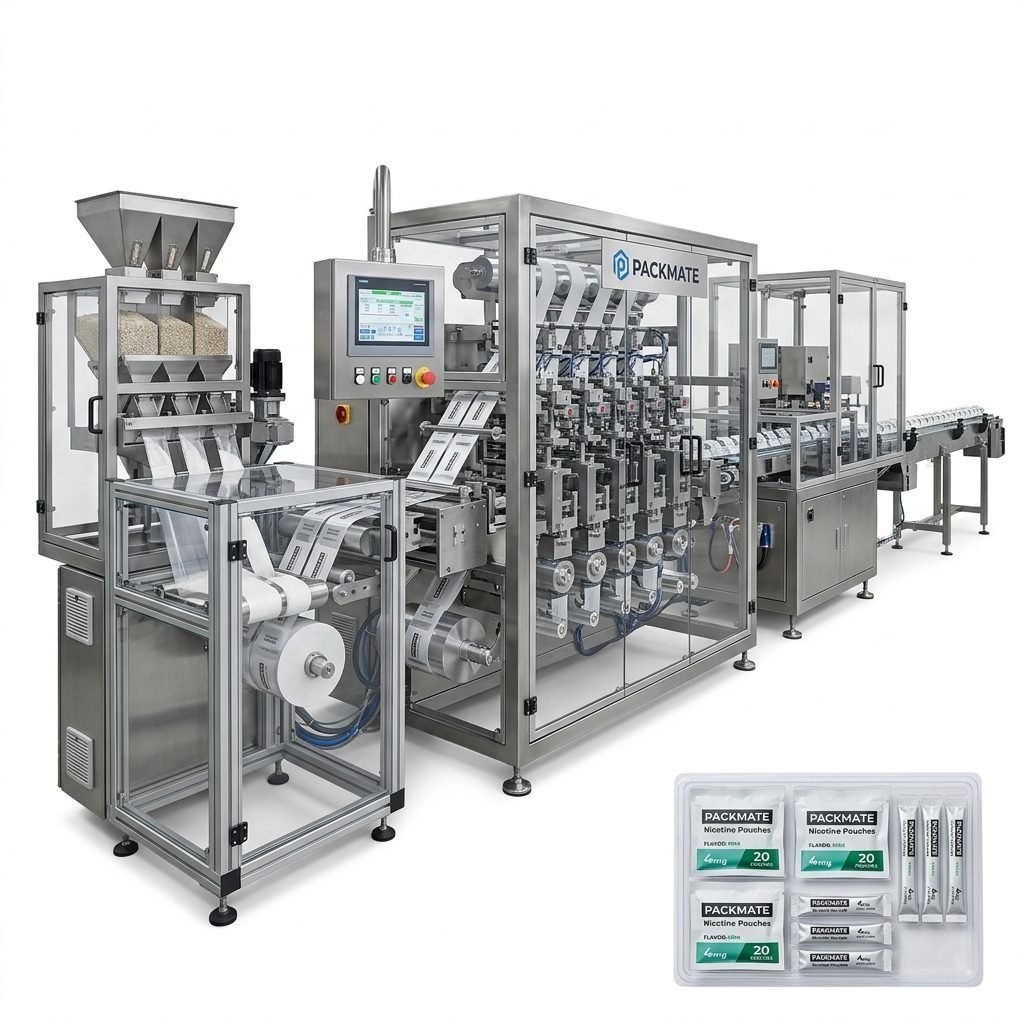
A manufacturer with long experience in snus, nicotine pouch, and small-dose multi-lane packaging is preferable. Manufacturers that list specialized lines like stick packs, sachets, and multi-lane pouch systems demonstrate a focused understanding of low-dose, high-precision production. For example, suppliers with decades of R&D background often provide more stable machines and practical product engineering.
2. Machine models and customization
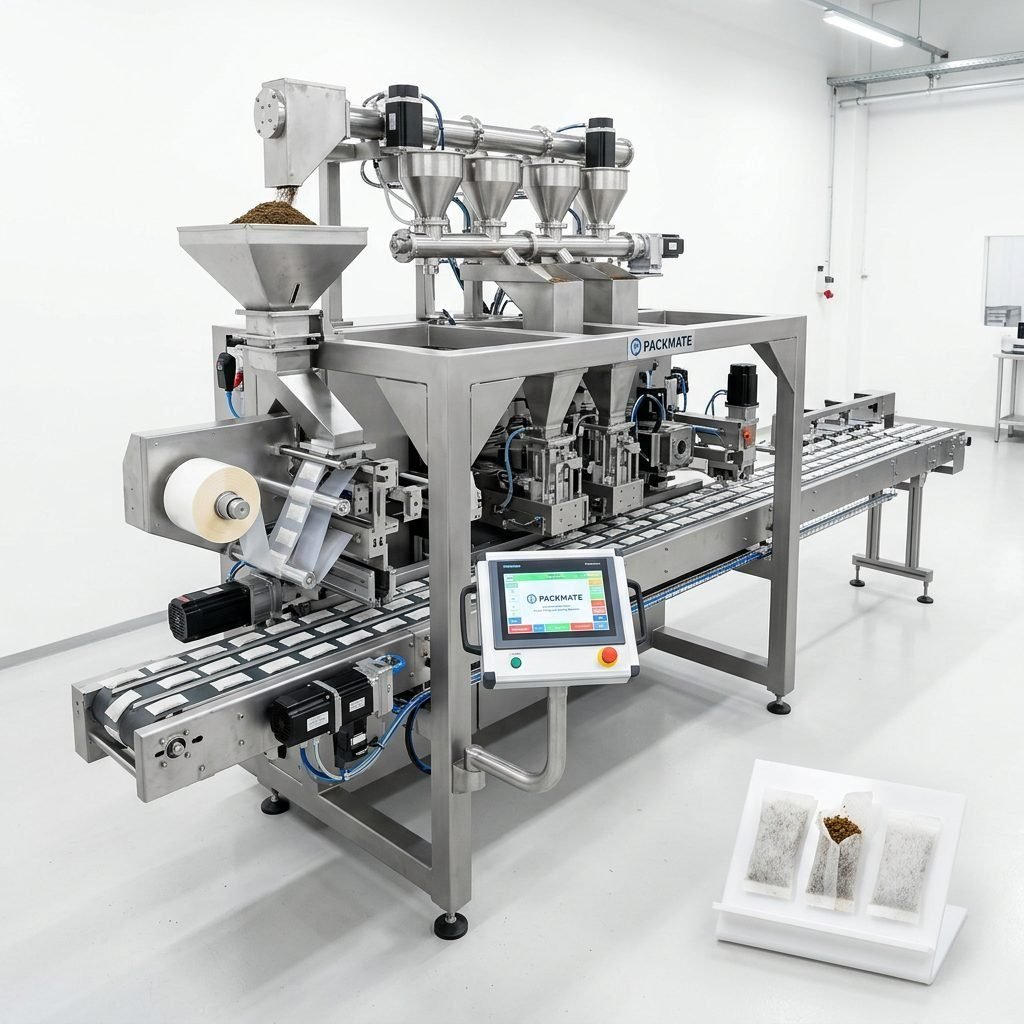
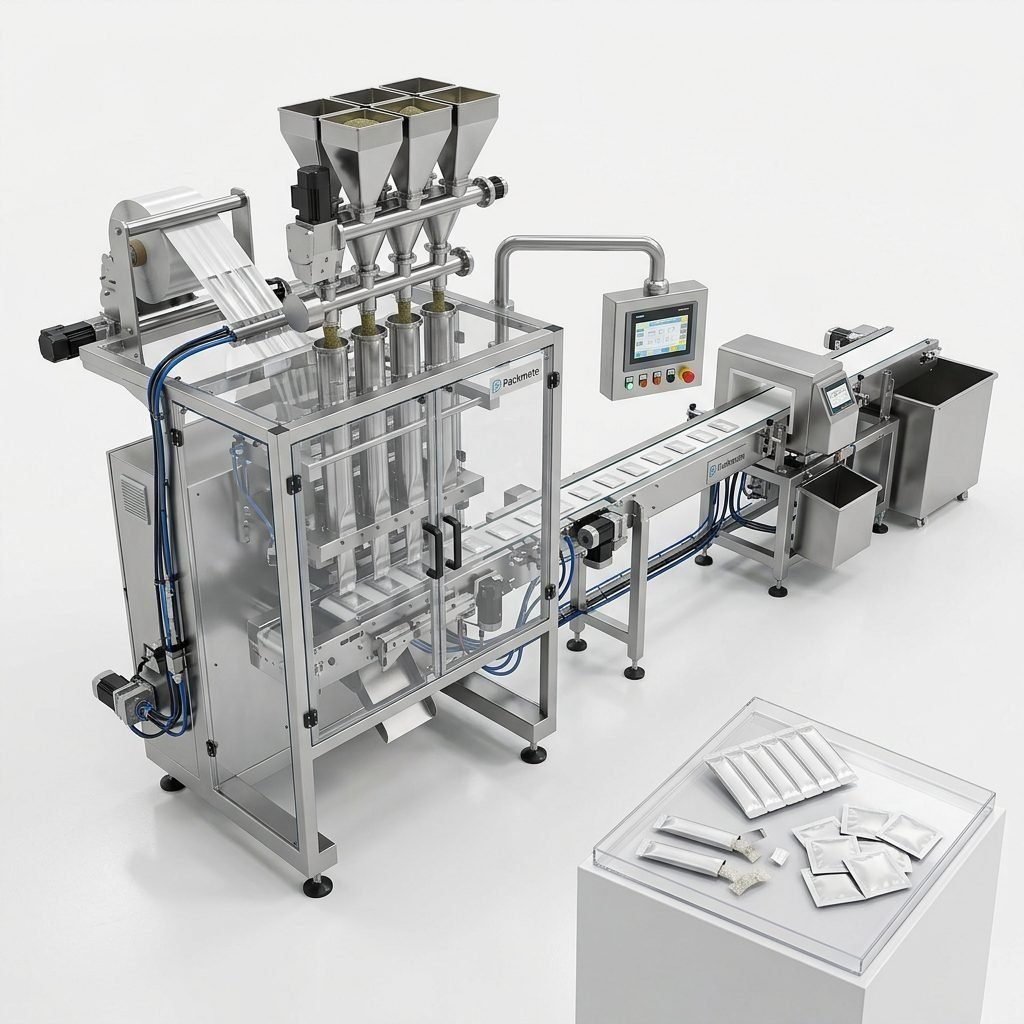
Verify the range of models: single-lane versus multi-lane, pouch size ranges, fill types (powder, granule, paste), and sealing technologies. A reputable manufacturer should offer customization for branding, multi-lane upscaling, and integration into full lines with weighing and filling equipment.
Useful references: explore specialized offerings such as Snus & Nicotine Packaging Machines and Bag & Pouch Packaging Machines to compare model capabilities and layouts.
3. Production capacity & lead time
Japanese production cycles often require reliable lead times and predictable maintenance windows. Ask for realistic delivery timelines, spare parts lead times, and whether the manufacturer supports quick-change tooling for small-batch runs. Confirm the manufacturer’s factory scale and production throughput to match your expected demand.
4. Quality control & certifications
Certifications like CE and ISO are baseline markers of international compliance. Verify test records, factory inspection procedures, and in-house quality testing. Request demonstration videos or a factory visit to see acceptance tests and long-run stability checks.
Key Reminder ⚠️: Ask for live machine demonstrations and long-run sample outputs to evaluate real-world stability, sealing quality, and packaging finish.
Service, Support, and After-Sales
After-sales service often makes or breaks production. Japanese operations expect prompt technical support, local spares, and training. When evaluating a manufacturer, consider the following service aspects:
• Local representation and spare parts
Prefer manufacturers who provide local agents, stocked spares, or fast international shipping. This reduces downtime in case of wear or unexpected failures.
• Training and documentation
Comprehensive manuals, parts lists, and on-site or virtual training are essential. Look for firms that offer operator training, maintenance schedules, and clear troubleshooting guides.
• Remote support and service packages
Remote diagnostics and service contracts help manage operations in multiple facilities. Confirm response SLAs and the availability of regular preventive maintenance.
For turnkey solutions, manufacturers that coordinate weighing, filling, and packaging components provide smoother integration. See options at Filling & Packaging Lines and Weighing & Packaging Systems.
Practical Checklist for Factory Visits and Vendor Evaluation
When you can visit a manufacturer’s facility or request a virtual tour, use this checklist to evaluate readiness and compatibility with Japanese business expectations.
Factory Visit Checklist ✅
– Observe assembly lines: are CNC and precision machining centers visible and documented?
– Witness stress or endurance tests for sealing heads, feeders, and dose control systems.
– Inspect spare parts inventory and service workflow.
– Review CE/ISO certificates and sample traceability records.
Costs, ROI and Total Cost of Ownership
The cheapest machine up-front can be more expensive over its lifecycle. Consider:
Total cost includes installation, operator training, spare parts, consumables, energy consumption, and scheduled preventive maintenance. Factor in downtime costs and expected life of wear parts.
Flexibility matters: machines that support quick format changes reduce lost production when rotating SKUs to meet Japanese retail seasonal demands or limited-edition runs.
Evaluate historical performance data and ask for long-term references or case studies. A manufacturer who can share real-world metrics (uptime %, OEE improvements, mean time between failures) demonstrates credibility. You can review practical examples in supplier case studies to see if their customers achieved measurable improvements: Case.
Regulatory & Compliance Considerations in Japan
Regulatory landscapes can change. While specific legal obligations should be confirmed with local authorities or legal counsel, your manufacturer should be prepared to support compliance through hygienic design, clear material documentation, and traceability. Expect the following supports from a serious manufacturer:
– Food-grade and pharmaceutical-grade construction options for contact parts.
– Documentation for materials, surface finishes, and cleaning procedures.
– Assistance with validating packaging integrity and shelf-life testing protocols.
Why Choose a Turnkey Supplier?
Turnkey suppliers coordinate weighing, filling, packaging, and auxiliary equipment for a fully integrated line. This reduces integration risk and ensures consistent data flows for production monitoring. If you need a complete line, check integrated solutions that include packaging, filling, and weighing systems, and compare them to modular approaches that allow phased investment.
For examples of integrated systems that can accelerate launch, explore Filling & Packaging Lines and Weighing & Packaging Systems.
Decision Shortcut 🔍: Shortlist 3 manufacturers, request sample packages, live demo videos, a clear warranty and spare-parts plan, and at least two customer references in similar markets.
Selecting the Right Manufacturer: A Step-by-Step Process
Follow this sequence to choose a partner aligned with Japanese market requirements and your operational goals:
1. Define production targets: SKUs, speeds, lanes, and format-change frequency.
2. Shortlist manufacturers with proven snus/nicotine pouch experience and relevant certifications. See the manufacturer’s profile and credentials for deeper context: About Packmate.
3. Request machine demonstrations, long-run samples, and a bill of materials for spare parts.
4. Compare integration capabilities for auxiliary equipment such as capping, cartoning, or boxing. Check auxiliary options here: Auxiliary Packaging Equipment.
5. Negotiate warranty, training, and a parts-supply agreement before committing.
Evaluating Packmate’s Capabilities (Example Supplier Snapshot)
When evaluating suppliers such as Packmate, take note of the manufacturing footprint and experience: a 20,000㎡ factory with advanced CNC machining and precision assembly lines indicates capacity for consistent builds and customization. Packmate’s 30+ years of experience, multiple machine models, and a focus on snus and nicotine pouch solutions make them a candidate worth evaluating for businesses entering or expanding within Japanese distribution channels.
If you want to explore the company’s real-world records, certifications, exhibitions, and technical documents, you may check their exhibition and certificate pages for proof of compliance and public displays: Our Exhibition and Certificate.
Final selection tips & negotiation points
– Ask for a factory acceptance test (FAT) and site acceptance test (SAT) schedule.
– Secure a spare parts kit and consumables list in the contract, including lead times for critical components.
– Agree on acceptance criteria for packaging quality, weight accuracy, and sealing performance, and include remedies for non-conforming deliveries.
Negotiation Levers 💡: bundle installation and training, request an extended warranty for critical parts, and secure a discounted spare-parts package to lower TCO.
Conclusion
Selecting the best snus packaging machine manufacturer for Japan combines technical evaluation, cultural understanding, and careful commercial negotiation. Focus on suppliers with proven snus/nicotine experience, reliable factory capability, clear service commitments, and the ability to customize lines for compact, high-quality packaging demanded by the Japanese market. Request demonstrations, verify certifications, and insist on clear after-sales terms to protect uptime and product quality.
Frequently Asked Questions
Q: How important are multi-lane systems for the Japanese market?
A: Multi-lane systems help increase throughput without a larger footprint, which suits Japan’s compact production spaces. They are valuable if you expect high volumes or multiple SKUs.
Q: Should I insist on CE/ISO certification?
A: Yes. CE and ISO indicate international compliance and structured quality control. Additionally, request documentation for material safety and hygienic design if your product touches regulatory categories.
Q: How do I reduce downtime risk after purchase?
A: Secure spare parts availability, a clear maintenance schedule, training for local technicians, and a service contract with defined SLAs.
Q: Can I test packaging samples before committing to a full line?
A: Reliable manufacturers provide sample runs or demonstration data. Ask for long-run samples and video of the machine running your SKU or a close analogue.
Q: Where can I get more information or request a quote?
A: Visit the manufacturer’s contact and service pages to request specifications, factory tours, and formal quotations: Contact Us and Service.