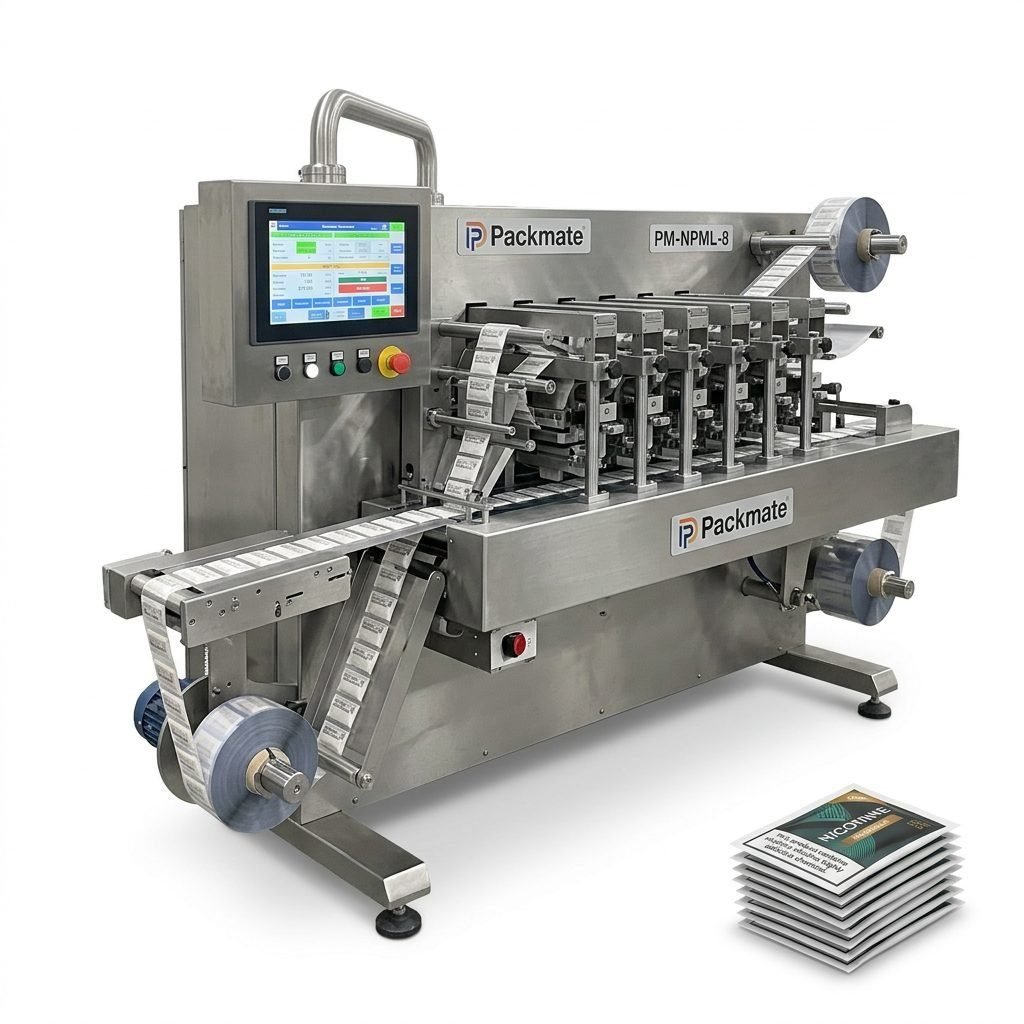
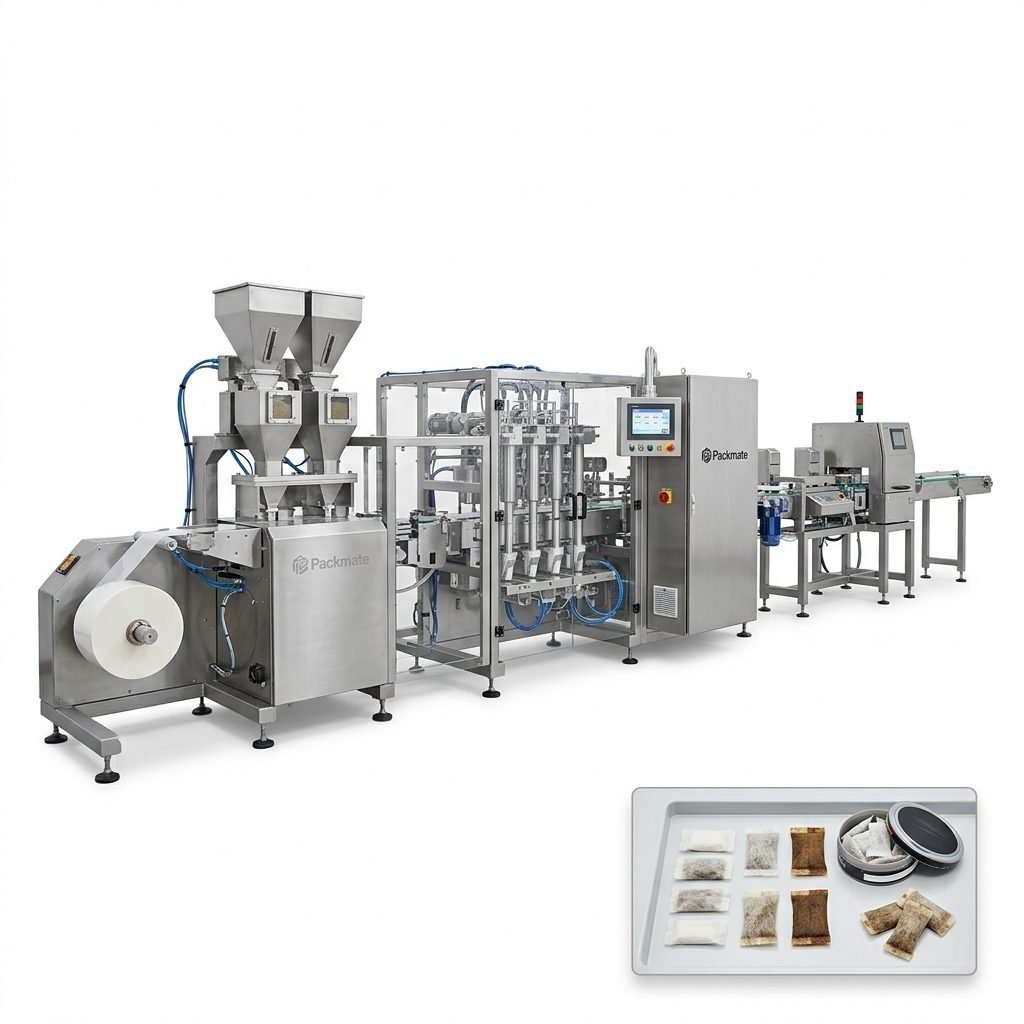
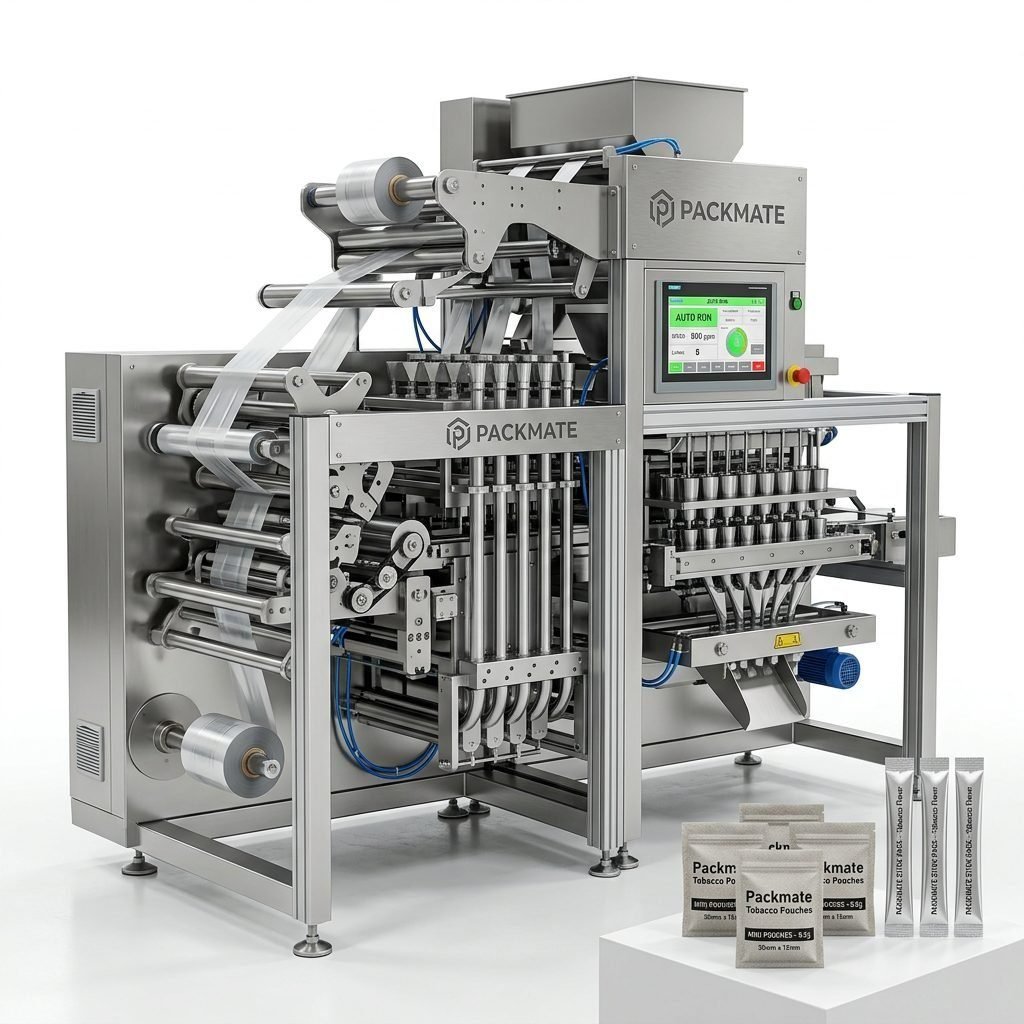
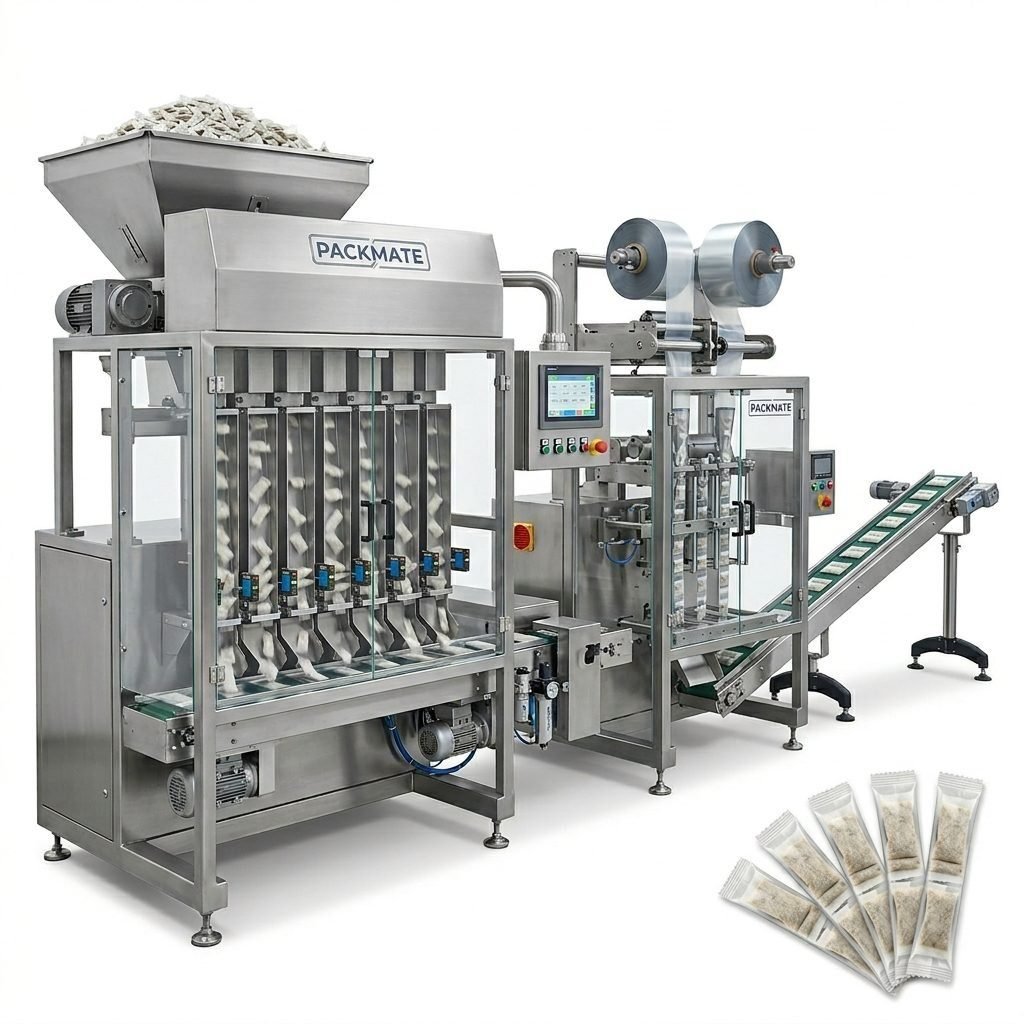
Choosing the right nicotine packaging machinery manufacturer for your business in Libya is a strategic decision that affects product quality, regulatory compliance, operational efficiency, and long-term profitability. This guide walks you through the specific considerations for nicotine pouch and snus packaging equipment, with practical tips tailored to the Libyan market, local business customs, and the realities of importing and operating packaging lines in North Africa.
Understand the Product and Packaging Types
Nicotine pouches and snus require precise dosing, reliable sealing, and packaging that preserves freshness. Before approaching manufacturers, identify which packaging formats you need:
Common machine types
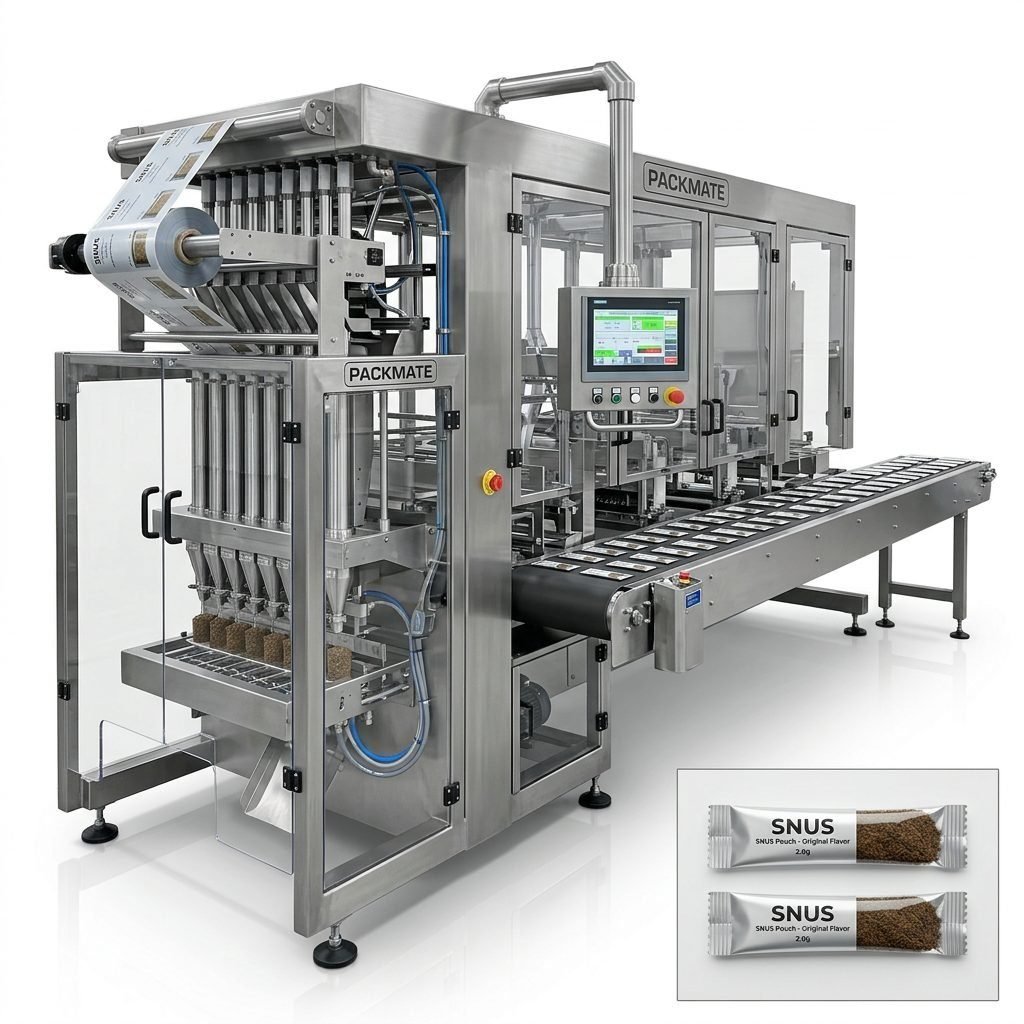
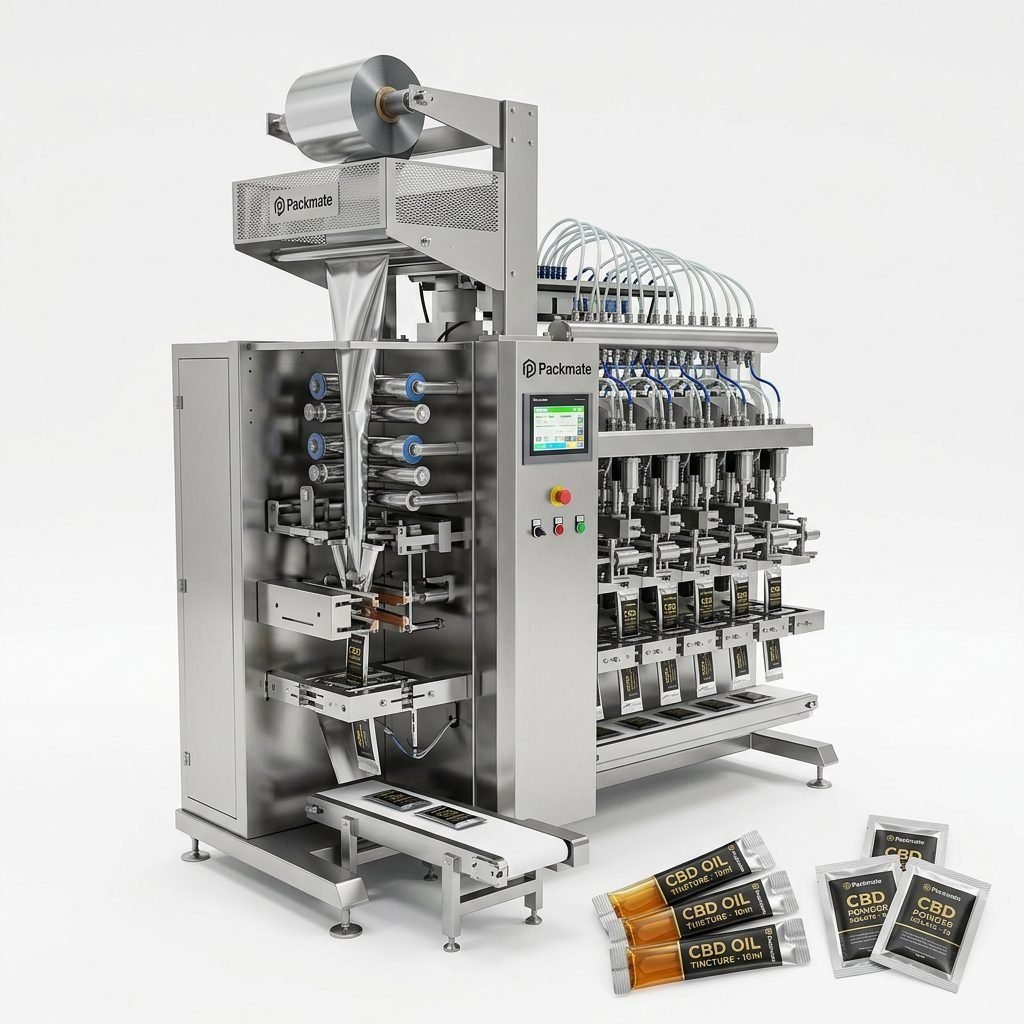
🔧 Stick pack machines — ideal for single-dose formats and sachets.
📦 Sachet & multi-lane machines — best for high-volume, small-dose pouches such as nicotine and snus.
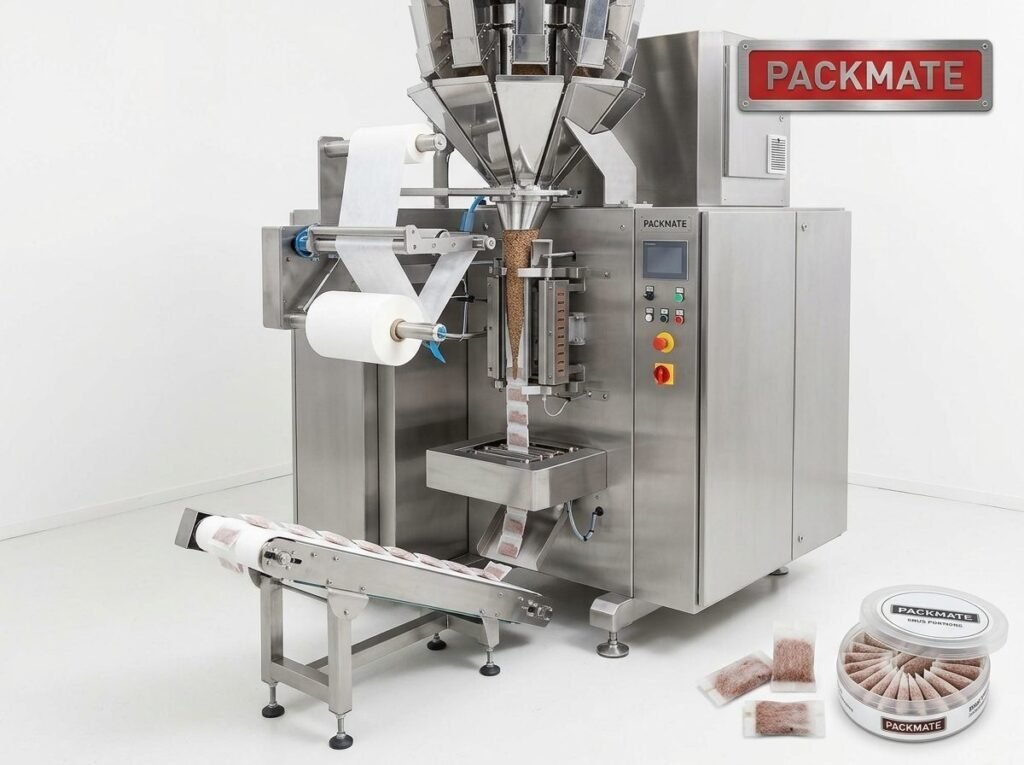
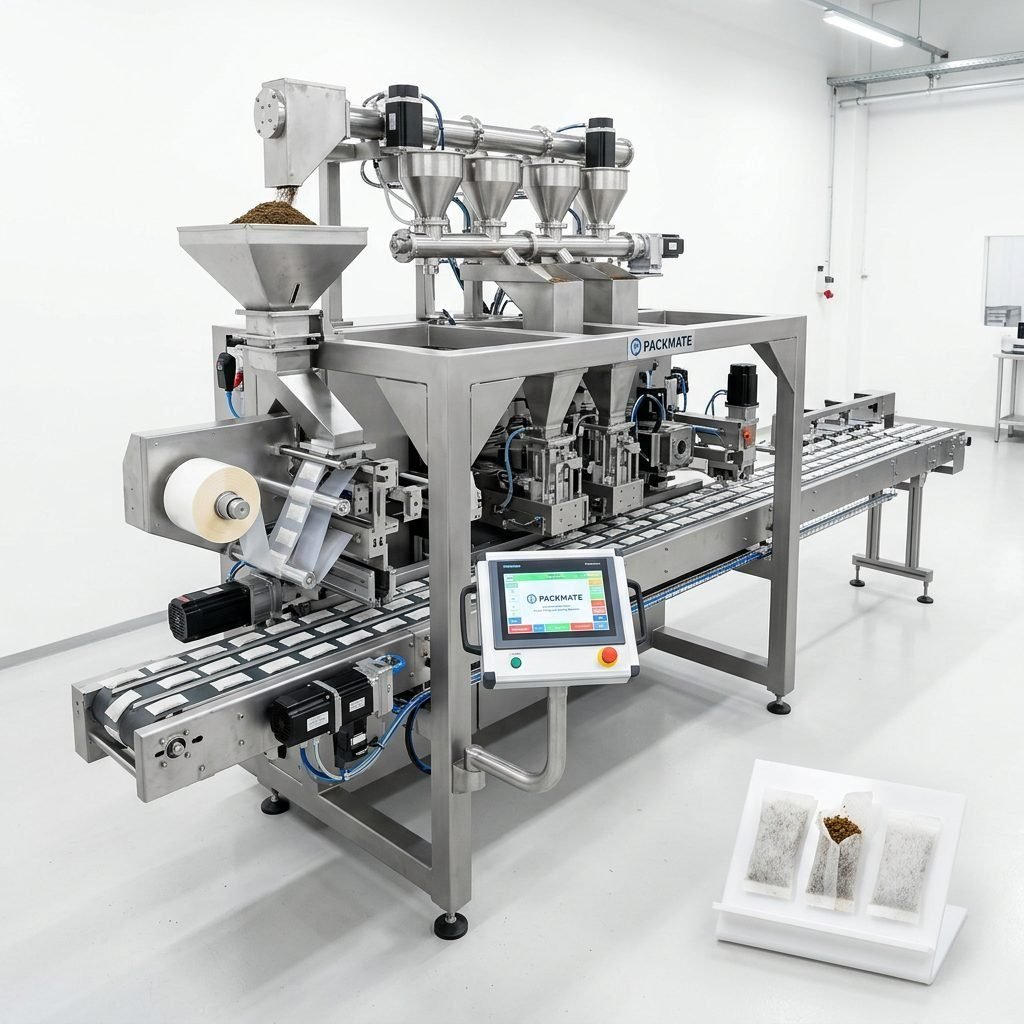
⚖️ Integrated weighing & packaging systems — critical when you need precision dosing and automatic feeding.
Important: If you plan to package nicotine pouches for sales in regulated markets, ensure the machine supports accurate micro-dosing and low-oxygen sealing. This reduces product variability and helps meet shelf-life expectations.
Why Manufacturer Credentials Matter
Look beyond price. The right manufacturer offers stability, certified quality, spare parts, and training — especially important for businesses in Libya where onsite technical support can be harder to obtain.
Key credentials to verify
✅ Industry experience (30+ years or more is a strong signal)
✅ International certifications such as CE and ISO — these help with customs and import approvals
✅ A documented factory capability (e.g., CNC machining, assembly lines) to ensure machine longevity
Example manufacturer profile: Packmate Snus Machine offers over 30 years of engineering experience, a 20,000㎡ factory, and CE/ISO compliance — factors that reduce risk when importing into Libya.
Match Machine Capabilities to Your Production Goals
Determine your target output (units per minute/day), product formats, and required automation level. Manufacturers often provide multiple models; choose one aligned with your current demand and planned growth.
Considerations
• Multi-lane lines for high throughput and consistent dosing.
• Modular designs that allow future upgrades without a full replacement.
• Ease of changeover between SKUs to minimize downtime.
After-Sales Service and Spare Parts — Vital for Libya
In Libya, remote support and timely spare parts delivery can make or break operations. Prioritize manufacturers who offer documented spare parts inventories, urgent shipping options, and remote troubleshooting.
Questions to ask suppliers
🔎 Do you keep critical spare parts in regional warehouses or ship internationally with fast options?
🔎 Is remote commissioning and training available in English / Arabic (or with interpreter)?
🔎 What are typical lead times for replacement motors, PLCs, and dosing components?
Tip: A supplier that offers virtual machine demos, detailed video documentation, and extended warranties will significantly reduce downtime risks in a market where local service options may be limited.
Regulatory & Cultural Considerations in Libya
Libya has unique regulatory and cultural contexts. While nicotine sales and distribution are subject to local rules and religious sensitivities, many business interactions still emphasize personal relationships and trust. Build local partnerships and ensure compliance before importing.
Practical advice
• Engage local legal counsel to confirm import permissions, labeling requirements, and any health-related declarations.
• Respect cultural norms — meetings are often formal and relationship-driven; build trust before finalizing large purchases.
• Use established ports such as Misrata and Tripoli for freight handling, and factor in customs processing times.
Logistics: Shipping, Installation & Commissioning
Plan logistics early: machine dimensions, crating, customs paperwork, and on-site preparation affect timelines and costs. Request a detailed shipping and installation plan that includes spare part kits and tools.
Checklist for imports
• Full bill of materials and packing list for customs clearance.
• Pre-shipment inspection and testing report to reduce delays at port.
• Training schedule (onsite or virtual) and language support plans.
Note: Choose a manufacturer who can provide export documentation and pre-shipment testing — this helps Libyan customs and reduces surprises at arrival.
Total Cost of Ownership (TCO) vs. Upfront Price
A low purchase price can hide higher operating costs. Evaluate energy consumption, downtime rates, mean time between failures (MTBF), and spare parts pricing to estimate TCO over the machine lifecycle.
Cost factors to include
• Installation, training, and commissioning fees.
• Warranty terms and options for extended coverage.
• Local maintenance capability and spare parts lead times.
Factory Visits, Virtual Tours & References
If possible, visit the manufacturer’s factory or request a live virtual tour. Seeing CNC centers, assembly lines, and quality testing firsthand provides confidence. Ask for regional case studies and client references similar to your business scale.
Learn more about typical machine offerings from Packmate: Snus & Nicotine Packaging Machines, Sachet & Stick Pack Machines, and integrated Weighing & Packaging Systems.
Contract Terms & Quality Acceptance
Define acceptance criteria in the purchase contract: performance metrics, tolerance for weight deviations, sealing integrity, and noise/vibration limits during FAT (Factory Acceptance Test) and SAT (Site Acceptance Test).
Include these clauses
• Detailed FAT plan with video evidence and test data prior to shipment.
• Spare parts kit included with first shipment and clear lead times for future parts.
• Warranty coverage and defined remedies for performance shortfalls.
Real-world insight: Manufacturers that provide rigorous FAT reports and video walkthroughs reduce disputes and speed up customs clearance and installation in Libya.
Working with Local Partners and Distributors
Local partners can handle installation, maintenance, and regulatory filings. Select a manufacturer with an existing global network or one willing to appoint a local agent in Libya.
See examples of successful implementations and case studies: Case. Explore the manufacturer profile and certifications at About Packmate and Certificate.
Practical Selection Checklist (Quick)
• Product fit: machine supports nicotine pouch size, weight and sealing type.
• Manufacturer credibility: factory size, years of experience, certifications.
• Service & parts: local support options, spare parts availability, remote training.
• Logistics: export documentation, packaging for shipping, experience exporting to North Africa.
• Commercials & contract: clear FAT/SAT, warranty and payment milestones.
Final Steps Before Purchase
Arrange a FAT, confirm spare parts kits, secure training slots, and finalize logistics and customs paperwork. Establish a clear communication channel and schedule regular check-ins during shipping and installation.
Pro tip: Ask the supplier about multilingual manuals and Arabic-language support — this small detail helps production teams in Libya operate machines more confidently.
Conclusion
Selecting the best nicotine packaging machinery manufacturer for your Libyan business means balancing technical fit, long-term support, regulatory readiness, and cultural understanding. Prioritize experienced suppliers with proven international exports, clear FAT/SAT procedures, and robust after-sales plans. Doing so reduces risks and accelerates time-to-market for your nicotine pouch product lines.
Frequently Asked Questions
Q1: How important are CE/ISO certificates when importing machines to Libya?
A1: Very important. CE and ISO certificates demonstrate compliance with international standards, simplify customs clearance, and reassure local authorities and partners.
Q2: Can suppliers offer Arabic manuals and on-site training in Libya?
A2: Many reputable manufacturers provide multilingual manuals and remote or onsite training options. Confirm language support and interpreter availability before purchase.
Q3: What lead times should I expect for multi-lane snus packaging lines?
A3: Lead times vary by customization and factory workload. Plan for several weeks to a few months for production, plus shipping and customs. Ask for a firm delivery timeline in the contract.
Q4: How can I reduce downtime risk when the machine is in Libya?
A4: Keep a spare parts kit on-site, arrange remote support, train multiple operators, and establish a local service agreement if possible.
Q5: Where can I get more information or request a demo?
A5: Visit the manufacturer’s product pages and contact them directly for demos and quotations: Contact Us.