Japan’s tobacco and nicotine market has unique consumer behaviors and strict regulatory oversight. For manufacturers supplying snus or nicotine pouches to Japanese retailers, selecting the right packaging machine is not just a matter of throughput — it affects compliance, shelf appeal, and operational cost. This guide walks you through practical steps to choose a snus packaging machine that fits Japan-specific needs, production targets, and long-term business goals.
Understand the Japanese Market and Local Customs
Japan’s consumers value discreet, high-quality products and meticulous packaging. Smokeless alternatives such as nicotine pouches are viewed with caution and often carry high expectations for hygiene, precise dosing, and attractive retail presentation. When evaluating equipment, prioritize machines that deliver consistent pouch weight, clean sealing, and customizable aesthetics for compact retail formats common in Japanese convenience stores.
Key cultural considerations
– Convenience store packaging: compact, resealable, and discreet design is important.
– Minimalist visual language: Japanese consumers often prefer clean, simple labeling over loud graphics.
– High quality tolerance: any visible defect can quickly damage brand reputation in local channels.
Regulatory and Compliance Checklist for Japan
Before buying, confirm the machine can support labeling and traceability features that meet Japanese regulatory demands. While regulations vary depending on product classification, ensure your equipment and line can:
– Product batch coding and date printing for traceability.
– Accurate dosing systems to comply with nicotine content labeling.
– Ease of cleaning and material choices that minimize contamination risk.
Types of Snus Packaging Machines — Which Fits Your Japan Strategy?
Choose a machine family based on your product format and production goals. The major types are stick pack, sachet, pouch, and multi-lane systems. Each has advantages depending on portion size, speed, and packaging presentation.
Sachet & Stick Pack Machines
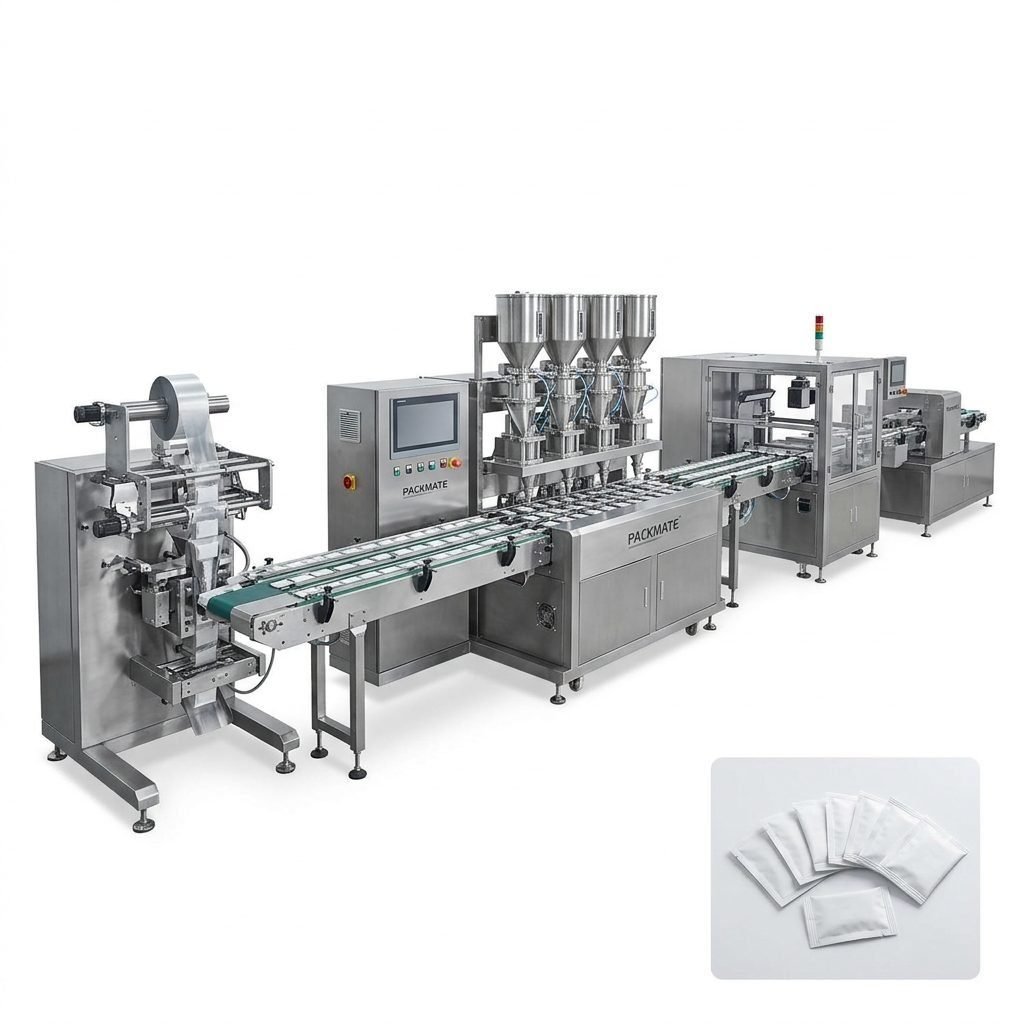
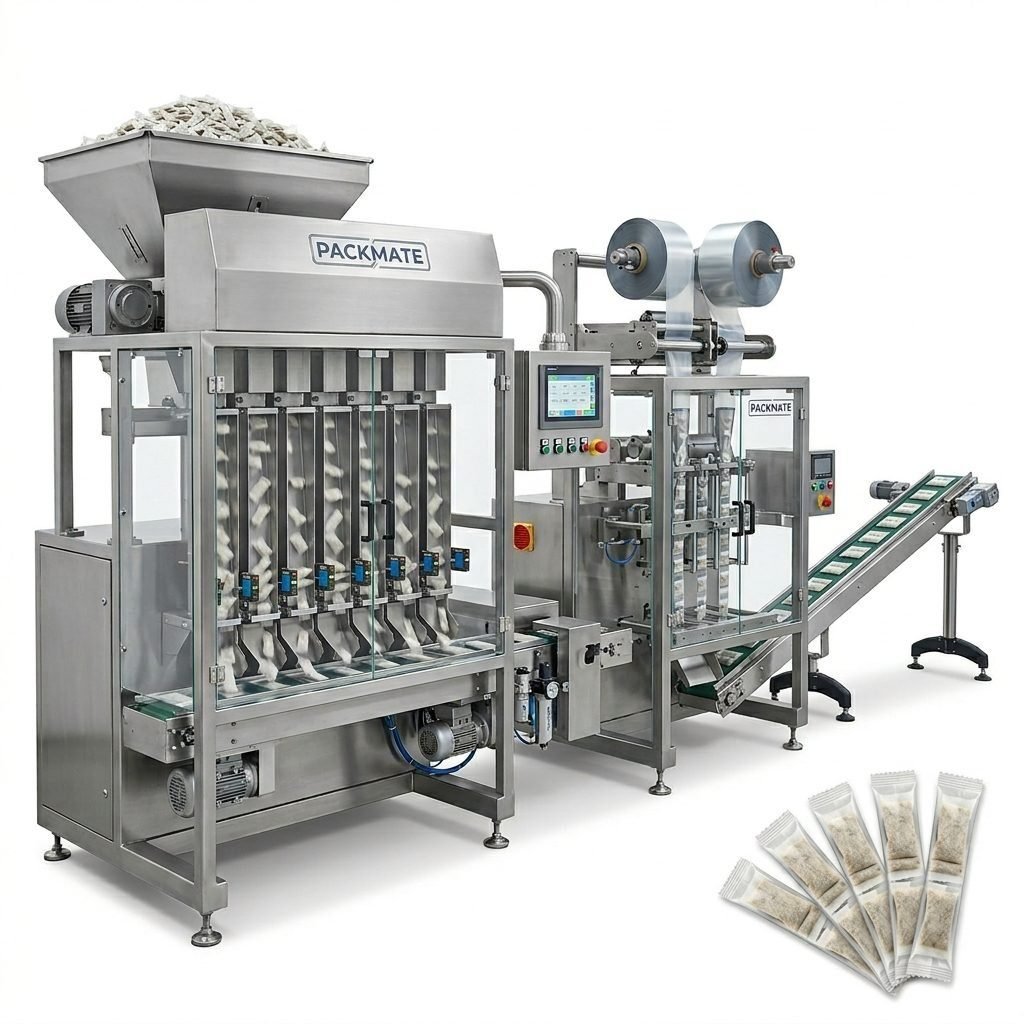
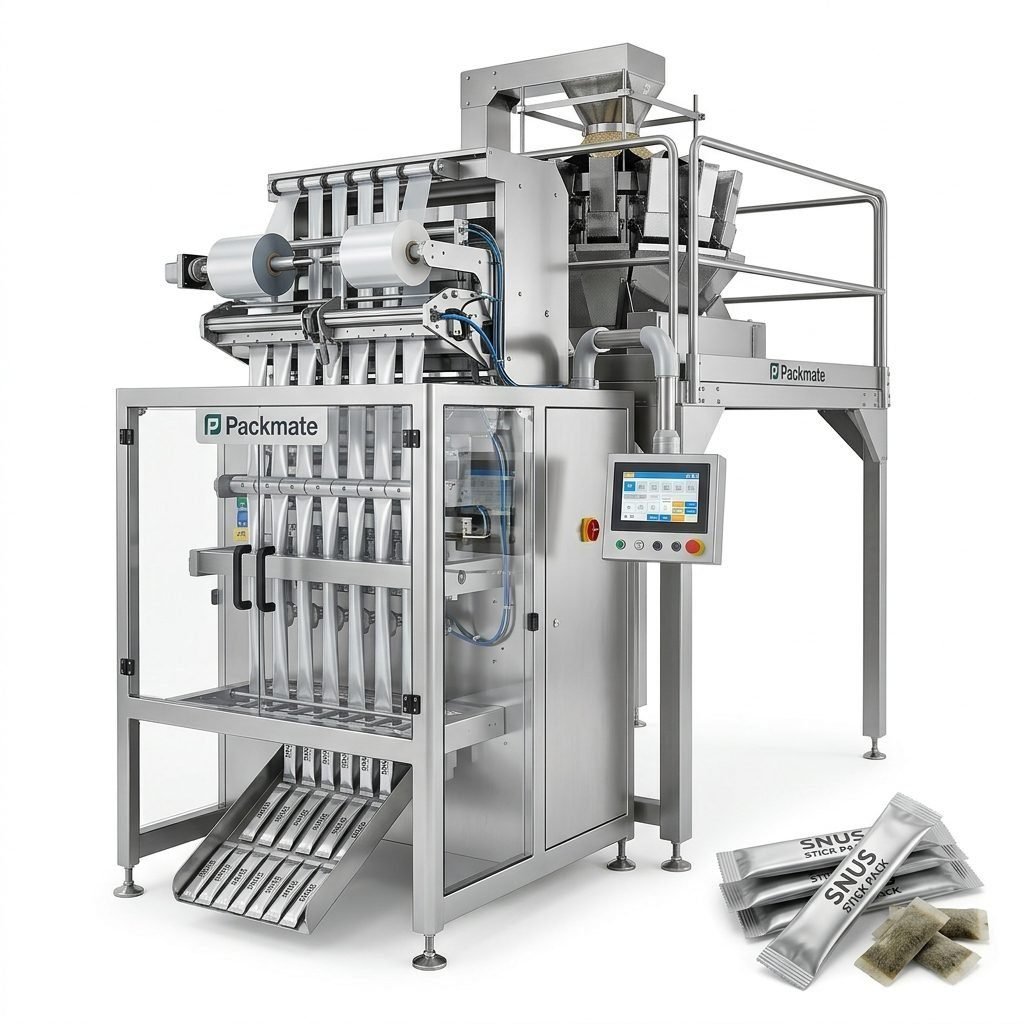
Stick packs and sachets are ideal for single-dose or trial formats. They provide compact retail footprints and are often seen in promotional packs. If you aim for high-speed, low-dose production runs, refer to specialized sachet & stick pack lines that offer:
– Precise small-portion filling, excellent for nicotine pouches;
– High-speed sealing suitable for large retail orders;
– Options for tear notches and micro-perforations for easy opening.
Explore machine models in this category: Sachet & Stick Pack Machines.
Pouch & Multi-Lane Machines
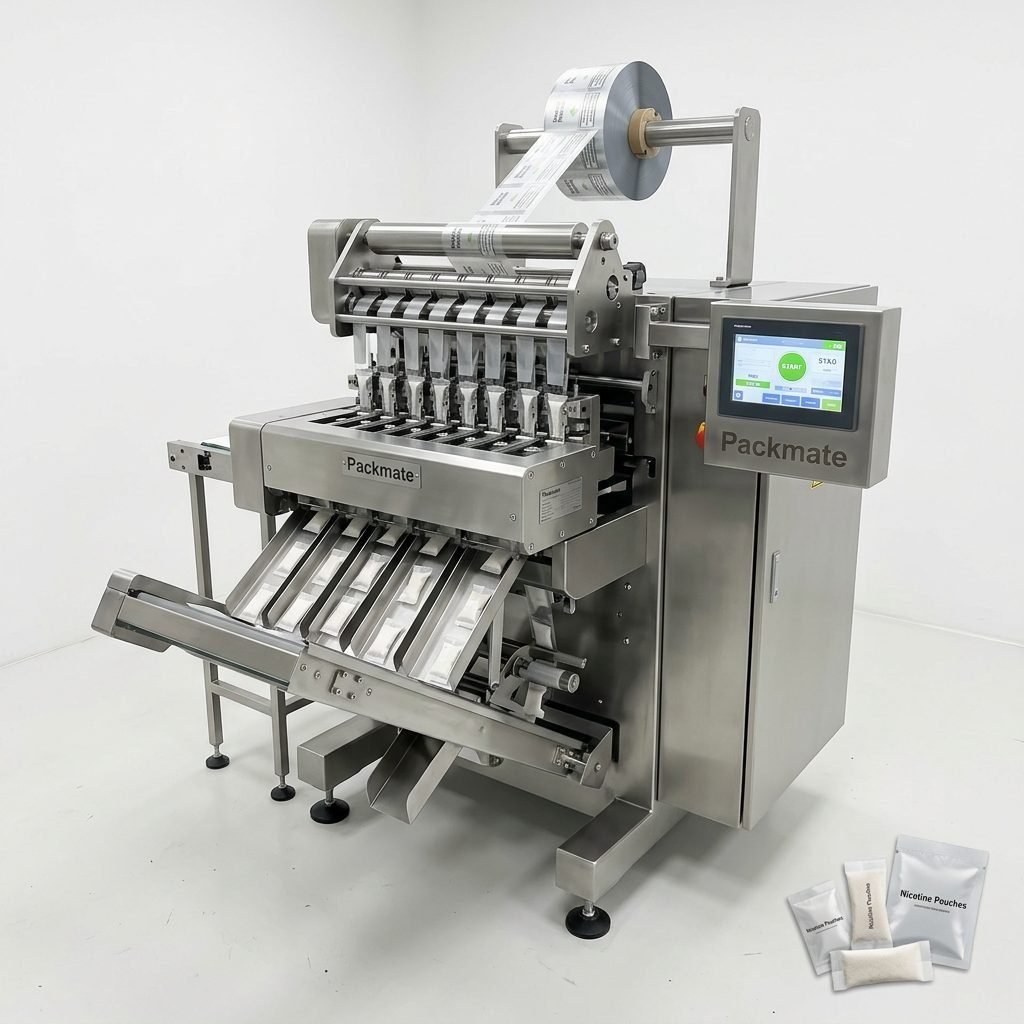
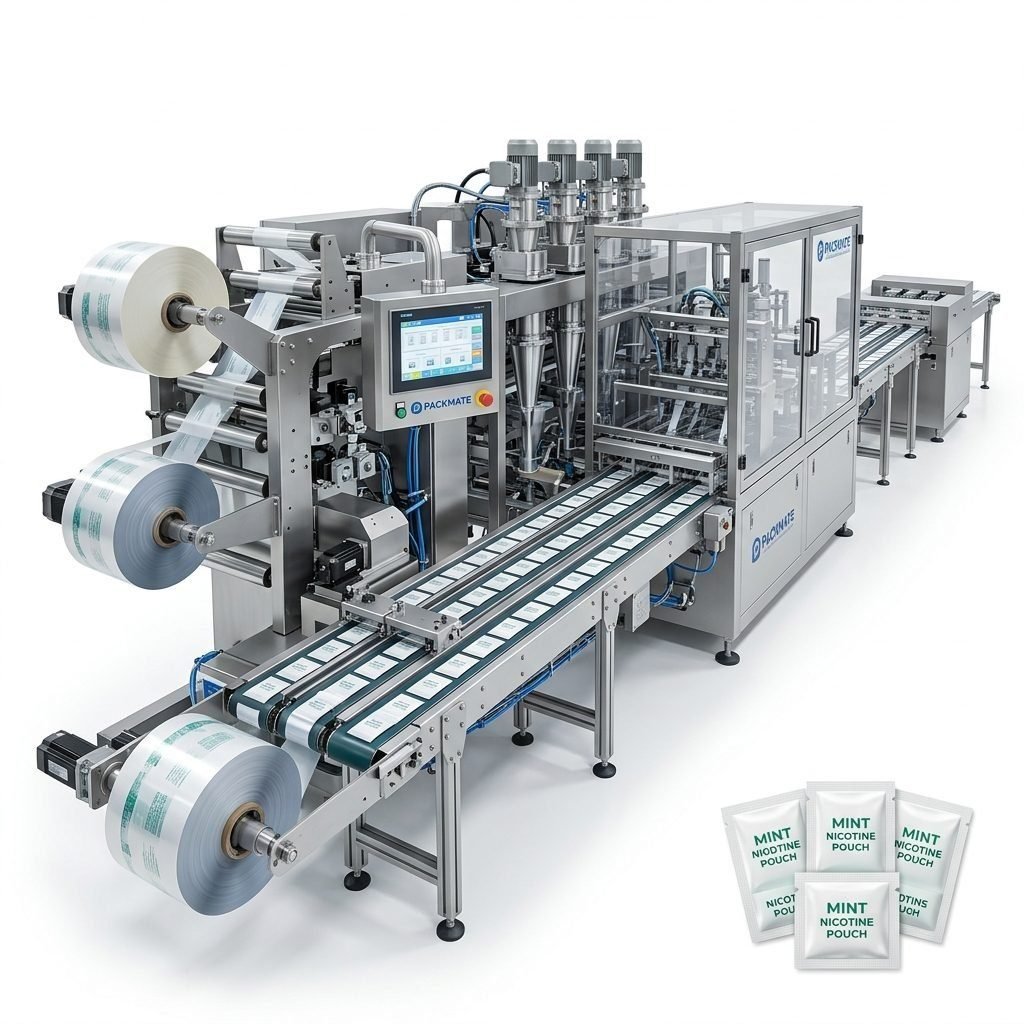
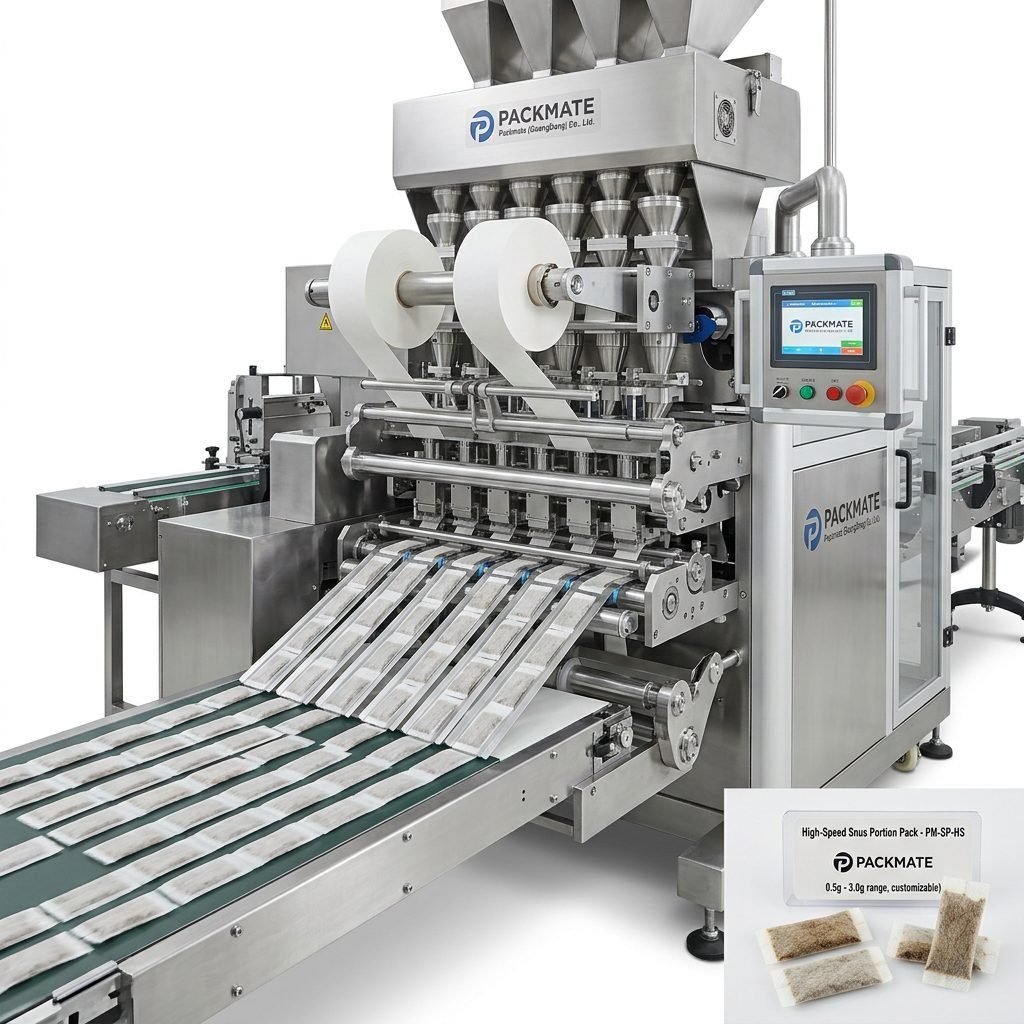
Pouch machines and multi-lane systems are preferred for high-volume manufacturers targeting diverse SKUs. Multi-lane systems increase throughput per footprint, which can be essential in competitive Japanese distribution where cost-per-unit and lead time are critical.
– High capacity with consistent pouch formation;
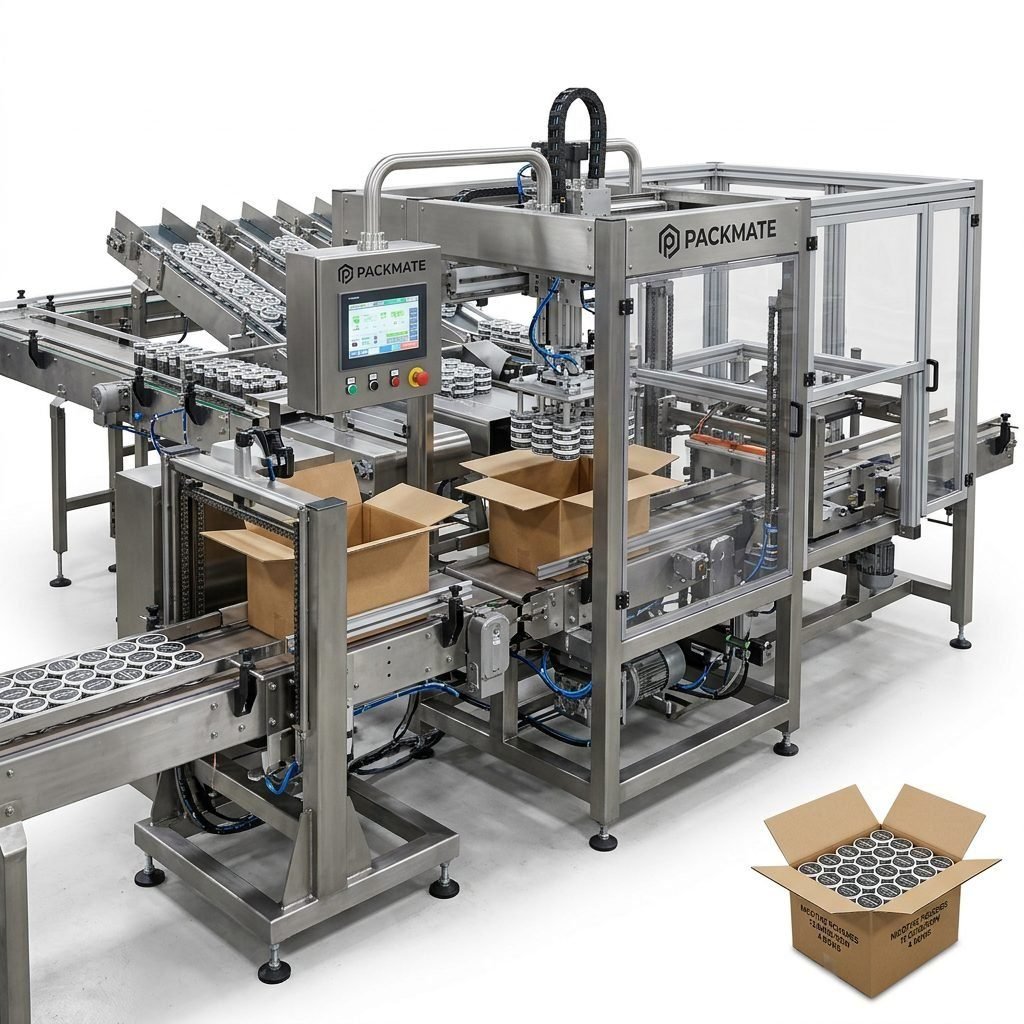
– Easier integration with upstream dosing and downstream cartoning;
– Better ROI for larger production runs.
Check multi-lane and pouch options: Snus & Nicotine Packaging Machines and Bag & Pouch Packaging Machines.
Core Technical Criteria to Evaluate
When comparing vendors and models, score each machine on these objective factors to make a data-driven purchase.
1. Filling Accuracy and Repeatability
Consistent dosing is crucial for nicotine products. Machines that offer advanced weighing or volumetric controls reduce waste and regulatory risk. Look for servo-driven dosing heads or integrated weighing solutions with tight tolerances.
2. Line Speed vs. Footprint
Calculate throughput needs in units per hour and match them to multi-lane capabilities. In Japan, space can be limited; therefore, machines that provide higher lanes per meter of floor space are often preferred.
3. Material Compatibility and Seal Integrity
Your chosen film structures and barrier requirements (oxygen/moisture) affect machine choice. Ensure the sealer type (hot-bar, ultrasonic, or rotary) is compatible with your laminates and provides reliable hermetic seals to maintain shelf life.
Operational and After-Sales Considerations
Long-term uptime depends on vendor support, spare part availability, and ease of maintenance. Japanese buyers often prioritize suppliers with local service networks or rapid spare parts delivery.
– Remote diagnostics and PLC support;
– Comprehensive spare parts kits and documentation;
– Training and commissioning services on-site.
Packmate (GuangDong) Co., Ltd. offers global turnkey solutions, certifications, and after-sales services that can be tailored for Japanese operations — learn more: About Packmate.
Integration with Upstream and Downstream Systems
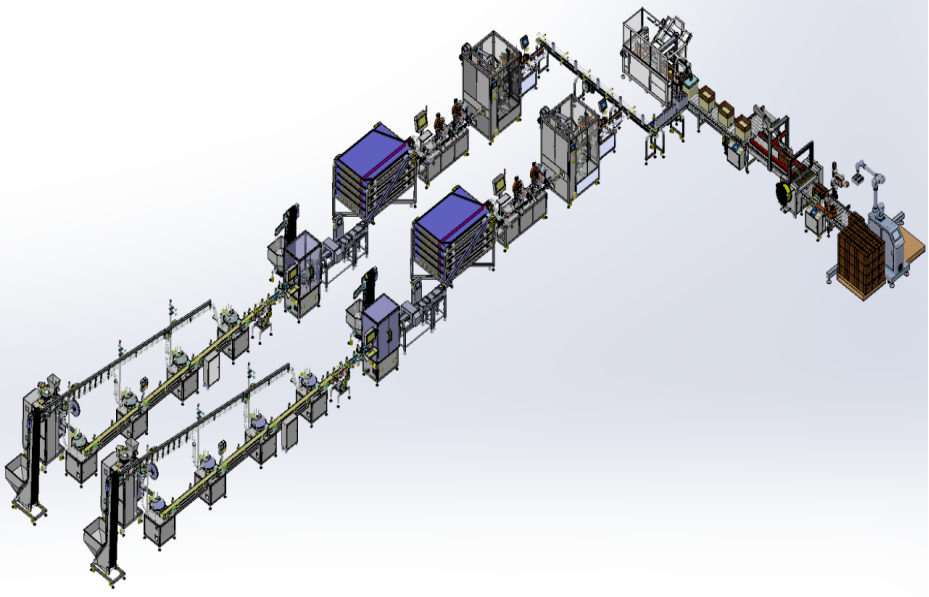
Integrate filling systems (powder, granule or liquid dosing) and secondary packaging (cartoners, case packers) to build an efficient line. For nicotine pouch lines, consider integrated weighing & packaging systems to guarantee consistent portion control and automated cartoning to speed distribution to Japanese retail chains.
Relevant product lines: Weighing & Packaging Systems and Filling & Packaging Lines.
Factory & Quality Assurance: What to Verify
Inspect vendor certifications and manufacturing capabilities. A factory with CNC machining, precision assembly lines, and ISO/CE certifications is more likely to deliver machines that meet Japanese quality expectations and international safety standards.
View credentials and proof of quality: Certificate.
– On-site production capacity and test runs;
– Spare parts lead times to Japan;
– References and case studies for snus lines.
Budgeting and Total Cost of Ownership (TCO)
Look beyond sticker price. Calculate TCO including installation, training, spare parts, consumables, energy use, and expected downtime. Machines with modular upgrades may cost more initially but deliver lower TCO through better uptime and faster changeovers.
Financing and Warranty
Negotiate warranty terms that cover critical components like servo systems and PLCs. Ask about financing options or leasing if capital investment is a constraint for your Japanese operations.
Proof-of-Concept and Factory Acceptance Tests (FAT)
Always request sample runs with your actual product formulation and film structure. A formal FAT with performance KPIs (accuracy, seal quality, speed, rejection rate) helps validate the machine before shipment to Japan.
Packmate provides case examples of completed lines and factory tests: Case.
Choosing a Supplier: What Makes Packmate Stand Out
With over 30 years of experience and a 20,000㎡ manufacturing facility, Packmate offers 50+ machine models specialized for snus and nicotine pouches. The company emphasizes multi-lane solutions and provides global turnkey lines with CE/ISO compliance — which helps businesses entering the Japanese market faster and with confidence.
For pre-sales queries or a tailored quote, contact: Contact Us.
Quick Decision Checklist (Japan-Focused)
✅ Does the machine support batch coding and traceability?
✅ Can it handle the film/barrier material you plan to use?
✅ Is spare parts delivery to Japan guaranteed?
✅ Are FAT and sample runs available with your product?
✅ Does the supplier offer on-site commissioning and training?
Next Steps for Japanese Manufacturers
1) Define SKUs and annual volume projections.
2) Shortlist machines by format and lane configuration.
3) Request FAT and factory samples with your film and product.
4) Confirm certification, spare part logistics, and after-sales SLA.
5) Plan installation, validation, and staff training ahead of delivery.
Resources & Further Reading
For in-depth product specifications and other packaging equipment, browse Packmate’s product categories: Auxiliary Packaging Equipment and download catalogs or request tailored line designs via the Catalog.
Final Thoughts
Selecting the right snus packaging machine for the Japanese market requires balancing compliance, consumer preferences, and operational efficiency. Prioritize machines that offer regulatory-ready features, precise portion control, and robust after-sales support. Properly validated equipment reduces risk and accelerates market entry, giving your product the competitive edge in Japan’s selective retail landscape.
Frequently Asked Questions
Q: How important is multi-lane capability for selling in Japan?
A: Multi-lane systems are very important if you have high-volume SKUs or want to keep floor space minimal. They increase output per square meter — an advantage in Japan where facility space is often at a premium.
Q: Do I need special certifications for machines used to pack nicotine pouches for Japan?
A: Machines should meet international standards like CE and ISO, and you should ensure the line supports traceability, accurate dosing, and hygienic design to meet Japanese import and retail requirements.
Q: What is the typical lead time for a custom snus packaging line?
A: Lead time varies with customization, but vendors with established factories and CNC capabilities (like Packmate’s 20,000㎡ facility) can often prototype and complete FATs more quickly. Always confirm timelines during RFQ.
Q: Can suppliers assist with installation and operator training in Japan?
A: Reputable suppliers provide commissioning and training services. Verify whether local partners or remote support will be used and check service response times.
Q: Where can I see real-world examples of snus packaging lines?
A: Review supplier case studies and exhibition demonstrations. Packmate lists successful installations and exhibitions where you can see live demos: Our Exhibition.