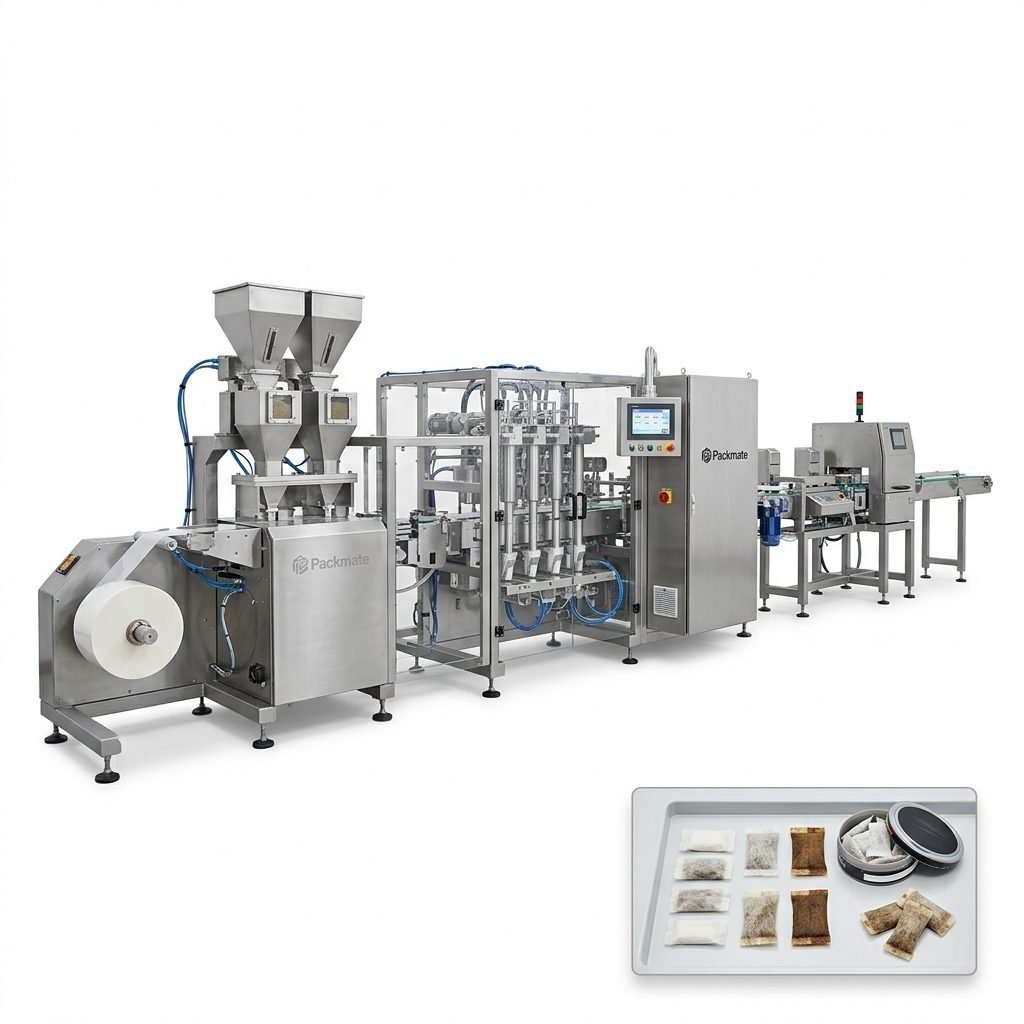
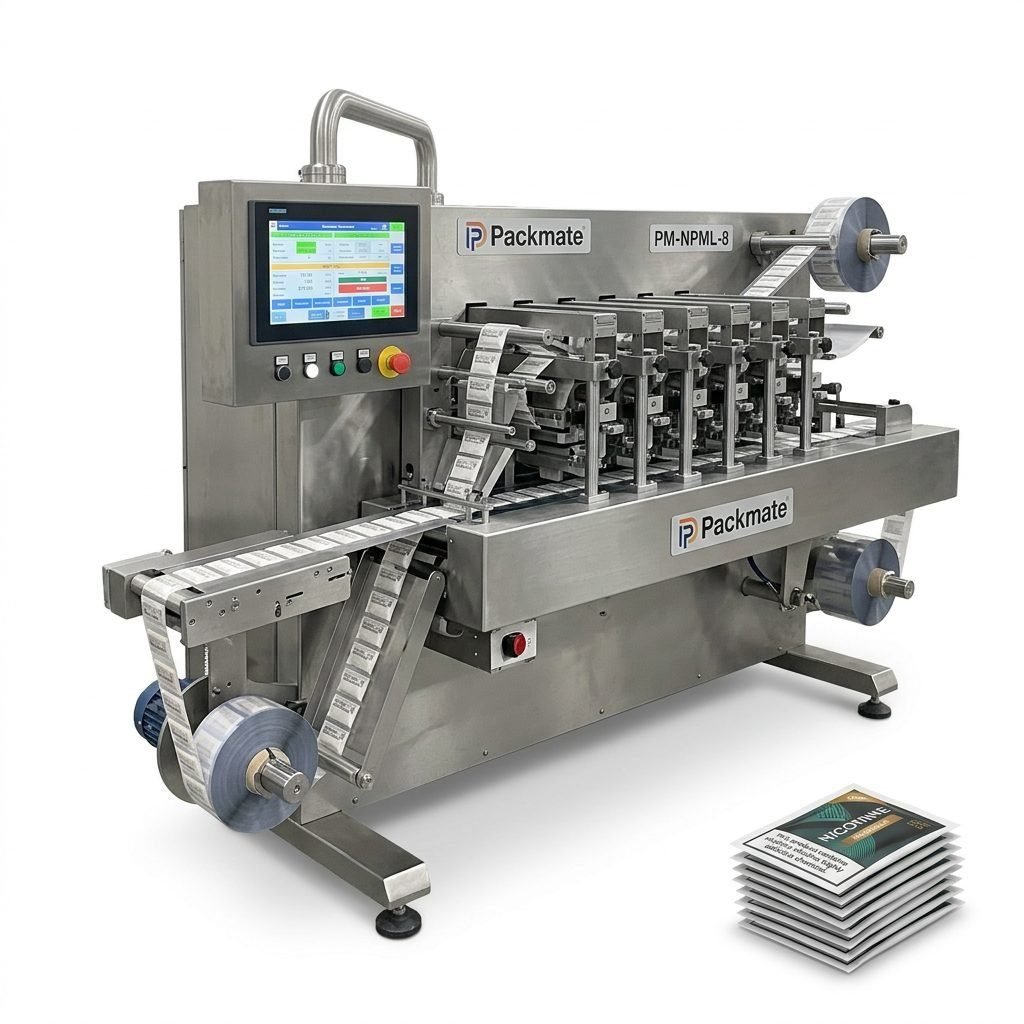
Choosing the right snus packaging machinery manufacturer in Syria can make or break your production plan. Local market conditions, climate, customs procedures, and consumer preferences in Syria require a practical approach that balances technical capability, local support, and regulatory awareness. This guide walks you through what to evaluate, compare, and negotiate so your investment in snus or nicotine pouch packaging equipment delivers stable production, regulatory compliance, and predictable costs.
Understand the Syrian Market and Local Customs
Syria has long-standing tobacco consumption habits—hookah (waterpipe), cigarettes, and chewing tobacco are familiar to many consumers. While snus and modern nicotine pouches are newer to the region, demand is slowly growing among younger urban populations and users seeking discreet alternatives. Therefore, a manufacturer that understands local consumption behavior, labeling expectations in Arabic, and seasonal temperature ranges will deliver more suitable solutions for Syrian customers.
Tip: Ensure packaging lines can print or apply bilingual labels (Arabic + English), and confirm packaging materials withstand Syria’s hot and dry summers to avoid product degradation.
Key Machine Types and Which One Suits Your Needs
Evaluate vendors based on machine families and their suitability for nicotine pouch production:
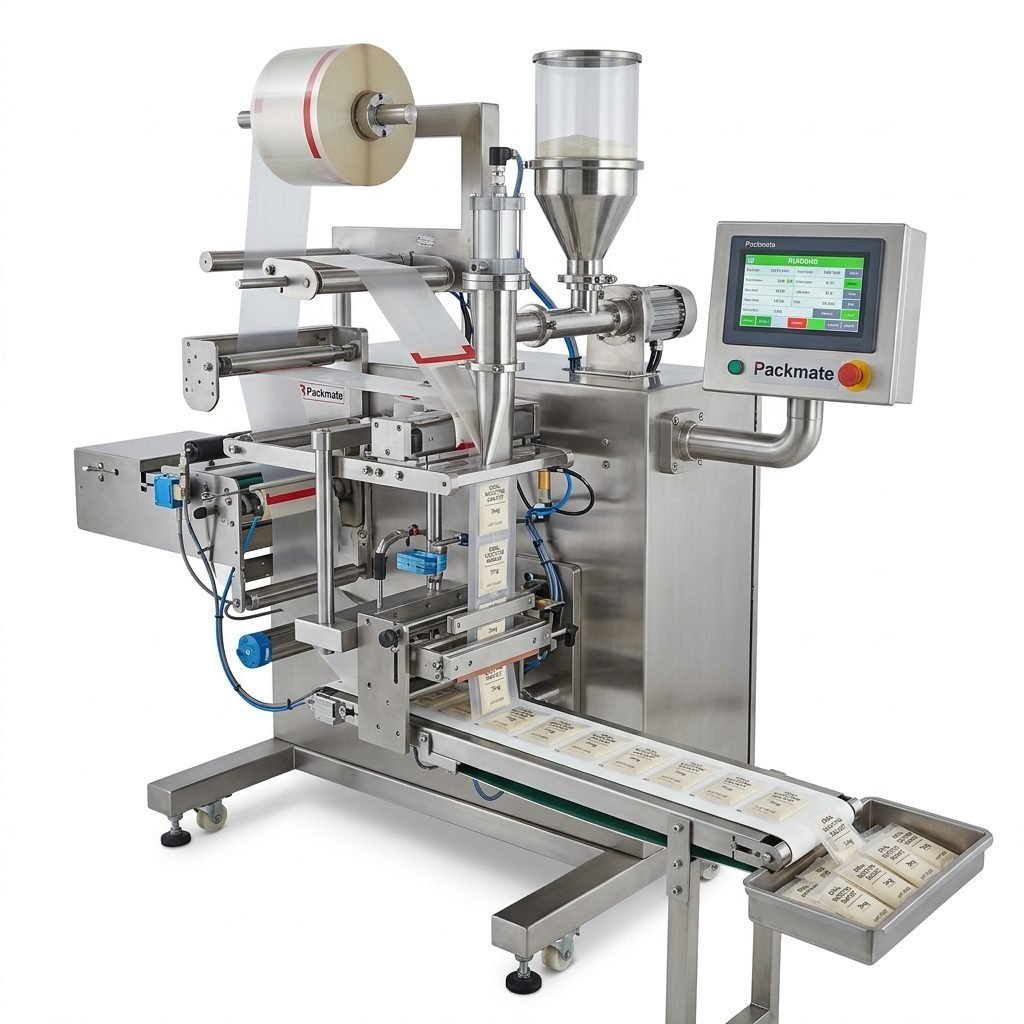
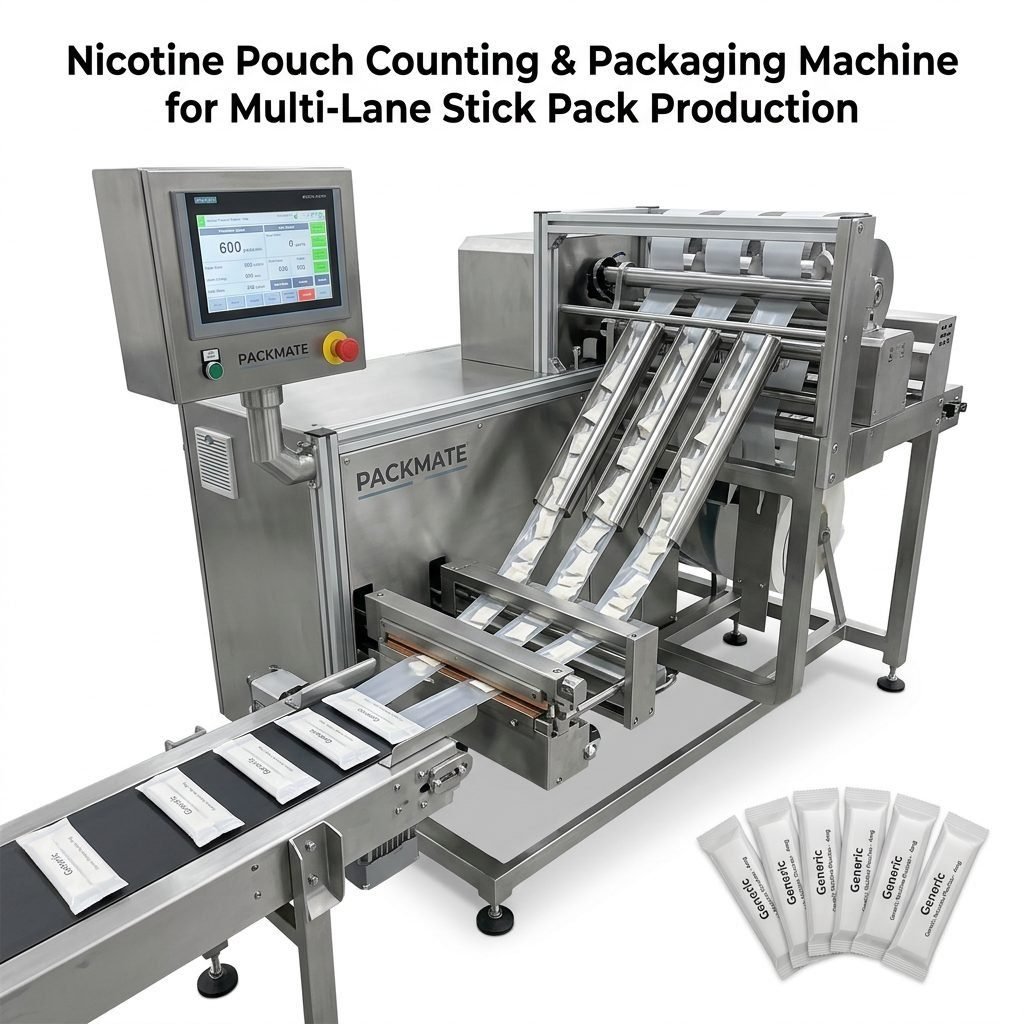
- Stick pack machines: simple, cost-effective for single-dose pouches.
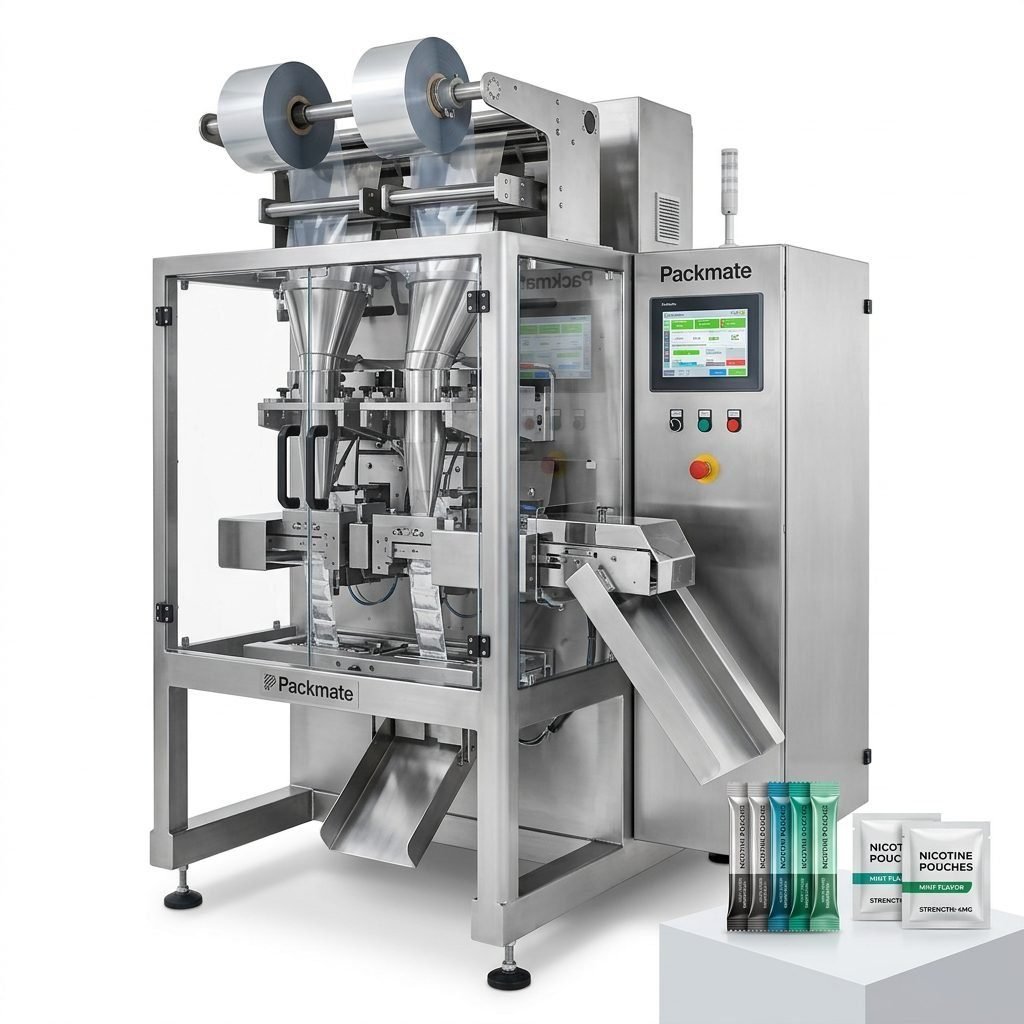
- Sachet & stick pack combined systems: flexible for different formats — helpful if you plan to diversify product SKUs.
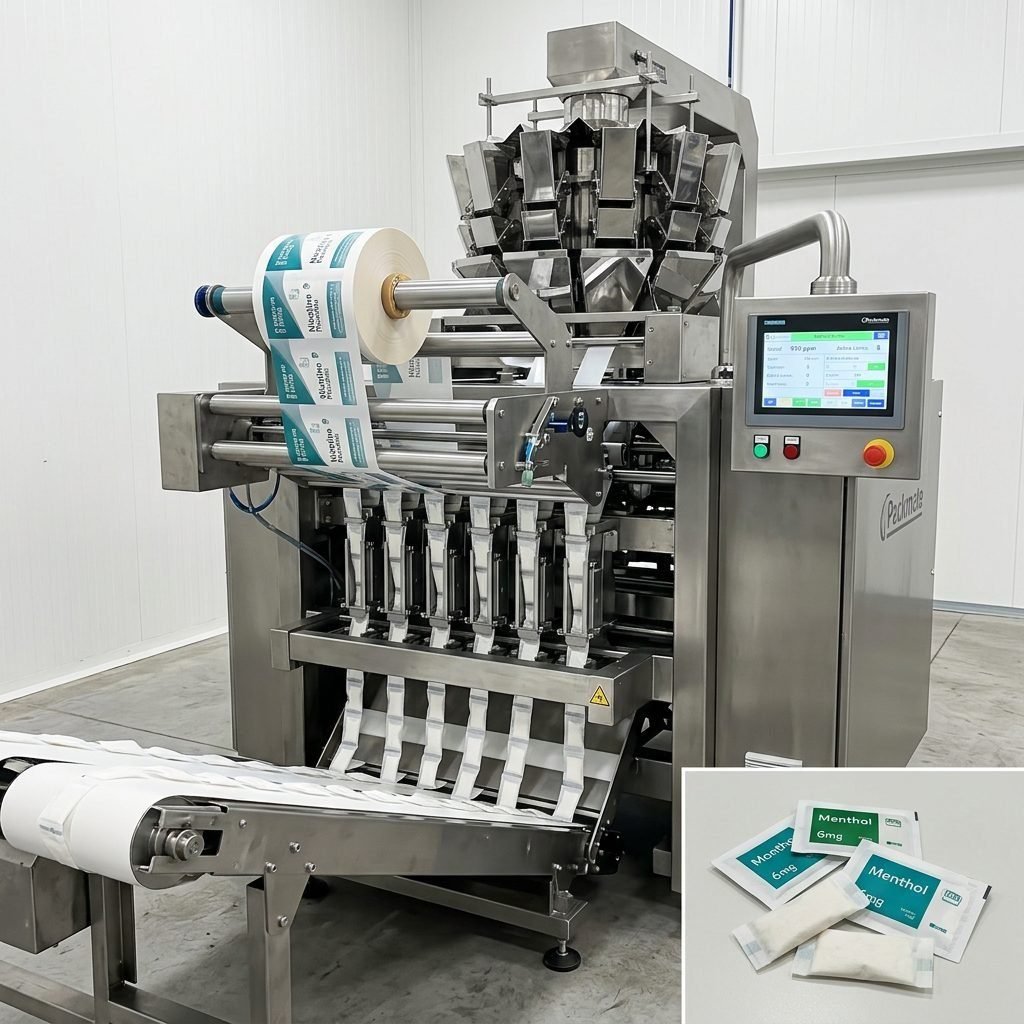
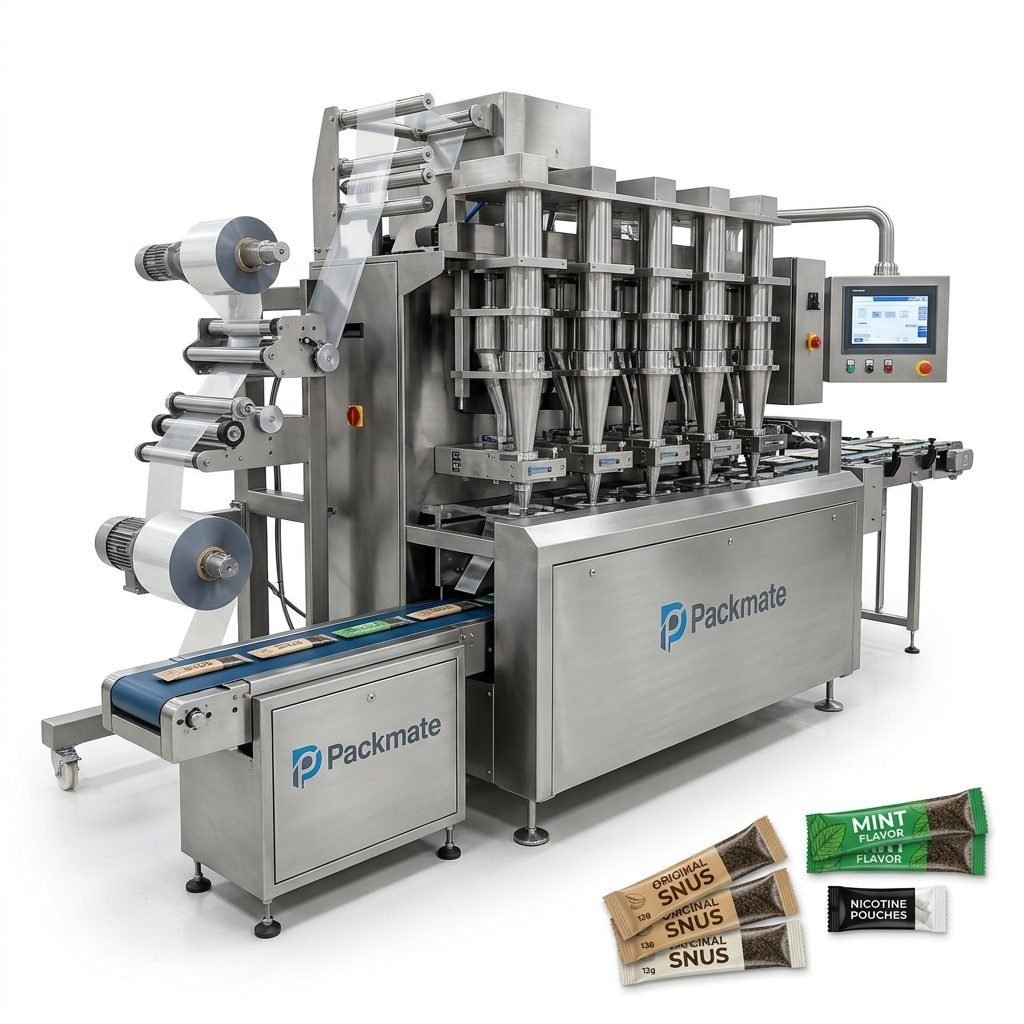
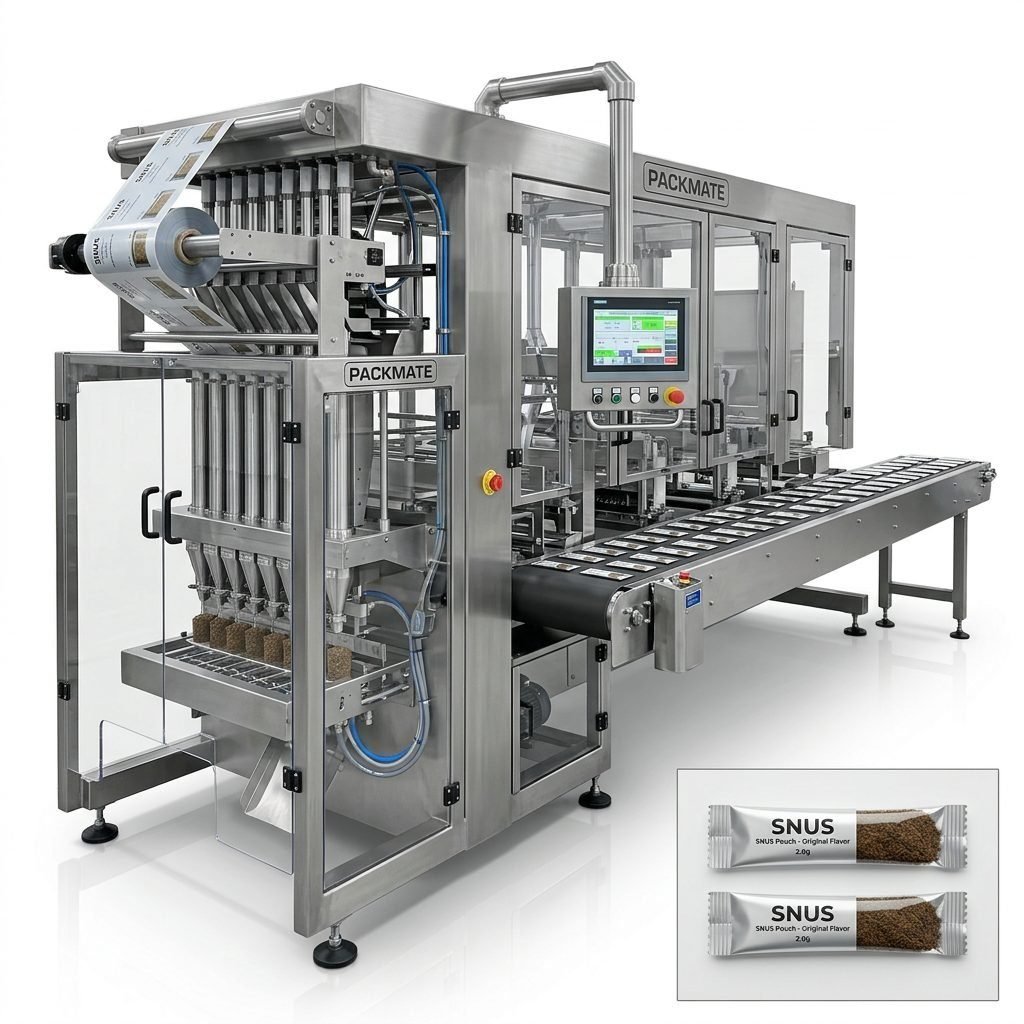
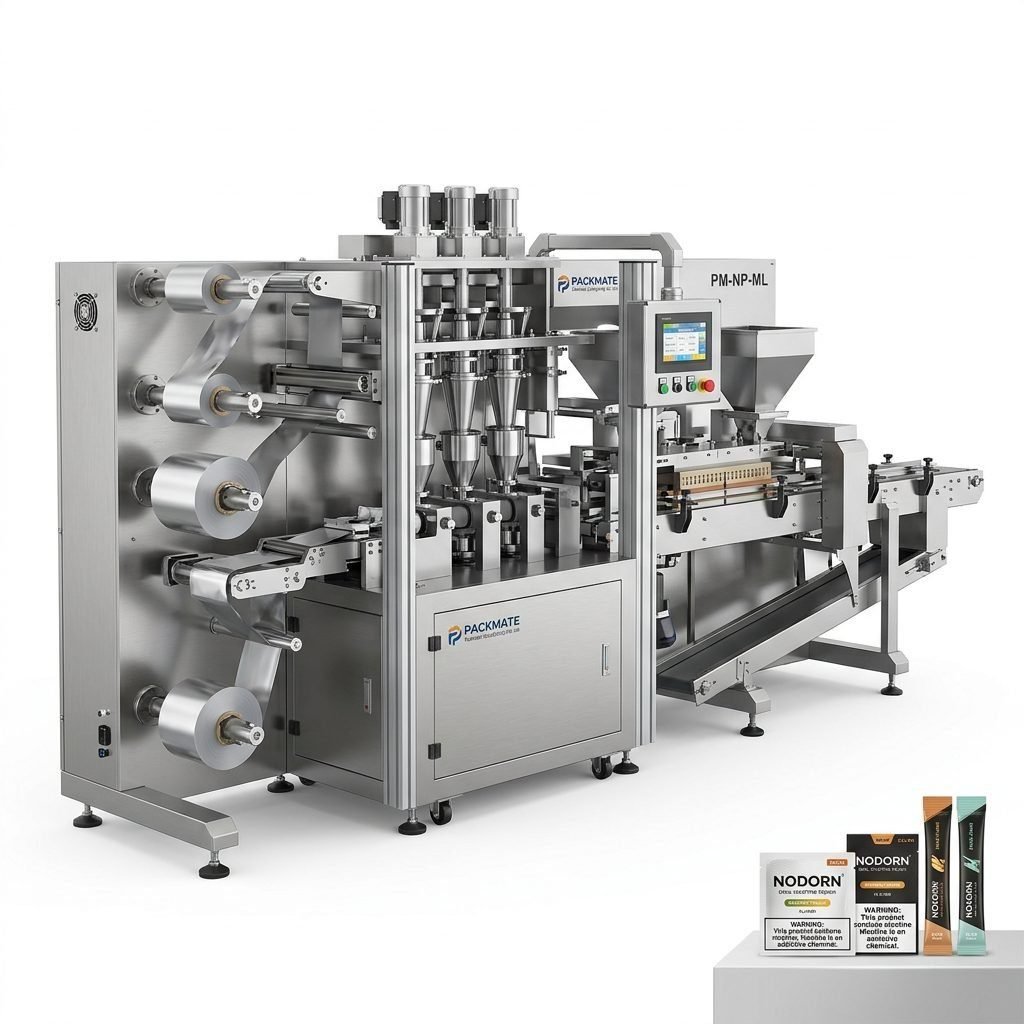
- Multi-lane high-speed systems: ideal for scaling production; look for 4–12 lane options depending on volume.
- Integrated weighing & filling systems: ensure dosing accuracy for nicotine content and regulatory consistency.
Checklist: Performance & Production Targets
Ask the manufacturer for clear performance data: nominal speed (packs/min), uptime statistics, format changeover time, and accepted pouch materials. A reliable supplier will provide case studies and references showing real-world speeds for products similar to yours.
Quality, Materials and Hygienic Design
Your snus/nicotine pouches require machines built from appropriate materials — typically stainless steel (304 or 316) where contact occurs. Prioritize hygienic design for easy cleaning and to prevent contamination. Components exposed to the product should be corrosion-resistant and food-grade.
Important: Confirm the manufacturer uses SS304/SS316 in contact zones and provides documentation—this impacts both hygiene and long-term durability.
Certifications, Safety and Regulatory Compliance
Reputable suppliers will hold international certifications (CE, ISO) and can support documentation for customs clearance and local regulatory processes. Given the sensitive nature of nicotine products, ensure machinery and electrical systems comply with international safety standards and that the manufacturer can provide packing and labeling templates fitting Syrian import requirements.
After-Sales Support, Spare Parts and Local Service
In Syria, logistics and lead times can be challenging. Favor manufacturers that:
- Offer fast spare parts shipment or have regional warehouses.
- Provide remote support, PLC program backup, and on-site commissioning options.
- Include operator training and maintenance manuals in Arabic whenever possible to speed onboarding.
What to Negotiate in the Contract
Key contract points: warranty period and scope, lead time, acceptance testing (FAT/SAT), spare parts list & pricing, tooling & format change parts, training hours, and penalties for missed delivery. Get electrical schematics and PLC code (or at least clear support terms) to avoid vendor lock-in.
Integration: Lines, Auxiliary Equipment and Turnkey Solutions
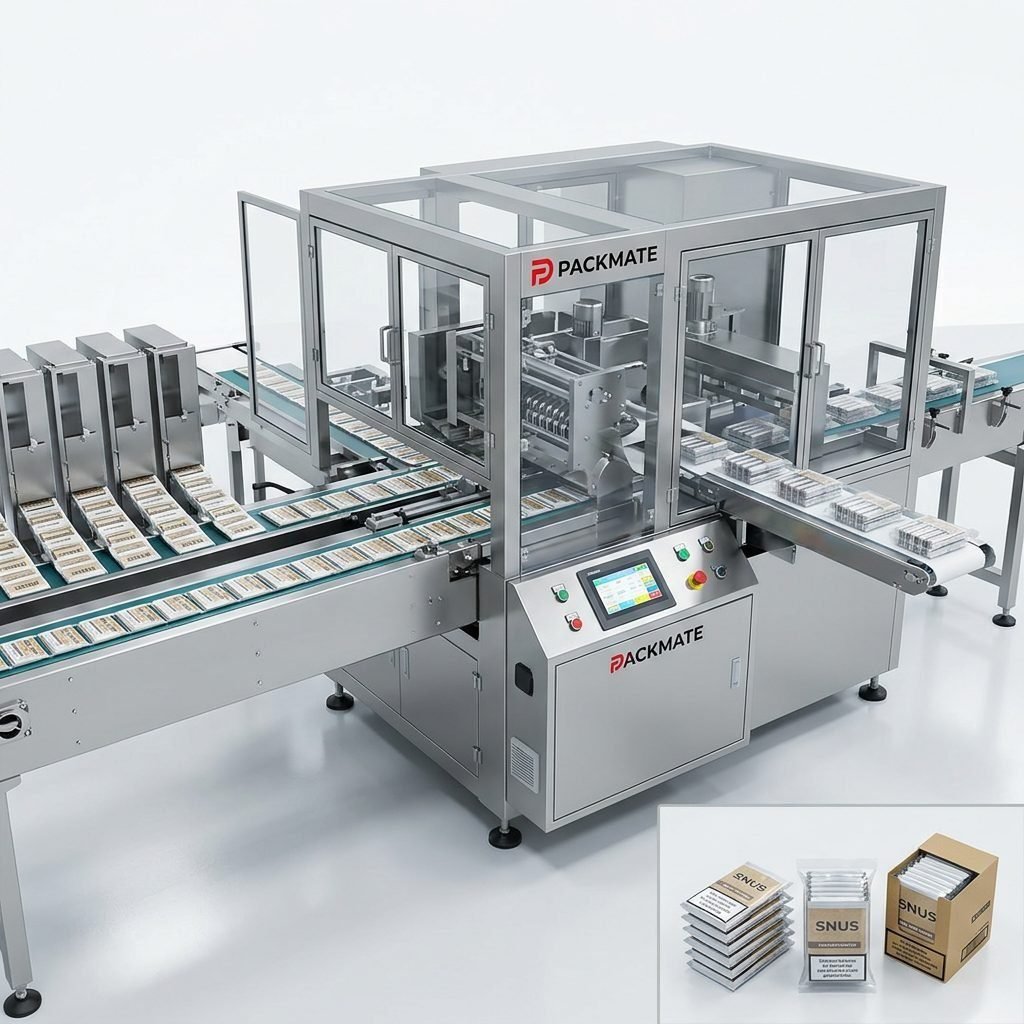
Buying a single machine may be cheaper up front, but a full production line (filling, weighing, packaging, metal detection, checkweigher, labeling) ensures consistent output and QC. Look for companies that provide modular turnkey lines and can integrate with upstream/downstream equipment with synchronized control.
Pro advantage: Choose suppliers that list solutions such as Weighing & Packaging Systems or Filling & Packaging Lines so you can scale without reengineering.
Technical Evaluation: What Tests and Documents to Request
Require the following before placing a PO:
- Factory Acceptance Test (FAT) video or live demo with your product.
- Performance data showing real packaging speeds with similar pouch materials.
- Material certificates for contact parts, CE/ISO certificates, and detailed electrical drawings.
- Spare parts list with recommended stock levels and lead times.
Packaging Materials and Climate Considerations
Syria’s climate ranges from hot dry summers to cooler winters. Choose barrier films and lamination that control moisture and oxygen ingress. Machines should be able to handle film roll widths and film thicknesses used locally or imported. Also verify temperature-sensitive components (sensors, pneumatics) are rated for your ambient conditions.
Cost Breakdown: Beyond the Machine Price
Total cost of ownership includes machine price, shipping, customs duties, installation, spare parts inventory, consumables (film, adhesives), training, and energy usage. For Syria, customs clearance and transit insurance can add significant costs—request the supplier’s experience with Syrian shipments and documentation to avoid import delays.
Why Company Track Record Matters
A manufacturer with extensive experience in snus and nicotine pouch lines — including stick pack, sachet and multi-lane systems — reduces risk. Check case studies and global references. A proven supplier will have exhibition participation, certificates, and relevant product pages for your review.
For model overviews and case examples, review the manufacturer’s product pages such as Snus & Nicotine Packaging Machines and Case.
Practical Steps for Syrian Buyers
1. Shortlist vendors with clear snus experience and request a sample packaging run. 2. Verify lead time and delivery route—sea vs air, and whether the supplier handles Syrian customs documentation. 3. Negotiate spare parts packages and a remote support SLA. 4. Ask for training in Arabic or local language materials. 5. Plan for humidity- and temperature-control within your production area.
Negotiation points specific to Syria
Syrian import clearance can be unpredictable—ask the vendor for incoterms that minimize your exposure (e.g., CIF to a nearby port with trusted forwarders). Request consolidated shipments for multiple machines to lower costs, and secure written timelines for spare part dispatch.
Comparing Vendors: A Quick Scorecard
Use a weighted checklist to compare vendors: machine performance (30%), local support and parts availability (25%), price and TCO (20%), certifications & safety (15%), and references & case studies (10%). Score objectively and require demonstrations.
Final Selection: Red Flags to Avoid
Be cautious if suppliers are vague about real product tests, refuse FAT, or cannot provide spare parts prices and lead times. Avoid one-off builders lacking formal QA or international certifications if you expect export or strict regulatory scrutiny.
Quick checklist before PO:
• FAT video completed • Spares list provided • Warranty & training agreed • Shipping & customs terms clarified.
Useful Manufacturer Resources
Review product categories and company background before final discussions: Bag & Pouch Packaging Machines, Sachet & Stick Pack Machines, and the company overview at About Packmate.
Decision Flow Summary
Define product specs → Request vendor demos with your product → Validate materials & certifications → Negotiate support and spares → Perform FAT → Finalize contract and shipping terms.
Choosing the best snus packaging machinery manufacturer for the Syrian market means balancing technical performance with local realities: Arabic labeling, climate resiliency, spare parts logistics, and clear documentation. A partner with proven snus experience, turnkey capabilities, and transparent after-sales support will reduce operational risks and accelerate your time to market.
Frequently Asked Questions
Q1: What certifications should I insist on when buying snus packaging machines?
A1: Ask for CE and ISO certificates, material certificates for contact parts (SS304/316), and electrical schematics. These support customs clearance and ensure safety.
Q2: How important is a Factory Acceptance Test (FAT)?
A2: FAT is essential—insist on live demos or video of your product running at expected speeds. It reduces surprises during installation.
Q3: What spare parts should a Syrian buyer keep in stock?
A3: Keep critical wear parts (seals, belts, knives, sensors), a spare PLC/motors if possible, and any format-specific tooling. Confirm supplier lead times for other parts.
Q4: Do I need local language manuals and training?
A4: Yes—Arabic manuals and localized training accelerate operator competence and reduce downtime. Negotiate this into the purchase.
Q5: Where can I see real examples of snus packaging lines?
A5: Review manufacturer case studies and product pages such as Case and their Snus & Nicotine Packaging Machines section for real deployments and line configurations.