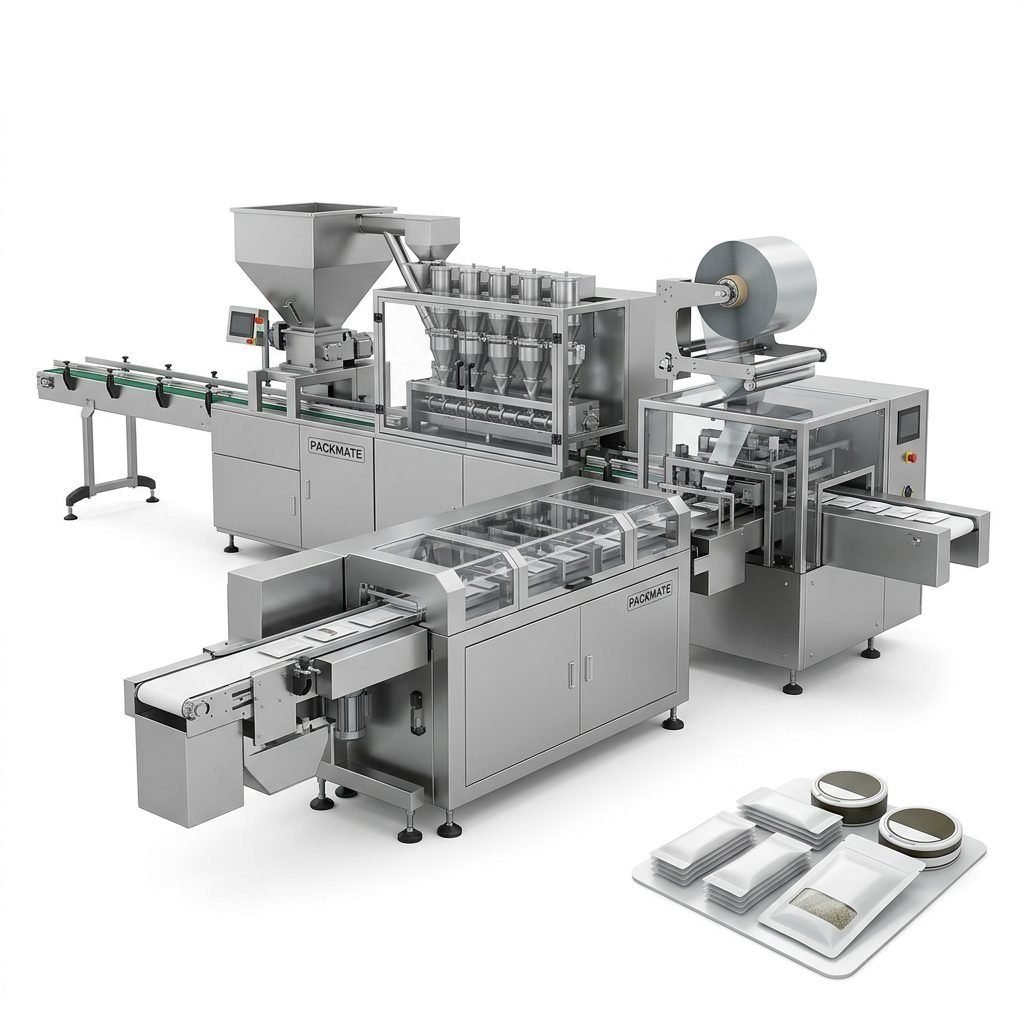
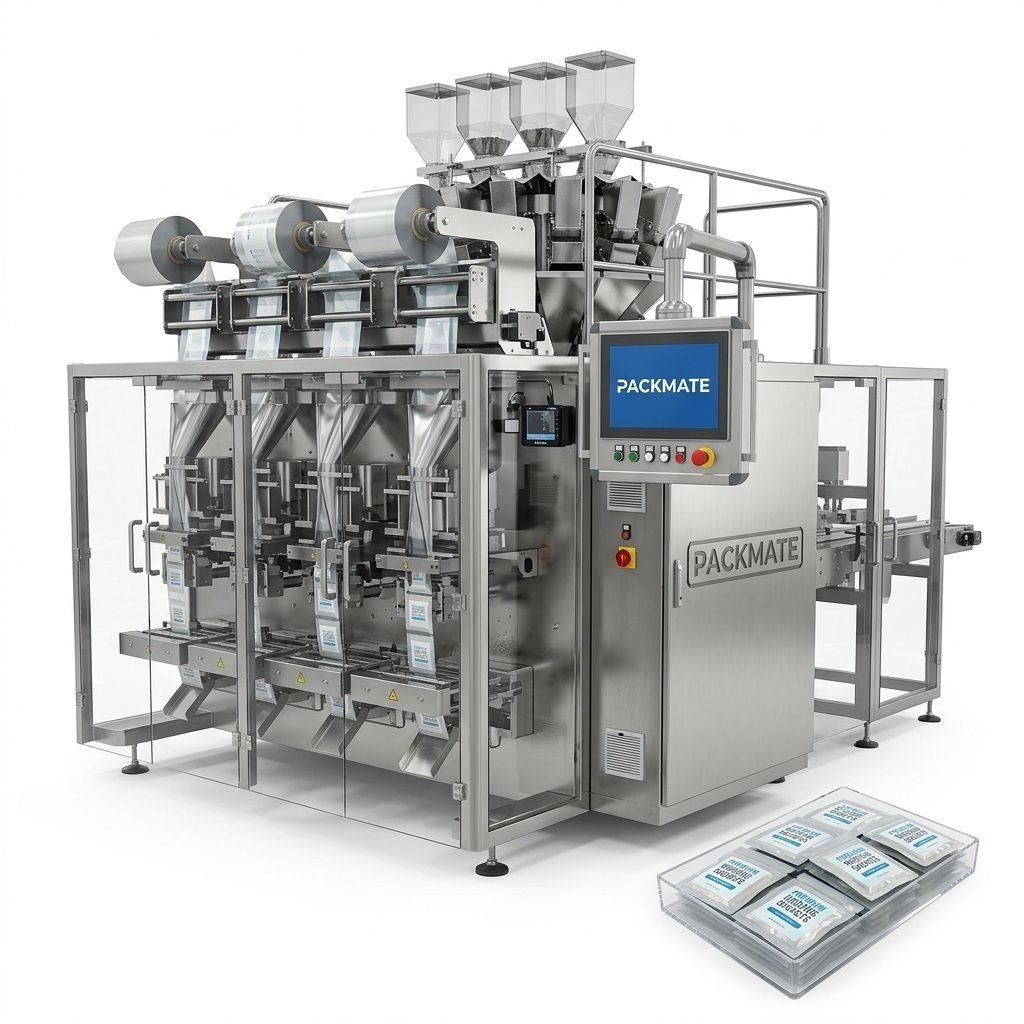
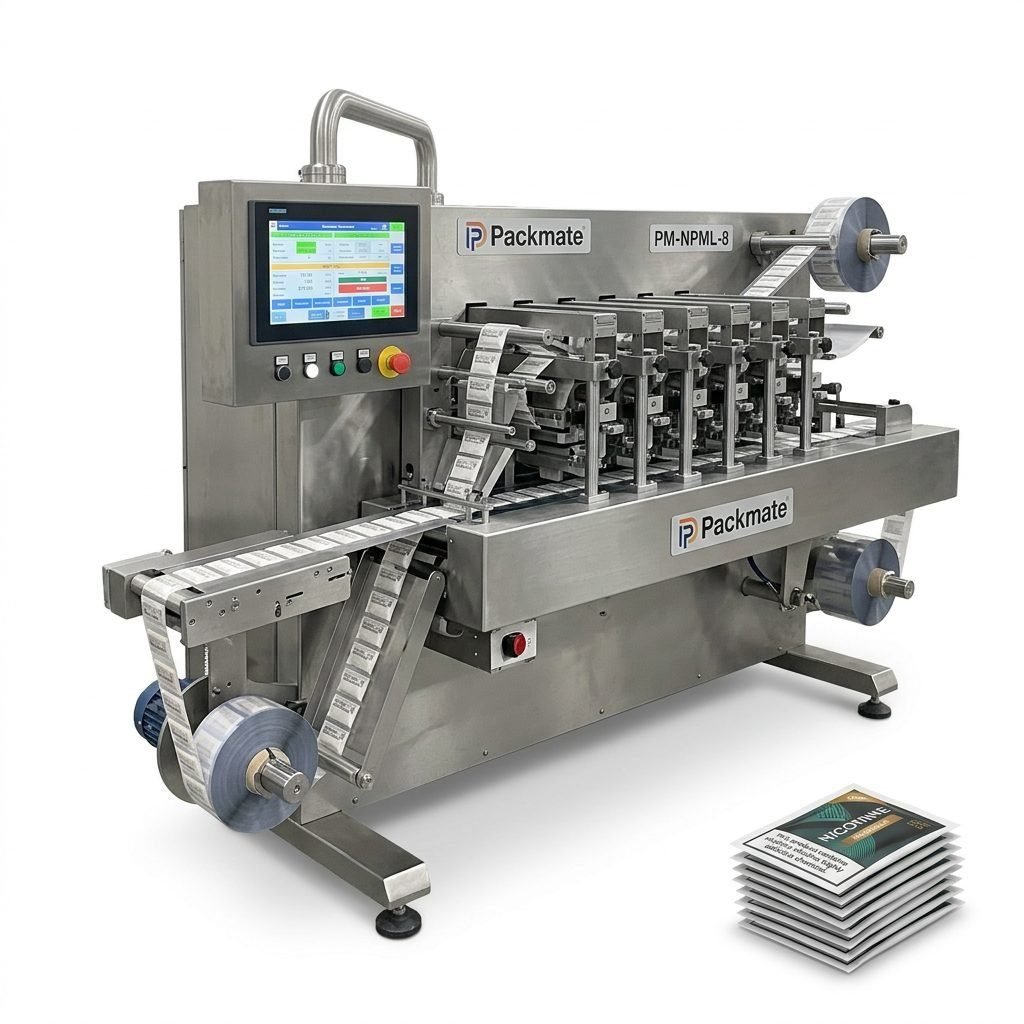
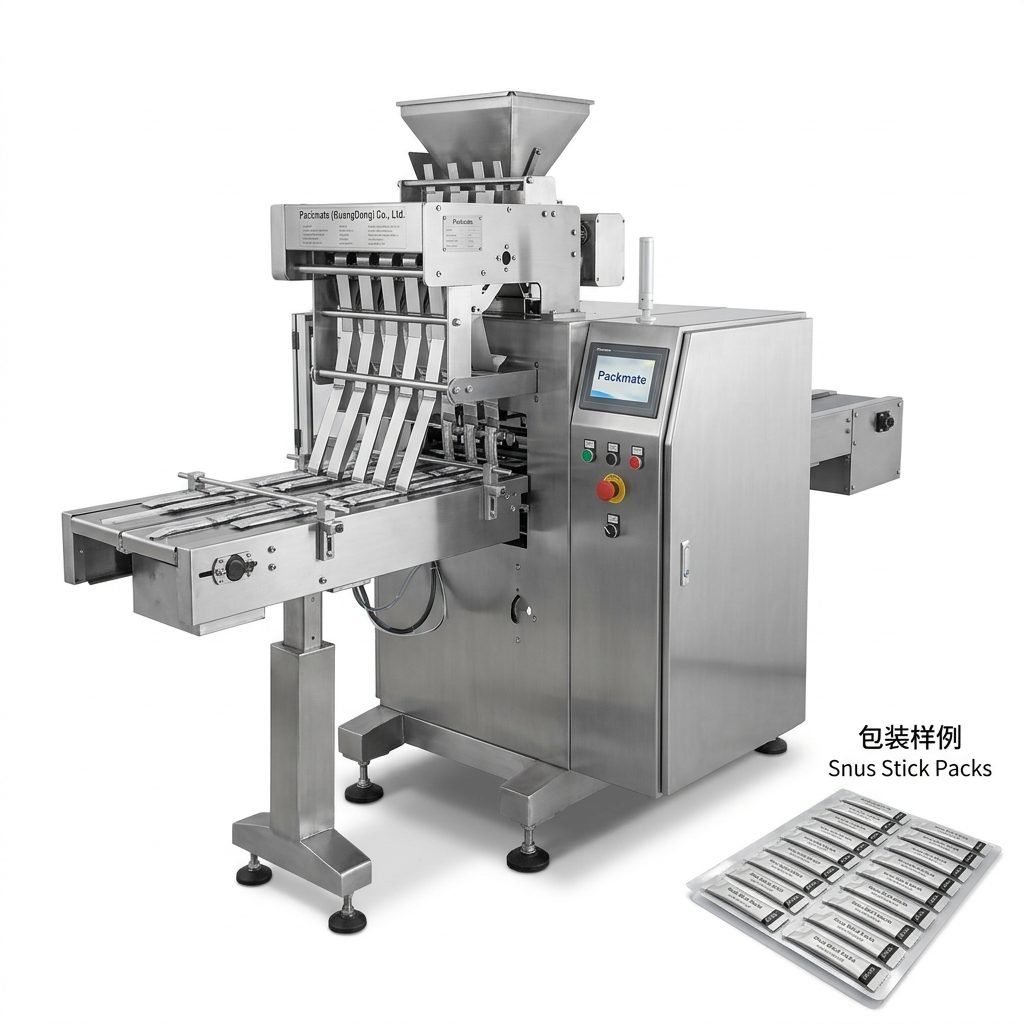
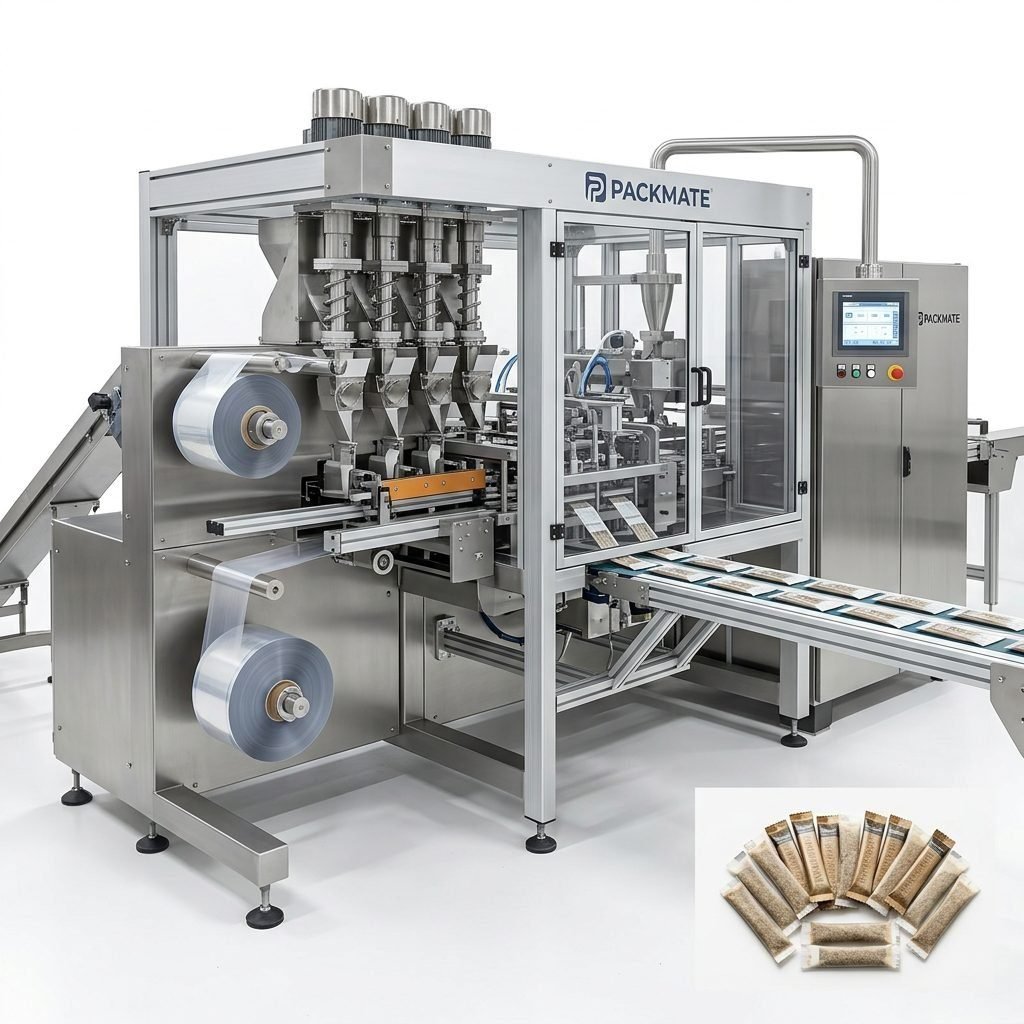
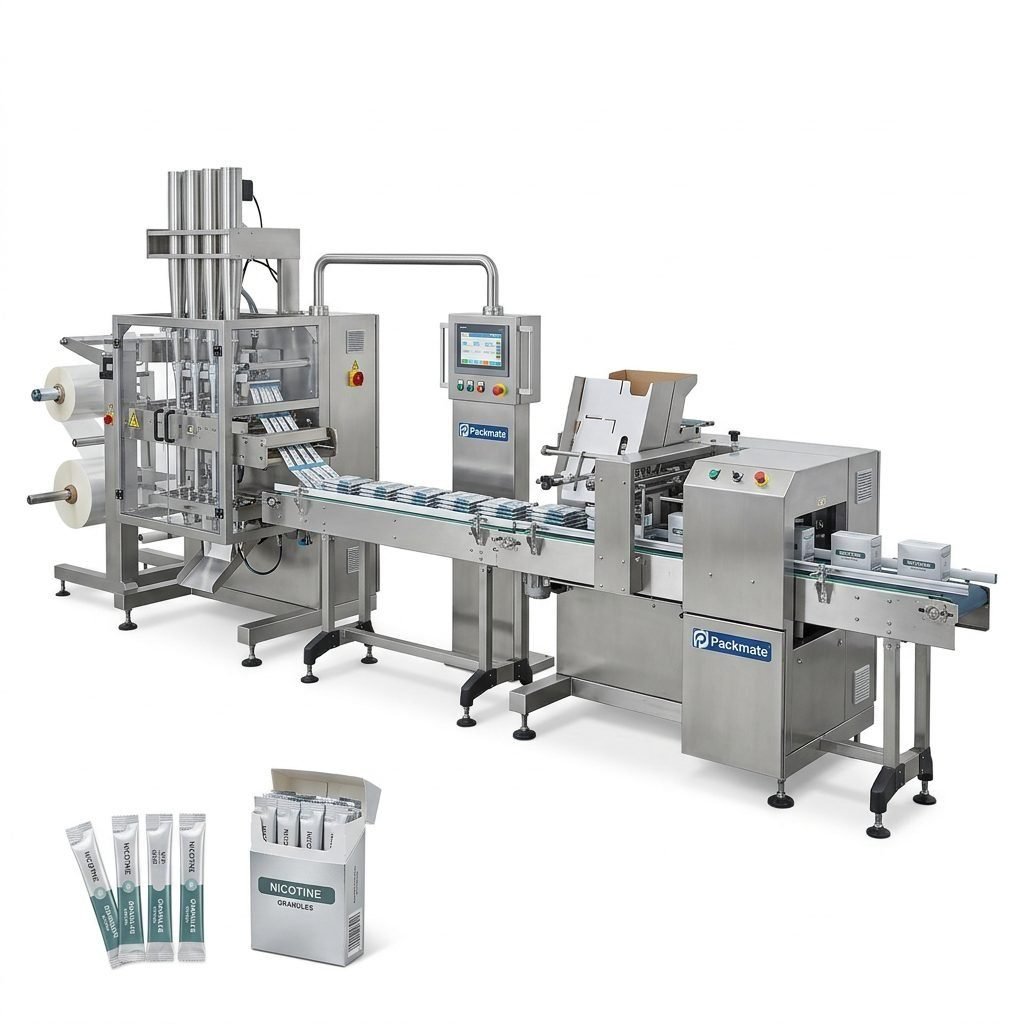
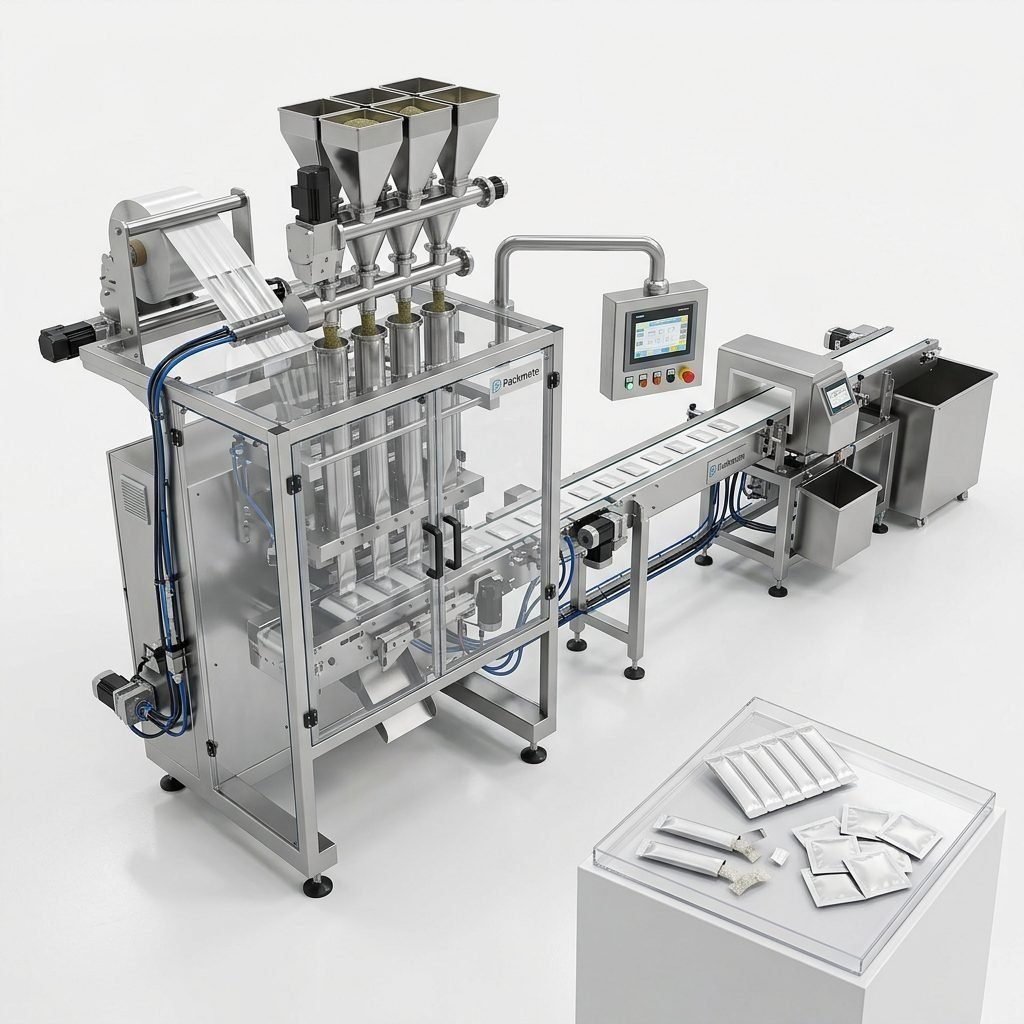
Choosing the right nicotine packaging machine supplier for your business in Equatorial Guinea requires more than price comparison. You need a partner who understands production demands, local trade practices, regulatory requirements, and the island-nation’s business culture. This guide walks you through practical steps to evaluate suppliers, highlights what matters when sourcing snus and nicotine pouch packaging equipment, and explains how to ensure smooth import, installation, and long-term support in Equatorial Guinea.
Understand Your Production Needs First
Start by drafting a precise production brief. Include daily output targets, pouch format (single-dose sachets, stick packs, multi-lane pouches), product characteristics (powder, granule, moist snus, liquid fill), and desired automation level. For example, if you plan to supply small-dose nicotine pouches across regional retail outlets, a multi-lane snus packing line with high uptime and quick changeover could be essential.
Use this short checklist as a living document:
🔍 Target daily/weekly output
⚙️ Pouch size and lane count
🧪 Product consistency and filling accuracy
🏭 Available factory floor space and utilities
Evaluate Supplier Technical Capabilities
Focus on proven engineering and manufacturing capabilities. Suppliers with decades of experience in snus and nicotine packaging are more likely to deliver stable performance and easier upgrades. Look for these indicators:
✓ Industry track record: 30+ years of R&D and machine development shows maturity in design and problem solving.
✓ Range of models: Multiple machine models (single-lane, multi-lane, stick pack, sachet, auxiliary systems) allow you to scale without changing suppliers.
✓ Manufacturing strength: Large factory floor, advanced CNC machining centers, and precision assembly lines reduce lead times and improve quality consistency.
Supplier Proof: Certifications & Cases
Require copies of international certifications (CE, ISO) and ask for machine case studies or references—preferably from customers shipping to similar markets. A supplier who participates in global exhibitions and posts real-world case studies is typically more transparent and confident in its solutions. You can review product categories and case demonstrations directly on supplier pages such as
Snus & Nicotine Packaging Machines,
Case, and
Certificate.
Assess Engineering Support and Customization
A good supplier should offer turnkey lines and customization to match local market formats. Important services include process engineering, layout design, electrical and PLC programming, and optional integrations like weight-checking or automated case packers. Confirm lead times for modifications and availability of spare parts.
🛠️ Turnkey solutions – From filling and sealing to boxing and palletizing
🔁 Changeover speed – Can the line switch pouch sizes in minutes?
📦 Auxiliary equipment – Weighing, feeding, and secondary packaging options available; see Auxiliary Packaging Equipment.
Quality Assurance: What to Inspect
When you visit a supplier or review their factory reports, verify the following:
• Machine repeatability and filling accuracy tolerance (important for nicotine dosing).
• Material contact components and hygiene design (food-grade or pharma-grade where needed).
• Reliability data: MTBF/MTTR, typical uptime figures, and spare-part lead times.
• Factory acceptance testing (FAT) records and the option for witnessed FAT or video demo before shipping.
Ask for Performance Metrics
Demand documented cycle rates, reject rates, and changeover times for the exact model you plan to buy. If possible, request a short production run for your specific formulation so you can validate filling behavior and sealing quality in real conditions.
Service, Training and After-Sales in Equatorial Guinea
After-sales service is a critical differentiator for packaging machinery. Because Equatorial Guinea has a relatively small industrial base, prioritize suppliers who provide:
• Remote diagnostics and multilingual technical support (Spanish is frequently used in Equatorial Guinea, so Spanish-speaking engineers are a plus).
• On-site installation and commissioning with training for your operators and maintenance staff.
• Readily available spare parts kits and the option to stock critical components locally to minimize downtime.
📞 24/7 remote support – Essential for minimizing interruptions across time zones.
🎓 Operator training – Practical, on-site sessions tailored to local teams and working hours.
Logistics, Import & Local Compliance
Equatorial Guinea’s main ports (Malabo and Bata) handle most imports. Coordinate delivery terms early: use Incoterms to define responsibilities, and ask suppliers to quote CIF or DDP for clarity. Be mindful of customs clearance times and required documentation:
• Commercial invoice, packing list, and bill of lading/ airway bill.
• CE/ISO certificates and machine manuals in Spanish or English to facilitate customs review.
• Electrical specifications and voltage compatibility for local power systems; consider optional transformers if needed.
Cultural & Commercial Tips for Equatorial Guinea
Business in Equatorial Guinea often values relationships and respect for seniority. Spanish is widely used—having Spanish-language documentation and a Spanish-speaking point of contact can improve negotiations and after-sales support. Be prepared for in-person meetings where trust and face-to-face agreements matter. Also, consider local holidays and national events when planning delivery and installation timelines.
Financial Considerations and Total Cost of Ownership
Purchase price is only the beginning. Calculate the total cost over expected machine life, including spare parts, consumables, energy consumption, training, and downtime costs. Request an itemized quote and projected lifecycle costs. Verify warranty terms and what is covered during the warranty period (labor, parts, shipping).
Consider financing options, local bank letters of credit, and supplier payment terms. Suppliers that offer staged payments tied to milestones (deposit, FAT, shipment, installation) reduce risk for both parties.
Why Choose an Experienced Snus Machine Manufacturer
Experienced manufacturers bring mature designs, tested production lines, and faster problem resolution. For instance, established suppliers with decades of focus on snus and nicotine pouch solutions will offer advanced multi-lane technology, consistent sealing performance, and validated dosing systems. Learn more about trusted product lines like
Bag & Pouch Packaging Machines and
Sachet & Stick Pack Machines.
Real-World Proof: Factory & Field Performance
Request to review FAT videos, client testimonials, and performance logs. If possible, arrange a video call during a live production run. Suppliers that allow you to witness testing or provide transparent performance data are easier to trust.
Negotiation & Contract Essentials
Ensure contracts specify acceptance criteria, delivery milestones, spare parts list, warranty terms, and dispute resolution methods. Include clauses for remote acceptance testing and clear definitions of responsibilities for installation and commissioning. Specify the language for manuals and training—Spanish documentation is highly recommended for Equatorial Guinea.
📝 FAT acceptance criteria – define acceptable reject rates and throughput.
🚢 Shipping terms – clarify CIF/FOB/DDP and responsibility for customs clearance.
💬 Documentation language – request Spanish manuals and training where possible.
How to Make the Final Decision
Shortlist suppliers based on technical fit, references, factory capability, and service model. Score each supplier on key categories: performance, reliability, service, lead time, and TCO. Visit factories if feasible or request a virtual factory tour. Prioritize suppliers who can demonstrate successful deployments in similar markets and who commit to clear after-sales support.
Make onboarding smoother
Prepare your factory for arrival: confirm floor layout, power specs, compressed air, and waste disposal. Schedule staff training and a commissioning window that accounts for customs and local holidays.
Useful Supplier Resources
For additional product details and supplier background, consider exploring the supplier’s company profile and product catalogs. Many established manufacturers publish catalogs and FAQ pages that clarify technical specifications and service offerings. See the supplier’s company information at
About Packmate and browse specialized product pages like
Weighing & Packaging Systems.
Final Thoughts
Selecting the right nicotine packaging machine supplier for Equatorial Guinea blends technical evaluation with cultural and logistical awareness. Choose a partner with proven snus packaging expertise, robust manufacturing capacity, clear certifications, and strong after-sales support. Prioritize clear contracts, FAT validation, and Spanish-language documentation to ensure smooth commissioning and ongoing operation.
Next steps
Shortlist 2–3 suppliers, request detailed proposals and FAT demonstrations, confirm warranty and spare parts availability, and plan an installation timeline that aligns with local customs clearance and holidays in Equatorial Guinea.
Frequently Asked Questions
Q1: How long does it take to receive a snus packing line from order to installation in Equatorial Guinea?
A1: Typical lead times depend on customization and factory schedules; for standard models expect 12–20 weeks from deposit to shipment, plus shipping and customs clearance. Allow an extra 2–4 weeks for installation and commissioning locally.
Q2: What certifications should I insist on when buying nicotine pouch equipment?
A2: Require CE and ISO certificates, hygiene or food-grade compliance for contact parts, and FAT test records. Verify documentation is authentic and request translations if needed for local authorities.
Q3: Can suppliers train my staff in Spanish?
A3: Many global suppliers offer multilingual support. Request Spanish-language manuals and onsite or remote training to accommodate Equatorial Guinea’s Spanish-speaking teams.
Q4: What are common hidden costs when importing packaging machines to Equatorial Guinea?
A4: Common extras include customs duties, local taxes, port handling fees, inland transport, spare parts stock, electrical upgrades, and potential delays due to documentation. Clarify Incoterms and include contingency for customs delays.
Q5: How do I ensure ongoing machine performance after purchase?
A5: Establish a maintenance contract, stock critical spare parts locally, arrange regular remote checks, and schedule periodic operator refresher training. Choose suppliers who provide clear uptime metrics and accessible technical support.