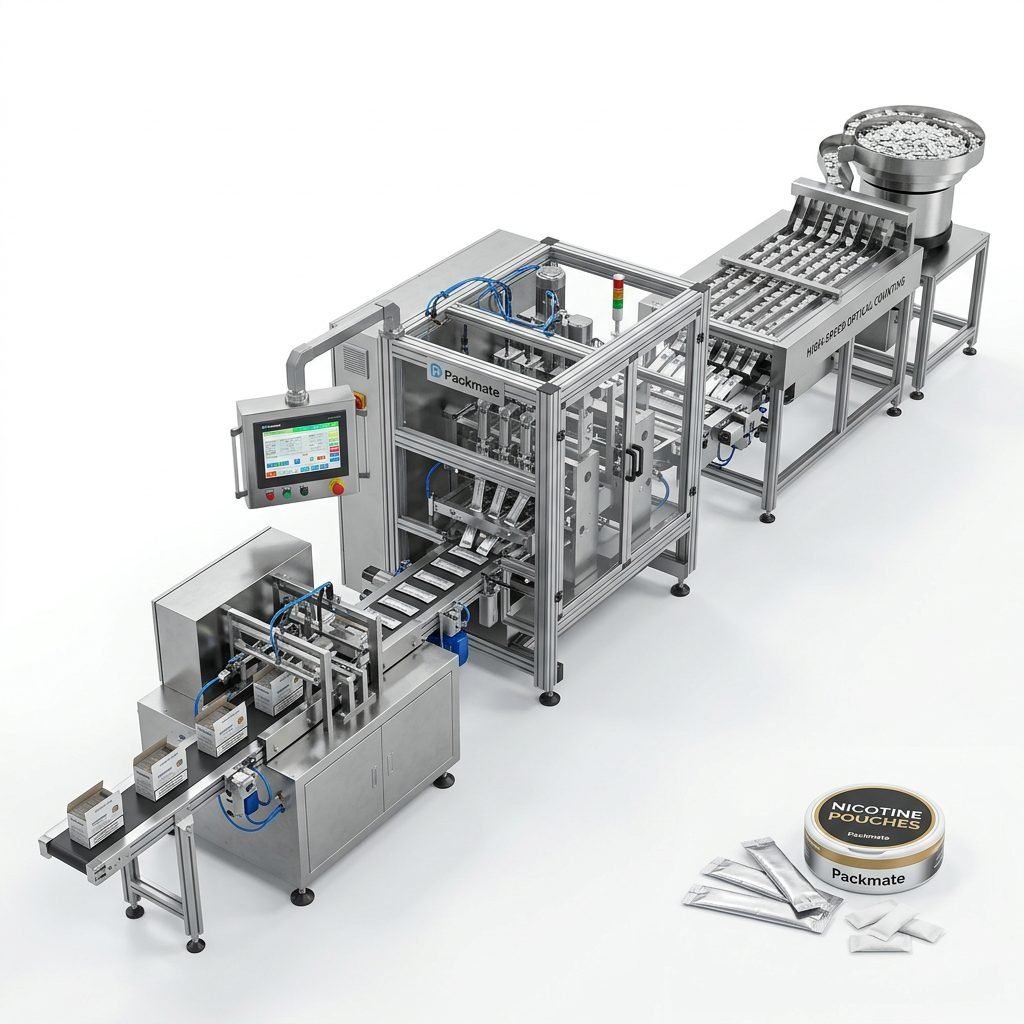
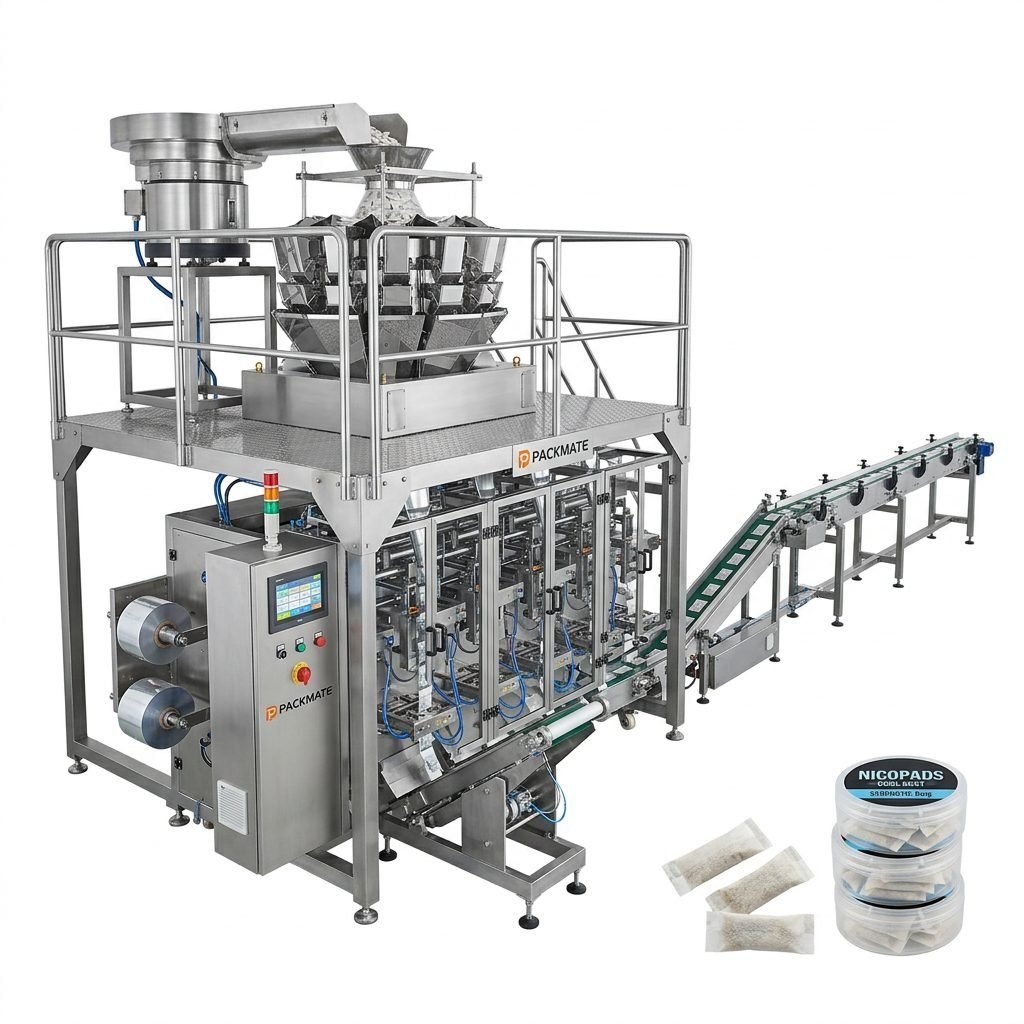
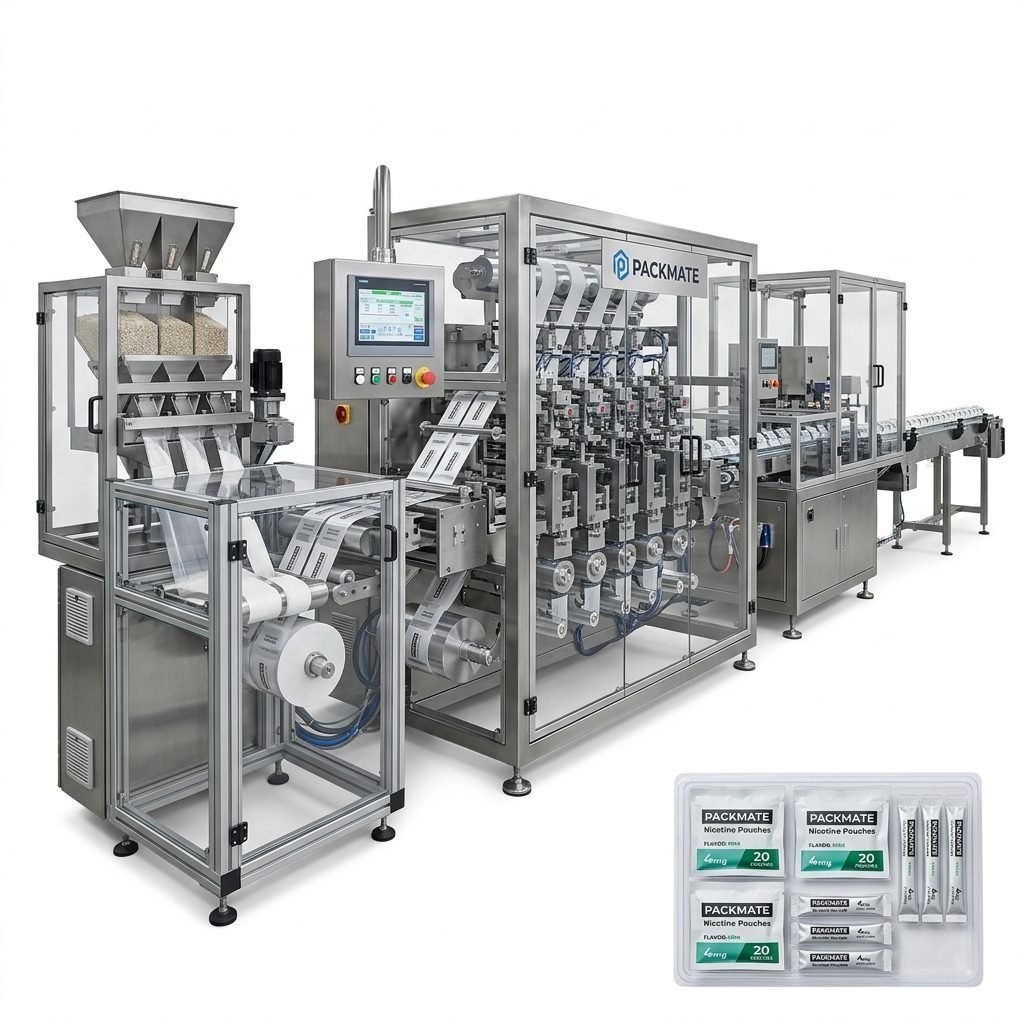
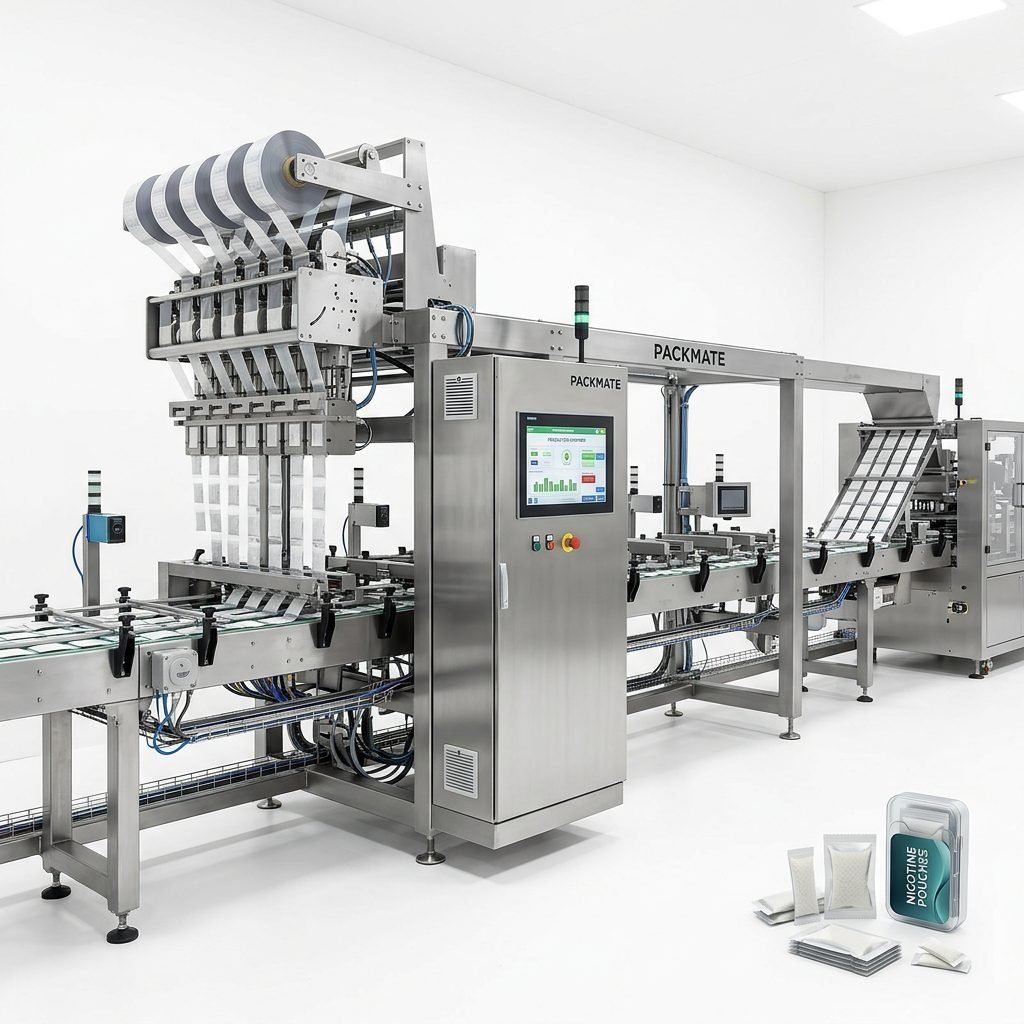
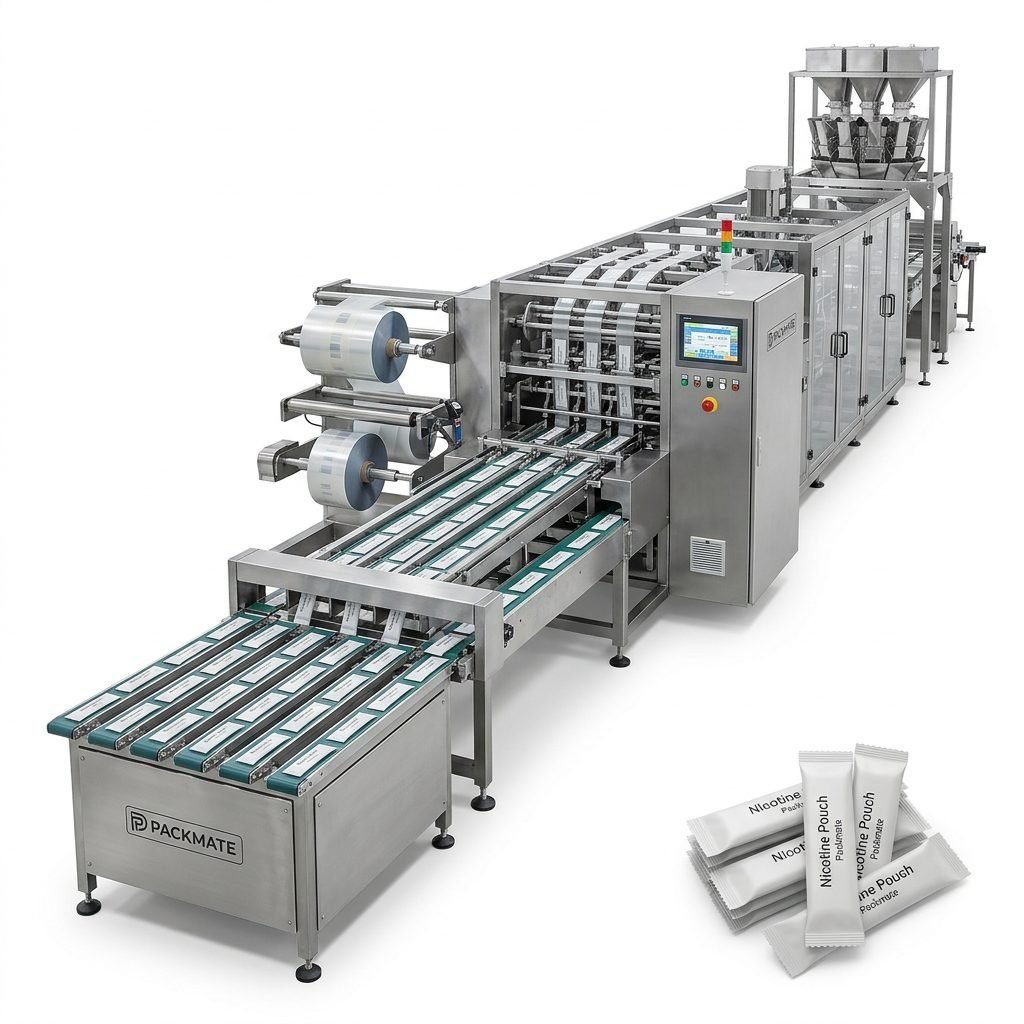
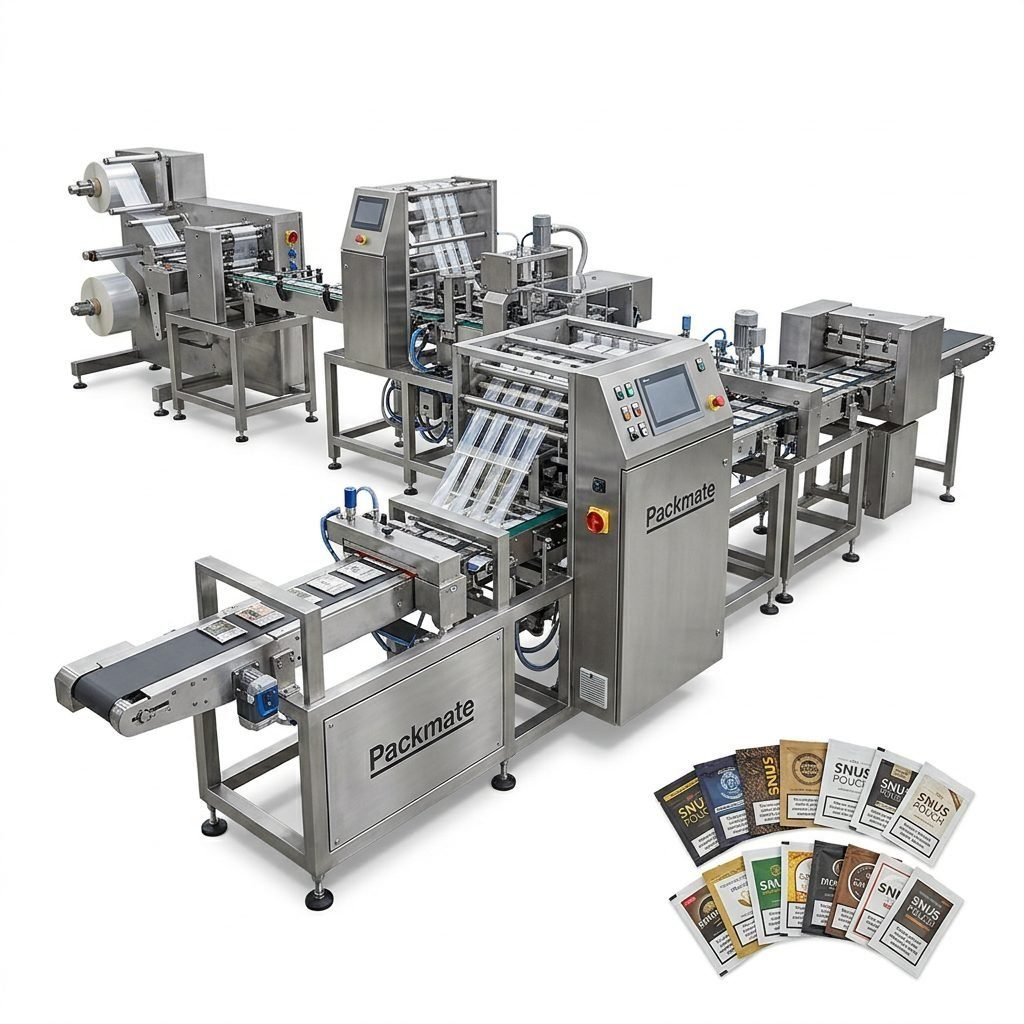
Choosing the right nicotine packaging machine in Honduras requires a mix of technical knowledge, understanding of local market habits, and careful attention to regulations and operating conditions. This guide walks you through practical steps to select equipment that matches your product format (snus, nicotine pouches, sachets, stick packs), production capacity goals, and Honduras-specific factors like climate, workforce skills, and import logistics. Wherever helpful, we reference trusted packaging solutions and manufacturer resources to help you make an informed purchase decision.
Understand the Honduran Market and User Habits
Honduras has a growing interest in alternative nicotine products in urban centers such as Tegucigalpa and San Pedro Sula. While traditional tobacco use remains common, younger consumers are increasingly open to low-dose nicotine pouches and discreet formats. Keep in mind that Spanish is the dominant language; packaging design and operator manuals in Spanish reduce training time and boost market acceptance.
Tip: prioritize machines that support flexible label and language customization so you can produce Spanish-labeled packs and meet local marketing preferences.
Start with Your Product Format and Specifications
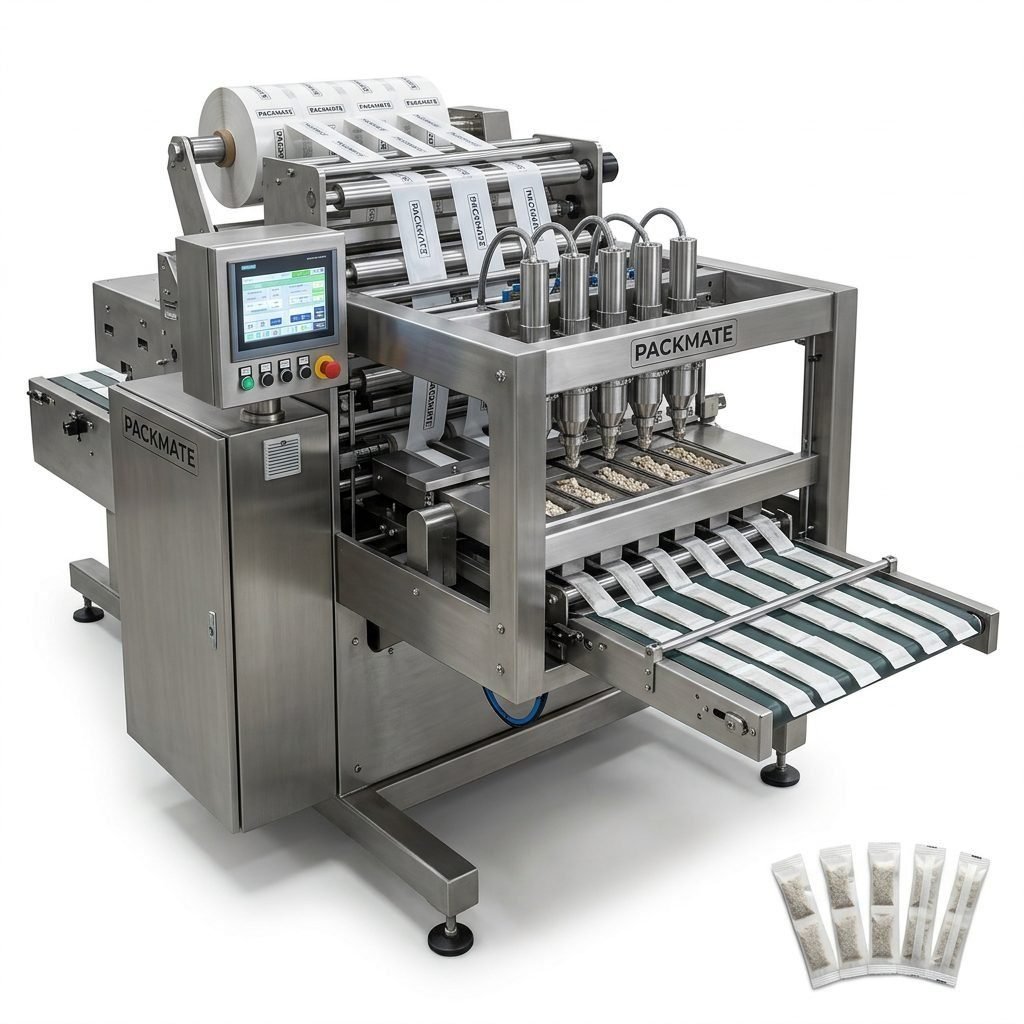
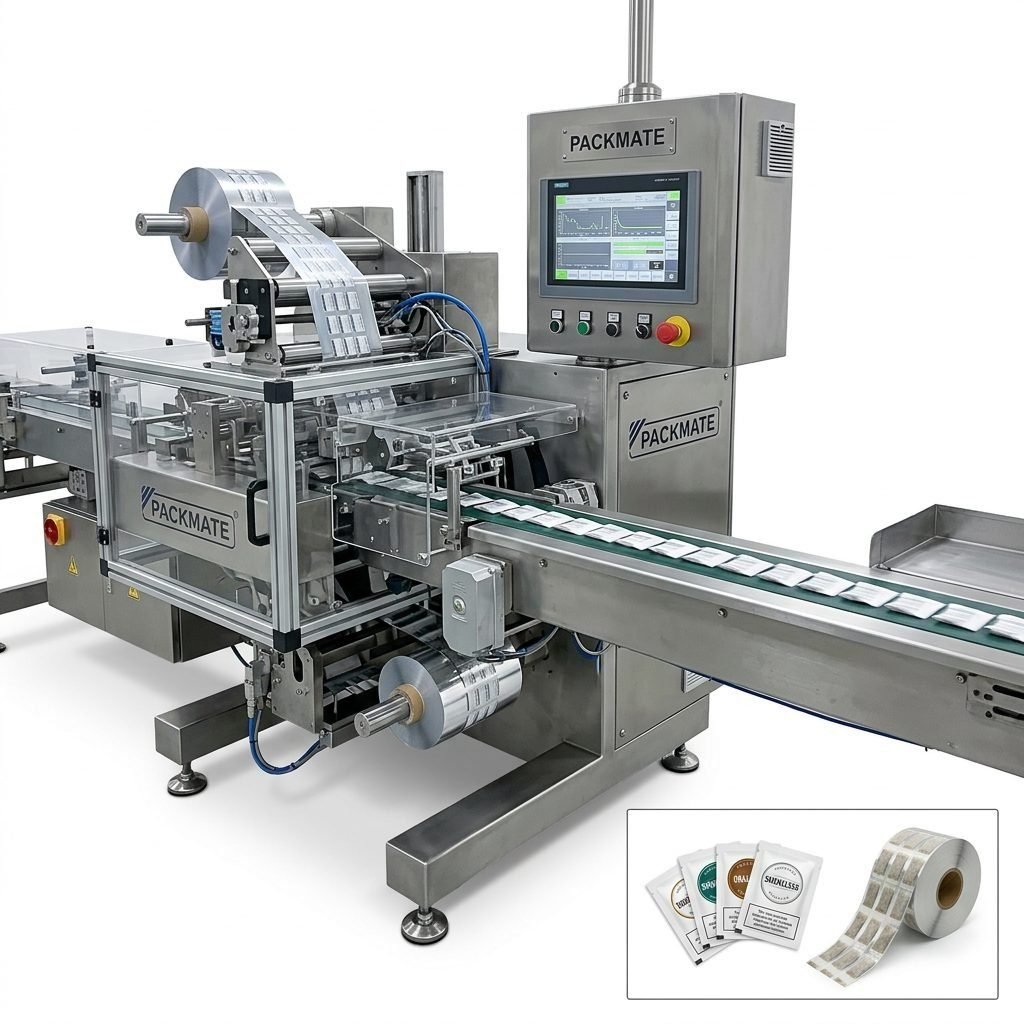
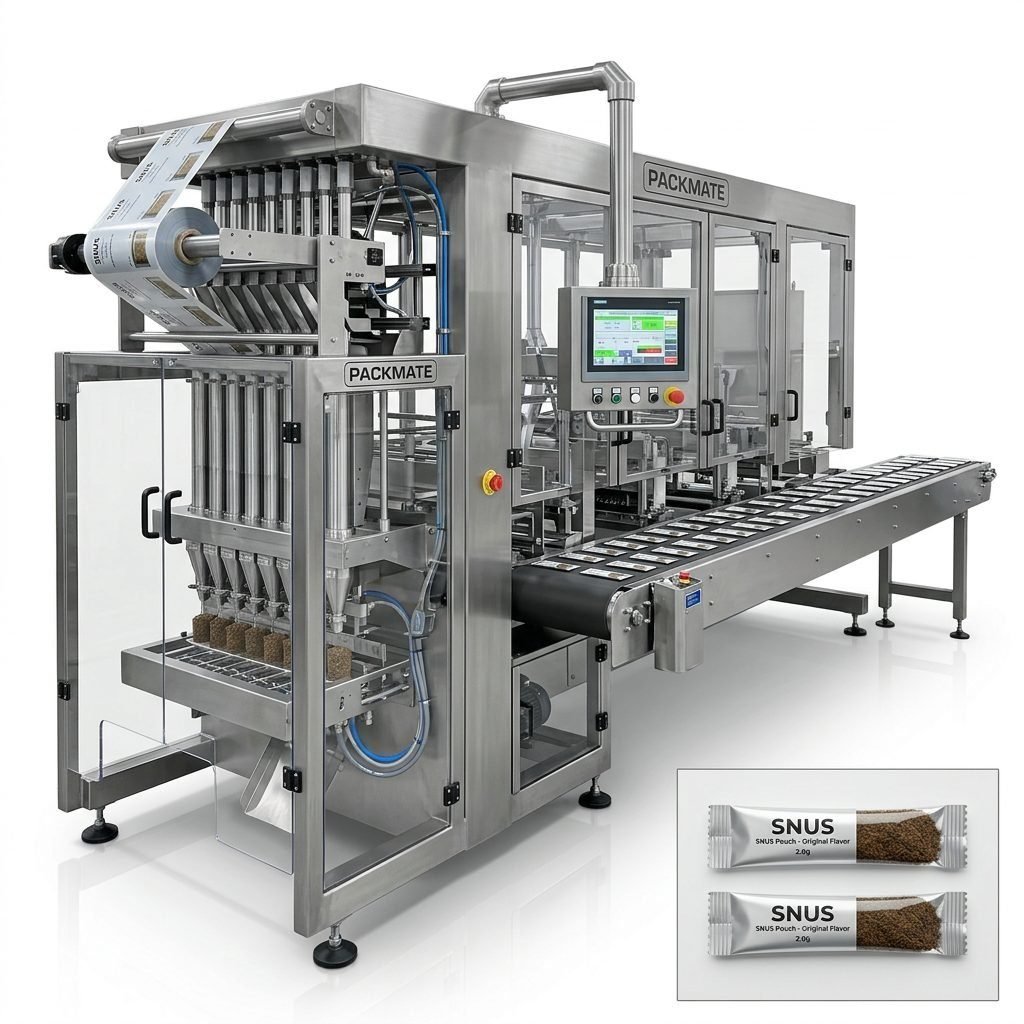
The machine type depends first on the product format: loose snus in cans, nicotine pouches in sachets, stick packs, or multi-lane small-dose pouches. Each format has different filling, sealing, and cut requirements. For example, multi-lane pouch machines are ideal for high-output small-dose nicotine pouches, while stick pack or sachet machines suit powdered or granulated fillings.
Consider these product specs when shortlisting equipment:
• Target pouch weight range and tolerance
• Fill type: powder, granules, hygroscopic blends, or wet/liquid additives
• Desired pack material: laminated film, foil, or compostable films
Production Capacity and Scalability
Estimate your required throughput in units per hour and plan for growth. Many Honduran businesses start with medium-capacity lines and scale up. Choose a machine platform that allows modular upgrades—adding lanes, faster feeders, or automatic pouch collectors—so you can grow without replacing the core equipment.
Important: confirm the machine’s real-world yield and OEE (Overall Equipment Efficiency) from references or case studies rather than relying solely on rated speed.
Technical Features to Prioritize
Evaluate technical features that increase uptime, ensure product quality, and simplify maintenance:
• Accurate dosing systems (weighing or volumetric) with tight tolerance control
• Hygienic design and easy-clean surfaces to cope with Honduras’ tropical humidity
• PLC & HMI with multi-language support (include Spanish)
• Quick-change parts for format changes and reduced downtime
Climate, Electricity and Facility Considerations in Honduras
Honduras has a tropical climate with high humidity in coastal regions. Moisture can affect both product and machine performance. Ensure your machine has appropriate material coatings and seal protections. Additionally, confirm local power specifications and harmonics with your supplier to avoid voltage-related failures. Consider a voltage stabilizer and dehumidified storage for raw materials.
If your factory is in rain-prone or coastal zones, choose components with corrosion-resistant treatments and plan for regular preventive maintenance. Training local maintenance staff in scheduled lubrication and belt tensioning greatly increases machine longevity.
Regulatory and Import Requirements
Nicotine products often face strict regulatory controls. In Honduras, verify classification, labelling rules, taxes, and import permits before ordering equipment. Work with a local customs agent to understand duties and paperwork. Machines intended for nicotine product manufacturing may need CE or ISO certificates for smoother import and local acceptance—request and verify these certifications from the supplier.
Supplier Selection: What to Ask and Verify
Choosing a supplier is as important as choosing the machine model. Ask prospective manufacturers about:
• Delivery lead time and shipping options to major Honduran ports
• Spare parts availability and local distribution network
• Start-up and on-site commissioning services, including Spanish-speaking engineers
• References from similar projects—request case studies and performance metrics
References and Demonstrations
Always request machine demonstrations—either live at the factory or video demos showing the exact film, fill weight, and sealing parameters for your product. Trusted manufacturers publish case studies and product pages you can review, for example check solutions on Snus & Nicotine Packaging Machines and related product families.
Customs, Installation and Local Support
Arrange for experienced freight forwarders and technicians for installation. Manufacturers that offer global turnkey solutions and on-site commissioning reduce the risk of installation delays. Packmate, for example, offers full-line solutions and post-sale service—review their service offerings to ensure they include training and long-term support: Service.
Ensure the supplier can provide spare parts quickly. In Honduras, delays in sourcing spare parts can lead to long downtimes. Negotiate a spare parts package or local stocking plan before purchase.
Quality Control and Batch Traceability
For nicotine products, tight quality control and traceability are essential. Look for machines that support:
• Integrated checkweighers and reject systems
• Batch coding and serialization options
• Data logging for production reports and compliance audits
Cost Considerations: Total Cost of Ownership (TCO)
Evaluate not just the machine price but the TCO: energy consumption, spare parts, operator training, downtime risk, and potential upgrades. In Honduras, competitive electricity prices and variable humidity can influence maintenance costs—budget for preventive maintenance and environmental control.
Rule of thumb: a lower-capacity cheaper machine may cost more over five years if it requires frequent repairs or cannot scale with demand.
Financing, Payment Terms and Local Partnerships
Ask manufacturers about flexible payment terms, leasing options, or local dealer financing. Partnering with a local integrator for installation and maintenance can save long-term costs. If the supplier has prior projects in Central America, review their case studies—this can give you confidence in their regional experience: Case.
Operator Training and Documentation
Ensure the purchase includes comprehensive operator and maintenance training in Spanish, detailed manuals, and troubleshooting guides. Hands-on training at installation speeds up ramp-up and reduces startup losses.
Why Packmate Is a Relevant Consideration
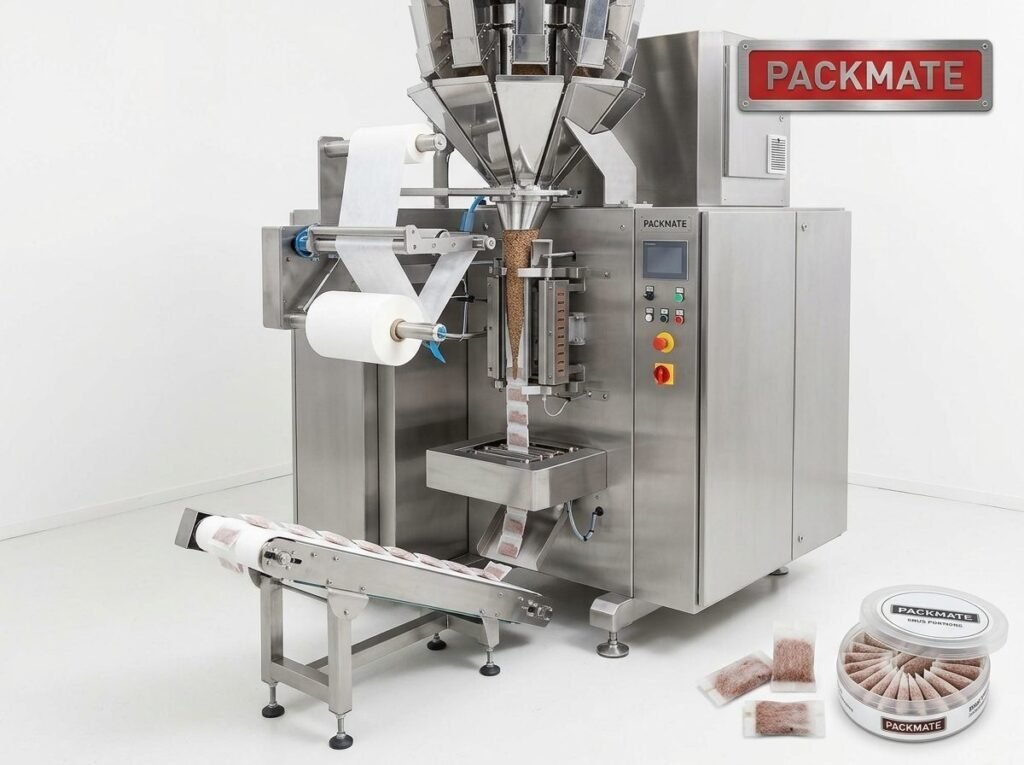
If you are evaluating global suppliers, Packmate (Packmate Snus Machine) offers decades of experience in snus and nicotine pouch packaging, multi-lane systems, and turnkey lines. Their product portfolio covers snus packaging machines, stick pack and sachet machines, and integrated filling and weighing systems—review product categories for technical fit: About Packmate and Sachet & Stick Pack Machines.
Reach out to suppliers with clear specifications and request a formal proposal that includes installation, spare parts, training, and commissioning. Use the supplier’s contact channels to confirm local support: Contact Us.
📌 Checklist before you buy:
• Product format and film compatibility confirmed
• Verified throughput and scalability options
• Climate protection and power compatibility for Honduras
• On-site commissioning, Spanish training, and spare parts plan included
Implementation Roadmap
1) Define product specs and target capacity. 2) Shortlist machines and request demos. 3) Validate references and certifications. 4) Confirm logistics, import duties and installation plan. 5) Train operators and establish preventive maintenance schedules.
Final Selection Tips
– Prioritize reliability and local support over lowest initial price.
– Ensure equipment adaptability for future formats and regulatory changes.
– Negotiate spare parts supply and training in the contract to avoid ambiguity.
✅ If you follow this practical approach, you will select a machine that fits Honduran market needs, meets regulatory standards, and gives you a predictable path for growth.
Common Questions (FAQs)
Q1: How do I ensure a packing machine will work reliably in Honduras’ humidity?
A1: Choose machines with corrosion-resistant components, specify protective coatings, maintain dehumidified storage for materials, and set a preventive maintenance schedule. Ask suppliers for references in similar climates.
Q2: What initial documentation and certifications should I request?
A2: Request CE/ISO certificates, electrical schematics, operation manuals in Spanish, and FAT/SAT reports. These documents help smooth import and commissioning.
Q3: Is it better to buy a higher-speed machine or plan for modular expansion?
A3: Modular expansion often brings better ROI for growing markets. Start with a reliable mid-capacity machine that supports added lanes or faster feeders when demand increases.
Q4: How can I find trusted suppliers with relevant experience?
A4: Review manufacturer case studies, request customer references in Central America, and verify on-site demo videos. Manufacturer pages and case examples are useful starting points: Case.
Q5: What post-sale services should be included in the contract?
A5: Include commissioning, operator training in Spanish, a spare parts kit, and a clear SLA for remote and on-site technical support. A long-term service agreement minimizes downtime risk.