Choosing the right snus packaging machine in Portugal requires balancing local consumer preferences, regulatory compliance, production capacity, and long-term operational costs. This guide walks you through the most important technical, commercial, and practical considerations so you can select a machine that matches Portuguese market habits, scales with your business, and delivers consistent quality.
Understanding the Portuguese Snus Market & Local Habits
Portugal’s nicotine pouch and snus consumption is influenced by European regulation, increasing demand for convenient single-serve formats, and a preference for discreet, well-packaged products. Portuguese consumers value premium-looking packaging, clear labeling in Portuguese, and portion sizes that fit modern lifestyles — compact pouches and stick packs are increasingly popular in urban areas like Lisbon and Porto. When choosing equipment, consider formats that appeal locally: sachets, stick packs, and small pouches with consistent dosing.
Quick tip: If you plan to export within the EU, prioritize machines with compliance-ready features (CE/ISO) and the flexibility to add multilingual labeling.
Key Machine Types for Snus & Nicotine Pouches
Different production goals call for different equipment. The most common machine types are:
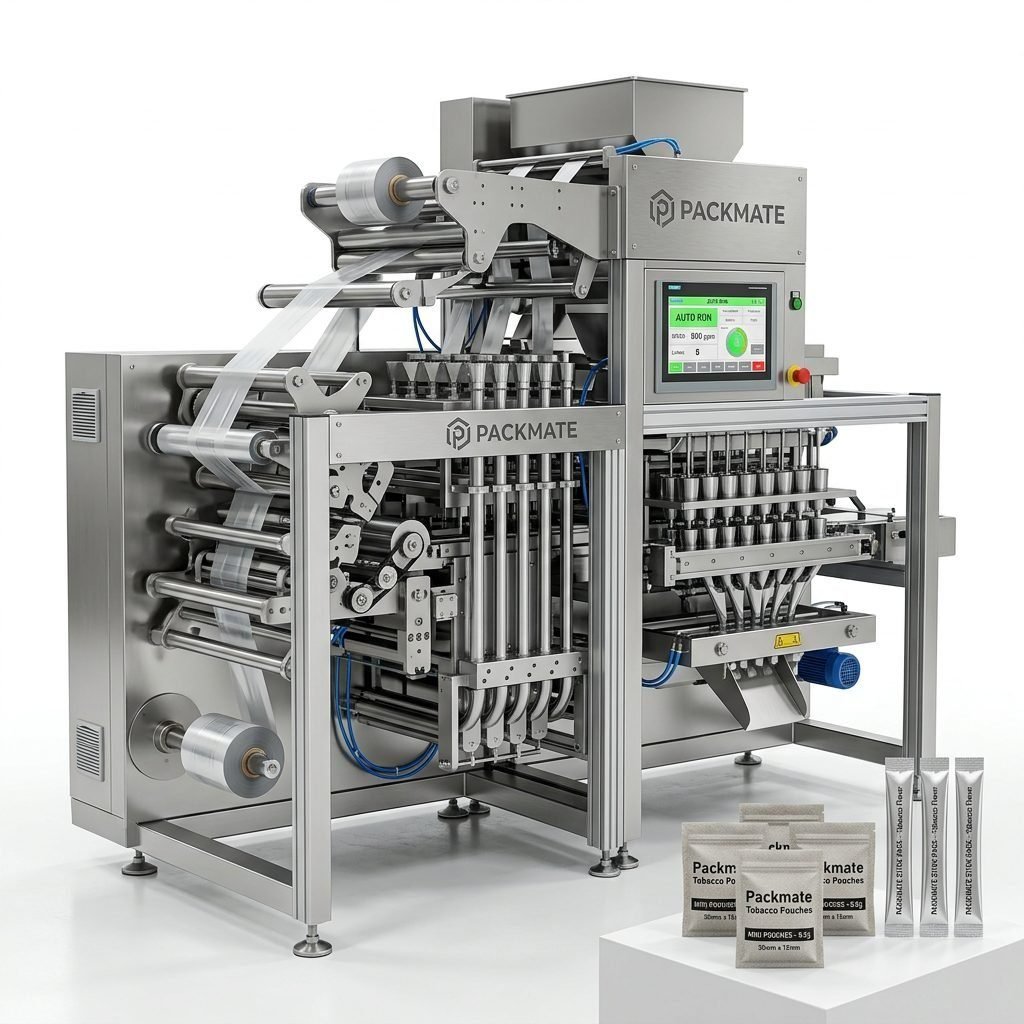
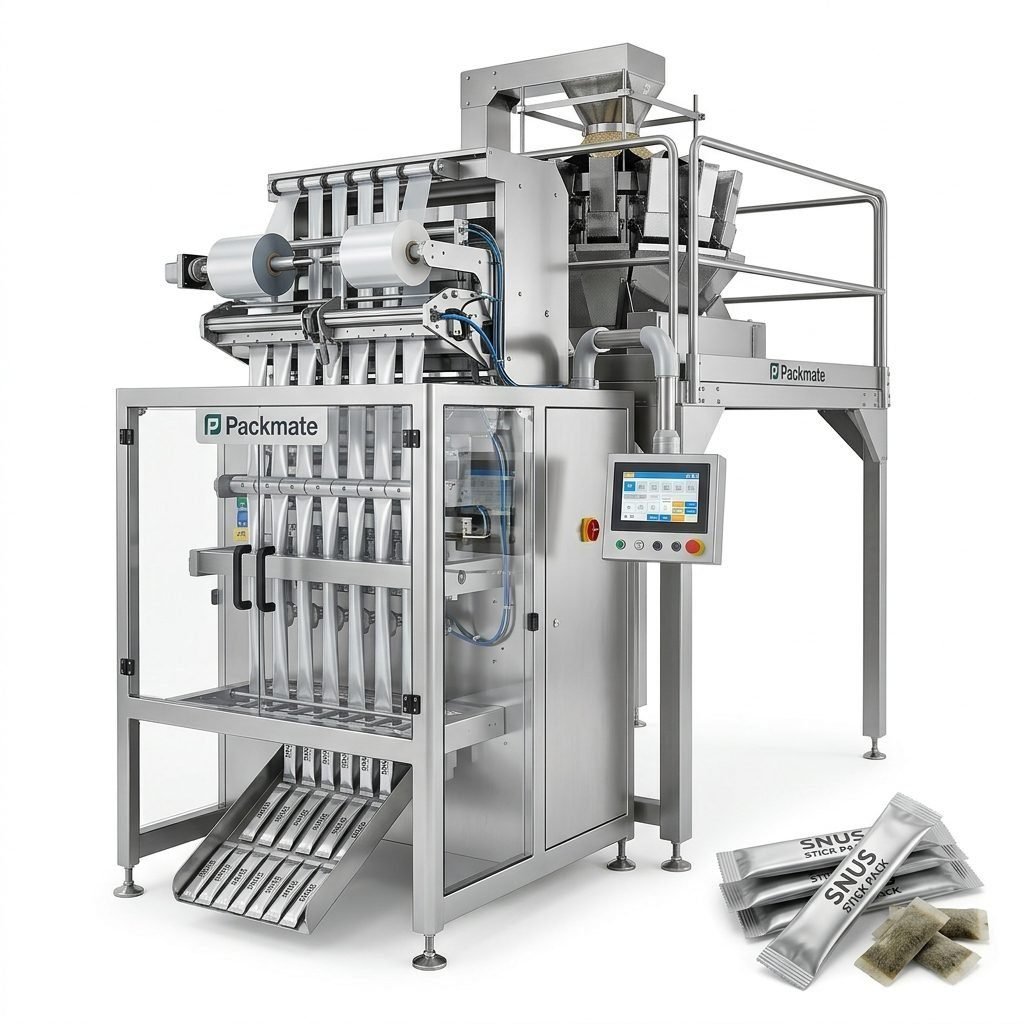
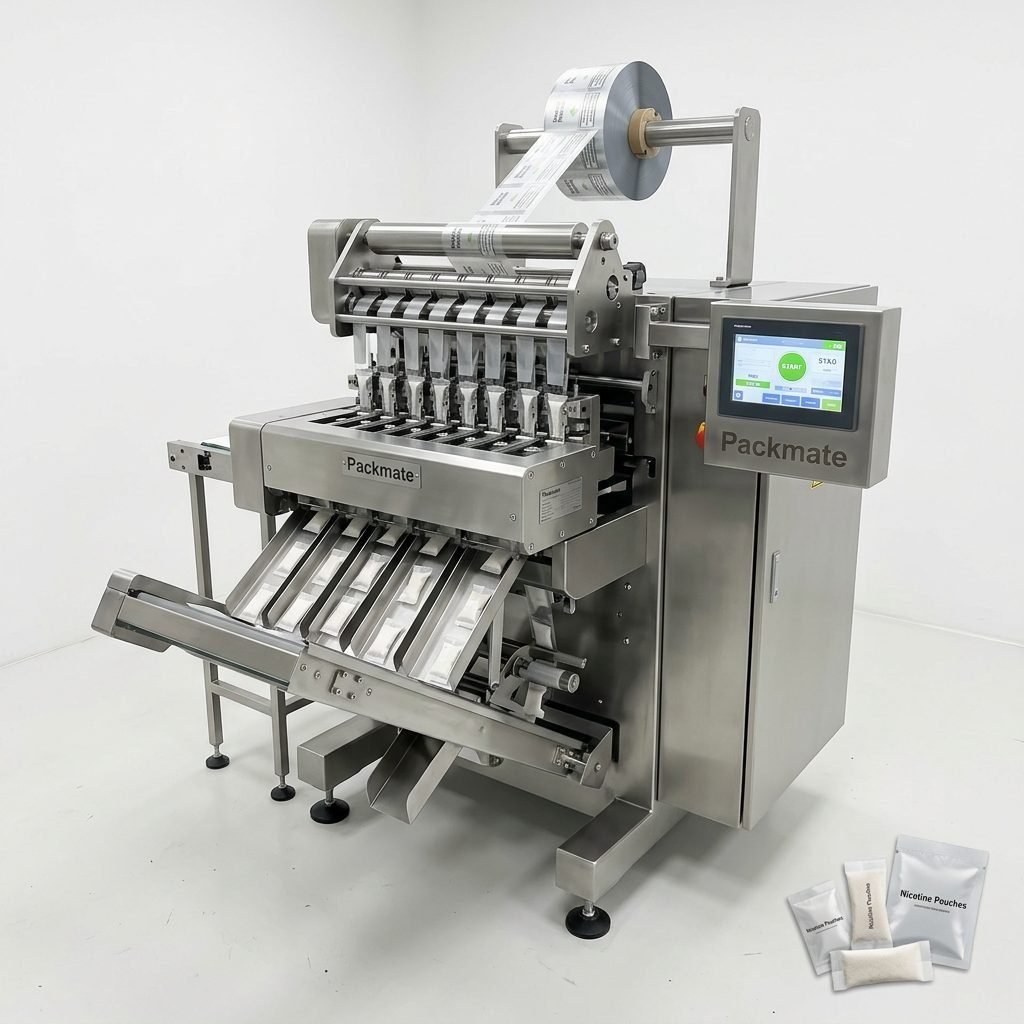
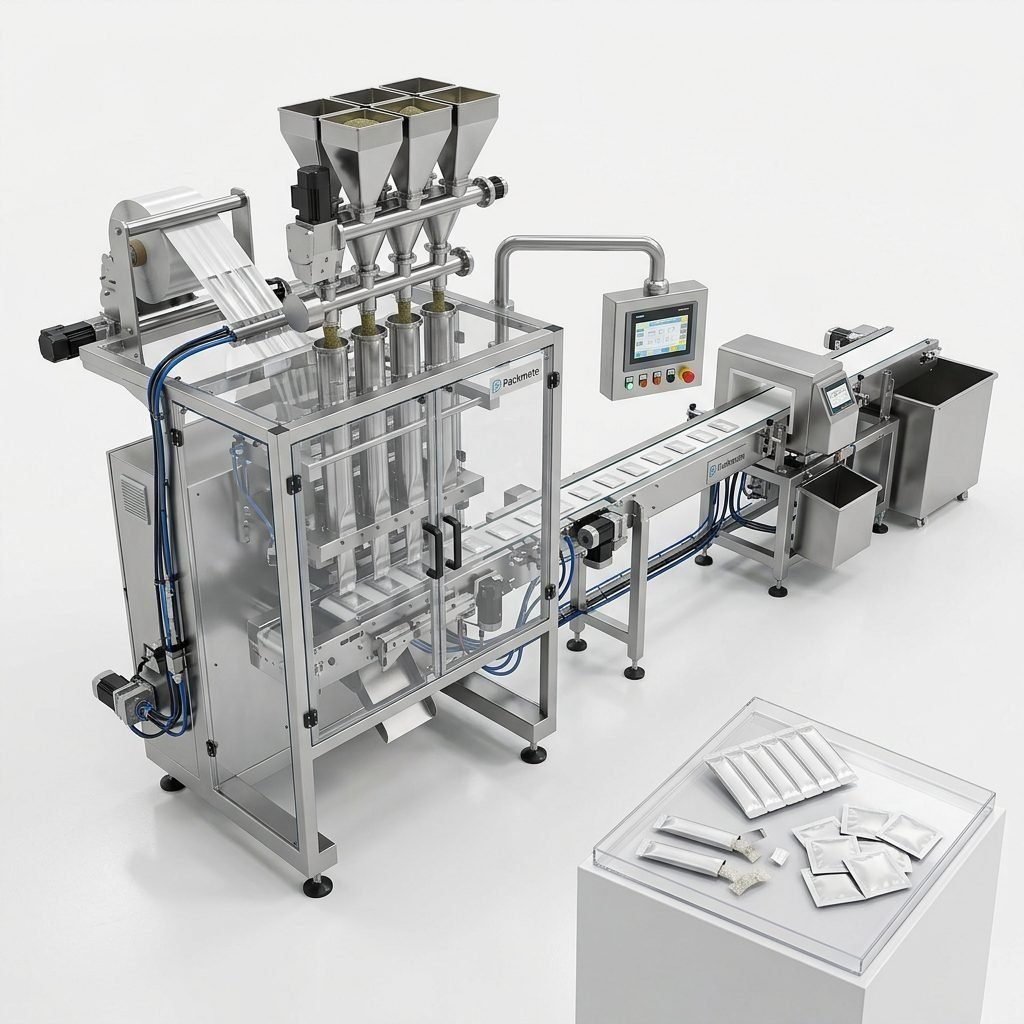
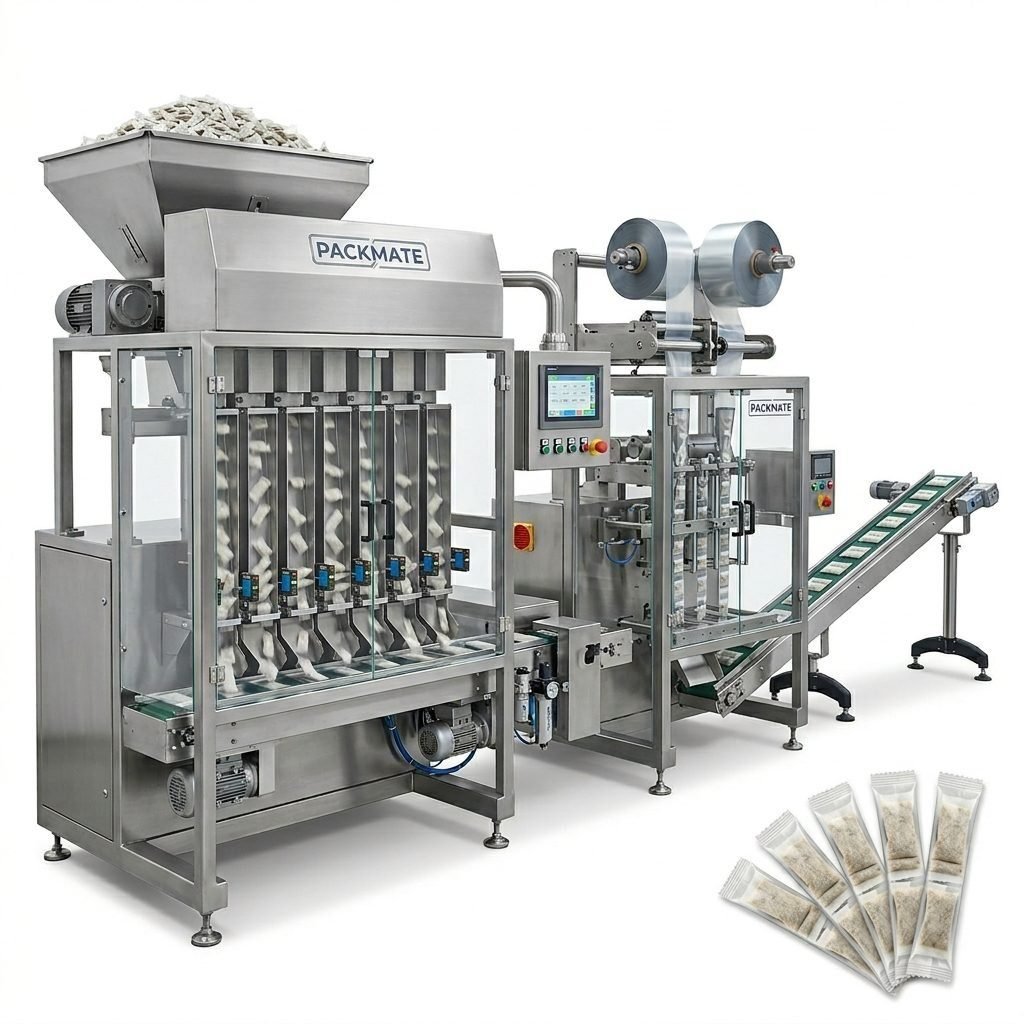
Stick Pack Machines
Stick packs are ideal for single-dose pouches and feature high-speed output and compact packaging. They are popular for on-the-go consumption and easy portion control.
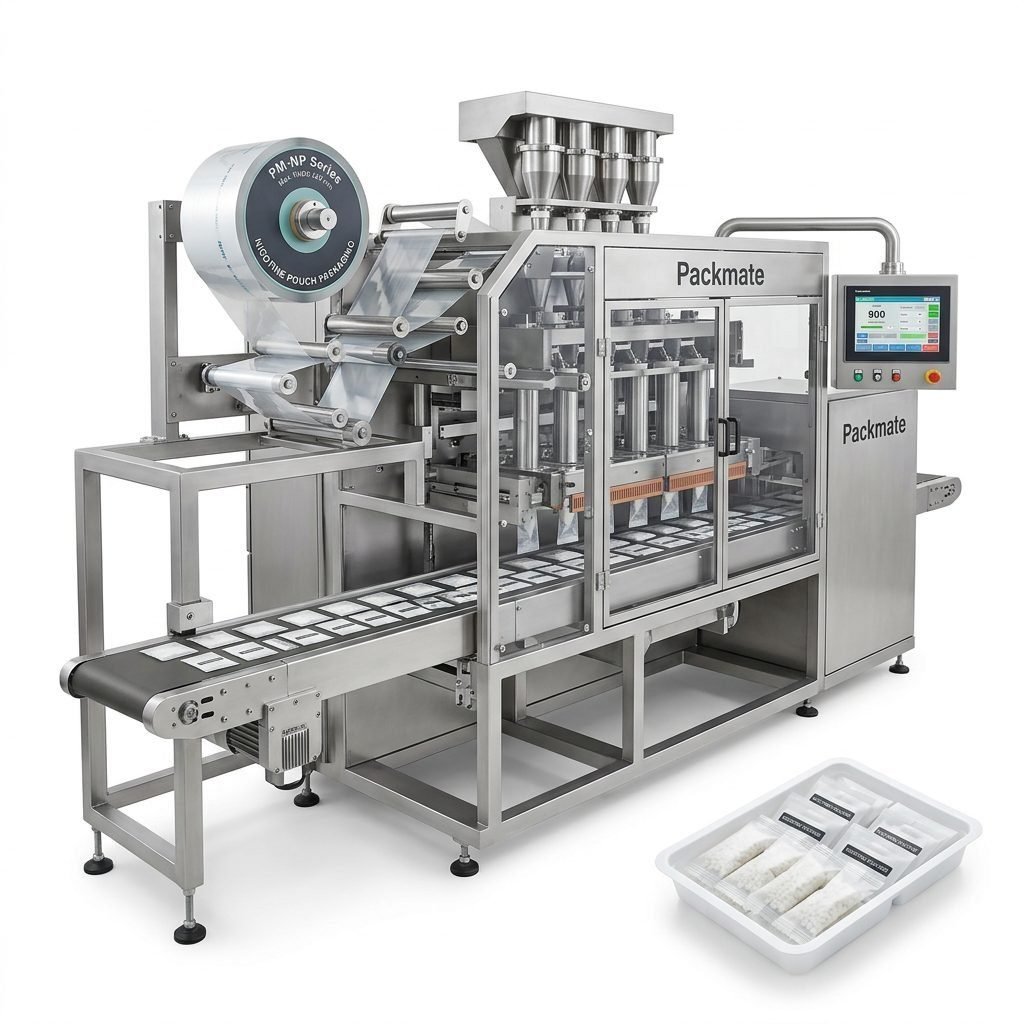
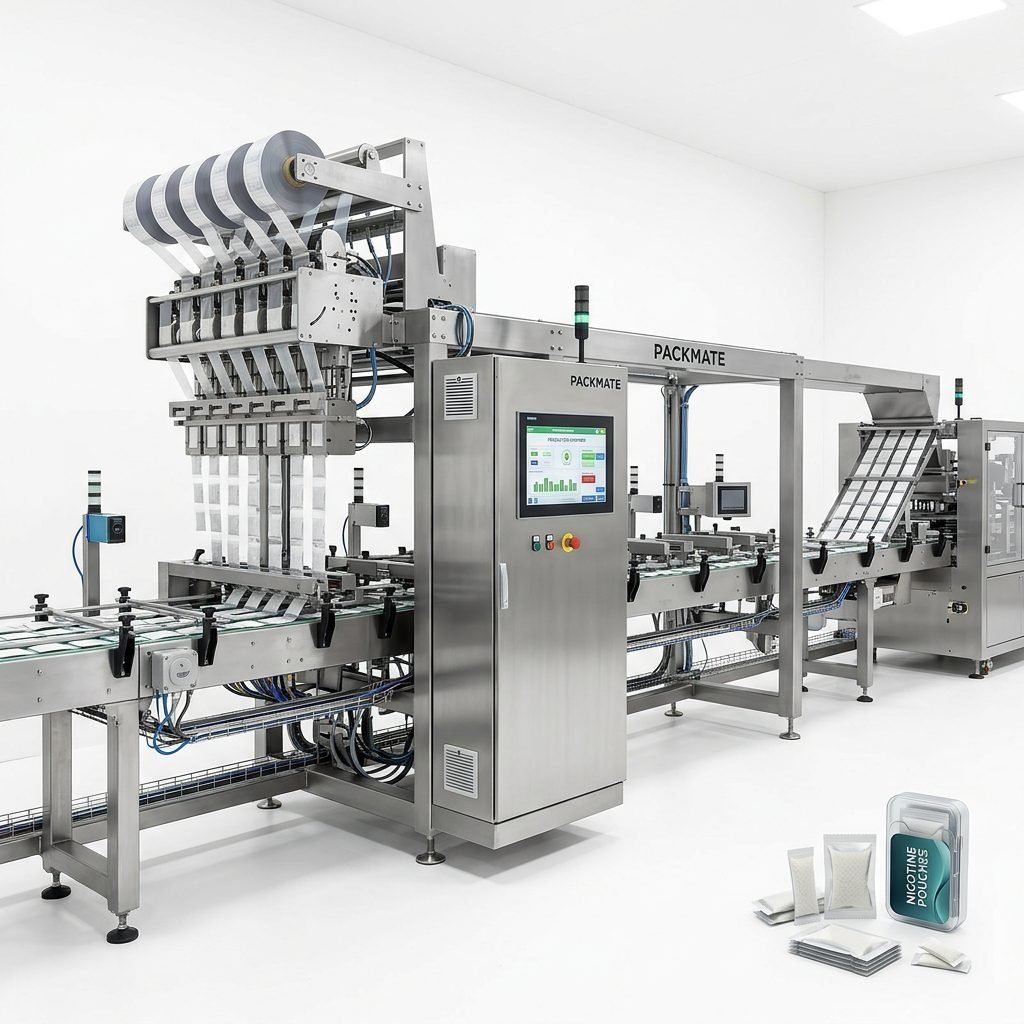
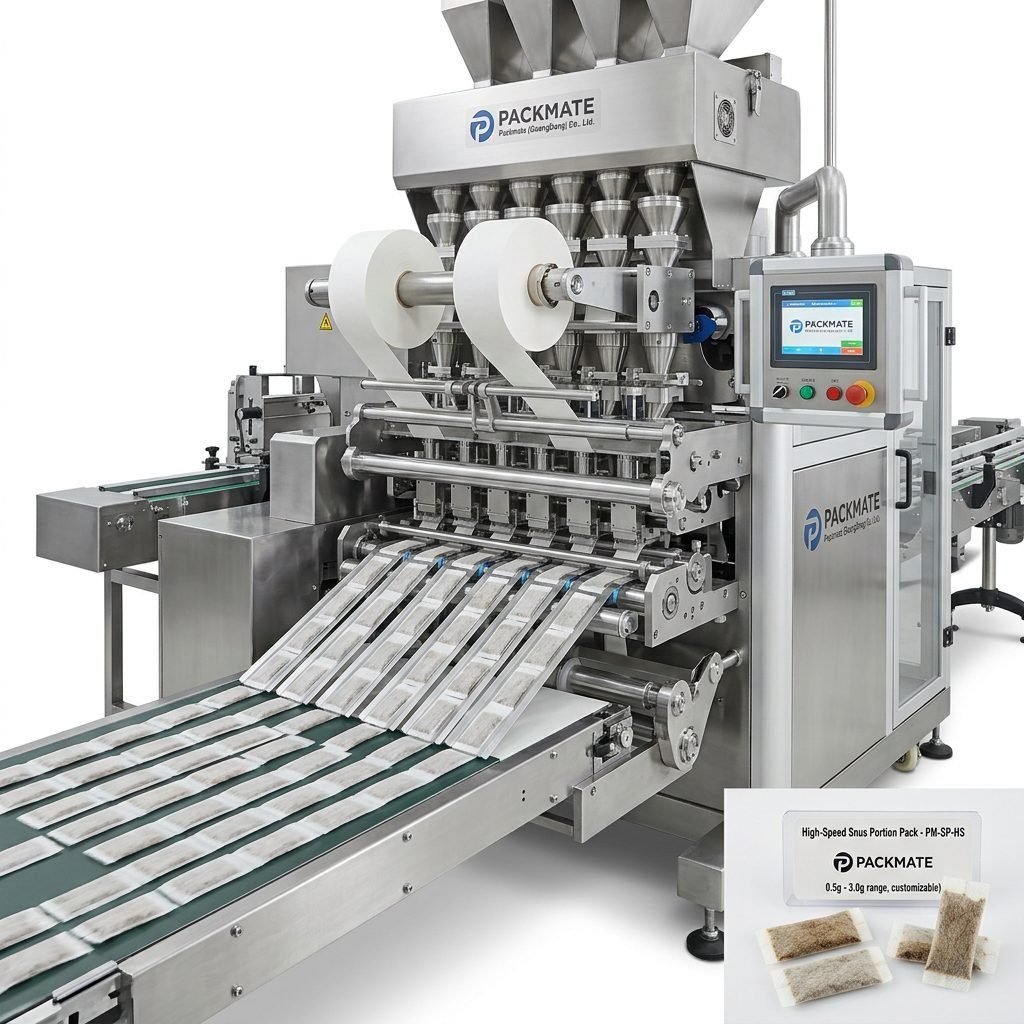
Sachet & Multi-Lane Machines
For higher throughput, multi-lane sachet machines run several lines in parallel, increasing output without proportionally increasing floor space. These are suitable for manufacturers scaling into larger European markets.
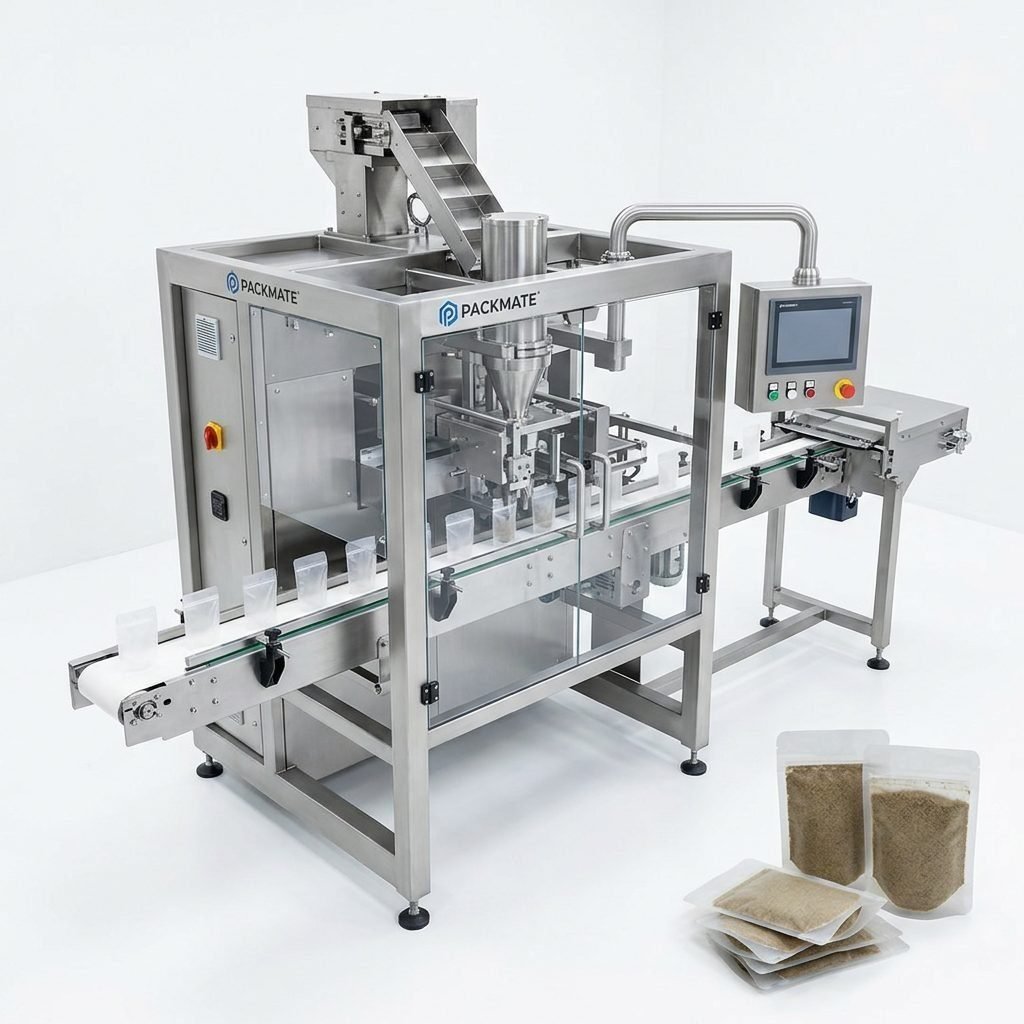
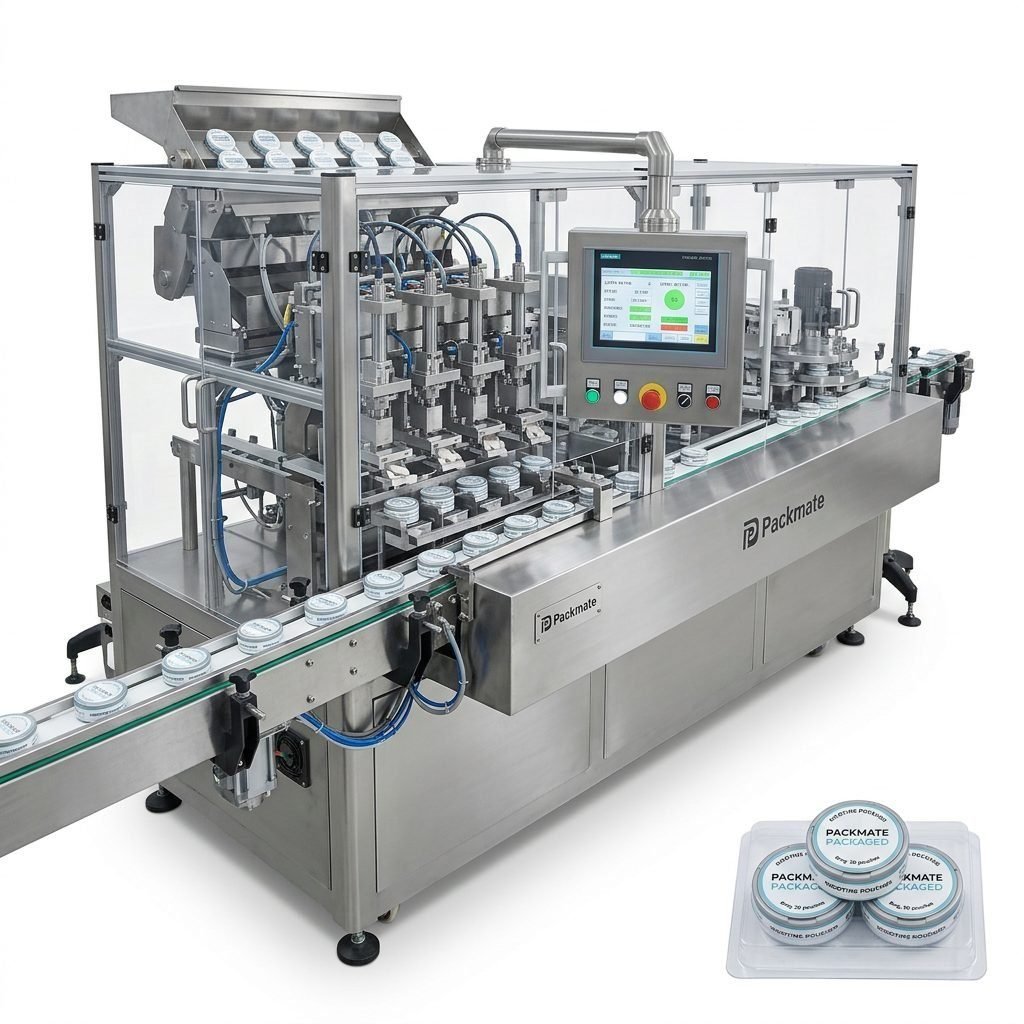
Pouch & Bag Filling Lines
Pouch lines provide bag-style packaging for marketing differentiation and premium presentation. Look for integrated weighing and sealing options to guarantee accurate dosing for nicotine pouches.
Critical Technical Specifications to Evaluate
When assessing machines, dig into the technical specs rather than only the headline speeds. The key specs that impact quality and ROI include:
- Production speed (pouches/min) under real material conditions
- Number of lanes (single vs multi-lane) and scalability
- Filling accuracy and dosing technology (vital for nicotine pouch consistency)
- Changeover time between formats
- Material compatibility (powder, granule, wet filler options)
- Hygienic design and cleanability to meet food/pharmaceutical standards
Important: Never accept manufacturer speed specs without a material trial. Request factory acceptance testing (FAT) with your exact blend and pouch specifications.
Automation, Controls & Industry 4.0
Modern packaging lines should include user-friendly HMI, recipe management, remote diagnostics, and easy integration with MES. For Portuguese producers targeting export, connectivity for traceability and batch reporting is a must. Look for:
- Intuitive touchscreen HMI with multiple language support (include Portuguese)
- Remote support & diagnostics (reduces downtime)
- Modular design for future upgrades (e.g., additional lanes)
Quality, Certifications & Regulatory Compliance
European buyers should insist on CE and ISO compliance; for nicotine-related products, hygiene and material compatibility are vital. Ensure the machine’s documentation supports EU conformity assessments and that parts in contact with product are food-grade where applicable.
Packmate credentials: Packmate Snus Machine provides CE & ISO-compliant machines with traceable manufacturing processes and strict QA. See factory capabilities and certificates to validate claims.
Assessing Total Cost of Ownership (TCO)
Initial purchase price is only part of the story. Calculate TCO across expected machine life by considering:
- Spare parts availability and pricing
- Average downtime and mean time to repair (MTTR)
- Energy consumption and consumables
- Training and support costs
- Future-proofing and upgrade potential
ROI Example
For a medium-size Portuguese snus producer, investing in a multi-lane sachet line may increase output 3x while keeping footprint moderate; the incremental cost can pay back within 18–30 months if market demand and margin assumptions are solid.
Service, Installation & Local Support in Portugal
Local service or quick remote support is important. Ask potential suppliers about:
- On-site installation and commissioning scope
- Operator training in Portuguese
- Spare parts lead times and local stocking options
- Preventive maintenance contracts and spare-part kits
Pro tip: Request a service-level agreement (SLA) with guaranteed response times that match your production criticality — downtime for nicotine pouch lines directly impacts revenue.
Factory Strength & Why Manufacturer Reputation Matters
Choose a manufacturer with proven engineering experience and a strong manufacturing base. A modern factory, CNC machining centers, and rigorous QA ensure machine stability and longevity. Packmate Snus Machine, for example, brings over 30 years of R&D and a 20,000㎡ facility, offering end-to-end support from design to after-sales.
Factory & Pre-Sale Trials
Insist on factory acceptance testing (FAT) with your product. A reliable supplier will run trials using your blend and pouch types, provide detailed reports, and show video/documentation. This reduces commissioning time and ensures on-target performance.
Spare Parts, Upgrades & Long-Term Support
Ask about spare-parts kits, interchangeable modules for format changeovers, and upgrade paths for automation. A partner with global spare distribution and documented support reduces risk.
Resource links: Review machine categories and detailed product lines for comparisons:
Snus & Nicotine Packaging Machines,
Sachet & Stick Pack Machines,
Bag & Pouch Packaging Machines,
and see real-world implementations at
Case.
Choosing Between Custom vs Standard Lines
Standard models reduce lead time and cost, but custom lines deliver optimized efficiency for unique pouches or branding. If you have varied SKUs or special pouch geometries, a customized turnkey solution might be the better investment. Confirm the supplier’s ability to deliver drawings, CAM files, and FAT documentation.
Negotiation & Purchase Checklist
Use this checklist when finalizing the purchase:
- FAT with your product and output targets
- Complete spare parts list and recommended spares
- Warranty terms and extended support options
- Training plan with language options (Portuguese)
- Delivery, installation, and commissioning schedule
- Acceptance criteria and penalty clauses for missed specs
Installation, Validation & Operator Training
Proper installation and validation shorten time-to-market. Good suppliers offer on-site commissioning, validation reports, and operator training in the local language. A short training course focused on routine maintenance and quick troubleshooting will dramatically reduce downtime.
Sustainability & Energy Use
As sustainability becomes a purchasing factor in Europe, consider machine energy efficiency, minimal waste during changeovers, and recyclable packaging compatibility. Energy-efficient drives, servo motors, and optimized sealing systems can reduce electricity costs and improve environmental footprint.
Making the Final Decision
Balance technical fit, supplier credibility, and financial rationale. Prioritize machines that:
- Demonstrate stable, validated performance with your product
- Have clear spare-part and service pathways in Portugal/EU
- Offer upgradeability and automation to accommodate future SKUs
- Are backed by documented FAT, installation, and training plans
Contact & next steps: When you are ready to request quotes or schedule trials, use the manufacturer’s contact page to get formal proposals and factory dates:
Contact Us.
Final Checklist Before Purchase
Complete this final run-down:
- Verified FAT with your materials
- Portuguese-language training & manuals
- Clear TCO and spare-part commitments
- Installation date & validation protocol confirmed
- Warranty, SLA, and escalation paths agreed
Summary
Selecting the best snus packaging machine for Portugal combines technical fit, local market understanding, regulatory compliance, and a reliable supplier partnership. Prioritize machines with proven FAT results, clear service agreements, and the flexibility to adapt to Portuguese consumer habits — compact, discreet packaging, accurate dosing, and premium presentation. With careful evaluation you can secure a line that supports growth, reduces risk, and ensures consistent product quality.
Frequently Asked Questions (FAQs)
Q1 — What machine type is best for small-batch premium snus in Portugal?
ℹ️ For small-batch premium products, single-lane stick pack or specialized pouch lines with low changeover times and high finishing quality are ideal. They provide the visual appeal and dosing control required for premium positioning.
Q2 — How important are CE and ISO certifications when buying packaging equipment?
ℹ️ Extremely important. CE compliance is mandatory for machinery placed on the EU market. ISO standards indicate a quality management system for manufacturing and design processes — both reduce regulatory risk and support export activities.
Q3 — Should I buy a multi-lane machine or several single-lane units?
⚖️ Multi-lane machines optimize floor space and provide higher throughput per footprint, while single-lane units offer format flexibility and easier maintenance. Your choice should reflect production forecasts, SKU mix, and available shop-floor space.
Q4 — How do I validate supplier claims about speed and accuracy?
✅ Request a factory acceptance test (FAT) using your materials, product weights, and pouch formats. Ensure you receive documented video evidence, performance data, and a signed FAT report defining acceptance criteria.