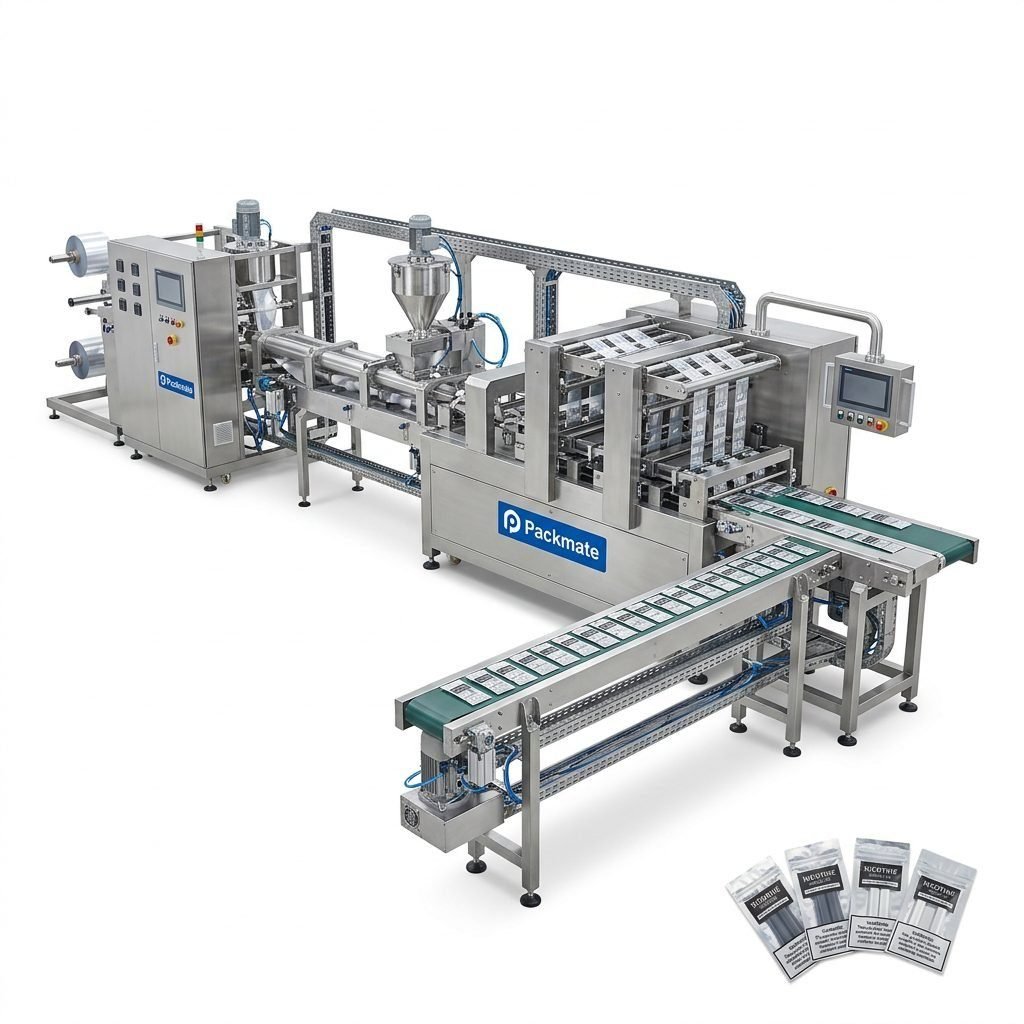
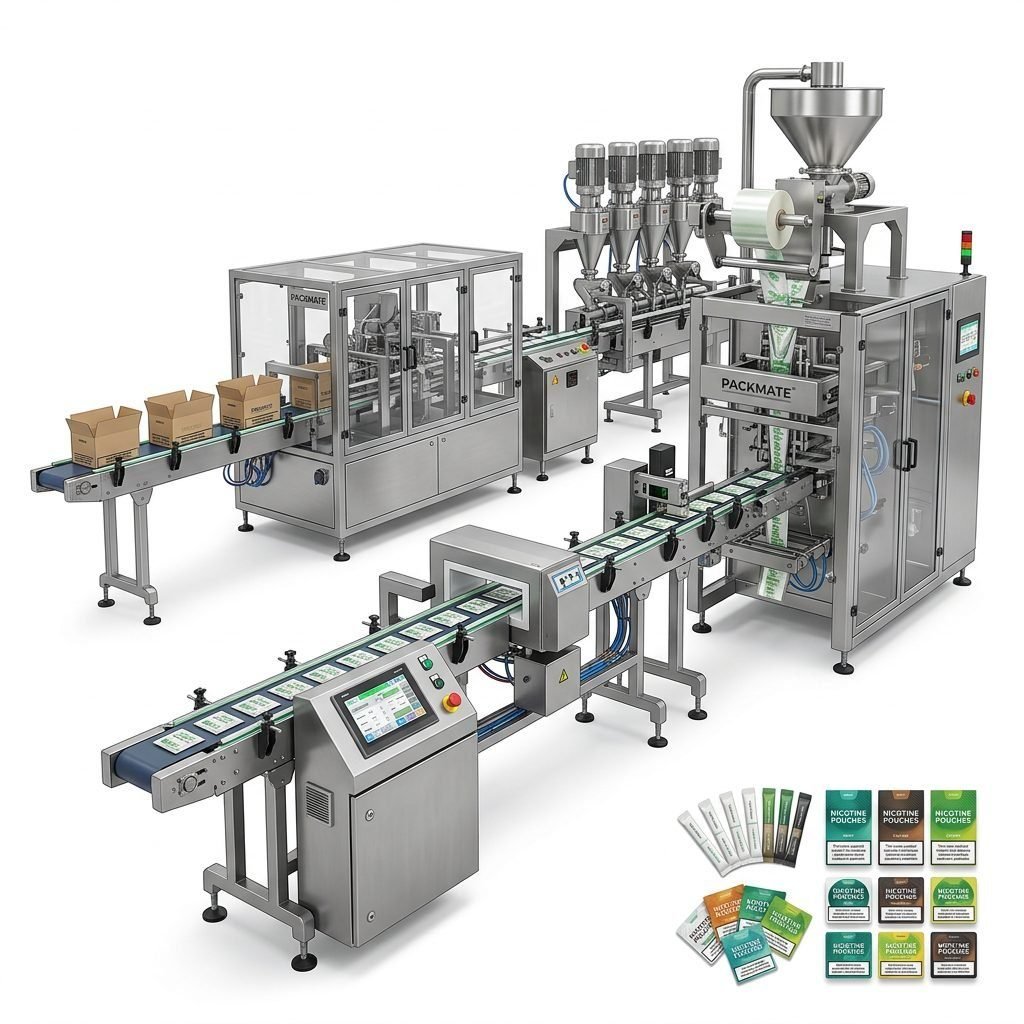
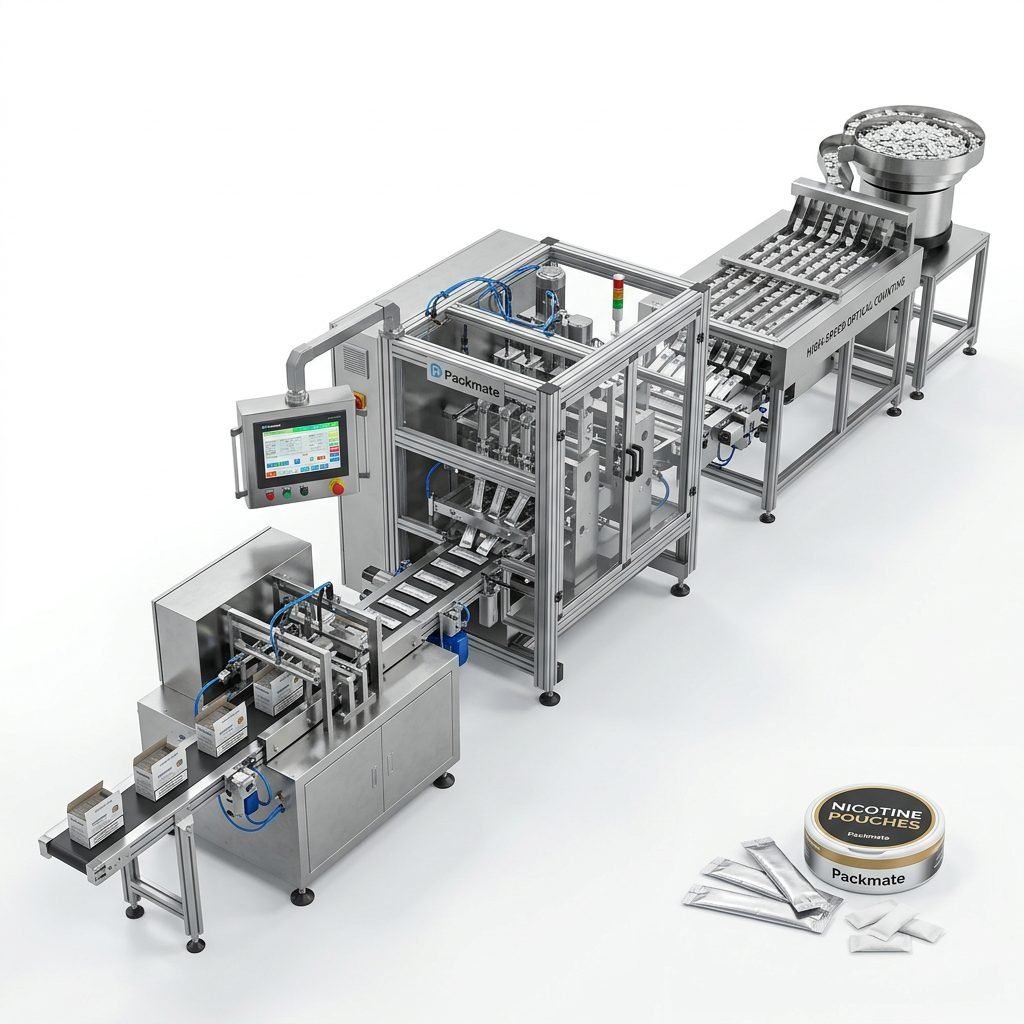
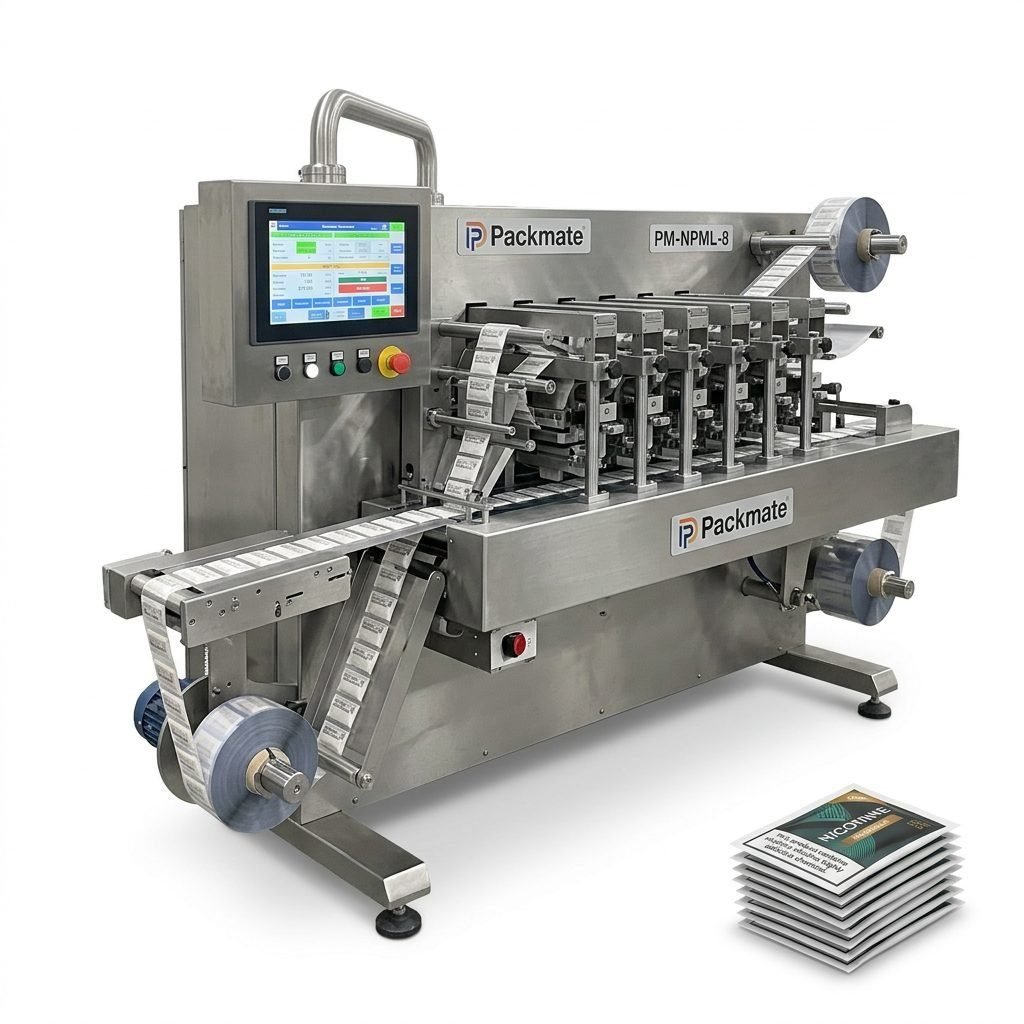
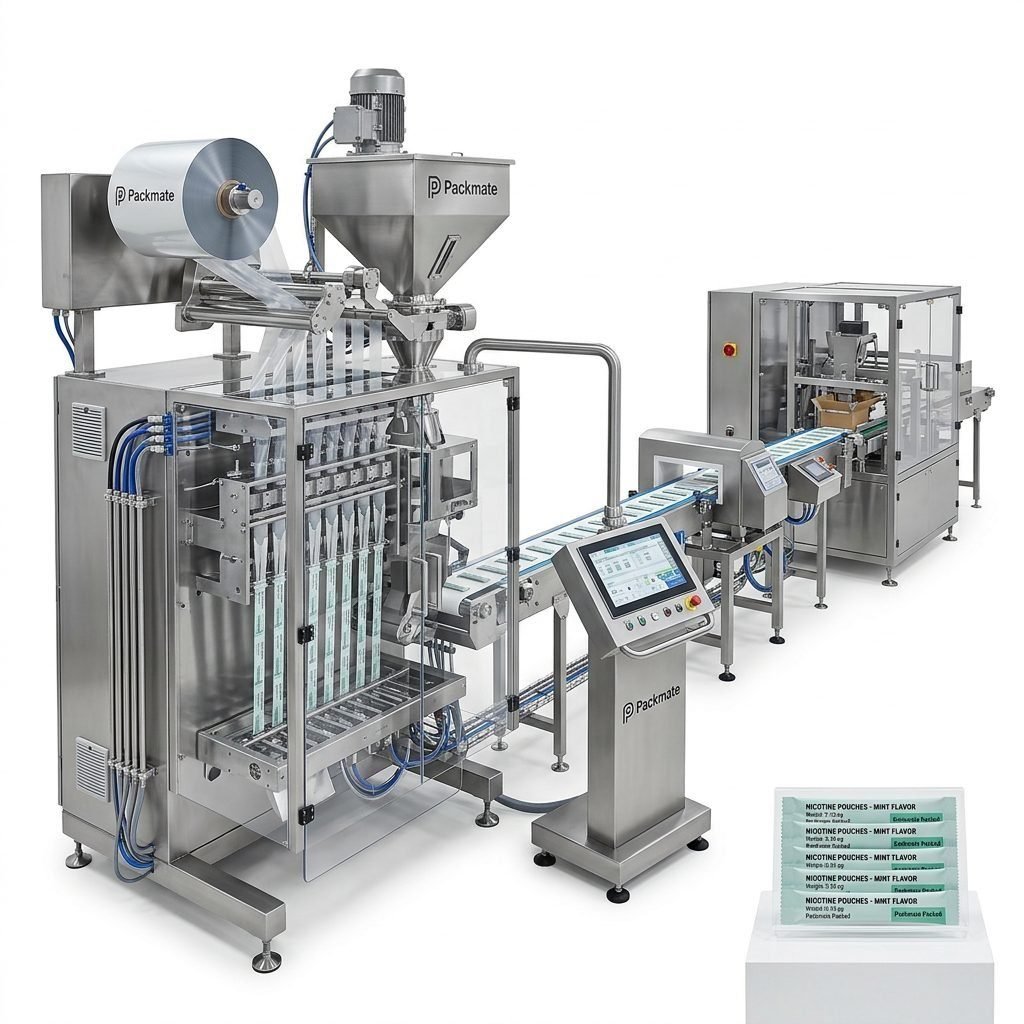
If you are planning to source a snus packaging machine in Benin, this complete buyer’s guide will help you move from initial research to final purchase and installation with confidence. Benin’s market environment, regional trade practices and local business culture influence supplier selection, so this guide focuses on practical checks, risk reduction strategies and the specific machine features that matter for nicotine pouch and snus production lines.
Understanding Benin’s Market & Local Considerations
Benin, located in West Africa, blends formal import channels with a heavy reliance on personal networks and relationship-based business. Importers will often value suppliers who can provide clear documentation, responsive local support and flexibility for small-batch trials. Also take note that consumer tastes in the region may favor cost-effective packaging formats and straightforward labels — so machine versatility and ease of format changeover are practical benefits.
Regulatory & Cultural Notes
While snus and nicotine pouch regulations vary globally, in Benin you should confirm local import restrictions, labeling laws and marketing limitations before finalizing production plans. Engage a local customs broker early to avoid delays. Respectful negotiation and on-site visits (or virtual factory tours) build trust — a key local cultural factor when committing to expensive equipment.
Step-by-Step Checklist to Find a Reliable Supplier
Follow this practical checklist to evaluate potential snus packaging machine suppliers thoroughly.
1. Verify Manufacturer Credentials
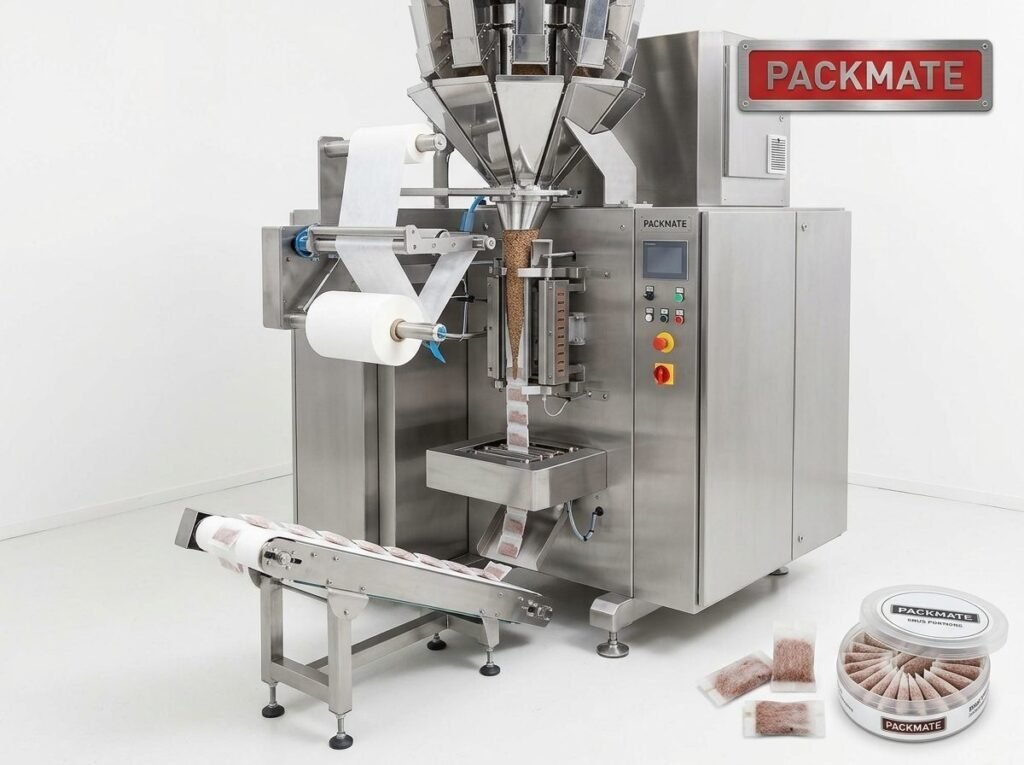
Start with basic verification: company history, factory size and certifications. A credible supplier will openly share credentials such as factory photos, CE or ISO certificates and a clear timeline of development. For example, Packmate Snus Machine presents decades of engineering experience, a 20,000㎡ facility and CE/ISO compliance — factors that reduce procurement risk.
🔎 Tip: Ask for a factory video or live demonstration of the exact model you plan to buy. Look for consistent machining quality and an organized assembly area.
2. Confirm Product Range & Technical Fit
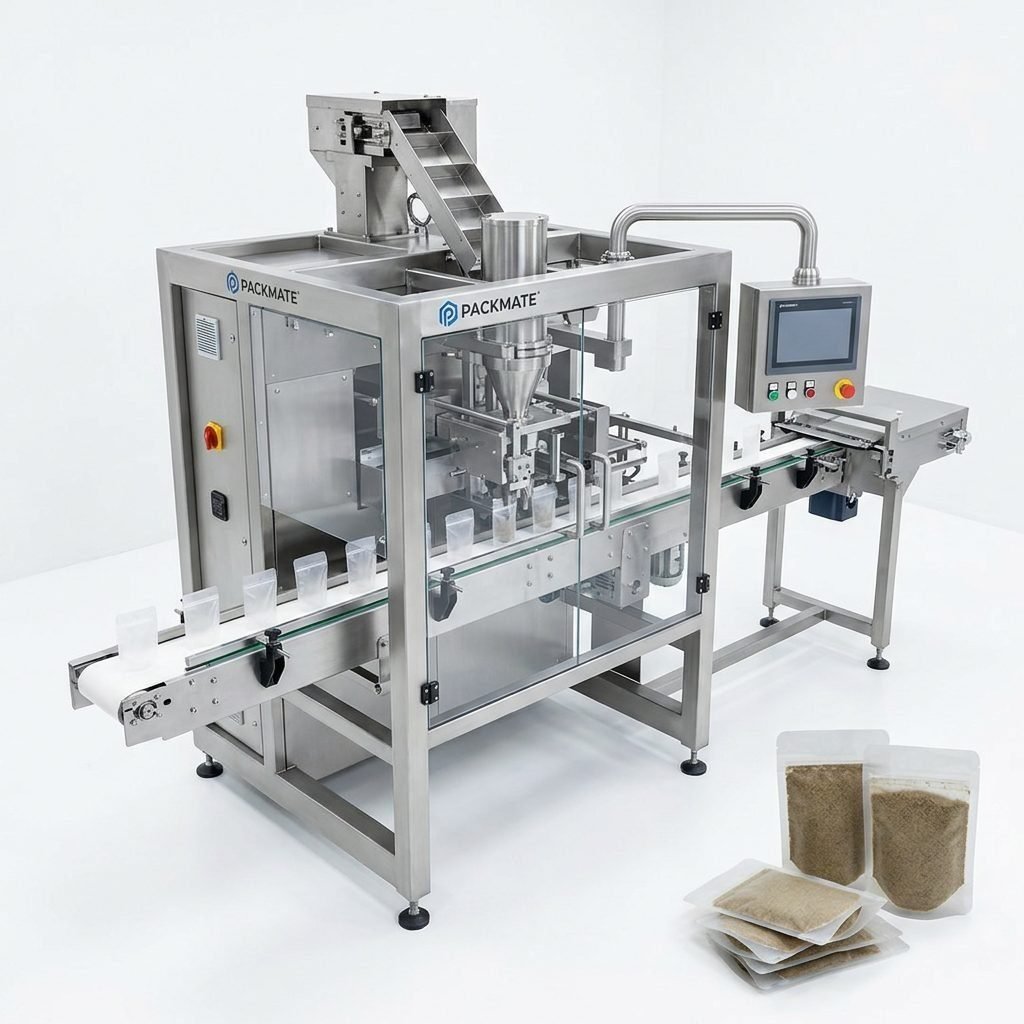
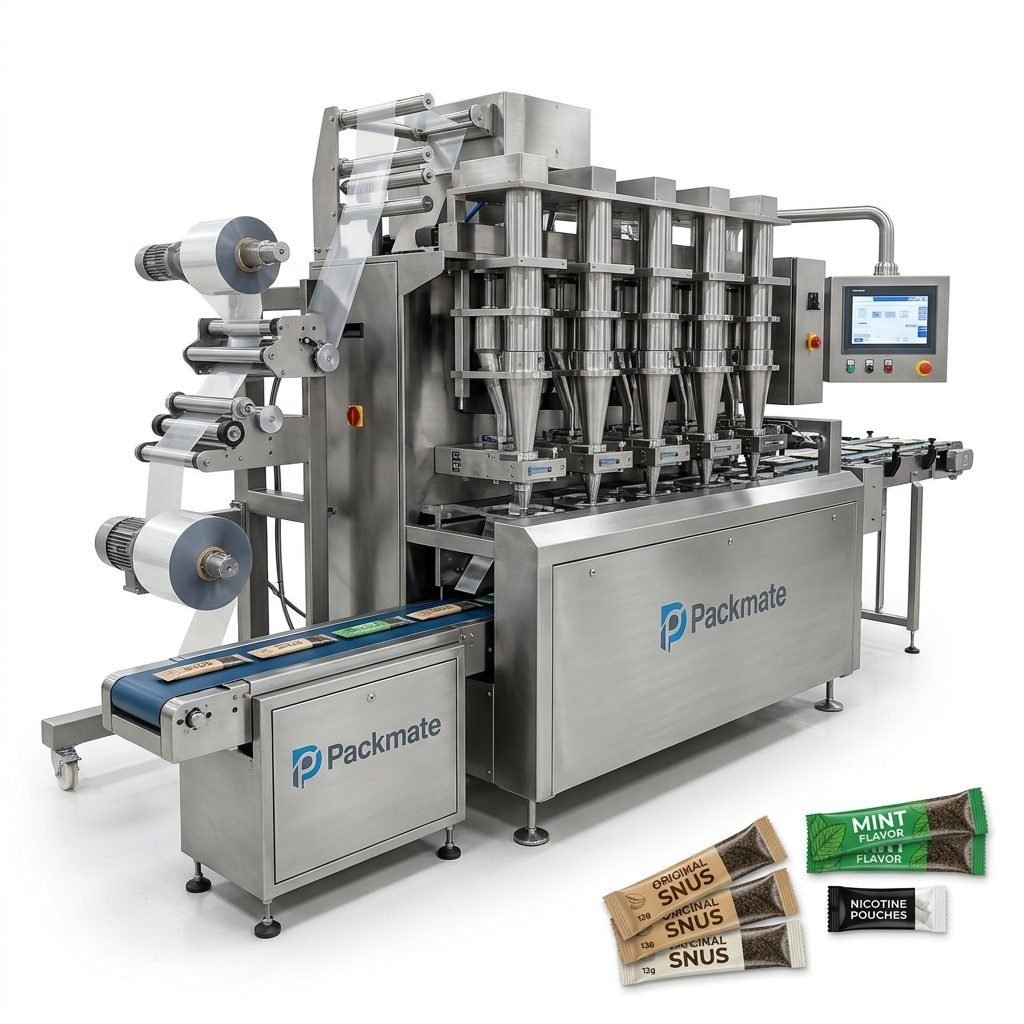
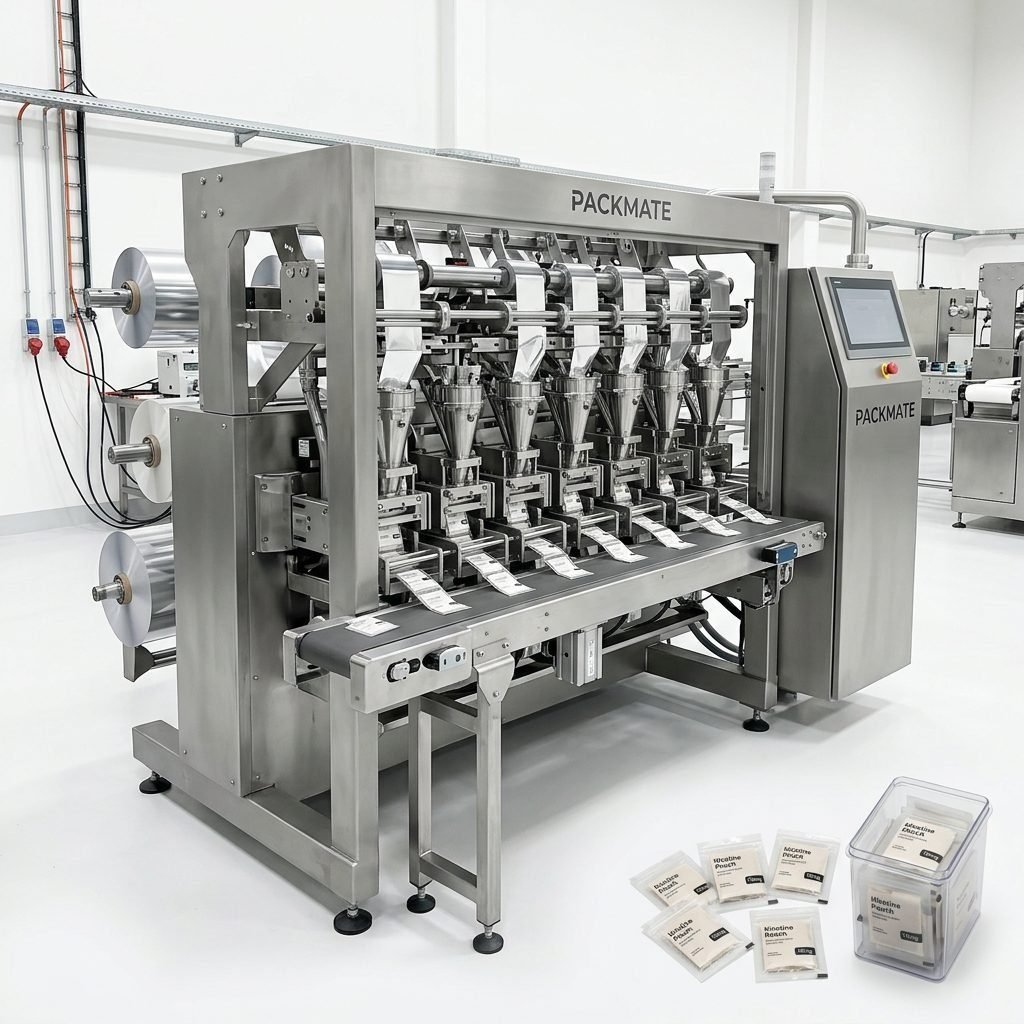
Look for suppliers who specialize in snus and nicotine packaging technologies: stick pack, sachet, multi-lane pouching and fully automated lines. Machines that handle small-dose pouches and offer multi-lane capability are especially valuable for scaling production. Review product pages for technical specs and request datasheets or SOPs.
Explore product examples: Snus & Nicotine Packaging Machines, Sachet & Stick Pack Machines and related filling lines.
3. Capacity, Customization & Turnkey Solutions
A reliable supplier should offer scalable models and custom options to match your required throughput. If you expect to produce multiple formats or expand lanes, choose a manufacturer with turnkey capabilities — from weighing and filling to final pouch sealing. Packmate provides full production lines and customized solutions which help reduce integration risk.
✅ Must-have: Clear documentation of production capacity (pieces/min), format changeover time and spare parts lists.
4. Quality Control & Certifications
Inspect the supplier’s quality management system, testing procedures and traceability for critical components. Request references and case studies of snus lines in operation. Certifications such as CE and ISO confirm adherence to international manufacturing standards and can simplify import clearance.
See examples of certifications and case histories: Certificate and Case.
5. After-Sales Support, Spare Parts & Training
For buyers in Benin, after-sales service is crucial. Confirm lead times for spare parts, availability of local technicians (or remote support), and whether the supplier offers installation, commissioning and operator training. Contracts should specify service response times and warranty terms.
📦 Service Check: Ask if the supplier provides on-site commissioning in West Africa or detailed remote installation guides and video training.
Commercial Terms, Pricing & Payment Security
Compare total landed cost rather than only machine price. Include shipping, import duty, local taxes and installation fees. Payment terms (e.g., deposit, balance on FOB/CIF, letters of credit) should protect both parties. Consider escrow, bank guarantees or staged payments tied to factory acceptance testing (FAT) and successful commissioning.
Negotiation Tips for Benin Buyers
– Build rapport via phone calls and video meetings before negotiating hard terms.
– Use local agents or trusted logistic partners to verify shipping and customs costs.
– Clarify warranty scope and fast-moving spare part kits in the contract.
Logistics, Shipping & Installation Considerations
Plan for machine crating, heavy-lift handling and inland transport to Benin. Confirm whether the supplier will handle CIF to Cotonou port or if you will arrange freight forwarding. Ensure all export documents (commercial invoice, packing list, certificate of origin, CE/ISO copies) are prepared to speed customs clearance.
Power, Site & Utilities
Validate site requirements: voltage, phase, compressed air quality and floor load capacity. A thorough site assessment (shared with the supplier) avoids surprises during installation. Where power stability is a concern, consider UPS or stabilizers to protect sensitive controls.
Technical Features to Prioritize for Snus Packaging
When comparing machines, focus on:
Precision Filling & Low Rejection Rate
Accurate small-dose filling is essential for nicotine pouches. Check tolerance, in-line weighing or check-weigh systems and rejection mechanisms. Multi-lane machines should maintain uniform dosing across lanes.
Format Flexibility & Changeover Speed
Fast format changeover reduces downtime. Evaluate whether tooling changes are tool-free or require simple adjustments, and request demonstration of format change steps.
Control Systems & User Interface
Intuitive HMI screens, recipe storage and remote diagnostic access are valuable. Modern machines often include PLC controls and Industry 4.0 features for predictive maintenance.
Vendor Due Diligence & Red Flags
Carry out due diligence before signing. Red flags include unwillingness to provide references, vague warranty terms, or refusal to show factory operations. Ask for customer contacts in similar markets and confirm machine performance claims against real-world case studies.
Confirm service channels: a reliable supplier shares clear escalation paths for technical issues. Check the supplier’s exhibition history and public materials: presence at international trade shows and clear documentation suggests long-term stability. See more about supplier background: About Packmate and Our Exhibition.
⚠️ Red Flag: A supplier who cannot provide spare part lists with part numbers and lead times will create long downtimes; avoid if possible.
Pilot Runs, Factory Acceptance & Performance Guarantees
Request a Factory Acceptance Test (FAT) with your product or a close analogue. A FAT proves filling accuracy, sealing integrity and production speed. Secure written performance guarantees and outline remedies for under-performance before shipment.
How Local Partnerships Make a Difference in Benin
Trusted local partners — agents, logistic firms and installation teams — reduce risk. They can handle customs clearance, coordinate local electrical works and provide on-ground maintenance. When evaluating suppliers, prioritize those offering coordinated support or willing to work with your chosen Benin-based partners.
Useful Supplier Resources
Review supplier catalogs, FAQs and service pages to understand lifecycle support and spare part management. Example resources that illustrate strong supplier transparency include Catalog, FAQs and Service.
💡 Practical Step: Before placing an order, request an itemized quote including spare parts kit, FAT, training and shipping to Cotonou port.
Final Selection & Contract Checklist
Ensure your contract covers: model and serial numbers, performance guarantees, payment milestones, delivery terms (FOB/CIF), warranty scope, spare parts availability and training obligations. Include acceptance tests and penalties or remedies if performance falls short.
When in doubt, prioritize suppliers with a track record in snus and nicotine pouch machines, transparent operations, and documented after-sales systems — these qualities help ensure sustainable production in Benin’s business environment.
Common Questions (FAQs)
Q: What certifications should a snus packaging machine have for export to Benin?
A: Look for CE and ISO certifications, clear electrical safety documentation and any export-specific paperwork such as a Certificate of Origin. Confirm compliance with Benin’s import regulations via your customs broker.
Q: How do I arrange installation and training in Benin?
A: Negotiate installation and training into the purchase contract. Suppliers may provide on-site technicians, remote commissioning or step-by-step video training. Local technical partners can assist with site utilities and follow-up maintenance.
Q: What spare parts should I stock locally?
A: Keep critical wear parts (sealing jaws, belts, sensors), a small actuator/PLC module and common electrical components on hand. Request a recommended spare parts kit from the supplier and expected lead times.
Q: Is a factory visit necessary when buying from overseas?
A: A factory visit or live video tour is highly recommended to verify manufacturing standards, assembly practices and testing procedures. If unavailable, insist on a detailed FAT with recorded evidence.
Q: Where can I find reputable snus packaging machine suppliers and additional information?
A: Explore dedicated product pages and company resources such as Packmate’s product lines and contact pages: Contact Us and detailed product overviews like Weighing & Packaging Systems.