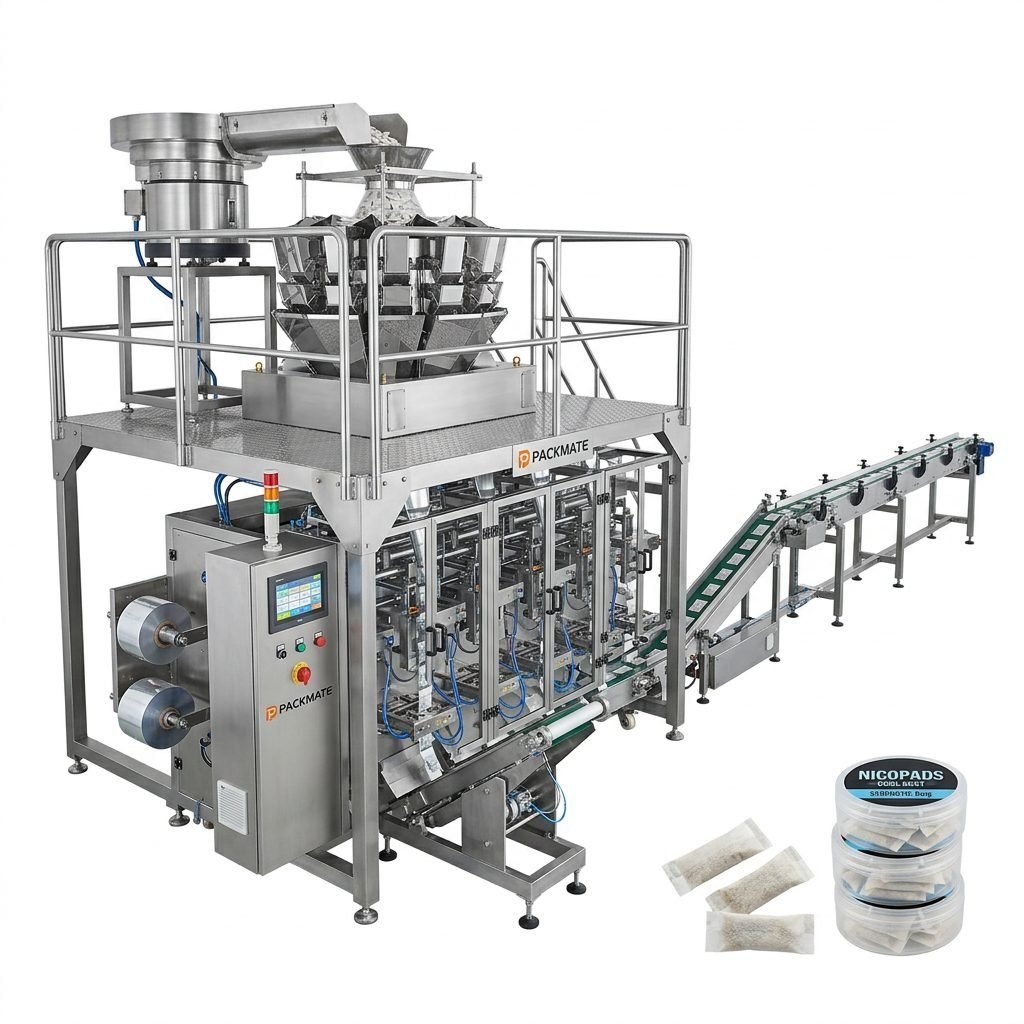
Entering the Djibouti market with snus or nicotine pouch products requires careful selection of packaging machinery that matches local regulations, climate challenges, and consumer habits. This guide explains how to choose the right snus packaging machine in Djibouti — covering key technical criteria, regulatory & cultural considerations, installation and service needs, and practical buying tips to ensure long-term production stability and compliance.
Understand Djibouti’s Market & Cultural Context
Djibouti is a small but strategically located market on the Horn of Africa, dominated by a predominantly Muslim population. While tobacco and nicotine product acceptance may be more conservative than in some European markets, demand exists among specific groups such as expatriates, maritime crews, and cross-border traders. Recognize that packaging must be discreet, culturally sensitive, and compliant with local laws — labels in French and Arabic are often expected, and packaging that appears conspicuous can limit market access.
Why climate matters in Djibouti
Djibouti has an arid, hot climate. High temperatures and humidity fluctuations can affect pouch stability, moisture-sensitive fillings, and sealing quality. Choose machines capable of producing hermetic seals and compatible with barrier films. Temperature control, quick sealing cycles, and consistency in pack weight are critical to maintain product shelf life and consumer safety.
Key Technical Factors When Choosing a Snus Packaging Machine
🔍 Precision & Filling Accuracy: For nicotine pouches, accurate dosing is vital for regulatory compliance and product consistency. Look for machines with high-precision feeders and integrated weighing or volumetric dosing systems.
⚙️ Sealing Reliability & Film Compatibility: Choose equipment that supports barrier laminates and offers adjustable sealing temperature and pressure controls to withstand Djibouti’s heat.
Production Capacity & Scalability
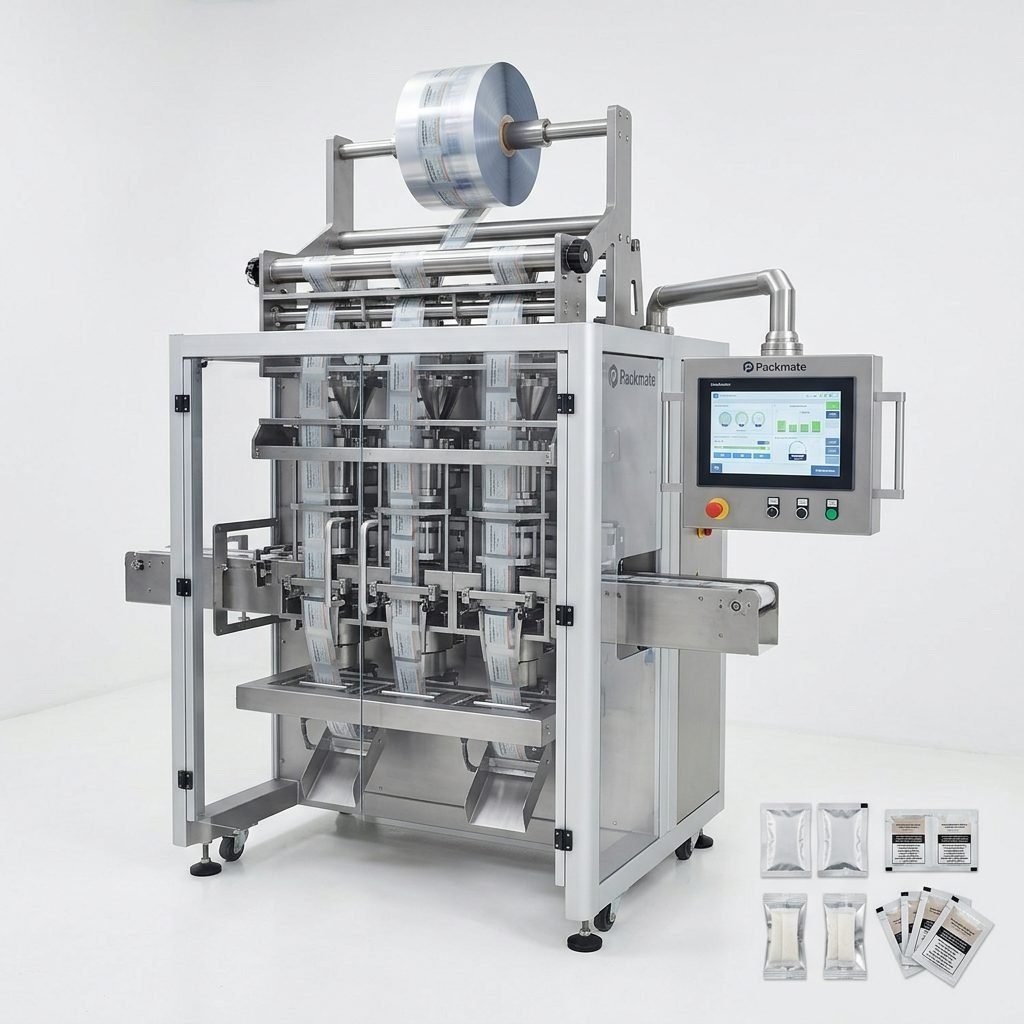
Your machine should match current demand while allowing future expansion. Small-scale single-lane or multi-lane options exist; multi-lane systems can increase throughput without requiring a larger floor footprint. If you expect growth through transit trade or regional export, prioritize machines that can scale (modular designs or upgradeable lanes).
Automation & Integration
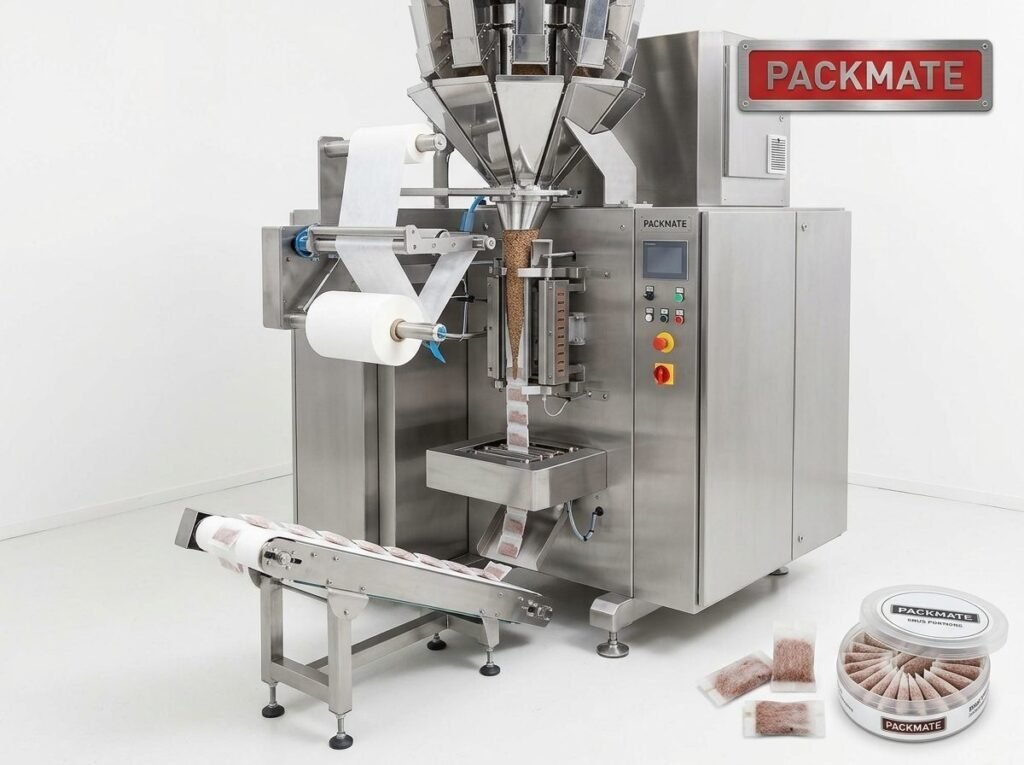
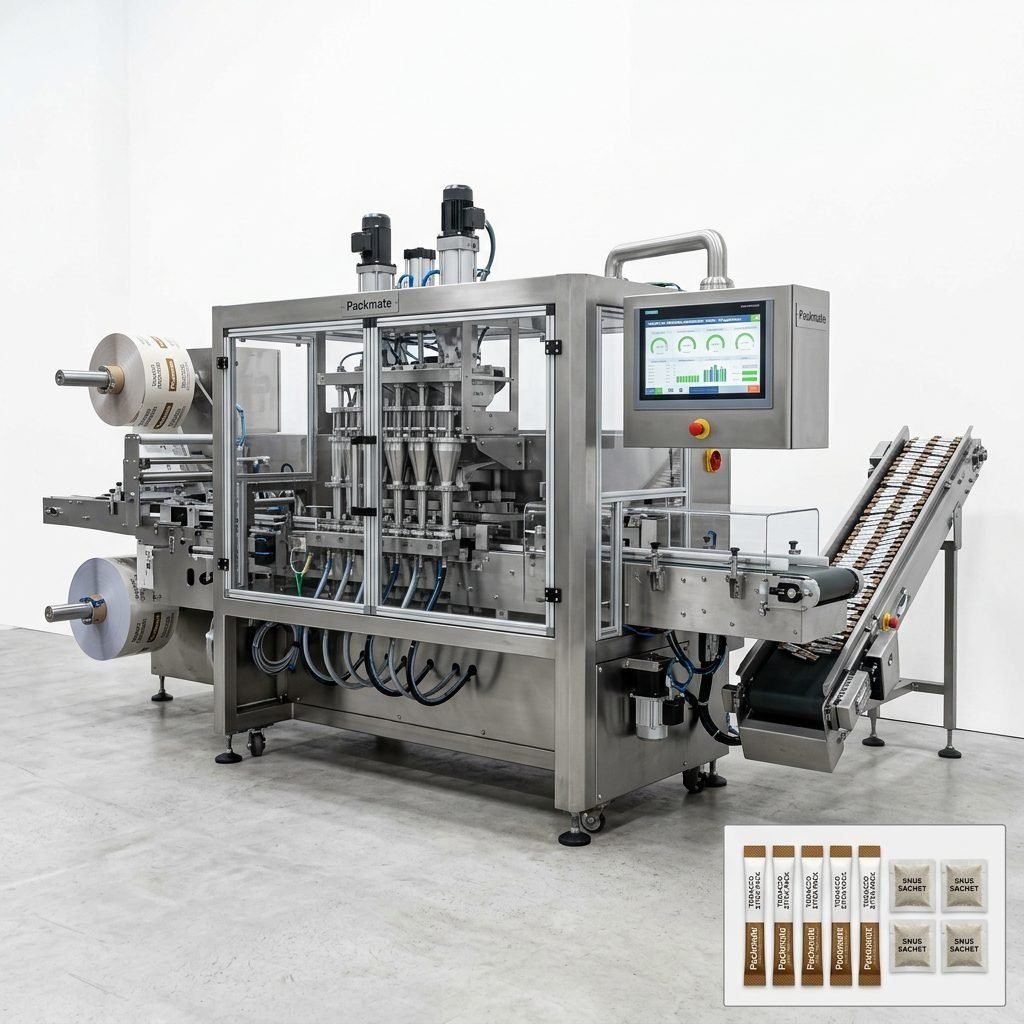
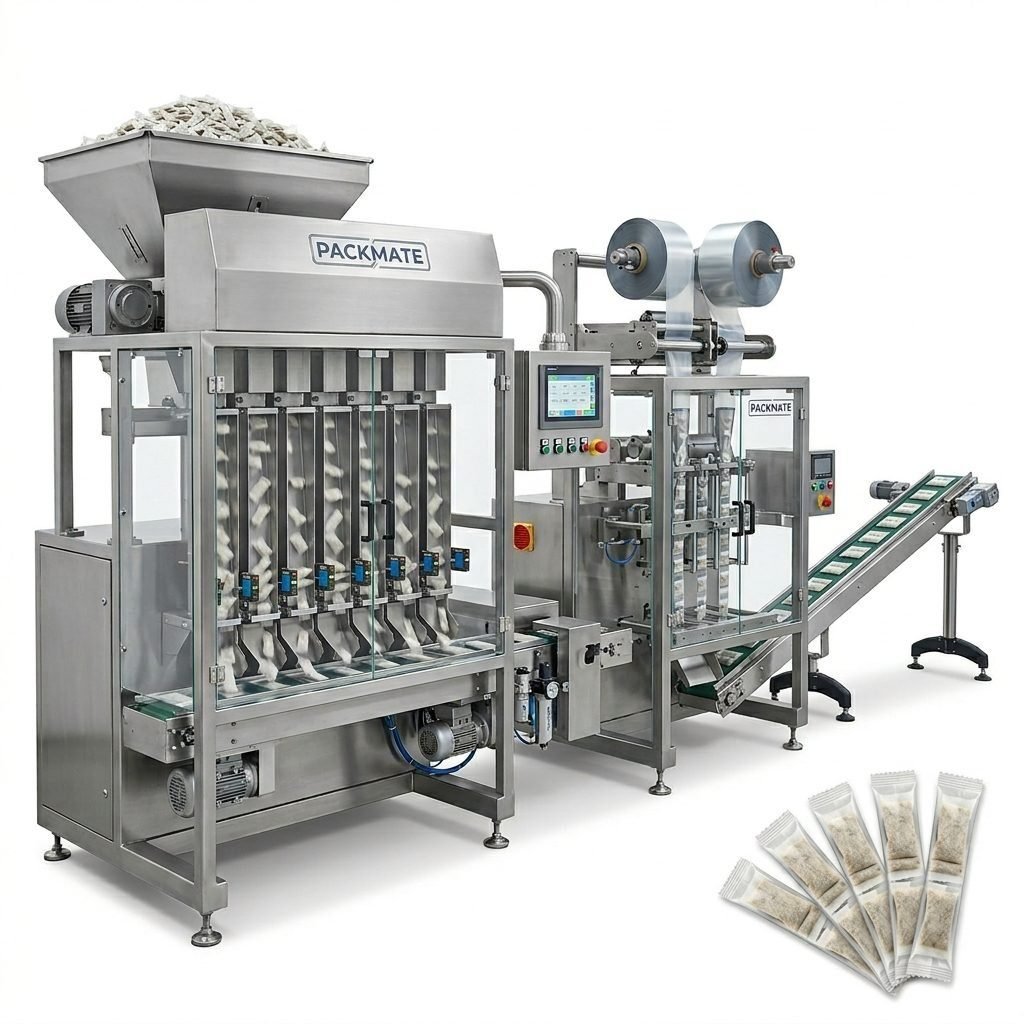
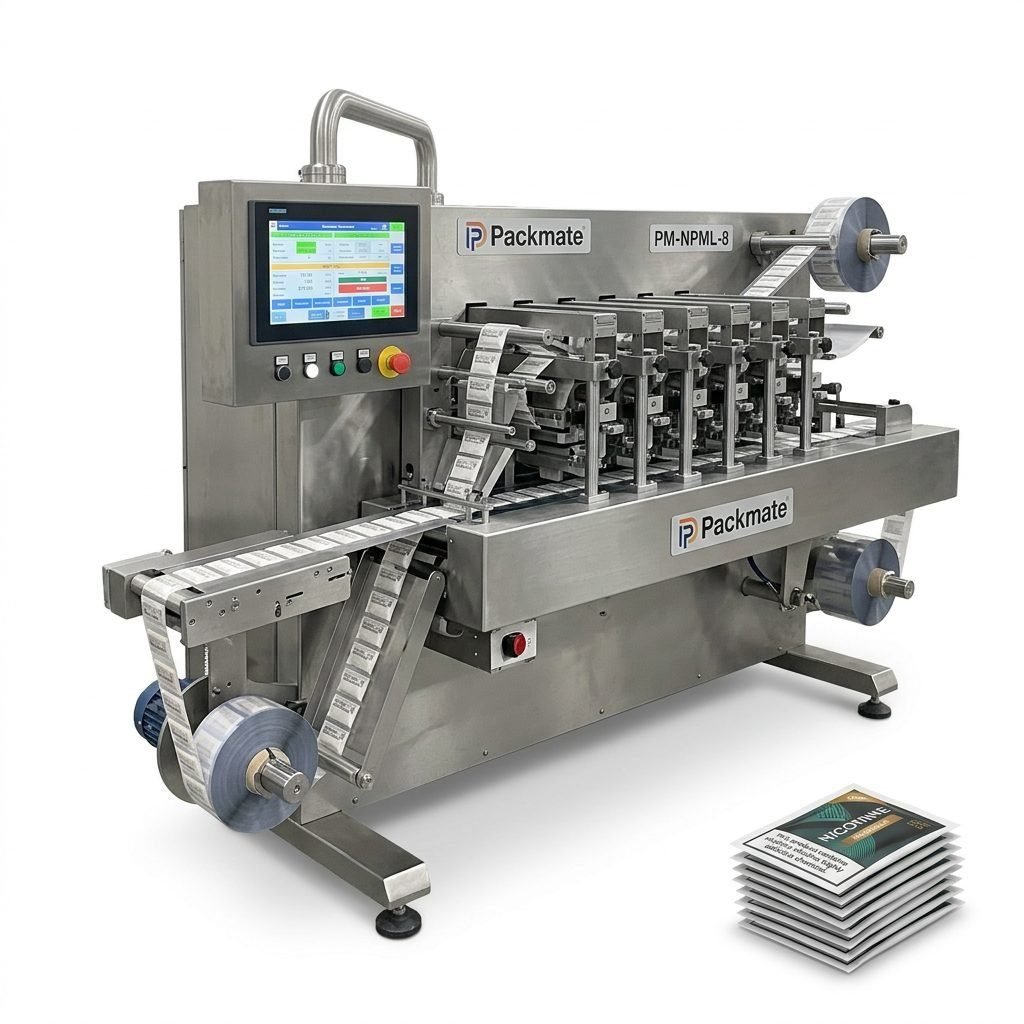
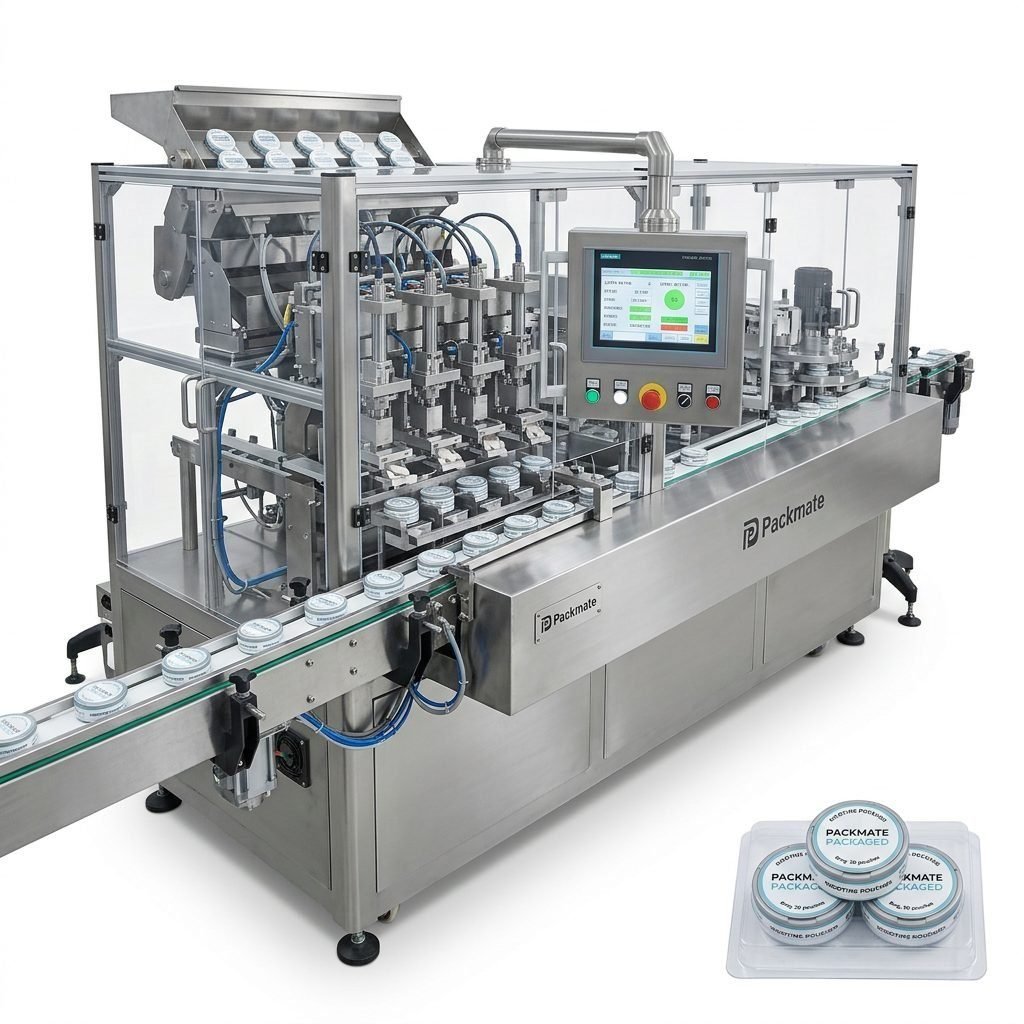
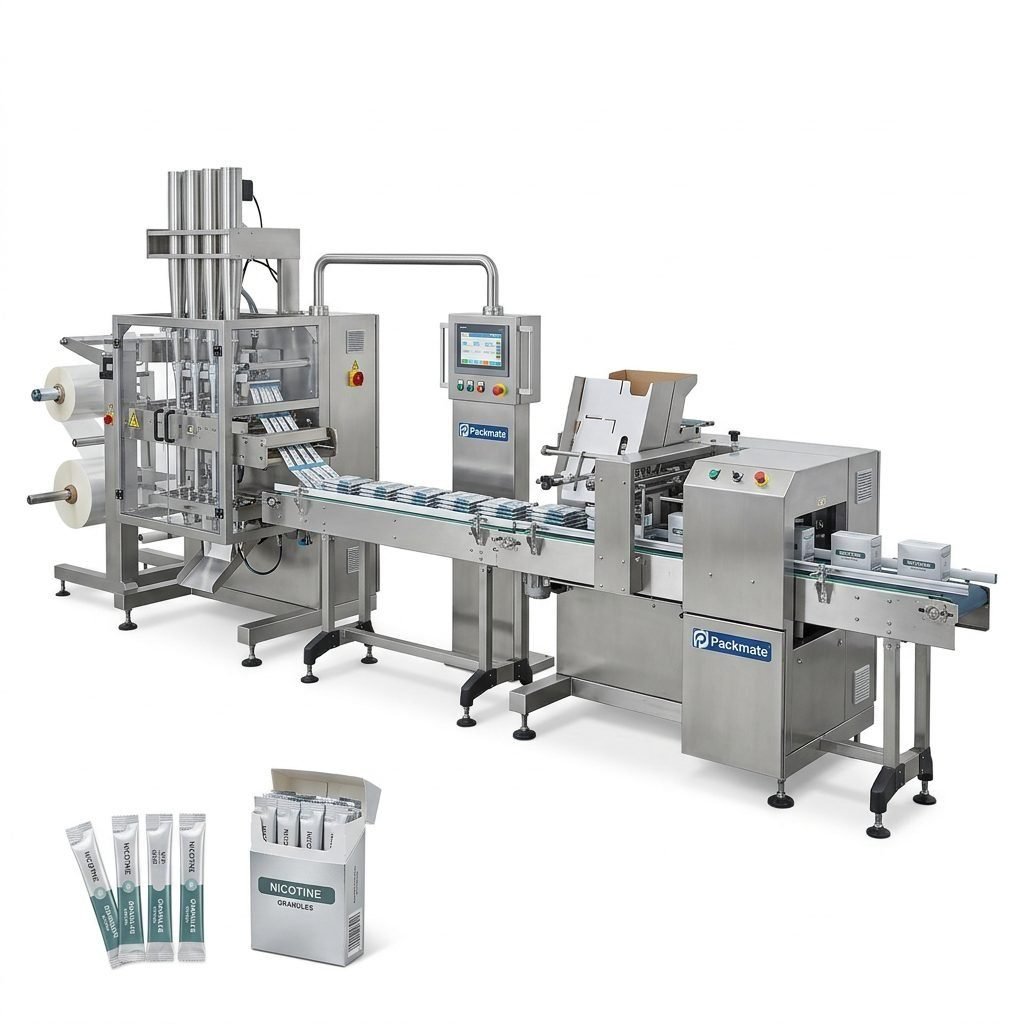
Integration with upstream and downstream equipment (weighing, pouch feeding, cartoning, secondary packaging) reduces manual handling and contamination risk. For turnkey solutions, explore options that bundle filling & packaging lines, or systems proven in similar product lines. See relevant equipment examples: Snus & Nicotine Packaging Machines and Bag & Pouch Packaging Machines.
Regulatory, Labeling and Cultural Considerations
When entering Djibouti, align with both national regulations and community norms. Common requirements include product registration, import documentation, and clear labeling. Use French & Arabic on consumer-facing packages and ensure any health warnings or ingredient lists meet local standards. Avoid imagery or wording that could be culturally insensitive. Consult local legal counsel or distribution partners to confirm nicotine product allowances and restrictions.
Import & Customs Tips for Djibouti
Djibouti’s status as a logistics hub means many imports transit through its ports. Ensure paperwork (commercial invoice, packing list, origin certificates, and product dossiers) is complete to avoid delays. Work with customs brokers familiar with controlling nicotine products and consider warehousing options with climate control to protect stock.
Operational & After-sales Support Requirements
For long-term success, prioritize suppliers who provide installation, training, spare parts, and remote troubleshooting. In regions like Djibouti where specialized technicians may be scarce, access to spare parts and documented maintenance guides becomes a competitive advantage. Consider vendors with global support networks and proven export experience.
✅ Supplier evaluation checklist (quick):
- Demonstrated snus/nicotine pouch experience
- Local voltage & frequency compatibility (220V/50Hz common in Djibouti)
- Availability of spare parts and remote technical support
- Reference installations and export documentation
Equipment Features to Insist On
Look for machines offering:
- High-precision dosing and integrated weighing modules (Weighing & Packaging Systems)
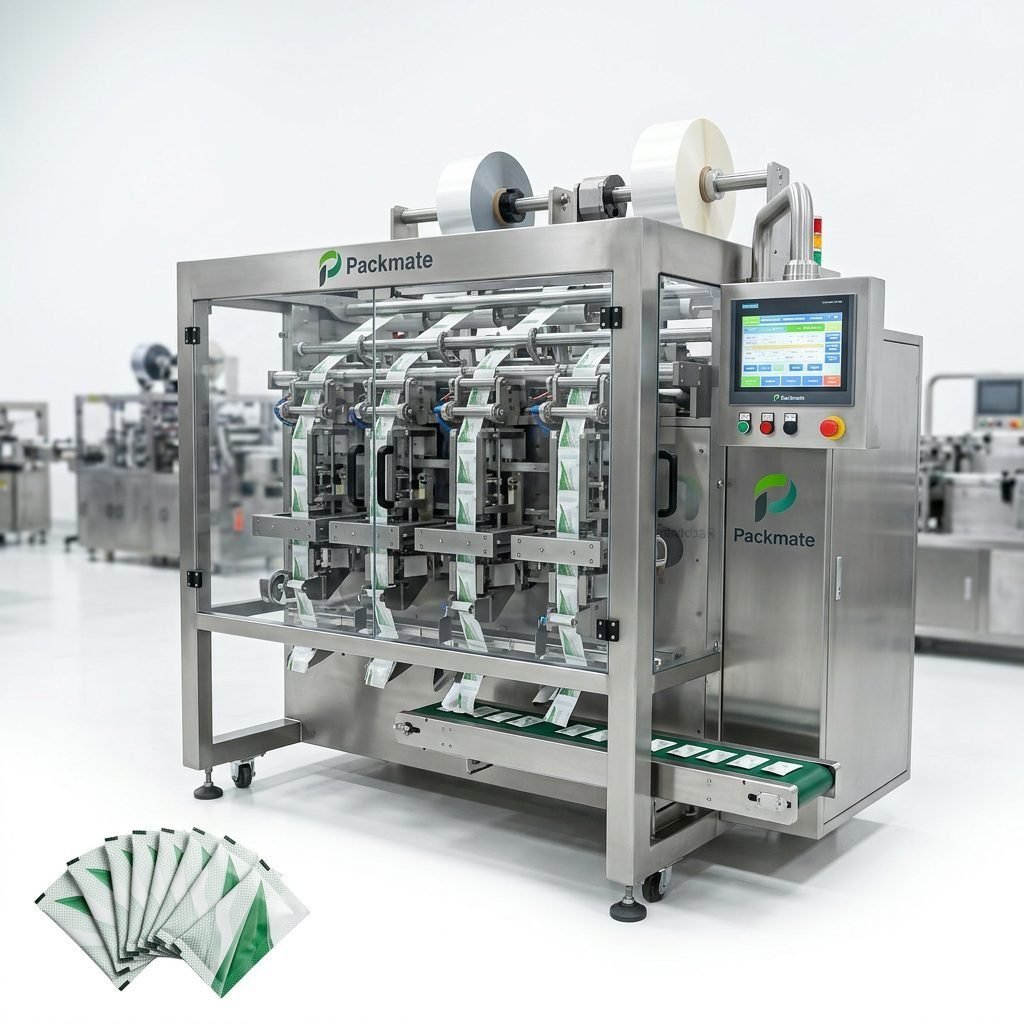
- Multi-lane options for higher throughput (Sachet & Stick Pack Machines)
- HMI with recipe storage for fast changeovers
- Hygienic, easy-to-clean construction and food-grade contact parts
- Support for barrier films and tamper-evident seals
Packaging Formats & Machine Types for Djibouti Customers
Your choice depends on consumer preference and distribution channels. Popular formats include:
- Stand-up pouches with inner trays for discreet retail — good for small shops catering to expatriates.
- Stick packs or sachets for single-dose portability favored by travel and transit users.
- Multi-pouch flow-wrapped cartons for airport and duty-free sales.
For tailored solutions, review integrated lines including filling, pouch forming, and secondary packaging: Filling & Packaging Lines.
Budgeting & Total Cost of Ownership
Upfront machine cost is only part of the investment. Factor in shipping, customs duties, installation, staff training, spare parts inventory, and energy consumption. Prioritize energy-efficient designs and machines with modular parts that can be serviced locally to reduce downtime and operating costs in Djibouti.
Selecting a Trusted Supplier: Why Manufacturer Credentials Matter
Choose a manufacturer with a proven track record in snus packaging technology, export experience, and international certifications. Packmate Snus Machine, for example, offers decades of engineering background, a wide model range, and global turnkey solutions — useful when entering markets with logistic and regulatory complexity. Learn more about the company and its certifications on the About Packmate and Certificate pages.
Factory & Quality Assurance
Look for manufacturers with advanced CNC machining, precision assembly lines, and strict testing systems. These features reduce downtime and improve machine longevity — critical where local technical assistance is limited. Request factory acceptance test (FAT) reports and performance videos prior to shipping.
Practical Buying Steps for Djibouti Importers
1) Define product specs (pouch type, filling weight, barrier requirements) — ensure compatibility with Djibouti climate.
2) Shortlist vendors based on snus experience and after-sales network.
3) Request quotations including CIF Djibouti port, installation, and training costs.
4) Ask for FAT and spare parts list; negotiate lead times and warranty.
5) Coordinate import documentation (often French-language paperwork is helpful) and local testing requirements.
💡 Pro tip:
When possible, source a supplier that has shipped to East Africa or the Middle East before — this reduces surprises with shipping, customs, and power compatibility.
Installation, Training & Local Partnerships
Because technical skills may be limited locally, prioritize suppliers who include on-site commissioning and operator training. Consider partnering with local distributors who understand Djibouti’s retail networks and regulatory landscape. Check references and ask for case studies similar to your required line in the Case archive.
Service Contracts & Spare Parts Strategy
Secure a spare parts kit for critical wear items and discuss lead times for replacements. A service contract that includes remote diagnostics and annual maintenance visits can minimize downtime in a market where quick technical replacements may be challenging.
Final Selection Checklist
Use this condensed checklist before placing an order:
- Machine supports your chosen pouch type and barrier film
- Precision filling meets regulatory dose tolerances
- Sealing and material handling suit high-temperature conditions
- Supplier provides FAT, spare parts, and on-site training
- Documentation and labeling can be produced in French & Arabic
- Warranty terms, service response time, and spare parts availability are clear
Where to Explore Reliable Options
Explore specialized categories like Snus & Nicotine Packaging Machines, Auxiliary Packaging Equipment, and integrated Filling & Packaging Lines to understand what suits your scale and product format.
Conclusion
Selecting the right snus packaging machine for Djibouti means balancing technical performance, climate resilience, cultural sensitivity, and solid after-sales support. Prioritize precision dosing, robust sealing for hot climates, multi-language labeling support, and a supplier with proven export & service experience. With the correct machine and local strategy, you can produce compliant, stable nicotine pouches that meet consumer expectations and withstand logistical challenges.
Frequently Asked Questions
Q1: Are nicotine pouch machines allowed to be imported into Djibouti?
A1: Regulations vary; importers should consult local authorities and legal advisors. Ensure complete documentation and product dossiers, and verify any restrictions or registration requirements prior to shipping.
Q2: What packaging materials work best in Djibouti’s climate?
A2: High-barrier laminates with strong heat-seal properties and moisture resistance are recommended to protect product integrity under high temperature and variable humidity.
Q3: How important is after-sales service for machinery in Djibouti?
A3: Extremely important. Fast access to parts, remote troubleshooting, and comprehensive training minimize downtime in regions with limited local technical resources.
Q4: Should labels be in French and Arabic for Djibouti?
A4: Yes. Labels in French and Arabic improve consumer comprehension and regulatory acceptance. Also include necessary health notices and ingredient lists.
Q5: Where can I find turnkey solutions and case references for snus packaging?
A5: Review manufacturer case studies and turnkey offerings to see delivered lines. Useful links include the company case and product pages for integrated lines.