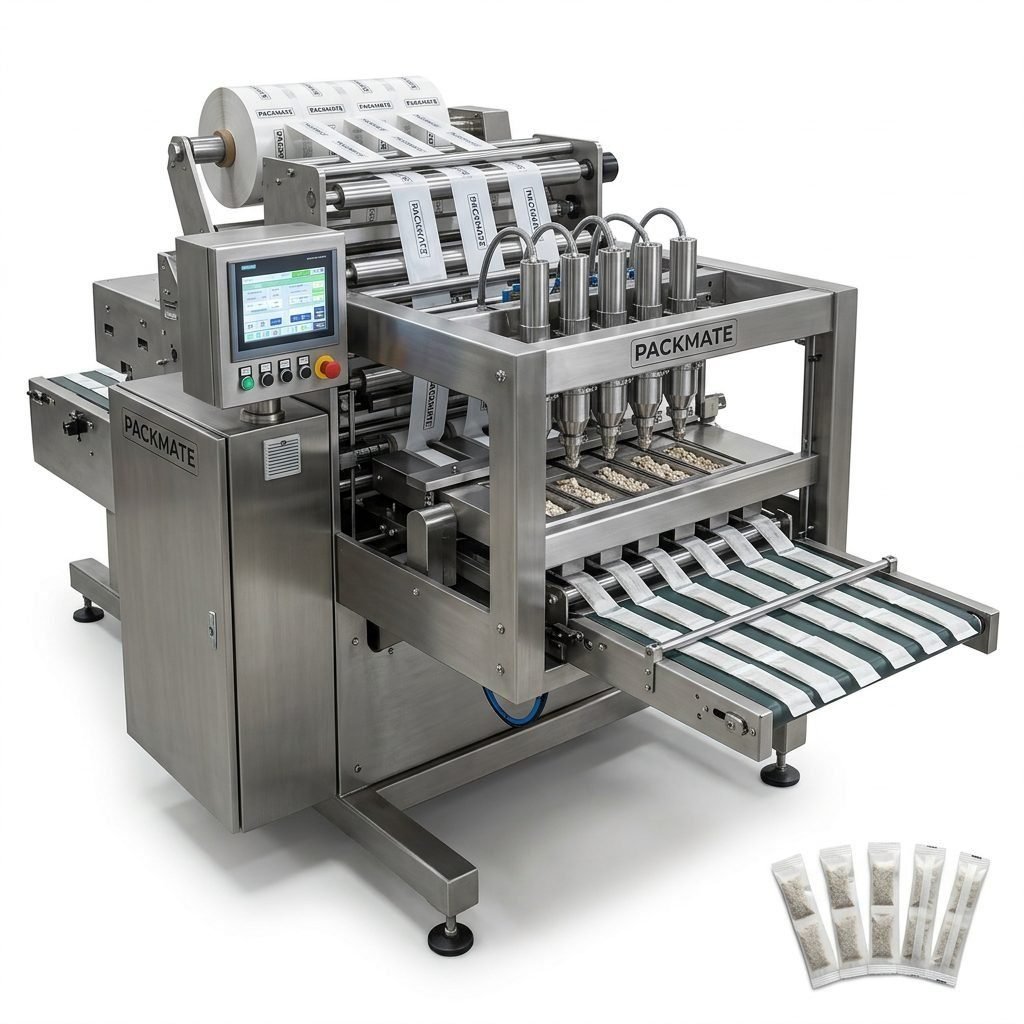
Choosing the right snus packaging machine in Uganda means balancing local market habits, climate challenges, regulatory requirements, and long-term serviceability. This guide walks Ugandan small and medium manufacturers through practical steps — from machine type selection and technical specs to power supply considerations and return-on-investment planning — so you can invest with confidence and scale safely.
Understand the Uganda market and local habits
Uganda’s consumer base values affordability, portability, and discreet packaging. While snus and nicotine pouches are not traditional to the region like oral tobacco or chewing tobacco, urban consumers and export markets are driving interest. Consider these local factors when choosing equipment:
Humidity and heat: Uganda’s tropical climate requires strong sealing and moisture-barrier packaging to keep product quality stable during storage and distribution.
Power reliability: Frequent voltage variations and occasional blackouts mean machines with robust drives, soft-start features, and UPS-compatible control systems reduce downtime.
Market scale: Many Ugandan manufacturers start with small batches for local markets or regional exports. Machines that scale from small-lot runs to higher-speed lines are more cost-effective.
Which machine types suit Ugandan manufacturers?
Different product formats and business models require different solutions. Consider these common choices:
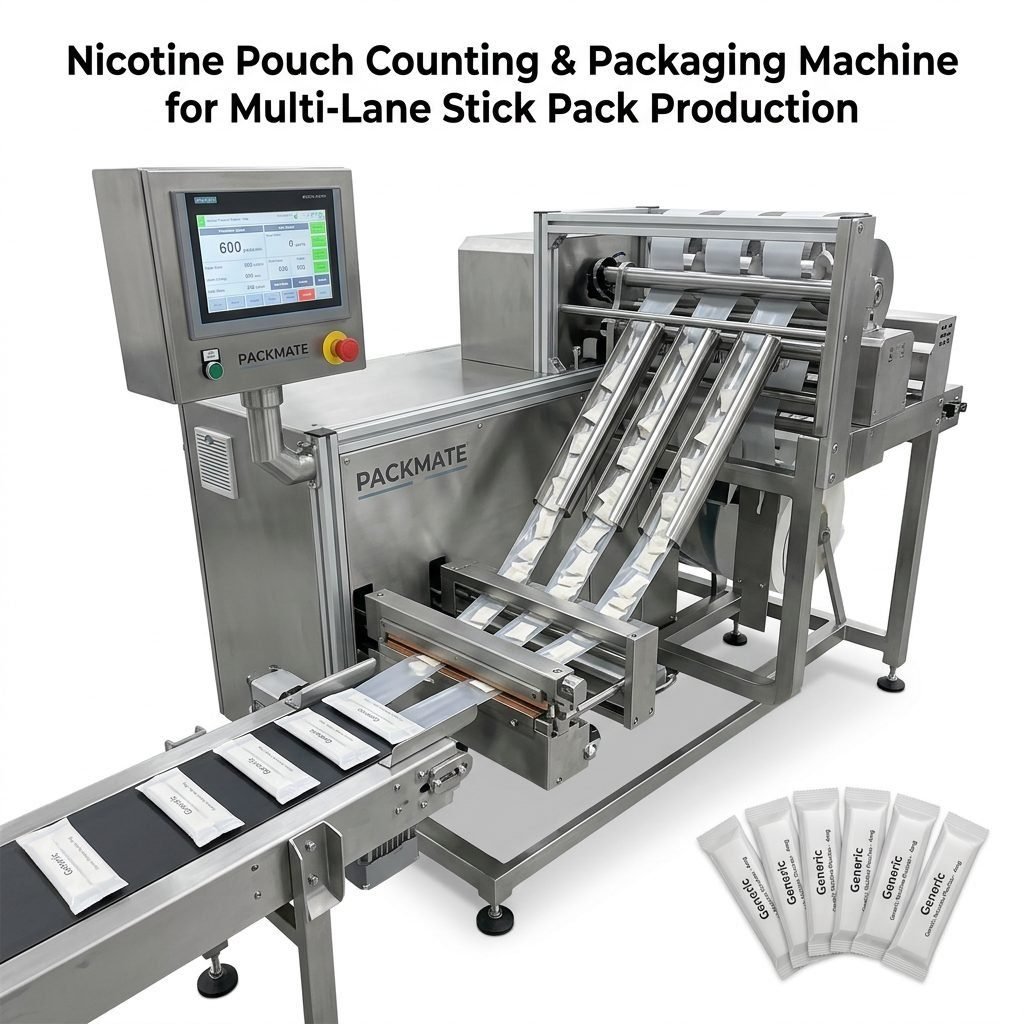
Sachet & Stick-pack systems
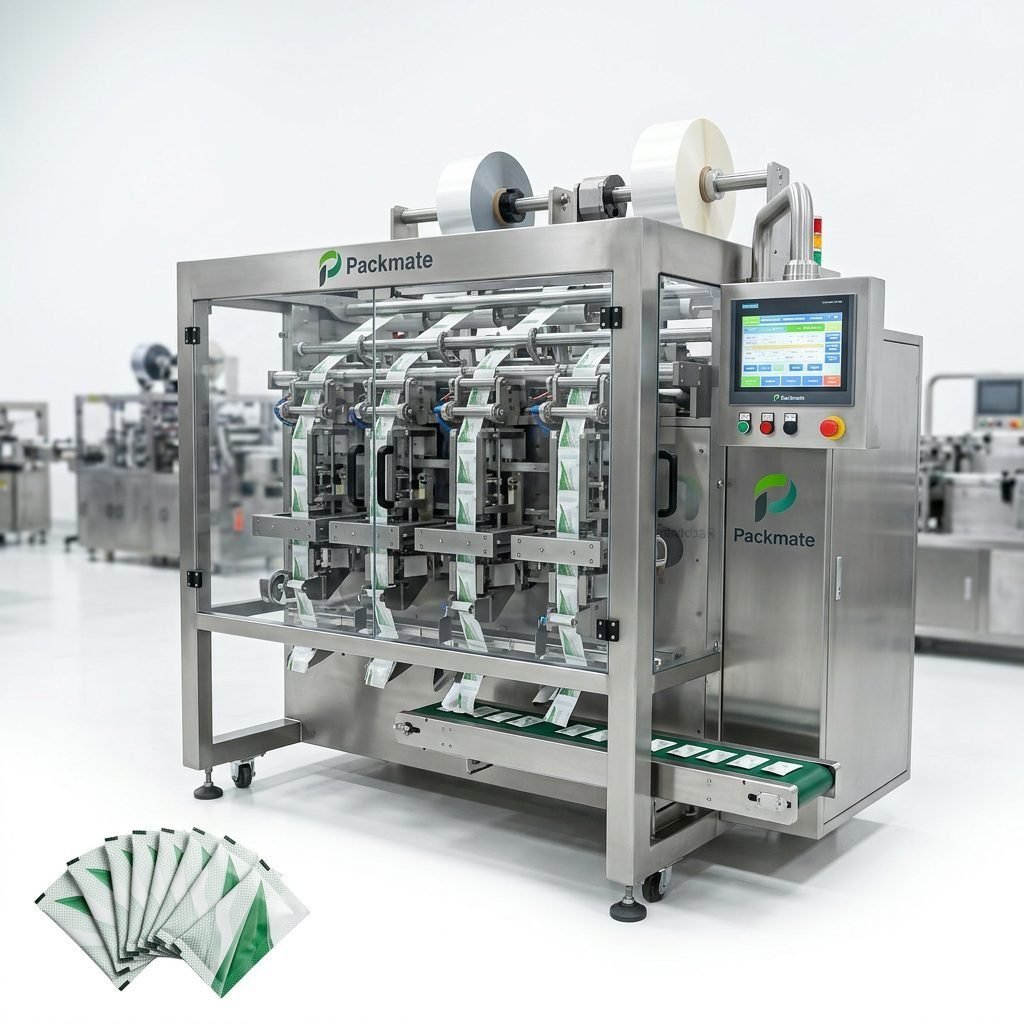
Ideal for single-dose nicotine pouches and retail sampling. Stick-pack and sachet machines are flexible for flavored pouches and are typically lower cost to operate for smaller runs. See examples of proven equipment at the Sachet & Stick Pack Machines page.
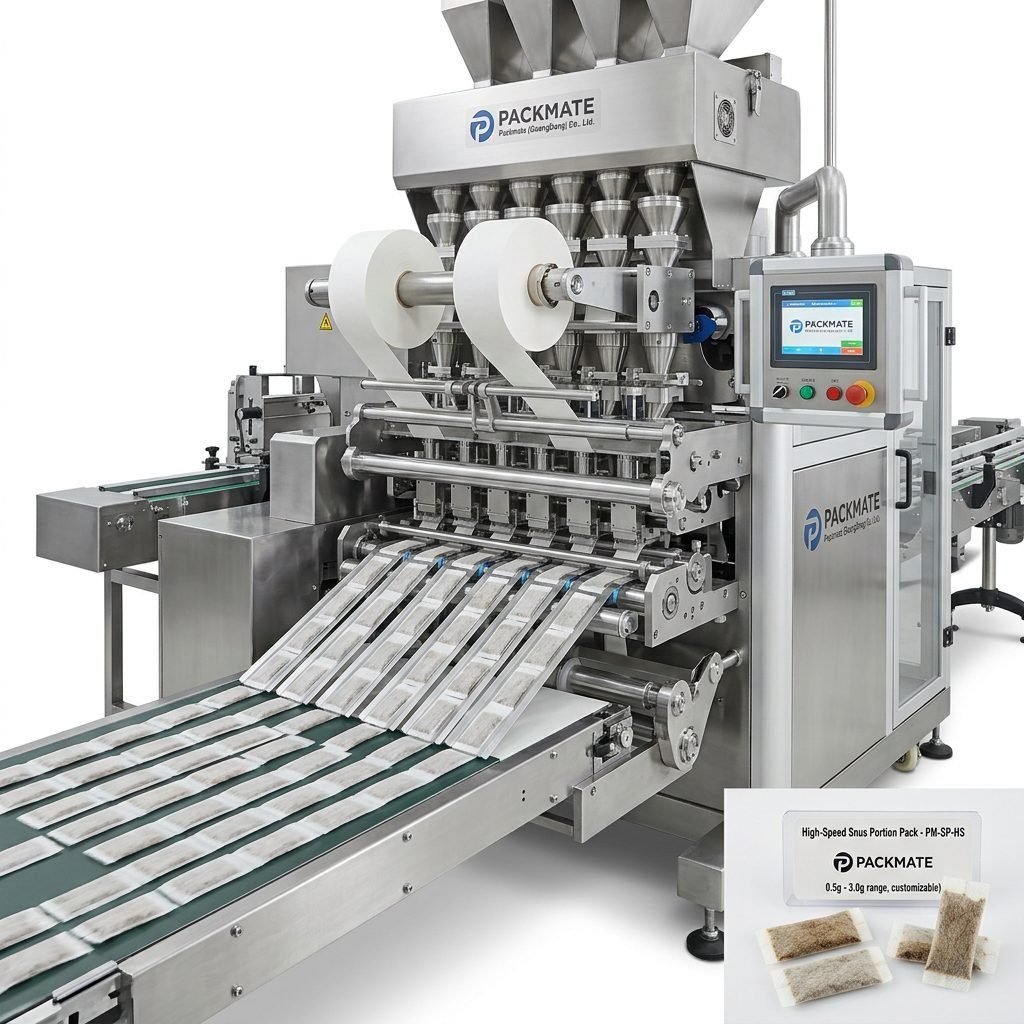
Multi-lane snus pouch lines
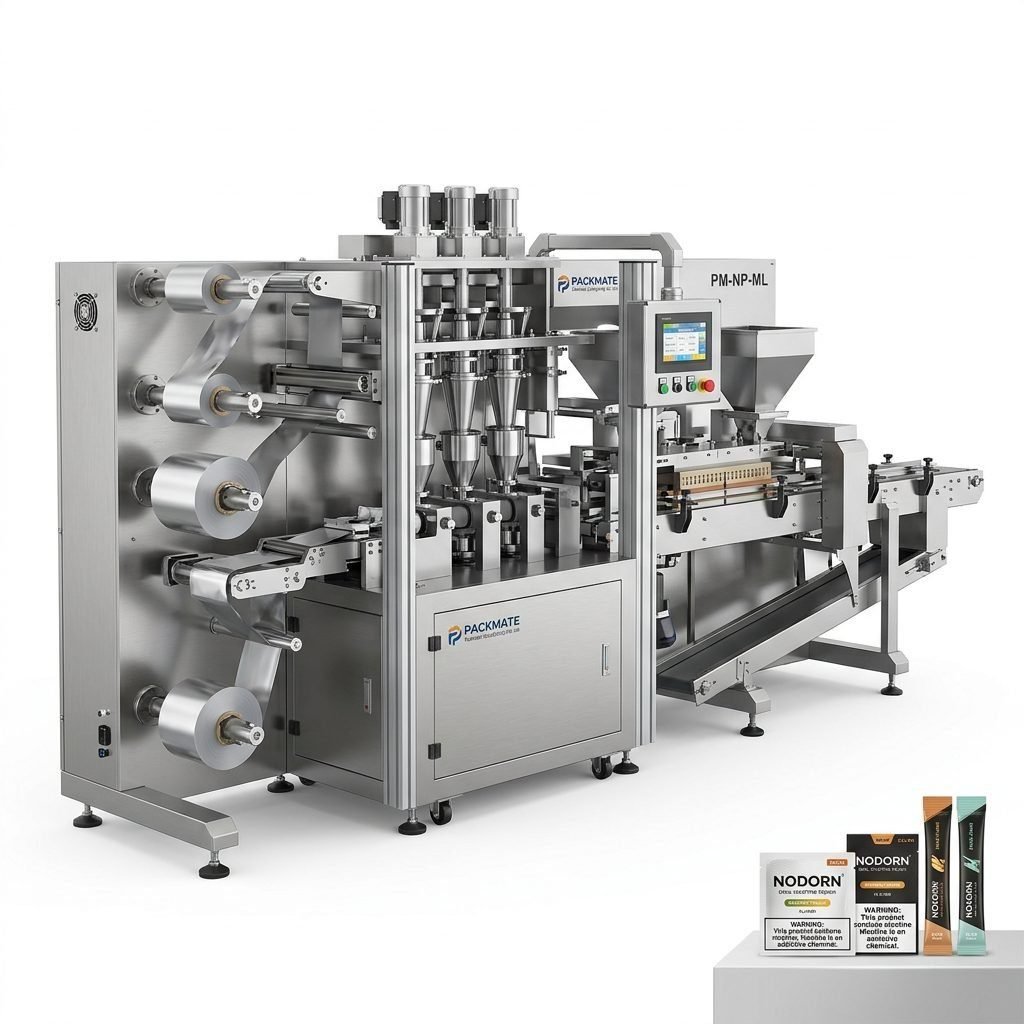
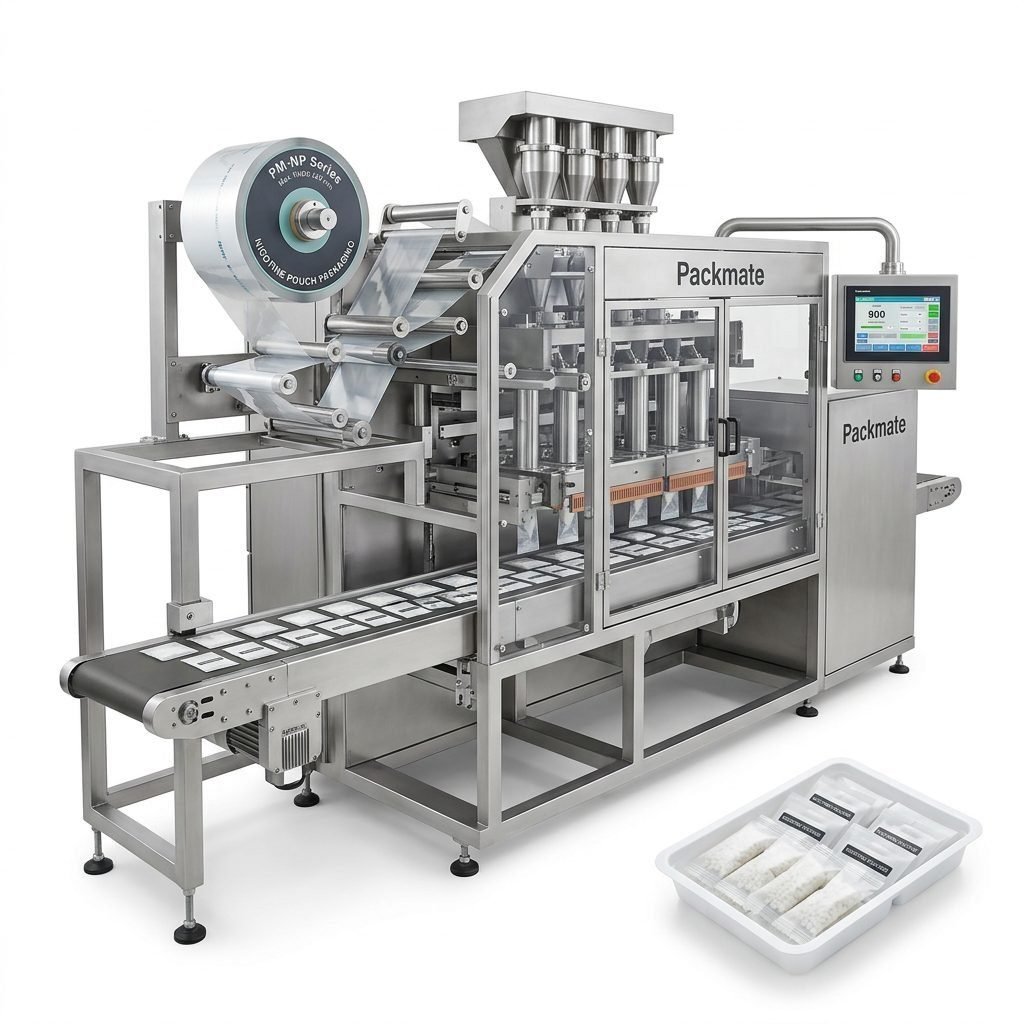
If your plan is to scale production quickly, multi-lane systems increase throughput without large floor-space penalties. These are suited to manufacturers targeting export markets or large urban distributors. Learn more on the Snus & Nicotine Packaging Machines page.
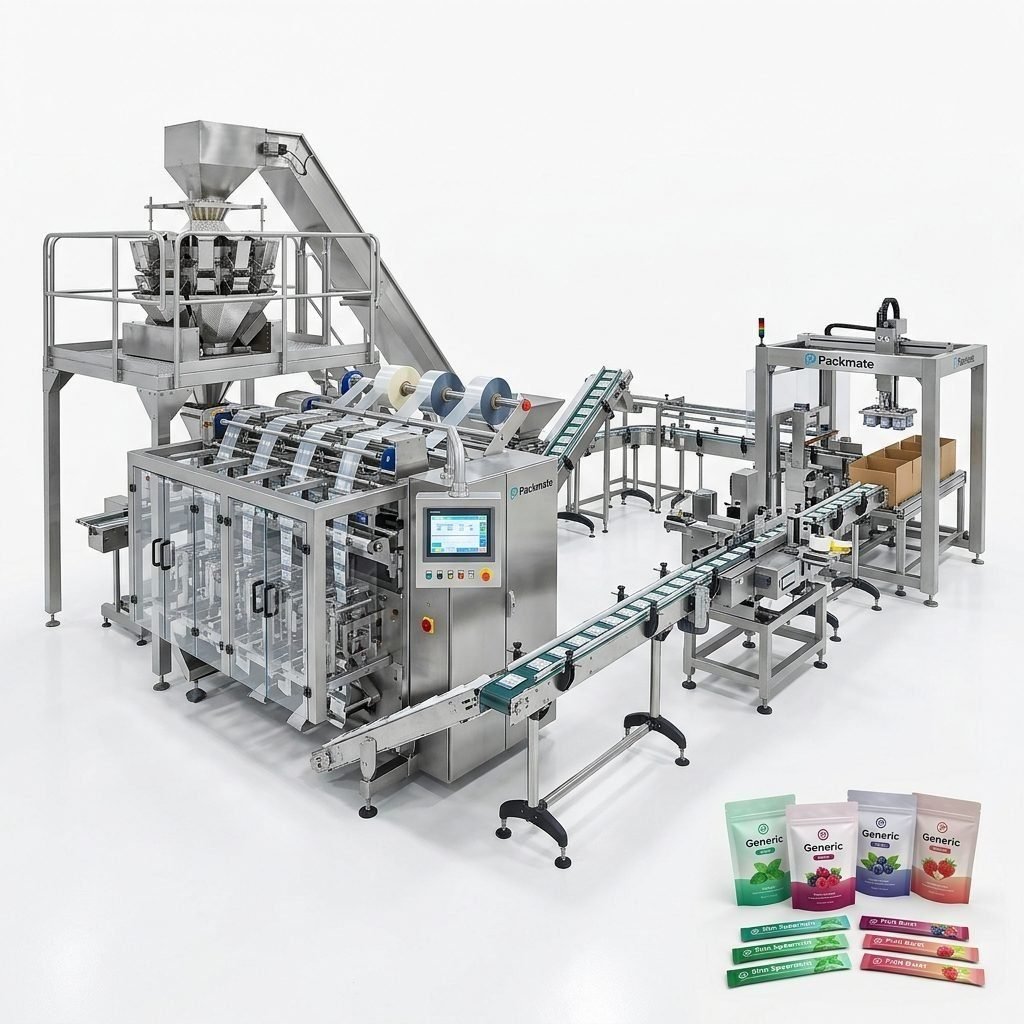
Bag & pouch systems for secondary packaging
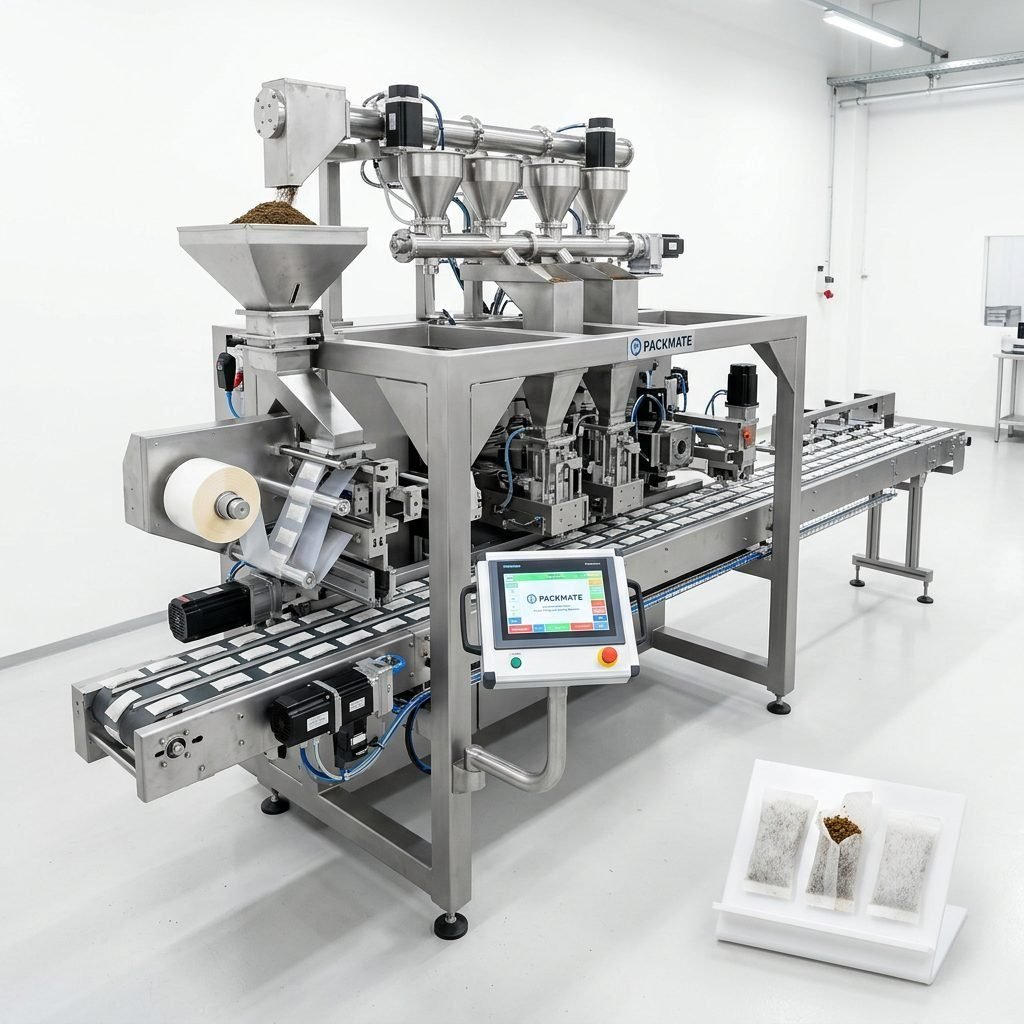
For retail-ready multi-packs and display-ready bags, bag & pouch machines complete the line. Integrating primary pouch machines with secondary packaging saves handling time and reduces contamination risk. See Bag & Pouch Packaging Machines for options.
⚙️ Recommended starter configuration for Uganda
– 1-lane sachet/stick-pack machine for R&D and local sales
– 4–8 lane multi-lane snus pouch machine for scaling to regional distribution
– Integrated sealing with high-barrier film compatibility, humidity control, and modular feeders
Technical specifications that matter most
When comparing suppliers, focus on performance metrics that translate into fewer rejects, lower operating cost, and higher uptime:
- Speed vs accuracy: dose accuracy ±1–2% is critical for nicotine pouches to avoid regulatory or quality issues.
- Lane count & modularity: choose machines that can add or remove lanes to match demand spikes.
- Sealing technology: deep welds, modified atmosphere sealing, and compatibility with high-barrier films help in humid climates.
- Control systems: PLC with touchscreen HMI, recipe management, and remote diagnostics reduce setup time and ease training.
- Materials handling: gentle, sanitary feeders and CIP-friendly surfaces lower contamination risk for consumables.
- Power tolerance: soft-start drives, UPS compatibility, and stabilizer recommendations for Uganda’s grid.
Quality, certifications and export readiness
If you aim to export or supply regulated channels, ask for machines with international certifications such as CE and ISO-compliant manufacturing. Suppliers with traceable factory capabilities, machining centers and assembly lines will be easier to depend on for spare parts and validation. Packmate’s factory profile and certifications can be reviewed at the Certificate and About Packmate pages.
Service, spare parts and local support
Long-term uptime depends on service networks and the availability of spare parts. For Uganda, prioritize:
- Clear spare-parts lists and lead times.
- Remote support options and machine diagnostics for rapid troubleshooting.
- On-site commissioning and operator training packages.
- Local partners or distributers who can assist with maintenance and customs clearance.
You can inquire directly about service packages and after-sales via the Service and Contact Us pages to understand delivery and support timelines for Uganda.
Packaging materials, supply chain and distribution in Uganda
Choose films and pouch materials that protect against humidity and are compatible with your sealing method. Consider local logistics — road transport can mean higher vibration and heat exposure, so use extra-robust secondary packaging for long regional hauls. Work with suppliers who can validate film barrier properties for nicotine products.
Budgeting and ROI: what to expect
Initial capital is only part of the total cost. Include these in your ROI model:
- Machine capital and installation
- Spare parts inventory (motors, belts, sealing jaws)
- Operator training and documentation
- Packaging materials and validation testing
- Local regulatory compliance and labeling
Tip: A machine that reduces waste by a few percent or increases run speed often recoups its cost faster than savings from initial low purchase price.
📋 Supplier evaluation checklist
– Proven track record and factory footprint (CNC machining, assembly lines)
– Warranty, spare parts lead time, and remote support options
– Compliance documentation (CE / ISO) and test reports
– Local references or export case studies — see global Case portfolio
How to choose between suppliers — practical steps
1) Define product format and daily output targets. 2) Request video demos and performance data at target speeds. 3) Ask for a machine acceptance test (FAT) and downloadable machine recipe files. 4) Confirm commissioning timeline and training. 5) Compare total cost of ownership, not just the sticker price.
A reputable manufacturer with broad packaging options (stick pack, sachet, multi-lane snus lines, and secondary bagging) and clear after-sales procedures will reduce risk. You can review product families at Snus & Nicotine Packaging Machines, Bag & Pouch Packaging Machines and Filling & Packaging Lines to match solutions to your needs.
Final considerations for Ugandan operators
– Train at least two operators and one maintenance technician before ramp-up.
– Stock fast-moving spare parts locally.
– Validate packaging performance under local humidity and transport simulation.
– Plan regulatory labeling and product claims in advance for both local sale and export.
Frequently Asked Questions
Q1: What machine capacity is right for a new Ugandan snus brand?
A: Start by estimating daily demand. For local launch, a 1–2 lane sachet or stick-pack machine suffices. If you expect regional distribution within 12–18 months, choose a modular multi-lane line that can scale up.
Q2: How important is moisture control for snus packaging in Uganda?
A: Extremely important. High humidity degrades pouch shelf life and flavor. Prioritize machines compatible with high-barrier films and strong sealing technologies.
Q3: Can international suppliers support Ugandan customers with spare parts and service?
A: Yes, many reputable manufacturers provide remote diagnostics, spare parts shipping, and on-site commissioning. Confirm lead times and local partner availability before purchase. Check Service and Contact Us to inquire.
Q4: Where can I see real-world machine demonstrations and case studies?
A: Visit exhibition pages and the Case section to review live demos, factory tours, and customer success stories.