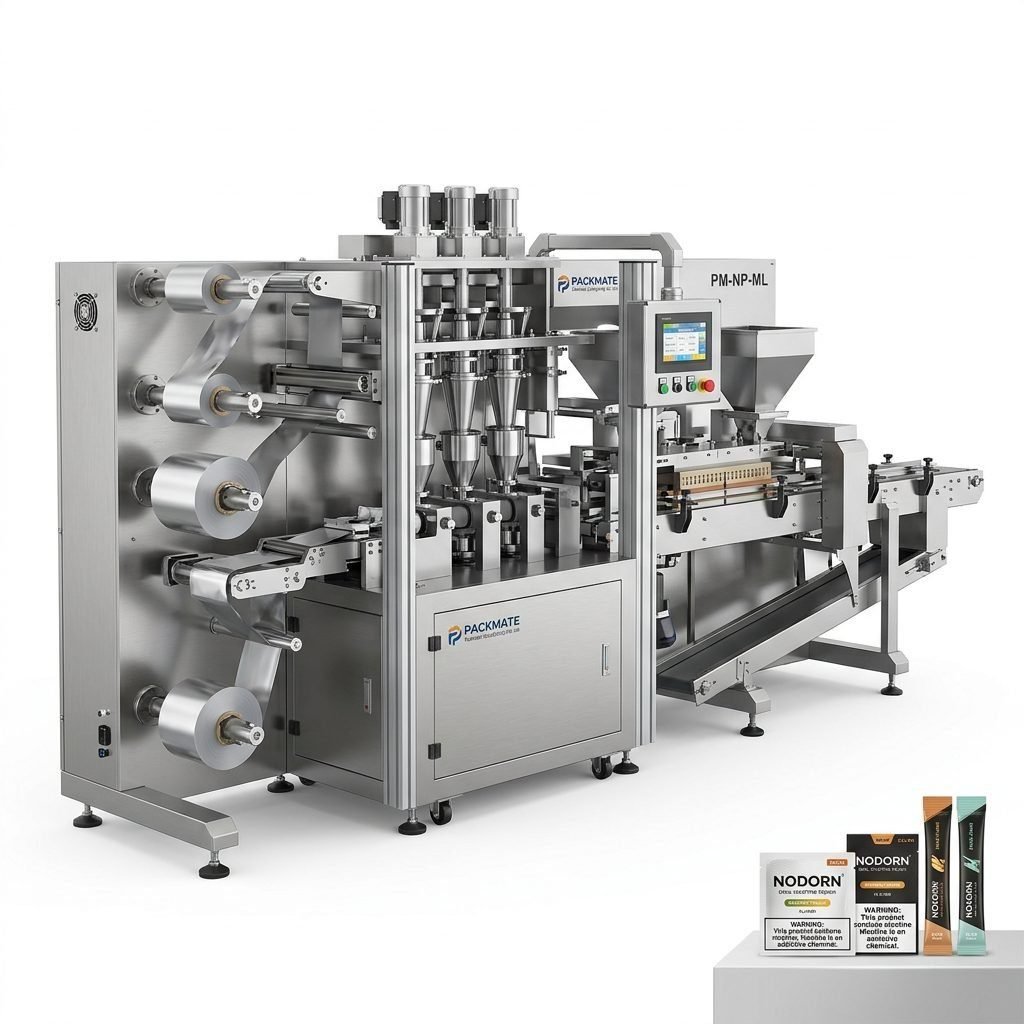
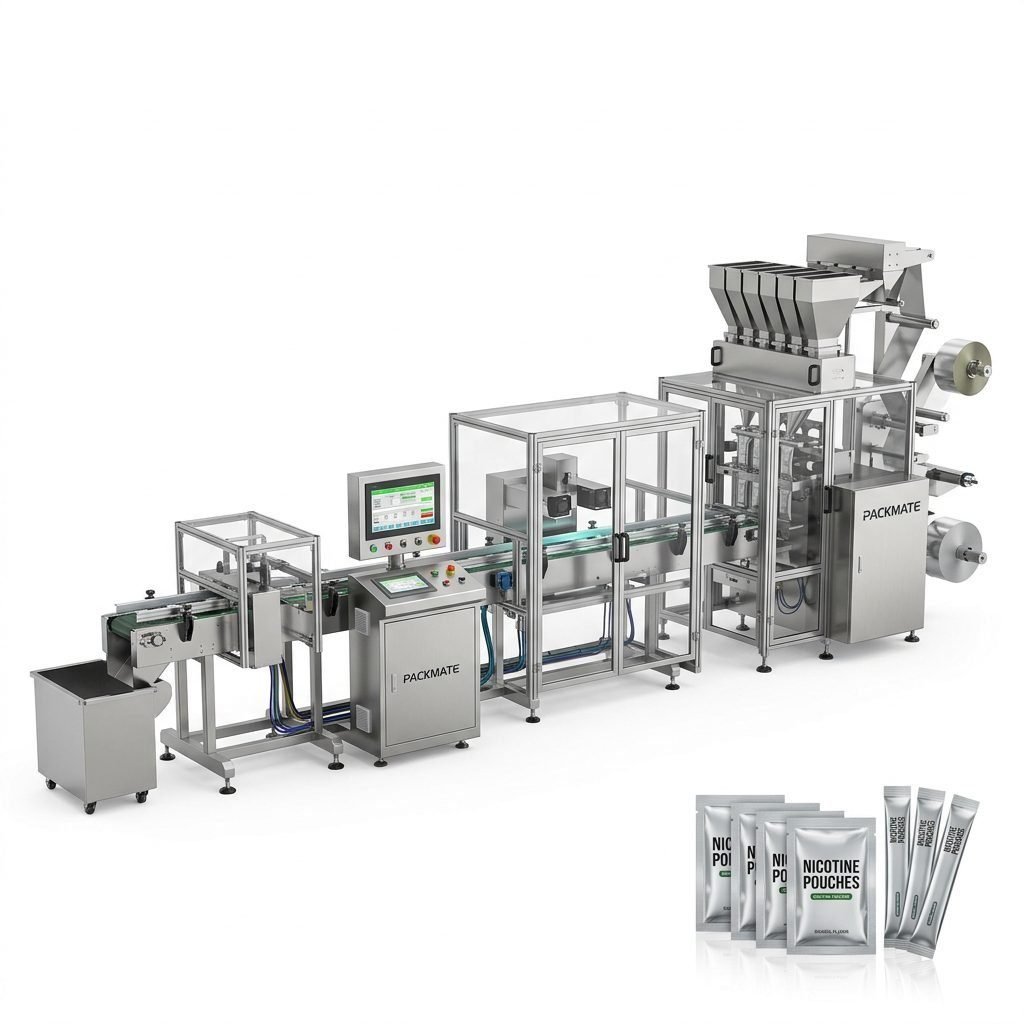
Choosing the right nicotine packaging machine manufacturer for operations in South Sudan requires more than a price comparison. You must balance machine performance, on-site service, documentation for customs clearance, and adaptability to local conditions like intermittent power and limited spare-part distribution. This buyer’s guide gives a practical, step-by-step approach to select a supplier who can deliver reliable snus and nicotine pouch packaging lines and support long-term production in South Sudan.
Know the South Sudan Market and Local Realities
South Sudan’s business environment is shaped by unique logistical and cultural factors. English is an official language in business circles, but project teams often include people from diverse ethnic groups and languages. Expect that factories may be located far from major ports, and infrastructure can be intermittent. For nicotine products, local regulations and community attitudes vary — ensure you understand local health and import regulations before placing orders.
Practical considerations for South Sudan
Power reliability: Specify machines tolerant to voltage fluctuations and compatible with local generators.
Parts & service: Prioritize manufacturers with global spare-part supply chains and remote support capabilities.
Shipping routes often go via Mombasa (Kenya) or Uganda; prepare documentation for customs in Juba and work with experienced freight forwarders.
Step 1 — Define Your Product & Throughput Requirements
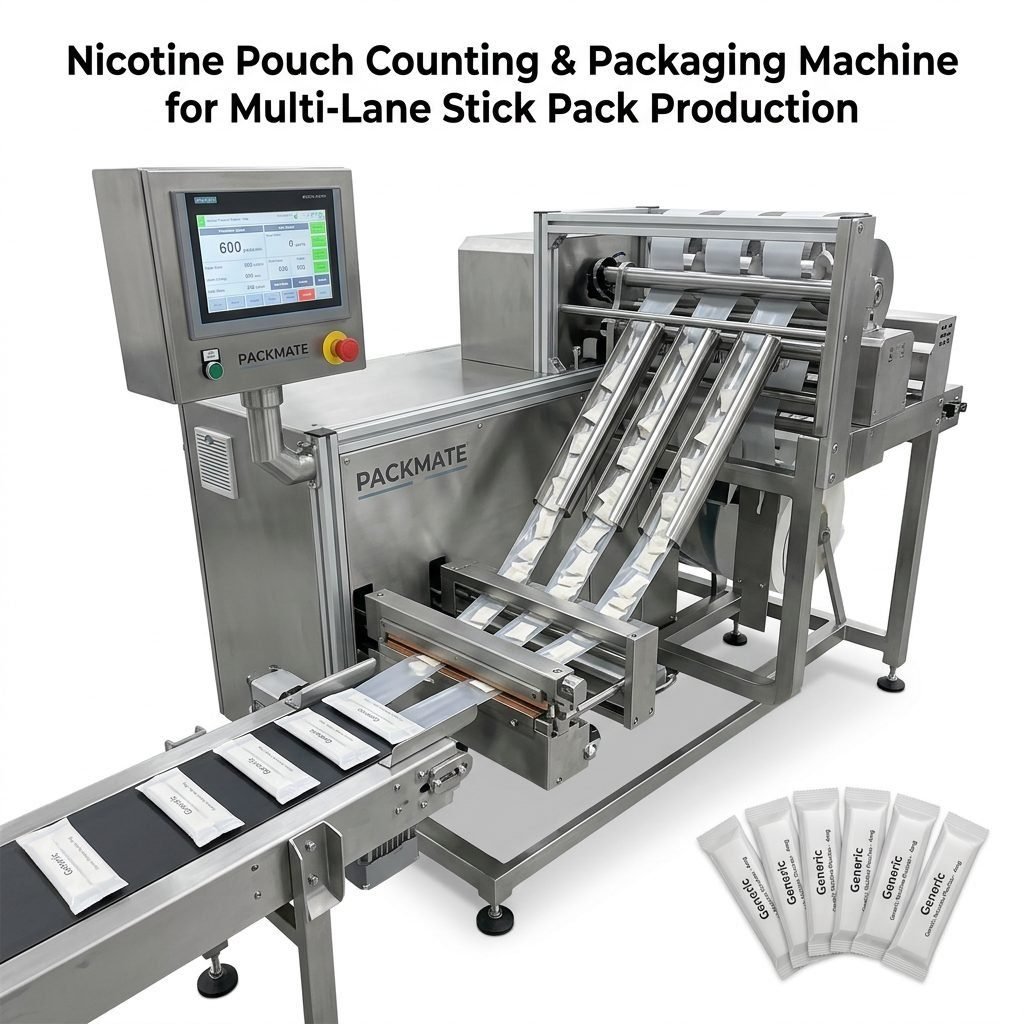
Start by documenting the exact format of your nicotine product: snus pouch size, pouch type (single-dose pouch, sachet, stick pack, multi-lane pouch), target packs per minute, and desired packaging materials (foil, paper, laminated film). Packaging machines vary widely: high-speed multi-lane systems are ideal for export-oriented plants, while single-lane sachet machines suit smaller regional producers.
If you plan to scale quickly, ask for modular systems that allow capacity upgrades without full replacement. Consider these machine categories when discussing options:
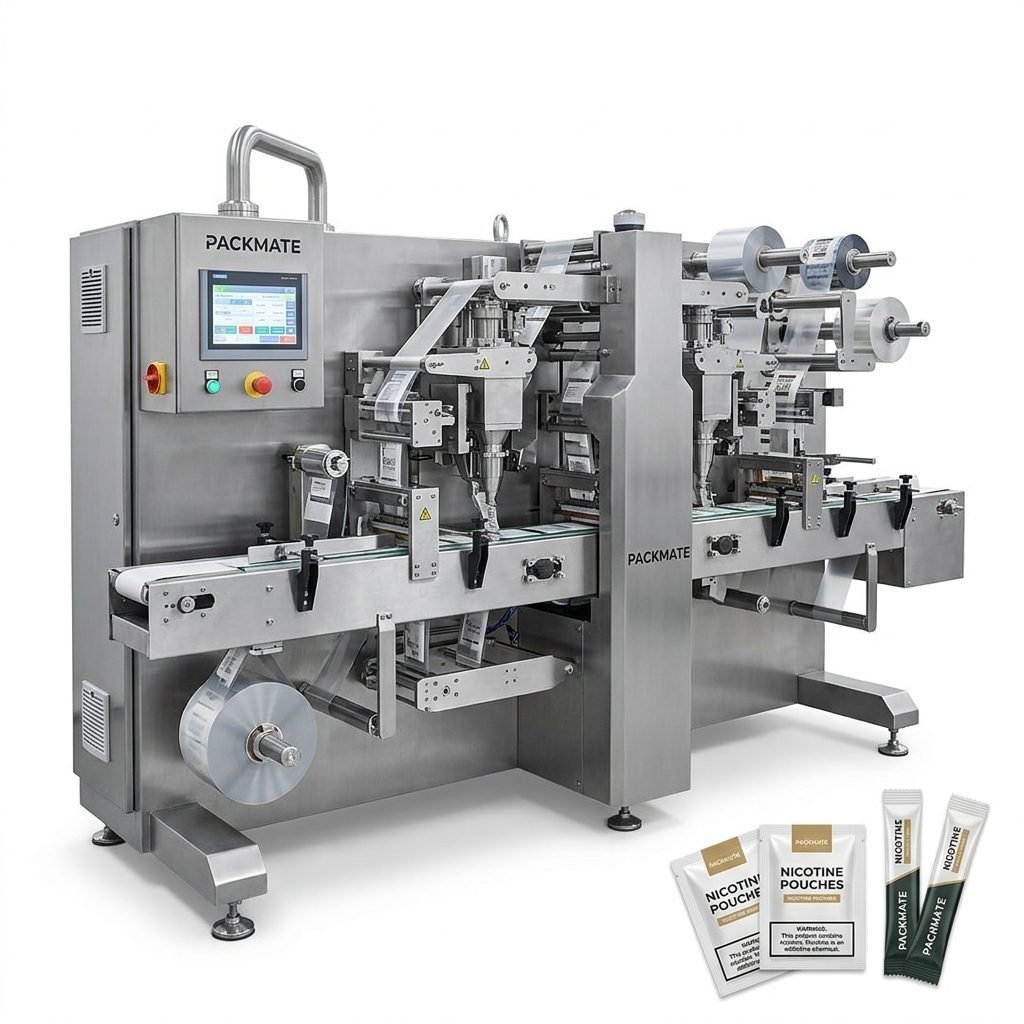
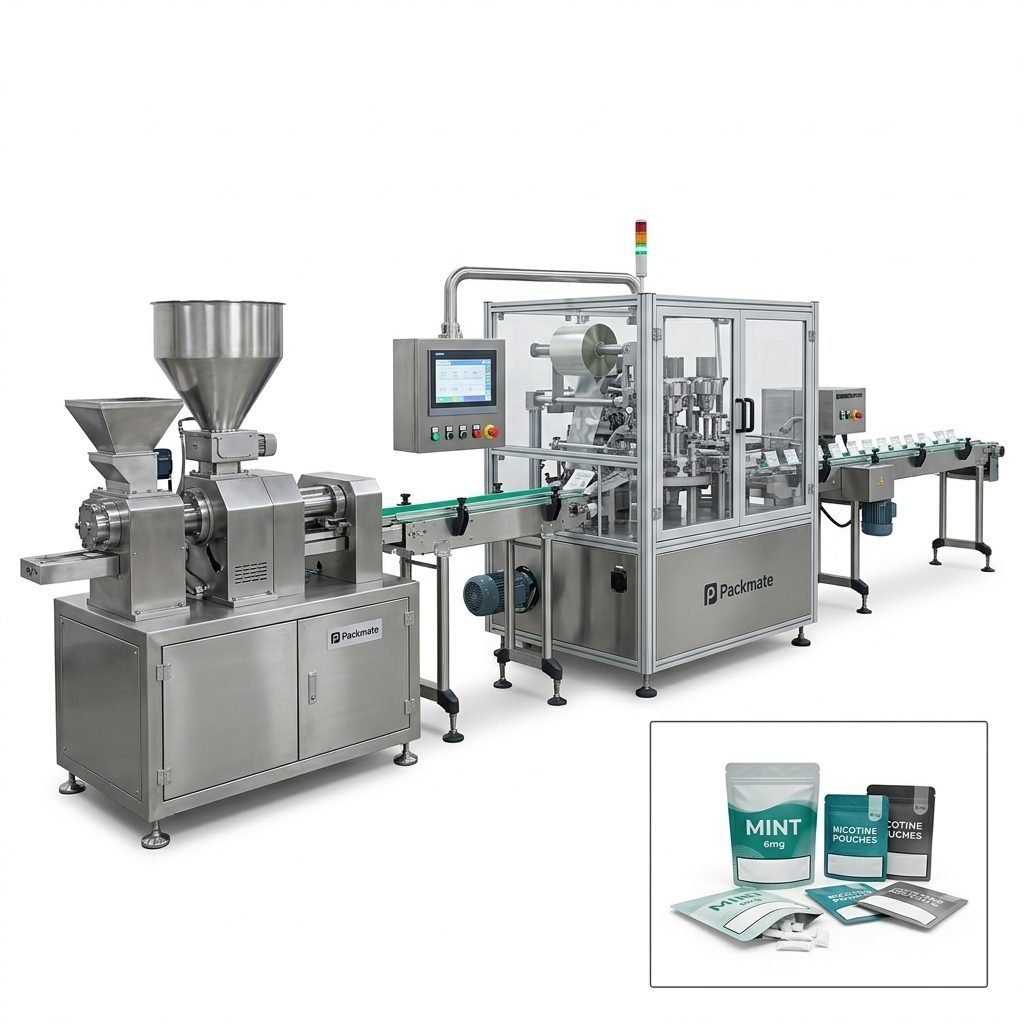
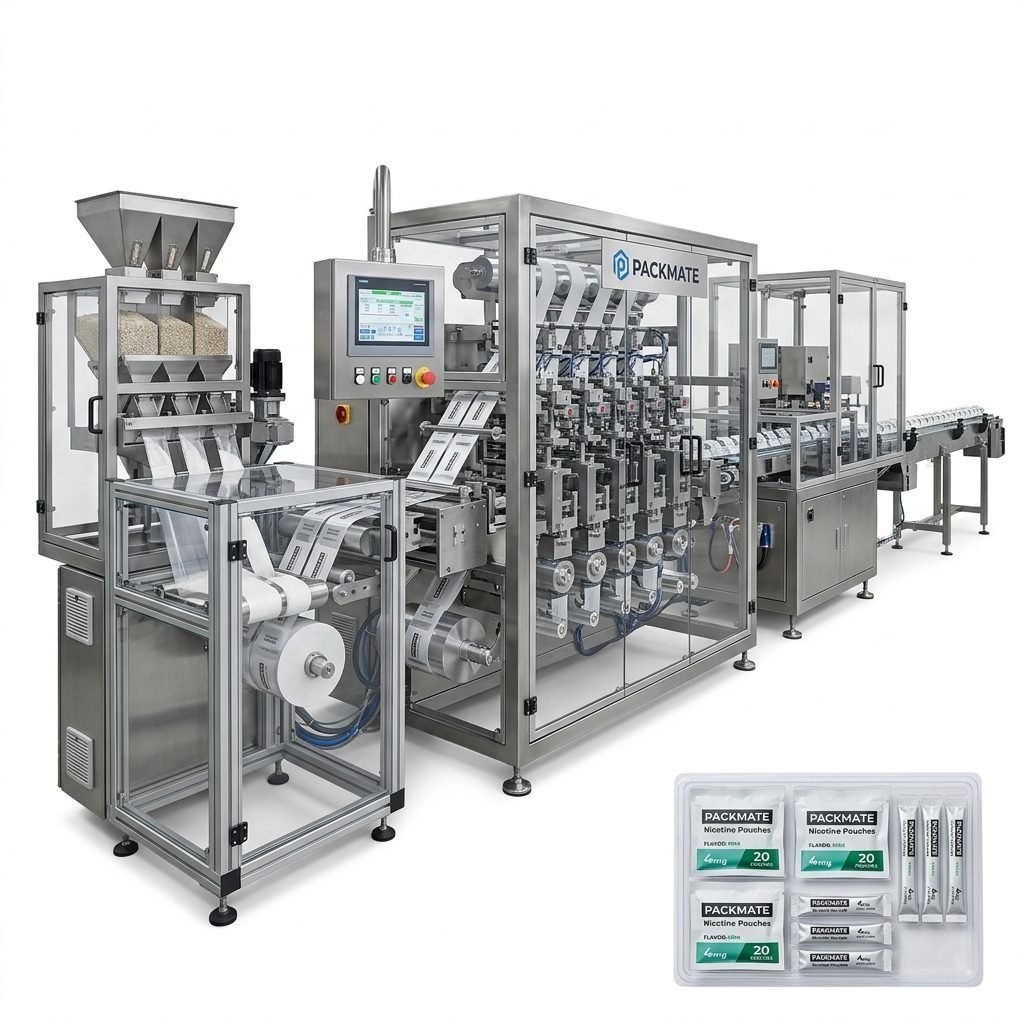
- Snus & Nicotine Packaging Machines — specialized pouch solutions for single-dose nicotine pouches (product examples).
- Bag & Pouch Packaging Machines — flexible for various pouch sizes (see models).
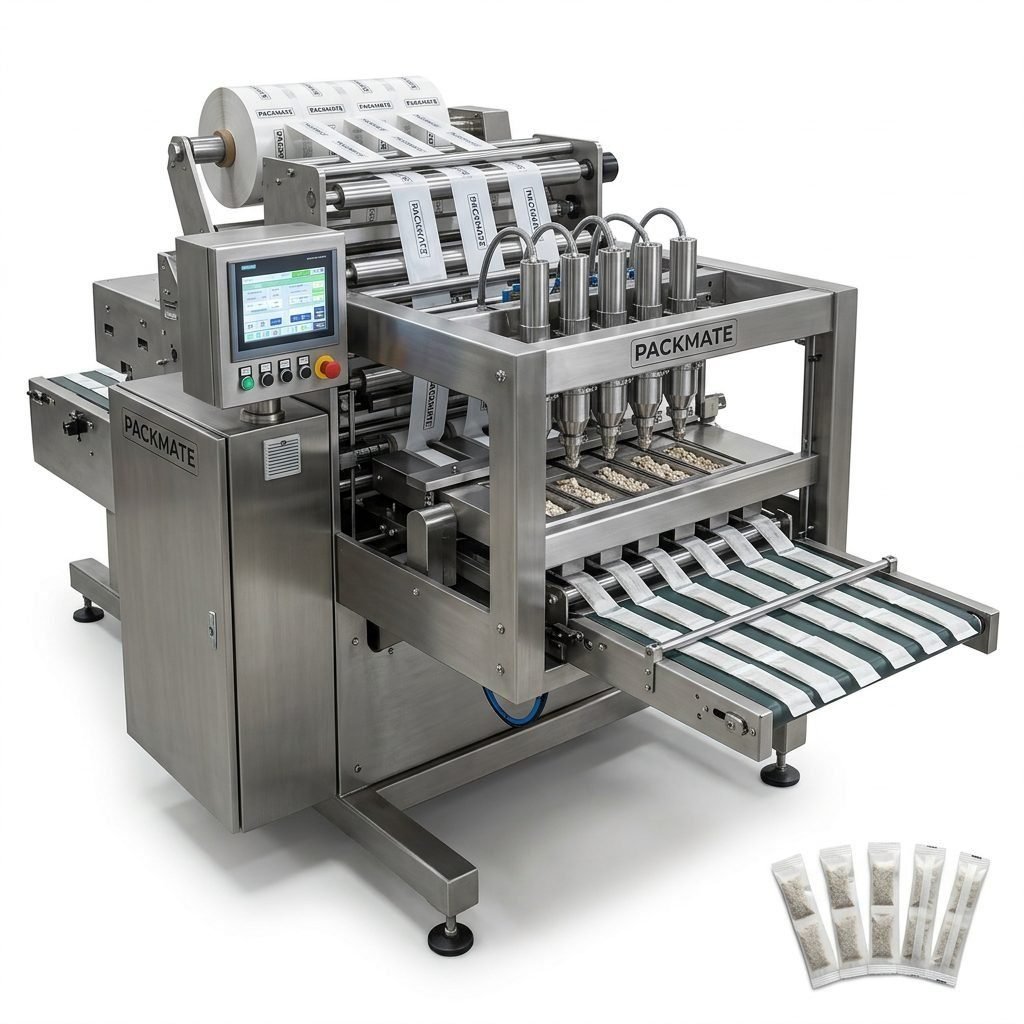
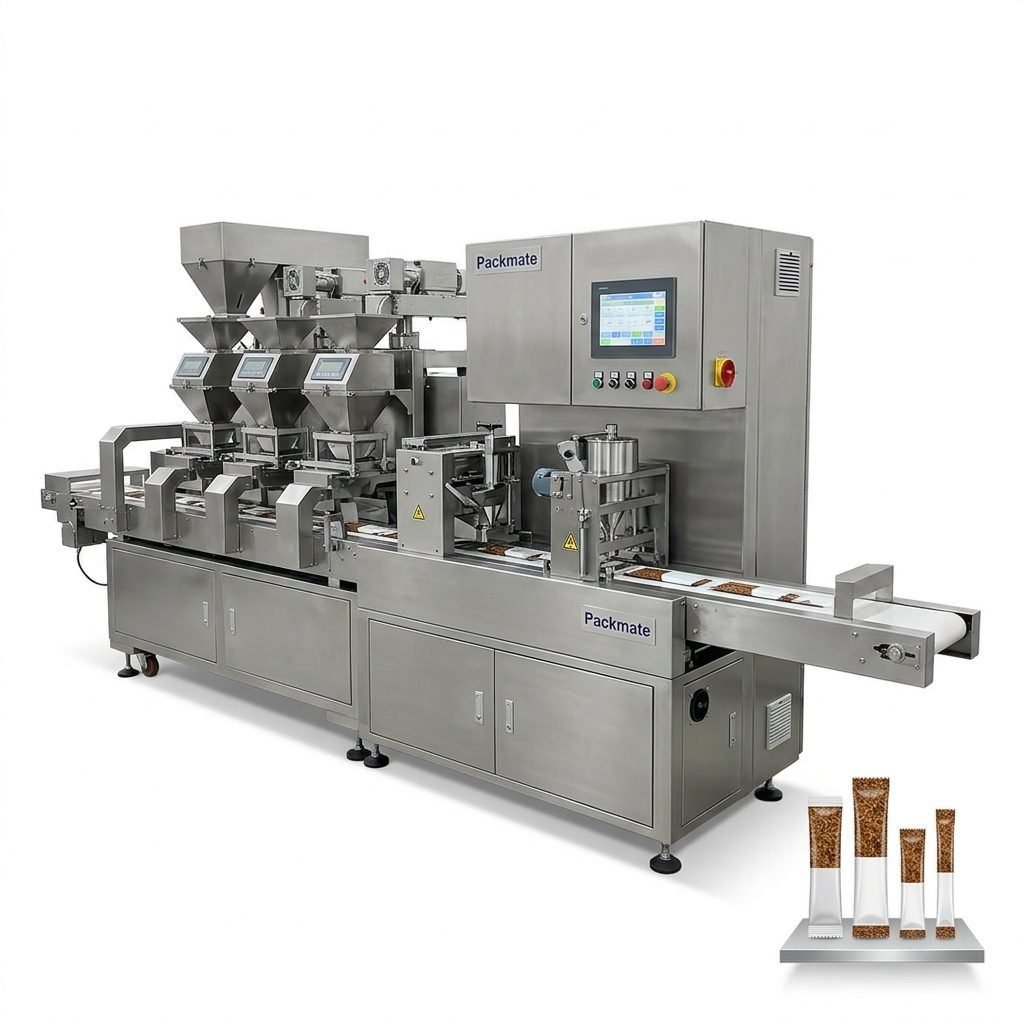
- Sachet & Stick Pack Machines — ideal for single-portion stick-style packages (details).
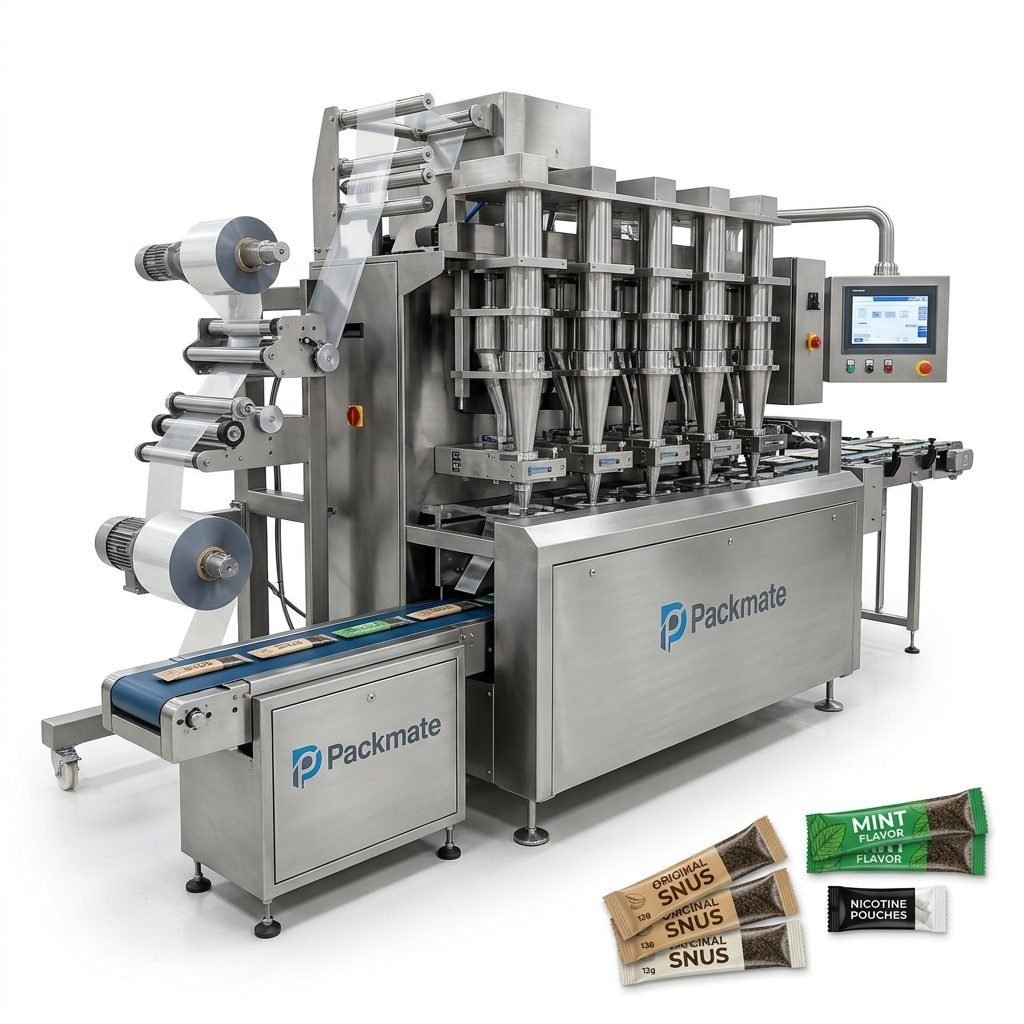
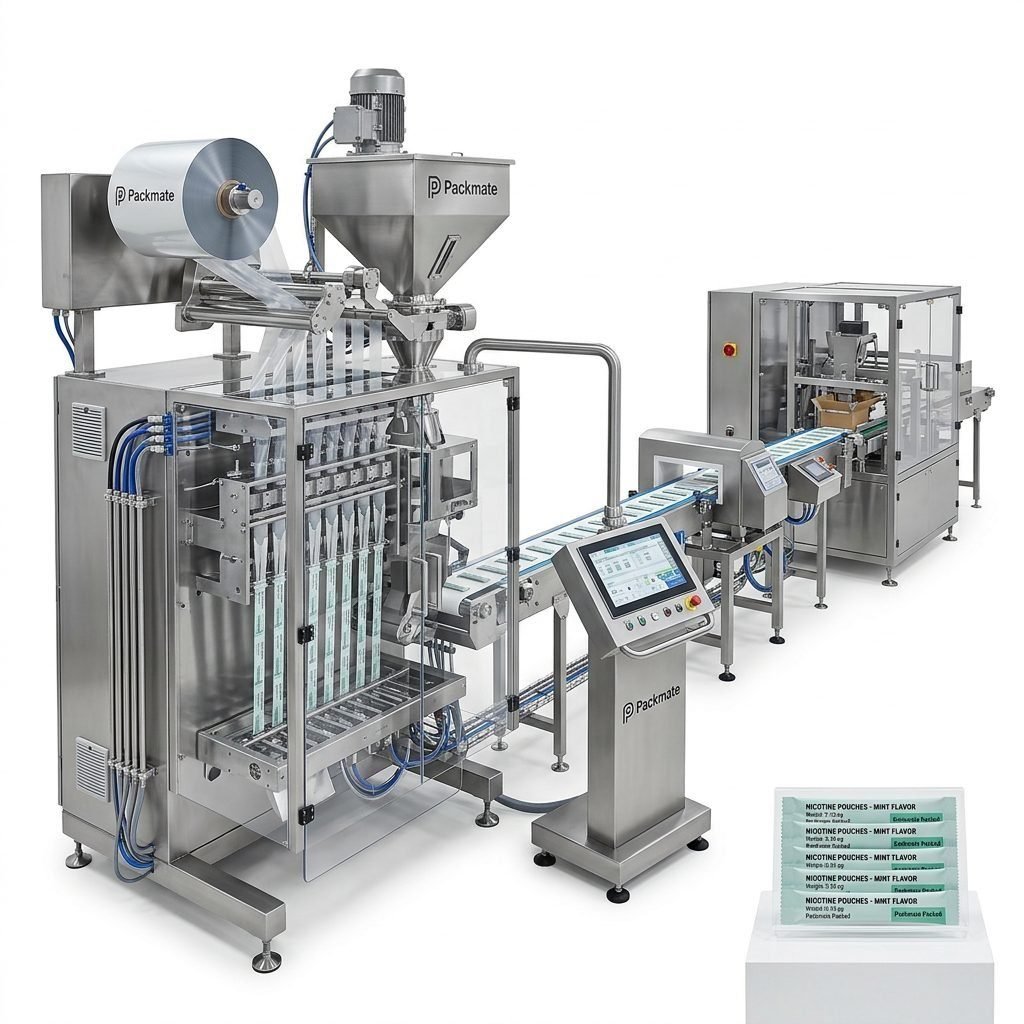
- Filling & Packaging Lines — integrated solutions for powders, granules, and liquids (integrated lines).
Step 2 — Evaluate Manufacturer Capabilities
When comparing suppliers, investigate engineering depth, certifications, factory scale, and proven cases. A strong candidate will present:
🔧 Over 20,000㎡ factory with advanced CNC and precision assembly lines — this demonstrates manufacturing capacity and repeatability.
📜 International certifications (CE, ISO) that simplify customs clearance and regulatory approval for equipment importation.
📁 Documented case studies across regions (Europe, Asia, the Americas) showing experience with snus and nicotine pouch lines; request references.
For example, suppliers like Packmate list decades of engineering experience, 50+ machine models, and turnkey solutions — all important when you need a single partner to deliver machines, spare parts, and commissioning support.
Checklist: Ask the manufacturer
- Factory photos, production capacity, and lead times.
- Spare-parts policy, local stocking options, and typical shipment times to East Africa.
- Remote diagnostics, training services, and availability of English-speaking engineers.
- Evidence of handling nicotine-related products and packaging formats similar to yours.
Step 3 — Verify Quality, Safety and Documentation
Quality certificates like CE and ISO ease regulatory issues and demonstrate compliance with safety standards. Also confirm the supplier provides:
✅ Detailed machine manuals in English and, if possible, local-language summaries for operators.
✅ Test reports and FAT (Factory Acceptance Test) videos showing performance at specified speeds and with your materials.
✅ Packing lists, certificates of origin, and compliance documents to expedite customs clearance in South Sudan.
Step 4 — Logistics, Shipping and Import Clearance
Shipping heavy machinery to South Sudan often requires routing through Mombasa (Kenya) or Entebbe (Uganda), then onward trucking to Juba. Work with suppliers who can:
- Offer clear incoterms (FOB/CIF) and handle export documentation.
- Coordinate with trusted local freight forwarders and customs brokers familiar with South Sudan procedures.
- Provide crate/packing specs to ensure safe inland transport on rough roads.
Step 5 — After-Sales, Training and Local Support
For operations in South Sudan, after-sales support is a critical decision factor. Opt for manufacturers that provide:
📞 Remote commissioning assistance and live video troubleshooting for quick fixes.
🧰 Spare-parts kits included with shipments or an agreement for regional stocking.
👨🏫 On-site training sessions for operators and maintenance staff, provided in English and adapted to local skill levels.
Commercial Terms & Protecting Your Investment
Negotiate payment terms (deposit + final payment after FAT), warranties, and performance guarantees. Consider payment methods accepted by the supplier and how dispute resolution will be handled. For machinery exported to South Sudan:
- Request a clear warranty period and define what constitutes parts vs. wear items.
- Ask about spare-parts delivery times to Juba and any recommended stocking levels.
- Confirm the supplier’s insurance for transport damage and responsibilities under agreed incoterms.
Technical Tips: Make Machines Work in Challenging Conditions
South Sudan’s climate and infrastructure require machines designed for rugged operation. When specifying machines, ask for:
⚙️ Robust electrical protection (surge suppressors, adjustable voltage tolerance).
🔩 Corrosion-resistant materials and protective coatings for dusty or humid environments.
🔌 Clear specs for power consumption and recommended generator capacity if grid power is unstable.
Selecting the Right Packaging Materials and Consumables
Choose packaging films and pouches that are compatible with machine sealing heads and local supply chains. Many suppliers provide validated film specs and can recommend material suppliers. If you aim to export from South Sudan, select materials that meet destination-country regulations.
Consider sustainability options and local perceptions: in South Sudan, affordability and durability matter most, but there is growing regional interest in recyclable and compliant packaging.
How to Work with Packmate and Similar Suppliers
When engaging with an experienced supplier such as Packmate, follow this workflow:
- Share product specs and desired capacity; request model recommendations and preliminary quotes.
- Agree on FAT criteria; request demo videos with your materials where possible.
- Confirm lead times, spare-part kit contents, and training schedule for on-site commissioning.
Explore supplier information and machine families on their site: About Packmate, product ranges like weighing & packaging systems, and view real-world case studies in the Case section to validate performance claims.
Final Buyer Tips
🔎 Do a small pilot order to validate machine performance and packaging quality before scaling.
🤝 Prioritize long-term service agreements over minimal initial cost — uptime matters in remote operations.
📅 Schedule preventive maintenance training and secure an annual parts list to reduce downtime.
Conclusion
Selecting the best nicotine packaging machine manufacturer for South Sudan is a process of matching technical performance to local realities: reliable, CET/ISO-certified equipment, responsive spare-parts supply, remote/onsite support, and logistical competence. A qualified supplier will support you from specification to commissioning and beyond — ensuring your snus or nicotine pouch production line runs smoothly in the challenging but opportunity-rich context of South Sudan.
Frequently Asked Questions
Q1: What certifications should I insist on for machines imported to South Sudan?
A1: Ask for CE and ISO certificates, as they simplify customs and insurance, and request detailed equipment documentation and packing lists for smoother clearance in Juba.
Q2: How can I ensure spare parts arrive quickly in South Sudan?
A2: Negotiate regional warehousing or priority shipping with the manufacturer, keep a local stock of wear parts, and use express freight for critical items.
Q3: Is remote commissioning effective for complex packaging lines?
A3: Yes — many suppliers offer live video-guided commissioning and remote diagnostics. However, plan at least one on-site visit for final adjustments and operator training.
Q4: Which machine type is best if I want to produce multiple pouch styles?
A4: Choose modular bag & pouch systems or multi-lane snus machines that allow format changeover; confirm changeover times and tool kits before purchase.
Q5: Where can I find reliable examples and product specifications from reputable manufacturers?
A5: Review supplier product pages and case studies — for instance, explore Packmate’s product collections and cases to compare machine types and real-world deployments: Auxiliary Equipment, Exhibitions.