Afghanistan’s nascent nicotine pouch and snus market demands careful selection of packaging machinery. Choosing the right equipment affects product quality, regulatory compliance, and long-term profitability. This guide walks buyers through technical choices, local operational realities, supplier selection, and after-sales considerations — tailored to Afghanistan’s market characteristics and business environment.
Market Snapshot & Local Considerations
Afghanistan is characterized by a mix of small independent retailers, traditional bazaars, and growing urban convenience-store networks. Consumers often prefer discreet, small-dose products and packaging that withstands hot, dry climate conditions. Import channels may be complex and subject to customs scrutiny, so machines with low import risk, CE/ISO documentation and reliable technical papers can ease clearance.
📌 Local tip: Labeling in Dari and Pashto, plus clear ingredient information, improves acceptance among rural and urban consumers. Also verify local restrictions on nicotine products and prepare for varying enforcement across provinces.
Popular Product Formats to Target
Manufacturers typically produce multiple packaging formats. In Afghanistan, the most sellable formats are:
– 🔸 Single-dose pouches (discreet, pocket-friendly)
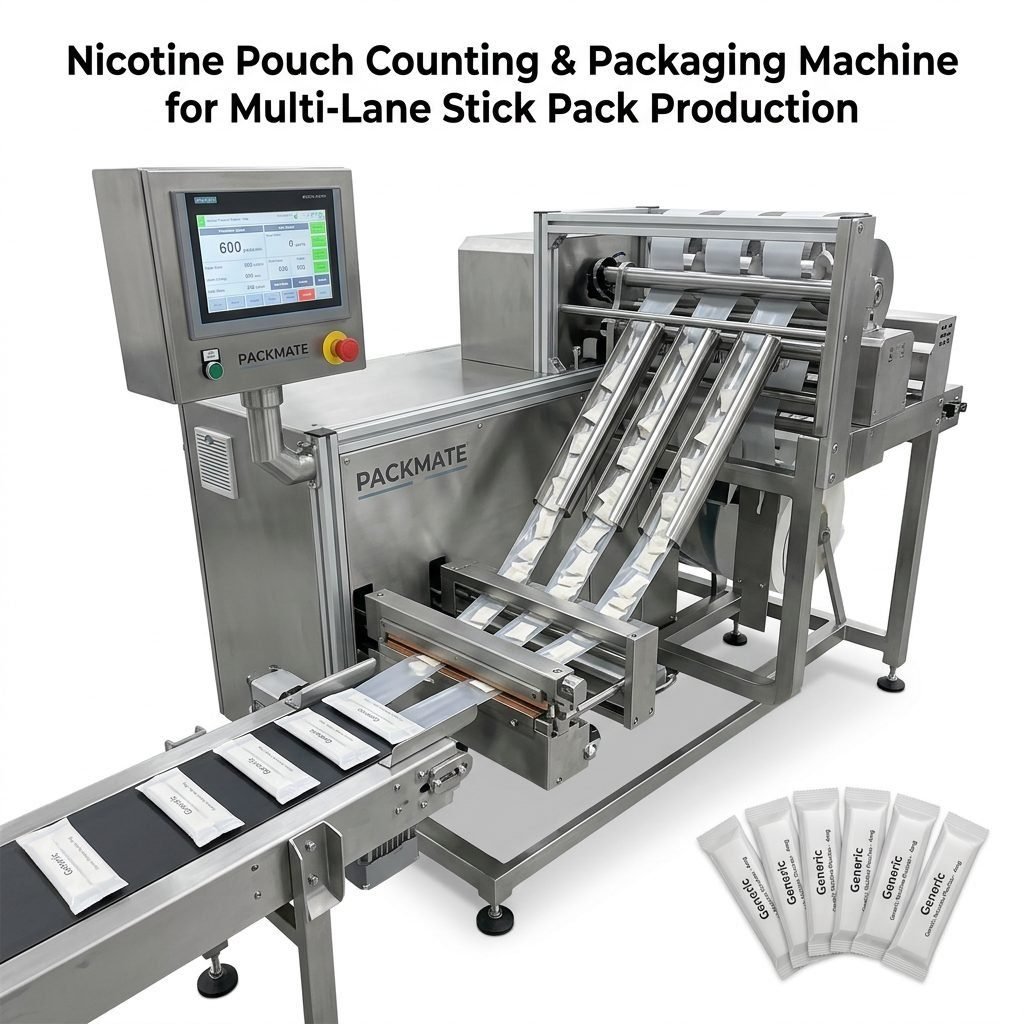
– 🔸 Multi-pouch sachets or stick packs for bundle offers
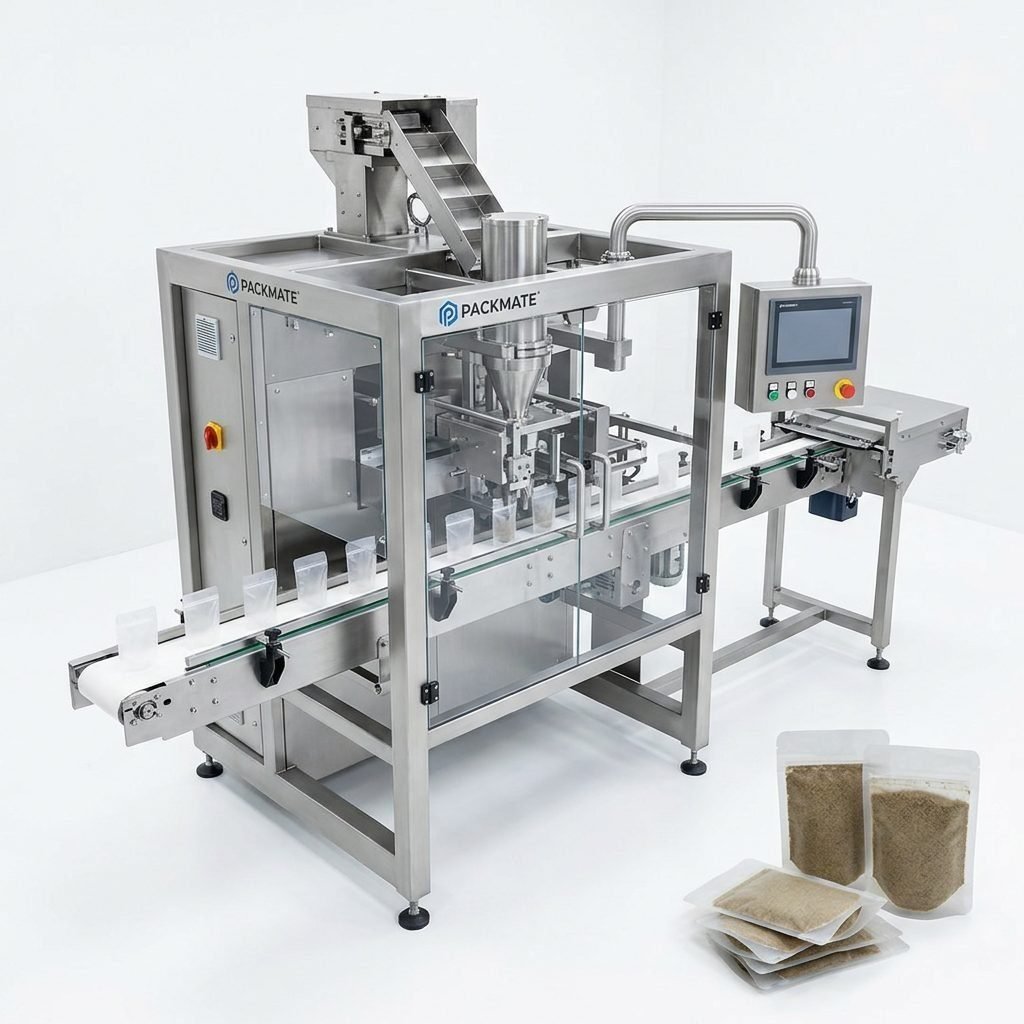
Choose machines that handle a range of pouch sizes and materials such as coated paper, polyethylene, or foil laminates to ensure moisture protection in arid climates.
Key Machine Types and When to Use Them
There are distinct packaging platforms to consider based on production goals:
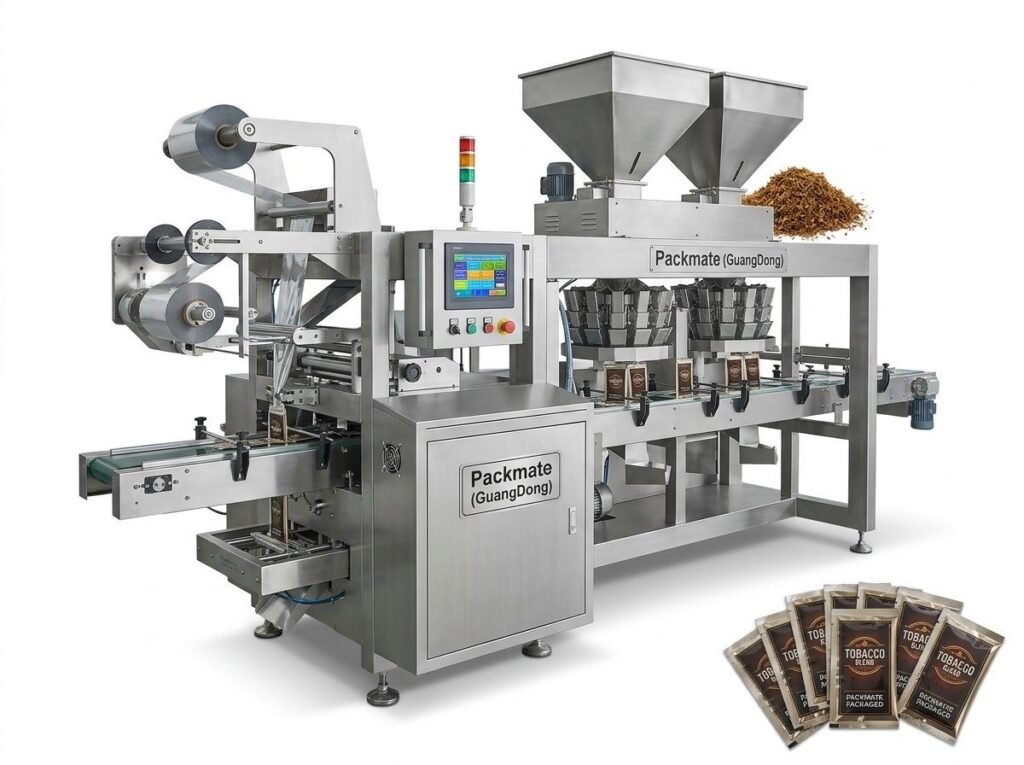
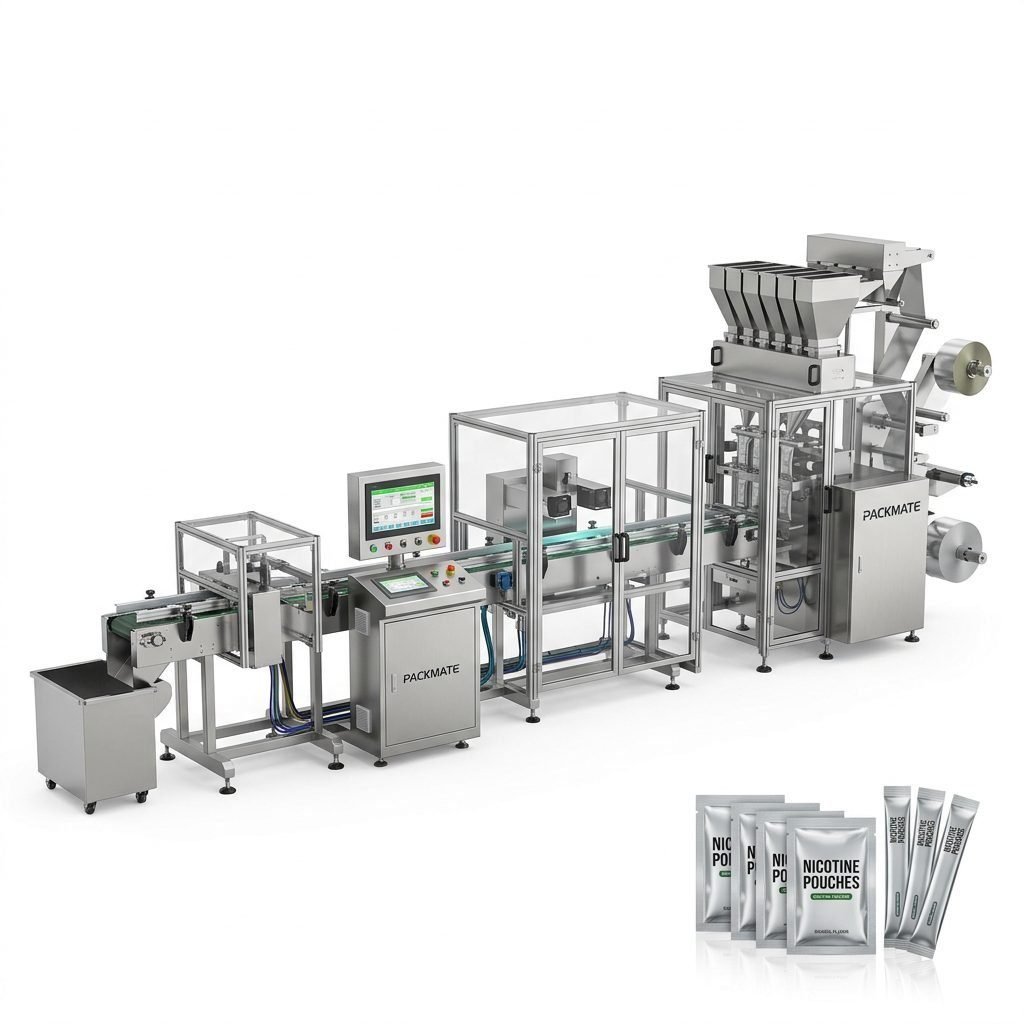
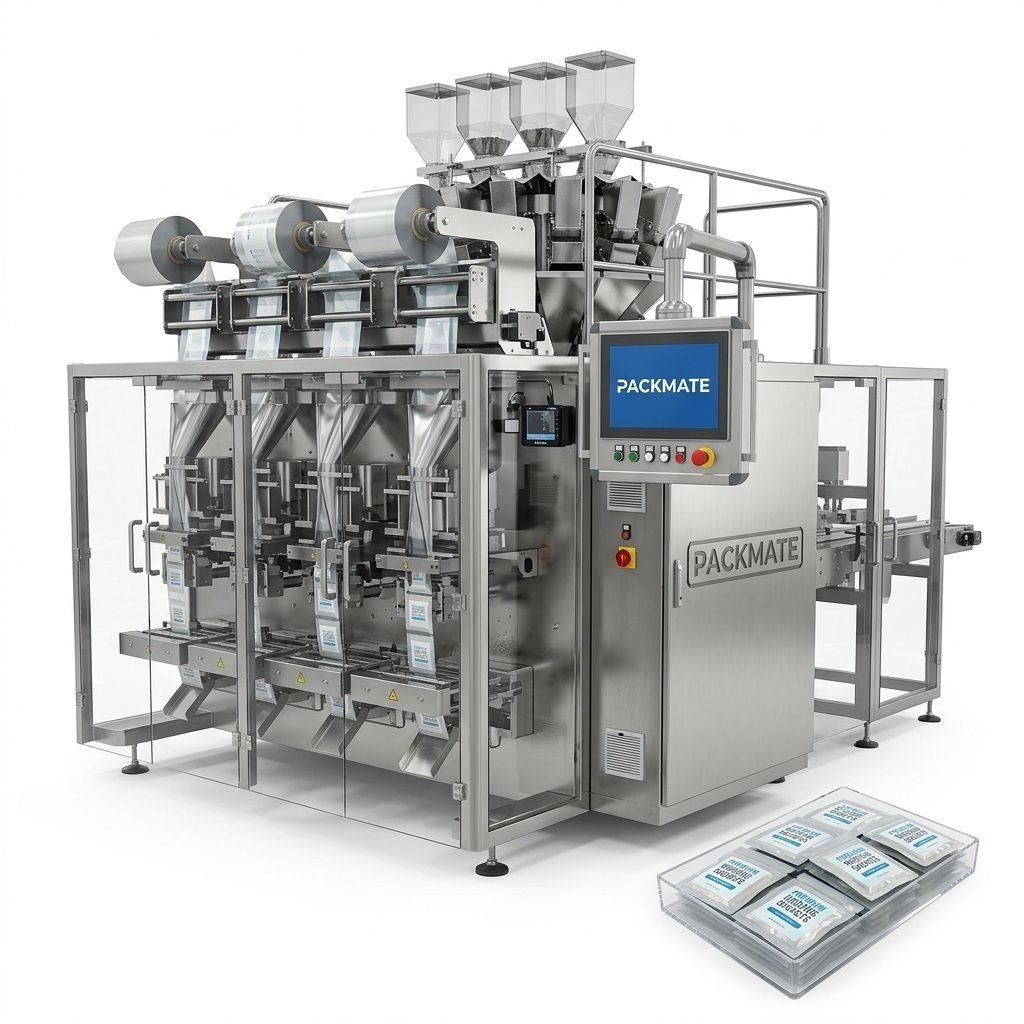
1. High-speed Multi-lane Snus/Nicotine Pouch Lines
These systems are ideal for medium-to-large operations targeting supermarkets and export. Multi-lane lines maximize throughput while keeping footprint moderate. Look for models with synchronized multi-lane dosing, consistent pouch formation, and modularity to scale lanes up or down.
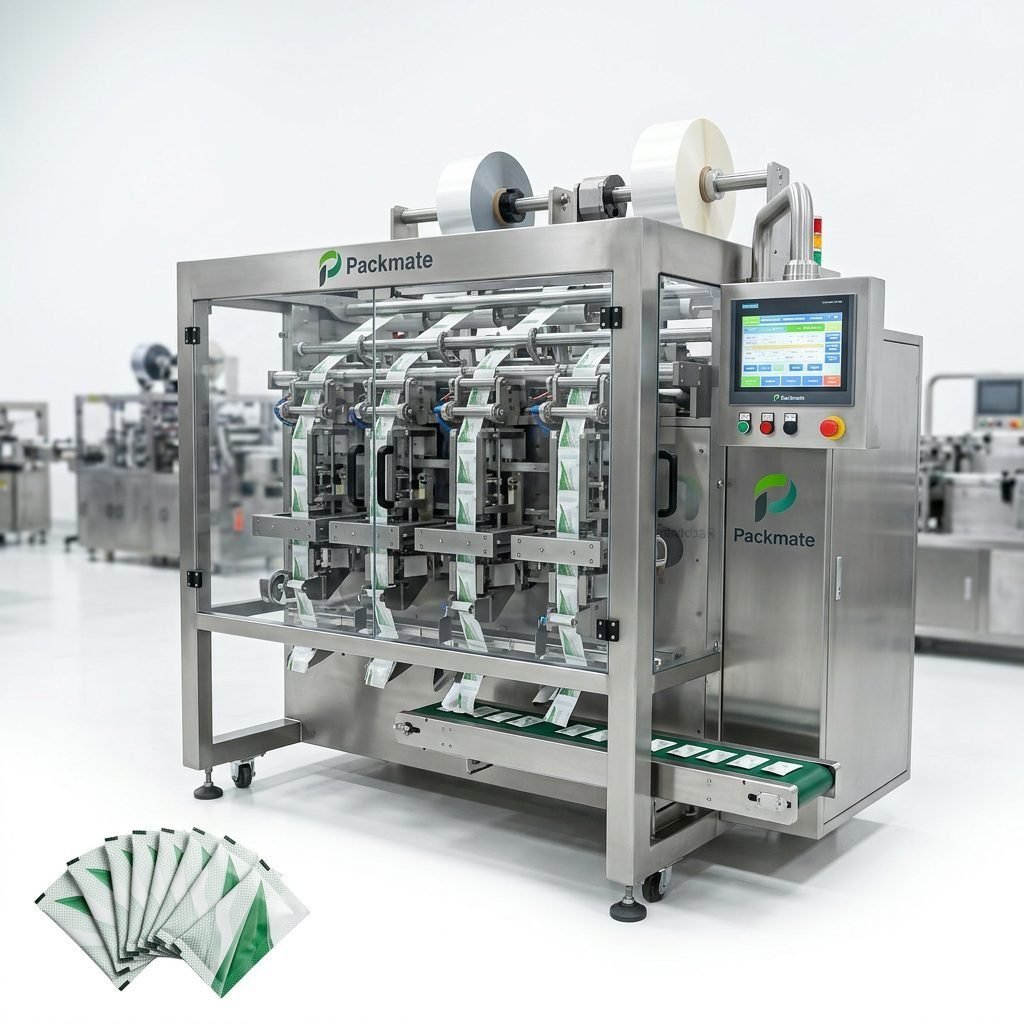
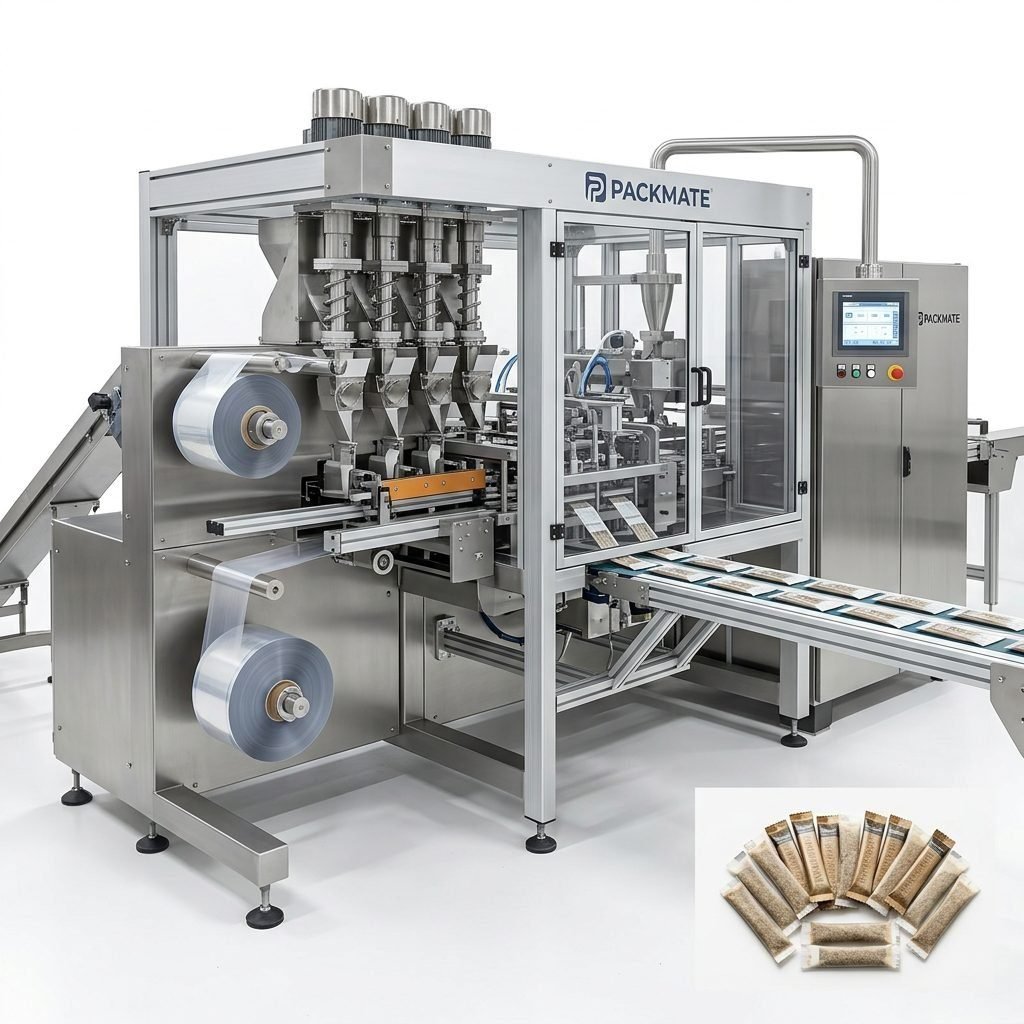
2. Single-lane Sachet & Stick Pack Machines
Best for startups or small-batch manufacturers. These units are flexible for promotional runs and easier to maintain locally. They often require lower capital and can be upgraded with automated feeders as demand grows.
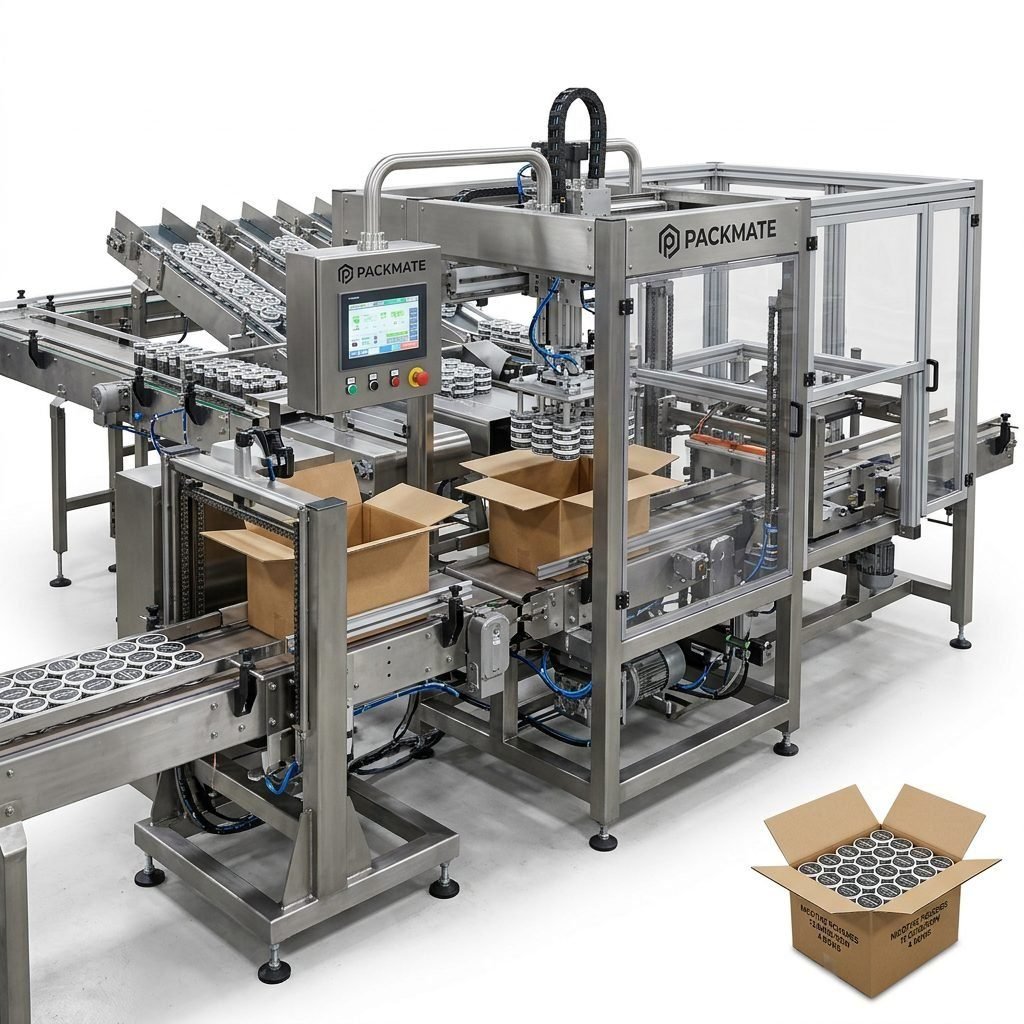
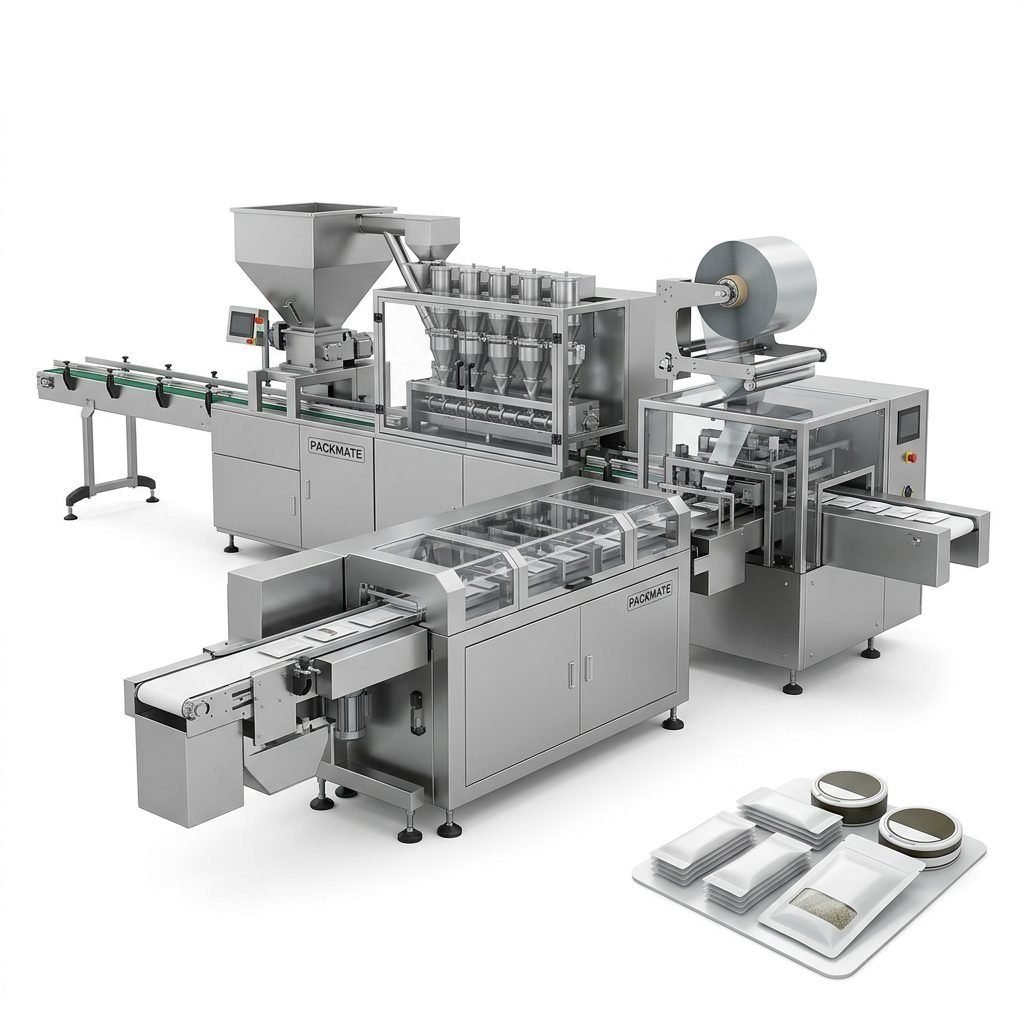
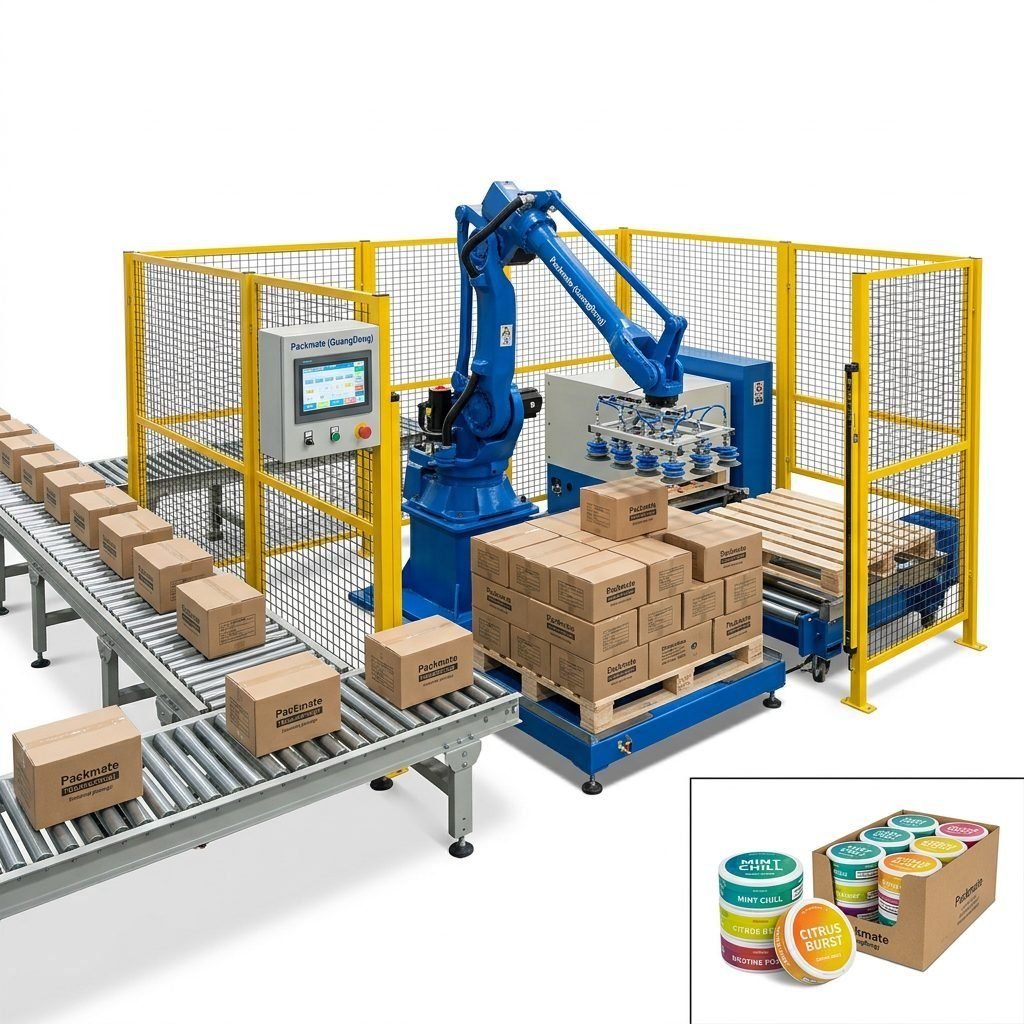
3. Integrated Filling & Packaging Lines
For operations aiming to reduce manual handling and contamination risk, integrated lines that combine dosing, filling, sealing, and secondary packaging are recommended. These systems support traceability and consistent dosing for regulated markets.
For detailed equipment options, review specialized product families such as Snus & Nicotine Packaging Machines and Filling & Packaging Lines.
Technical Specifications That Matter
When comparing suppliers and models, focus on these technical parameters:
⚙️ Throughput (pouches/min): Choose a speed that aligns with target sales channels. Over-specifying increases cost without immediate ROI.
⚙️ Filling accuracy: Tolerance matters for nicotine dosing; ±2-3% is typical for high-quality machines.
⚙️ Material compatibility: Confirm compatibility with laminates, foils, and biodegradable films if you plan eco-friendly SKUs.
Operational Resilience — Power & Maintenance
In markets like Afghanistan, inconsistent grid power and limited spare-parts logistics require robust, low-maintenance machinery. Prioritize machines with:
– ✅ Simple electrical architecture and ability to run from stable inverters or generators
– ✅ Easily replaceable wear parts that can be stocked locally
Quality, Safety & Compliance
International certifications (CE, ISO) signal that equipment meets global safety and manufacturing standards. Machines built with GMP-friendly stainless steel and minimal crevices reduce contamination risk — valuable when producing consumable nicotine products. Suppliers that provide IQ/OQ/PQ documentation simplify validation for authorities and buyers.
Learn how reputable manufacturers present certifications and service offerings on their company pages, for instance on the About Packmate and Certificate pages.
Selecting a Supplier — Checklist
Use this practical checklist during supplier evaluation:
📋 Documentation: CE/ISO certificates, technical drawings, spare-parts list, electrical schematics.
🤝 Local support: Availability of technicians, training plans, and remote support experience.
🔄 Modularity: Ability to upgrade lanes, add feeders, or switch pouch formats later.
📦 Lead time & shipping: Realistic delivery timelines and packaging that withstands long transit overland to Afghanistan.
After-sales & Spare Parts
A reliable after-sales program reduces downtime. Verify spare-part kits for critical wear items, availability of consumables, and response times for technical queries. Supplier case studies and service pages, such as the manufacturer’s Service and Case pages, often reveal support strengths and real-world performance.
Installation, Training & Local Assembly
Proper installation, start-up calibration, and operator training are critical. Consider suppliers that provide:
– On-site commissioning and training tailored to local languages (Dari, Pashto, or English)
– Remote tuning and troubleshooting via video call when travel is restricted
Local Manufacturing & Customization Needs
Consider whether you need custom features like tamper-evident seals, multi-language printing, or child-resistant caps. A partner with customization capabilities and a broad product range — for example a manufacturer offering both snus machines and auxiliary equipment — reduces integration risk.
Review product categories and integration options at sources like Sachet & Stick Pack Machines and Auxiliary Packaging Equipment.
Total Cost of Ownership & ROI
Purchase price is only part of the equation. Factor in:
– Energy consumption and local fuel/inverter costs
– Spare parts and shipping time to Afghanistan
– Downtime risk and availability of trained operators
💡 Finance tip: Some suppliers offer staged payments or leasing for equipment. Compare total delivered cost and warranty coverage before signing.
Why Choose an Experienced Manufacturer
Experienced suppliers bring mature designs, reliable components, and support networks. A manufacturer with decades of industry knowledge often supplies turnkey lines, extensive model ranges, and global references — enabling faster setup and fewer integration issues. To explore a supplier with proven history in snus packaging, view the company profile and product range of Packmate on their About Packmate and product pages.
Practical Buying Roadmap
Follow these steps to select the right machine for Afghanistan:
1. Define product SKUs (pouch size, material, dosing).
2. Estimate realistic monthly volumes (include growth scenarios).
3. Shortlist suppliers with documented certifications and local support capability.
4. Request references and video/virtual demos to confirm performance.
5. Confirm spare part lists, commissioning timelines, and training language options.
Making the Final Decision
Prioritize machines that balance reliability, ease of maintenance, and proven dosing accuracy. If you anticipate export or brand growth, invest in modular multi-lane systems that scale. Contact suppliers with a clear spec sheet to get comparable bids and service commitments — a step that shortens delivery and ensures smoother customs processing.
📞 If you need vendor contact channels, start with the manufacturer’s official Contact Us page to request quotations and technical datasheets.
Conclusion & Quick Recommendations
For Afghanistan buyers, choose packaging equipment that is rugged, easy to service, and compatible with local energy realities. Focus on dosing accuracy, material protection for arid climates, and suppliers that provide strong documentation and training. Modular lines and reputable manufacturers minimize long-term risk and improve product consistency.
FAQs
Q1: What paperwork should I request from the manufacturer?
A1: Request CE/ISO certificates, machine technical drawings, electrical schematics, spare-part lists, and IQ/OQ/PQ templates.
Q2: How do I ensure machines work with unreliable power?
A2: Choose machines with simple electrical systems, ability to run off inverters, and suppliers who can advise on generator/inverter sizing.
Q3: How many spare parts should I stock?
A3: At minimum stock wear parts for 3–6 months of production (seals, belts, bearings) and one set of critical electronics if practical.
Q4: Are multi-lane machines suitable for startups?
A4: Multi-lane is best when you forecast higher volumes. Startups often choose single-lane modular machines to reduce upfront investment.
Q5: Where can I see real machine examples and cases?
A5: Review manufacturer case studies and product lines such as the Weighing & Packaging Systems pages for integrated solutions and real-world references.