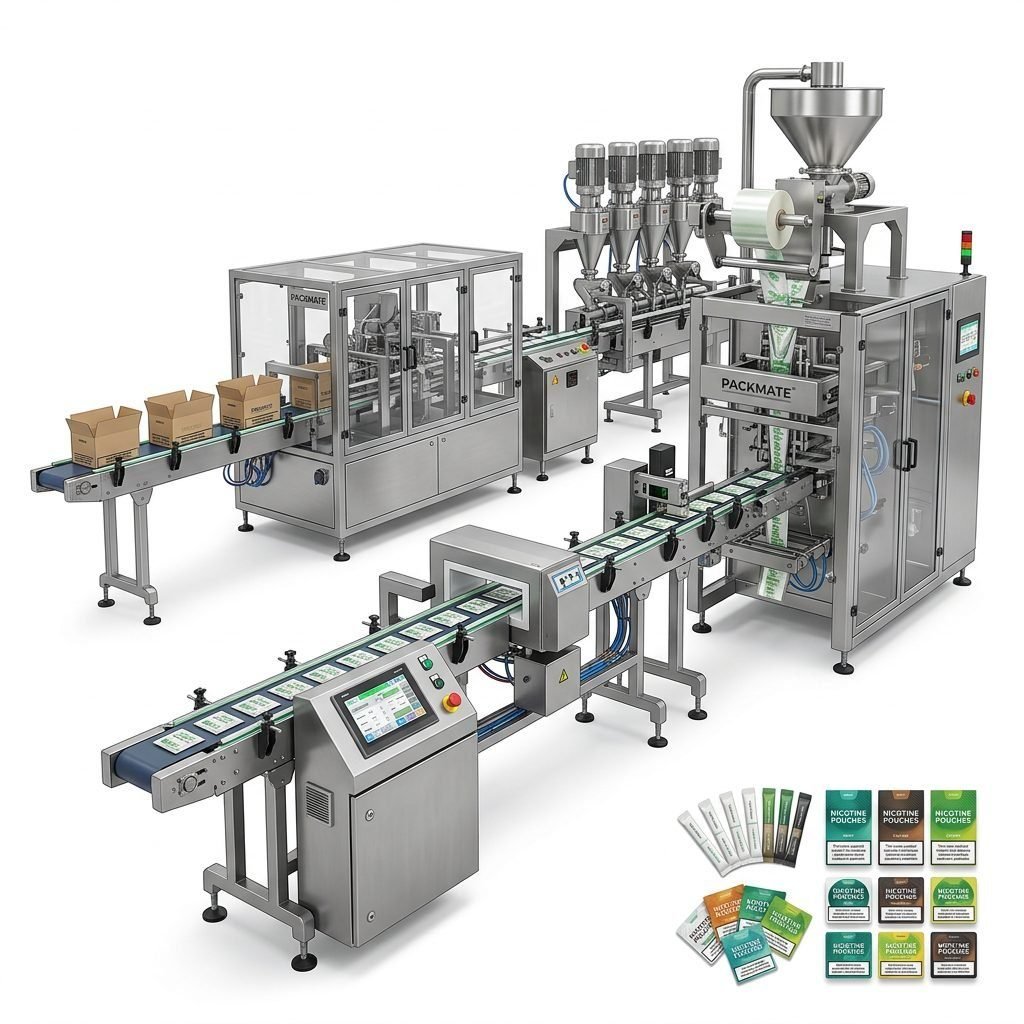
Choosing the right nicotine packaging machine in Sri Lanka requires a careful balance of technical needs, regulatory awareness, local market habits, and long-term service considerations. This guide walks you through the full buying process — from identifying the right machine type and throughput to key features that improve product quality, handle Sri Lanka’s climate, and comply with labeling languages and import rules. Whether you are a start-up producing small-batch nicotine pouches or an established factory scaling to multi-lane lines, these practical checkpoints will help you select the most suitable solution.
Understand the Sri Lankan market and local habits
Sri Lanka has a unique consumer landscape: while traditional tobacco products remain prevalent, demand for discreet nicotine alternatives and modern pouches is growing, especially among urban populations. Consumers often prefer compact, single-use sachets and small pouch formats that fit easily into pockets. Also, packaging that respects local cultural sensibilities — conservative colors, clear labeling in English and Sinhala/Tamil, and hygienic appearance — improves market acceptance. When selecting a machine, consider the preferred pack sizes (single pouch, multi-pouch satchels, stick packs), labeling language options, and the need for tamper-evident or child-resistant features.
Regulations and labeling (local considerations)
Ensure your equipment can support regulatory requirements: space for multilingual labels (Sinhala, Tamil, English), batch/lot coding, and variable date printing. Machines that integrate date coders, labelers, or inkjet systems reduce manual handling and help you meet packaging and traceability mandates. If you export to nearby markets, choose machines with flexible labeling modules to switch languages and regulatory messages quickly.
Step 1 — Define your product and production goals
Start by documenting:
- Product type: nicotine pouch, snus, stick pack, sachet, or pouch with moisture-sensitive content.
- Pouch size and materials: paper-laminated, foil, or biodegradable films.
- Target throughput: daily/weekly output and peak shift production.
- Quality targets: sealing integrity, pouch weight accuracy, appearance standards.
- Budget and expected ROI timeframe.
Why precise product definition matters
Machines are optimized for specific pouch types and materials. Choosing a machine that matches your pouch format avoids costly retrofits and ensures consistent sealing and dosing. If you plan diverse SKUs, favor modular solutions that allow quick changeovers.
Step 2 — Select the right machine type
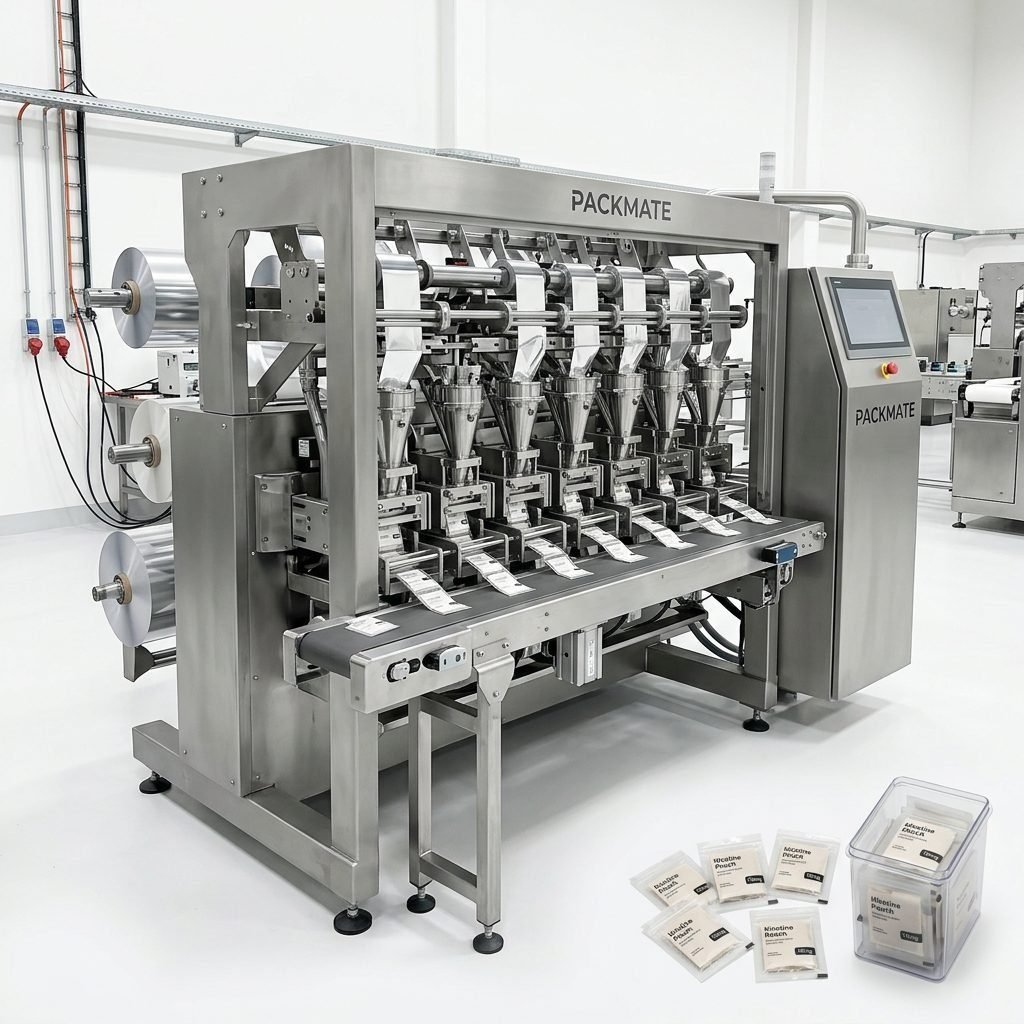
Common machine types for nicotine/snuspouch production:
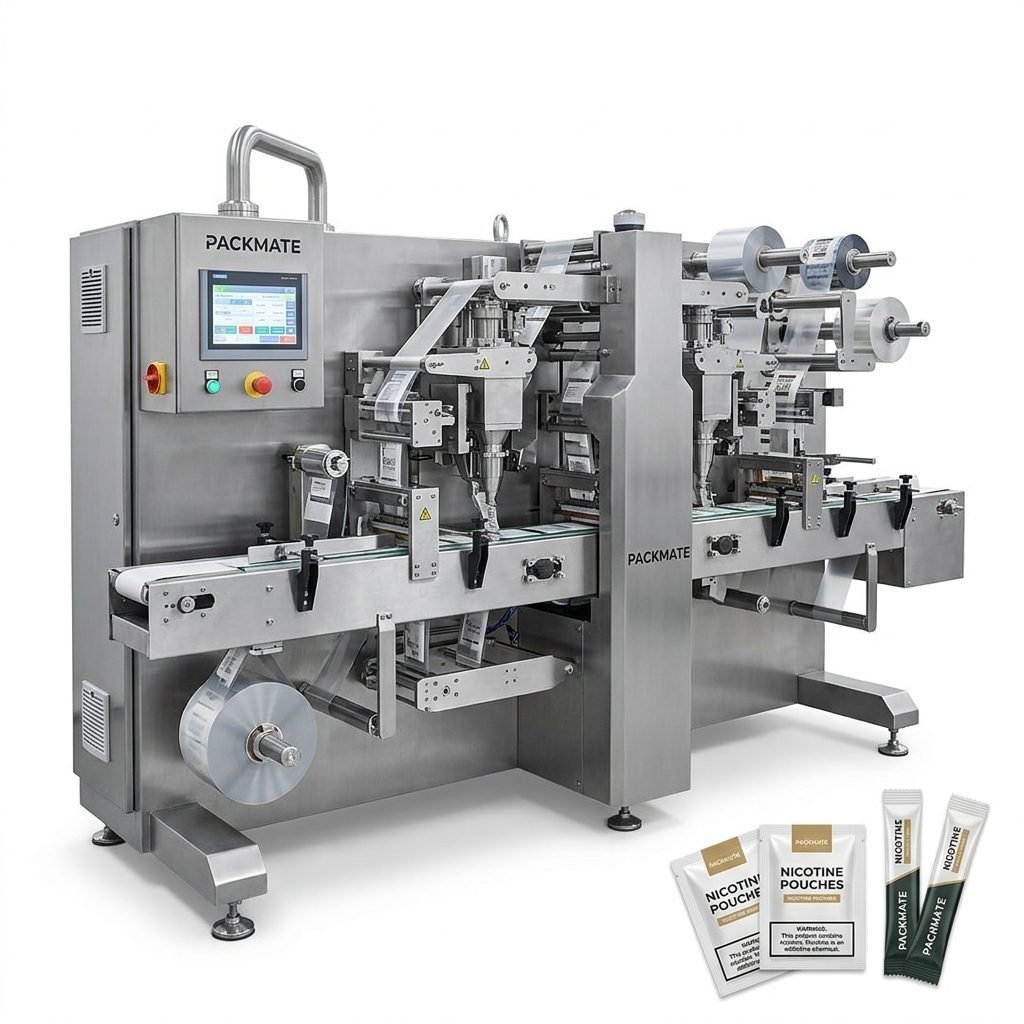
- Single-lane sachet machines — ideal for low-to-medium volumes, simple format changes.
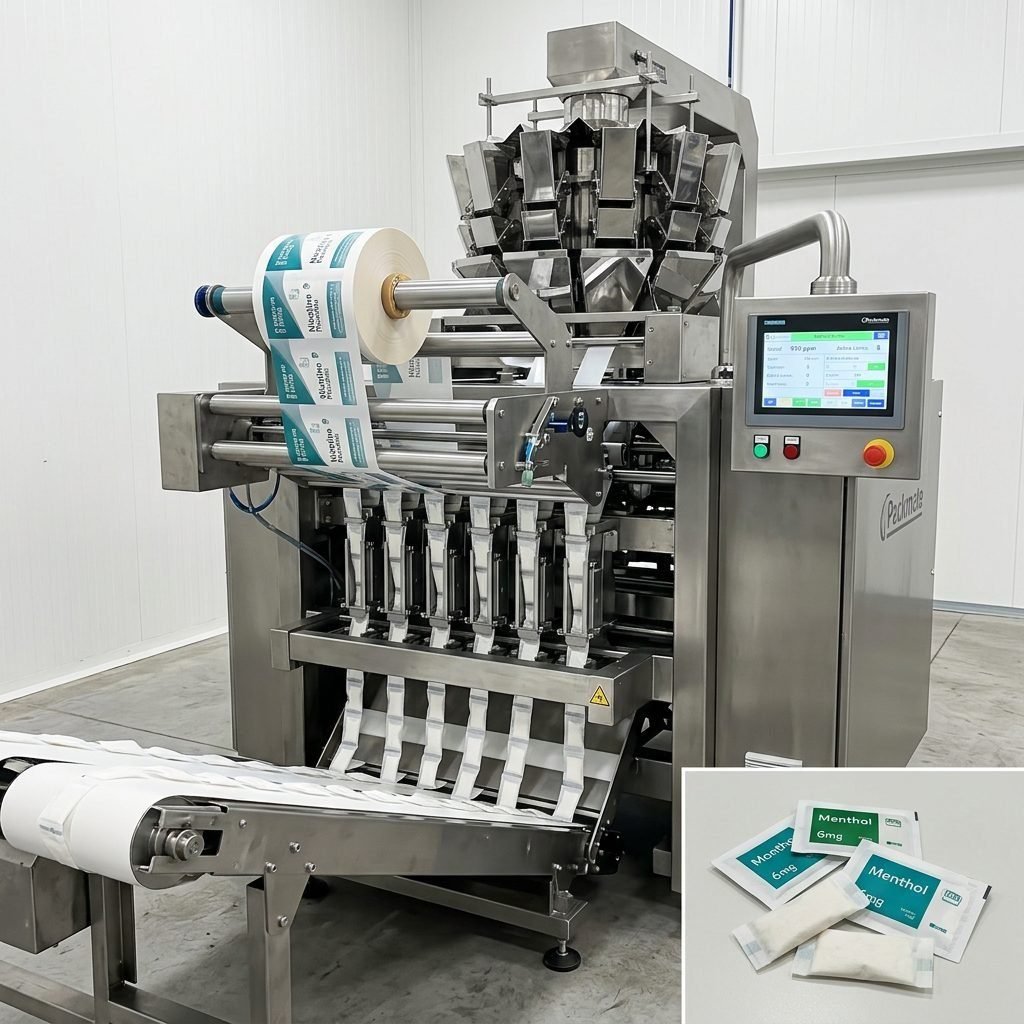
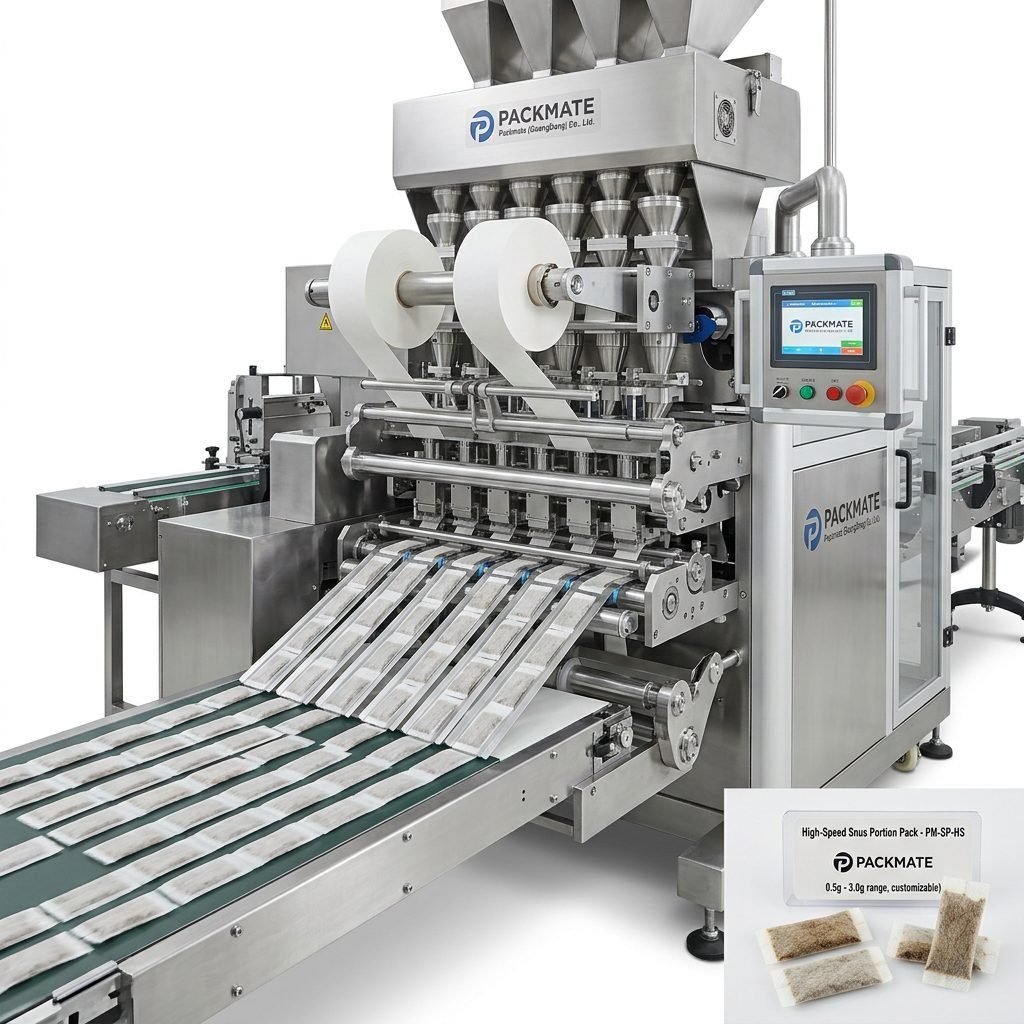
- Multi-lane pouch machines — high throughput for mass production, often used for small-dose snus pouches.
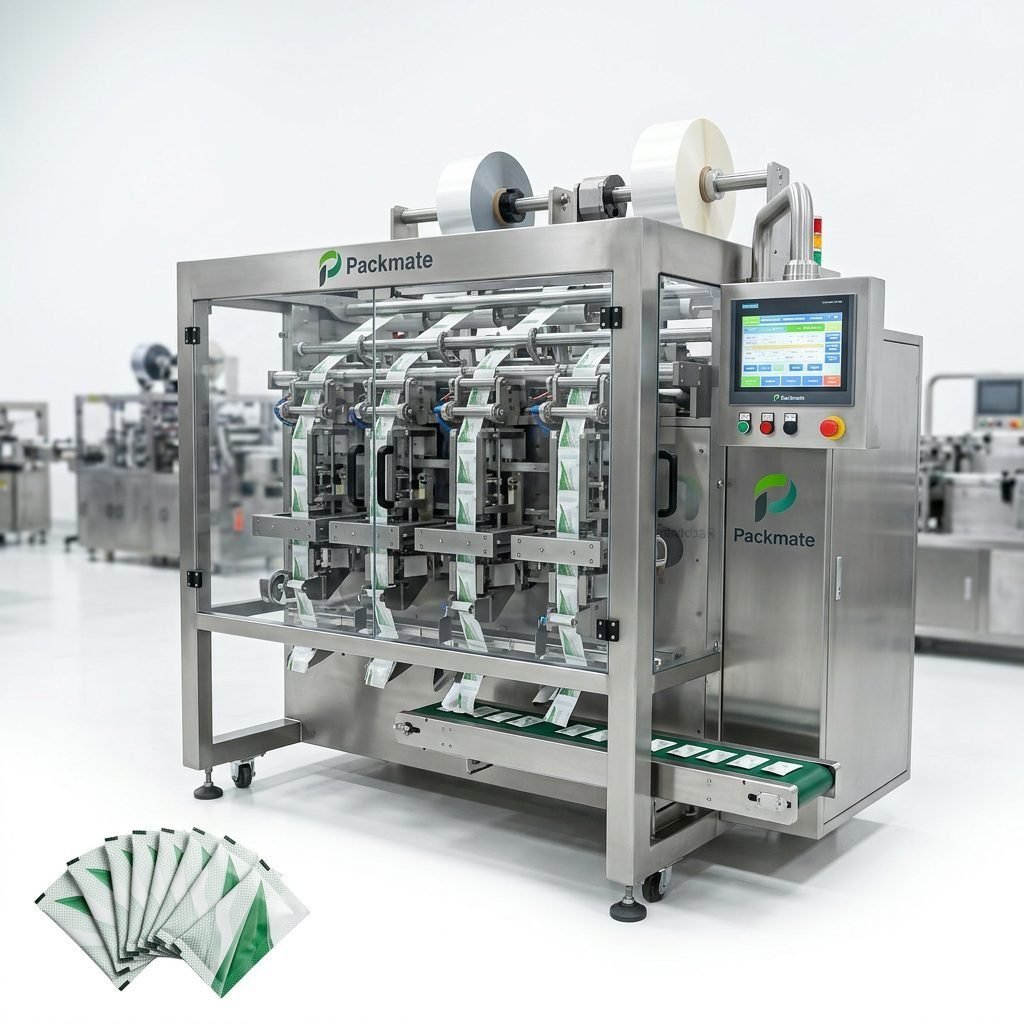
- Stick pack machines — for elongated single-serve formats.
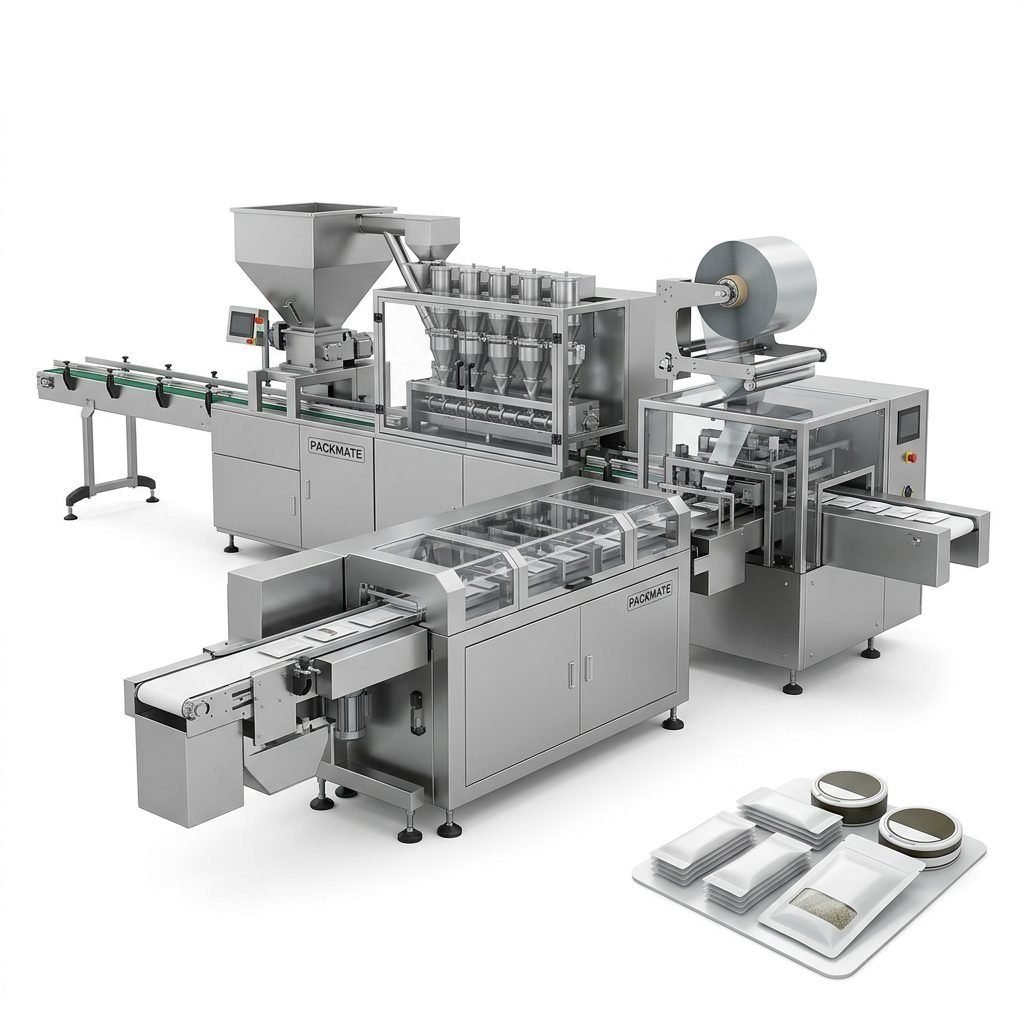
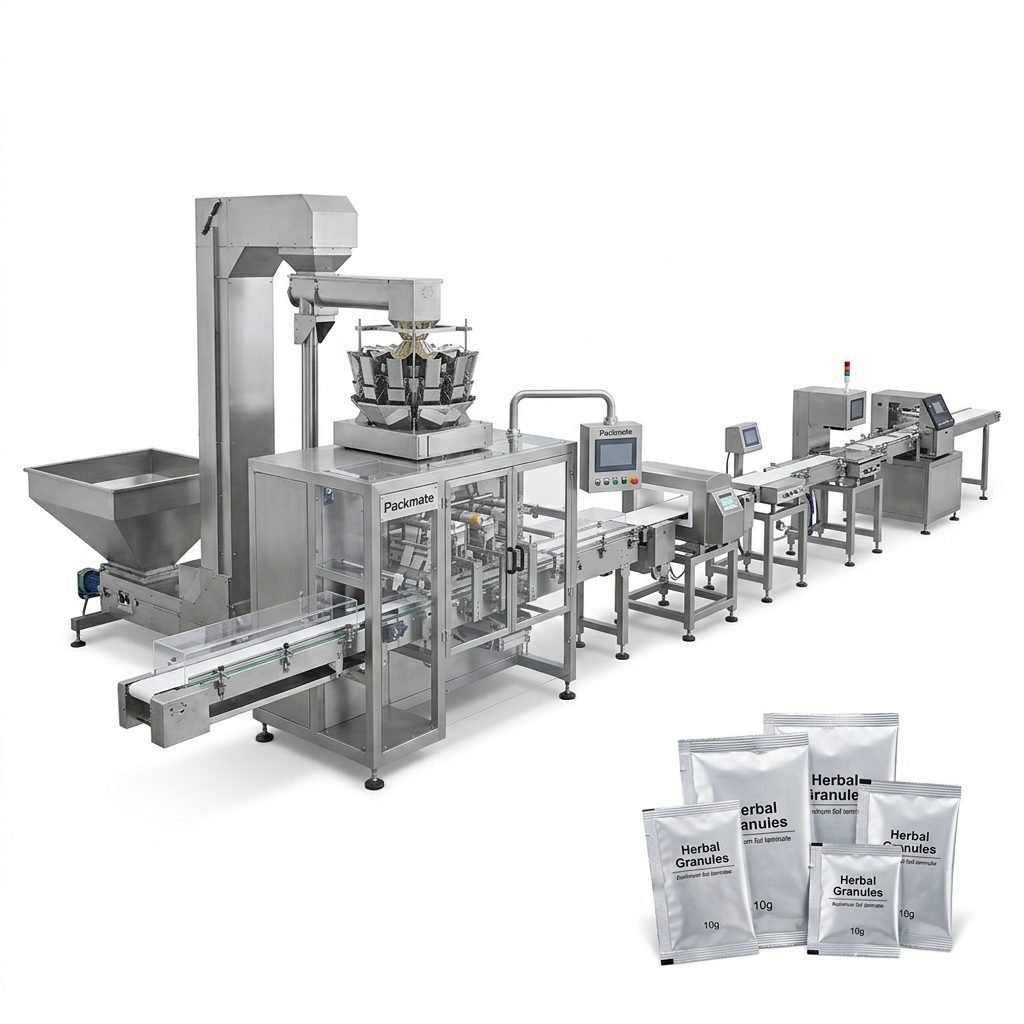
- Integrated lines — combined weighing, dosing, filling, and packaging for a turnkey solution.
If you expect rapid growth and need to minimize manpower, consider multi-lane systems with automation and inline weighing. For flexible SKUs and lower initial investment, a high-quality single-lane machine or modular line is often the best choice.
Step 3 — Key technical features to evaluate
When comparing machines, evaluate these technical items carefully:
- Sealing technology: reliable heat-sealing or ultrasonic options for different materials.
- Filling precision: integrated weighing or volumetric dosing with tight tolerances for nicotine content.
- Changeover time: quick mold and format changes reduce downtime.
- HMI and automation: touchscreen controls, recipe storage, and remote diagnostics.
- Sanitary design: easy-to-clean surfaces and food-grade materials if applicable.
- Energy consumption and footprint: important for cost planning and factory layout.
Materials compatibility and climate concerns
Sri Lanka’s hot and humid climate affects film stability and sealing. Choose machines with controlled sealing temperatures and allow for desiccant handling or humidity controls. Machines should also support films with barrier layers to protect nicotine pouches from moisture.
Step 4 — Production capacity and scalability
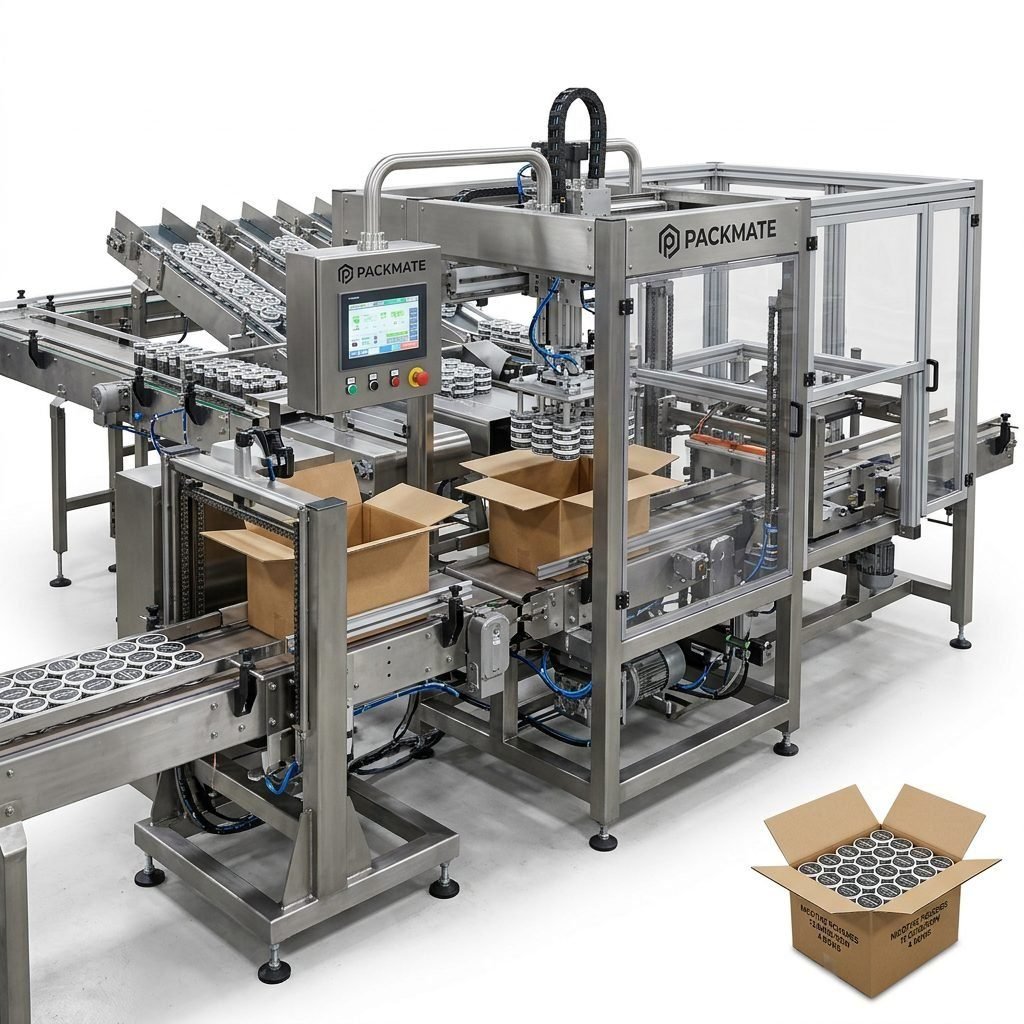
Estimate your current and 2–5 year future output. If demand may double, choose machines with upgrade paths: add lanes, integrate automatic palletizing, or connect additional weighing units. Multi-lane systems by manufacturers with turnkey experience lower the risk of future capacity bottlenecks.
ROI considerations
Calculate total cost of ownership: machine price, installation, training, spare parts, energy, and downtime. A slightly higher upfront cost for higher automation often reduces labor and scrap, improving ROI in 12–36 months.
Step 5 — After-sales service, spare parts & local support
Reliable after-sales service is critical in Sri Lanka, where quick access to spare parts and technical support minimizes production loss. Choose suppliers who provide:
- Local or regional service network, plus remote diagnostics.
- Clear spare parts lists and guaranteed stocks for critical wear items.
- On-site installation and operator training.
- Comprehensive manuals and online support portals.
Step 6 — Quality certifications and factory audit
Verify manufacturer certifications (CE, ISO) and inspect factory capability. A strong supplier will have CNC machining centers, precision assembly lines, and strict quality testing — ensuring machines meet international standards. If possible, request factory visit or live machine demonstrations at exhibitions.
For more details on specialized equipment and production lines, review product pages such as Snus & Nicotine Packaging Machines, Sachet & Stick Pack Machines, and the Filling & Packaging Lines to compare configurations and options.
Step 7 — Installation, training, and commissioning
Ensure your purchase includes full commissioning, operator training, and preventive maintenance schedules. Practical training on changeovers, sealing inspection, and hygiene protocols is essential for consistent product quality. Ask for written handover and test reports that confirm dosing accuracy and sealing integrity before accepting the machine.
Factory layout and utilities
Prepare the factory layout with clear utility specifications: electrical supply, compressed air quality, drainage, and ventilation. Machines with lower compressed air consumption and modular power requirements are easier to integrate in older buildings common in Sri Lankan manufacturing zones.
Evaluating suppliers — what to ask
Use this checklist during supplier evaluation:
- Production capacity and lead time for your model.
- Customizations available (lanes, dosing systems, humidity control).
- Warranty terms and spare part lead times.
- References and case studies; ask for clients in similar climates.
- Demo videos or live demonstrations at exhibitions — meet suppliers at trade shows when possible (Our Exhibition).
Why choose an experienced manufacturer
Established manufacturers with decades of R&D and large factories can provide proven multi-lane solutions, customization, and global support. They typically offer a broader spare parts catalogue and tested turnkey lines for nicotine pouch production. Review manufacturer background, timeline, and factory capabilities — look for many machine models, CNC machining centers, and experience in turnkey lines.
Learn more about the company’s experience and capabilities on the About Packmate page and review example installations in the Case portfolio.
Cost negotiation and contract points
When negotiating, clarify:
- Included accessories, spare parts kit, and tooling.
- Training, installation, and commissioning scope.
- Warranty coverage and response time for service calls.
- Performance acceptance criteria and penalties if unmet.
- Payment terms linked to milestones (production acceptance, shipping, installation).
Practical checklist before final purchase
Final checklist:
- Verified performance with your pouch material and nicotine formulation.
- Clear spare parts lead time and local shipping estimates to Sri Lanka.
- Comprehensive warranty and training documented in the contract.
- Factory acceptance test report and installation plan.
- Confirmed labeling and coding capability for Sinhala/Tamil/English.
Conclusion — make an informed, scalable investment
Selecting the right nicotine packaging machine for Sri Lanka means balancing machine capability with local market demands, environmental challenges, and long-term service needs. Prioritize accurate dosing and reliable sealing, flexible labeling for multilingual requirements, strong after-sales support, and a supplier with proven turnkey solutions and factory strength. Investing in modular, upgradeable equipment protects your business as demand grows and regulatory requirements evolve.
Useful resources
Explore detailed product families and technical specs here: Snus & Nicotine Packaging Machines, Bag & Pouch Packaging Machines, and the Weighing & Packaging Systems section for integrated line options.
Frequently Asked Questions
Q1: Which machine type suits small-batch production in Sri Lanka?
A: For small-batch runs, high-quality single-lane sachet or stick pack machines are ideal due to lower capital cost and simpler changeovers. Choose modular machines so you can upgrade lanes as volumes grow.
Q2: How do I handle humidity-sensitive nicotine pouches?
A: Use films with good barrier properties, control sealing temperature on the machine, and consider inline desiccant insertion or sealed secondary packaging. Machines that provide consistent sealing pressure and temperature control perform best in humid climates.
Q3: What after-sales support should I expect?
A: Expect installation, commissioning, operator training, remote diagnostics, and a clear spare parts policy. Companies with global experience often publish service pages and FAQs — see the Service and FAQs sections for examples.
Q4: Are CE/ISO certifications important for machines sold in Sri Lanka?
A: Yes, CE and ISO certifications indicate compliance with international safety and quality standards and provide confidence in machine reliability. They are particularly helpful when exporting products or attracting international partners.
Q5: How can I verify a supplier’s capability?
A: Request factory photos, production timelines, machine demo videos, client references in similar climates, and detailed technical specifications. Visiting exhibitions or the supplier’s factory (or using virtual tours) helps confirm manufacturing strength and quality control practices.