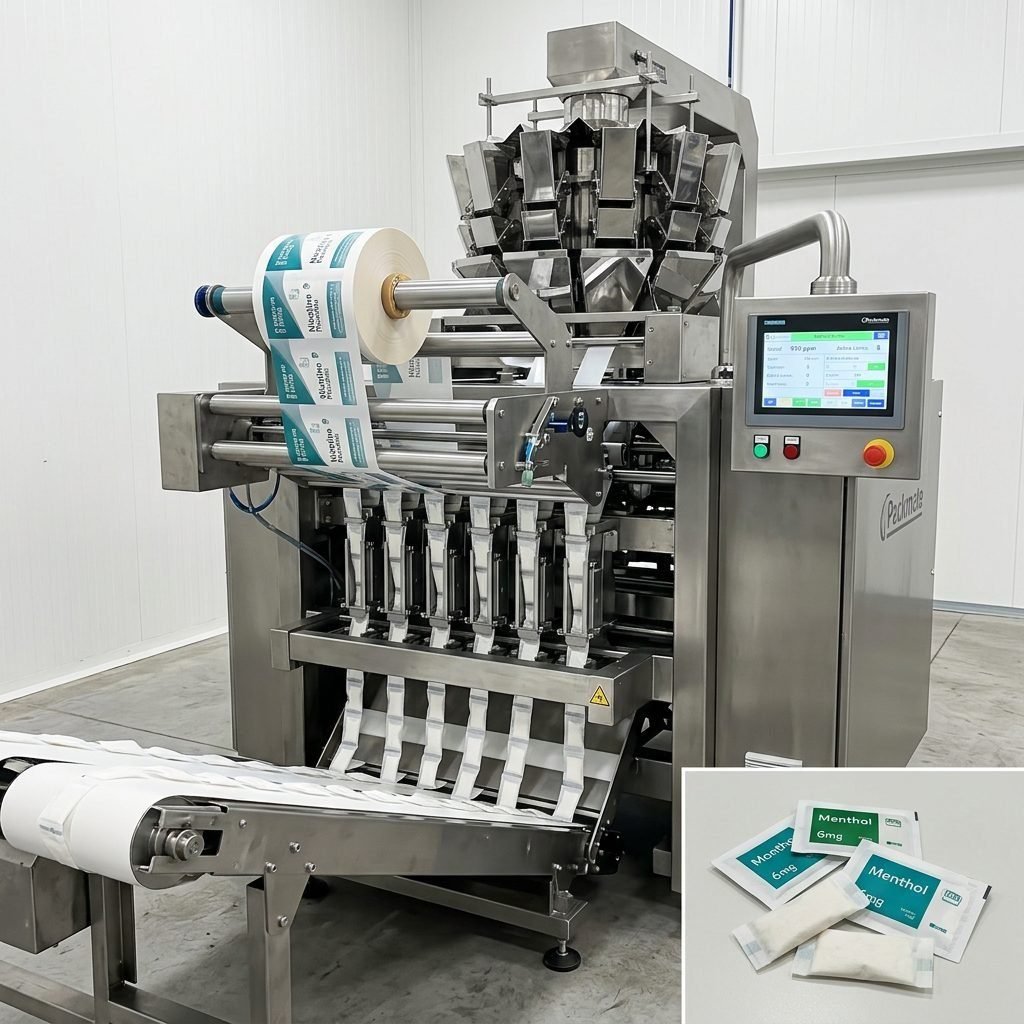
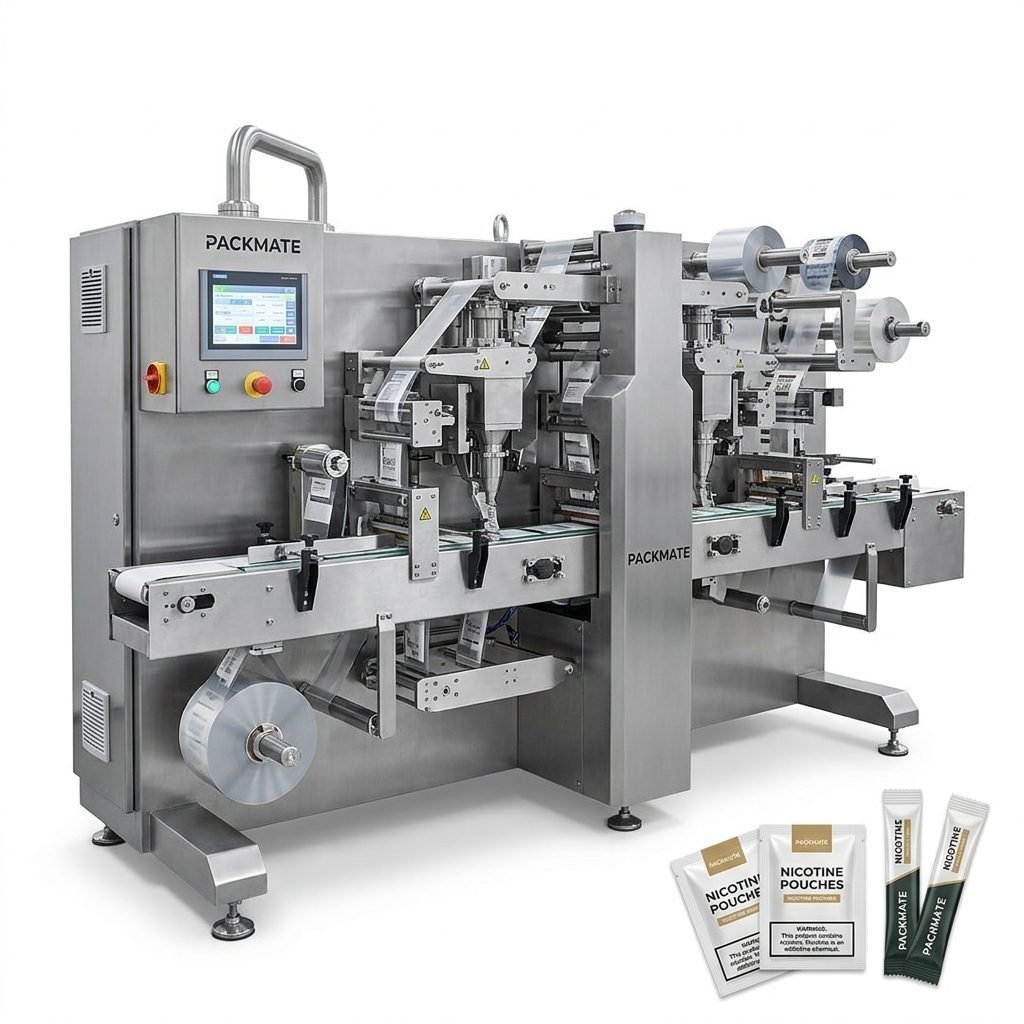
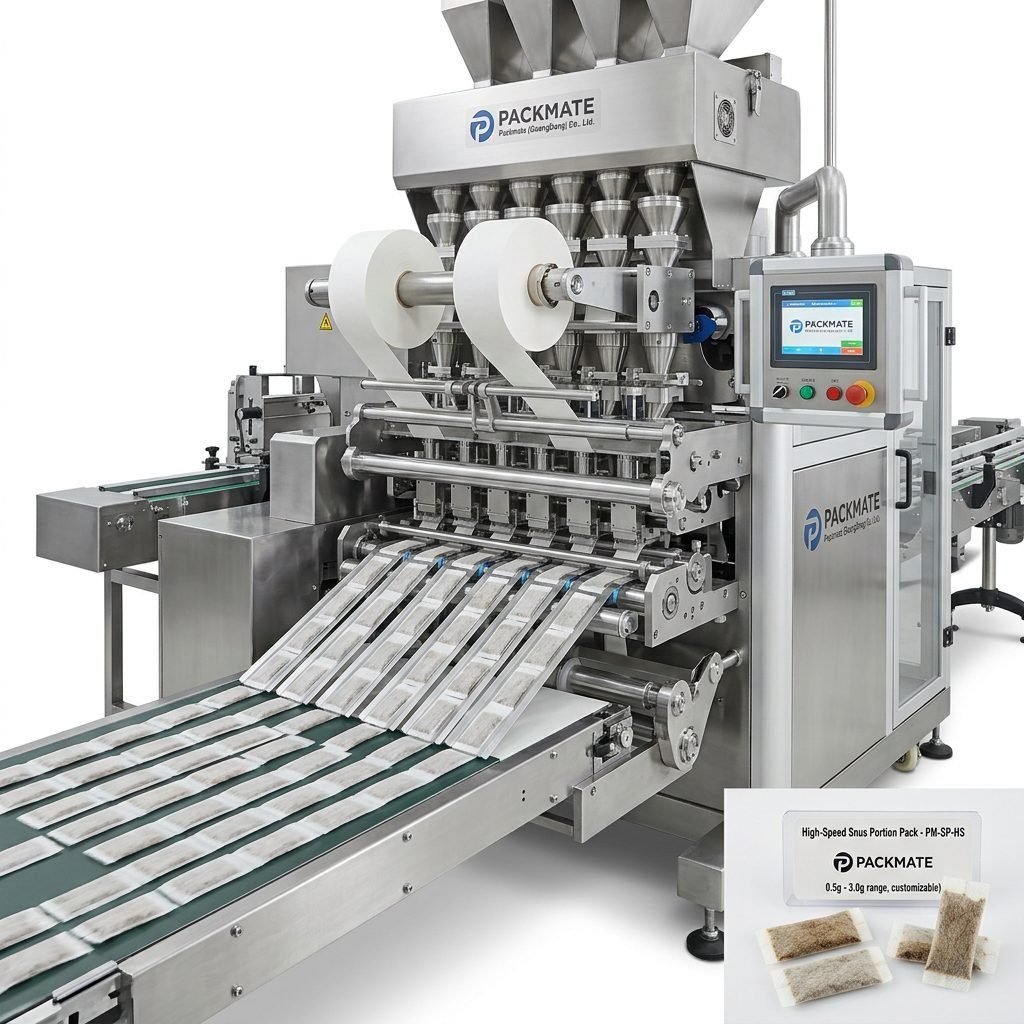
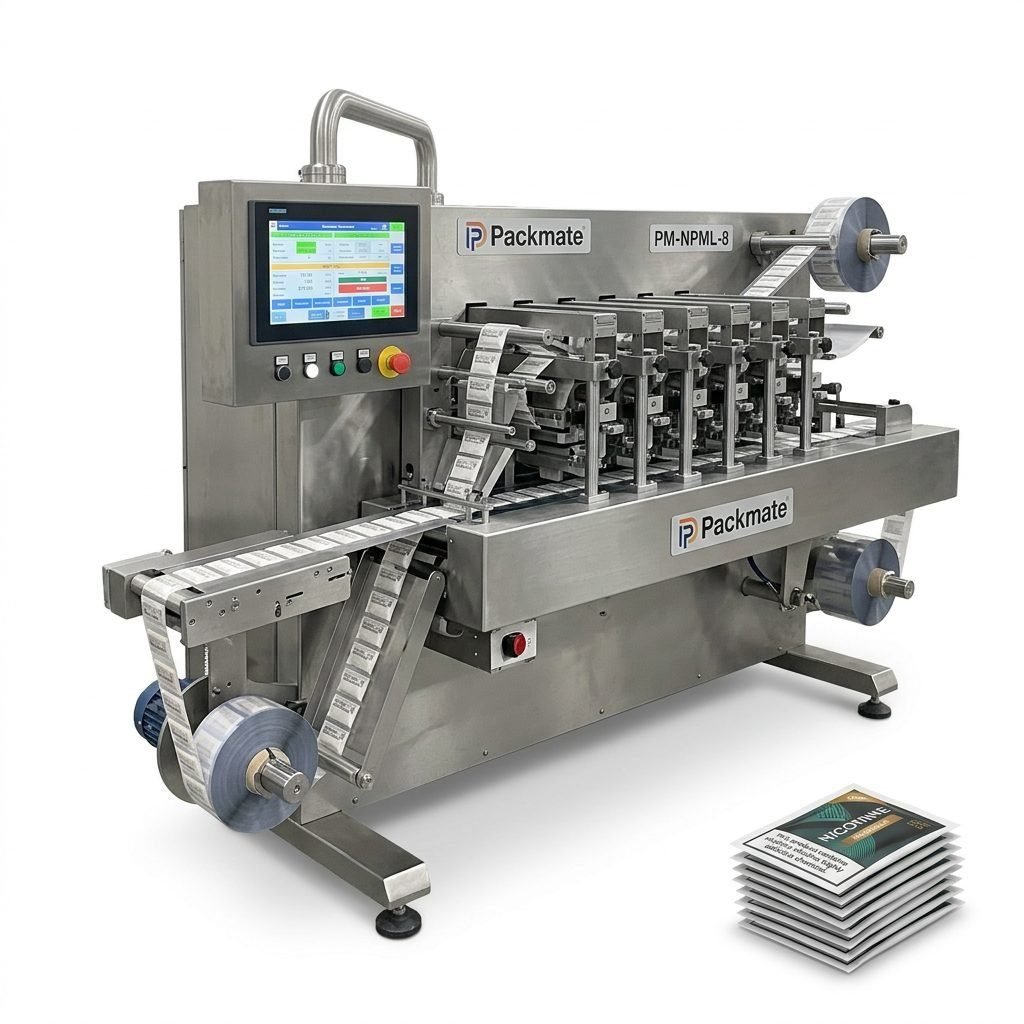
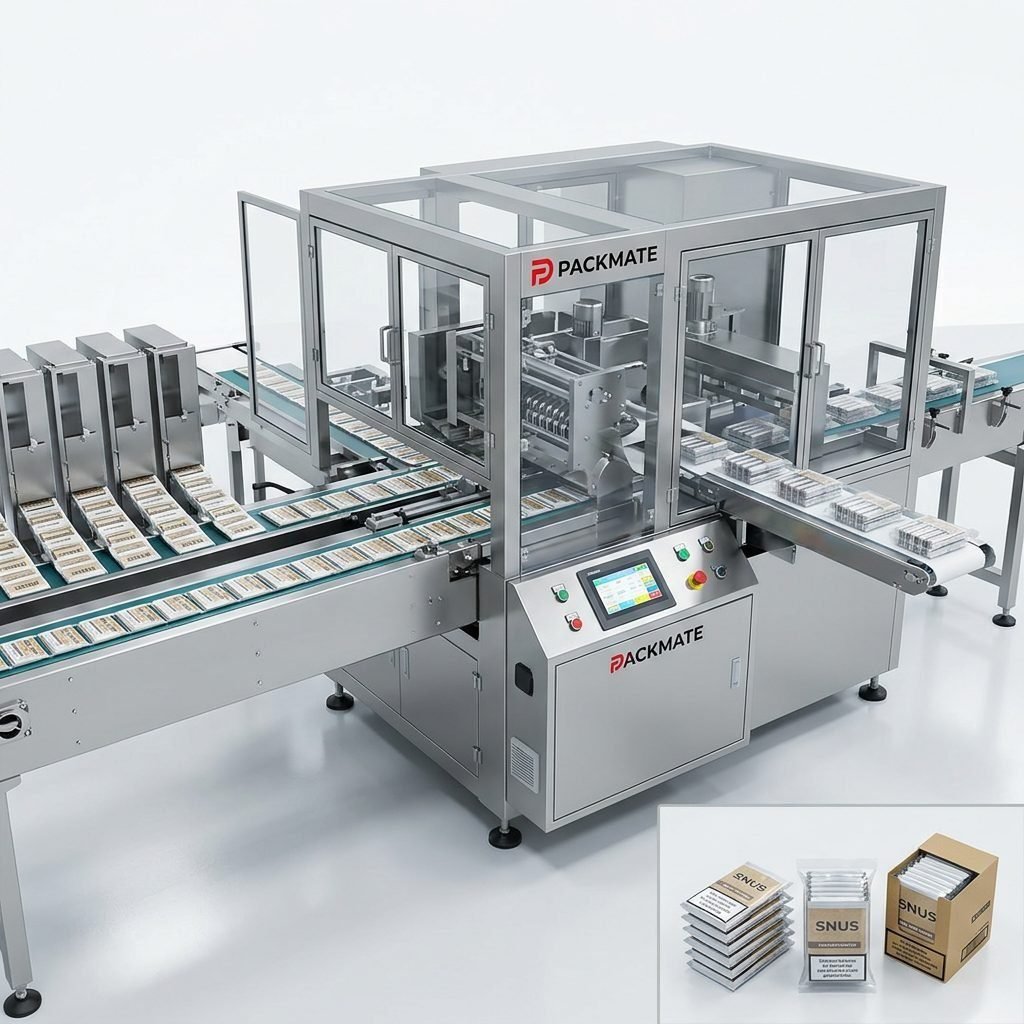
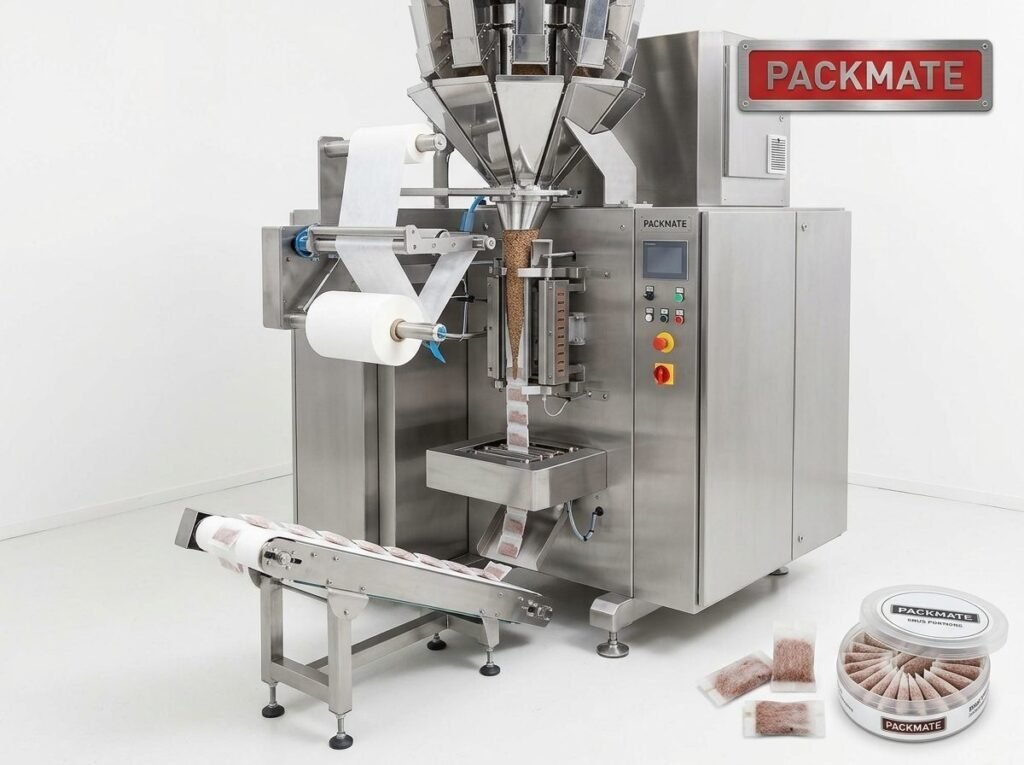
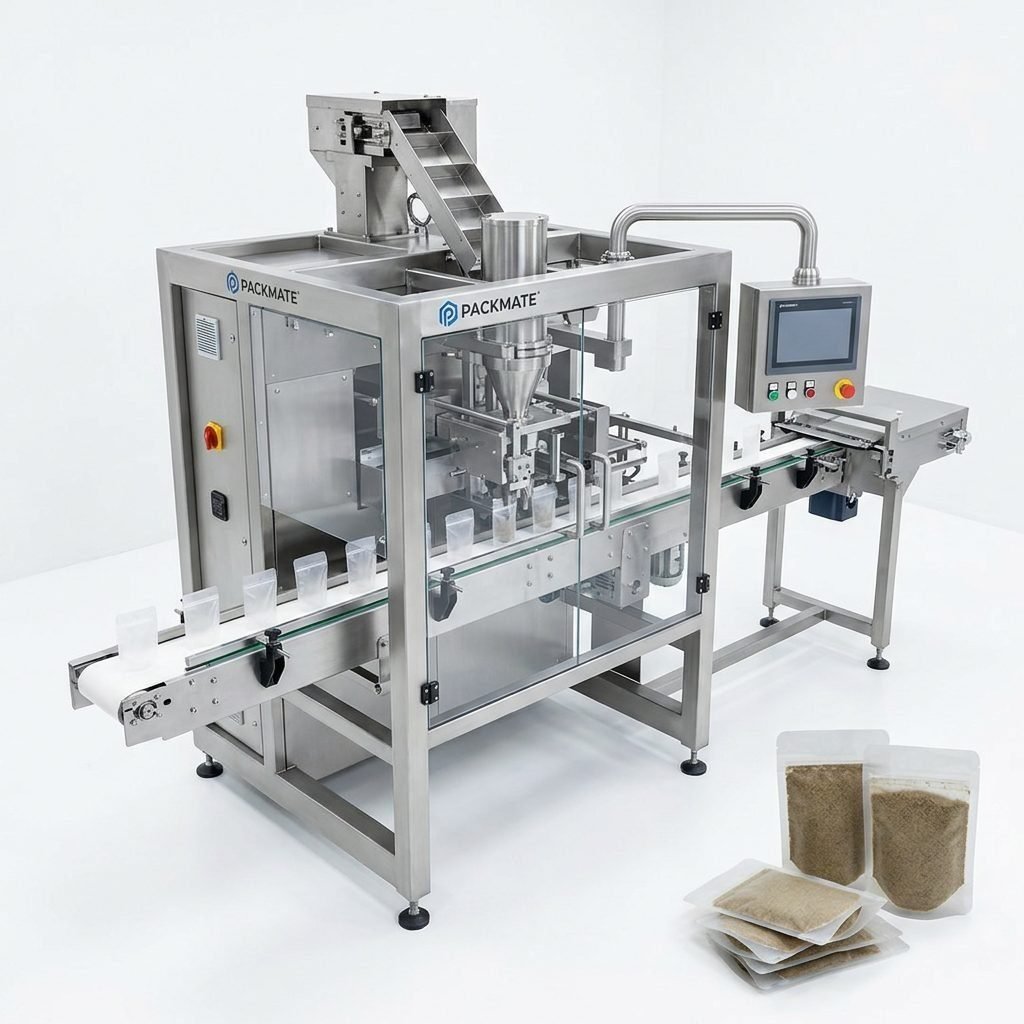
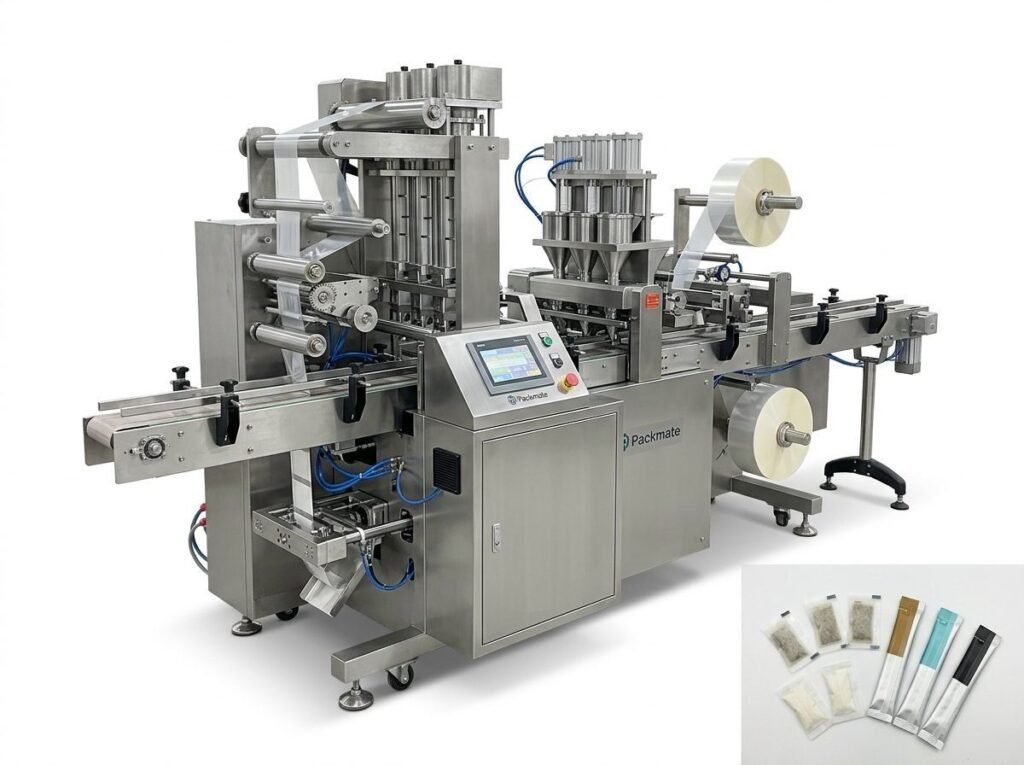
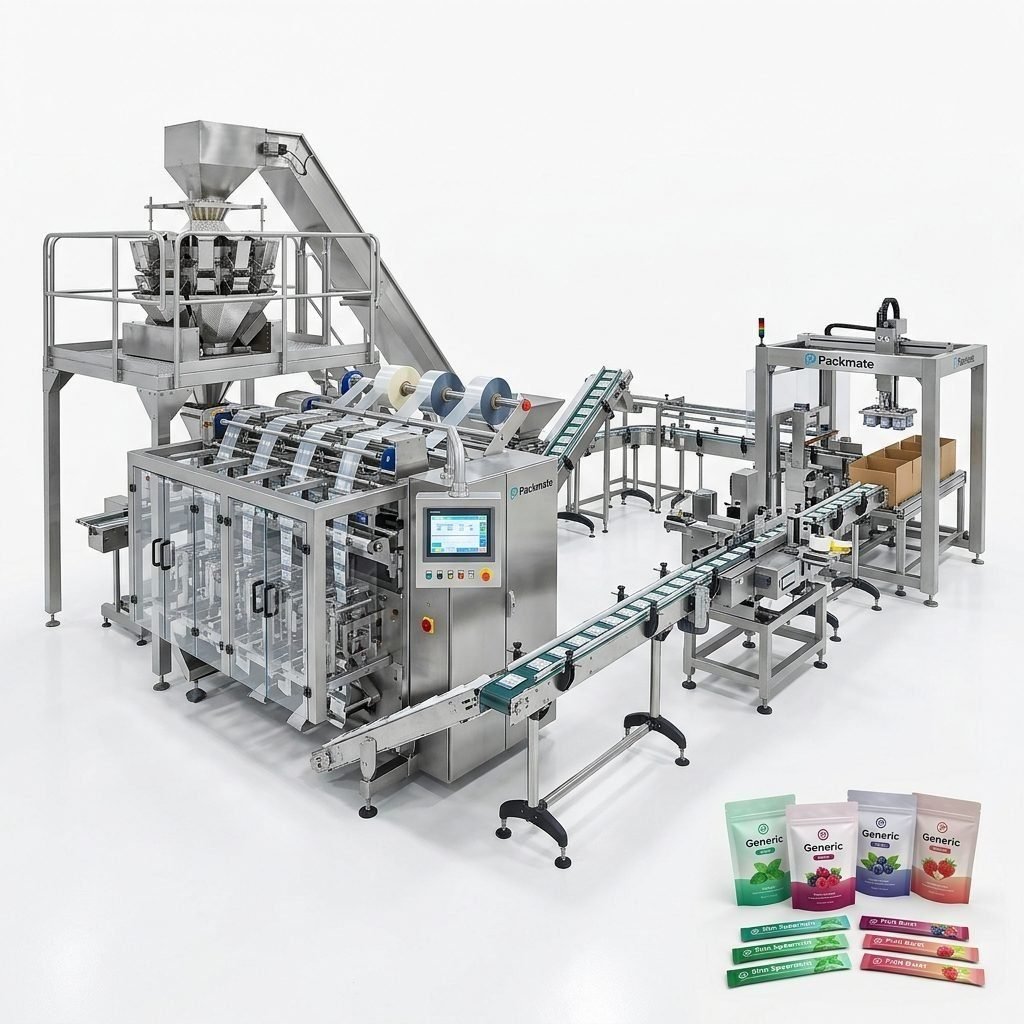
Commissioning a snus line is a pivotal milestone for any manufacturer moving from engineering drawings and factory acceptance tests into reliable, high-volume production. This guide walks through practical steps for planning, installation, validation, operator training, and production ramp‑up for snus and nicotine pouch packaging lines, with actionable checklists and troubleshooting strategies tailored to OEM solutions such as Packmate Snus Machine. The focus is on ensuring safety, regulatory compliance, and rapid time-to-first-pack while protecting product integrity and yield.
Project Planning and Stakeholder Alignment
Successful commissioning begins long before the first technician arrives. Create a commissioning plan that names the project owner, commissioning manager, mechanical and electrical leads, QA, and a single point of contact for logistics. Set clear acceptance criteria for production yield, cycle rate, and safety interlocks.
Key schedule items to define up front: delivery windows, factory acceptance testing (FAT) completion sign-off, site readiness date, utilities handover, 3rd-party vendor arrival windows, and a final acceptance test (SAT) window. All parties should review and sign the plan to prevent last-minute scope creep.
Site Preparations and Utilities
Before equipment arrives confirm: floor flatness and load ratings, door sizes and crane access, compressed air quality (ISO 8573-1 class), electrical supply phases and voltages, chilled water or glycol cooling needs, and dust/exhaust requirements. If working in regulated markets, ensure environmental controls meet local product storage requirements.
⚠️ Critical: Incorrect utilities are the most common cause of commissioning delays. Validate all utility test certificates and label connection points prior to arrival.
Receiving and Inspection
Upon delivery, perform a thorough inspection against packing lists and FAT reports. Photograph any damage, verify serial numbers, and confirm all accessories and spares are included. Early reporting speeds up warranty claims and prevents installation hold-ups.
Mechanical and Electrical Installation
Coordinate a mechanical-first then electrical sequence. Mechanical teams should anchor and level frames, install conveyor sections, feeders, dosing modules, and vibration isolation where required. Electrical work includes motor wiring, safety circuits, PLC and HMI mounting, and grounding.
Use a clear labeling system for all cables and hoses. During electrical hookup, verify phase rotation for three-phase motors and perform megger tests on motor windings when in doubt. Confirm emergency stop circuits operate across the entire safety chain.
Safety and Guarding
Test interlock switches, safety mats, light curtains, and access doors prior to running any motion. Implement lockout/tagout procedures for technicians and ensure PPE policies are enforced. Safety validation must be signed-off by both the equipment supplier and the site safety officer.
🔒 Safety Checkpoint: Never bypass a safety interlock for testing. Use consented procedures for limited function tests if necessary.
Control Systems, HMI, and Software Validation
Load the approved PLC logic and HMI screens as delivered from FAT. Validate communications to any upstream or downstream systems such as checkweighers, printers, vision systems, and factory MES. Confirm recipe management and password policies are configured for production environments.
Perform input/output mapping and loop checks. Document signal states during dry runs and save backups of PLC and HMI configurations to both local and cloud repositories. If integration with an existing MES is required, schedule a joint validation window with IT.
Dry-Run Tests and Mechanical Tuning
Begin commissioning with dry runs using inert test pouches or dummies. Observe pouch formation, fill weight consistency, sealing integrity, and tear notch functionality. Mechanical tuning often focuses on dosing accuracy, pouch positioning, and film tracking.
For snus and nicotine pouches where dose uniformity is critical, validate dosing stations at multiple setpoints and temperatures. Document weight distribution and compute standard deviation and %CV for each lane or dosing head.
Vision Systems and Print Verification
Commission vision inspection systems to detect fill location, overfill, seal defects, and print legibility. Align camera timing with the motion system and optimize lighting for consistent contrast. Configure reject logic to minimize false rejects while protecting product quality.
Validation, Documentation, and Regulatory Compliance
For regulated products, compile IQ/OQ/PQ documentation and include calibration certificates, FAT reports, electrical schematics, and spare parts lists. Documentation should be organized in a commissioning binder or digital folder with version control.
Include protocols for cleaning validation where the product or ingredients demand it, and confirm that materials in contact with product are food‑grade or compliant with local regulations. Packmate’s machinery typically ships with CE and ISO documentation that can be appended to site files.
Operator Training and SOP Development
An often overlooked element is operator competency. Plan for multi‑day training sessions covering operation, routine cleaning, first-line maintenance, and minor troubleshooting. Training should be role-based: operators, maintenance technicians, QA, and supervisors.
✅ Training Tip: Create quick reference SOP cards for changeovers and common faults; post them at workstations for fast access.
Production Ramp‑Up Strategy
Ramp‑up should be staged: start with single-shift pilot runs to collect yield and uptime data, then increase to multiple shifts as confidence grows. Track defect rates, changeover times, and machine availability. Implement a daily review cadence during early production to address recurring issues quickly.
Set realistic KPIs for the first 90 days. Typical targets: run at 60–70% of nominal speed in week one, 80–90% by week four, and reach steady state within 60–90 days depending on product complexity and packaging format.
Continuous Improvement and Kaizen
Use the ramp‑up period to collect data for Kaizen initiatives: reduce changeover time (SMED), improve first-pass yield, and stabilize dosing variability. Small mechanical adjustments and PLC recipe refinements often yield significant improvements.
Common Commissioning Challenges and Remedies
• Film tracking drift: check dancer tension, adjust film brake, verify temperature and humidity are stable.
• Dosing drift between lanes: recalibrate feeders, inspect auger wear, or adjust vibratory feeder amplitude.
• Intermittent electrical faults: verify cable shielding, reroute noisy power cables, and confirm proper earthing.
• Inconsistent seals: check jaw alignment, tool wear, and verify sealing temperature uniformity.
🔧 Proactive step: Keep a small stock of common wear parts on site (sealing jaws, belts, bearings) to avoid downtime during early production.
Service, Spare Parts, and After‑Sales Support
Negotiate a clear spare parts list and service support package before FAT. Typical critical spares include PLC modules, servo drivers, sensors, and consumables. Packmate offers modular support packages and global spare parts supply chains to reduce lead times.
Establish a service escalation matrix with contact points and expected response times. Remote diagnostics via secure VPN can accelerate resolutions and prevent unnecessary site visits.
Integration with Packaging Ecosystem
Your snus line will typically interface with upstream mixers or dosing systems and downstream case packers or cartoners. Validate pneumatic, electrical, and communication handshakes during commissioning and perform an end-to-end test run to ensure synchronized takt times.
For additional solutions and compatibility information see related systems: Snus & Nicotine Packaging Machines, Filling & Packaging Lines, and Service.
Acceptance and Handover
The final acceptance test should demonstrate reproducible performance against the pre-defined criteria. Deliverables include operator training completion sign-offs, IQ/OQ/PQ documentation, spare parts inventory, and a final SAT report. Agree on warranty start date and post-acceptance support commitments.
📦 Handover Checklist: Signed FAT/SAT, spare parts list, electrical schematics, PLC/HMI backups, calibration certificates, and operator competency records.
Key Takeaways
Well-planned commissioning reduces time-to-first-pack and preserves equipment ROI. Focus on utilities validation, safety systems, thorough documentation, and staged ramp-up. Investing in training and spare parts up front prevents costly interruptions and accelerates stabilization.
Further Reading and Case Studies
Explore real-world projects and machine portfolios at: Case, Bag & Pouch Packaging Machines, and contact Packmate via Contact Us for tailored commissioning support.
Common Questions (FAQs)
Q1: How long does commissioning typically take for a multi-lane snus line? — A1: Timelines vary, but plan for 2–6 weeks of on-site work including mechanical installation, electrical hookup, dry runs, and operator training; allow additional time for regulatory validation where required.
Q2: What spare parts should I stock initially? — A2: Maintain a starter kit with sealing jaws, belts, bearings, sensors, spare PLC modules, and consumables specific to your pouch format to minimize downtime.
Q3: Can remote commissioning reduce my on-site time? — A3: Yes; remote support can accelerate software checks, PLC updates, and initial fault diagnosis. However, mechanical installation and safety validation must be performed on-site.
Q4: How do I ensure dosing accuracy across multiple lanes? — A4: Implement regular calibration routines, use high-precision feeders, monitor CV% during pilot runs, and address mechanical wear promptly.
Q5: Where can I find validated packing machine models and technical specs? — A5: Review Packmate’s machine catalogs and product pages such as Sachet & Stick Pack Machines and contact the supplier for tailored specifications.