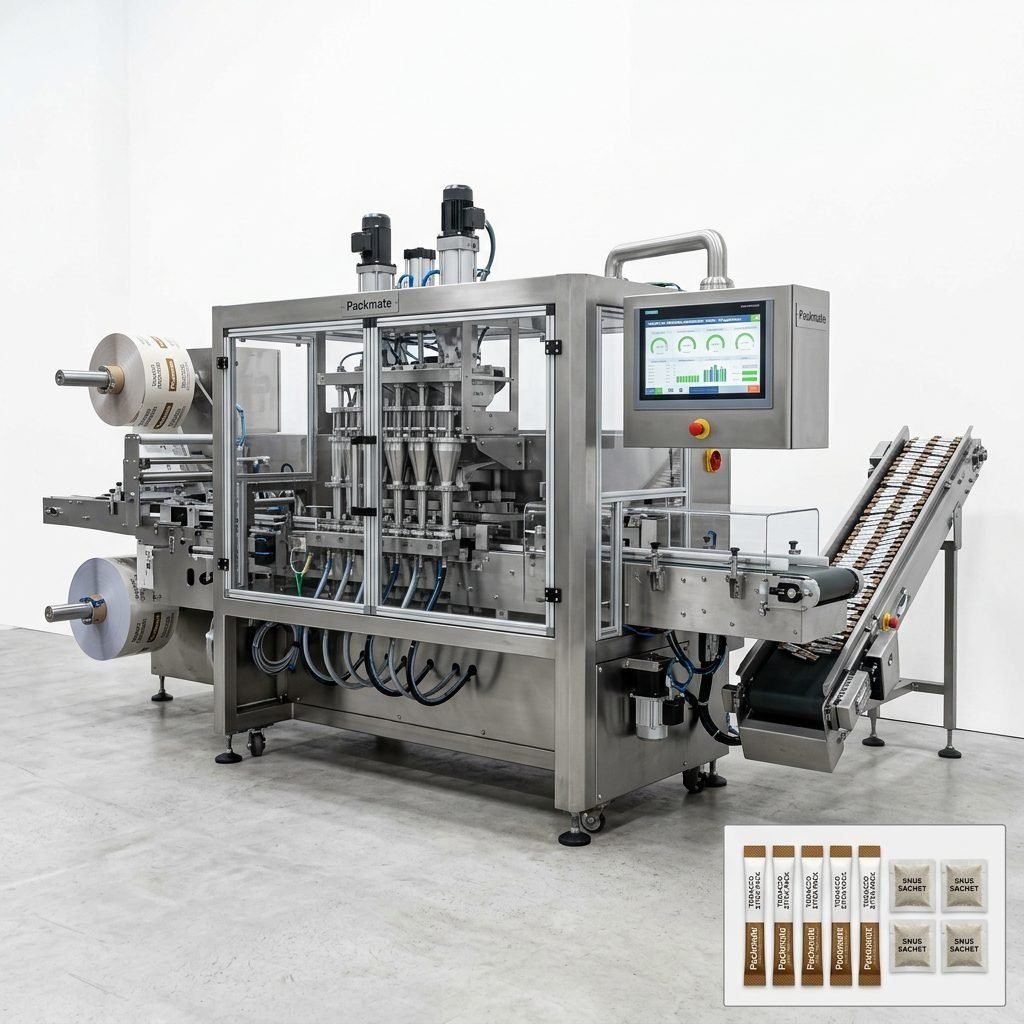
Choosing the right nicotine packaging machinery manufacturer in Southeast Asia is a strategic decision that affects your product quality, regulatory compliance, production costs, and time-to-market. This article walks you through a practical, step-by-step approach to select a supplier who understands local business practices in Southeast Asia, provides reliable technology for nicotine pouches and snus, and offers long-term service and customization for growing brands.
Understand Local Market Context in Southeast Asia
Southeast Asia is diverse: business cultures range from highly formal buying processes in Singapore to relationship-driven deals in Thailand, Malaysia, and Indonesia. When evaluating manufacturers, consider how they handle local customs such as formal documentation, on-site trials, language support, and flexible payment terms. A supplier with regional experience will be sensitive to import/export timelines, certification expectations, and local workforce training needs.
✔
Tip: Prioritize manufacturers that can support bilingual documentation (English + local language) and offer remote commissioning or regional service partners.
Key Technical Criteria for Nicotine Packaging Machines
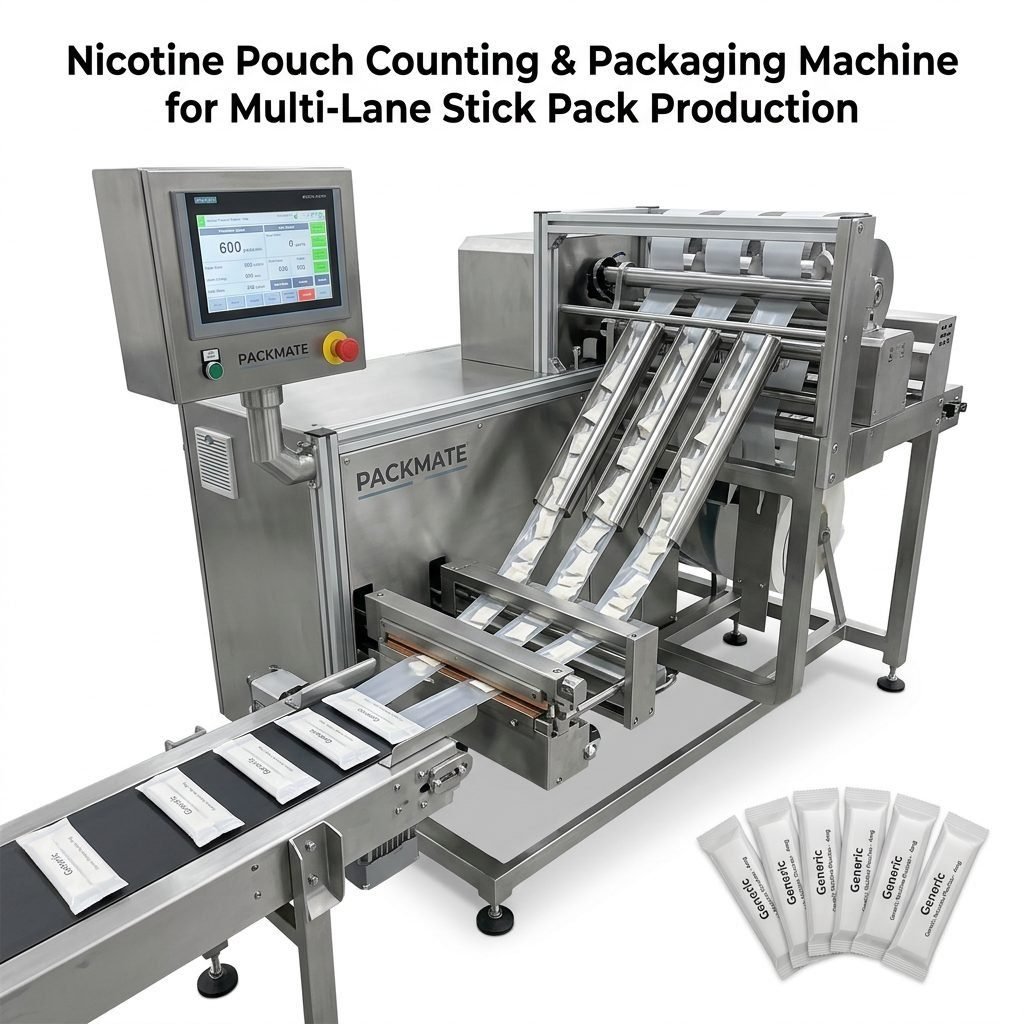
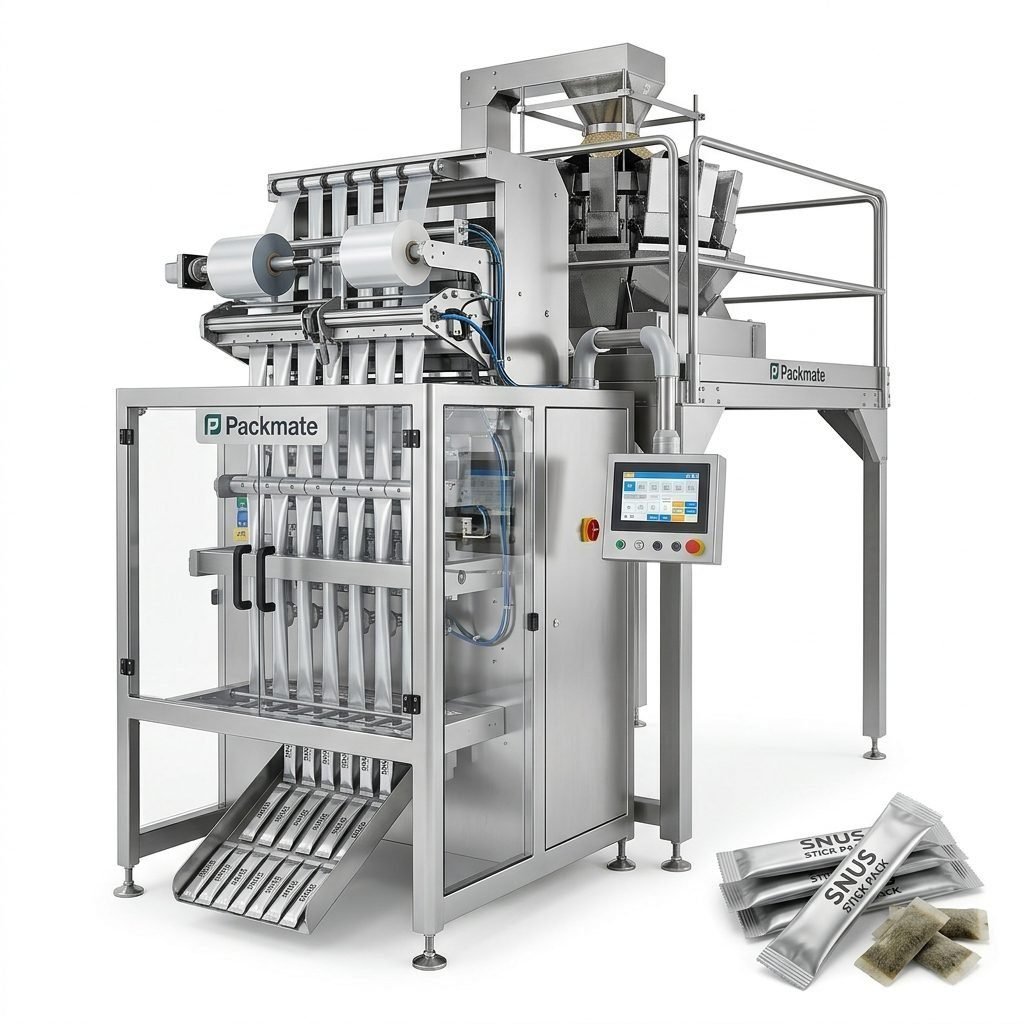
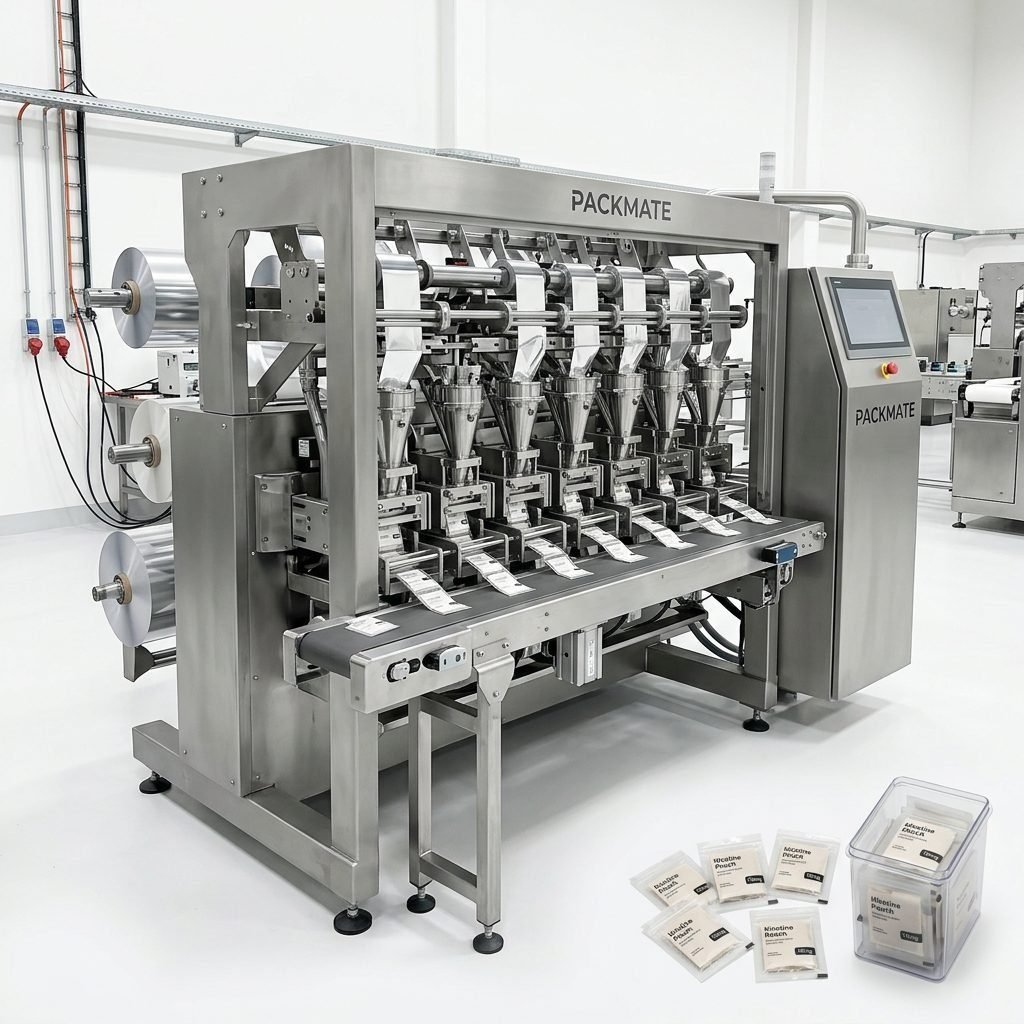
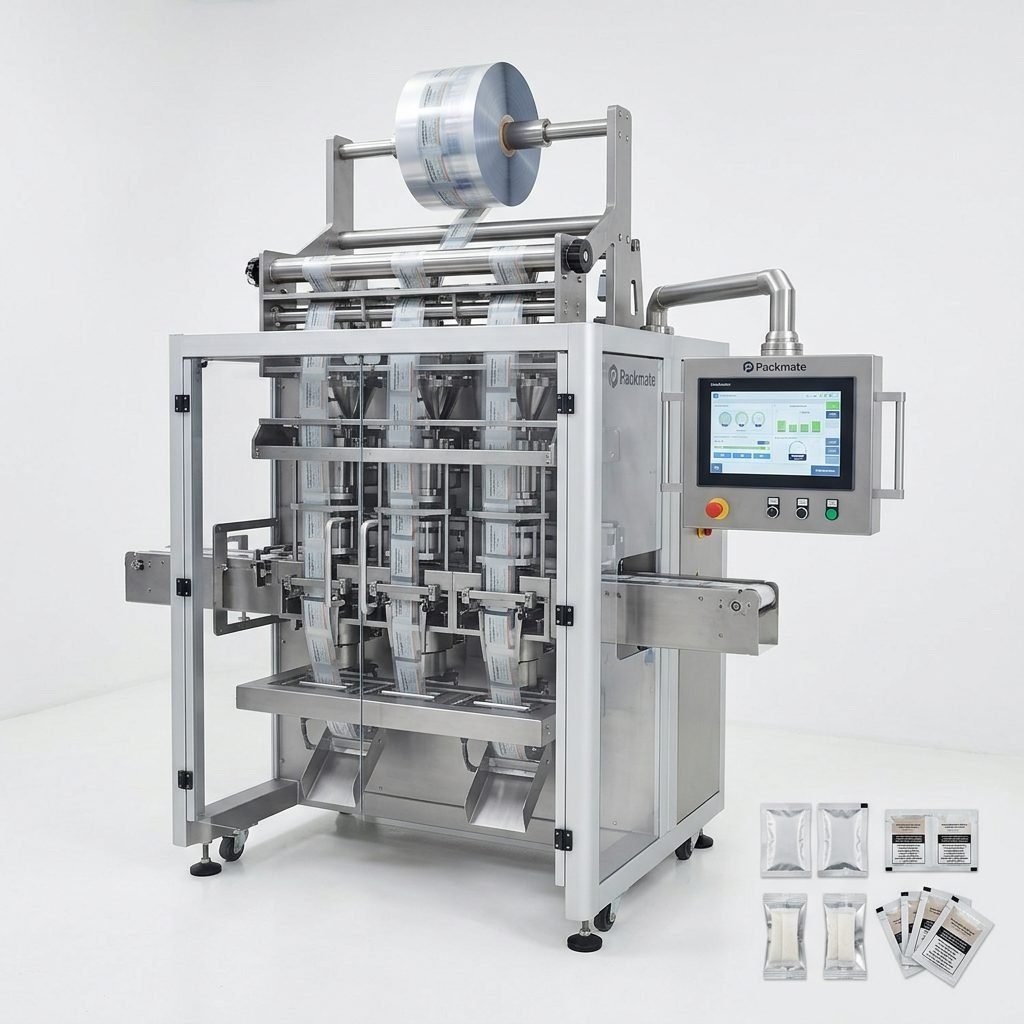
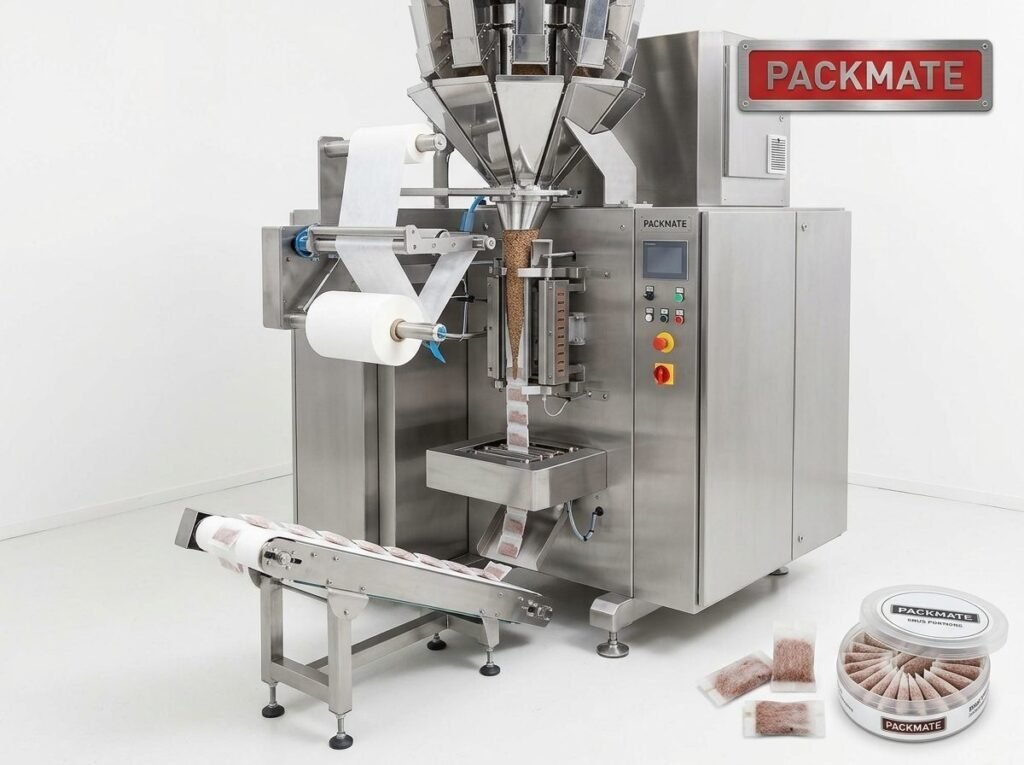
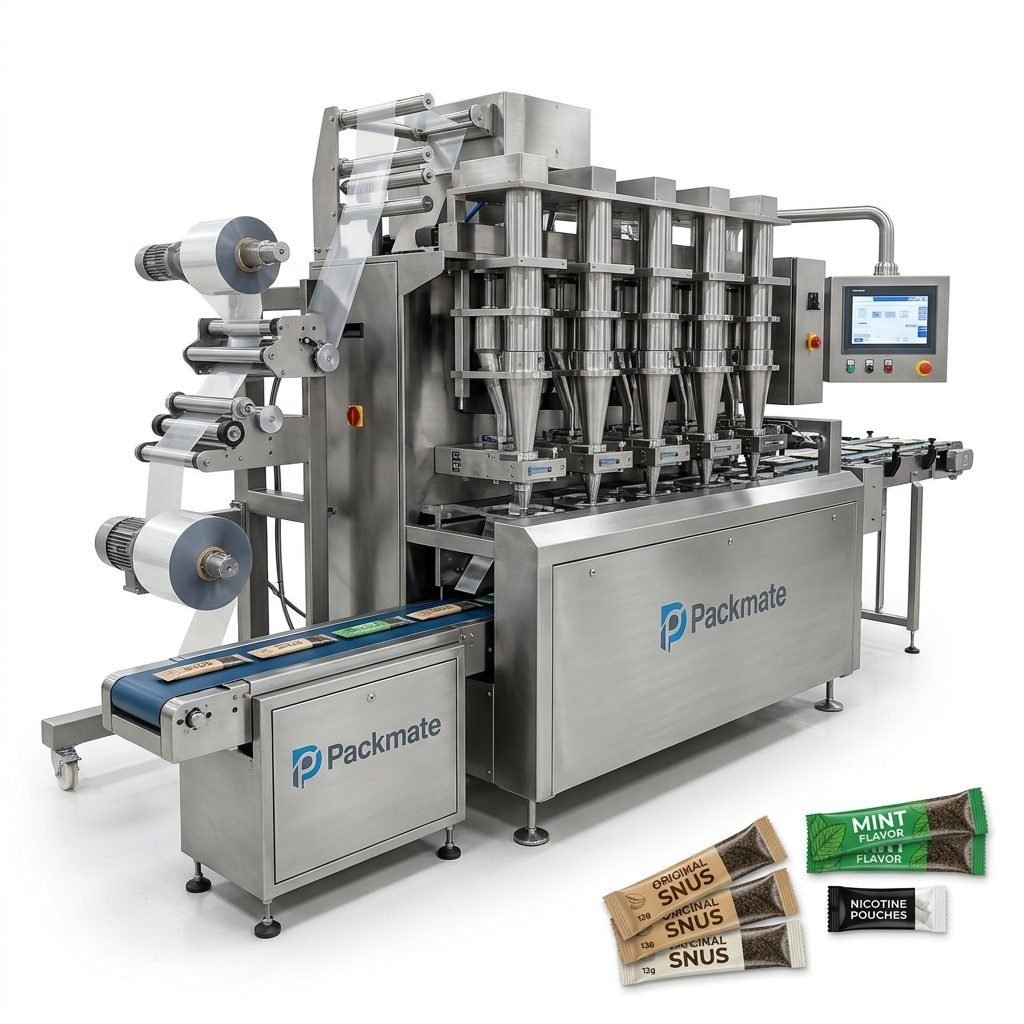
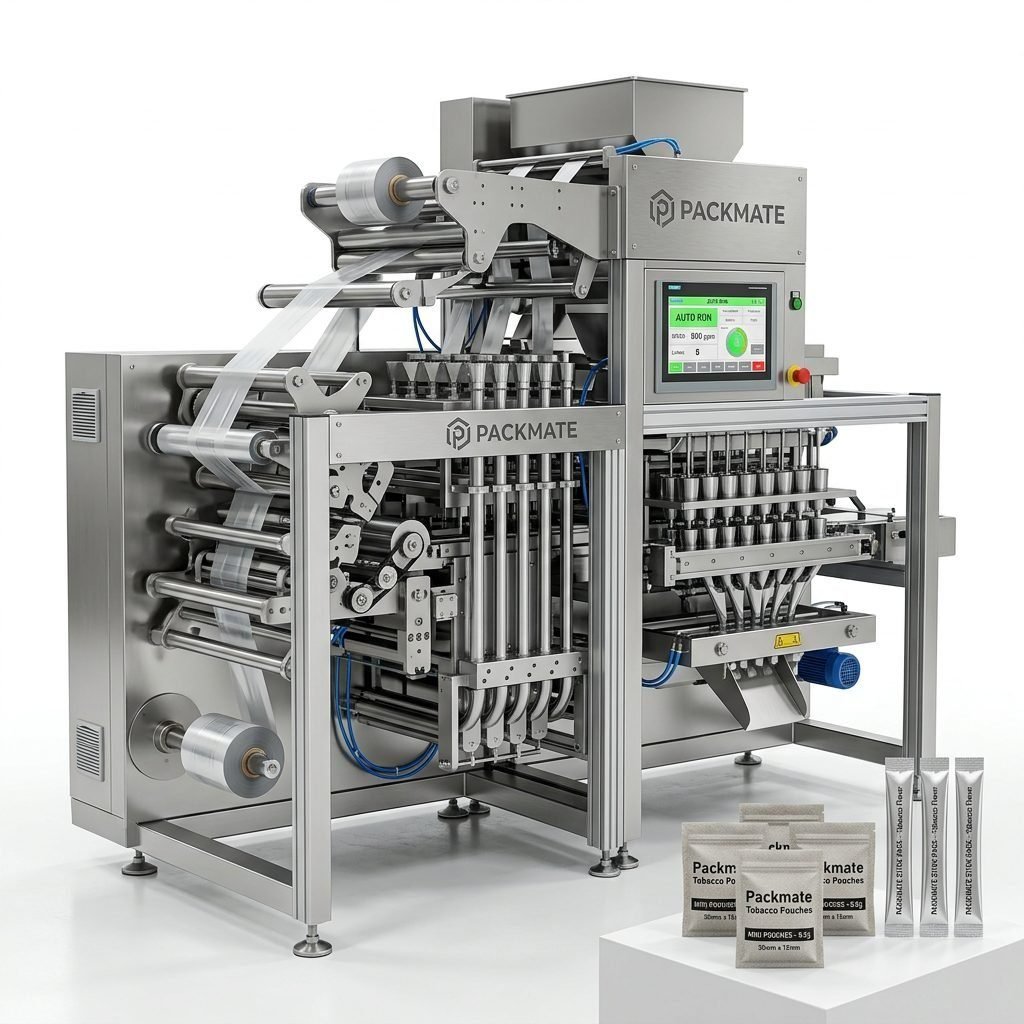
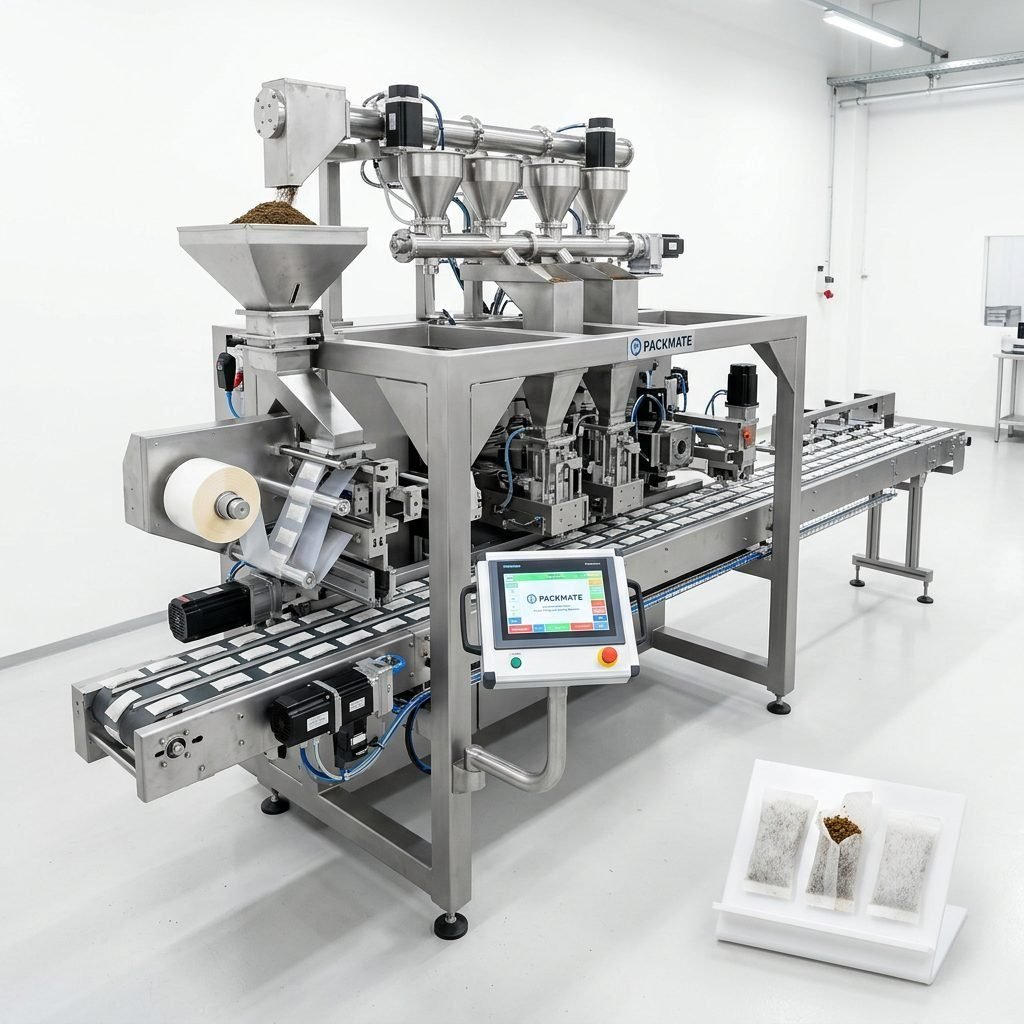
Nicotine pouch production demands accuracy and stability. Look for machines that match your product form (pouches, sachets, stick packs) and dosing precision. Evaluate the manufacturer’s portfolio for multi-lane systems, stick pack and sachet machines, and full filling lines for powders, granules and liquids.
Performance and Versatility
Check machine speed, lane count, dose range, and format changeover time. For businesses in Southeast Asia targeting multiple markets, flexibility to run different pouch sizes and materials is essential.
Hygiene and Material Compatibility
Nicotine products require clean processing environments. Ensure machines are made with food/pharma-grade contact surfaces, easy-to-clean structures, and comply with international hygiene standards.
⚠
Must-check: Servo control for dosing accuracy, short format changeover, and robust tension control for flexible packaging films.
Engineering Strength & Factory Capability
A manufacturer’s production capacity and engineering background reduce delivery risk. Look for details such as factory size, CNC machining capabilities, number of machine models, and assembly processes. Manufacturers with in-house machining and strict quality testing can ensure repeatable machine performance and quicker parts availability.
For example, a manufacturer with a 20,000㎡ facility and advanced CNC centers typically offers higher precision, consistent build quality, and a larger spare-parts inventory—critical for continuous nicotine pouch production.
Certifications and Compliance
Ensure the manufacturer complies with CE, ISO and other relevant certifications. Such credentials indicate compliance with international safety, electrical and manufacturing standards—and can simplify customs clearance and buyer acceptance, especially when exporting to regulated markets in Asia and Europe.
Customization, Turnkey Solutions and Integration
Not every line is standard. If you need unique pouch shapes, multi-lane outputs or integrated weighing and cartoning, choose a partner who offers turnkey lines and system integration (weighing, feeding, sealing, secondary packaging). Customization reduces friction between upstream and downstream processes.
Manufacturers with modular design philosophy can adapt lines as your SKU mix evolves—valuable in dynamic Southeast Asian markets where consumer preferences change rapidly.
After-sales Service, Training and Spare Parts Support
Responsive after-sales service is critical. Ask about warranty terms, availability of regional service centers, remote diagnostics, and training programs for local operators. Predictable spare parts delivery via regional stock points prevents costly downtime.
✔
Check: SLA for remote support, on-site commissioning fees, and average spare-part lead times to your country.
References, Case Studies and Exhibition Presence
Review case studies and ask for references from manufacturers who have supplied nicotine pouch lines in similar regulatory environments. Attendance at global exhibitions indicates credibility and allows you to witness live machine demos. If available, request video demos and factory acceptance tests.
Useful links:
Case,
Our Exhibition,
About Packmate.
Commercial Factors: Pricing, Lead Time and Payment Terms
Price is important but should not be the only determinant. Compare total cost of ownership: initial price, spare-part costs, energy usage, and expected uptime. Confirm realistic delivery timelines and staged payment terms (deposit, factory acceptance, shipment). Many Southeast Asian buyers value flexible financing or local banking arrangements.
Scalability and Roadmap for Growth
Choose suppliers that can scale capacity—either by adding lanes, upgrading control systems, or supplying additional modules like inline weighing or blister/carton integration. A partner with a 30+ year R&D background and 50+ machine models typically has the product depth to support growth.
Requesting a Strong Proposal: What to Ask For
When soliciting proposals, request: detailed technical spec sheets; factory acceptance test procedures; electrical and pneumatic schematics; spare parts list and recommended spare kit; timeline and milestones; training plan; and a clear warranty statement. Also ask for video of the exact model running your product type.
✔
Checklist snippet: Acceptance criteria, spare-kit part numbers, on-site training duration, and acceptance test sign-off.
Why a Specialist Nicotine Packaging Manufacturer Helps
Specialist manufacturers understand the subtleties of nicotine pouch handling: precise metering of micro-doses, gentle product handling, appropriate sealing processes for moisture control, and compliance with international safety standards. Partnering with an experienced manufacturer reduces trial-and-error, speeds validation, and improves product consistency.
Explore specific machine categories such as Snus & Nicotine Packaging Machines and Sachet & Stick Pack Machines when aligning technology to your product format.
Making the Final Decision
Rank suppliers by a weighted score: technical fit (35%), after-sales & spare parts (25%), commercial terms (15%), factory capability & certifications (15%), and references/demos (10%). Run a factory acceptance test (FAT) or live demo before final payment. Consider a short pilot order to validate full production stability.
Local Support & Cultural Fit
Assess whether the supplier understands local labor practices, logistics challenges in your country, and can provide training materials appropriate for local operators. Cultural alignment helps shorten ramp-up time and fosters smoother long-term cooperation.
Next Steps: Evaluation Template and Contact
Build a structured RFP (technical specs, performance targets, acceptance tests) and shortlist 2–3 manufacturers. Visit the factory or arrange virtual tours. For turnkey solutions including weighing, filling, and secondary packaging, review integrated lines and ask for references.
For more details on integrated solutions, see Filling & Packaging Lines and Weighing & Packaging Systems. To reach out directly, use the manufacturer’s contact page: Contact Us.
✔
Final reminder: Verify warranty processes, spare-part inventory, and remote support pathways before placing a final order.
Conclusion
Selecting the best nicotine packaging machinery manufacturer in Southeast Asia requires balancing technical fit, production reliability, cultural alignment, and commercial terms. Prioritize manufacturers with proven snus/nicotine experience, strong factory capabilities, and robust service networks. With careful evaluation and clear acceptance criteria, you can secure equipment that supports productivity, compliance and product quality for years to come.
Frequently Asked Questions
Q1: How important is CE/ISO certification when choosing a manufacturer?
A1: Very important — CE and ISO indicate compliance with international safety and quality systems, which simplifies cross-border sales and regulatory acceptance.
Q2: Can manufacturers provide turnkey lines including weighing and cartoning?
A2: Yes. Look for vendors that offer modular integration such as Auxiliary Packaging Equipment and combined filling-packaging lines.
Q3: What is the typical lead time for a customized nicotine pouch line?
A3: It varies by complexity; standard models can ship faster, while custom multi-lane turnkey lines typically require longer lead times. Always confirm in the supplier’s proposal.
Q4: How can I validate machine performance before purchase?
A4: Request factory acceptance tests (FAT), video demos of your product on the machine, and references from customers running similar products.
Q5: Is regional service presence necessary in Southeast Asia?
A5: Strongly recommended. Regional technicians or partners reduce downtime and improve response times for repairs, training and spare-part delivery.