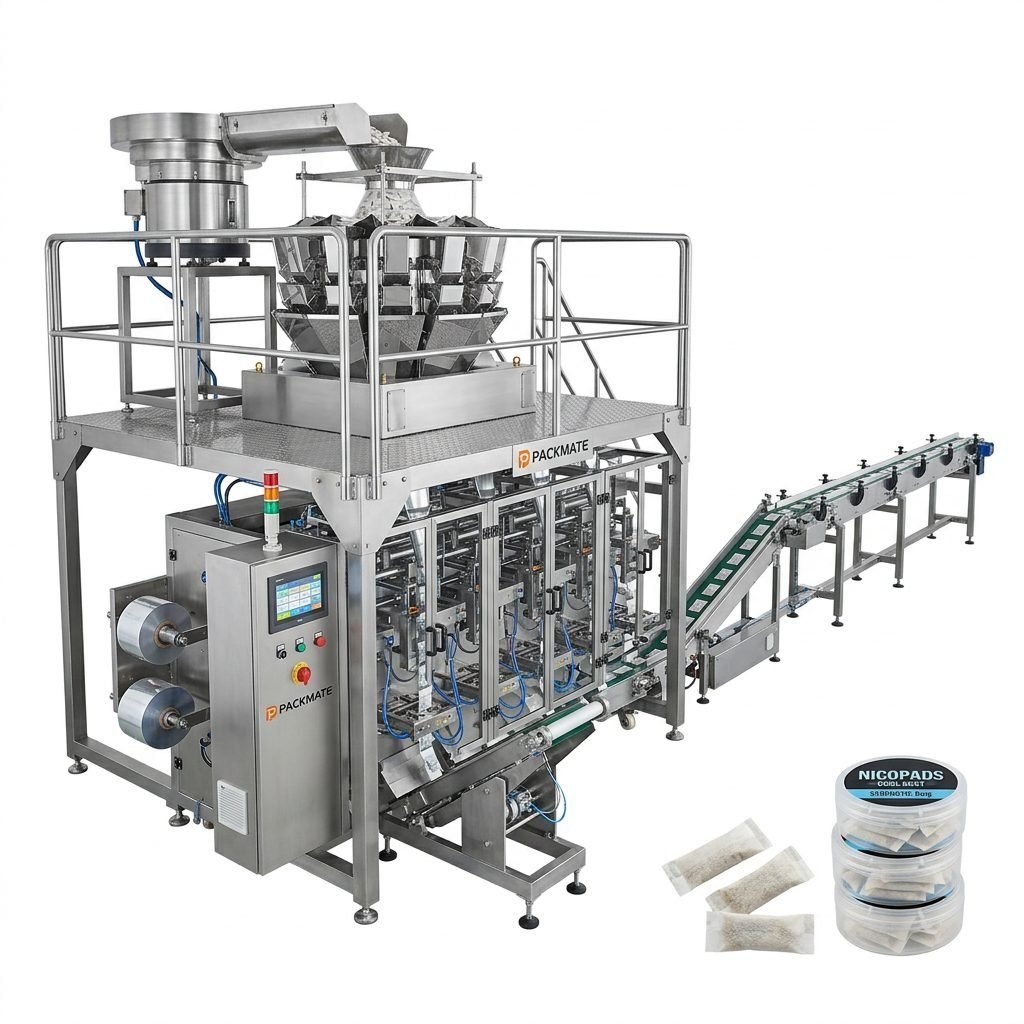
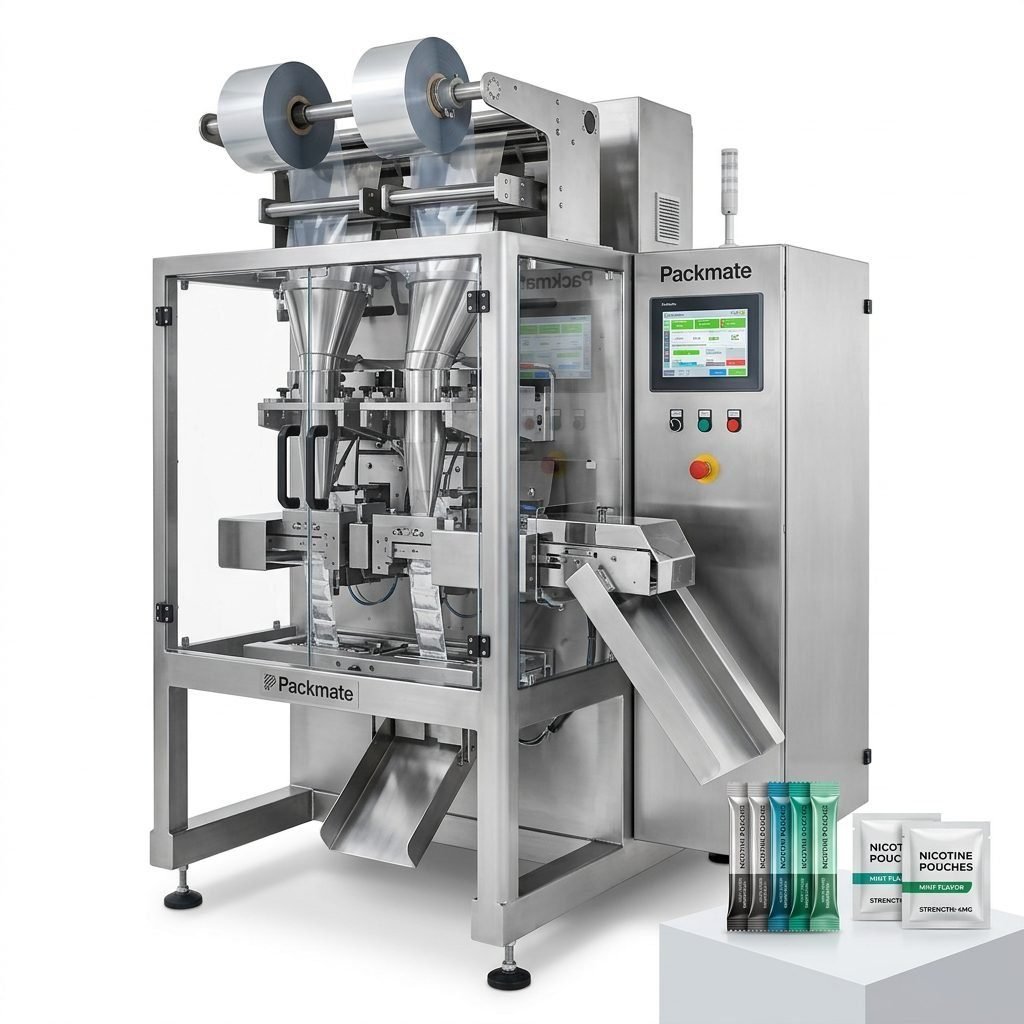
In Tanzania’s growing consumer market, choosing the right snus packaging machinery manufacturer can make or break your nicotine pouch business. This guide walks you through practical, locally-aware criteria to select a reliable partner — from machine types and certifications to after-sales support and regulatory considerations tailored for Tanzania’s market and customs.
Understanding Tanzania’s Market & Local Customs
Tanzania has a diverse consumer base with urban centers like Dar es Salaam and Mwanza showing stronger demand for modern convenience products. While traditional tobacco chewing and cigarette consumption have long histories, nicotine pouches and modern snus are newer products that appeal to younger urban adults and working professionals. When evaluating manufacturers, keep in mind:
✓ Local tastes and packaging preferences: small portion packs, discreet pouch sizes, and multilingual labeling (English + Swahili) improve market acceptance.
✓ Climatic factors: coastal humidity and inland heat affect packaging material choice and machine environmental protections.
✓ Distribution realities: many retailers are small kiosks or pharmacies; durable secondary packaging and easy-to-open sachets or stick packs help retail sales.
1. Experience & Track Record: Why It Matters
Choose manufacturers with proven snus and nicotine pouch experience. A supplier with decades of packaging machine engineering is more likely to deliver reliable multi-lane systems and precise dosing required for low-dose nicotine products. Look for documented global projects and case studies — this reduces the risk of production halts and costly retrofits.
Key sign: manufacturer has served multiple international markets and can provide references or machine demos.
Recommended resource
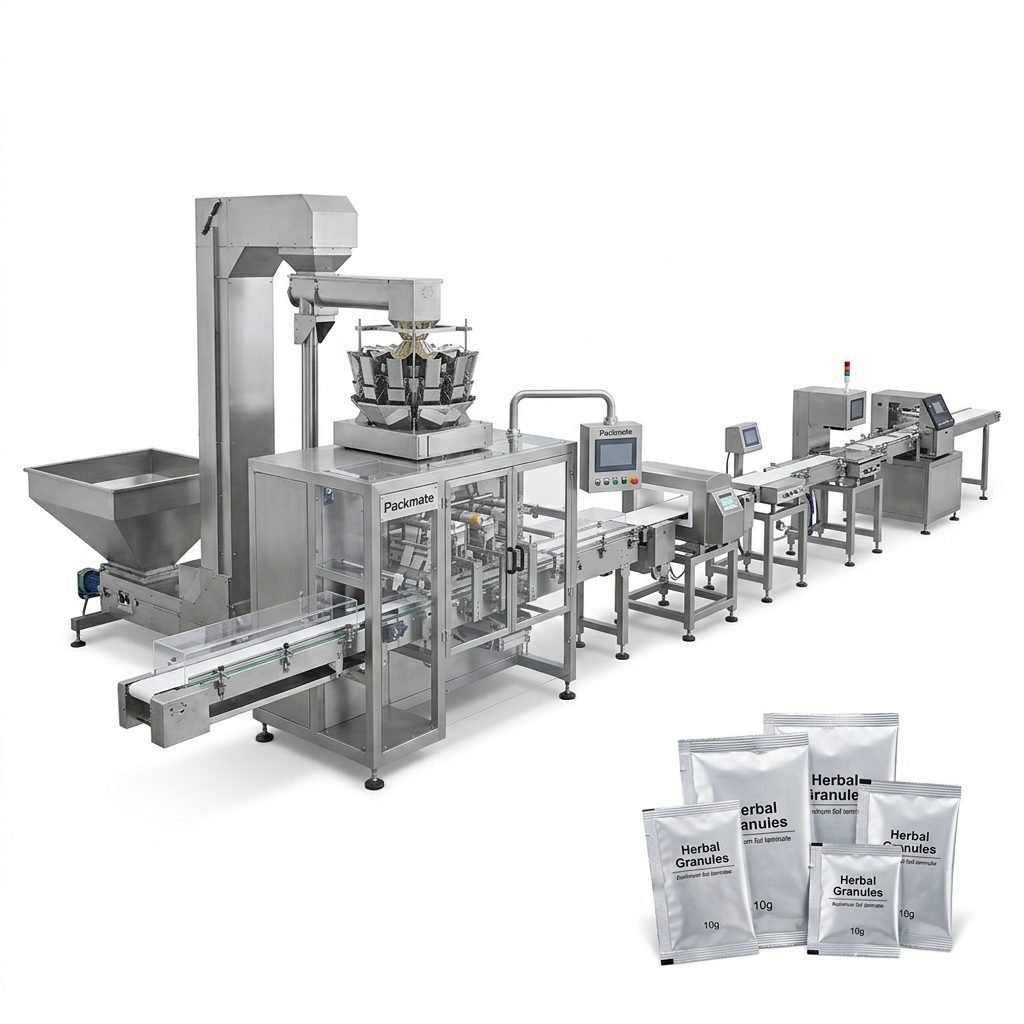
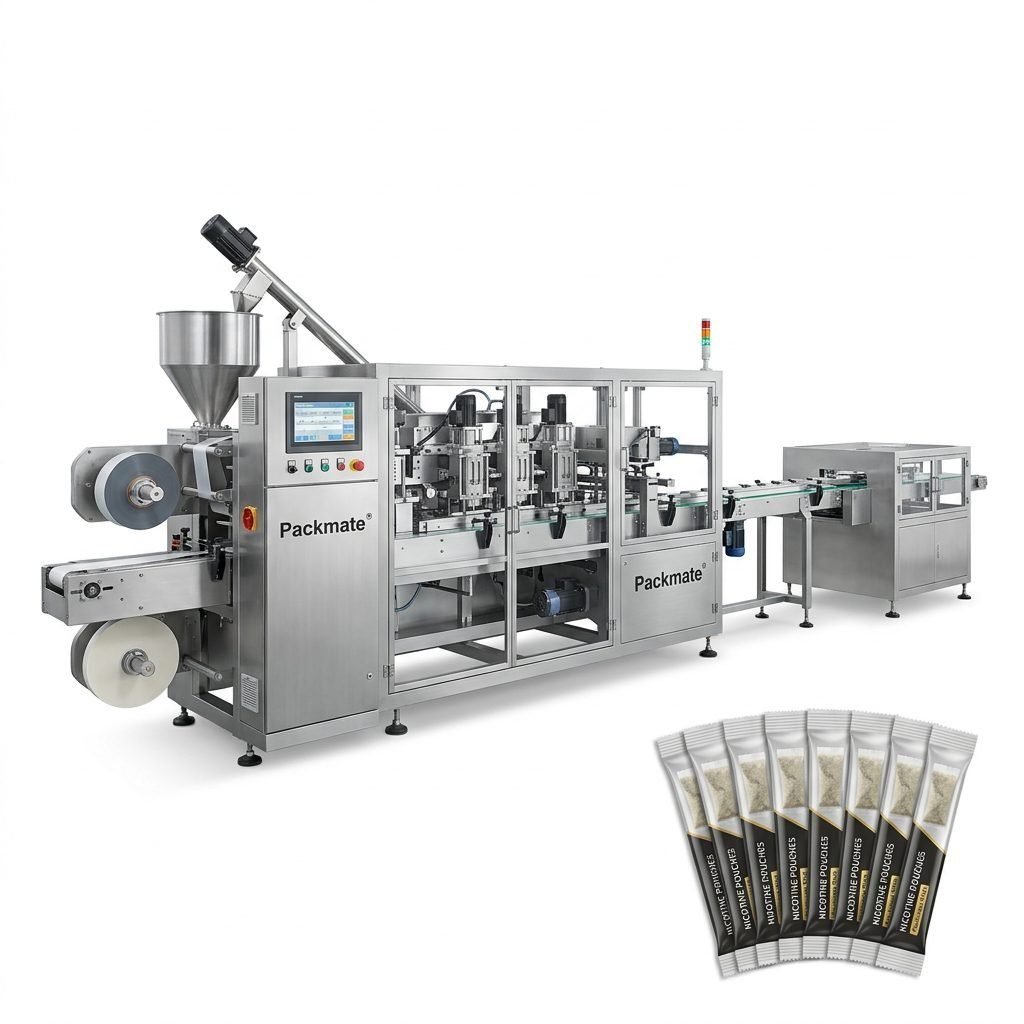
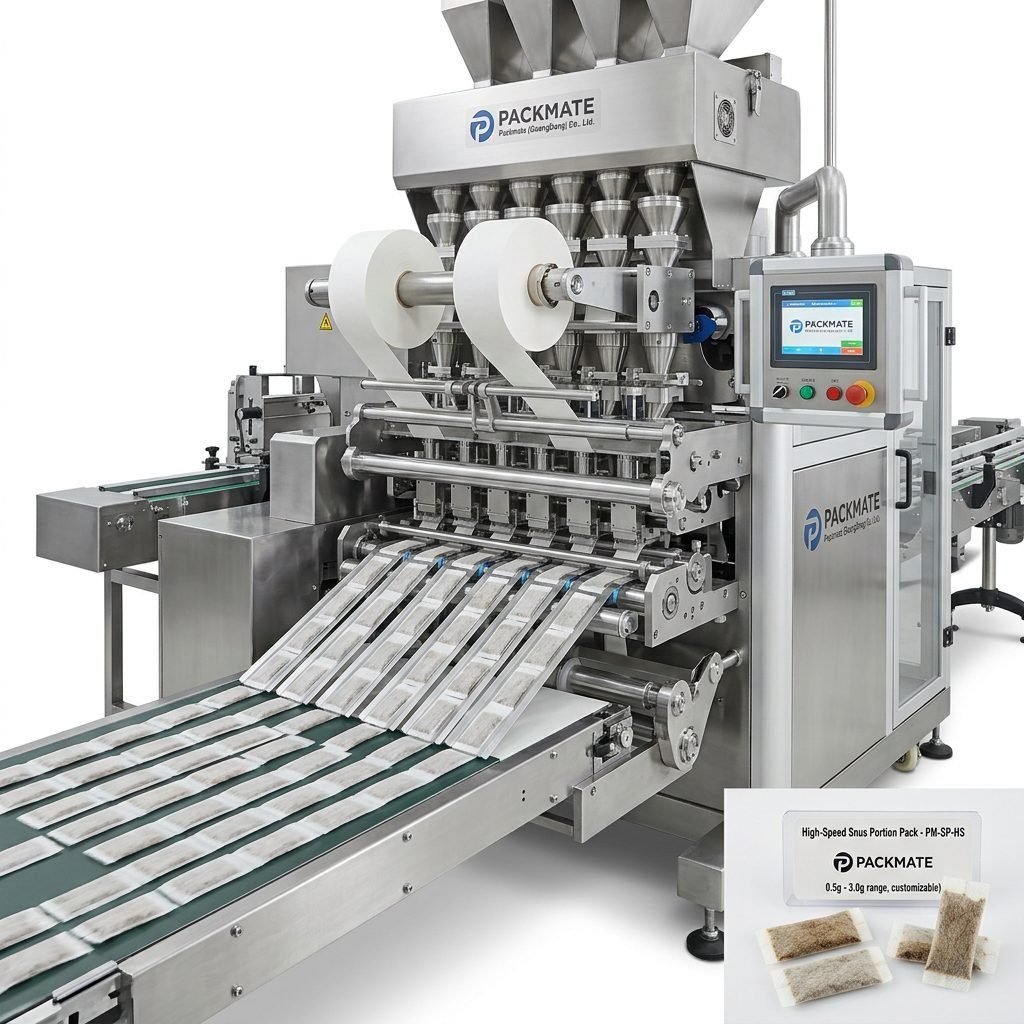
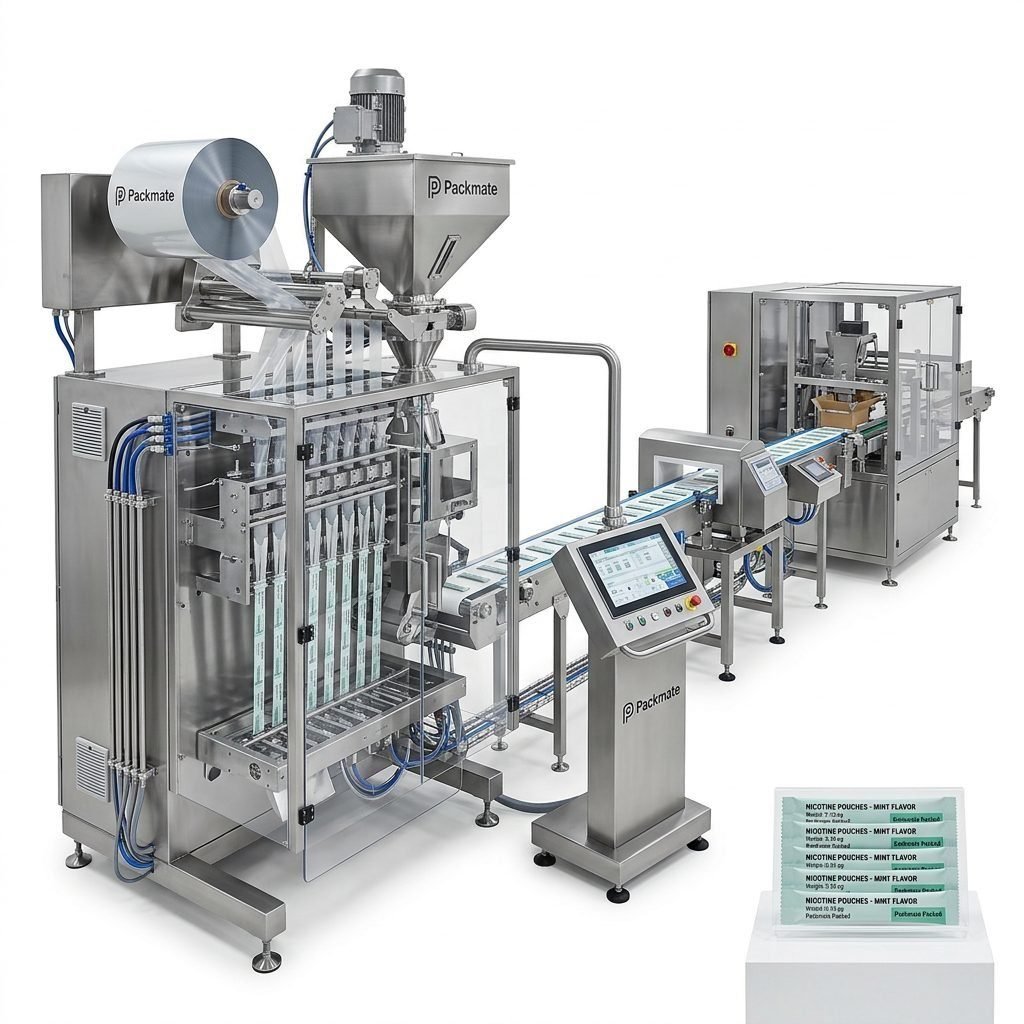
See examples of specialized solutions: Snus & Nicotine Packaging Machines — useful for comparing machine types and capabilities.
2. Variety of Machine Models & Customization Options
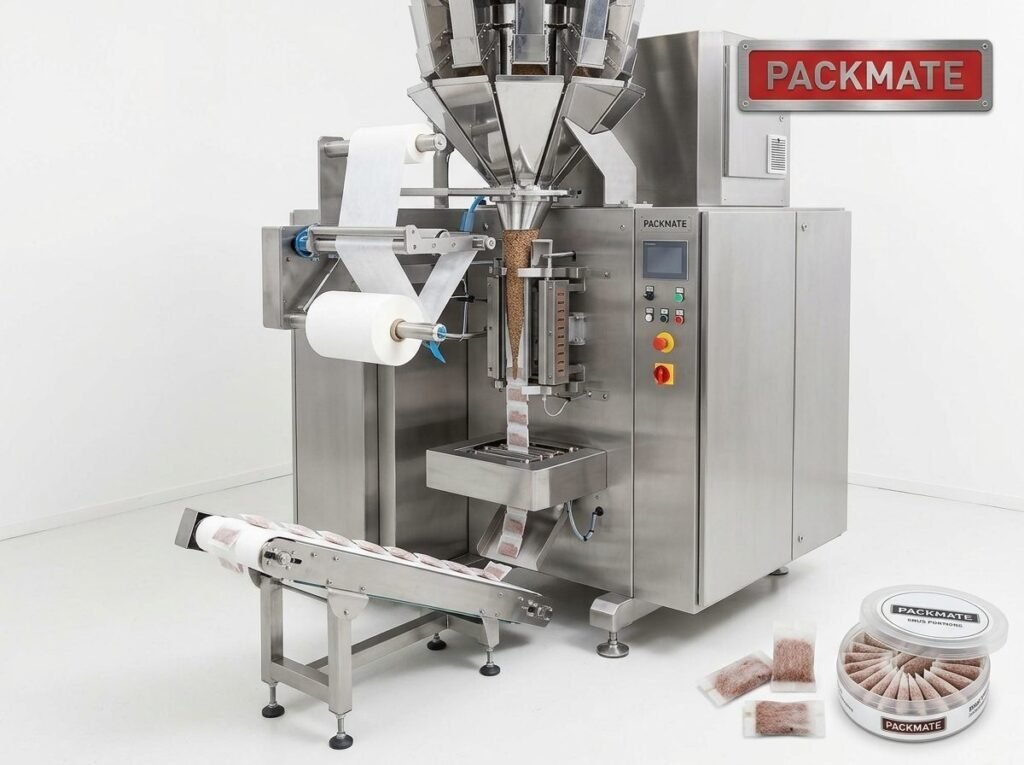
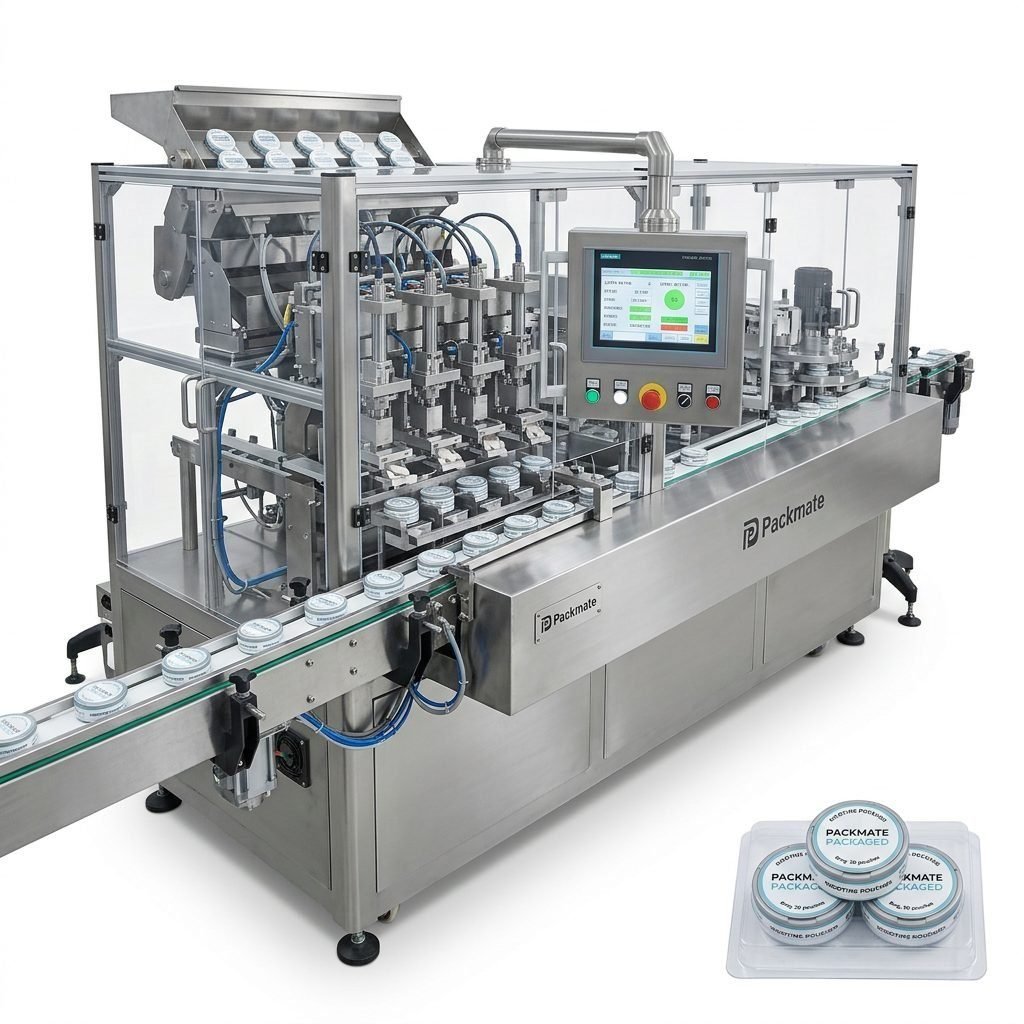
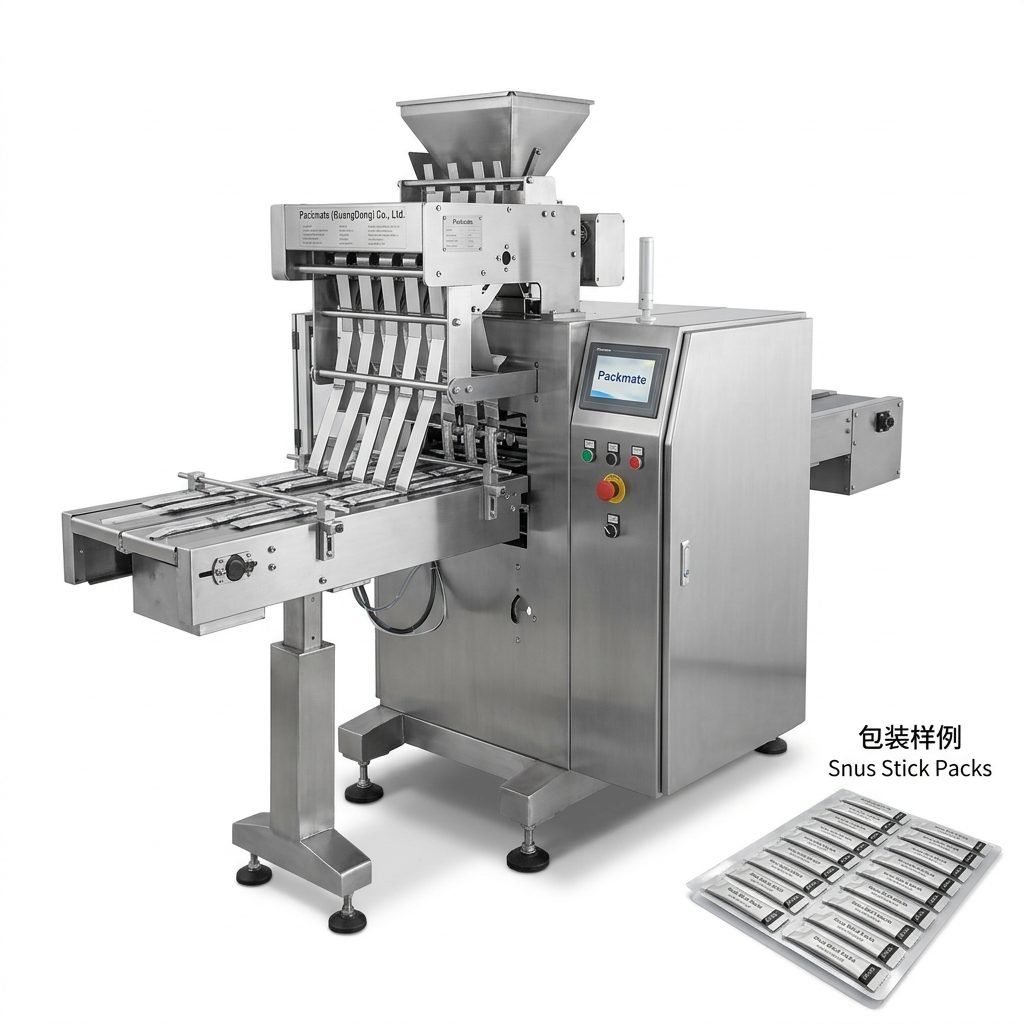
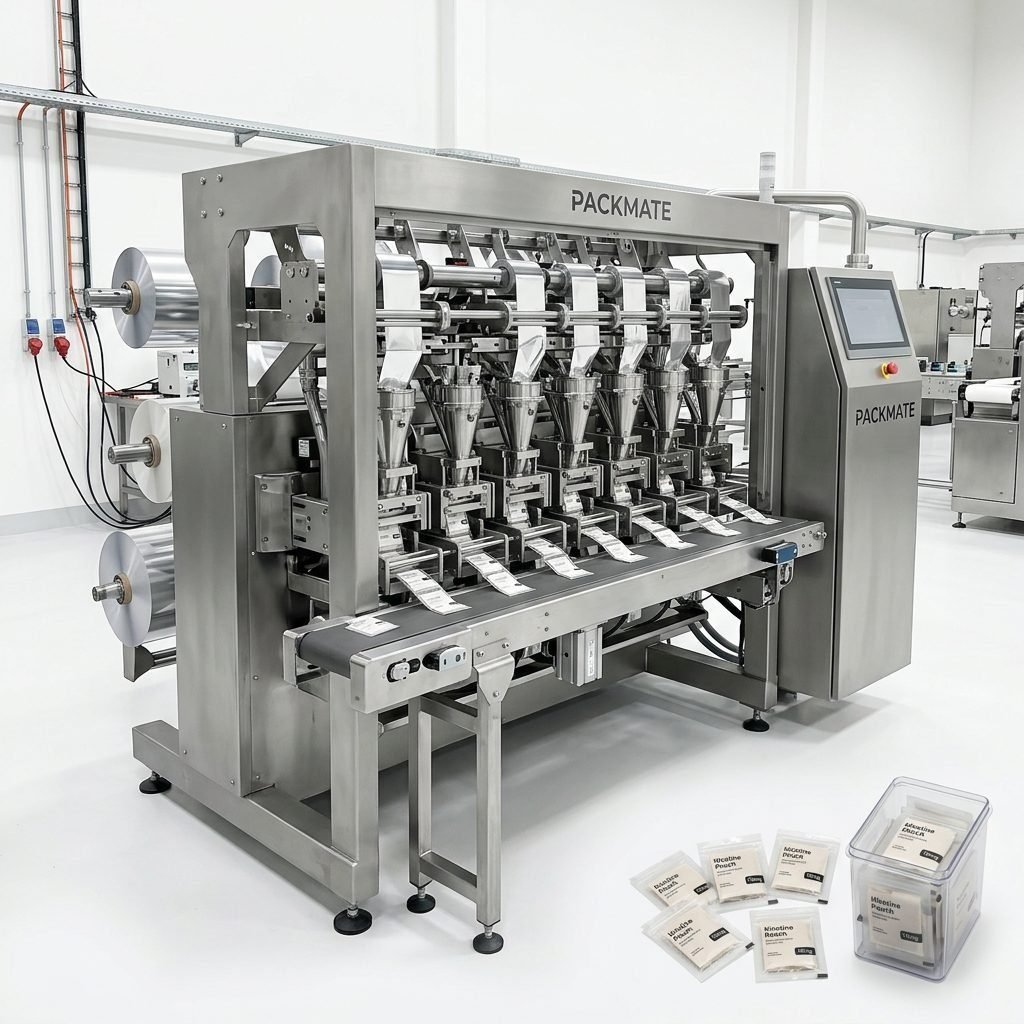
Your ideal manufacturer should offer multiple models (single-lane, multi-lane, stick pack, sachet) and customization for pouch size, filling weight, and layout. Flexibility matters as product SKUs evolve.
⚙️ Tip: Request a tailored line layout and ask for modular options so you can add lanes or integrate a weight-check system later.
3. Certifications, Safety & Regulatory Compliance
Confirm the manufacturer meets international standards (CE, ISO) and can provide documentation suitable for Tanzanian import and regulatory checks. Compliant machines are safer, easier to insure, and more likely to pass customs and local inspections.
Mandatory checks: CE/ISO certificates, electrical standards matching your local grid, and material contact approvals (if packaging food-grade or consumables).
Learn about certifications from manufacturers like Packmate: Certificate.
4. After-Sales Support, Spare Parts & Local Serviceability
Reliable after-sales service is crucial in Tanzania where lead times for parts can be long. Prioritize manufacturers offering:
• Quick spare-parts supply and reasonable stocking programs.
• Remote diagnostics and local service partner recommendations.
• Training for local operators in English and, if possible, Swahili-friendly manuals or basic translations — this speeds up adoption and reduces operator errors.
📦 Practical ask: Request a spare-parts list, expected lifetime of consumables, and average lead time for replacement components.
5. Production Capacity, Throughput & Scalability
Estimate your target volumes and choose machines that match both current and projected demand. Multi-lane systems are ideal for rapid scale-up in emerging markets. Ask for:
• Actual throughput numbers under normal operating conditions (not theoretical max).
• Changeover times between SKUs and ease of maintenance.
• Options to add lanes, fillers, or robotic packers later.
6. Total Cost of Ownership & Financing Options
The lowest purchase price rarely wins. Ask for a breakdown of total cost over 3–5 years, including:
• Energy consumption (important with Tanzania’s electricity variability).
• Consumables and spare parts costs.
• Expected downtime and service response times.
Many manufacturers provide phased payment or leasing plans — negotiate terms that match cash flow.
7. Site Suitability: Power, Humidity & Space
Tanzania’s coastal humidity and frequent power fluctuations should shape your choice:
• Choose machines with corrosion-resistant components and sealed electrical cabinets.
• Confirm voltage compatibility or request transformers and stabilizers.
• Plan for workshop space, ventilation, and an area for QC testing and sample runs.
8. Factory Visit, Demos & References
Whenever possible, arrange a live demo or video demonstration of machines running your product format. If a factory visit is not possible, ask for recorded demonstrations, references in similar climates, and case studies.
Explore real-world installations: Case — this helps verify performance claims.
9. Speed to Market: Prototypes, Samples & Pre-Production Trials
A manufacturer that offers prototype runs and sample packs is more valuable. Confirm whether they can:
• Produce press-ready film samples and conduct shelf-life or sealing integrity tests.
• Provide pilot production to validate filling accuracy and packaging durability before you invest in full lines.
10. Communication, Lead Times & Logistics
Clear communication channels and realistic lead times are essential. Negotiate delivery schedules, freight options to Tanzanian ports (Dar es Salaam), and customs clearance assistance. Request:
• A detailed timeline from deposit to factory acceptance test (FAT).
• Packing lists and spare parts kits for first installation.
Why Packmate Snus Machine Is a Strong Candidate
Packmate brings 30+ years of engineering experience, a broad product line, and turnkey capabilities that suit Tanzanian businesses seeking dependable snus packaging solutions. Their strengths include:
- 20,000㎡ manufacturing facility with advanced CNC and precision assembly.
- 50+ machine models, including multi-lane solutions for nicotine pouches and stick packs.
- Compliance with CE and ISO standards, and global case studies across climates.
Learn more about the company: About Packmate and their Bag & Pouch Packaging Machines.
🌍 Local fit: Packmate’s global turnkey approach and exhibition presence make it easier to verify machine performance and negotiate tailored solutions for East Africa — check upcoming shows via Our Exhibition.
Negotiation Checklist — What to Lock in Before Signing
Before committing, ensure your contract includes:
• Detailed scope of supply and machine specifications.
• Acceptance tests (FAT/SAT) and performance guarantees.
• Warranty period, spare parts list, and response time for service calls.
• Training sessions (onsite or remote) and technical documentation language.
Installation, Training & Local Workforce Development
Invest in operator and maintenance training early. Practical steps:
• Schedule a hands-on commissioning period with manufacturer engineers.
• Translate essential SOPs and maintenance checklists into Swahili for shop-floor staff.
• Set KPIs for uptime, rejects, and production rate — track them from day one.
Maintenance Best Practices
To maximize lifetime and uptime in Tanzania:
• Keep a small stock of high-wear consumables (seals, belts, nozzles).
• Schedule regular preventive maintenance and lubrication intervals.
• Use surge protectors and consider a backup generator or UPS for critical production windows.
Final Thoughts: Smart Choices Lead to Market Success
Selecting a snus packaging machinery manufacturer for Tanzania means balancing technical performance with local realities: climate, distribution, language, and regulatory requirements. Prioritize manufacturers with proven snus expertise, strong after-sales support, and the ability to customize machines for your product formats and volumes.
Working with a partner like Packmate can shorten your path to market thanks to comprehensive machine options, certifications, and global turnkey experience — but always validate claims through demos, references, and detailed contractual terms.
Useful links
Explore full packaging lines and auxiliary equipment when planning a scale-up: Filling & Packaging Lines, Weighing & Packaging Systems, and Contact Us for direct inquiries.
Frequently Asked Questions
Q1: How do I confirm a machine is suitable for Tanzania’s coastal humidity?
A1: Ask the manufacturer about corrosion-resistant materials, sealed electrical enclosures, and any successful installations in similar climates. Verify with case studies and references.
Q2: What is a realistic lead time for a customized multi-lane snus packing line?
A2: Typical lead times vary from 8–20 weeks depending on customization, testing requirements, and spare-parts kits. Confirm delivery milestones in your contract.
Q3: How important are certifications like CE and ISO when importing into Tanzania?
A3: Very important — they simplify customs clearance, insurance, and local compliance checks. Always request certified documentation.
Q4: Can manufacturers help with local installation and operator training?
A4: Many offer commissioning and training packages. Negotiate onsite training and translated SOPs to speed up local workforce competence.
Q5: What should I include in a spare-parts starter kit?
A5: Include high-wear belts, sealing jaws, nozzles, sensors, PLC backups, and basic electrical components. Confirm expected consumption rates with the manufacturer.