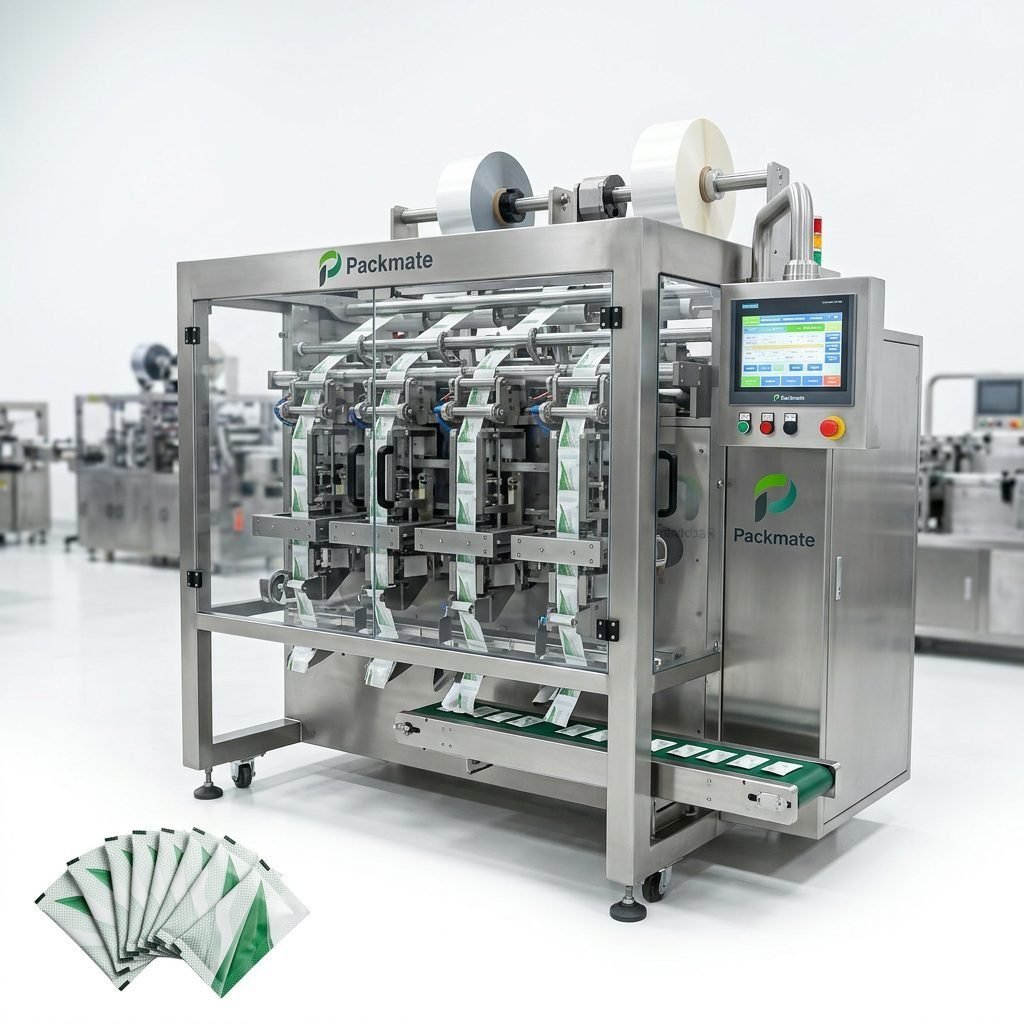
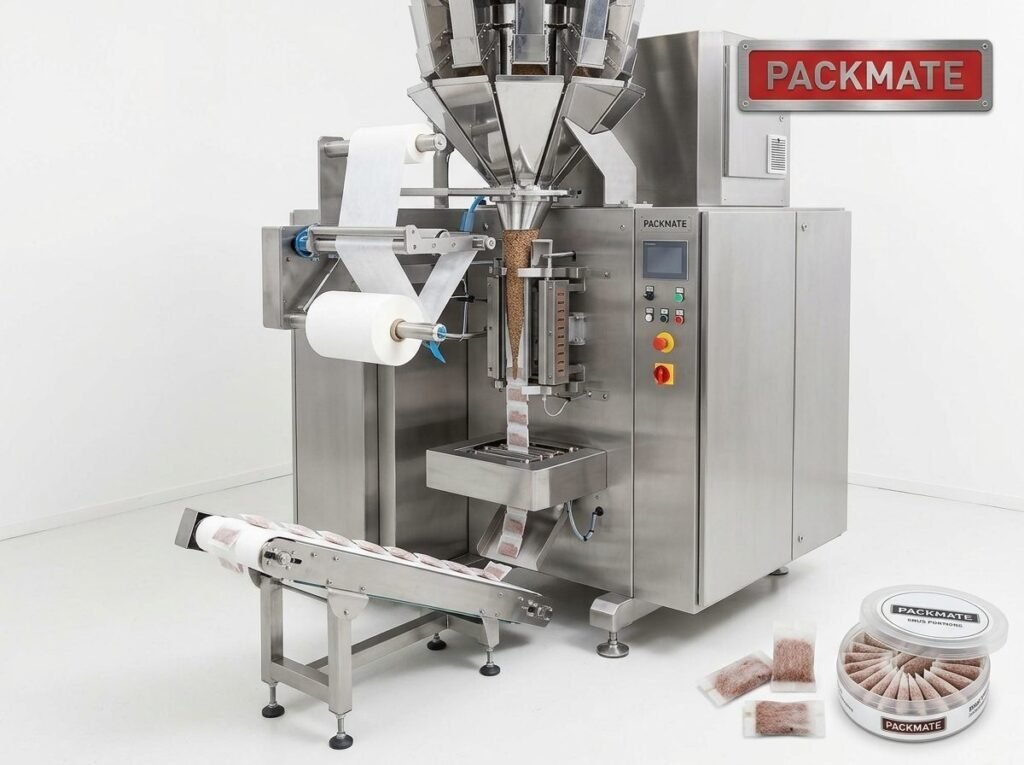
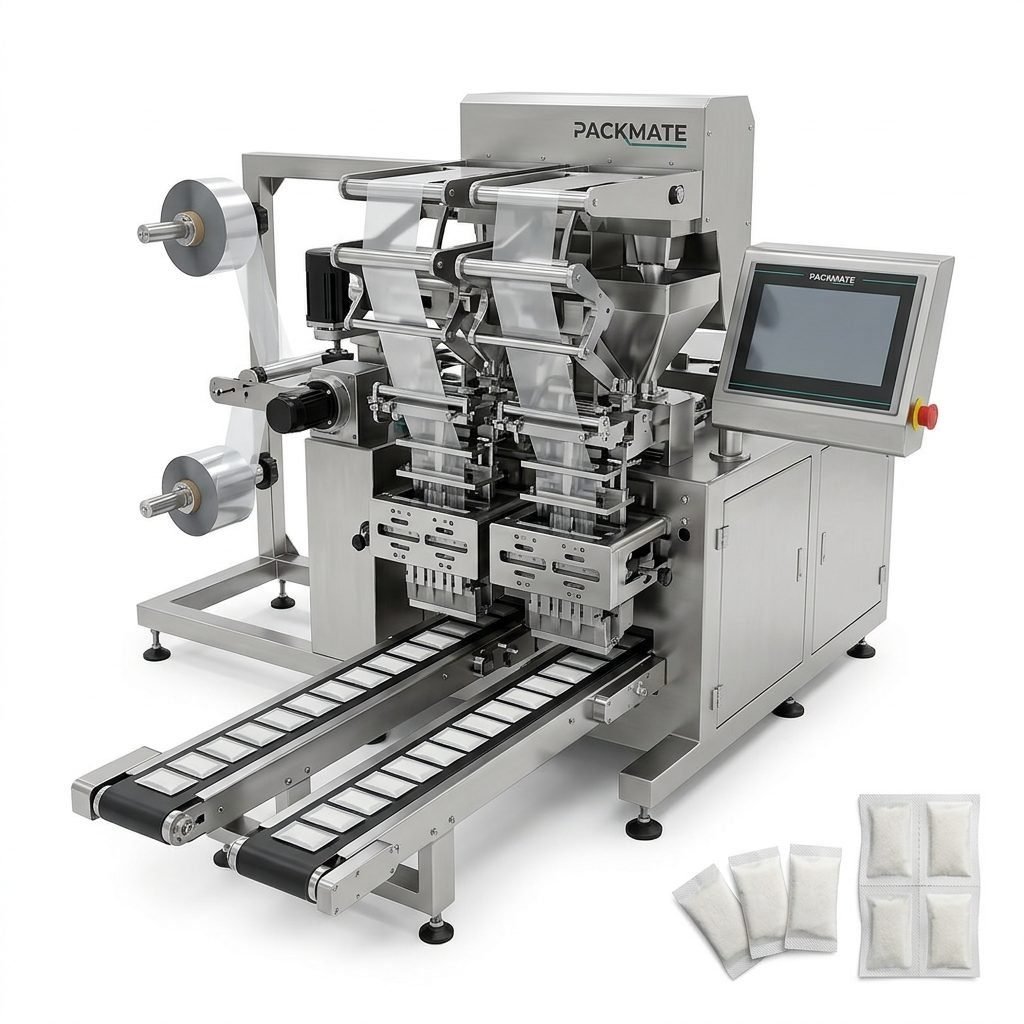
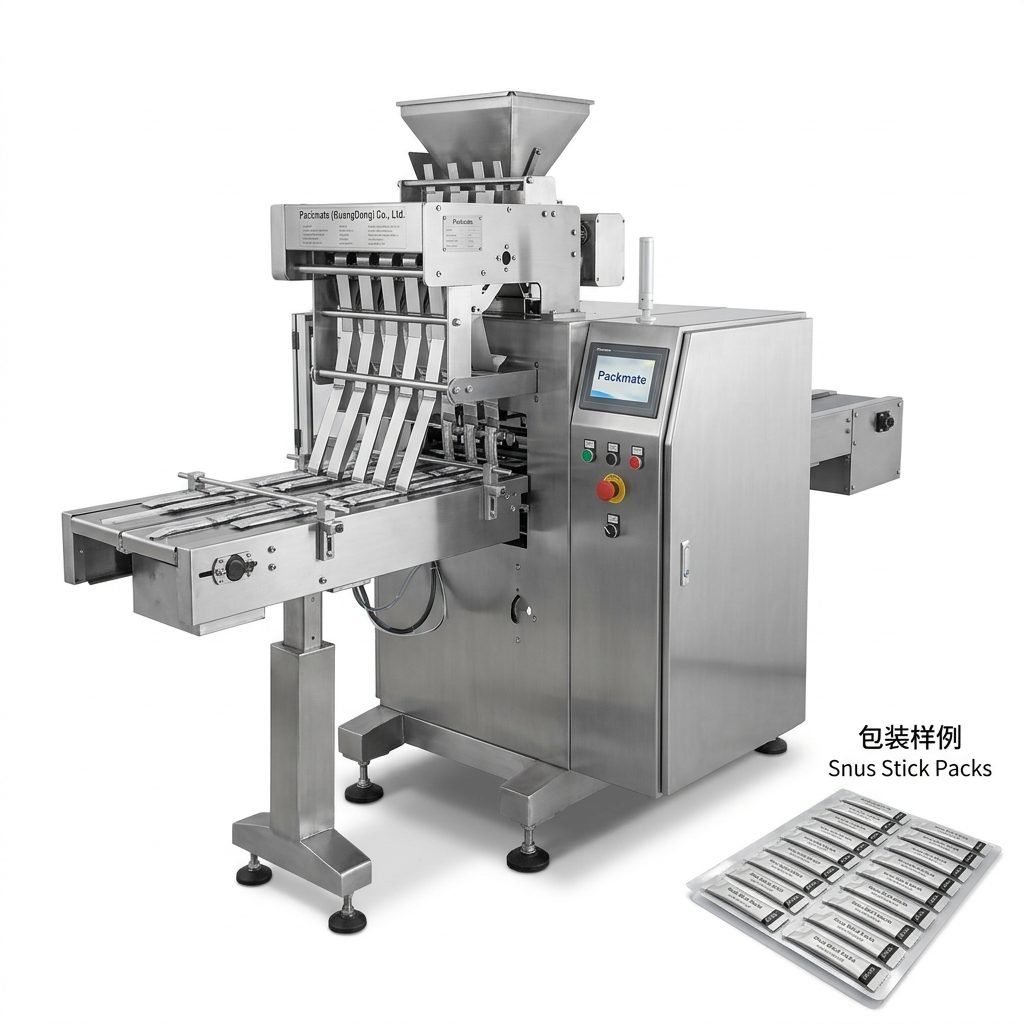
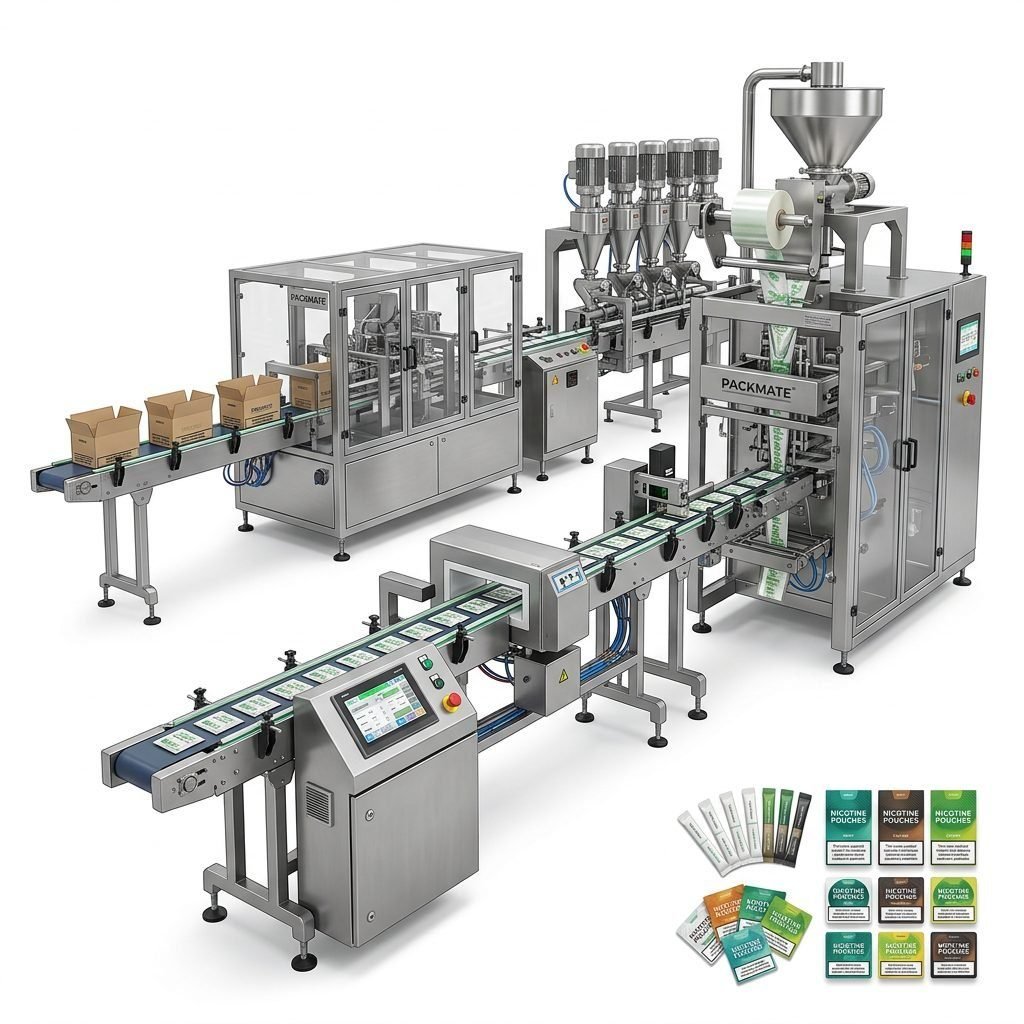
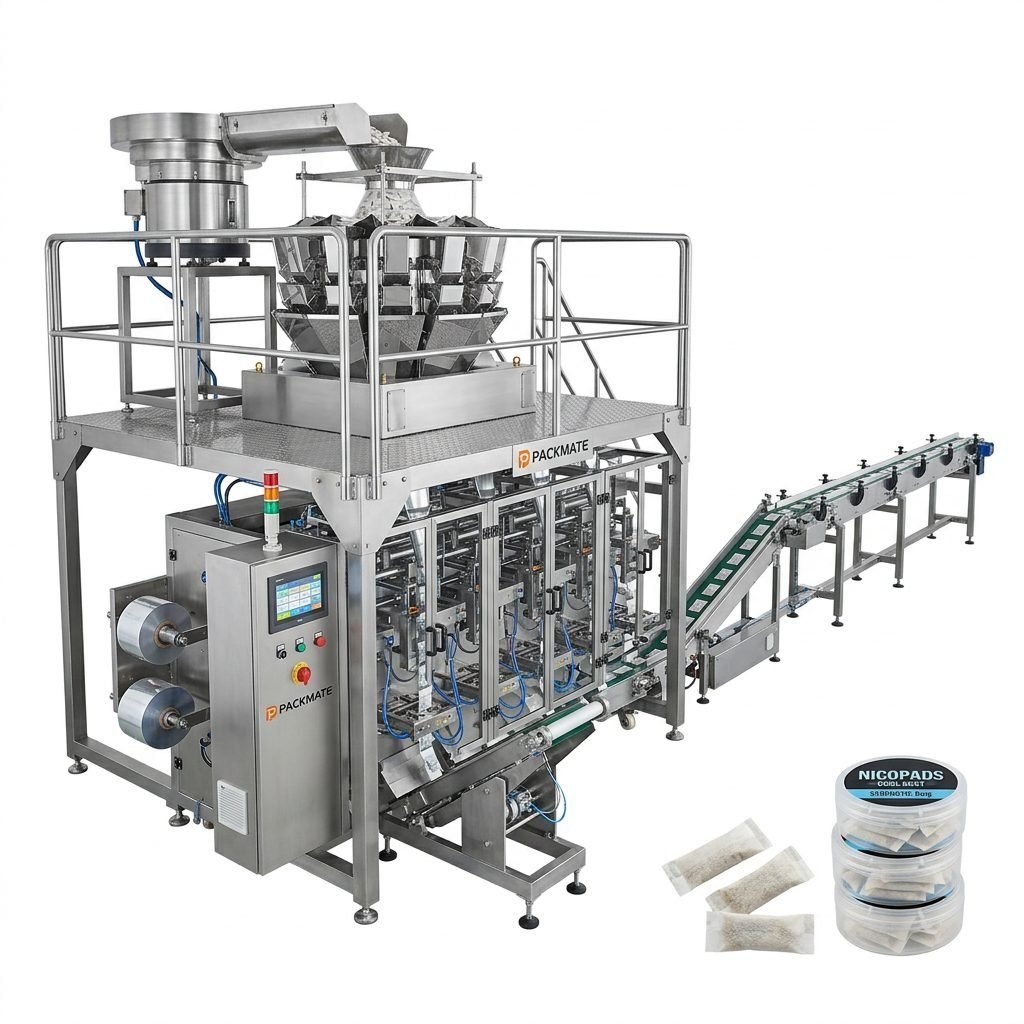
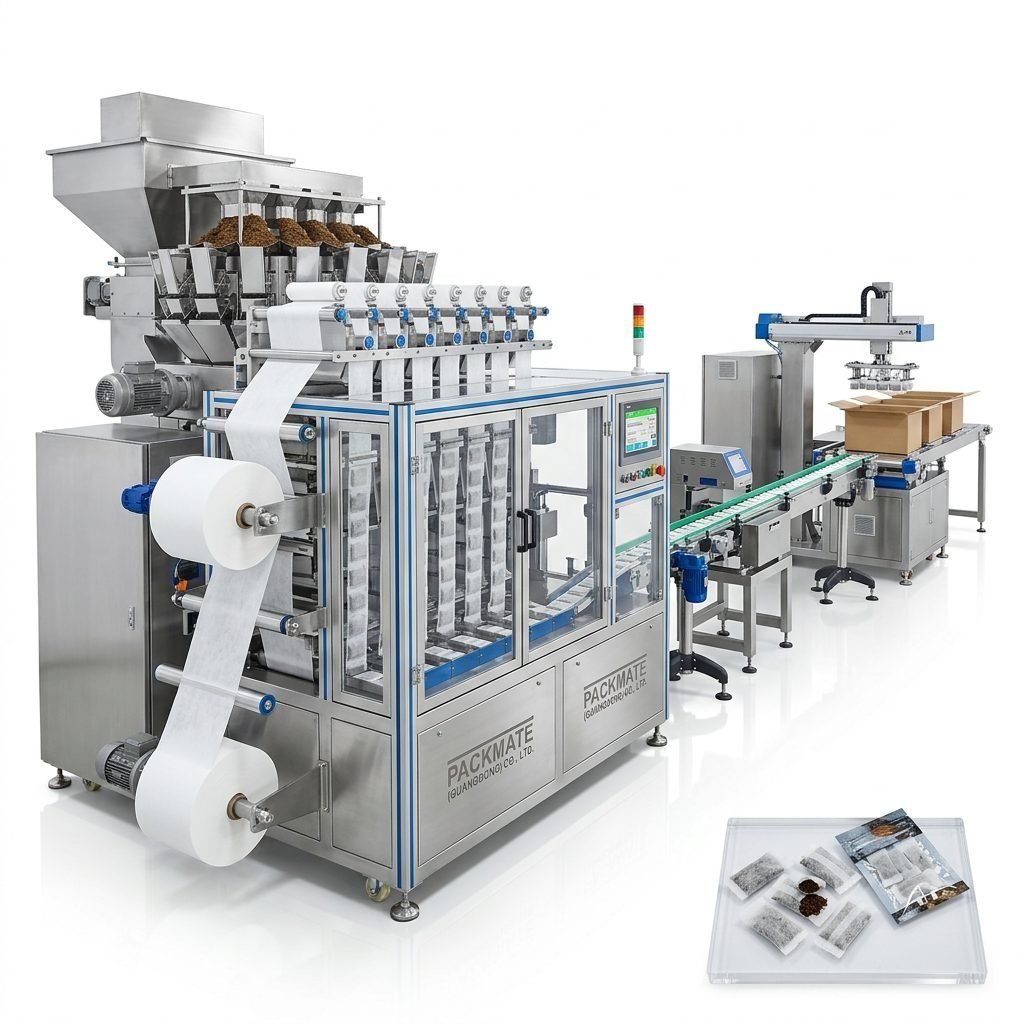
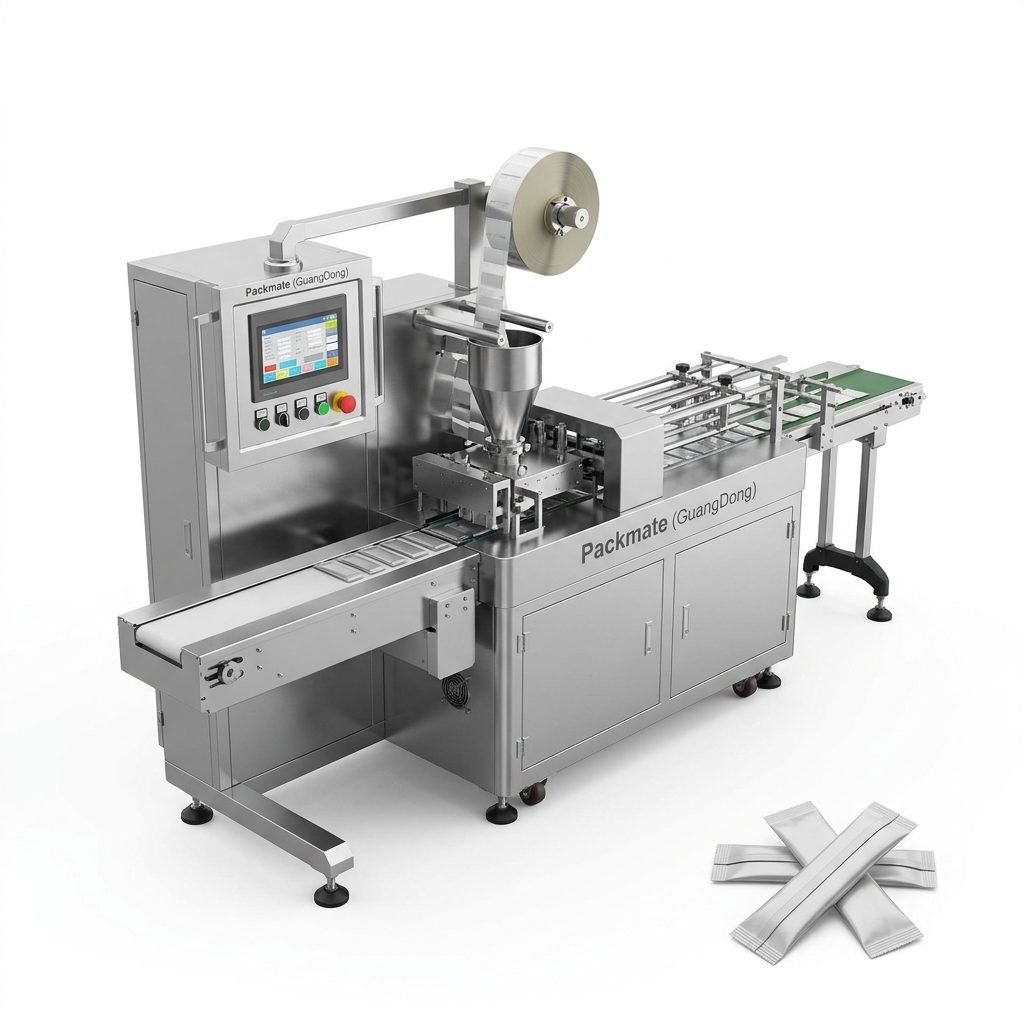
Choosing the right snus packaging machine manufacturer is a critical decision for any New Zealand business entering or expanding in the nicotine pouch market. This guide walks you through practical, locally-relevant considerations—from regulatory compliance and consumer habits in New Zealand to technical machine features, after-sales service, and total cost of ownership—so you can make an informed purchase that supports long-term growth.
Understand New Zealand Market Context and Regulations
New Zealand has a strong public health focus and clear regulatory frameworks for nicotine products. Manufacturers and packaging suppliers must be aware of labelling rules, product composition declarations, and import protocols. For exporters or local producers, aligning packaging solutions with local rules reduces the risk of non-compliance and costly relabelling or rework.
Practical local considerations:
✓ Ensure packaging supports clear labelling in English and any legally required warnings.
✓ Design for tamper-evidence and child-resistant options if required by local regulation.
✓ Account for NZ Customs and Biosecurity packing requirements when importing machinery or finished products.
Key Technical Criteria When Assessing Manufacturers
Technical capability is the backbone of a reliable snus/nicotine pouch packaging system. Evaluate manufacturers on these must-have features:
Production speed and scalability: Can the equipment handle your current demand and scale up for seasonal or rapid growth? For multi-lane nicotine pouches, throughput and synchronization between lanes are essential.
Filling accuracy: Accurate dosing avoids waste and ensures consistent product quality—critical for regulated nicotine products.
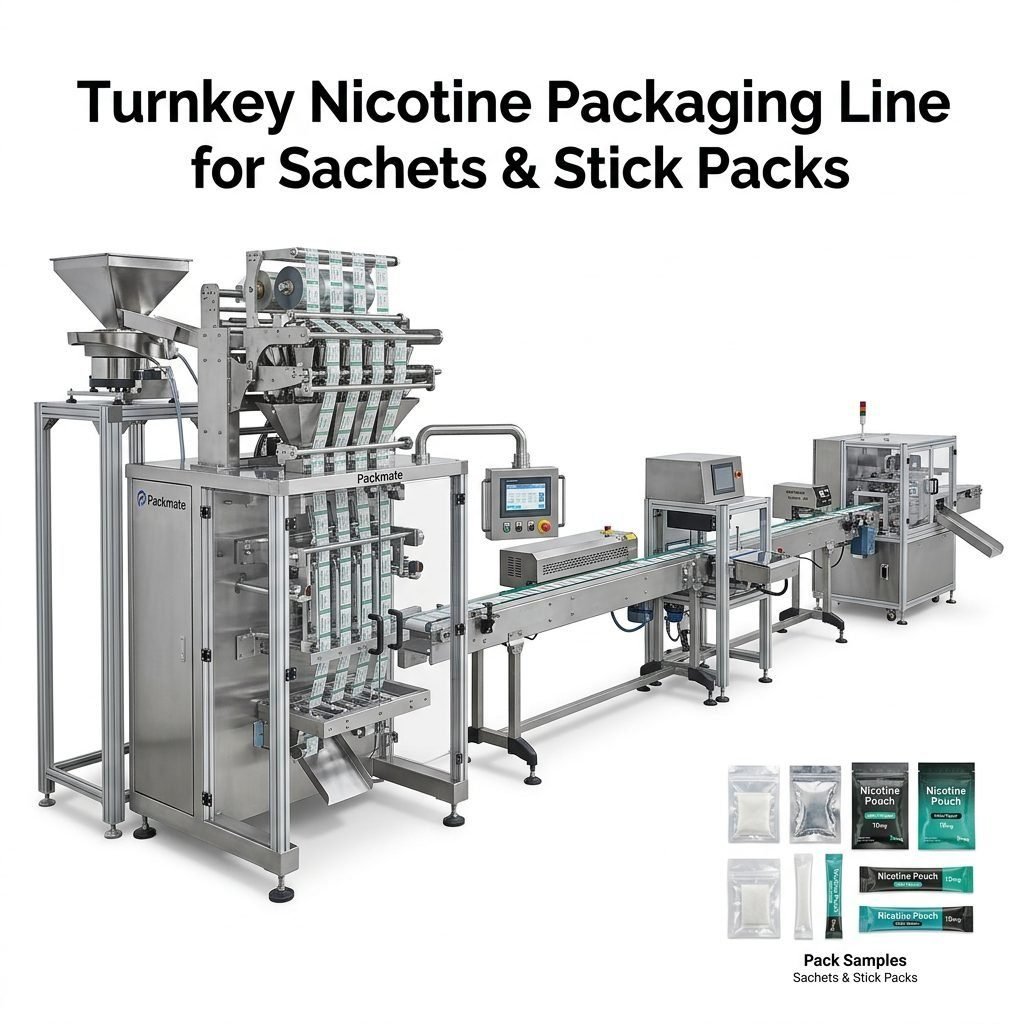
Packaging formats supported: Does the supplier offer stick packs, sachets, multi-lane pouches or specialized pouch styles used in NZ market segments?
Material compatibility: Machines must work with barrier films, recyclable laminates and any custom substrates you plan to use.
Ease of changeover: Quick tool-free changeovers reduce downtime when switching SKUs.
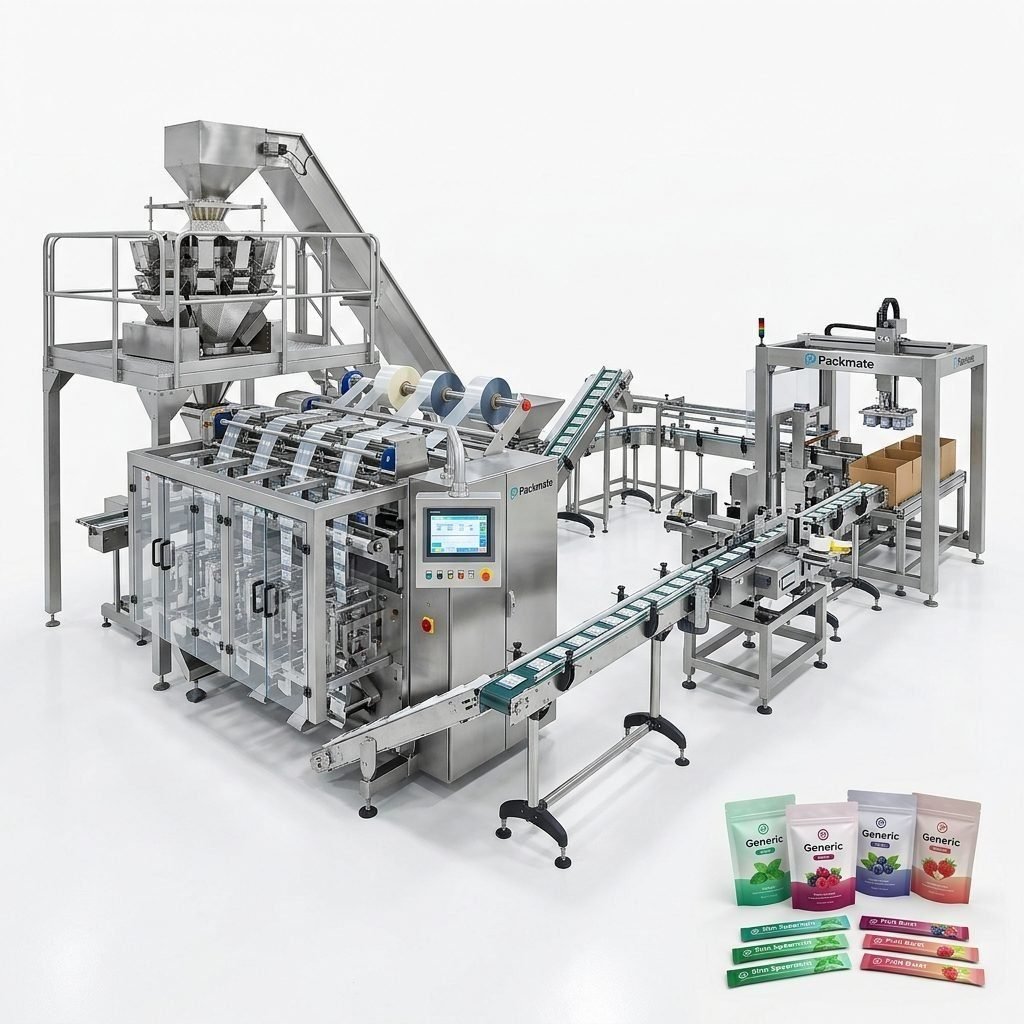
Automation & integration: Can the equipment be integrated into a turnkey line—linking weighing, feeding, packaging and boxing systems?
🔧 Tip: Request real production metrics (pouches/minute, uptime %, reject rate) from the manufacturer and verify them with factory acceptance testing or references.
Why Certifications and Factory Capability Matter
Certifications (CE, ISO) and a well-equipped factory are indicators of consistent quality. Look for manufacturers with modern CNC machining centers, precision assembly lines, and documented quality control processes. For example, companies with 20,000㎡ factories and 30+ years of engineering history typically offer stronger R&D and service capabilities.
If you want to explore a manufacturer’s full product range, see their product pages such as
Snus & Nicotine Packaging Machines
and
Sachet & Stick Pack Machines.
After-Sales Service, Spare Parts and Local Support
Fast, reliable after-sales service is often more important than the initial purchase price. For New Zealand customers, consider:
– Availability of spare parts and local stock or fast international shipping.
– Remote diagnostics and PLC/HMI support to reduce onsite visits.
– Training programs for operators and maintenance teams.
– Clear warranty terms and service level agreements.
✅ Must ask: “How quickly can you ship a critical spare part to Auckland or Christchurch, and do you provide on-site commissioning in New Zealand?”
Turnkey Solutions vs. Standalone Machines
Decide whether you need an integrated line (weighing, feeding, packaging, cartoning) or a standalone machine. Turnkey suppliers reduce integration risks and provide a single point of responsibility, which is valuable if you’re new to nicotine pouch production.
Explore combined solutions like those listed under
Filling & Packaging Lines
and
Weighing & Packaging Systems.
Evaluate Manufacturer Track Record and Case Studies
A proven track record in similar markets and industries is essential. Request case studies showing installations in regulated markets and multi-lane systems for small-dose pouches. Manufacturers that participate in global exhibitions and publish real customer cases make stronger partners.
For examples of how suppliers present projects and references, review their case portfolios such as
Case.
⚠️ Red flag: Manufacturers unwilling to share references or production videos—ask for factory acceptance test (FAT) videos and client contacts.
Customization and Packaging Design Support
NZ brands often emphasize sleek, minimal packaging and sustainability. Ensure your manufacturer can:
– Work with low-gauge or sustainable films and recyclable materials.
– Provide tooling for unique pouch shapes and sizes.
– Offer label application or overprinting for batch codes and regulatory text.
Quality Assurance, Testing and FAT Procedures
Robust QA protocols before shipment reduce surprises on arrival. Confirm that the manufacturer performs:
– Full functionality tests with your actual materials (not just demo film).
– Accuracy and repeatability testing for dosing systems.
– Electrical and safety compliance checks relevant to your region.
📄 Request: A detailed FAT report, video of the line running with your product, and a signed checklist before payment and shipment.
Logistics, Shipping and Local Installation in New Zealand
Shipping heavy industrial equipment to New Zealand can be complex. Consider:
– Packing standards for sea freight and local biosecurity screening.
– Import duties, GST, and documentation (commercial invoice, packing list, certificates).
– Whether the supplier assists with local installation, commissioning, and operator training.
Total Cost of Ownership (TCO) Over Purchase Price
Compare vendors using TCO—consider spare parts cost, energy use, expected MTBF (mean time between failures), downtime cost, and training. A lower upfront price can be costly if the machine has high downtime or expensive consumables.
Helpful questions to ask:
– What is the recommended maintenance schedule and cost?
– Which parts are wear items and how often do they require replacement?
– Are consumables standardized or proprietary (affecting cost and lead time)?
Why Packmate Could Be a Strong Candidate for NZ Businesses
With over 30 years of experience, a 20,000㎡ manufacturing facility and a focus on snus and nicotine pouch systems, Packmate Snus Machine offers extensive expertise in high-performance multi-lane lines, stick packs and sachet systems. Their factory capabilities, combined with CE and ISO compliance, make them a supplier worth evaluating for New Zealand operations.
Learn more about the company, their history and mission on the
About Packmate
page, and view typical product ranges under
Bag & Pouch Packaging Machines.
🔎 Local presence matters: Confirm whether the vendor attends regional exhibitions or can provide NZ-based references. Check their exhibition participation at
Our Exhibition.
Practical Checklist Before You Buy
1) Define your current and projected throughput needs.
2) Provide sample product and packaging material for testing.
3) Verify certifications and request FAT documentation.
4) Confirm spare parts availability and expected lead times.
5) Agree on training, warranty and remote support options.
6) Compare TCO, not just purchase price.
📞 Next step: Contact the supplier for a tailored quote and arrange a sample test run. Use the manufacturer’s contact tools like their
Contact Us
page.
Sustainability and Community Considerations in New Zealand
New Zealand consumers and regulators increasingly favor environmentally conscious packaging. Prioritise suppliers that can handle recyclable films, reduced material use, and energy-efficient machines. Also consider how your packaging aligns with public expectations and Māori perspectives on health and wellbeing when marketing nicotine products locally.
Final Recommendations
– Prioritize manufacturers with demonstrated experience in snus and nicotine pouch packaging and strong QA practices.
– Insist on FATs with your actual materials and request long-term service commitments.
– Evaluate total cost of ownership, spare parts availability, and ease of integration into a turnkey line.
– Verify regulatory compatibility and design packaging with NZ consumer expectations and sustainability goals in mind.
For product-specific questions, product lines and support, check the
Auxiliary Packaging Equipment
and
Service
pages to learn about maintenance and add-on solutions.
Frequently Asked Questions
Q1: How do I ensure a machine meets New Zealand safety and electrical standards?
A1: Request electrical certification, CE and ISO documents, and ask the manufacturer to provide wiring diagrams and compliance statements. Engage a local electrician or certified technician to review installation requirements.
Q2: What lead times should I expect for custom snus packaging lines?
A2: Lead times vary by customization level. Standard machines may ship in weeks, while fully customized turnkey lines can take several months. Confirm schedule during quotation and build in time for FAT and shipping to New Zealand.
Q3: Can I run multiple pouch sizes on the same machine?
A3: Many modern snus packaging machines support multiple sizes with quick changeovers. Verify the tool kits and changeover time; ask for a demonstration using your pouch sizes.
Q4: What ongoing costs should I budget for after purchase?
A4: Budget for spare parts, consumables, regular maintenance, potential software updates, and occasional on-site technical support. Include shipping costs for spare parts to New Zealand.
Q5: How do I validate a manufacturer’s claims?
A5: Ask for FAT videos with your product, client references in similar markets, factory photos, and visit the factory if practical. Independent third-party inspections can also provide assurance.