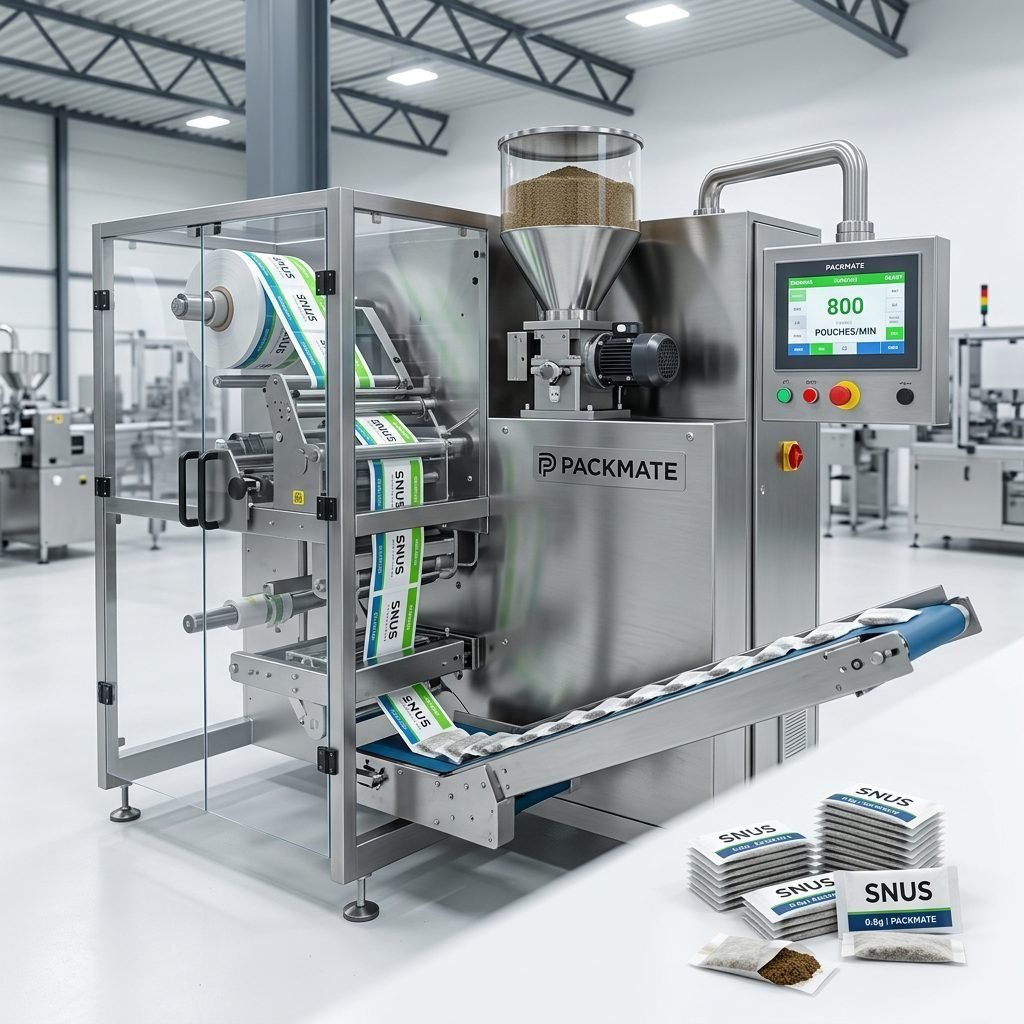
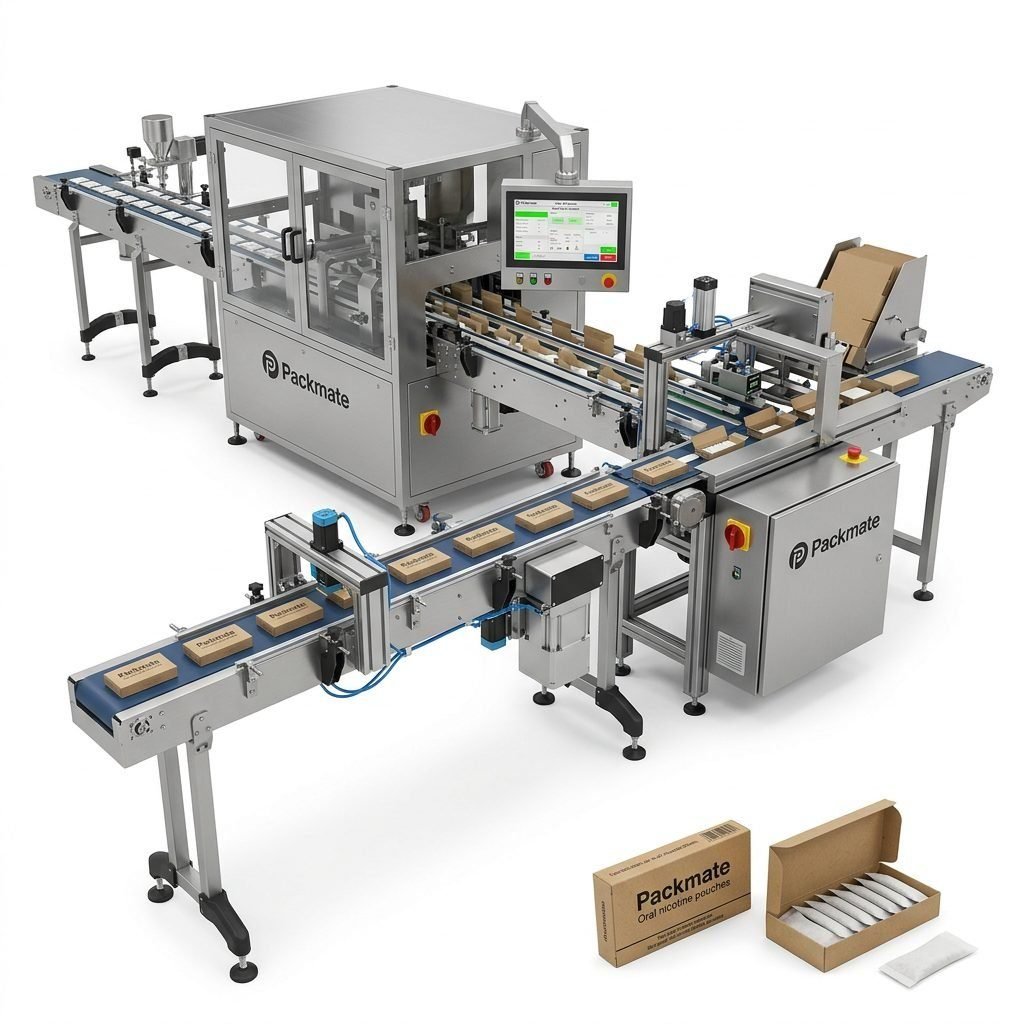
Choosing the right nicotine packaging machinery in Oman requires more than comparing technical sheets. You must align equipment capabilities with local market habits, regulatory expectations across the Gulf Cooperation Council (GCC), factory floor constraints, and long-term service needs. This guide breaks down practical steps to select a reliable snus and nicotine pouch packaging solution that fits Oman’s cultural context and your business goals.
1. Know the Omani market and cultural context
Oman is a conservative society where discreet consumption and respectful marketing matter. Products that are discreet, compact, and compliant with Arabic language labeling and local regulations tend to perform better. When choosing machinery, prioritize packaging formats that support small, individually sealed doses and tamper-evident features to address safety and perception concerns.
Local distribution channels in Oman often favor high-quality, locally labeled packaging. This means your machine must be able to integrate variable printing, batch coding, and multi-language label printing—usually with Arabic script support and clear regulatory information.
2. Decide on the packaging format first
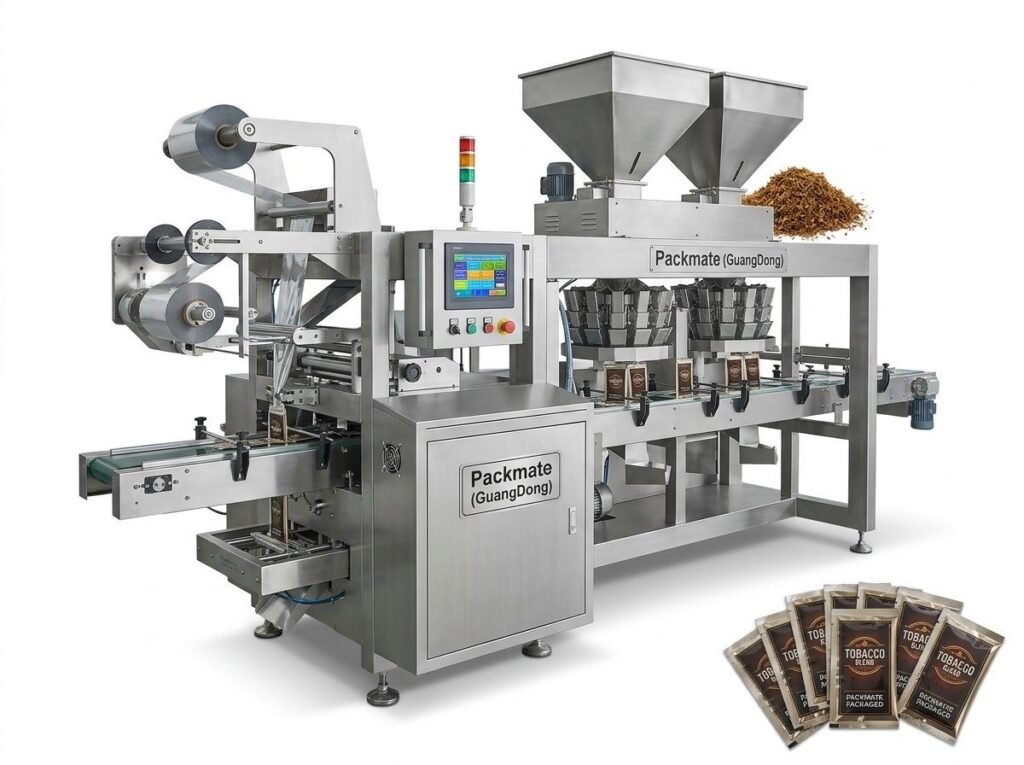
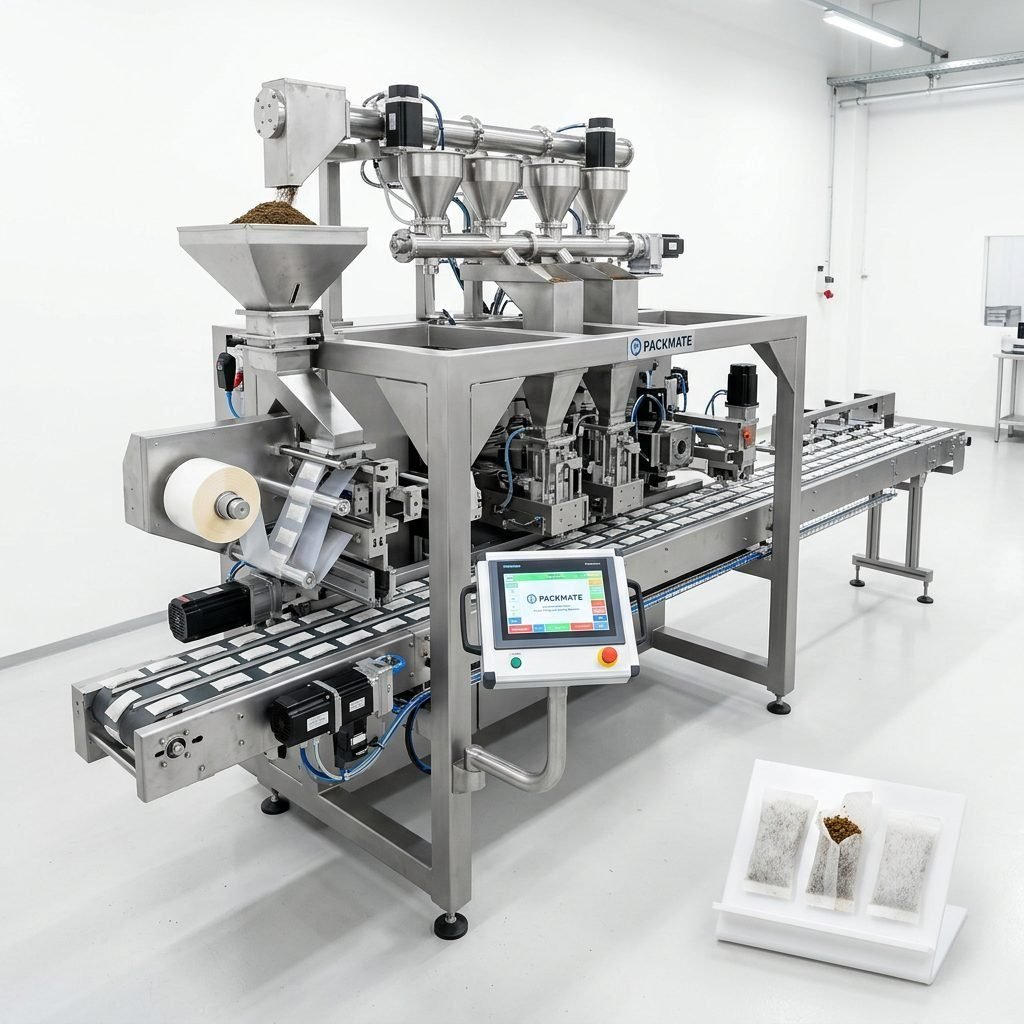
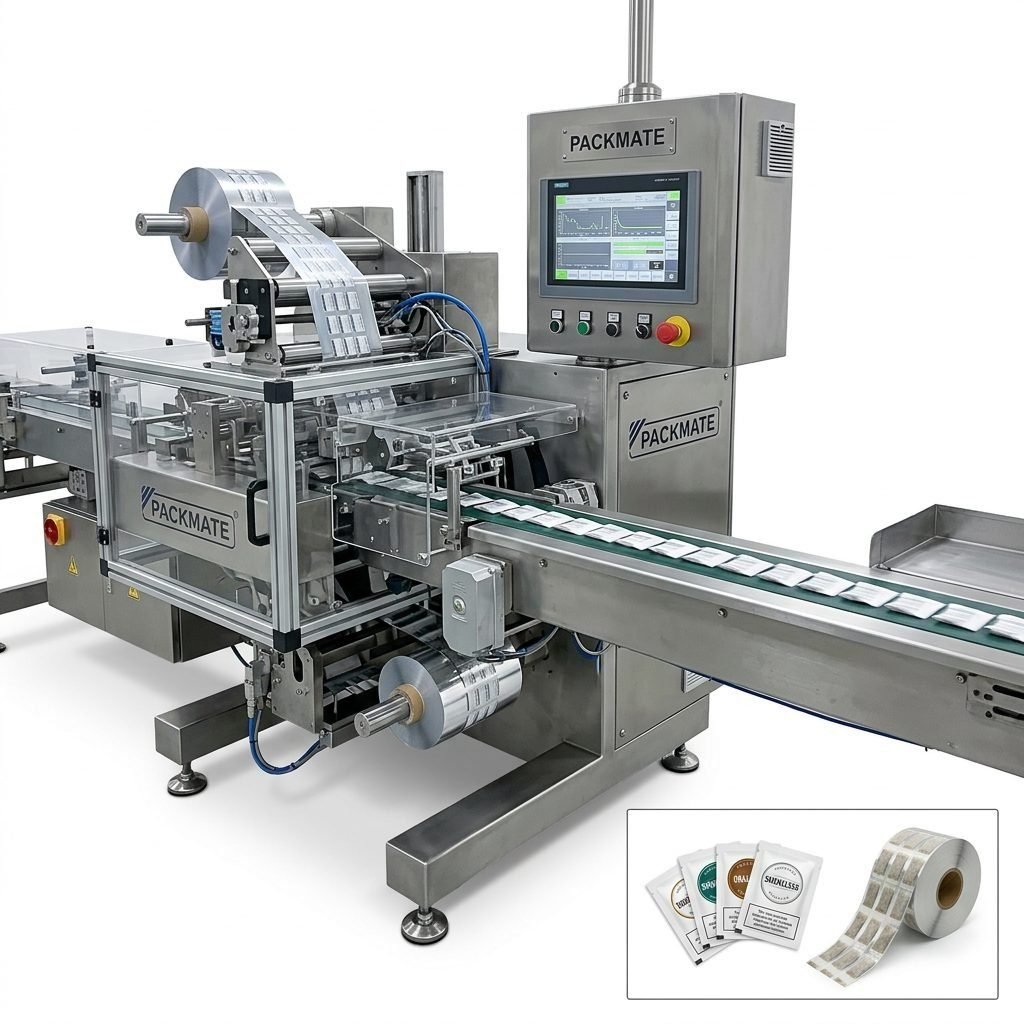
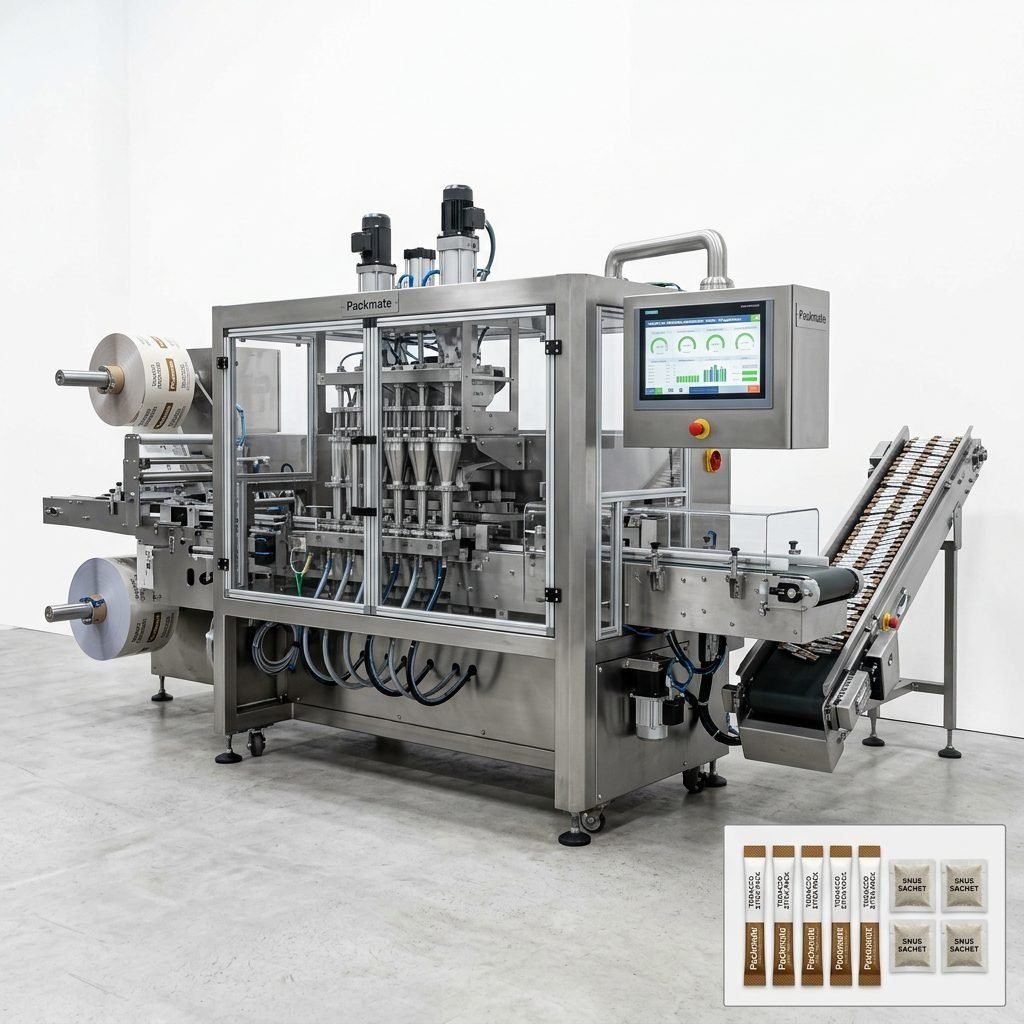
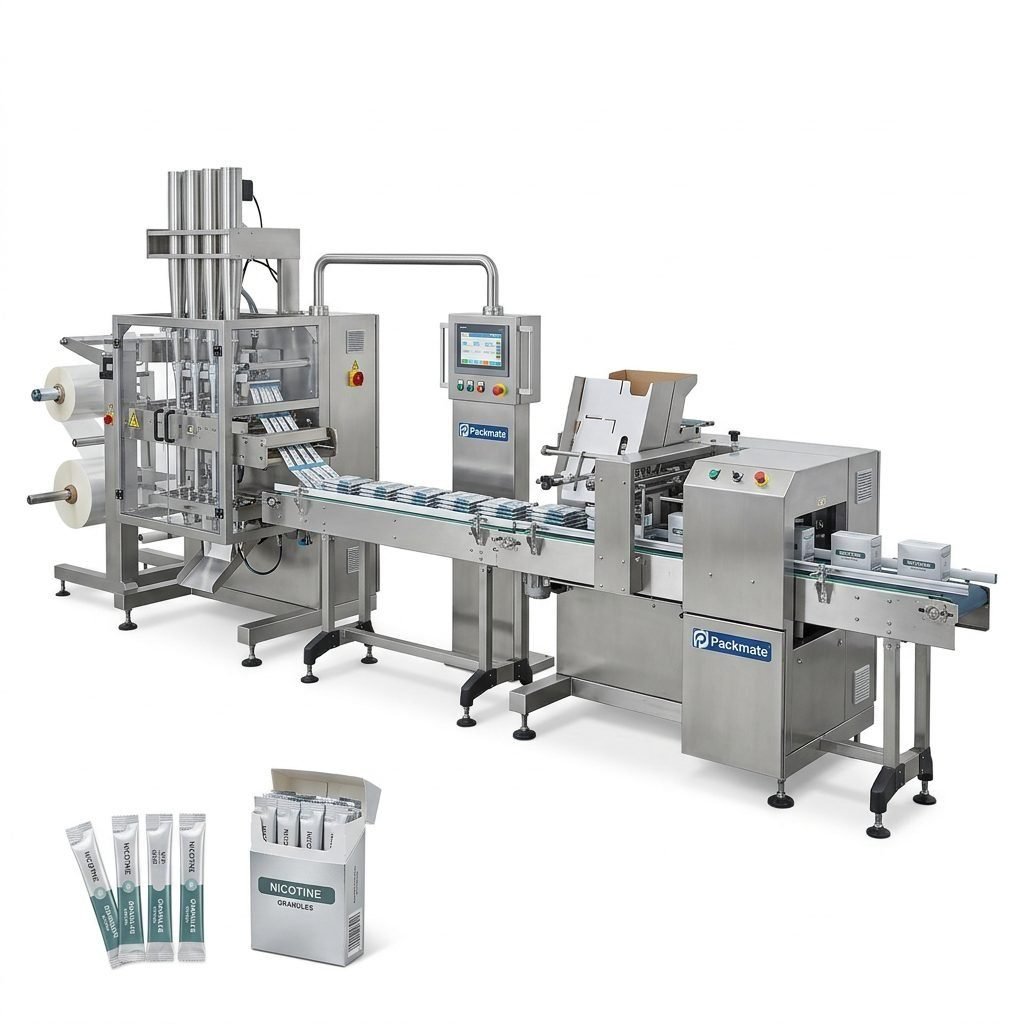
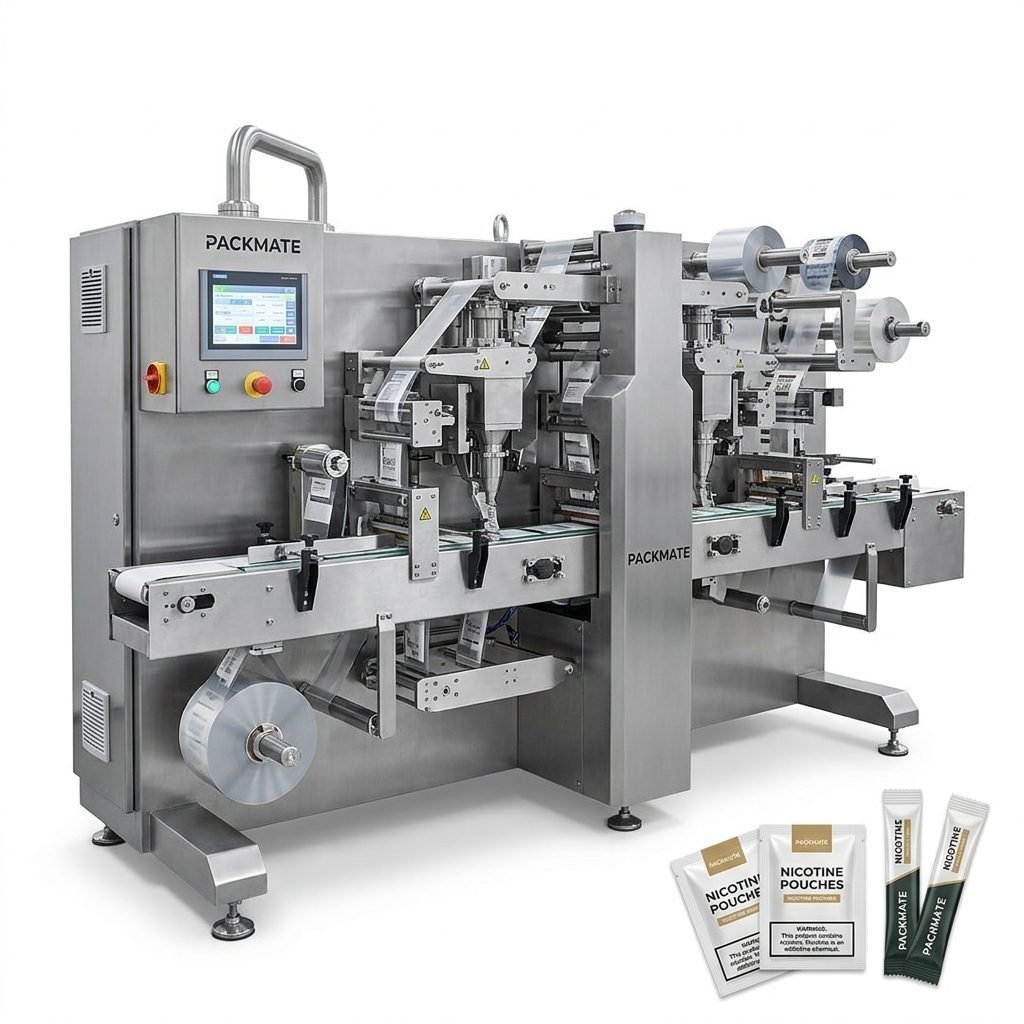
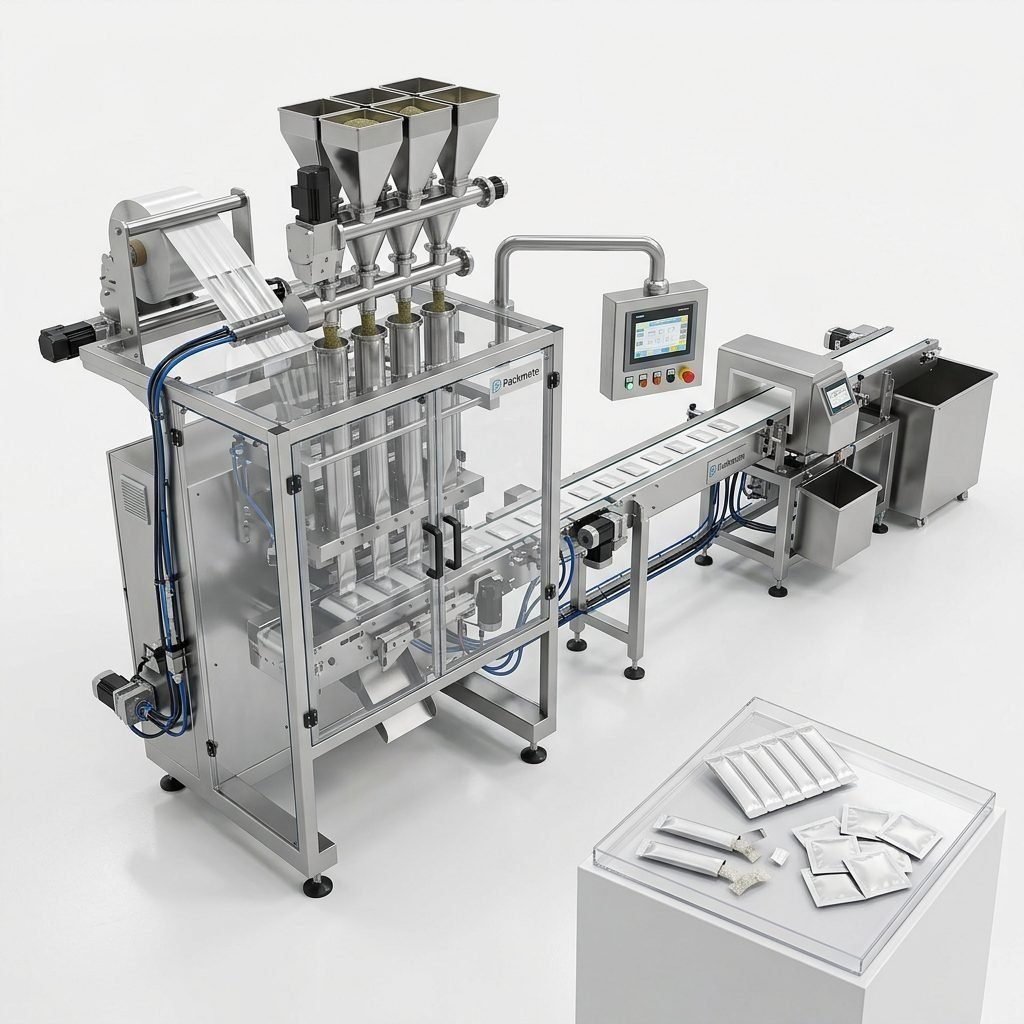
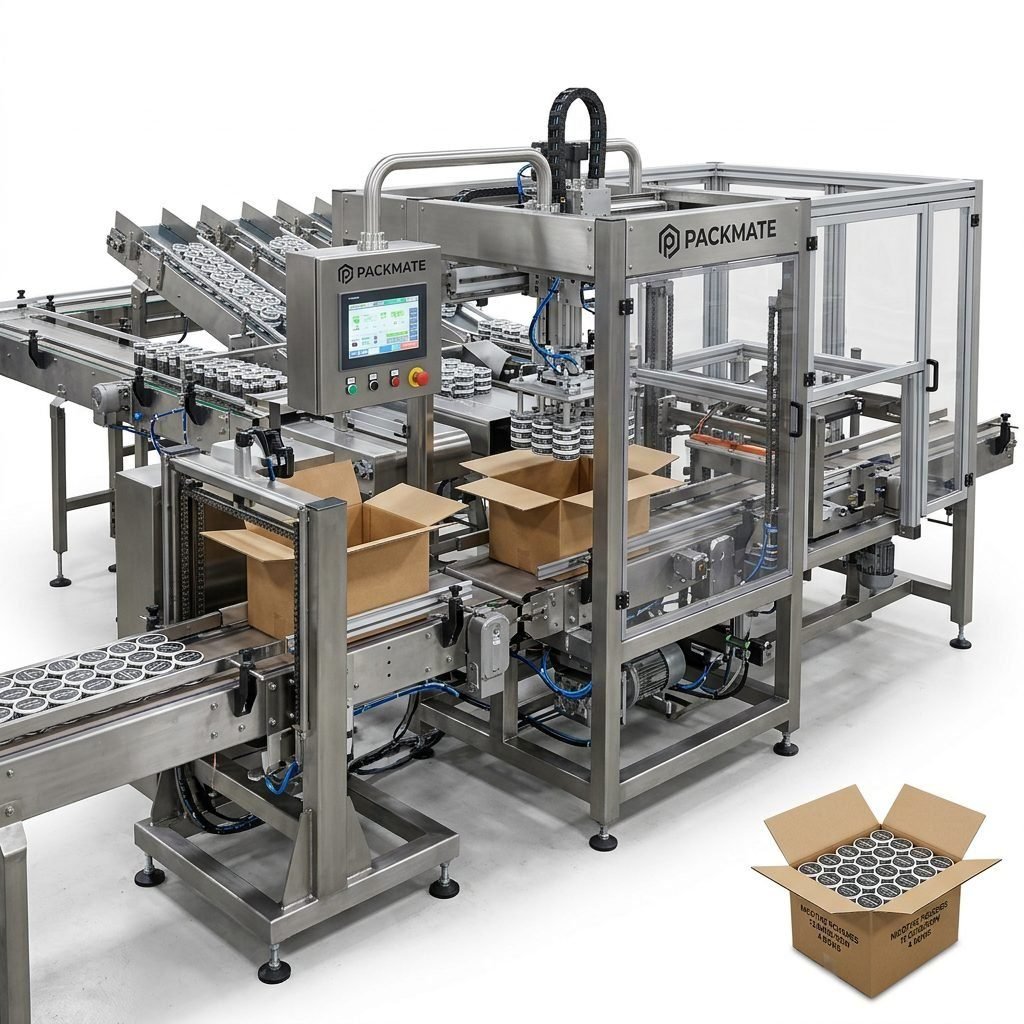
The main packaging formats for nicotine products include pouches/snuses, sachets, stick packs, and multi-lane sachet lines. Your choice drives the type of machine you need:
- Single-serve pouches / snus: Requires precision pouch forming and sealing systems with accurate micro-dosing.
- Sachet & stick packs: Ideal for single-use doses, easier to produce at high speed.
- Multi-lane systems: Best for very high throughput and consistent small-dose output.
Browse machine families and specifications on specialized pages like
Snus & Nicotine Packaging Machines and
Sachet & Stick Pack Machines for examples of formats and typical outputs.
3. Throughput and production planning
Determine current demand and projected growth. In Oman, new nicotine categories may scale quickly if distribution is right, so plan for peak capacity and flexibility. Choose machines based on:
- Hourly and daily output targets (pouches/min or sachets/min).
- Number of lanes required for multi-lane systems to meet peak demand.
- Changeover time between SKUs and ease of adjustments.
For accurate dosing and high-speed filling, pair the packing machine with compatible weighing and dosing equipment; see options at
Weighing & Packaging Systems and
Filling & Packaging Lines.
Key metric to define: OEE
Overall Equipment Effectiveness (OEE) helps translate machine specifications into usable production time. Ask suppliers about realistic OEE numbers for your product, taking into account cleaning, maintenance and changeover.
4. Technical features to insist on
Modern snus and nicotine pouch lines include a number of items you should treat as essential:
- Servo-driven motion control for consistent pouch length and seal precision.
- Micro-dosing technology for low-weight pouches—critical when nicotine dosage must be exact.
- Easy change parts for rapid SKU changeover.
- In-line inspection: weigh-check, vision systems for seal integrity and print quality.
- Hygienic design and easy-to-clean contact parts for product safety.
Why Spare Parts & Service Matter
In Oman, geographic distance from major factories means downtime can be costly. Check supplier spare parts lead times, local stocking options, and available technical training. Consider suppliers that offer remote diagnostics and fast response.
5. Regulatory compliance and labeling
Compliance is non-negotiable. Machines should enable:
- Accurate batch and expiry printing with Arabic characters.
- Child-resistant or tamper-evident sealing options if required by local law.
- Material compatibility for foil and laminate films used to meet barrier requirements.
Verify supplier certificates such as CE and ISO and ask for quality inspection reports. Packmate’s factory certifications and global cases demonstrate international compliance—review their credentials at
Certificate and company history on
About Packmate.
6. Material and film choices
The film or laminate you choose affects barrier properties, sealing temperature, and machine tooling. In Oman’s warm climate, choose materials with strong moisture and oxygen barriers and ensure the machine can handle the selected film thickness and sealing profile.
If you plan to change materials frequently for marketing or seasonal runs, emphasize tooling adaptability and easy parameter storage on the machine’s PLC.
7. Evaluate supplier credibility
Inspect the manufacturer’s capability: factory size, CNC equipment, assembly lines, and QC procedures are indicators of long-term reliability. Packmate highlights its 20,000㎡ facility, CNC centers, and 30+ years of experience—use such facts to weigh credibility.
Useful questions to ask suppliers:
- Can we visit the factory and see a working line?
- Do you provide references and case studies for similar lines? (Ask for video demos.)
- What is your after-sales service model in the Middle East region?
Tip:
Arrange a live demonstration with your specific film and product. Seeing real pouches made from your recipe is the fastest way to validate a machine choice.
8. Site planning and utilities in Oman
Check your plant utilities: compressed air quality, stable power supply, floor space, and environmental control. Omani facilities may need reliable HVAC to stabilize temperature and humidity for sensitive nicotine pouch production.
Also plan for spare parts storage, a small mechanical workshop, and space for operator training. Simple modifications like adding a small clean area for film handling reduce rejects.
9. Total cost of ownership & ROI
Look beyond the initial price. Calculate:
- Consumable costs (films, sealing tapes).
- Maintenance and spare parts.
- Operator training and labor savings from automation.
- Energy consumption and utility requirements.
A more expensive machine with higher OEE, faster changeovers, and local support often pays back faster than a cheaper alternative with frequent downtime.
10. Negotiating purchase, installation & after-sales
Secure terms that protect your operation:
- Factory Acceptance Test (FAT) and Site Acceptance Test (SAT) clauses.
- Training for operators and maintenance staff on-site in Oman.
- Clear warranty terms, spare parts list, and response times.
- Optional remote monitoring and predictive maintenance agreements.
If available, review service offerings and case studies such as the supplier’s global deployments at Case.
Operational readiness checklist
✔️ Essential items to confirm before purchase:
- Defined product spec (weight, size, film type).
- Daily and peak production targets.
- Utility availability (power, air, HVAC).
- Local regulations and labeling needs.
- Spare parts & service commitments.
11. Why choose a specialized snus packaging manufacturer?
Manufacturers focused on snus and nicotine packaging bring domain-specific expertise: smaller dosing, high-speed multi-lane lines, and experience with sensitive powders or moist snus blends. They also typically provide turnkey solutions that combine weighing, filling, and packaging into one integrated line.
Consider Packmate’s end-to-end experience and manufacturing footprint when evaluating suppliers. Learn more about their product range at
Snus & Nicotine Packaging Machines and additional lines at
Bag & Pouch Packaging Machines.
12. Final selection steps
Follow these actions to finalize your purchase:
- Shortlist 2–3 suppliers and request FAT with your product.
- Perform cost-of-ownership analysis over 3–5 years.
- Visit the factory if possible and review QC procedures.
- Negotiate clear acceptance, warranty, and training terms.
- Plan spare parts inventory and local partner support.
Important:
Always validate performance on your exact nicotine formulation and film. Small differences in moisture or particle size can change sealing and dosing behavior significantly.
Conclusion
Selecting nicotine packaging machinery for Oman means balancing technical performance with cultural and regulatory realities. Choose machines that deliver precise dosing, flexible format changeovers, local language printing, and strong after-sales support. Partner with experienced manufacturers who can demonstrate global compliance and real-world cases—this reduces risk and accelerates your market entry in Oman and the broader GCC region.
Frequently Asked Questions
Q1: What packaging format is most accepted in Oman?
A1: Discreet single-serve formats—small pouches and stick packs—are generally better received due to cultural preferences for low-profile products and clear labeling requirements.
Q2: Do I need special labeling for Arabic markets?
A2: Yes. Ensure machines support Arabic printing for ingredients, warnings, and batch codes. Confirm regulatory wording with local authorities to avoid compliance issues.
Q3: How important is local service in Oman?
A3: Very important. Fast spare part delivery and on-site technical support reduce downtime. Negotiate service-level agreements and consider stocking critical parts locally.
Q4: Which tests should I request before accepting a machine?
A4: Request a Factory Acceptance Test (FAT) using your materials and product. Check pouch weight accuracy, seal integrity, print quality (including Arabic), and consistent output at target speeds.
Q5: Where can I view examples and product lines?
A5: Review product families and detailed examples at the manufacturer’s product pages such as
Snus & Nicotine Packaging Machines,
Sachet & Stick Pack Machines, and
Weighing & Packaging Systems.