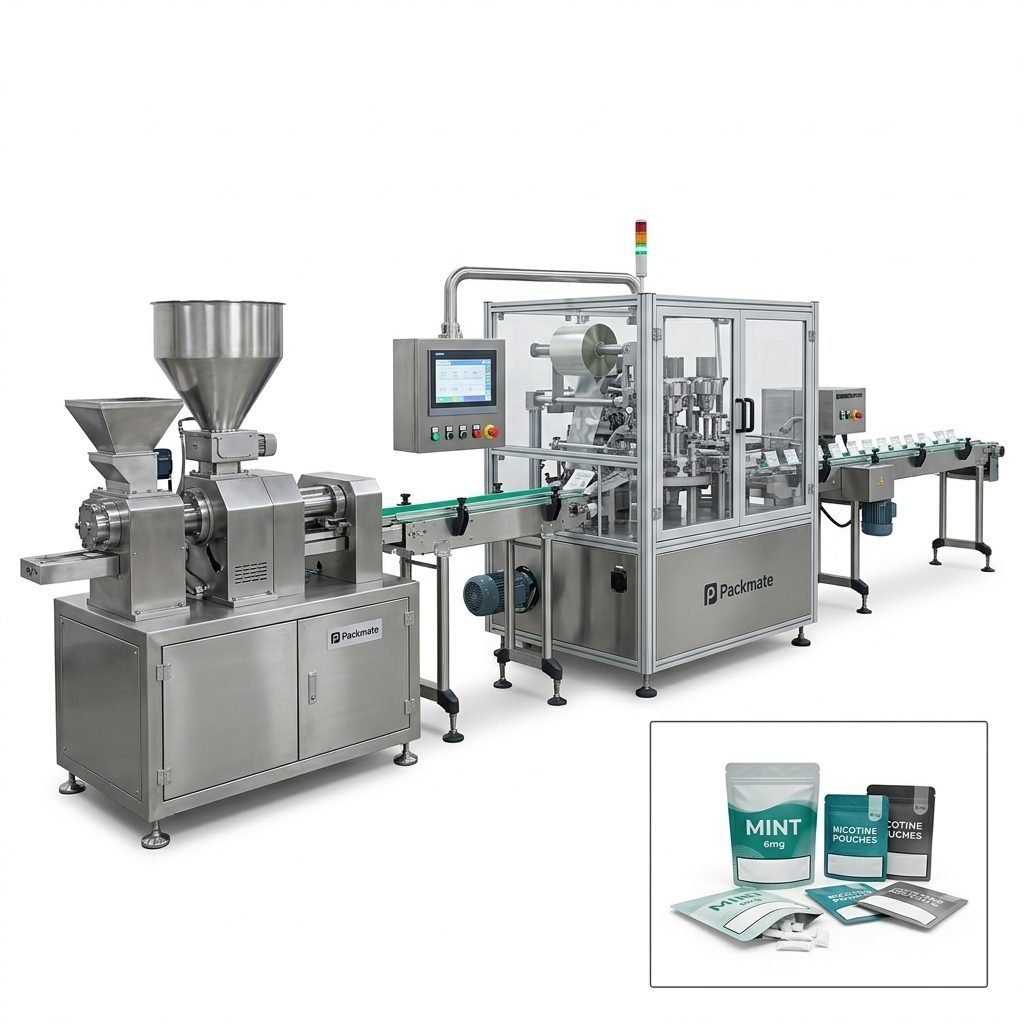
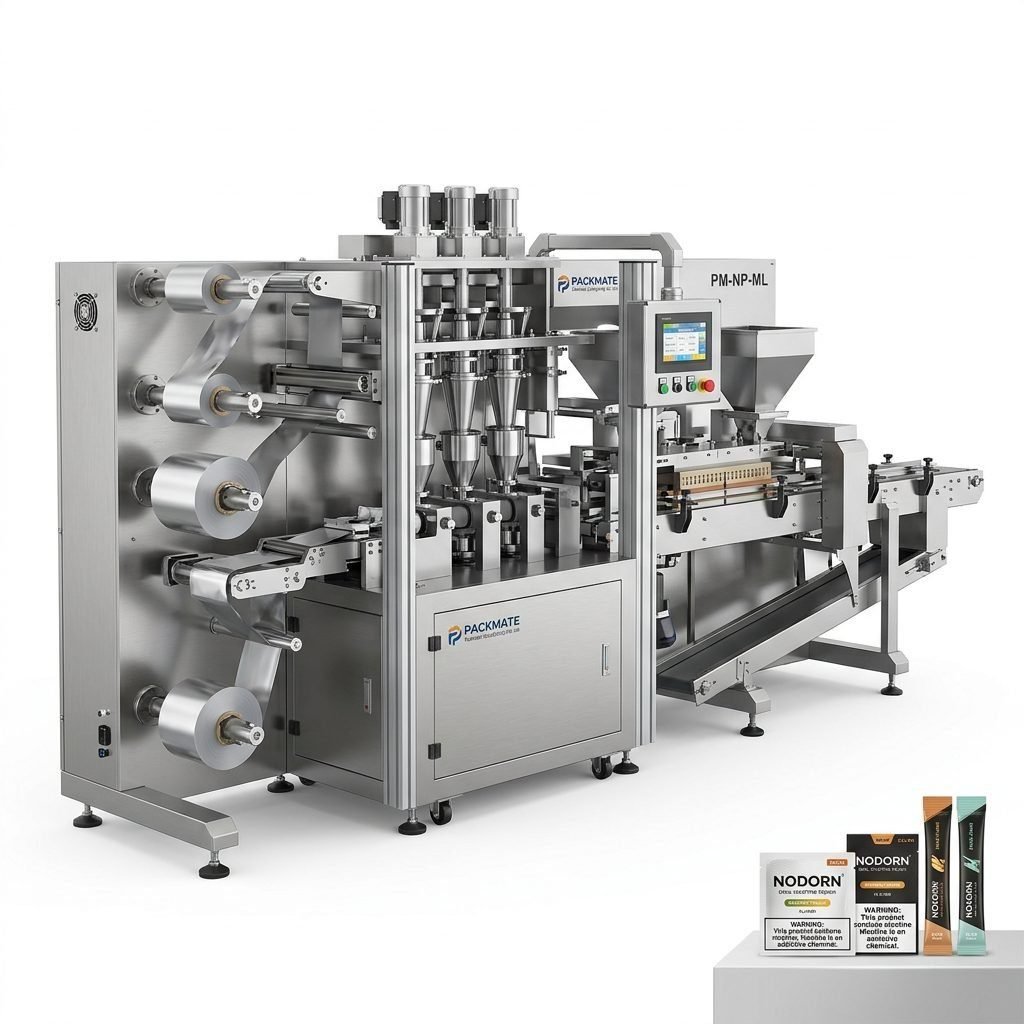
Choosing the right nicotine packaging machine manufacturer is one of the most important decisions for any business entering or expanding in Kenya’s growing nicotine pouch and snus market. A well-chosen partner can reduce downtime, help you meet regulatory standards, improve product consistency, and support your long-term growth. This guide walks you through practical, Kenya-specific considerations and technical points you should evaluate when selecting a manufacturer, using industry-proven criteria and the kind of turnkey solutions supplied by established producers.
Understanding Kenya’s Market and Local Considerations
Kenya’s consumer market is diverse and increasingly urbanized, with Nairobi, Mombasa, Kisumu and other cities driving demand for discreet nicotine products. Buyers often prefer smaller, single-use packages that are portable and discreet. Importantly, regulatory frameworks evolve: local authorities have strict controls on tobacco products and related nicotine delivery forms, so compliance and traceability are essential when selecting equipment.
🔍 Key Kenya-specific points:
– Port logistics: many imports arrive via Mombasa, so machines should be robust for international shipping and easy to reassemble.
– Language & training: English and Swahili are dominant — ensure the manufacturer can provide operation manuals and training in English.
– After-sales proximity: local service partners or fast spare-part shipping to Nairobi reduces downtime.
1. Technical Capabilities & Product Range
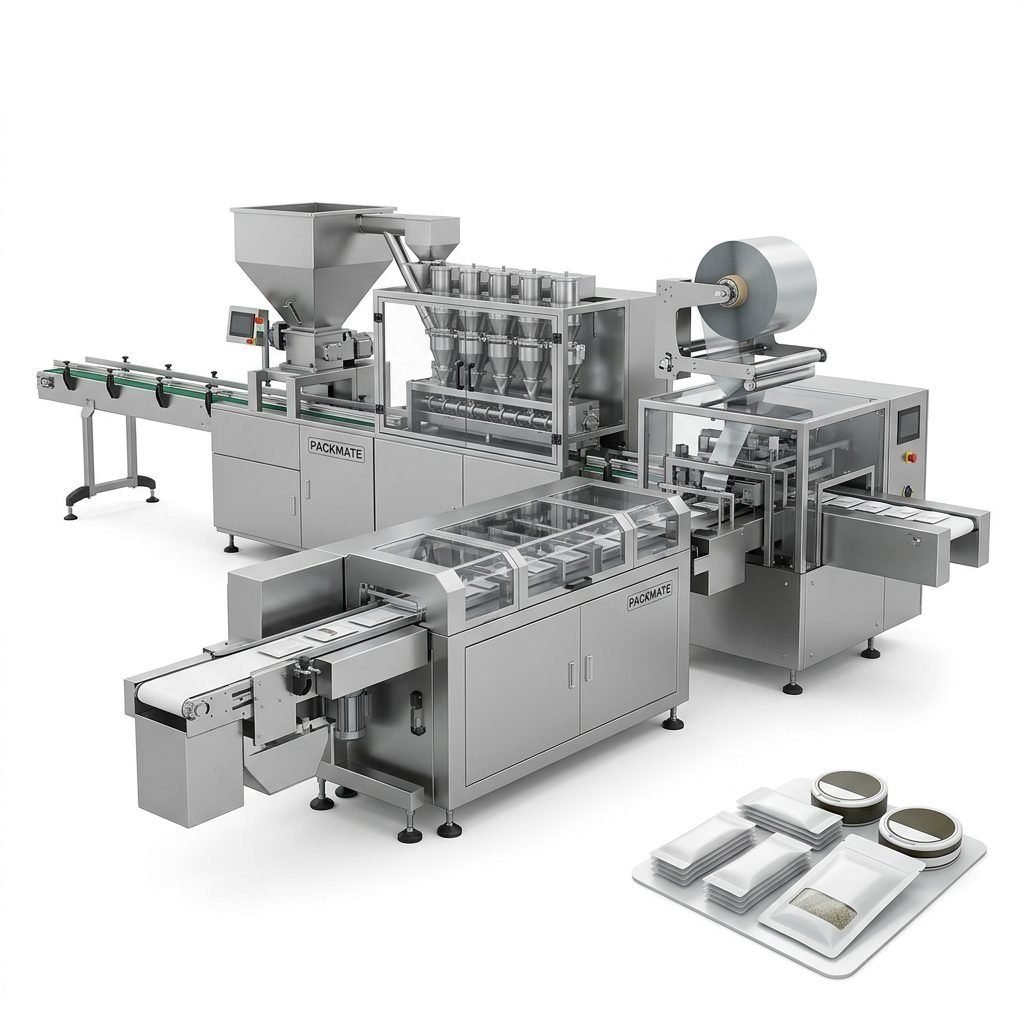
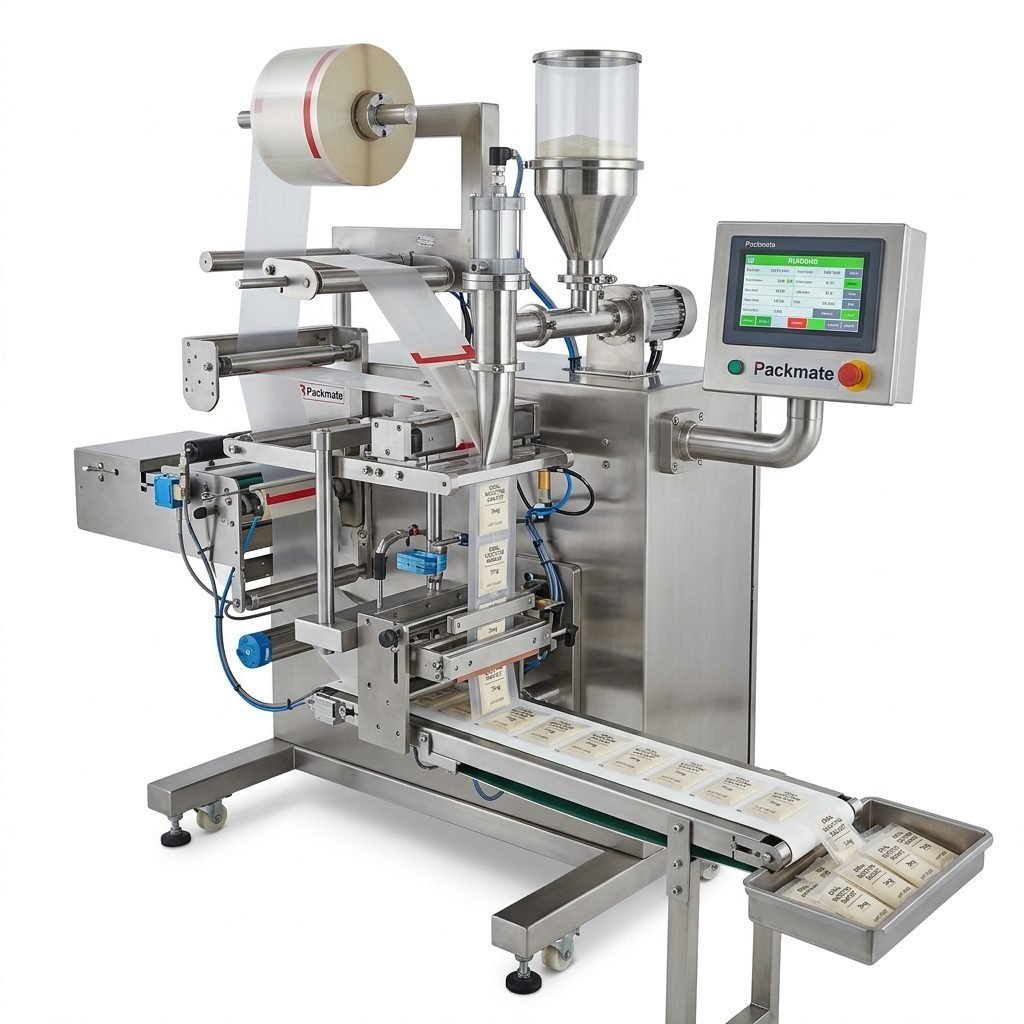
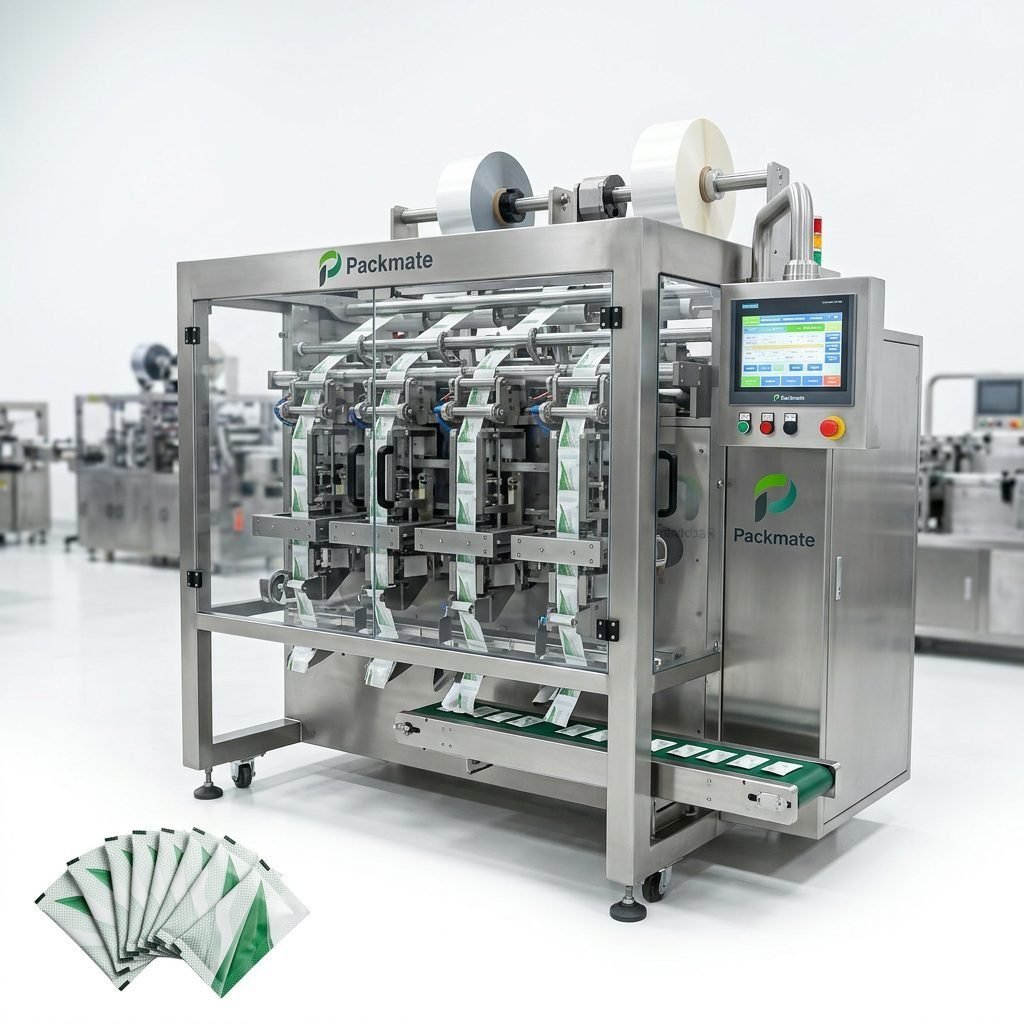
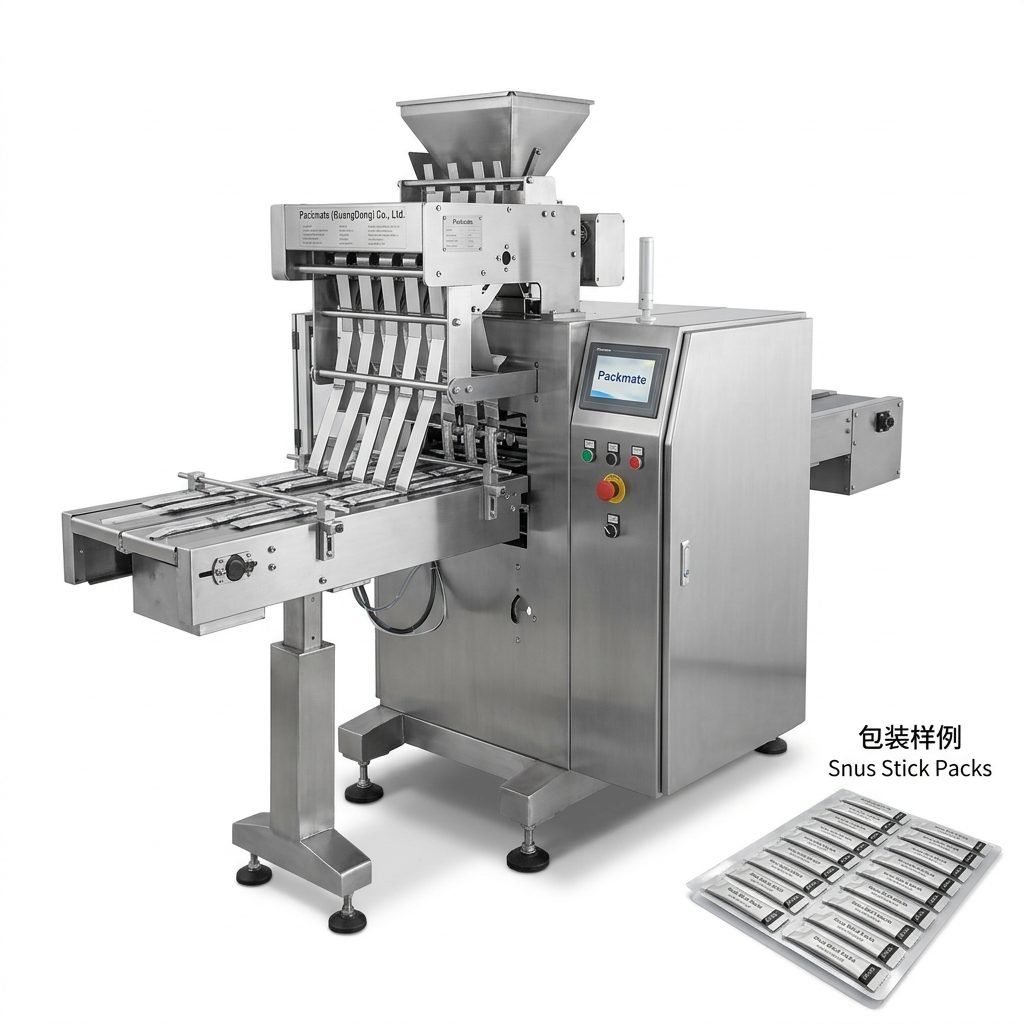
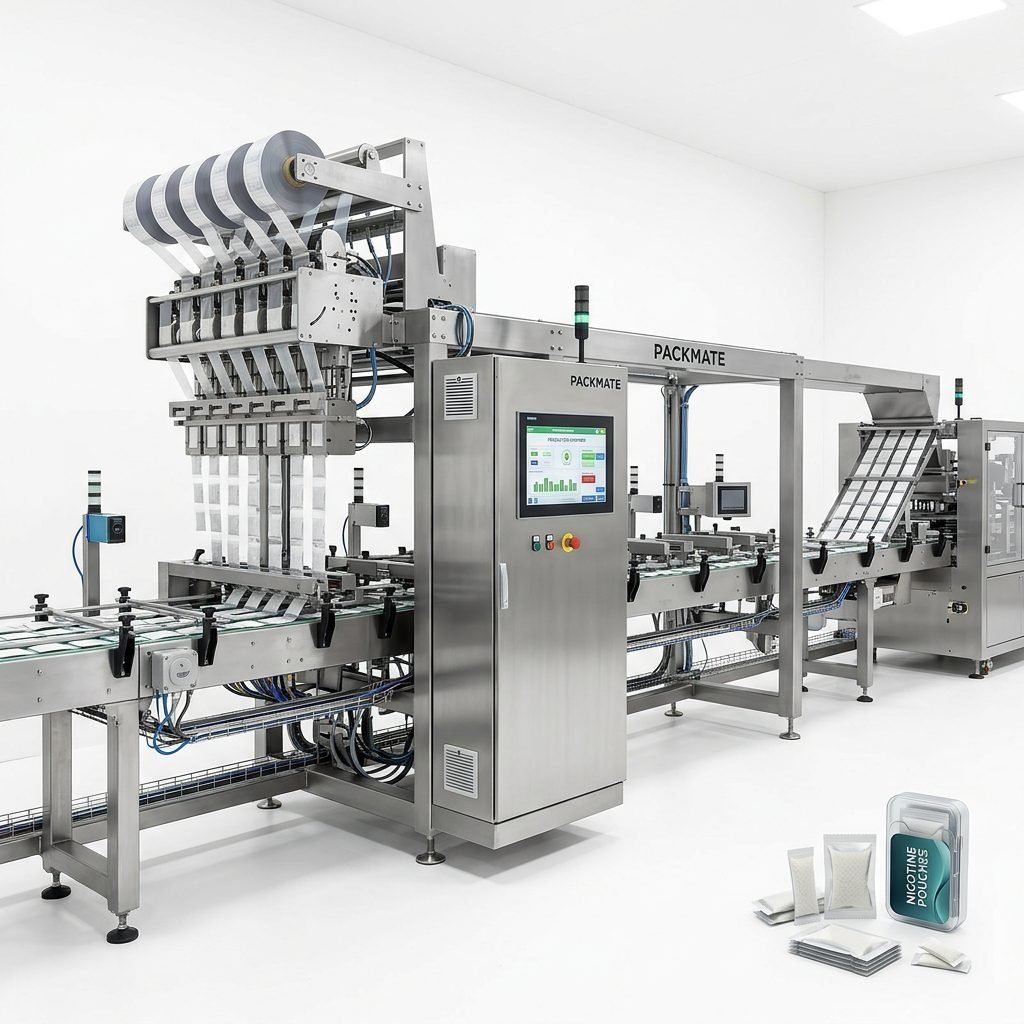
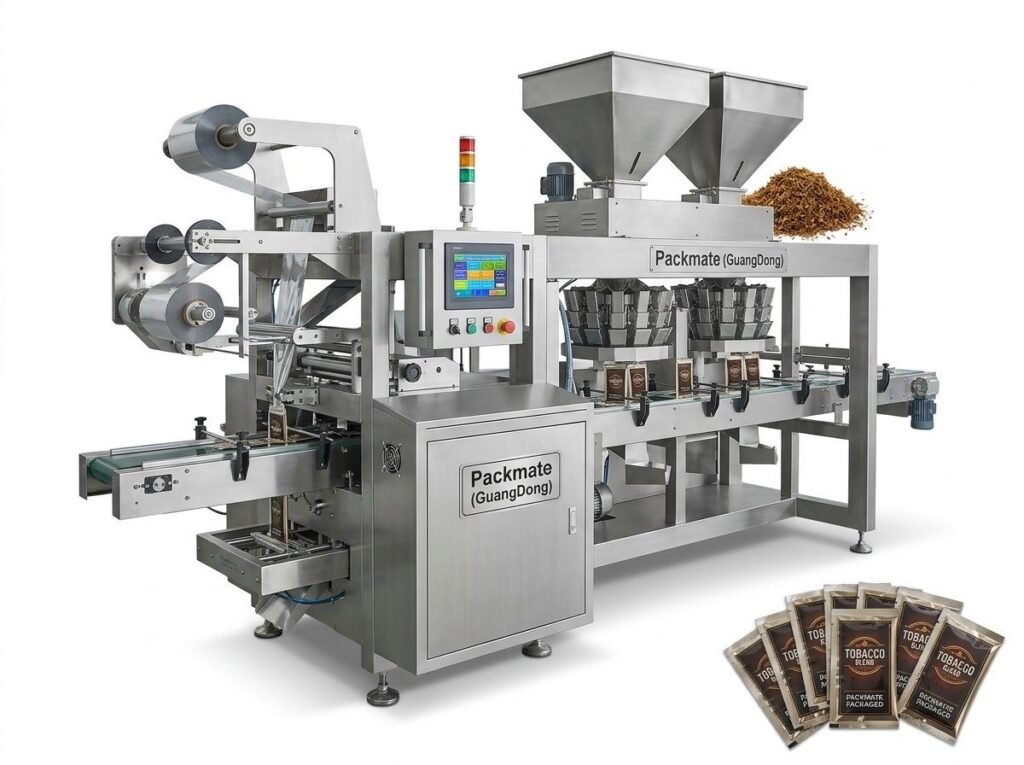
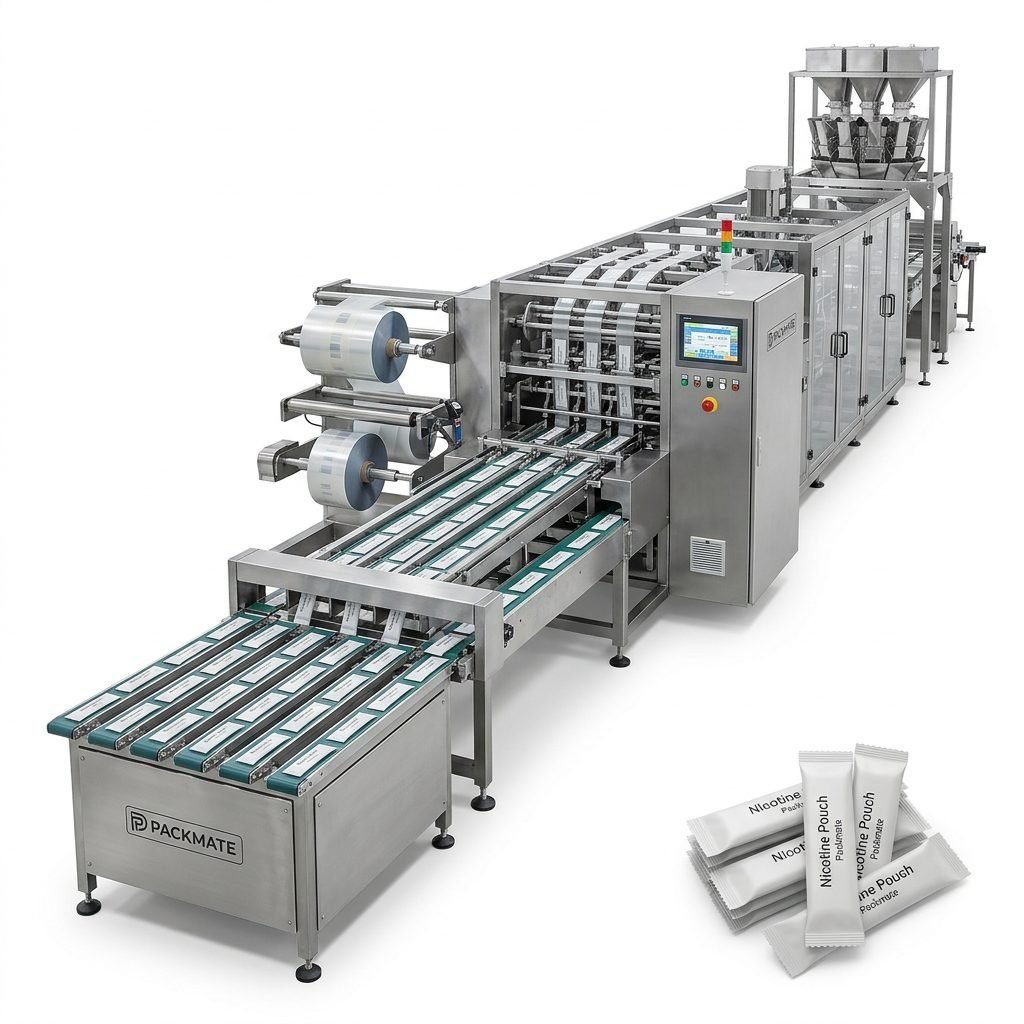
A manufacturer should supply machines that match your product format and throughput needs. Look for suppliers that offer multiple machine types: stick pack, sachet, multi-lane snus pouch machines, and complete filling lines. Manufacturers with a broad portfolio can offer tailored solutions as your product line expands. For reference to industrial-grade models and configurations, explore manufacturers that publish detailed machine lines online.
✅ What to verify:
– Available models for nicotine pouches and sachets
– Multi-lane capabilities for small-dose pouches (for high throughput in compact footprints)
– Integration options with weighing, filling, and cartoning modules
2. Quality, Certifications & Compliance
Quality and safety certifications are non-negotiable. Choose manufacturers whose equipment meets international standards such as CE and ISO. These certifications indicate attention to electrical safety, machine guarding, and manufacturing quality. In Kenya, you will also need to ensure that packaging lines facilitate compliance with labeling and traceability requirements.
⚖️ Important markers:
– CE / ISO compliance for global market entry
– Food-contact safe materials if required by your product formulation
– Documentation for customs and regulatory inspections
3. Production Capacity & Scalability
Estimate current and projected volumes. A machine that meets today’s needs but cannot scale will cost more in the long run. Look for modular systems or multi-lane machines that can be upgraded without replacing the entire line. Multi-lane snus pouch machines are particularly attractive for small-dose nicotine pouches because they multiply output within the same footprint.
🔧 Check:
– Max pouches per minute and per lane
– Changeover time between formats
– Upgrade path (additional lanes, automation modules)
4. Turnkey Solutions & System Integration
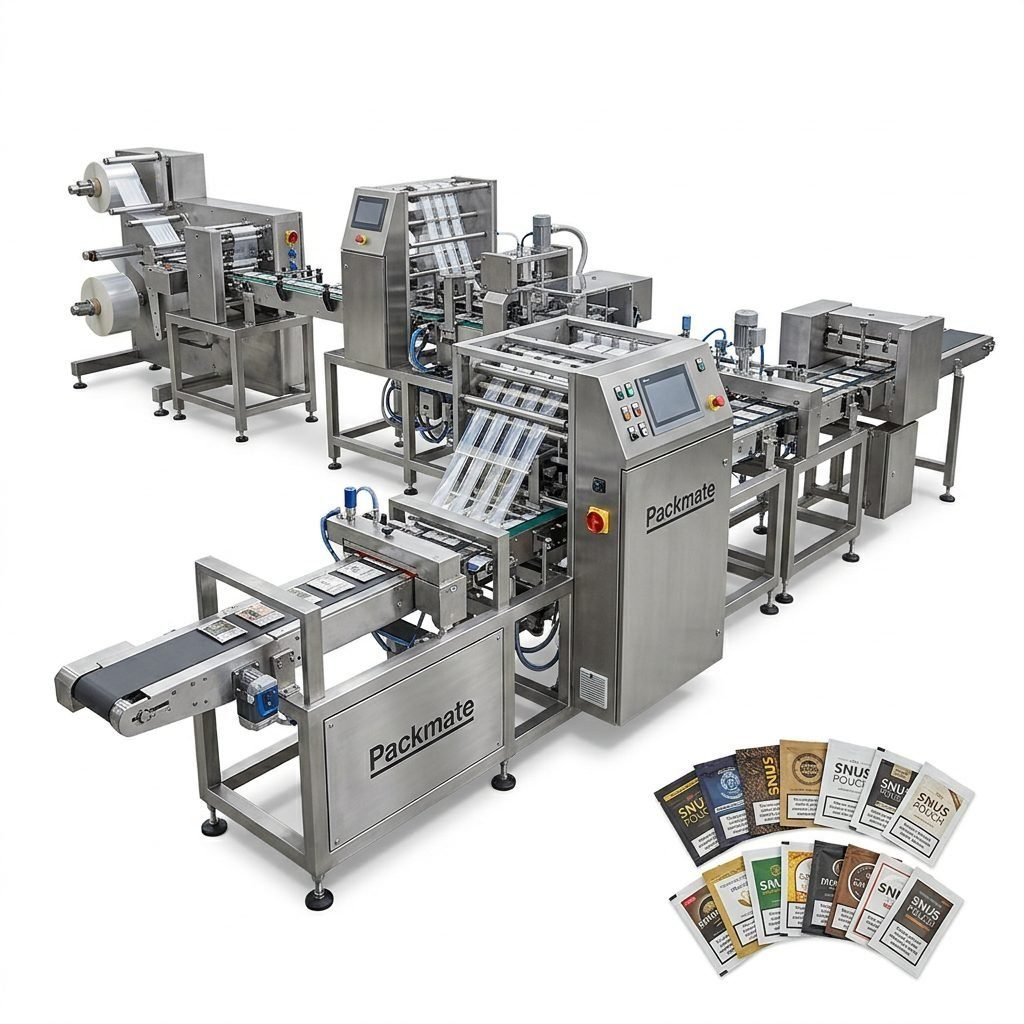
If you need a complete production line (weighing, filling, conveying, packaging, and cartoning), prefer manufacturers that provide turnkey solutions. Turnkey suppliers take on system integration, testing, and SAT (site acceptance testing), simplifying commissioning in Kenya and reducing integration risks.
For illustration, manufacturers often list product categories such as Snus & Nicotine Packaging Machines, Sachet & Stick Pack Machines, and Weighing & Packaging Systems — these categories show a manufacturer’s depth.
5. After-Sales Support, Training & Spare Parts
Rapid access to spare parts and responsive technical support are critical in Kenya, where prolonged downtime can cause significant revenue loss. Evaluate vendors by:
📦 Support checklist:
– Local or regional service partners
– Standard spare part availability and lead times
– Remote support capability (video troubleshooting, PLC access)
– On-site commissioning and operator training packages
6. Cost, Financing & Return on Investment
Price is important, but the lowest initial cost is rarely the best long-term choice. Consider total cost of ownership: uptime, energy usage, maintenance, spare parts, and the flexibility to run multiple SKUs. Ask suppliers to provide sample ROI models based on realistic production schedules in your Kenyan operations.
Tip: Factor in import duties, VAT, and inland transport from Mombasa or Dar es Salaam when calculating landed cost.
7. Factory Visits, References & Case Studies
Visiting a manufacturer or inspecting their installations in other markets gives invaluable insight. Request factory tours, performance data, and client references. Many reputable suppliers publish case stories and exhibition participation — both useful for validation. For further reading on manufacturer experience and case examples, see their published case pages and exhibitions.
Example resources:
Case |
Our Exhibition
8. Customization & Private Label Needs
If you plan to offer private-label products or regional varieties, choose a manufacturer capable of fast format changes and custom tooling. Custom pouch shapes, barrier materials, and special printing requirements are common in the nicotine pouch market — manufacturers with in-house R&D and tooling capability can shorten development time.
🔧 Customization indicators:
– In-house CNC machining and assembly lines
– Prototype and pre-production runs
– Technical collaboration on packaging materials and barrier properties
9. Delivery, Installation & Commissioning in Kenya
Confirm who handles export packing, shipping, installation, and commissioning. A supplier that coordinates logistics, documentation for customs clearance, and provides supervision during installation will streamline your setup and lower risks at Kenyan ports. Where possible, ask for a defined timeline with milestones for FAT (factory acceptance test), shipment, and SAT.
10. Making the Final Decision: A Practical Checklist
Before you sign, use a scoring approach across these criteria: technical fit, certifications, scalability, after-sales support, lead time, total cost of ownership, references, and legal compliance. Request a sample production video, contact references, and verify spare-part lists for the first two years.
✅ Quick procurement checklist:
– Machine model and production rates agreed
– Certifications provided (CE/ISO)
– Spare parts list and pricing for 24 months
– Training and commissioning plan
– Warranty and service-level agreement
Why Choose an Experienced Manufacturer (Like Packmate)
Manufacturers with deep experience in snus and nicotine pouch lines bring technical maturity: decades of engineering, a broad product catalog, and global turnkey delivery. For a detailed look at product lines and capabilities from a seasoned supplier, check their product and service pages to assess whether they match your Kenyan business needs.
Useful resources for vetting suppliers:
About Packmate |
Service |
Contact Us
Final Practical Tips for Kenyan Buyers
– Start with a pilot line: validate packaging materials and market reaction before scaling.
– Build relationship with customs brokers experienced in handling industrial machinery in Mombasa.
– Plan for electricity and compressed air requirements; some machines need stable power conditioning.
– Negotiate clear spare-part kits and consumable lists for 6–12 months of production.
📌 Summary action plan:
1) Define product formats and forecast volumes.
2) Shortlist manufacturers with nicotine packaging experience.
3) Verify certifications, references and service network.
4) Run pilot tests and finalize contract with clear SLA.
Choosing the best nicotine packaging machine manufacturer for your Kenyan business requires balancing technical capability, regulatory readiness, supply chain practicality, and long-term support. By emphasizing compliance, modular scalability, and dependable after-sales service, you minimize risk and accelerate market entry.
Common Questions
Q1: What certifications should I insist on when importing packaging machines into Kenya?
A: Ask for CE and ISO certificates for manufacturing and electrical safety. Also request materials documentation for food-contact components and technical documentation required by Kenyan customs and regulators.
Q2: How fast can I expect spare parts to arrive in Nairobi if shipped from the manufacturer’s factory?
A: Typical lead times vary: express shipments can take a few days, while sea shipments from Asia to Mombasa take several weeks. Confirm the supplier’s spare-part stocking policy and whether they have regional distributors.
Q3: Is it better to buy a multi-lane machine or several single-lane machines for nicotine pouches?
A: Multi-lane systems offer higher throughput in a smaller footprint and often lower per-unit operating cost, but they can be more complex. For flexible SKU mixes, modular single-lane systems can be easier to change over. Choose based on forecasted volumes and SKU diversity.
Q4: What local logistics and regulatory challenges should Kenyan buyers anticipate?
A: Expect customs paperwork, possible inspections, and import duties. Work with customs brokers and ensure the supplier provides complete technical and origin documentation. Also keep an eye on local health and labeling rules that may affect your packaging design.
Q5: How can I verify a manufacturer’s claims about machine uptime and performance?
A: Request FAT videos, client references, and visiting opportunities. Ask for performance data from real installations and request a trial run or pilot production if feasible.