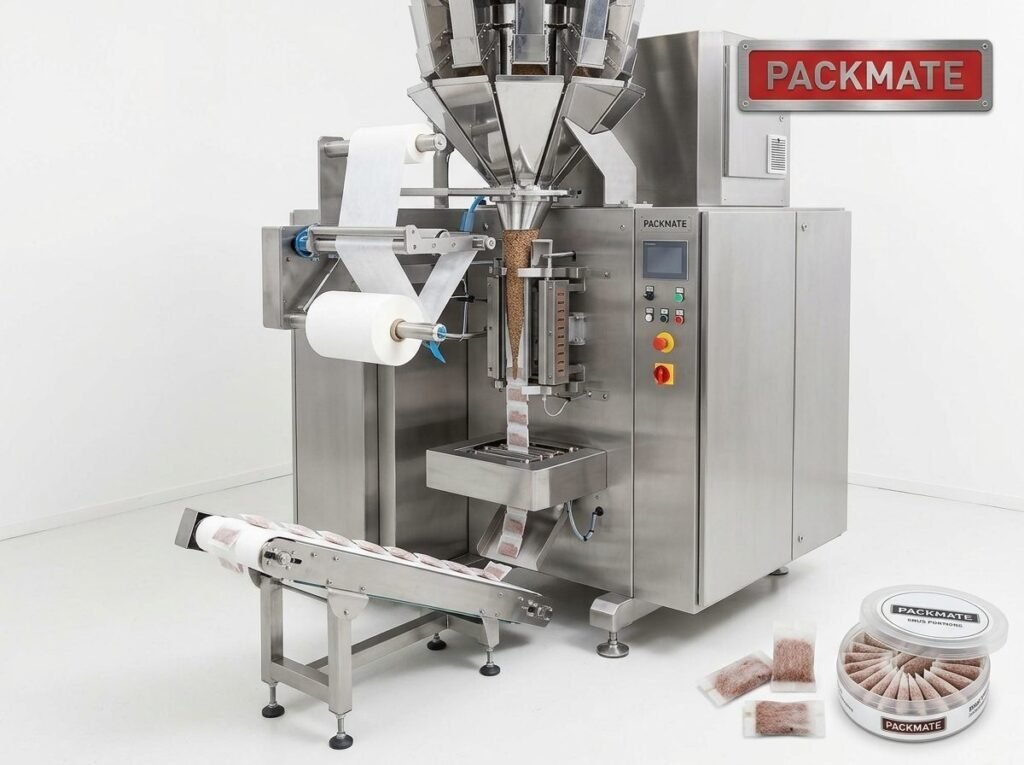
Choosing the right nicotine packaging machine manufacturer for your business in Panama requires more than price comparison. It means matching machine capability with local market habits, climate, regulatory concerns, and logistical realities. This guide walks you through the practical steps to select the best partner — from technical specifications and certification checks to on-the-ground service expectations in Panama.
Understand Panama’s Local Context
Panama is a hub for regional trade and logistics thanks to the Colón Free Zone and the Panama Canal. Businesses here often import equipment via international ports, and customers expect fast, reliable supply lines. Spanish is the primary business language — having a supplier who offers Spanish-language support or bilingual documentation can speed installation and reduce misunderstandings. Also consider Panama’s tropical climate: high humidity and salt air near coastal zones can affect machine longevity unless appropriate materials and protection are specified.
Key local points: Spanish support, humidity-resistant components, easy spare-parts logistics through Colón/Balboa ports, and clear documentation for Panamanian labeling and import clearance.
Start with the Product & Packaging Format
Identify the exact formats you plan to produce: nicotine pouches, snus cans, stick packs, sachets, or multi-lane small-dose pouches. Different equipment types excel at different formats:
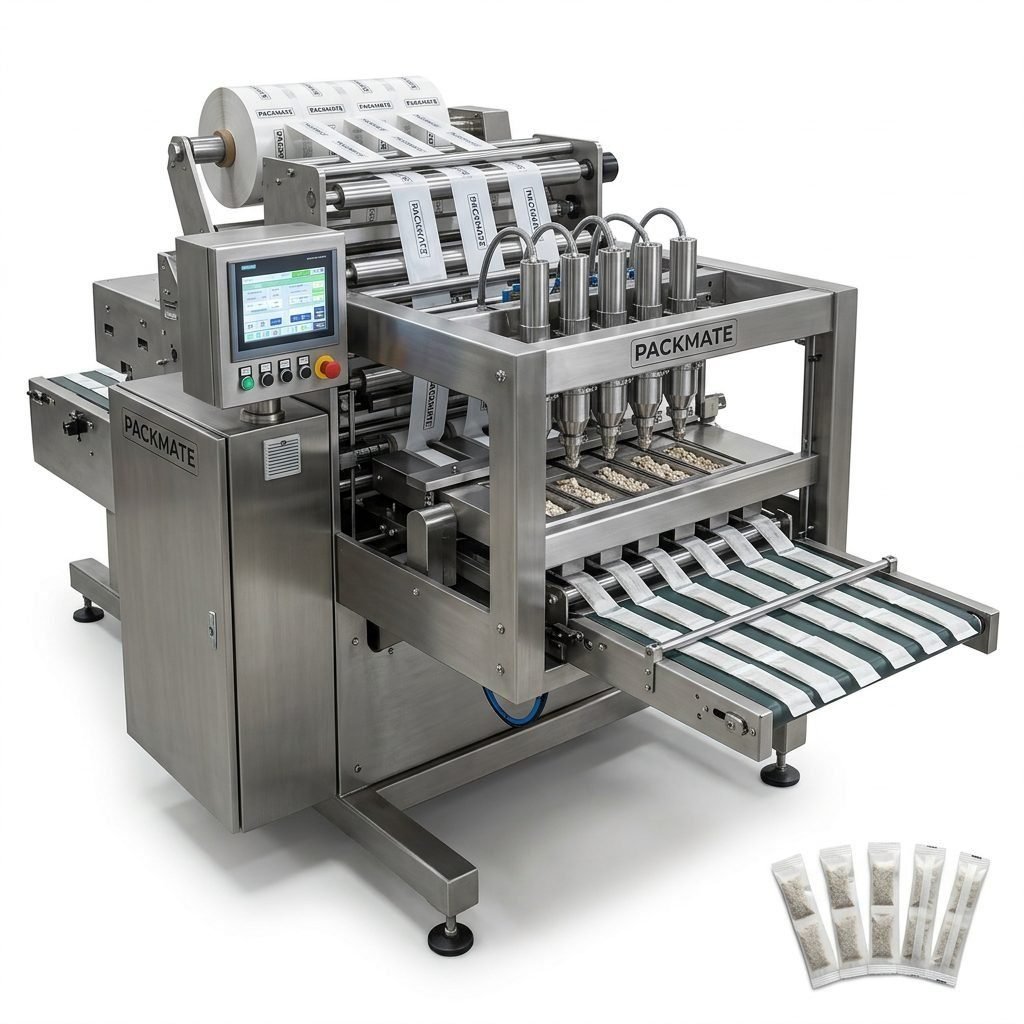
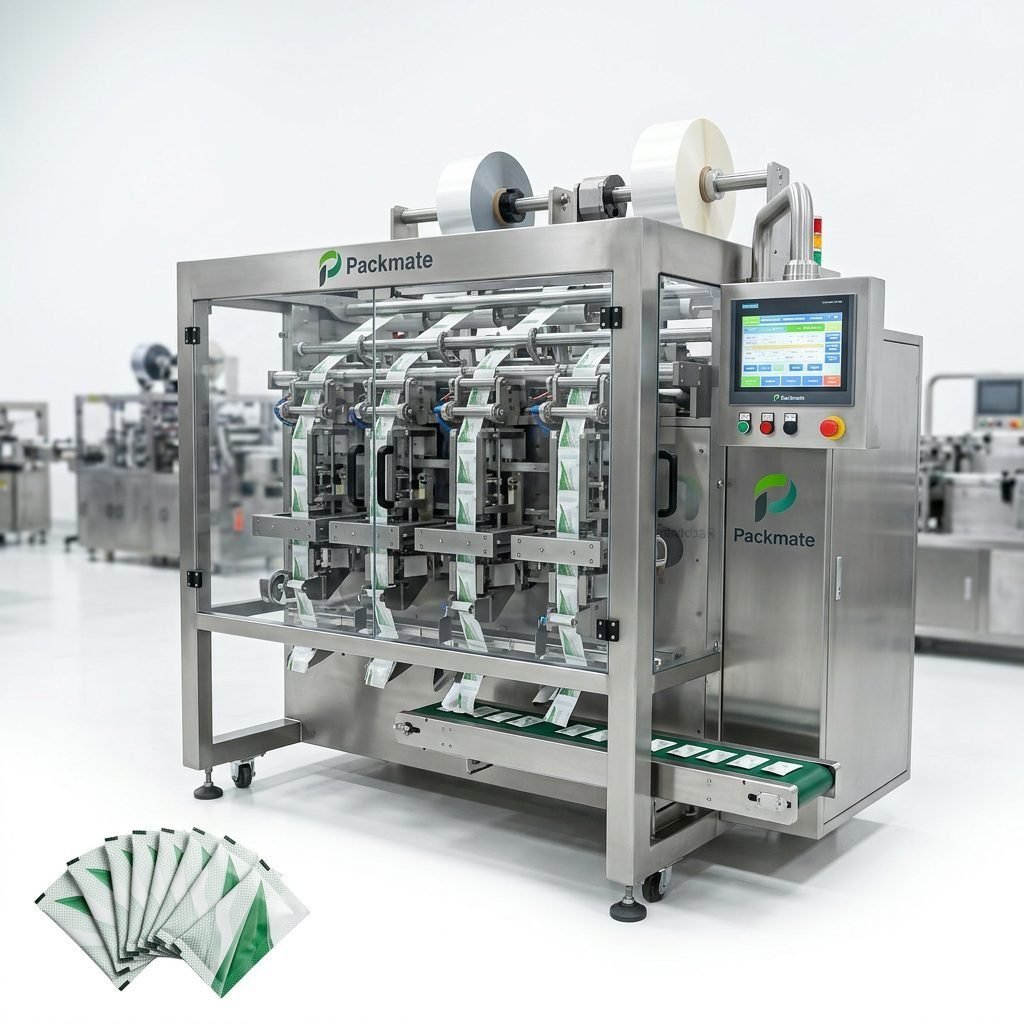
🔹 Stick pack and sachet systems are ideal for single-dose sachets and consumer convenience packs.
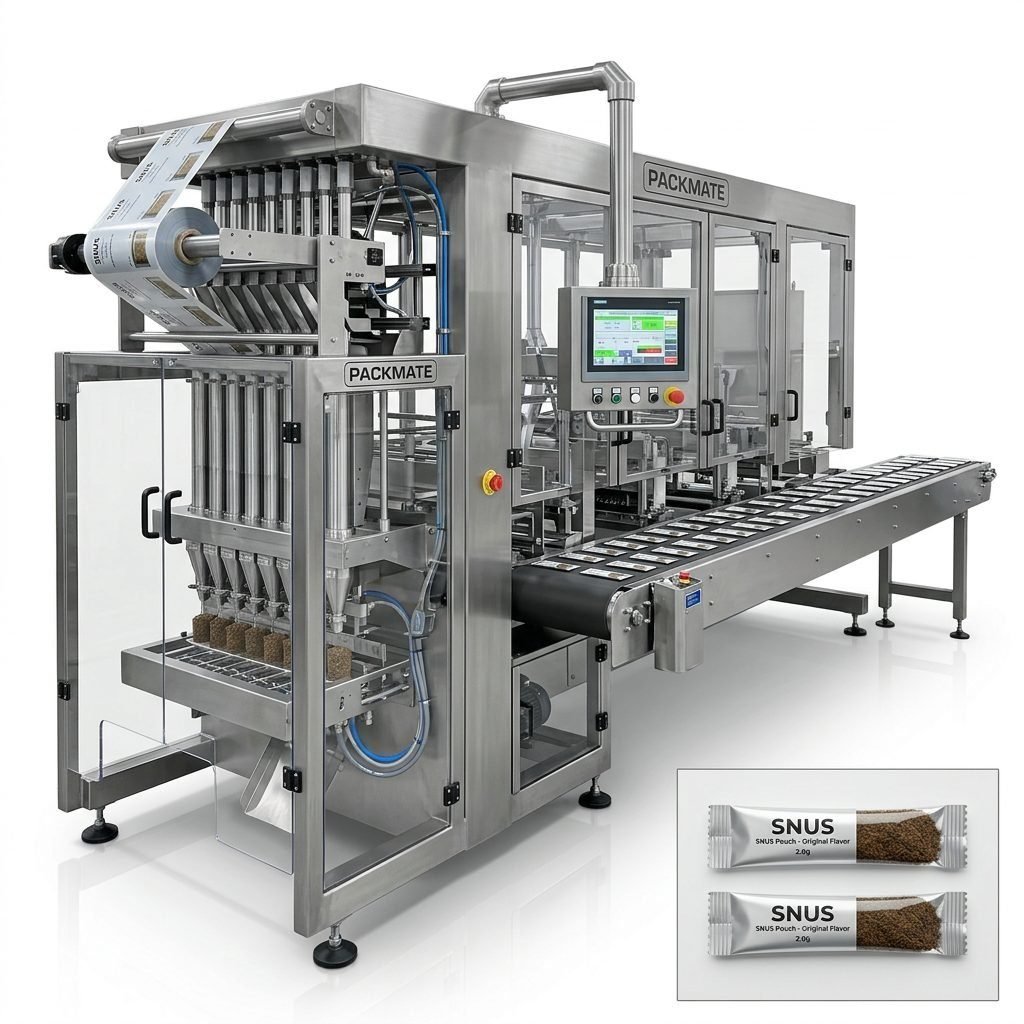
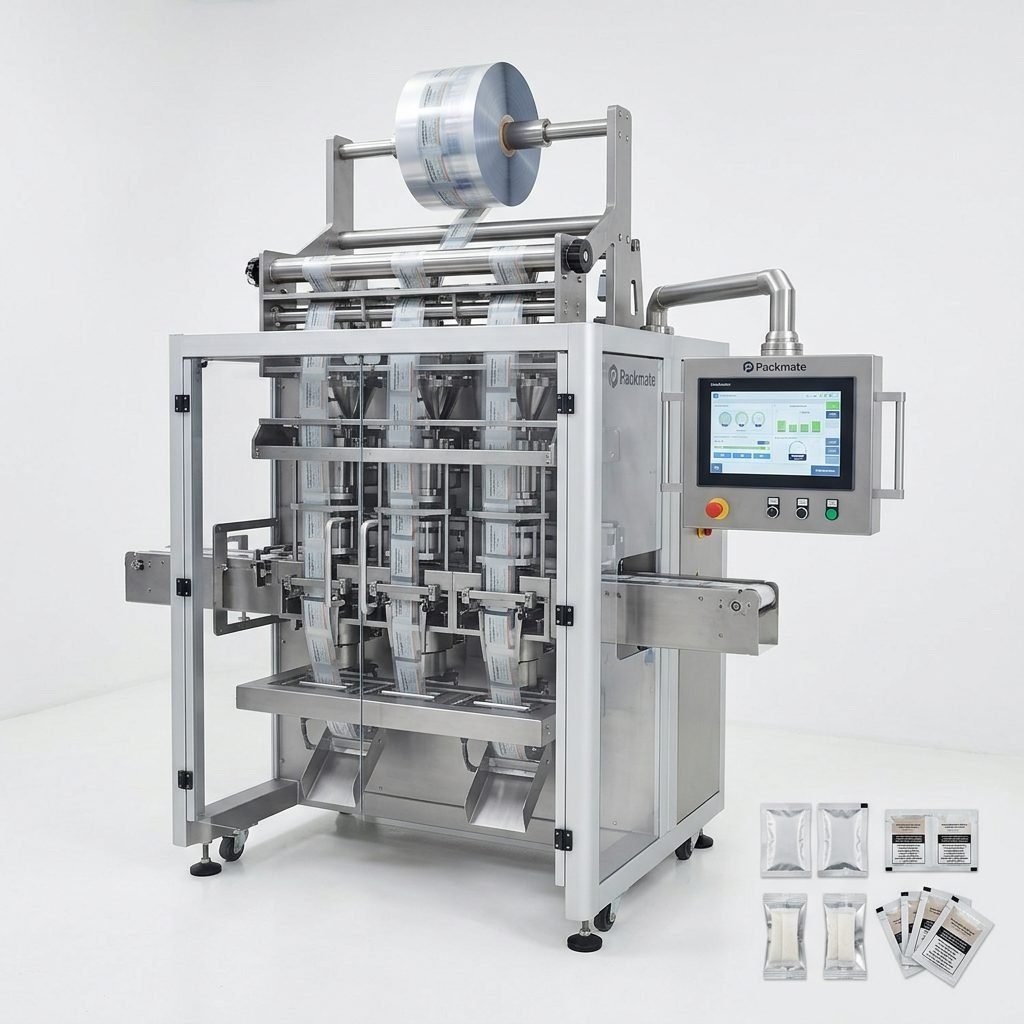
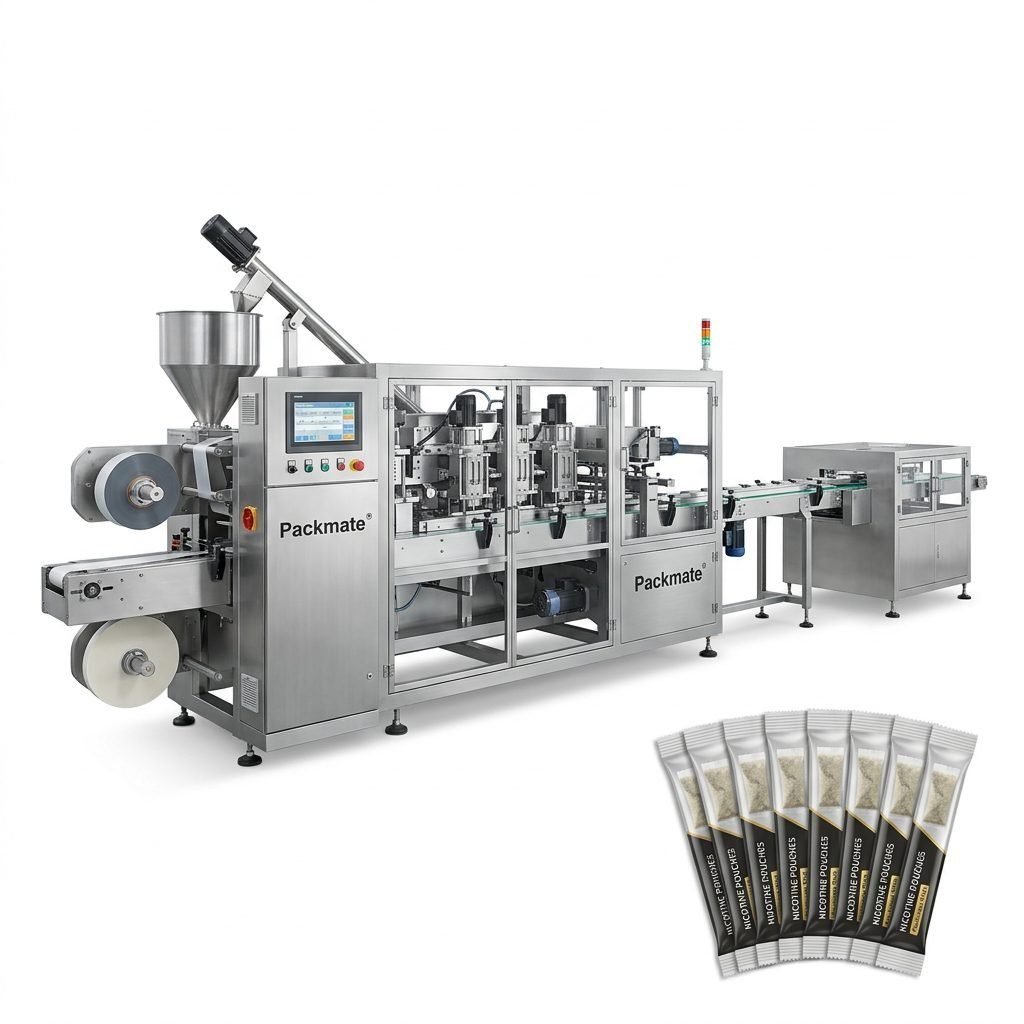
🔹 Multi-lane snus/nicotine pouch packaging lines deliver very high throughput for small-dose pouches and are often used by growing brands to scale quickly.
Make sure your shortlisted manufacturers clearly state which models support the formats you need. For reference, see product lines like Snus & Nicotine Packaging Machines and Sachet & Stick Pack Machines.
Performance: Speed, Accuracy, and Flexibility
When evaluating performance, focus on three metrics:
⚙️ Speed — maximum pouches per minute and how speed changes across different pouch sizes or materials.
🎯 Accuracy — dosing precision, weight control systems, and consistency across lanes.
🔄 Flexibility — ease of format changeover (time to switch sizes), modular options, and support for multi-lane configurations.
Quality, Certifications and Compliance
International certifications such as CE and ISO can be important signals of manufacturing standards and safety. For nicotine products, you should also confirm the machine can meet local hygienic standards and material compatibility for tobacco/nicotine handling. Many reputable manufacturers provide full documentation; you can review company certifications like those found on their certificate pages, for example Certificate.
Tip: Ask for machine test reports, traceable component lists (motors, PLCs, dosing heads), and evidence of long-run stability tests.
Assess Manufacturer Capabilities & Experience
Look for manufacturers with deep experience in snus and nicotine packaging. A provider with decades of R&D and a broad product lineup can better support custom needs and future upgrades. For example, Packmate Snus Machine offers 30+ years of engineering experience, a 20,000㎡ manufacturing facility, and 50+ machine models — useful if you anticipate scaling or customization.
Questions to ask
🔎 How many years has the company been producing snus/nicotine equipment?
🔎 Can the manufacturer supply customer references or case studies from similar markets? (See Case for examples.)
Service, Installation & Local Support in Panama
After-sales service is critical. Confirm response times for technical support, availability of spare parts, and whether the supplier offers on-site installation and operator training. If the manufacturer has international partners or a local agent in Panama, that can dramatically reduce downtime.
✅ Required: Clear warranty terms, spare parts list with SKU and lead times, and training plans in Spanish if possible.
Logistics, Import & Installation Considerations
Panama’s logistics strengths make it straightforward to receive heavy equipment, but you still need:
🚚 Detailed packing lists and crate dimensions for shipping and local crane/handling requirements.
🧾 Accurate commercial invoices, CE/ISO documentation, and any special permits your local customs office may request.
⚡ Confirm electrical specifications — Panama commonly uses 120V/60Hz, but always check your factory site. Also consider grounding and surge protection in humid tropical environments.
Cost vs. Value: Total Cost of Ownership
Purchase price is only part of the story. Factor in:
💰 Spare parts cost and availability.
🛠️ Service contract options and response time.
⚙️ Energy efficiency and waste reduction features that affect operating costs.
How to Evaluate & Shortlist Suppliers
Follow a structured evaluation process:
1) Request technical specs, machine demos (video or live), and references.
2) Visit the factory if feasible, or request a virtual tour — observe CNC processes, assembly, and testing. Manufacturers like Packmate emphasize advanced CNC centers and precision assembly, which can be verified through factory visits or videos. See About Packmate.
3) Evaluate contractual terms: warranty, spare parts shipment time to Panama, training language, and escalation paths.
Red flags
⚠️ Vague specifications, lack of performance data, no local references, or unclear spare-parts sourcing are major concerns. If the supplier cannot provide clear CE/ISO documentation or test reports, proceed with caution.
Why Consider Turnkey Suppliers & Integrated Lines
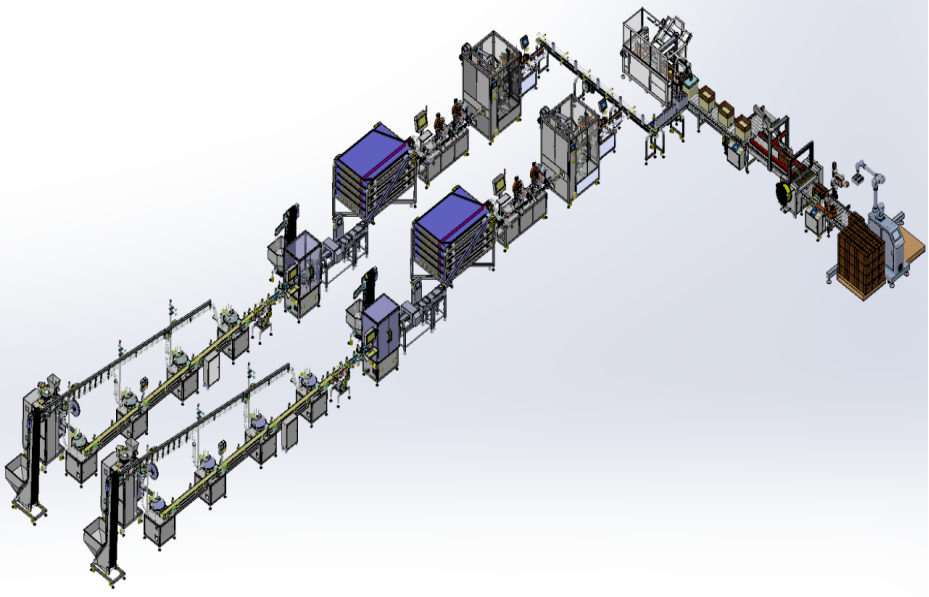
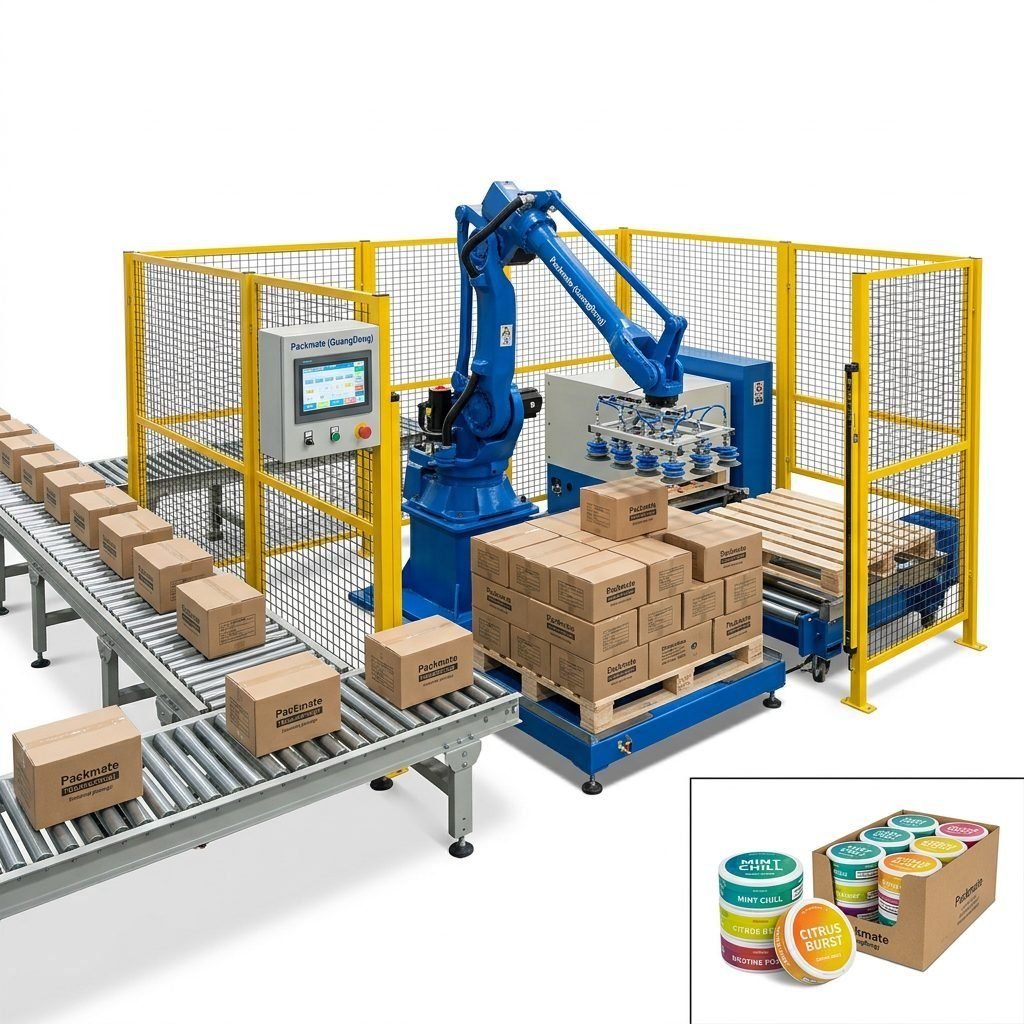
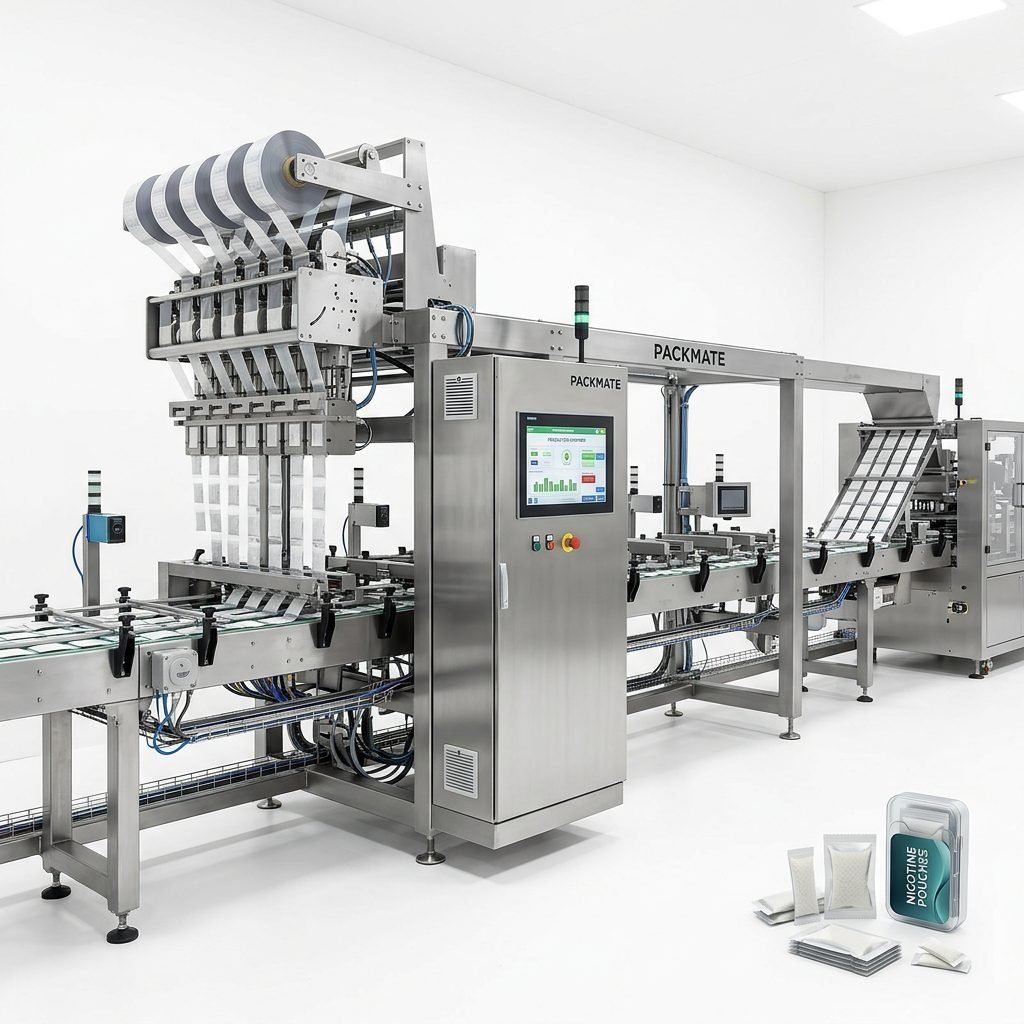
If you’re launching a full production line for nicotine pouches, an integrated supplier who offers filling, weighing, pouch forming, sealing, and downstream cartoning simplifies coordination. Look for companies providing full solutions such as Filling & Packaging Lines and Weighing & Packaging Systems.
Advantage: A single supplier reduces integration risk and simplifies warranty and maintenance responsibilities.
Negotiation & Contract Tips
Negotiate clear milestones: delivery date, acceptance tests, performance acceptance criteria, training sessions, and penalties for missed timelines. Ensure spare parts kits and recommended preventive maintenance schedules are included or available for purchase.
Why Packmate Could Be a Strong Option
A manufacturer with 30+ years of experience, a large manufacturing facility, and a focus on snus/nicotine packaging brings engineering depth for specialized lines. Packmate offers multi-lane systems and turnkey lines that can be tailored for different pouch formats and production scales. For product pages and service details, check Snus & Nicotine Packaging Machines and Service. For direct contact and personalized consultation, use their Contact Us page.
Practical Purchase Checklist
🔘 Format compatibility: Confirm sizes, materials, and multi-lane capability.
🔘 Testing & acceptance: Factory acceptance test criteria and video demonstrations.
🔘 After-sales: Warranty, spare parts lead time to Panama, and local training.
🔘 Compliance & docs: CE/ISO and export documentation for customs clearance.
Final Steps Before Purchase
Schedule a final technical call, request a written proposal including all deliverables, and confirm installation timelines and training language. If possible, plan a small pilot production run to validate real-world performance before full-scale launch.
Helpful resources
Explore product categories and support documentation to compare machine models and accessories: Bag & Pouch Packaging Machines, Auxiliary Packaging Equipment.
Frequently Asked Questions
Q1: How do I ensure a machine will work in Panama’s humidity?
A1: Specify corrosion-resistant materials, protective coatings, and humidity-proof electrical enclosures. Ask the manufacturer for examples of installations in tropical climates and preventive maintenance recommendations.
Q2: What lead times should I expect for delivery and installation?
A2: Typical lead times vary by model and customization. Standard machines may ship within weeks, while customized turnkey lines can take months. Confirm production, testing, shipping, and local customs clearance timelines in your contract.
Q3: How important are certifications like CE/ISO when buying packaging equipment?
A3: Certifications are useful indicators of manufacturing standards, safety, and quality control. They also ease customs procedures and help ensure machines meet basic safety and reliability expectations.
Q4: Should I prioritize a low purchase price or reliable service?
A4: Prioritize total cost of ownership. A cheaper machine with poor service and hard-to-get parts can cost far more in downtime and lost production than a higher-quality machine backed by fast support.
Q5: How can I verify a manufacturer’s claims remotely?
A5: Request video demonstrations, customer references, factory acceptance test reports, and a virtual factory tour. Check public case studies and exhibition histories to validate experience.