Choosing the right snus packaging machine manufacturer for operations in Kiribati requires careful balancing of technical requirements, local logistics, regulatory constraints, and long-term service. This guide walks you through practical considerations — from machine types and corrosion-resistant components for a salty, humid environment to after-sales support and training for small island workforces — so you can make an informed investment that supports steady production and business growth.
Understand the Local Market and Cultural Context
Kiribati is a remote island nation with a small population spread across many atolls. Before buying machines, evaluate local demand, distribution channels, and customs attitudes toward nicotine products. Consider whether products will be sold domestically or exported to nearby Pacific markets. Keep in mind that English and Gilbertese are commonly used, so labeling, instructions, and training materials should be available in appropriate languages.
Key local considerations
– Remote shipping routes and long transit times mean you should choose durable machines with easy-to-source spare parts. Spare parts availability is essential.
– High humidity and salt air increase corrosion risk; prioritize material choices and protective coatings.
– Small labor pools favor intuitive controls and reliable automation to reduce training time.
Match Machine Type to Your Product and Throughput
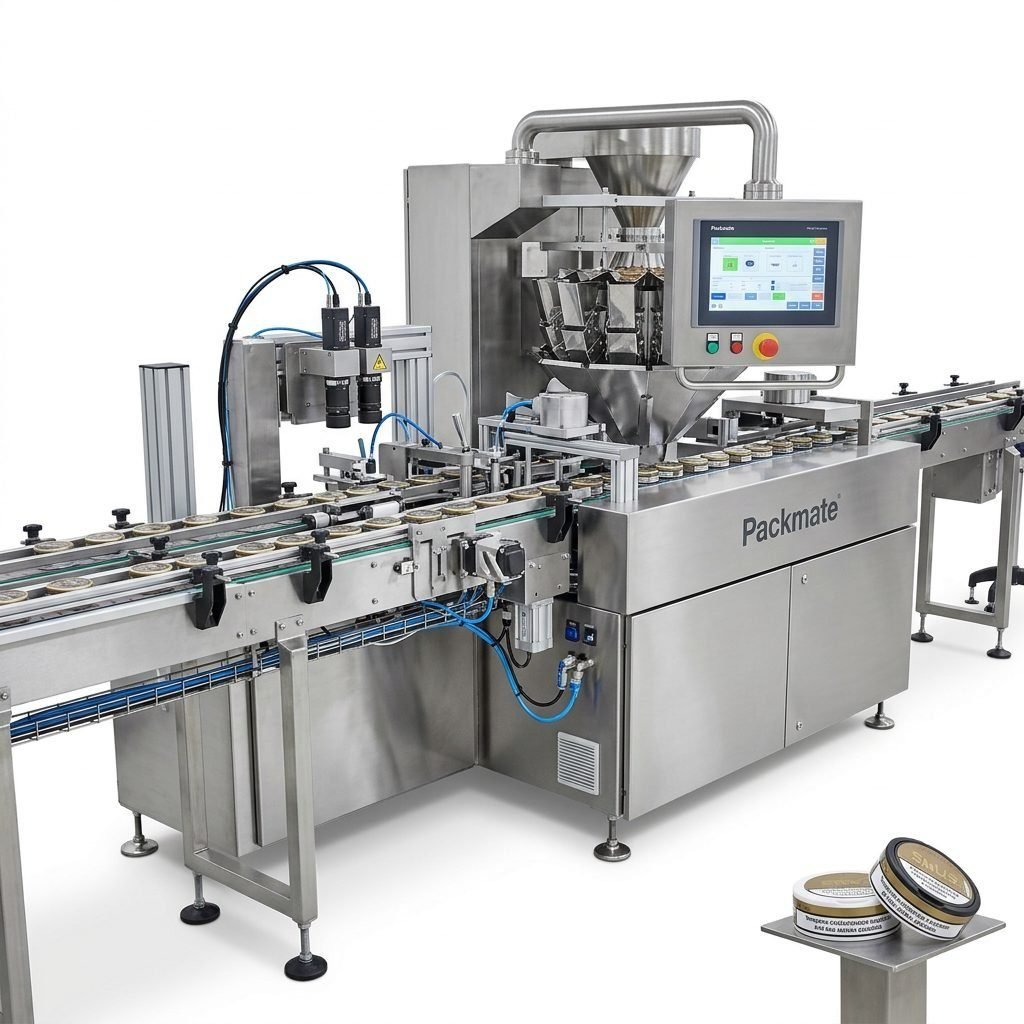
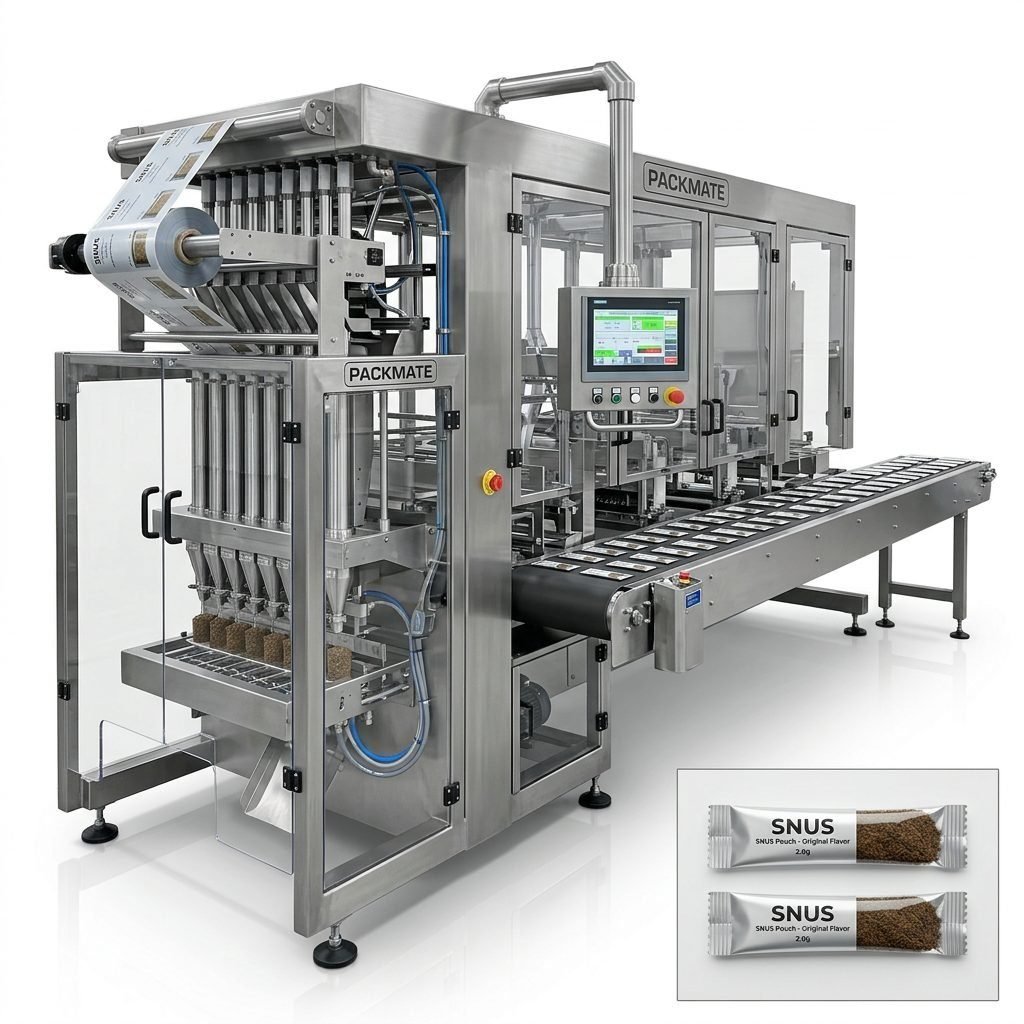
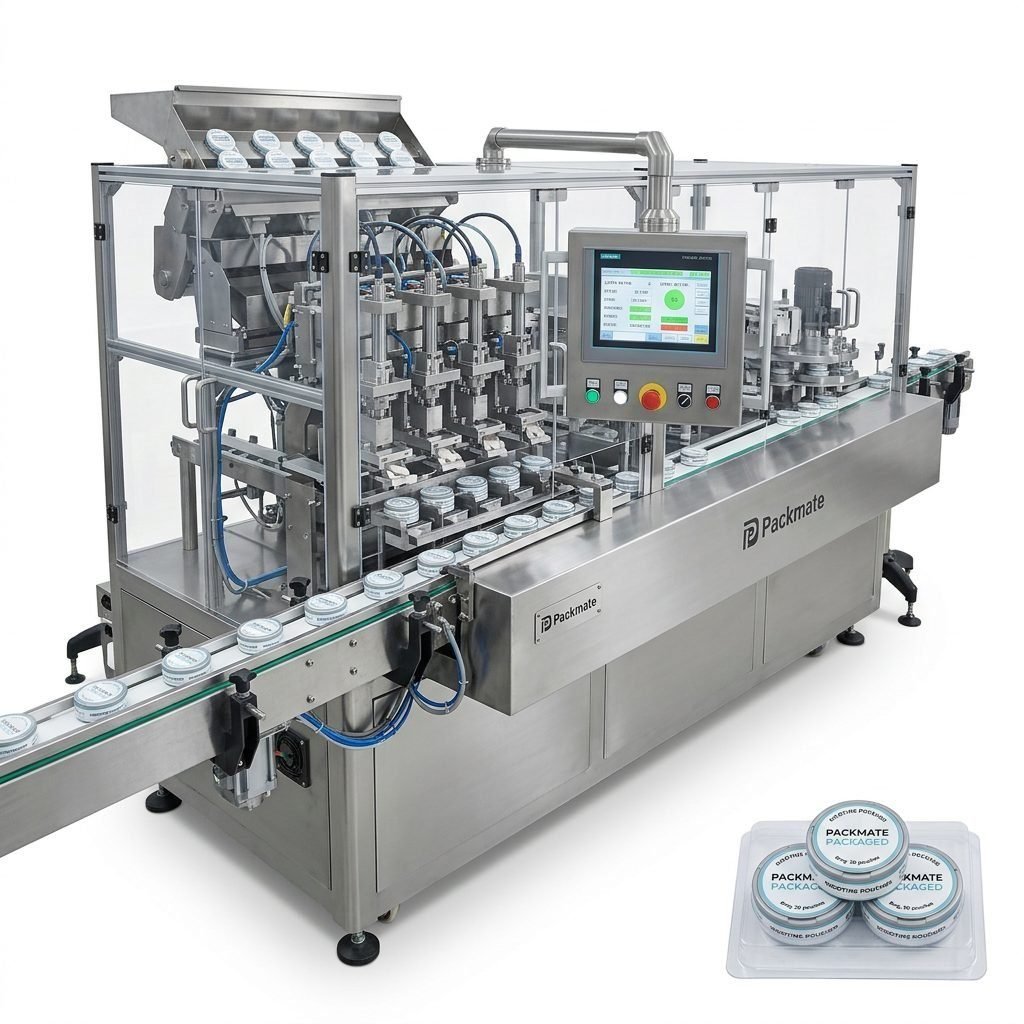
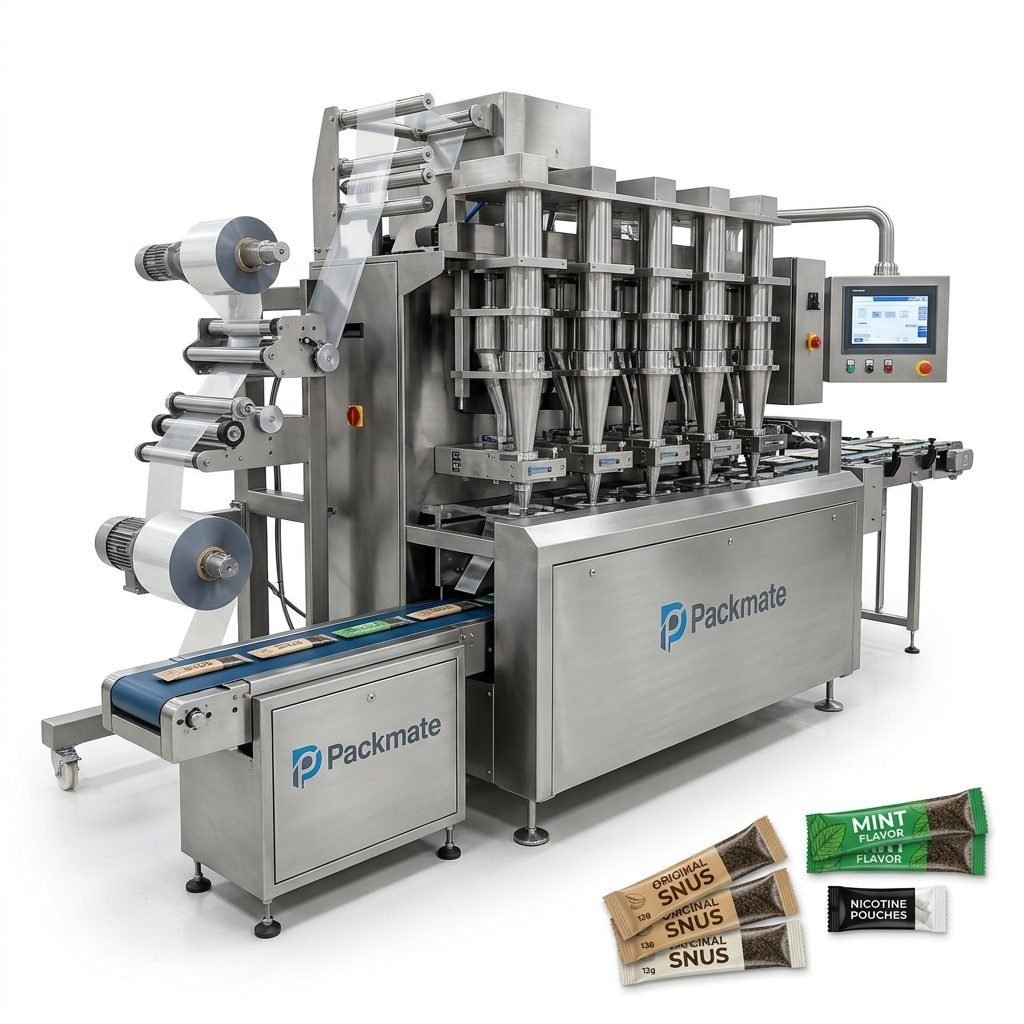
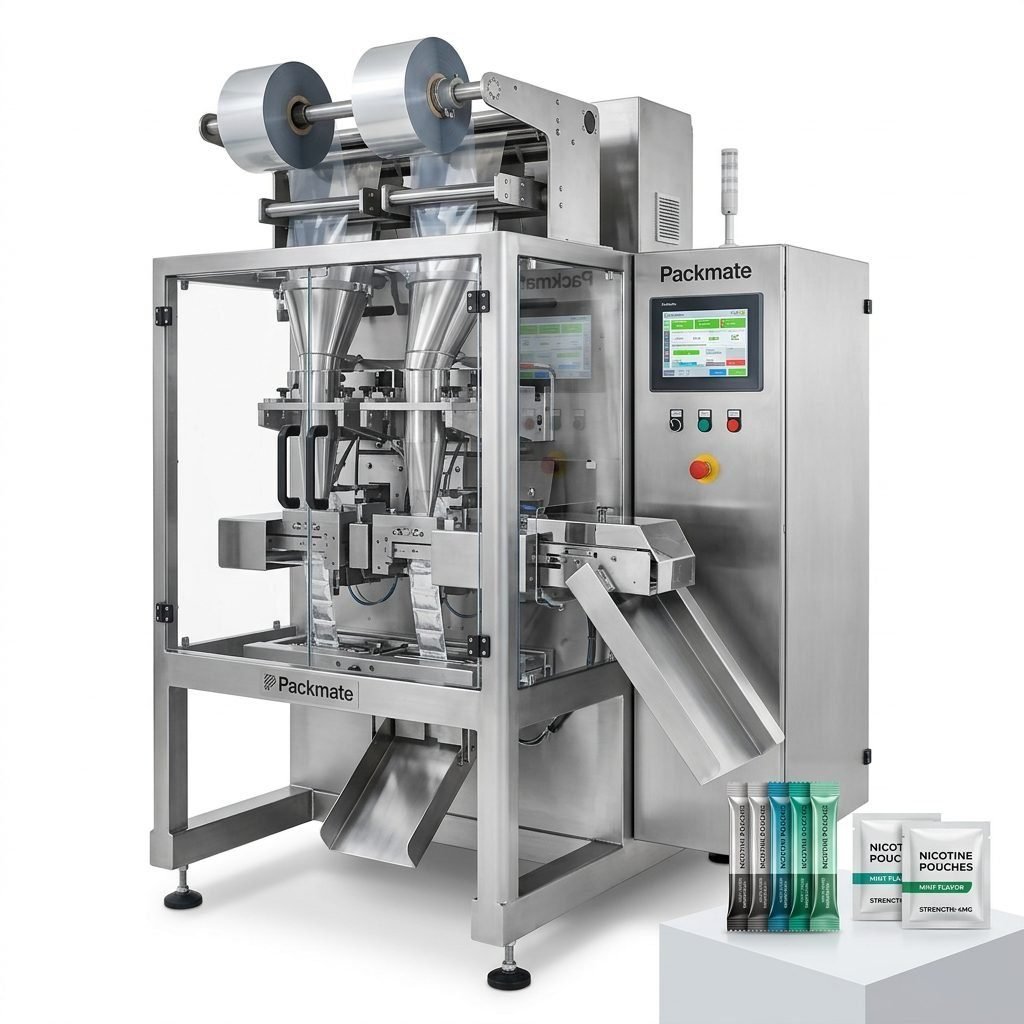
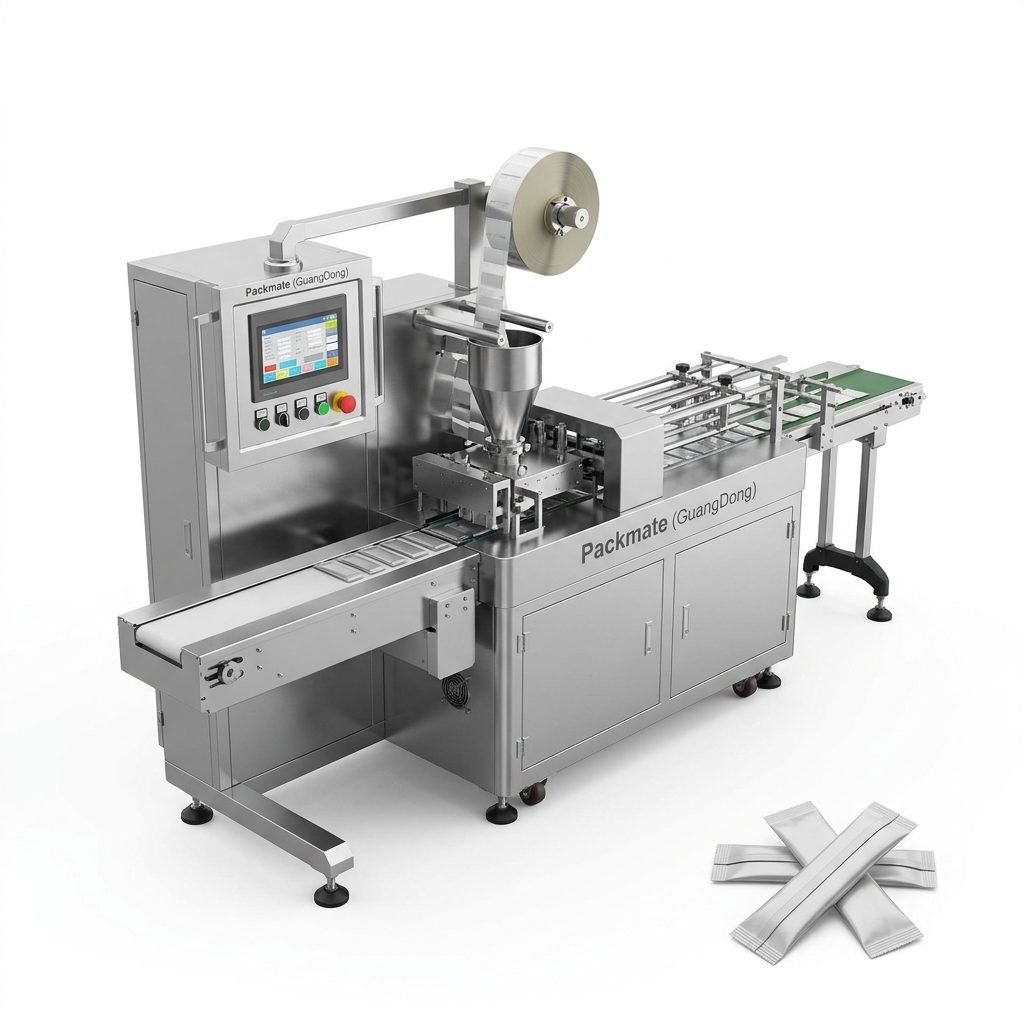
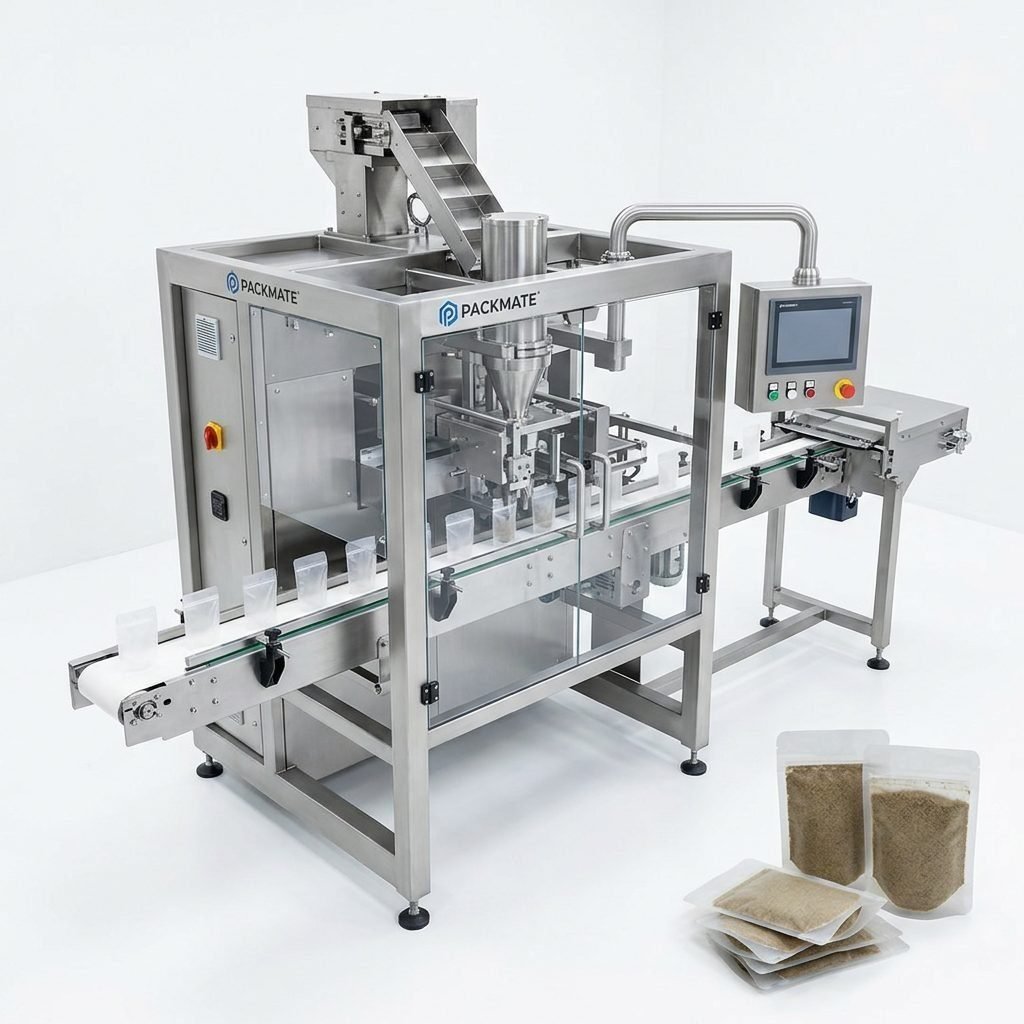
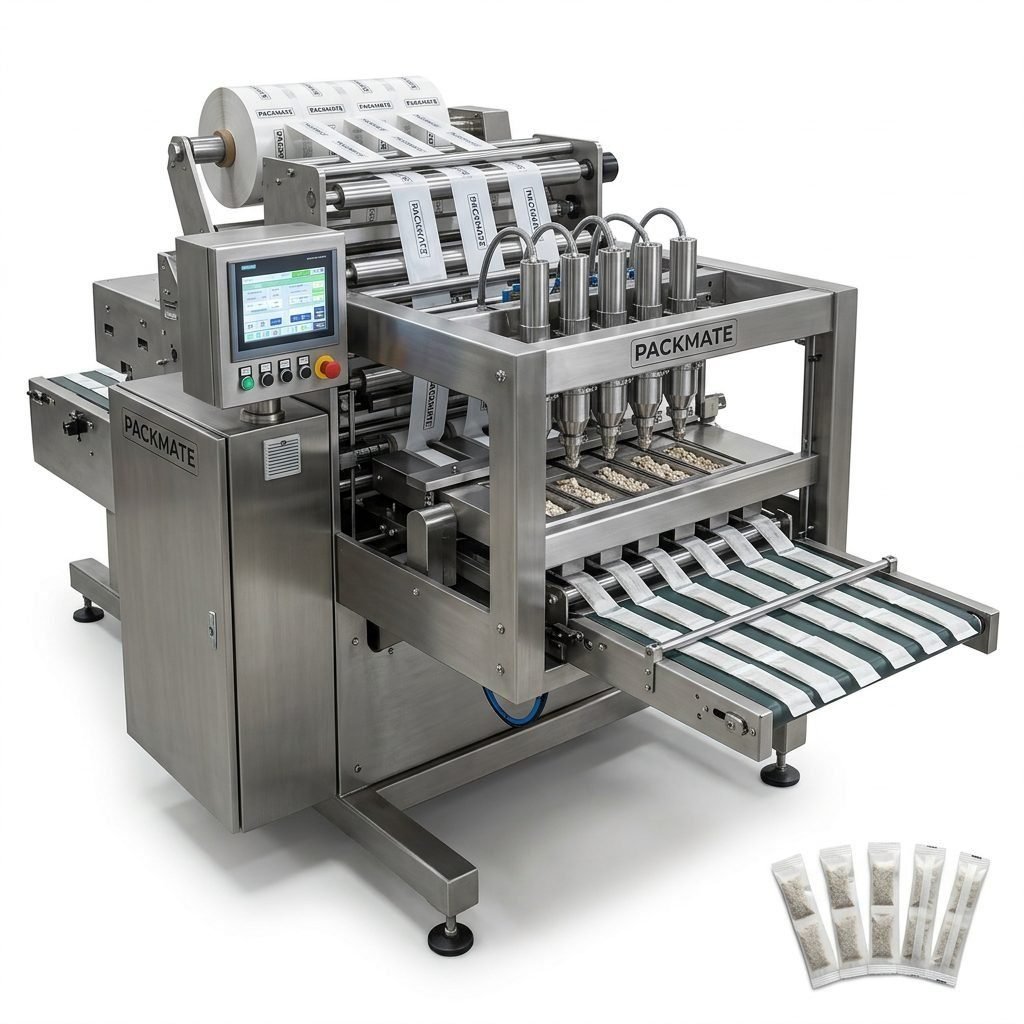
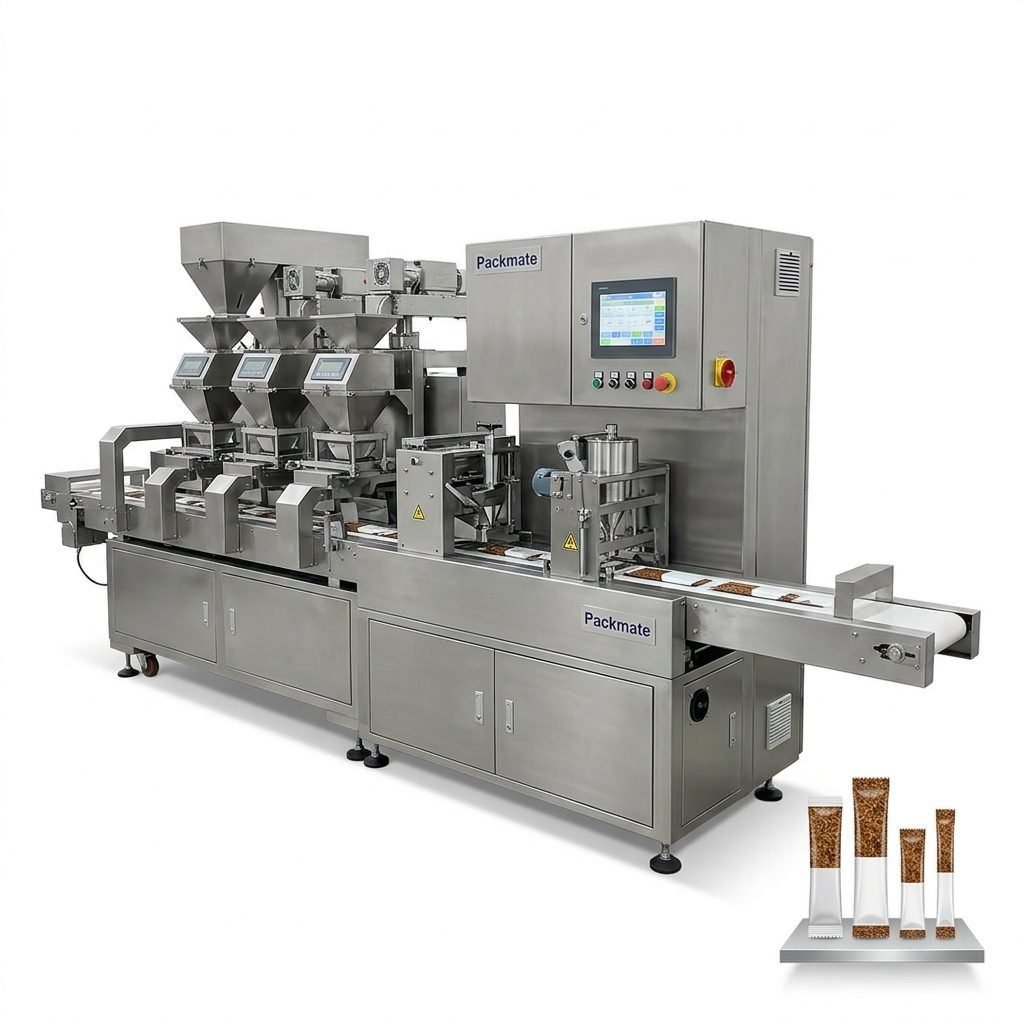
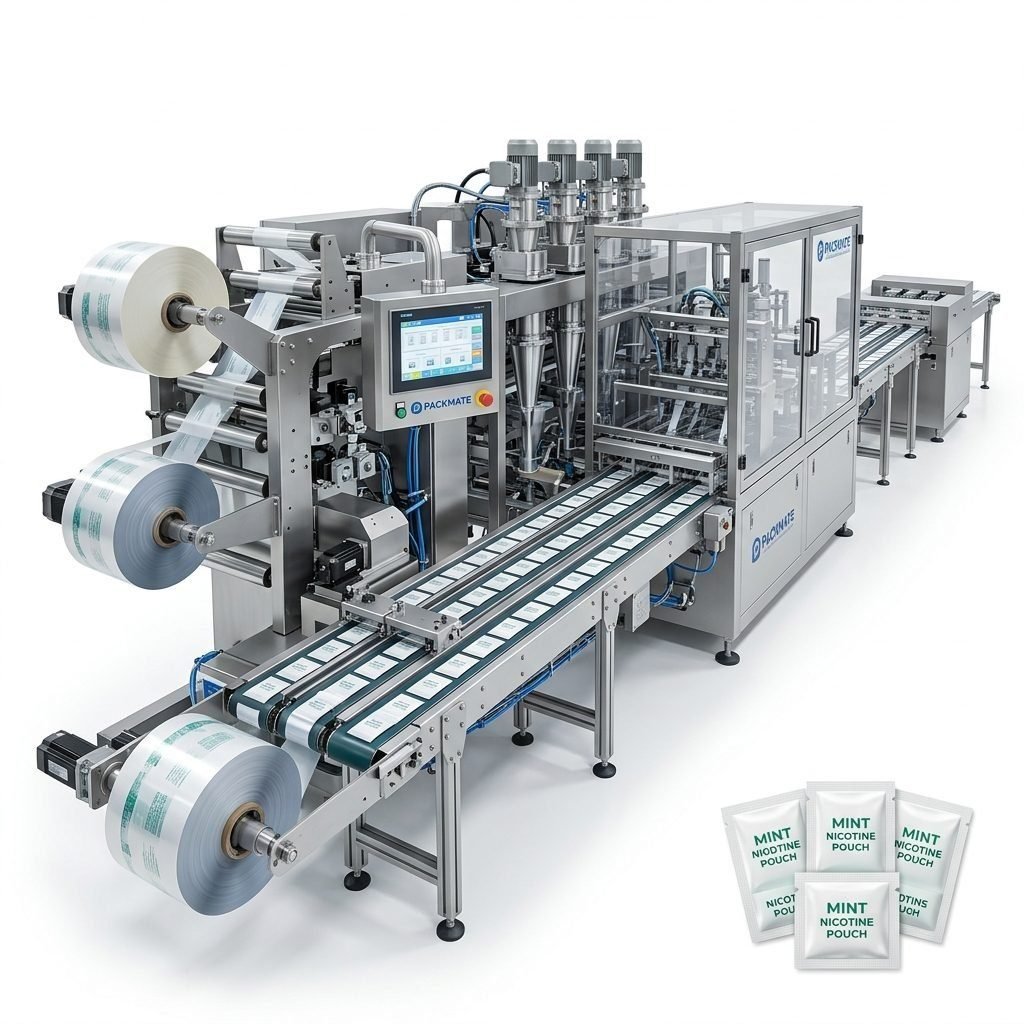
Snus and nicotine pouch production can use several packaging styles: sachets, stick packs, and multi-lane pouch systems. Select a machine type that aligns with your product format and target volumes.
🔧 Tip: For small-batch production on islands, multi-lane small-dose pouch machines offer a good balance of throughput and flexibility. For very small scale or test runs, modular stick pack or sachet machines reduce initial capital outlay.
Production capacity planning
Calculate your expected monthly output and include growth buffers. Consider changeover times for flavors and sizes: shorter changeovers reduce downtime, a vital advantage where shipping spare materials is slow or costly.
Technical and Environmental Requirements
Machines must withstand the maritime climate of Kiribati. Ask manufacturers about materials, anti-corrosion treatments, and sealed electronic cabinets. Energy stability is another concern — verify power requirements and consider machines with soft-start features or optional UPS compatibility for sensitive controls.
What to verify with the manufacturer
– Use of stainless steel (304/316) in exposed parts
– Protective IP-rated enclosures for electronics
– Options for humidity-resistant seals and food-grade coatings
– Power voltage options and low-voltage control systems
⚠️ Warning: Machines designed only for temperate, low-humidity factories may fail prematurely under Kiribati’s conditions. Confirm real-world installation case studies in similar climates.
Certifications, Compliance and Documentation
Choose manufacturers compliant with international standards such as CE and ISO. Request documentation for safety, electrical compliance, and material certifications. These documents ease customs clearance and demonstrate product safety for local regulators.
Packmate Snus Machine provides CE and ISO compliance and detailed technical documentation, which can facilitate import and local registration processes. See more about the company’s credentials and history on their About page: About Packmate.
After-sales Service, Training and Remote Support
With Kiribati’s remote geography, fast on-site repairs may not be possible. Prioritize:
– remote troubleshooting and video support,
– a comprehensive spare-parts kit shipped with the machine,
– training programs for local operators and maintenance staff.
✅ Service checklist: remote diagnostics, spare parts list, user manuals in English (and Gilbertese when possible), and scheduled preventive maintenance packs.
Logistics: Shipping, Customs and Installation
Detailed planning for shipping and customs saves time and costs. Ask manufacturers for DDU/DDP quotations and documentation support. Confirm the machine dimensions for container loading and consider modular disassembly for easier sea freight.
When evaluating suppliers, review their global case studies and exhibition history to confirm experience with island or remote installations: Packmate Snus Machine’s global cases and exhibition track record are useful references: Case | Our Exhibition.
Cost, ROI and Financing Options
Consider total cost of ownership rather than only purchase price. Include shipping, customs, installation, training, spare parts, and energy consumption. Estimate the break-even point based on realistic local sales volumes and factor in seasonal demand or potential exports to neighboring islands.
Negotiation points
– warranty length and scope
– included spare parts kit
– on-site installation and commissioning
– training packages and remote support hours
– modular upgrades and expansion pathways
Quality Validation and Factory Visits
Whenever possible, inspect the manufacturer’s factory or request a live demonstration. Verify machining quality, assembly precision, and QC records. For Packmate, the advanced CNC centers and 20,000㎡ facility provide assurance of industrial capability; review their product catalog and machine families here: Snus & Nicotine Packaging Machines.
Customization and Local Requirements
Choose a supplier that offers customization: multi-lane adjustments, filling accuracy for small-dose pouches, and label/printing modules for local language and regulatory statements. Customization helps maintain compliance with local labeling laws and accommodates local branding preferences.
📦 Pro advice: Pre-install local language HMI screens and documentation to speed training and reduce operator errors.
How to Evaluate a Manufacturer — Quick Checklist
Use this checklist when contacting suppliers:
1) Production technology and model options (stick pack, sachet, multi-lane) — can they meet your throughput?
2) Materials and corrosion protection for maritime climates
3) Certifications, documentation, and customs-friendly paperwork
4) After-sales support, remote diagnostics, and spare parts strategy
5) References from similar installations and available demo videos
If these items are satisfied, you are better positioned to proceed confidently with procurement.
Where to Get More Information and Next Steps
Contact manufacturers for customized quotes and timeline estimates. Ask for references, video demonstrations, and a clear spare parts list. For Packmate’s full range of solutions including weighing, filling lines and auxiliary equipment, see their product suites: Filling & Packaging Lines and Weighing & Packaging Systems. To get direct support or request a quotation, use the manufacturer’s contact page: Contact Us.
Final considerations for Kiribati buyers
Investing in the right snus packaging equipment in Kiribati means planning for resilience: robust corrosion protection, reliable remote support, a solid spare-parts strategy, and training tailored to local teams. Prioritize partners with proven global service experience and a track record in nicotine pouch machinery so you can build a sustainable, compliant production line that fits the unique demands of island operations.
Frequently Asked Questions
Q1: What machine type is best for small-batch snus production in Kiribati?
A1: Multi-lane small-dose pouch machines or modular stick pack machines are often best — they balance throughput and flexibility while reducing initial investment.
Q2: How should I handle spare parts and maintenance in a remote island location?
A2: Request a comprehensive spare parts kit with the initial shipment, confirm remote support options, and train local technicians during installation.
Q3: Are there special material or coating requirements for machinery used in Kiribati?
A3: Yes — use stainless steel (preferably 316 for high-salt environments), sealed electronics enclosures, and corrosion-resistant coatings on exposed parts.
Q4: What documentation should I require from the manufacturer to ease customs and regulatory approval?
A4: CE/ISO certificates, packing lists, technical manuals, electrical compliance documents, and material safety information will help smooth customs and regulatory reviews.
Q5: How do I evaluate a manufacturer’s reliability before purchase?
A5: Check factory photos and videos, review case studies, request references from similar climates, and look for consistent certifications and exhibition presence.