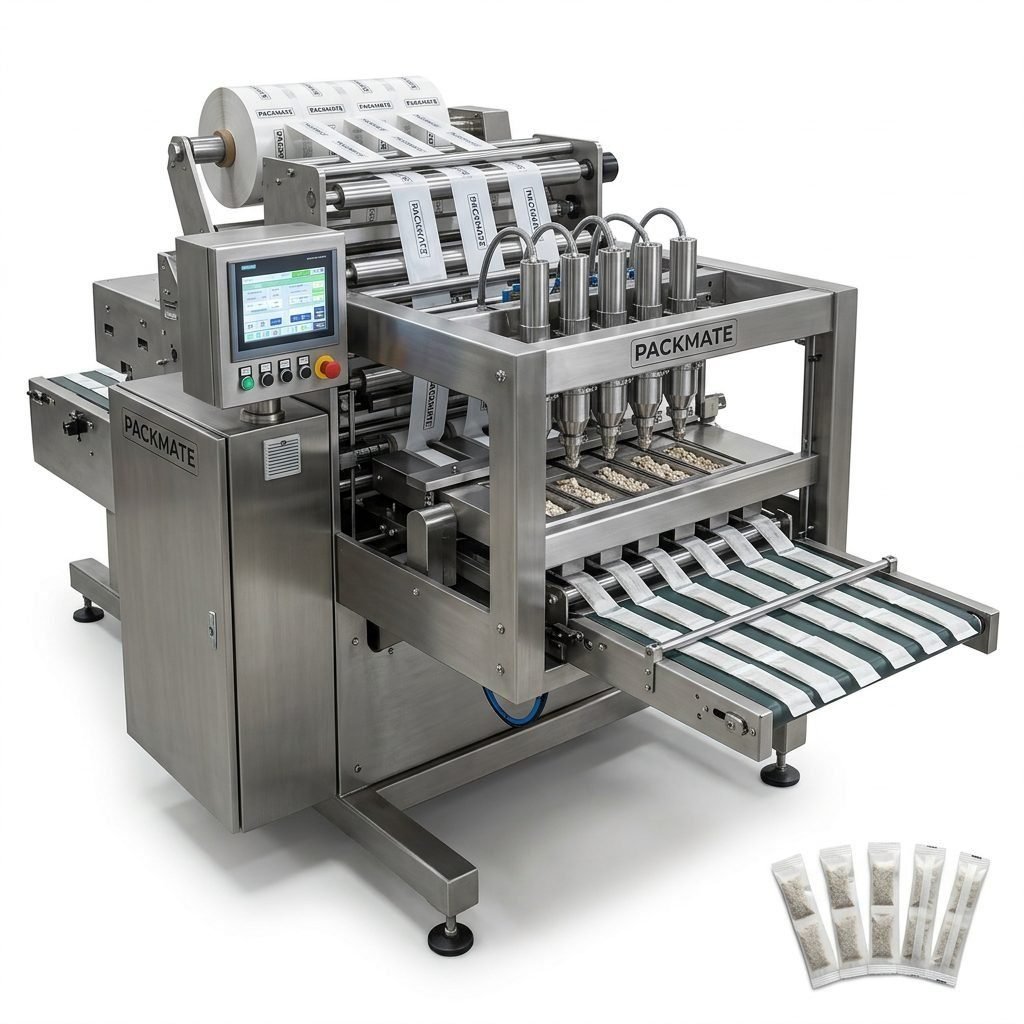
Choosing the right nicotine packaging machine in Liberia requires balancing technical specifications, local operating conditions, and regulatory considerations. This guide outlines the key factors to evaluate when buying snus and nicotine pouch packaging equipment, from machine types and production capacity to service, installation, and local market preferences in Liberia. Use these points to make a confident purchase decision and ensure reliable long-term operation.
Market context in Liberia
Liberia’s market for nicotine pouches and related products is still evolving. Urban centers such as Monrovia have more established retail and distribution networks, while rural demand tends to be smaller and more localized. Local customs favor small-format, affordable products and packaging that withstands high humidity and heat. Expect consumer preferences for discreet, portable packaging and clear labeling in English, sometimes with local dialect considerations.
Local operational realities to keep in mind
Power reliability, workshop space, and technician availability are important in Liberia. Consider machines with stable power tolerance, low downtime, and good remote support options. If you plan to expand sales via regional markets, pick equipment that is easy to upgrade or retrofit for different pouch sizes and materials.
Types of nicotine packaging machines and when to choose them
Match machine types to your product format, speed needs, and budget:
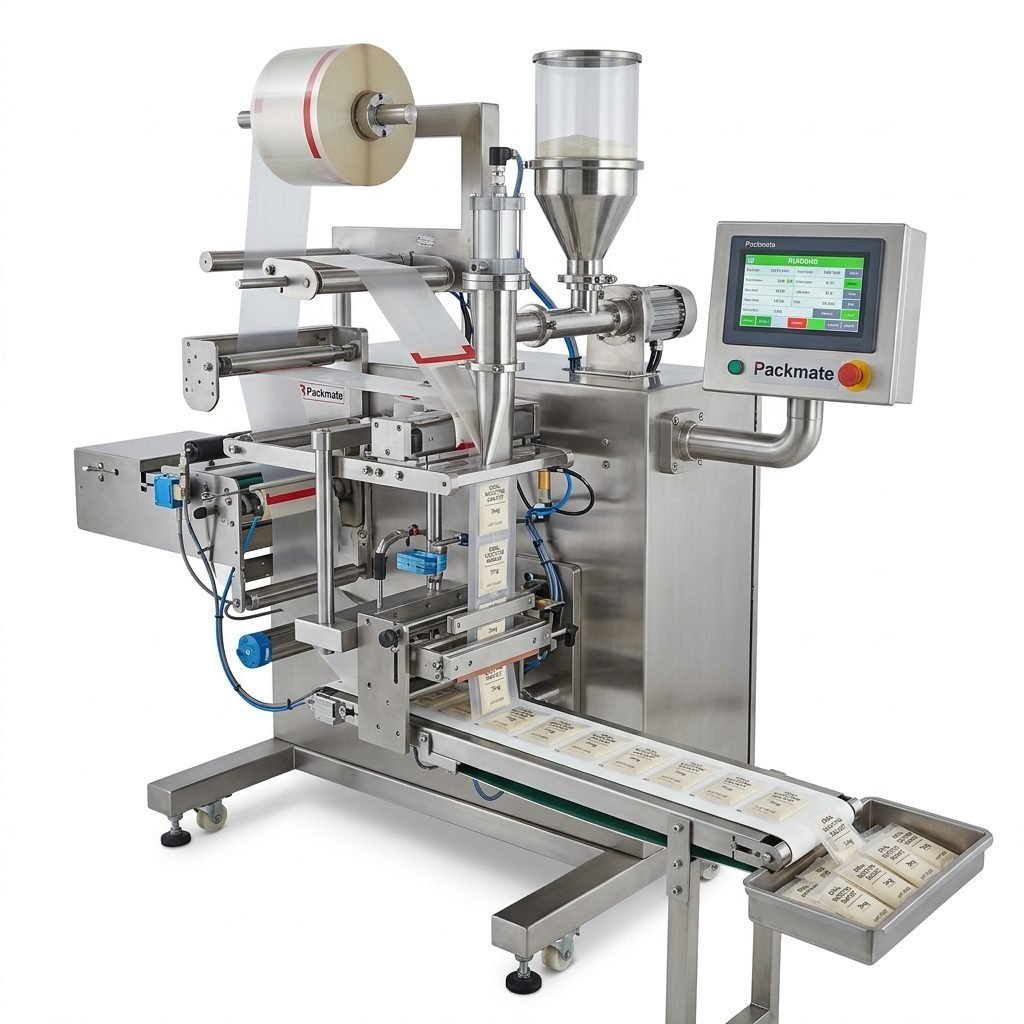
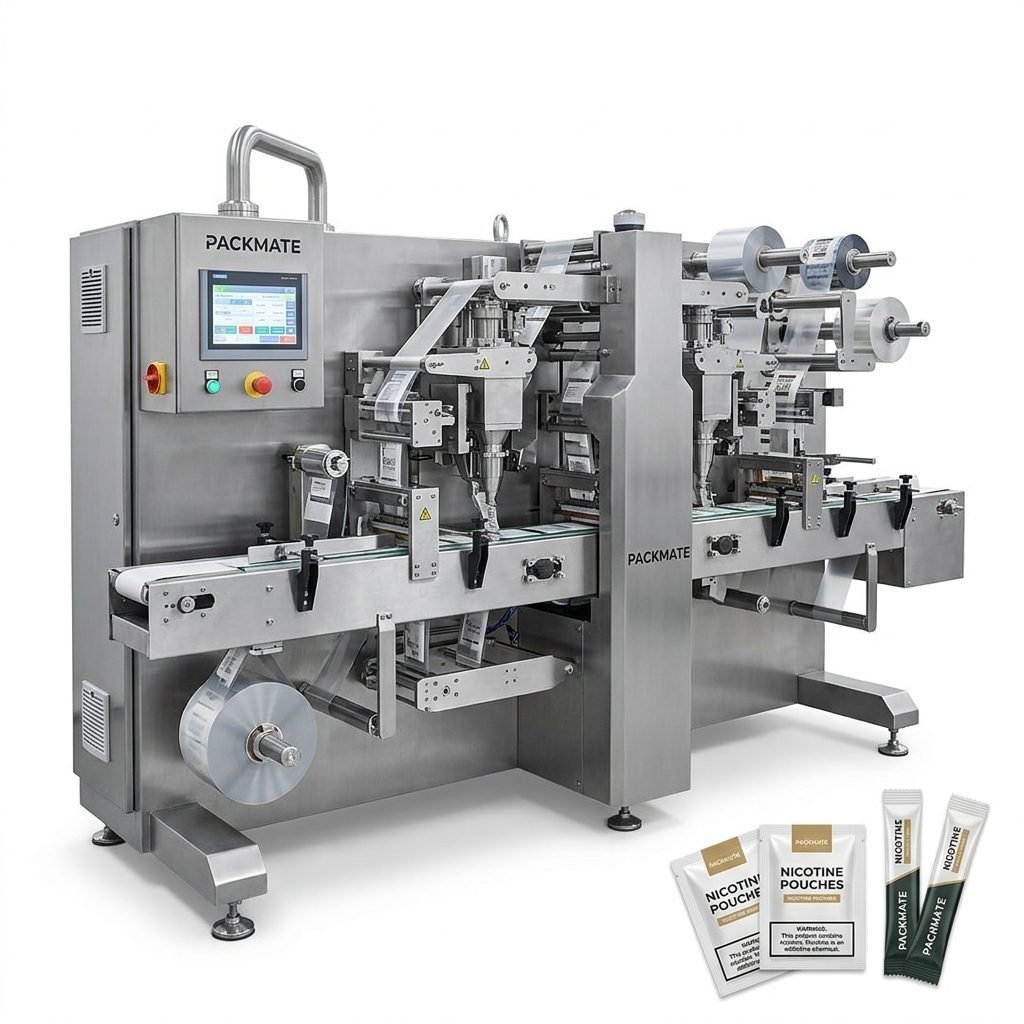
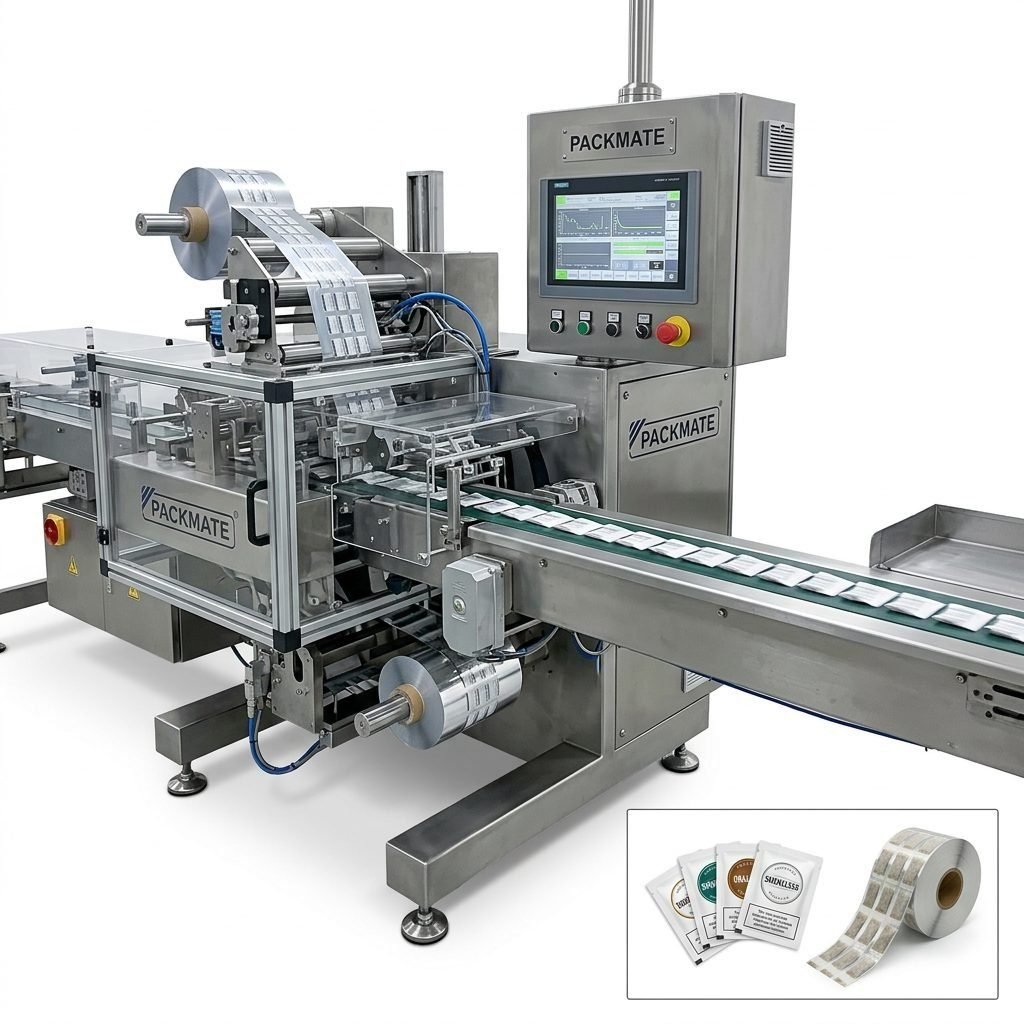
🔹 Stick pack machines — ideal for single-dose nicotine sticks and slim pouches; efficient for medium to high throughput production.
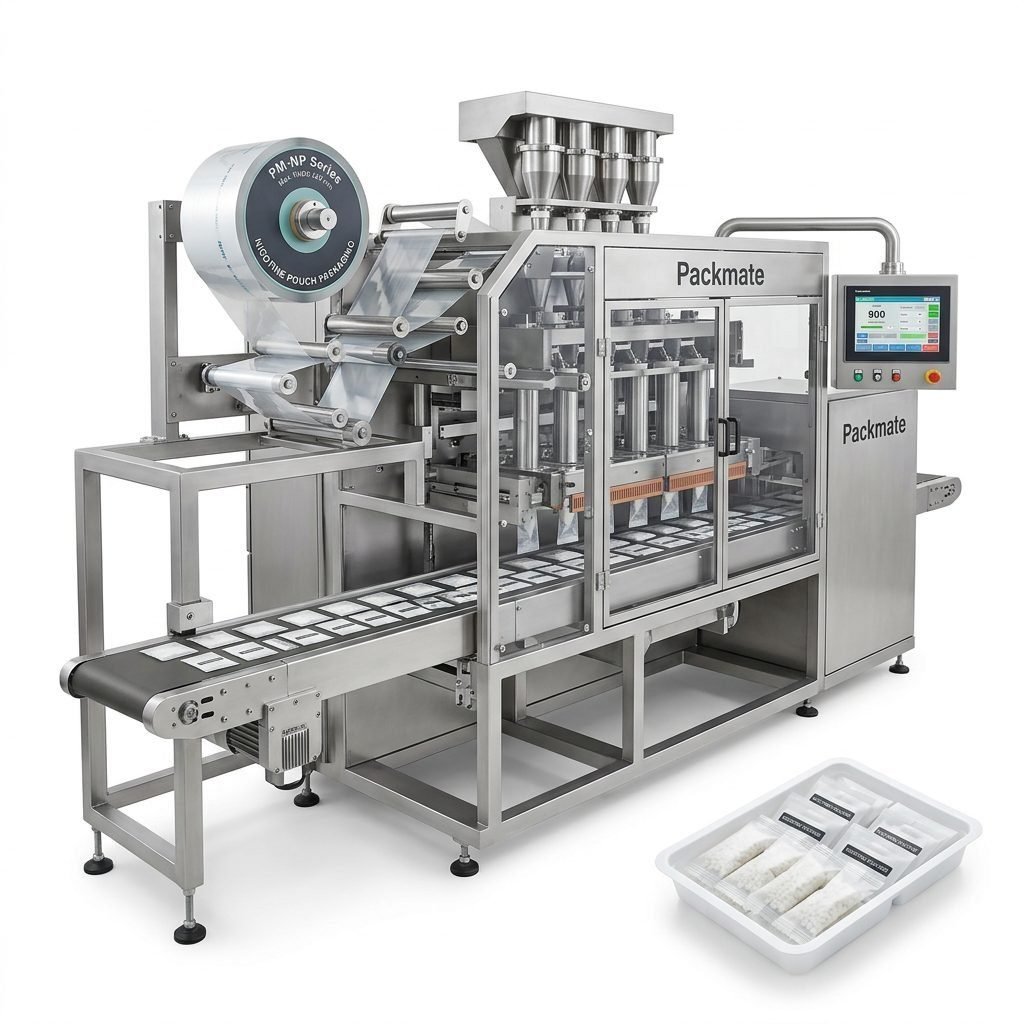
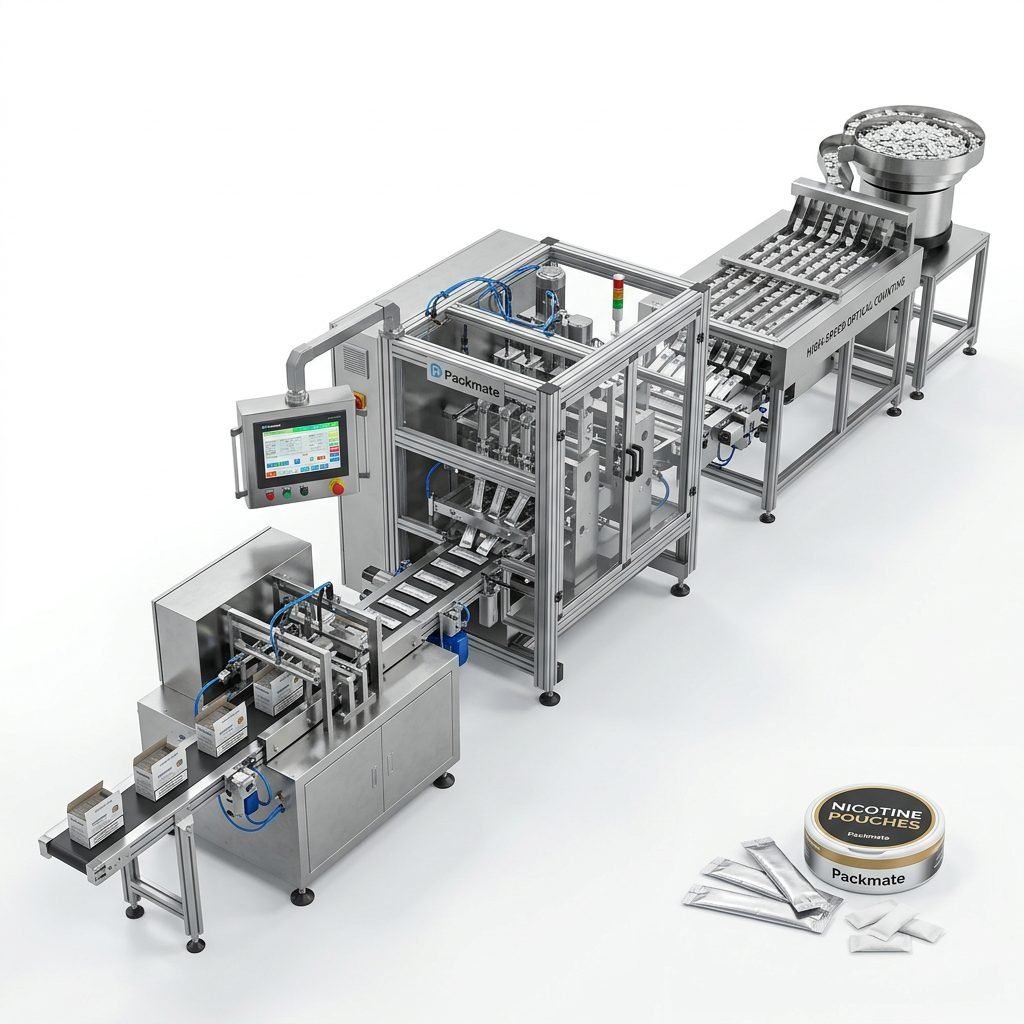
🔹 Sachet & multi-lane machines — suitable for small-dose nicotine pouches, offering multi-lane options that boost output without a larger footprint. Consider these for scaling production in urban centers.
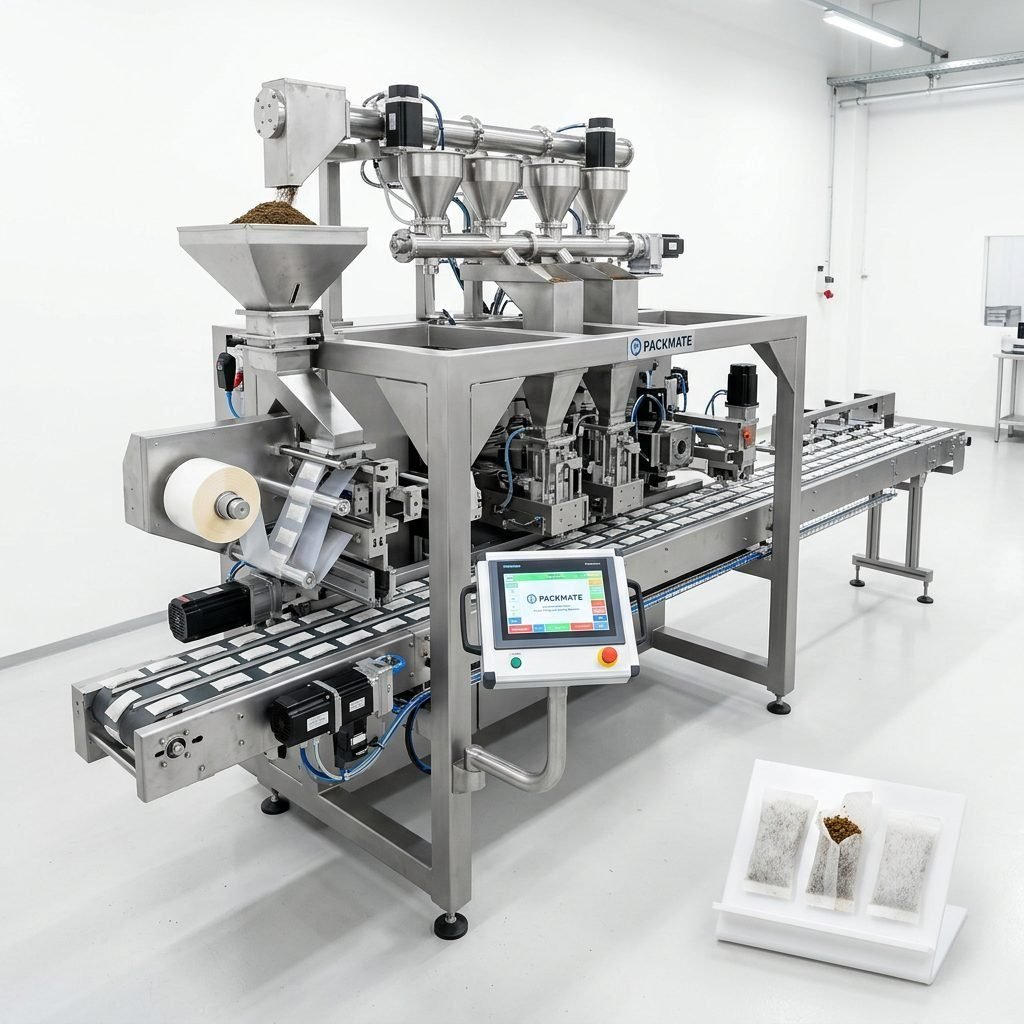
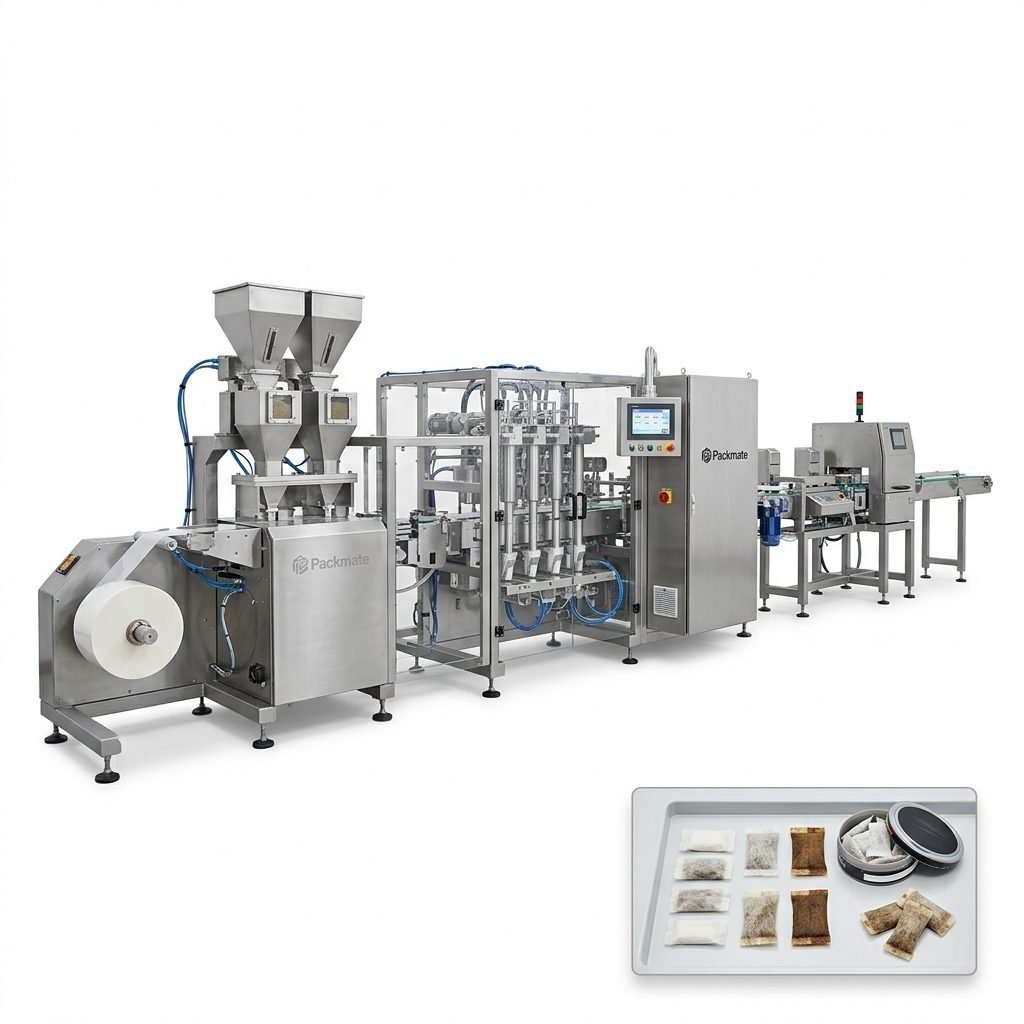
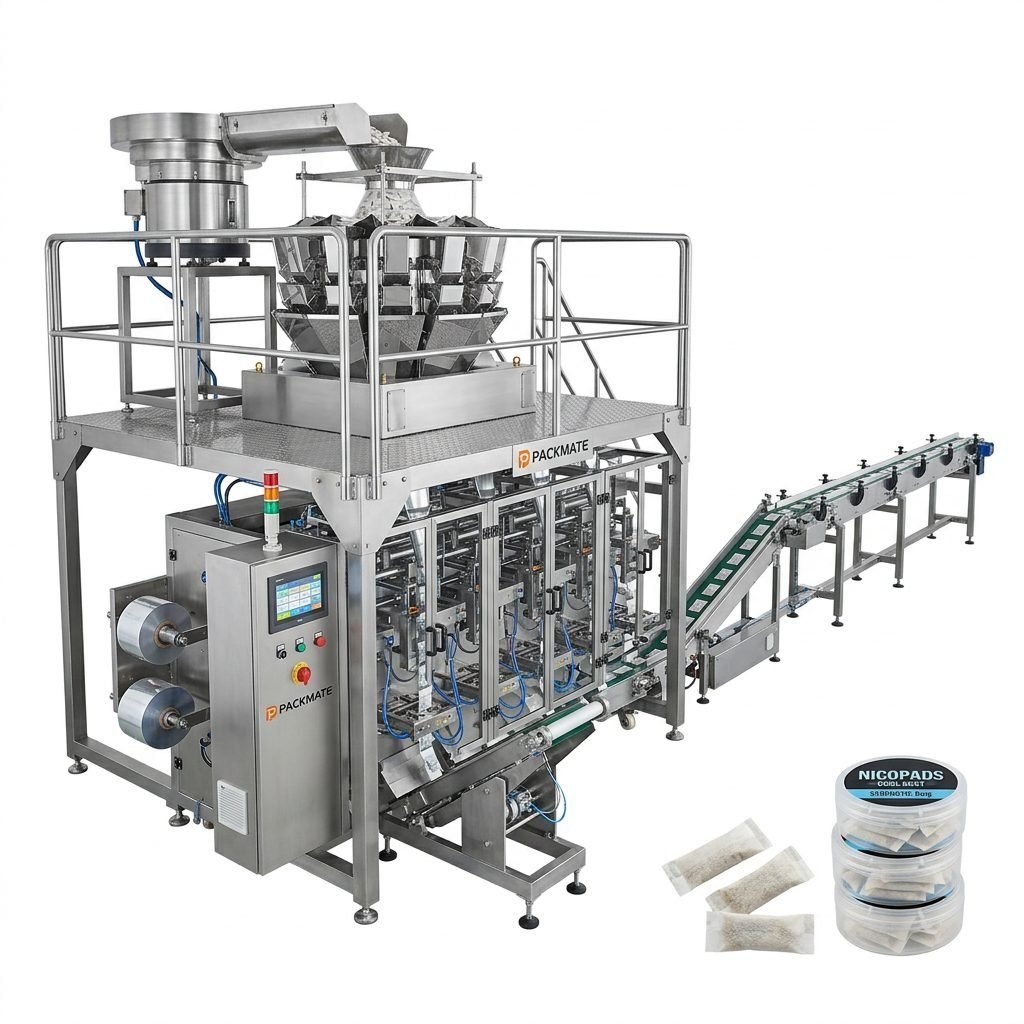
🔹 Fully automated snus/nicotine pouch lines — best for large-volume manufacturers who need filling, sealing, and secondary packaging in an integrated line.
Key technical factors to evaluate
When comparing models, assess these technical parameters carefully:
🔍 Capacity & speed — expressed in pieces per minute or pouches per minute. Choose a machine whose throughput matches your production plan plus a reasonable margin for growth.
🔍 Accuracy & dosing — critical for nicotine pouches due to strict dose control needs. Check the dosing system’s deviation rates and the availability of precision weigher modules.
🔍 Multi-lane capability — multi-lane systems provide higher output per footprint, useful where factory space is limited. Evaluate lane count and changeover time for different pouch sizes.
🔍 Material compatibility — confirm compatibility with your chosen pouch materials (paper-laminates, aluminum foils, PE films). Humidity in Liberia may demand barrier films and robust sealing systems.
Environmental and site considerations in Liberia
Liberia’s tropical climate and infrastructure constraints influence machine choice:
✅ Humidity management — high humidity can affect powder flow and seal integrity. Machines with enclosed feeding systems, dehumidified storage, or compatibility with desiccant packaging are beneficial.
✅ Power stability — seek equipment tolerant of voltage fluctuations or include recommended UPS/voltage stabilizers. Ask suppliers about power consumption and recommended electrical configurations.
✅ Space & layout — compact multi-function lines help if factory floor space is limited in Monrovia or other regional towns. Plan for maintenance access and material handling routes.
Site utilities checklist
– Stable mains supply and recommended UPS capacity.
– Compressed air quality and dew-point control if pneumatic components are used.
– Clean, level flooring with anchoring points and adequate drainage and lighting.
After-sales support, spare parts & training
For operation in Liberia, reliable after-sales service and spare part availability are essential. Look for suppliers offering:
⚙️ Fast spare parts shipping or regional stock in West Africa.
⚙️ Remote diagnostics and phone/video support to minimize downtime.
⚙️ On-site commissioning and operator training. If local technician capacity is limited, prioritize supplier-led installation and a comprehensive training package.
Supplier selection: why supplier pedigree matters
Opt for experienced manufacturers with a proven track record in snus and nicotine pouch equipment. A long-established supplier provides tested designs, consistent quality, and global references. For example, companies with 20,000㎡ facilities, advanced CNC machining, and multiple machine models demonstrate manufacturing depth and customization capability.
Visit supplier pages such as Snus & Nicotine Packaging Machines and the About Packmate page to verify factory capabilities, certifications, and case studies. Reviewing real-world cases helps you understand how a supplier handles customization and installation.
Certifications and compliance
Ensure machines meet international standards (CE, ISO) and inquire about materials and hygiene compliance relevant to tobacco/nicotine products. Compliance reduces regulatory risks when exporting or distributing across borders.
Cost considerations and ROI
Evaluate total cost of ownership (TCO) rather than purchase price alone. TCO includes initial equipment cost, installation, spare parts, consumables, energy use, maintenance labor, and downtime risk. In many cases, a slightly higher upfront investment in a reliable multi-lane or automated line pays off with lower per-unit costs and less downtime.
Quick buying checklist
✅ Production capacity requirement (current & 2–3 year forecast).
✅ Pouch formats & material compatibility.
✅ Dosing accuracy & quality control options (weighing/vision systems).
✅ Local service plan, spare parts, and training.
✅ Site utilities readiness (power, air, space).
Customization and turnkey solutions
If you need a full production line — from dosing and pouch forming to secondary packaging — consider turnkey providers experienced in nicotine pouch production. Turnkey projects reduce integration risk and shorten ramp-up time. Explore product lines and turnkey options such as Filling & Packaging Lines and modular solutions to match phased expansion plans.
Installation, commissioning and operator training
For Liberia, prioritize packages that include on-site commissioning and prioritized training for operators and maintenance staff. Remote training supplements are valuable, but in-person setup ensures correct calibration under local conditions. Confirm the supplier’s provision for spare parts shipment times and SLA for remote troubleshooting.
Real-world examples and references
Review case studies from suppliers to understand performance in similar climates and markets. Browse the Case section for examples of machine installations and client feedback. Reliable references help validate claims on uptime, accuracy, and service responsiveness.
Working with a trusted manufacturer
Look for manufacturers with long industry history, robust manufacturing facilities, and broad model ranges. Companies that provide thorough documentation, spare parts catalogs, and ongoing technical support reduce risk over the life of the equipment. If you need supplier contact details or wish to discuss tailored options, check the Contact Us page.
Top tips for successful commissioning in Liberia
⚠️ Pre-check site power quality and install recommended stabilizers.
⚠️ Plan extra time for calibration under humid conditions and for operator training.
⚠️ Keep a starter stock of critical spare parts (seals, heaters, sensors) on-site for the first 6–12 months.
Final considerations before you sign
Before finalizing a purchase, obtain a detailed technical proposal outlining machine specs, warranty terms, list of included accessories, training scope, and spare parts lead times. Confirm whether the supplier offers installation, trial runs with your product, and documented performance guarantees. A clear contract minimizes surprises and speeds up your path to steady production.
Useful links for more details
Explore product categories and support information: Sachet & Stick Pack Machines, Weighing & Packaging Systems, and the Our Exhibition page to see demonstrations and meet suppliers.
Conclusion
Selecting the right nicotine packaging machine for Liberia means evaluating technical fit, environmental resilience, local support, and total cost of ownership. Prioritize accuracy, humidity-resistant design, and a supplier that provides strong commissioning and spare parts support. With careful planning and the right partner, you can establish a reliable production line tailored to Liberian market needs.
Common Questions
Q1: What machine type is best for a small startup in Monrovia?
A1: For startups, consider compact sachet or single-lane stick pack machines with easy changeover and low initial investment. These machines allow small batch runs and scale-up with multi-lane options.
Q2: How important is humidity control for nicotine pouches in Liberia?
A2: Very important. High humidity affects powder flow and seal quality. Use barrier films, sealed feed systems, and consider dehumidified storage to maintain product stability.
Q3: What after-sales support should I insist on?
A3: Insist on guaranteed spare parts availability, remote diagnostics, on-site commissioning, and operator training. SLA response times and parts lead times are critical.
Q4: Can I expand capacity later without replacing the entire line?
A4: Yes. Choose modular and multi-lane-capable solutions that allow lane additions or adding upstream/downstream modules for filling and secondary packaging.
Q5: Where can I see real examples and contact suppliers?
A5: Review supplier case studies and factory information via the Case page and use the Contact Us link to request demos and quotations.