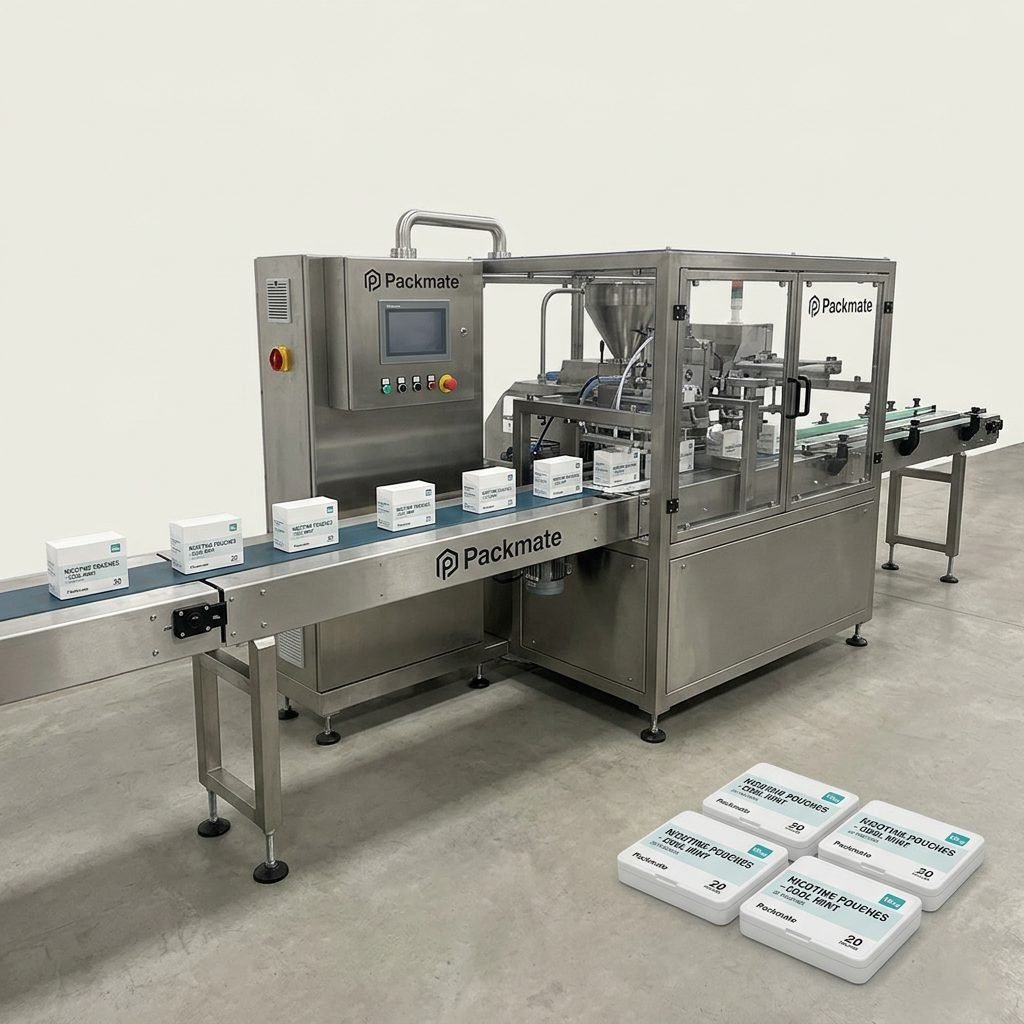
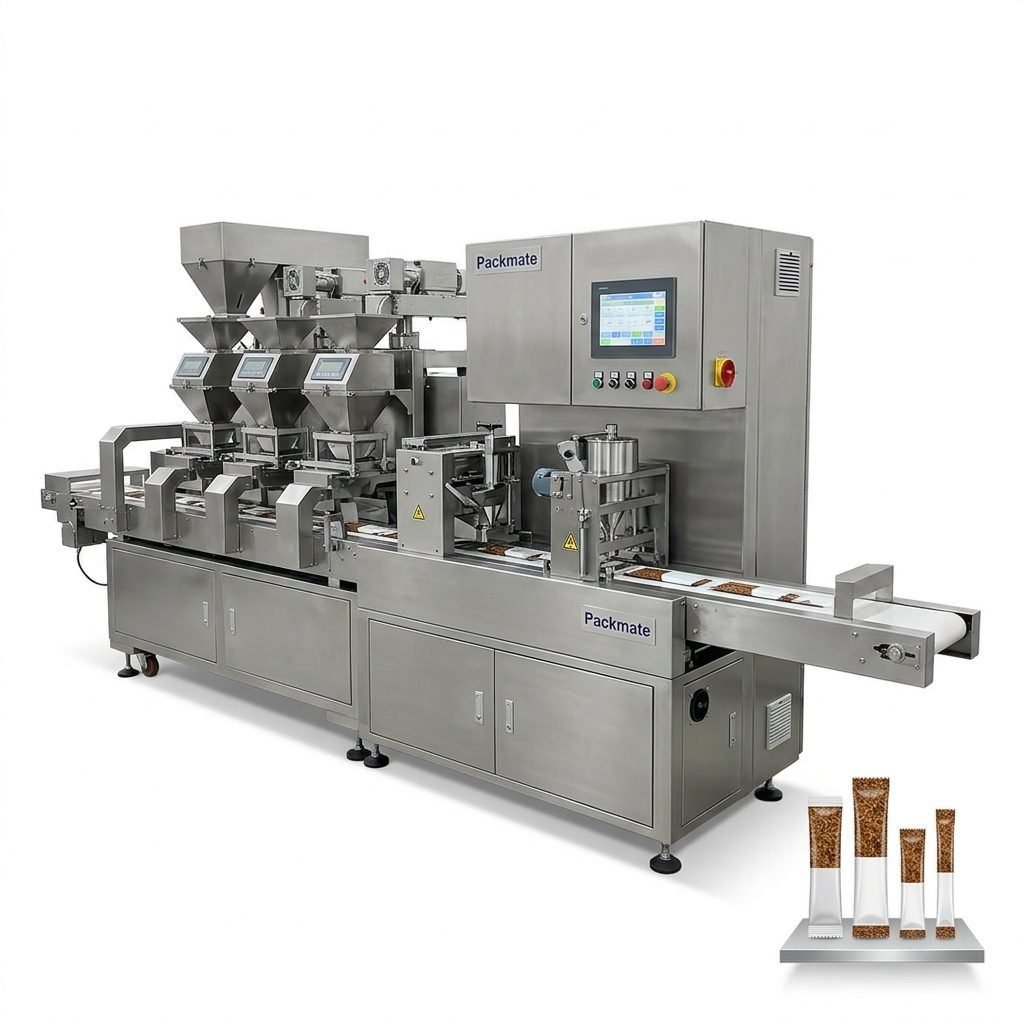
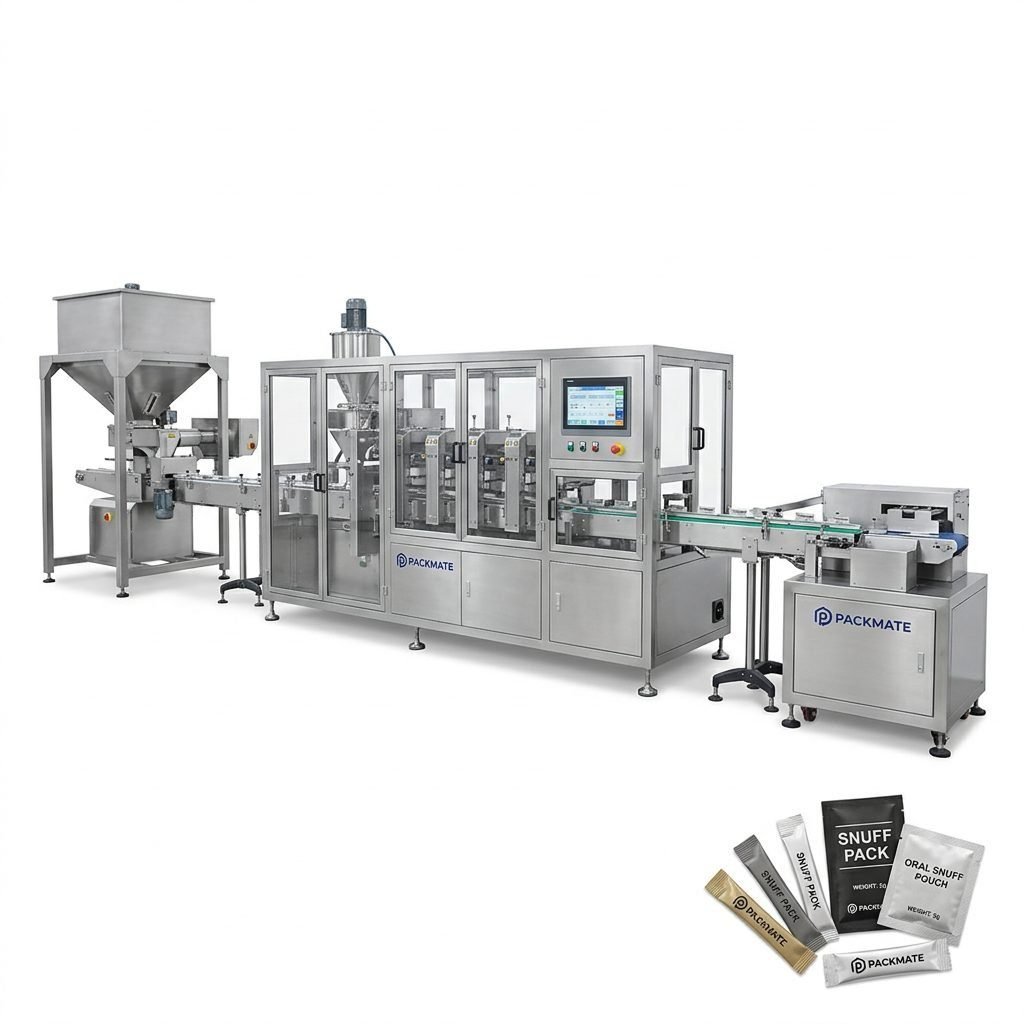
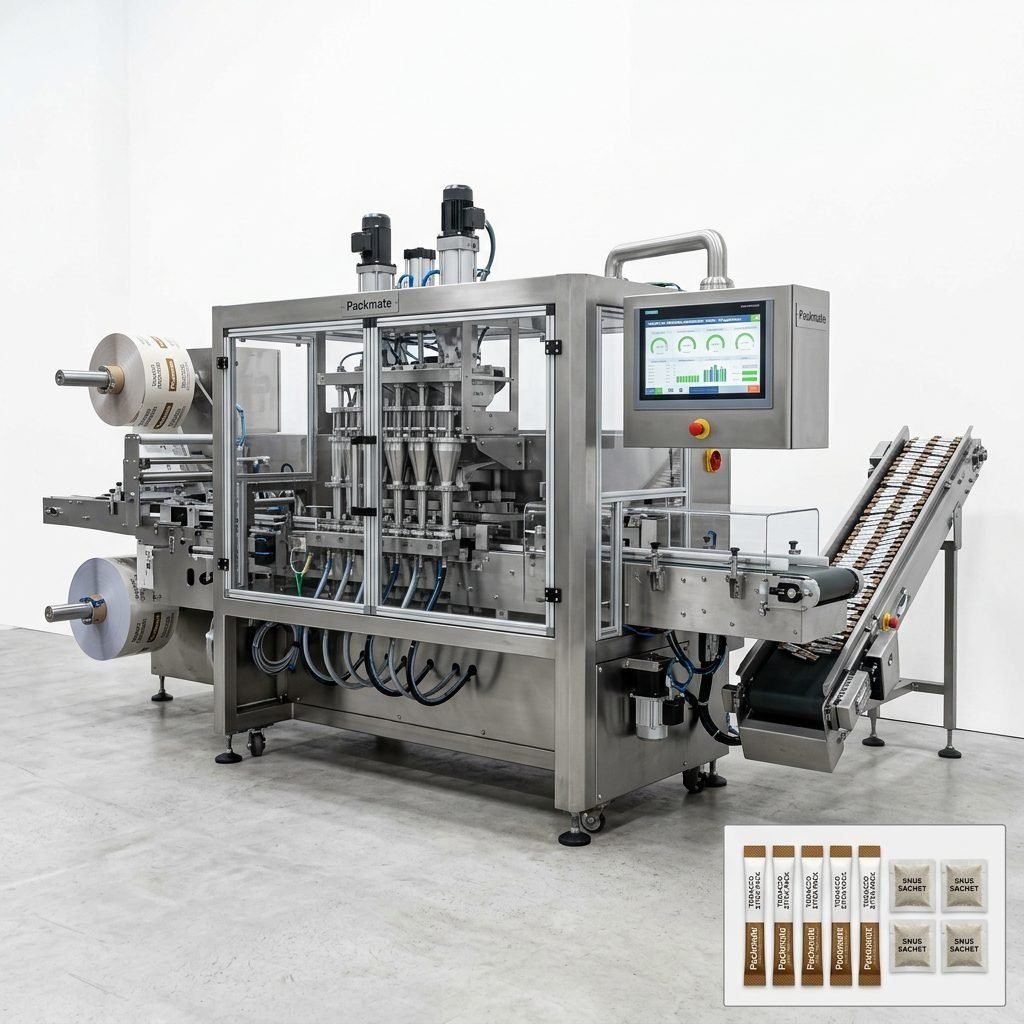
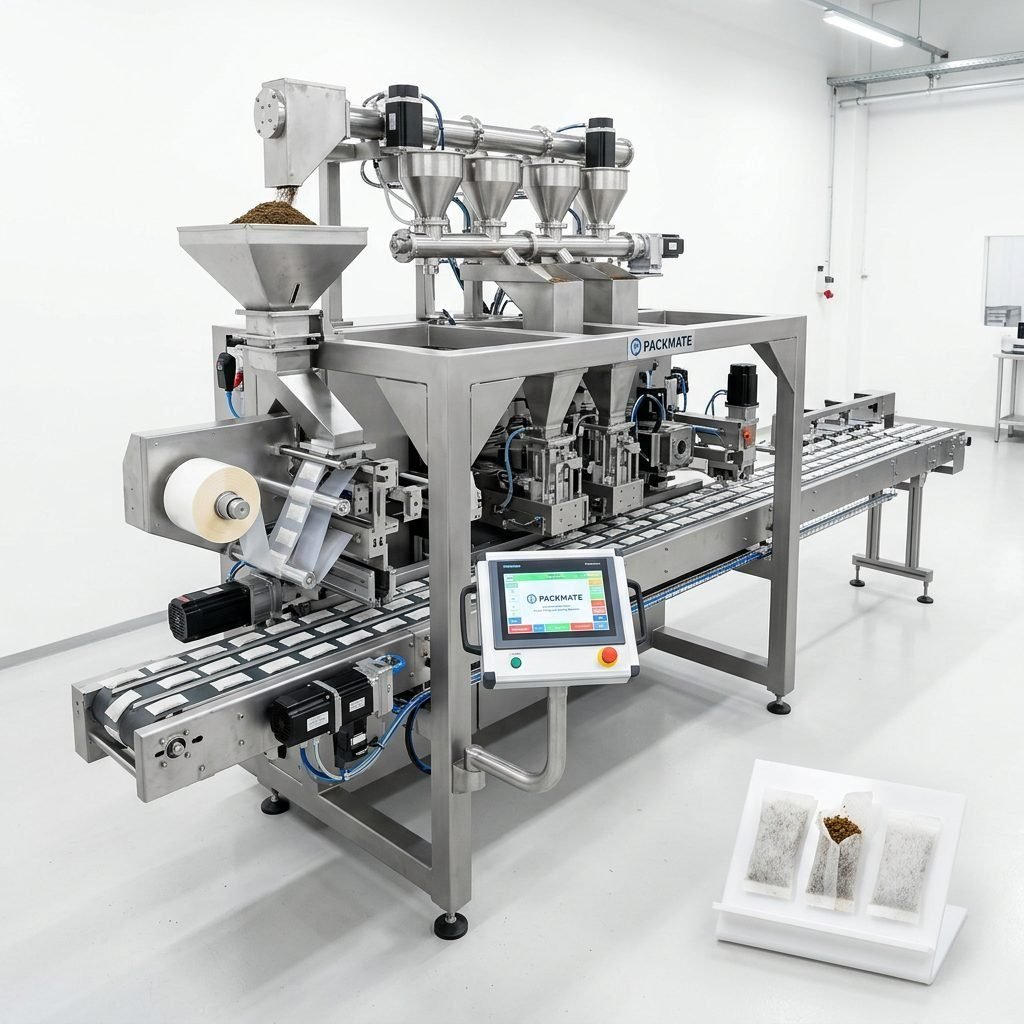
Choosing the right nicotine packaging machine supplier in the Philippines is a business-critical decision that affects product safety, compliance, production costs, and time-to-market. This guide walks you through practical steps to evaluate suppliers, highlights local considerations in the Philippines, and shows how to select a partner who will support your long-term growth in the nicotine pouch and snus market.
Understand Your Production Needs First
Start by documenting your expected output, product formats, and packaging materials. Are you producing single-dose nicotine pouches, multi-lane stick packs, or sachets? Do you need powder, granule, or liquid filling? A clear specification sheet reduces ambiguity and helps suppliers provide accurate proposals.
Key specs to define: daily/weekly output, pouch size, sealing type, multi-lane requirements, and required intelligences such as checkweighers or metal detectors.
Evaluate Technical Capability and Machine Range
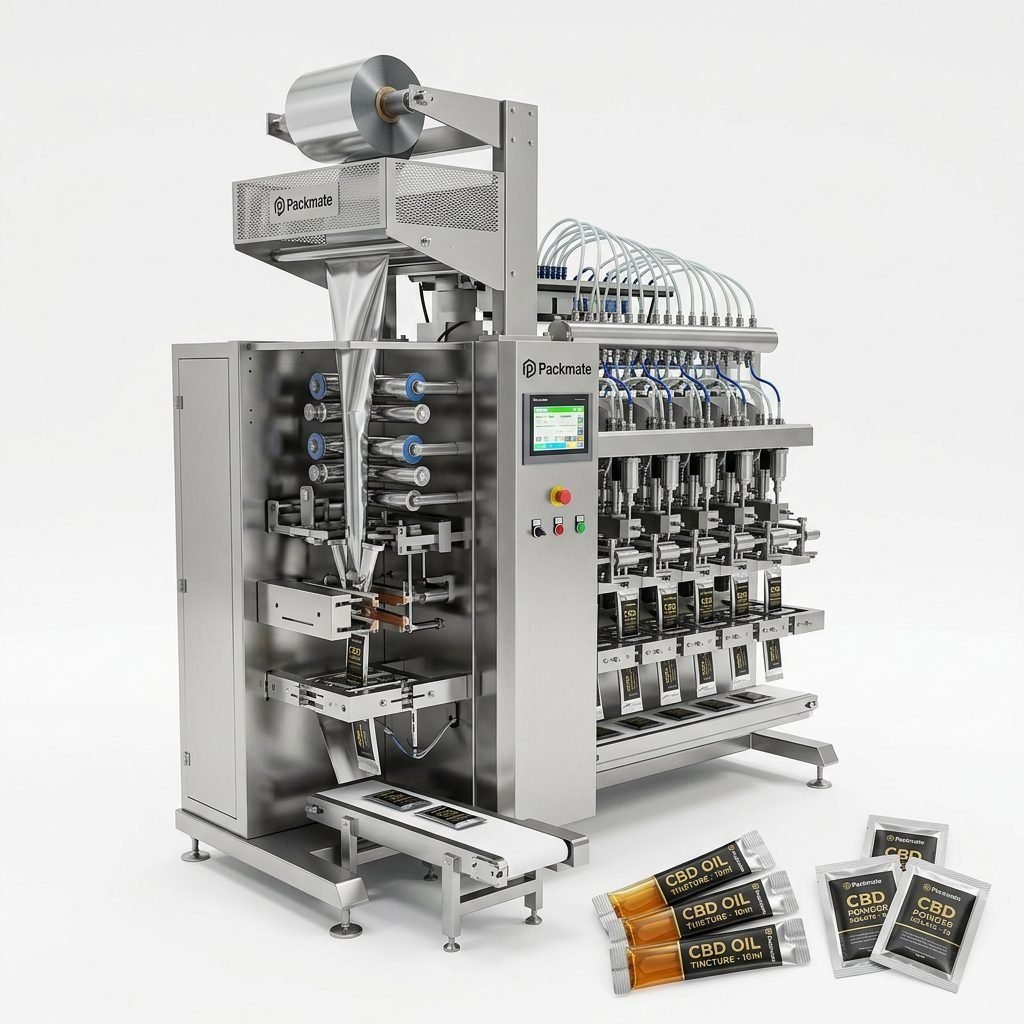
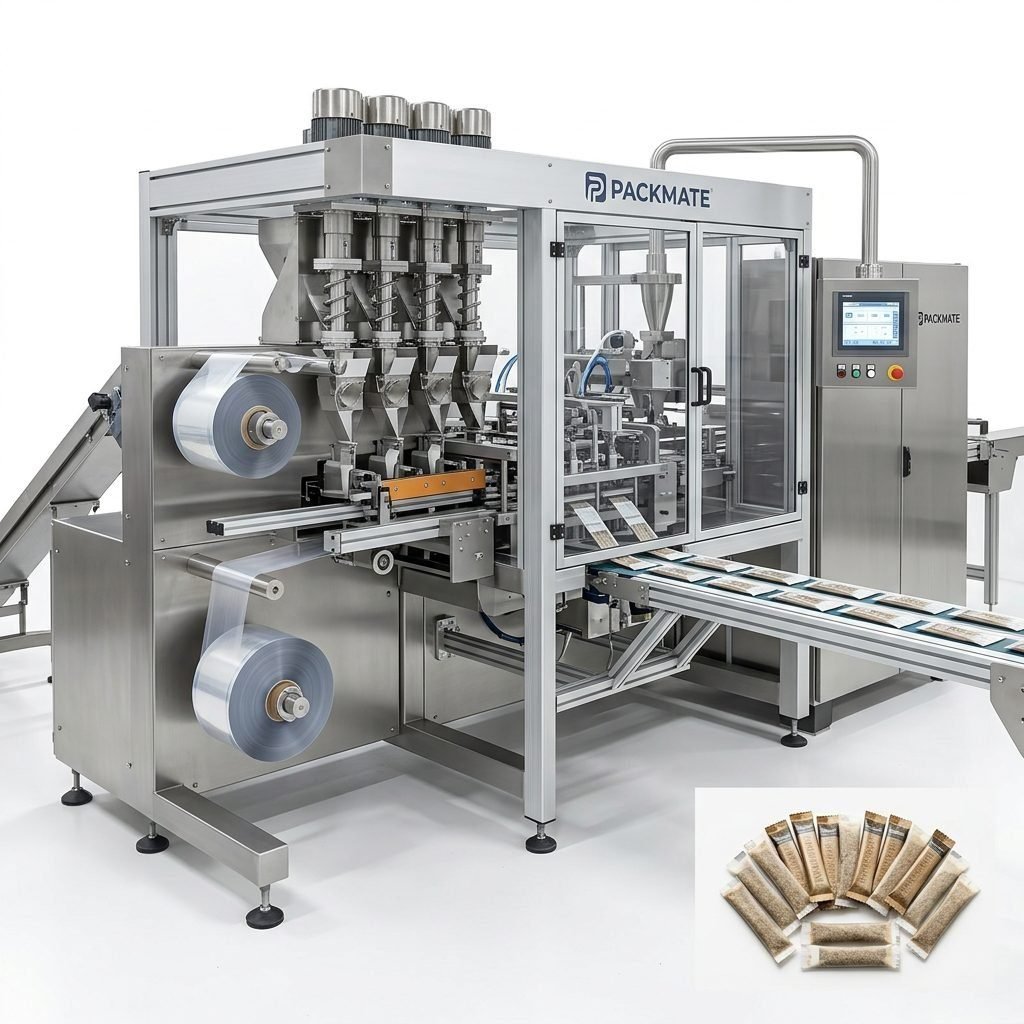
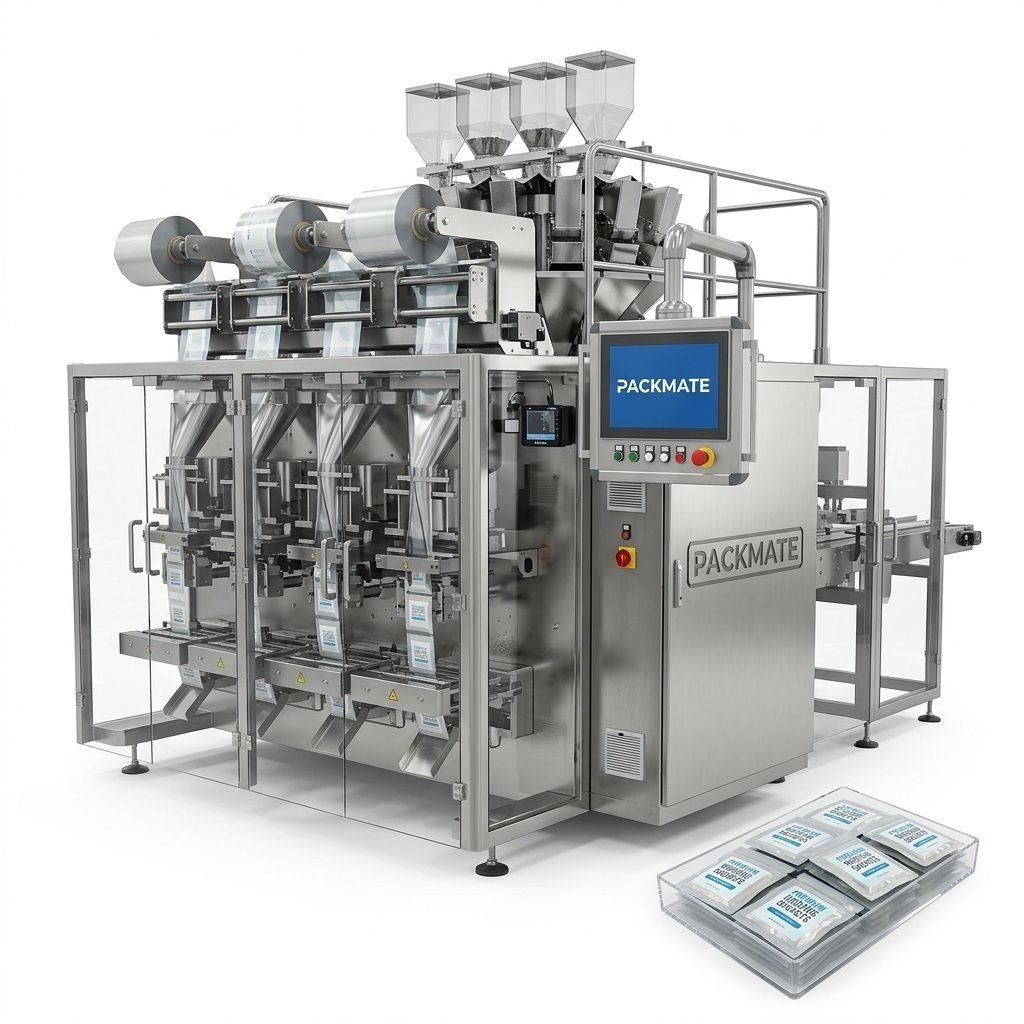
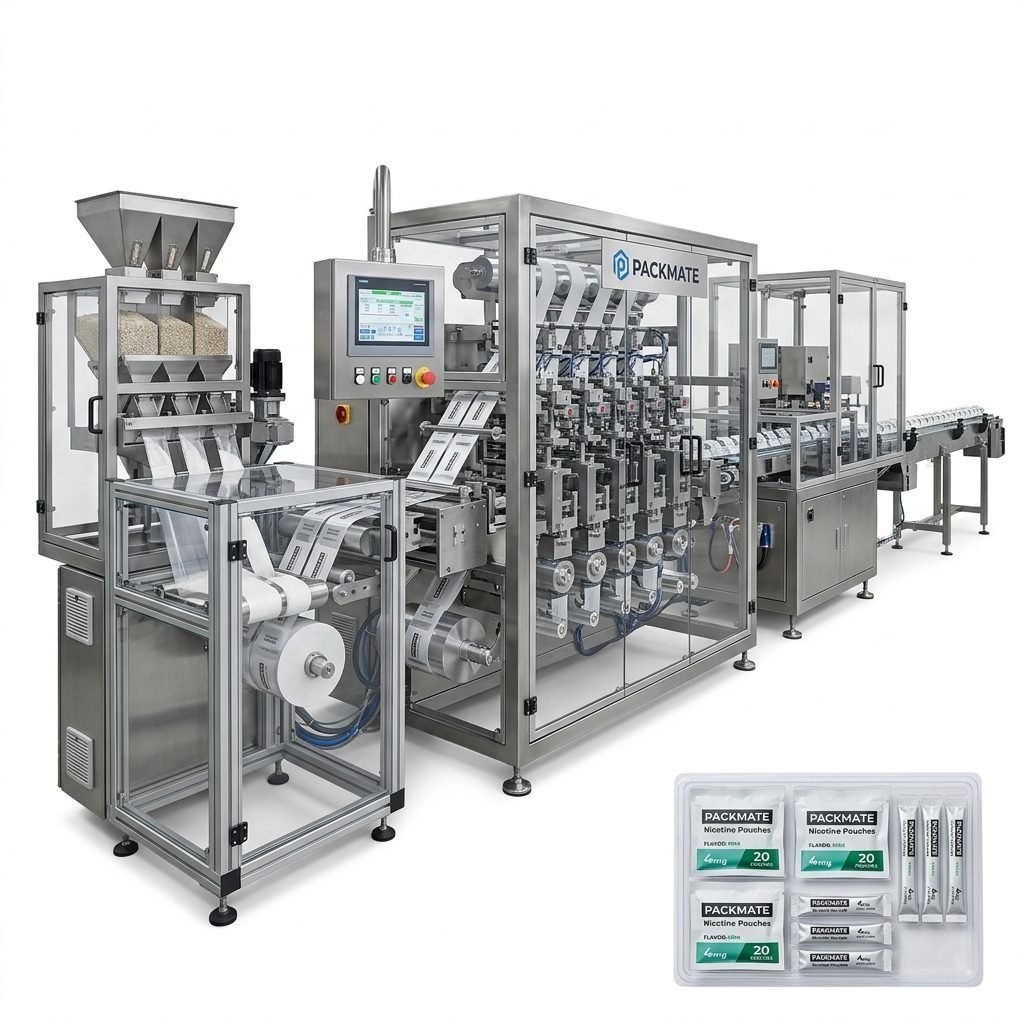
A supplier with a wide model range and years of engineering experience can better match your unique needs. Look for firms that provide modular options: snus / nicotine pouch packing machines, stick pack, sachet machines, and full filling & packaging lines. Suppliers who offer auxiliary equipment such as weighing systems and end-of-line solutions reduce integration work and simplify sourcing.
Example: an established manufacturer with 30+ years of experience and a 20,000㎡ factory is more likely to deliver reliable multi-lane systems and custom turnkey lines than a small workshop with limited models.
Check Certifications and Compliance
Compliance with international standards (CE, ISO) signals that the supplier follows documented quality and safety processes. For nicotine products, regulatory compliance and hygienic design are critical to ensure consistent product quality and to pass local regulation checks.
Tip: ask for certificates and recent test reports before finalizing the purchase.
Inspect Manufacturing Strength and After-sales Service
Manufacturing capability—advanced CNC machining centers, precision assembly lines, and strict quality testing—reduces the risk of downtime. Equally important is the supplier’s technical support structure: training, spare parts availability, remote diagnostics, and on-site service.
Choose a supplier that offers long-term technical support and clear Service Level Agreements (SLAs). If they have a catalog of 50+ machine models and a track record of global turnkey solutions, you’ll likely benefit from faster customizations and better lifecycle support.
Assess Track Record and Client References
Request case studies, client references, and videos of machines running similar products. A supplier with global cooperation cases and regular exhibition presence usually welcomes scrutiny and transparency. Visiting a factory or watching a live demo (physical or virtual) helps validate promised performance and build trust.
Consider Local Market Realities in the Philippines
The Philippines has distinct distribution channels: large distributors, convenience stores, and ubiquitous sari-sari stores in neighborhoods. Packaging formats that suit mixed retail (small sachets and compact trays) often sell better across the archipelago.
Consider logistical factors: inter-island shipping, customs clearance, and import duties. A supplier who understands Philippine shipping and can help with documentation or local partners will make implementation smoother.
Local tip: ensure packaging is robust for varied climate conditions—high humidity and heat can affect adhesive seals and product stability.
Regulatory and Social Considerations
Nicotine products face regulatory scrutiny. Always verify current Philippine regulations and labeling requirements with local legal counsel. Social expectations and public health messaging can also influence how you present your product and packaging in the market.
Financial and Commercial Terms to Negotiate
Negotiate warranty length, delivery terms (FOB/CIF/DAP), payment milestones, and spare-parts packages. Ask for a clear lead time and penalties for delayed delivery if timeliness is essential for your product launch. Consider total cost of ownership: energy consumption, maintenance intervals, and consumables cost.
Prototyping and Customization
A strong supplier will offer prototyping services to validate packaging format and give performance data for your SKU. Custom tooling, dosing heads, or special sealing recipes may be needed—confirm the supplier’s customization fee structure and lead time.
How to Run a Supplier Comparison Checklist
Use a weighted checklist and score each supplier on:
✔️ Technical fit (speed, lanes, formats)
✔️ Quality & certifications (CE, ISO)
✔️ After-sales & spare parts availability
✔️ Local market support and logistics experience
✔️ Total cost of ownership & financing terms
Why Choose an Experienced Global Supplier
Global suppliers with exhibition presence and successful international projects bring engineering maturity, spare parts networks, and design practices that reduce risk. They can adapt machine designs for local power systems, environmental conditions, and regulatory labeling demands.
How Packmate-like Suppliers Can Help You Scale
A supplier that specializes in snus and nicotine packaging and offers end-to-end lines—filling, multi-lane packaging, weighing, and auxiliary equipment—saves you time in supplier coordination. Look for companies that keep detailed catalogs and case studies demonstrating similar installations.
Browse product categories and case examples to evaluate fit:
Snus & Nicotine Packaging Machines,
About Packmate,
Case Studies, or contact the team via
Contact Us.
Final Checklist Before You Sign
Ensure you have reviewed: machine performance tests, warranty and SLA, spare parts lead times, operator training plans, and installation timelines. Confirm the contract includes acceptance criteria and technical documentation handover.
A well-prepared contract and factory acceptance test (FAT) reduce surprises and help your Philippine operations ramp up smoothly.
Next Steps
Shortlist 3–5 suppliers, request detailed proposals and FAT videos, and arrange virtual or in-person factory visits. Prioritize suppliers who demonstrate regional understanding and provide a clear plan for training and after-sales support in the Philippines.
Common Questions
Q1: How long does it take to install a nicotine pouch packaging line?
A1: Typical lead times vary by complexity—standard single-line deliveries can take 8–16 weeks; multi-lane turnkey lines with custom tooling may take longer. Include FAT and local installation time in your schedule.
Q2: What after-sales support should I expect?
A2: Expect training for operators, remote diagnostics, spare parts lists, and local or regional service agreements. Good suppliers provide clear SLAs and rapid spare-part delivery options.
Q3: Are nicotine pouch machines easy to adjust for different pouch sizes?
A3: Most modern machines are modular and adjustable for a range of pouch sizes. However, significant format changes may require new tooling or adjustments—confirm the supplier’s changeover time and tooling costs.
Q4: What are the main logistical challenges when importing machines into the Philippines?
A4: Factor in customs clearance, import duties, inter-island transport, and required documentation. Work with a supplier that can assist with export paperwork and suggest local freight forwarders.