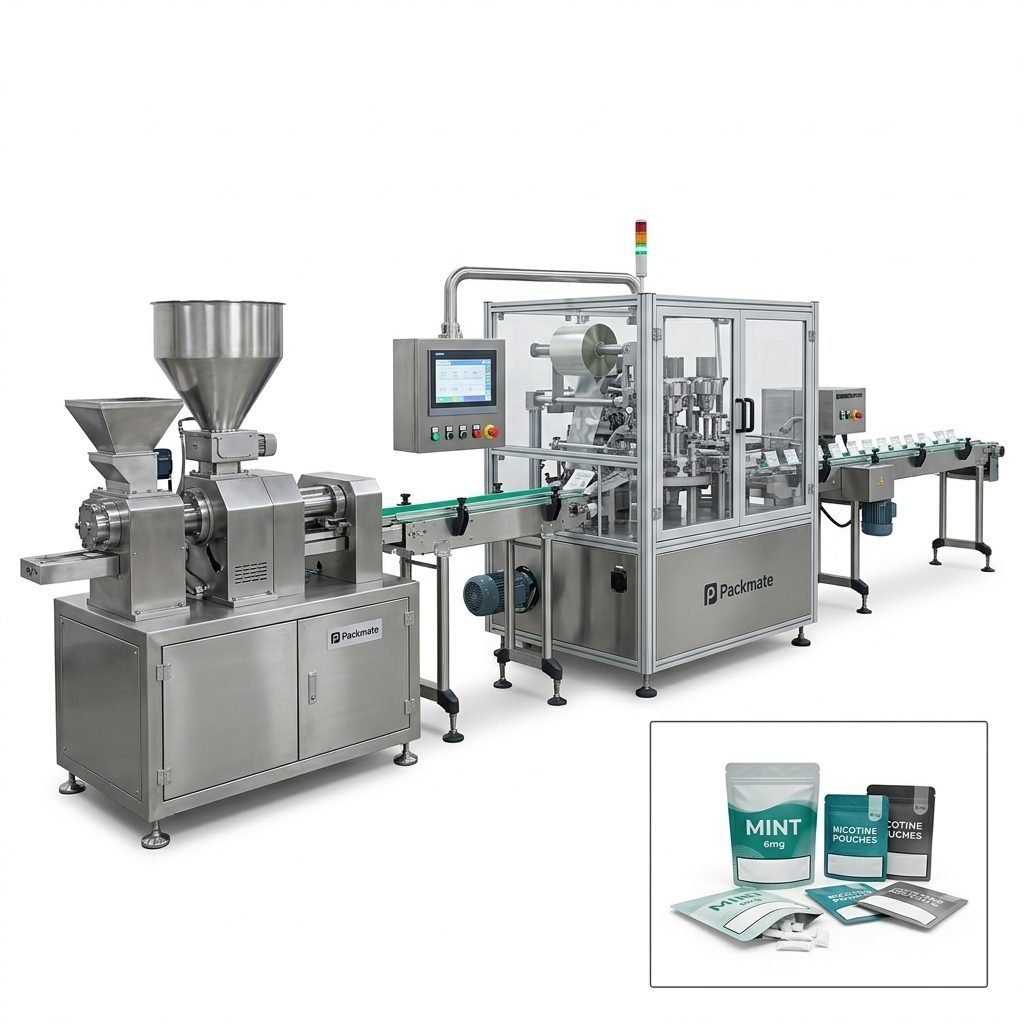
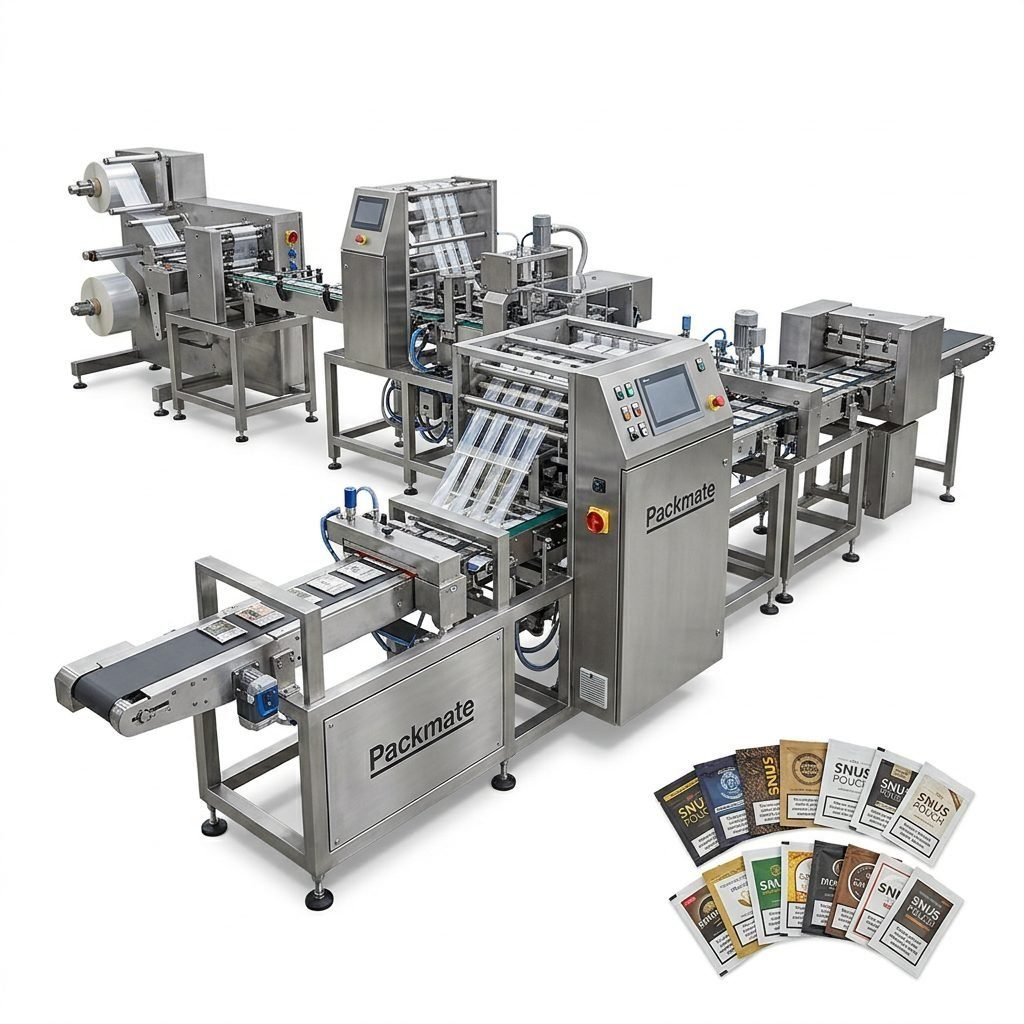
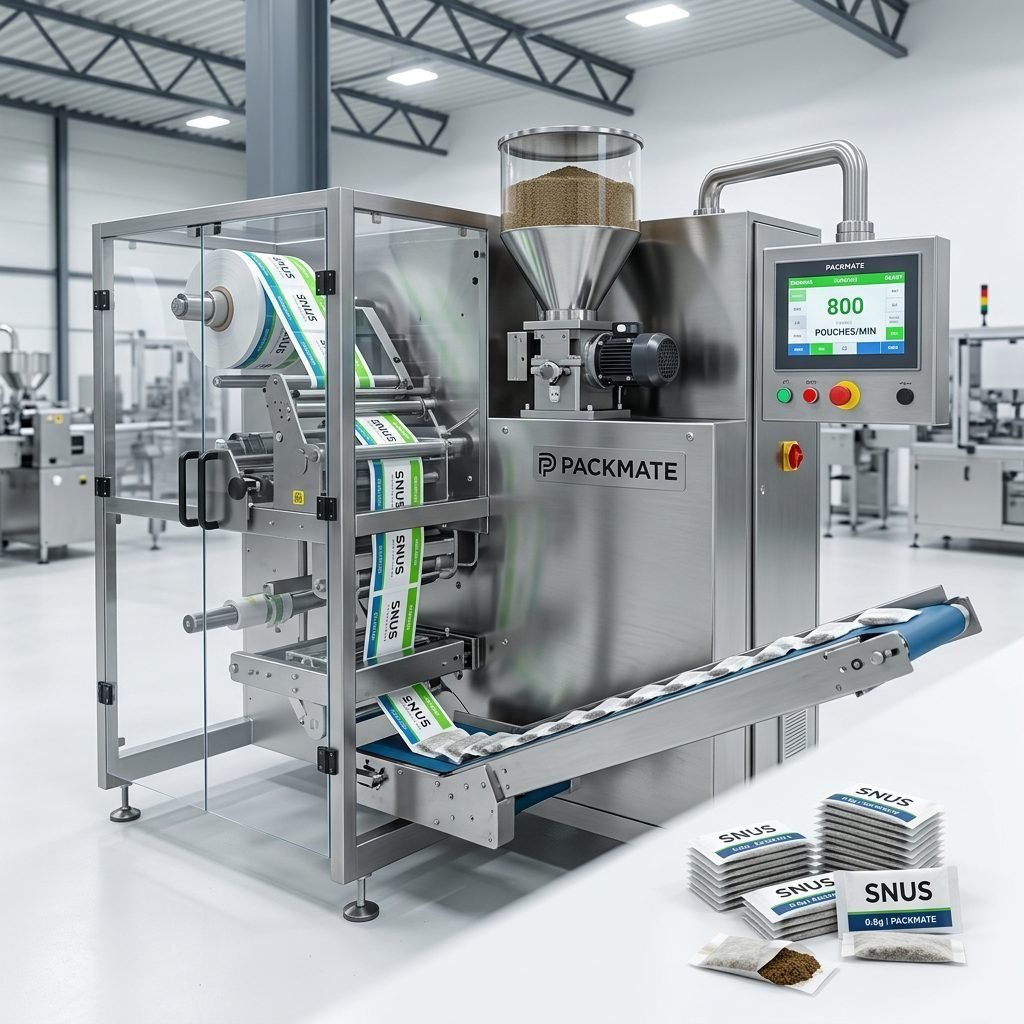
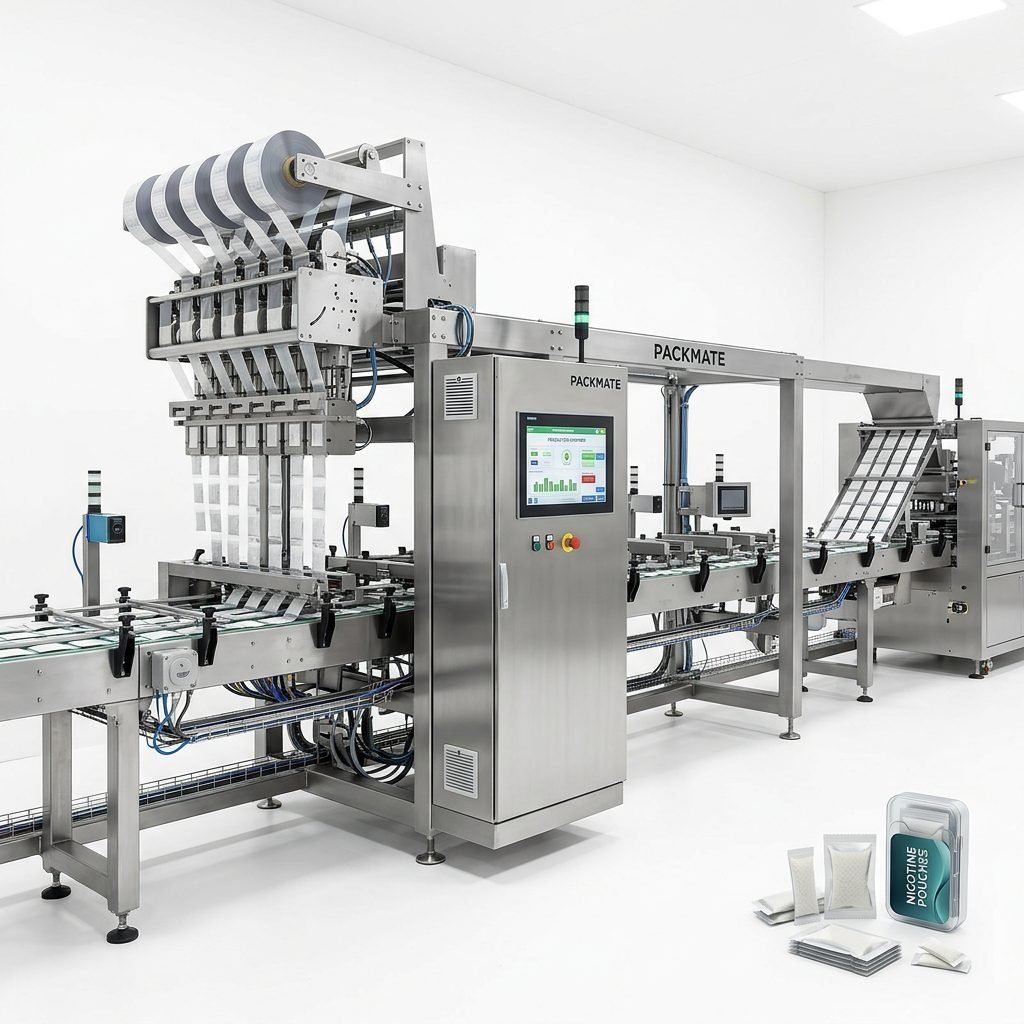
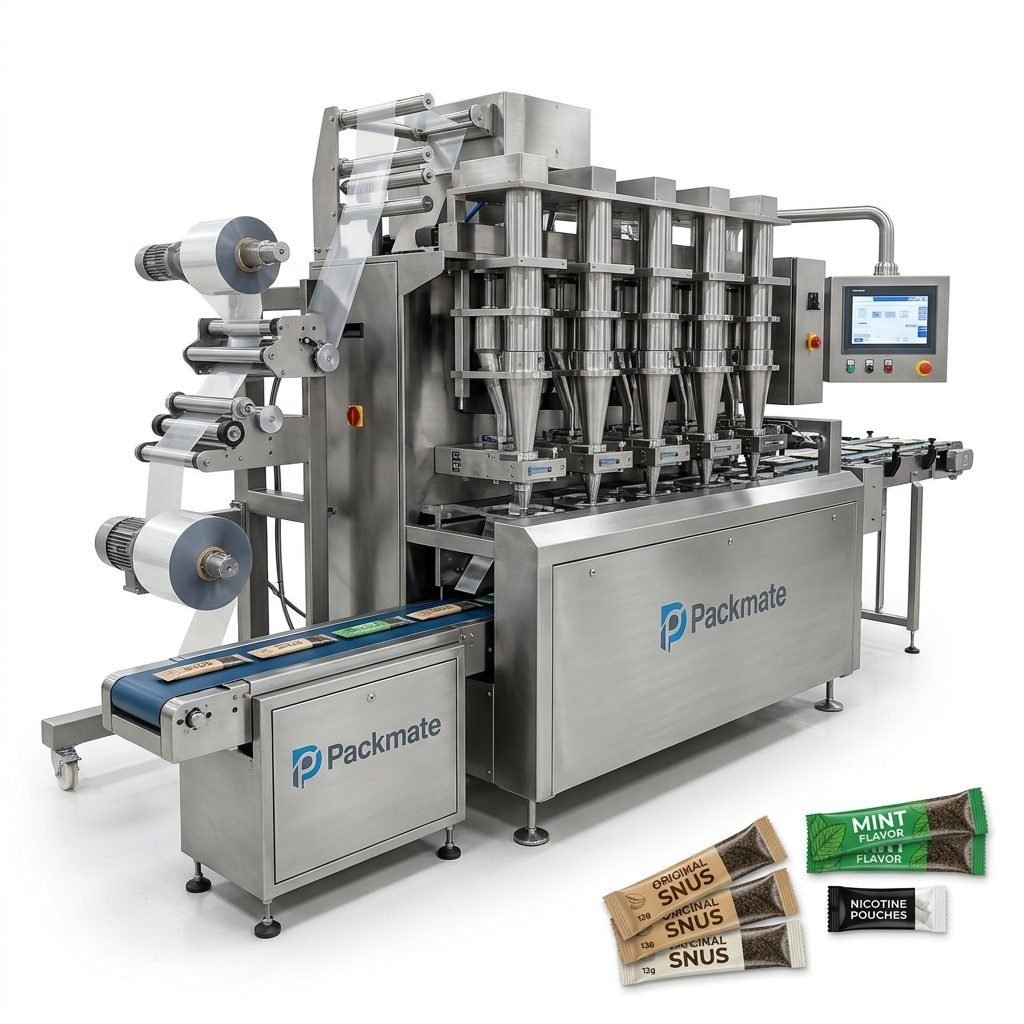
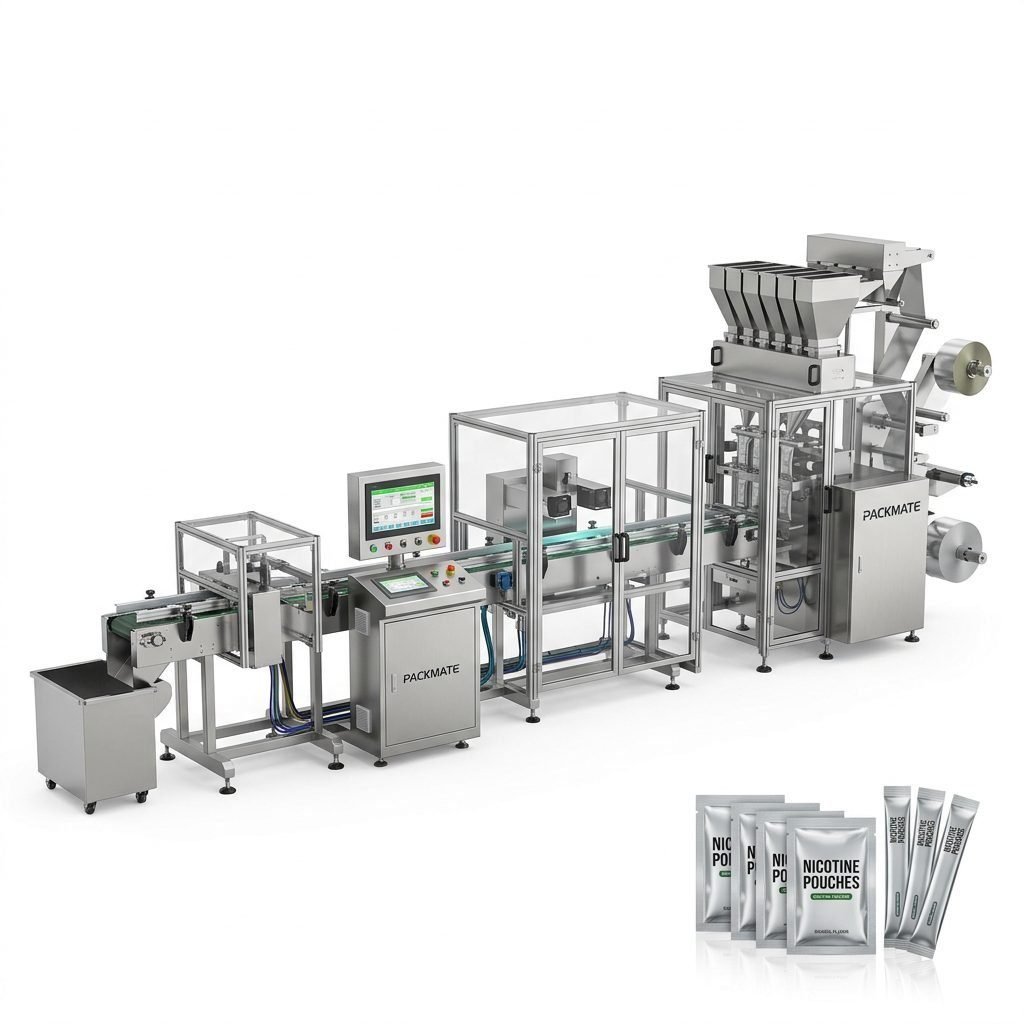
Choosing the right nicotine packaging machine manufacturer is a critical step for any business in Myanmar that wants consistent product quality, regulatory compliance, and long-term production stability. This guide walks you through practical criteria, red flags to watch for, and a step-by-step buyer checklist so you can make a confident, cost-effective decision.
Why the Manufacturer Matters
⚙️ The manufacturer you choose determines machine reliability, spare parts availability, and the speed of technical support. A well-engineered snus or nicotine pouch packing line reduces waste, lowers labor costs, and ensures packaging integrity for sensitive products. Selecting a reputable supplier can also simplify regulatory approvals and market entry in Myanmar.
Key outcomes of a good partnership
📌 Reliable throughput and uptime; predictable OEE (Overall Equipment Effectiveness); fast access to replacement parts; ongoing process optimization; and tailored solutions for small-dose multi-lane pouch formats.
Understand the Machine Types and Your Product Needs
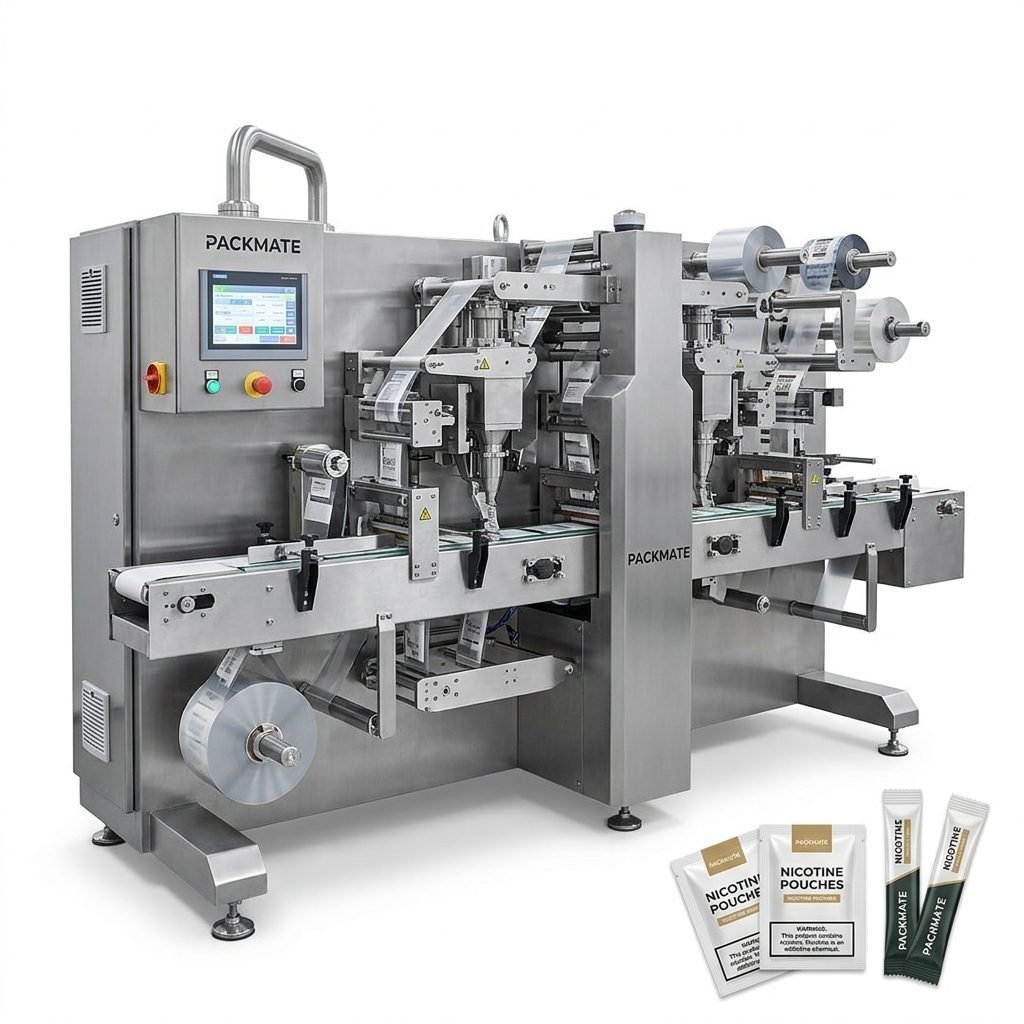
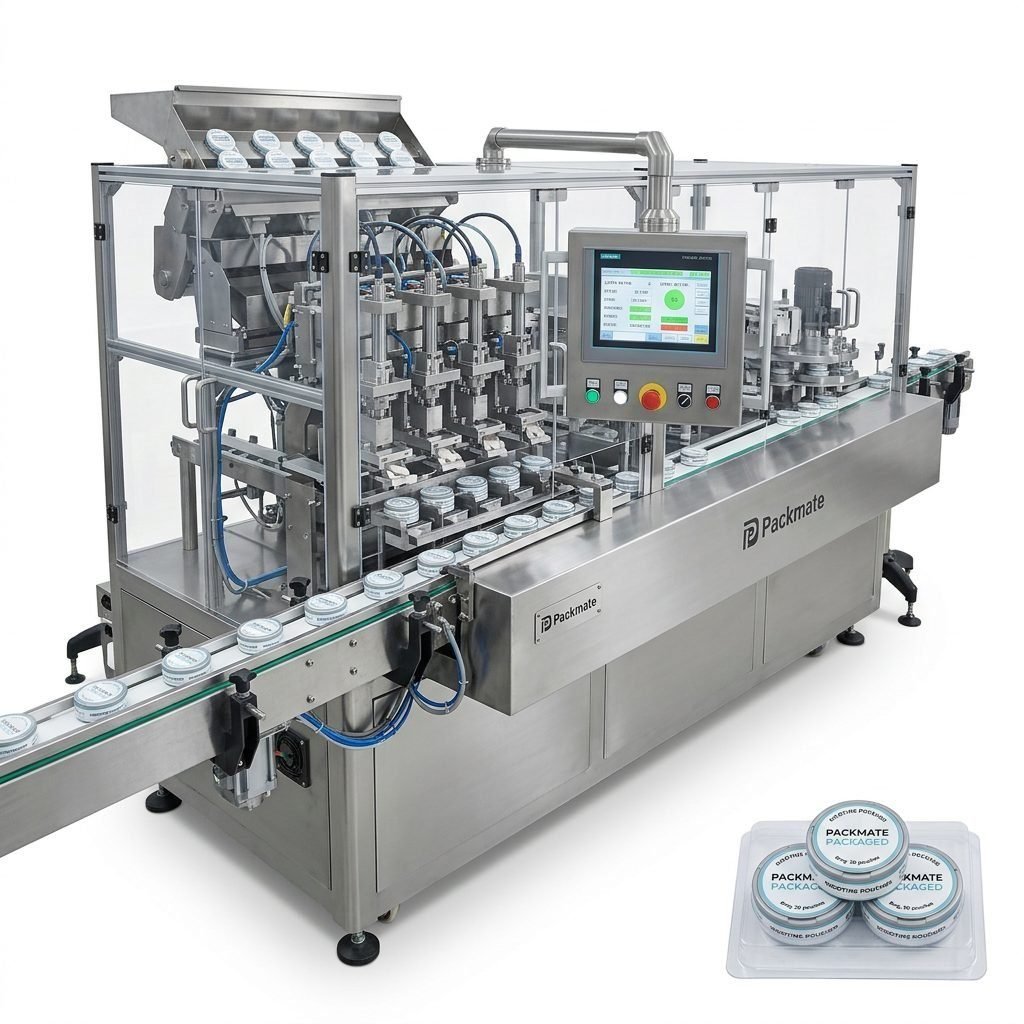
Nicotine pouch and snus packaging covers several machine families. Before contacting manufacturers, map your product specifications, daily output targets, pouch formats, dosing type (powder, granule, or moisture-controlled content), and any secondary packaging needs.
Useful machine categories to review:
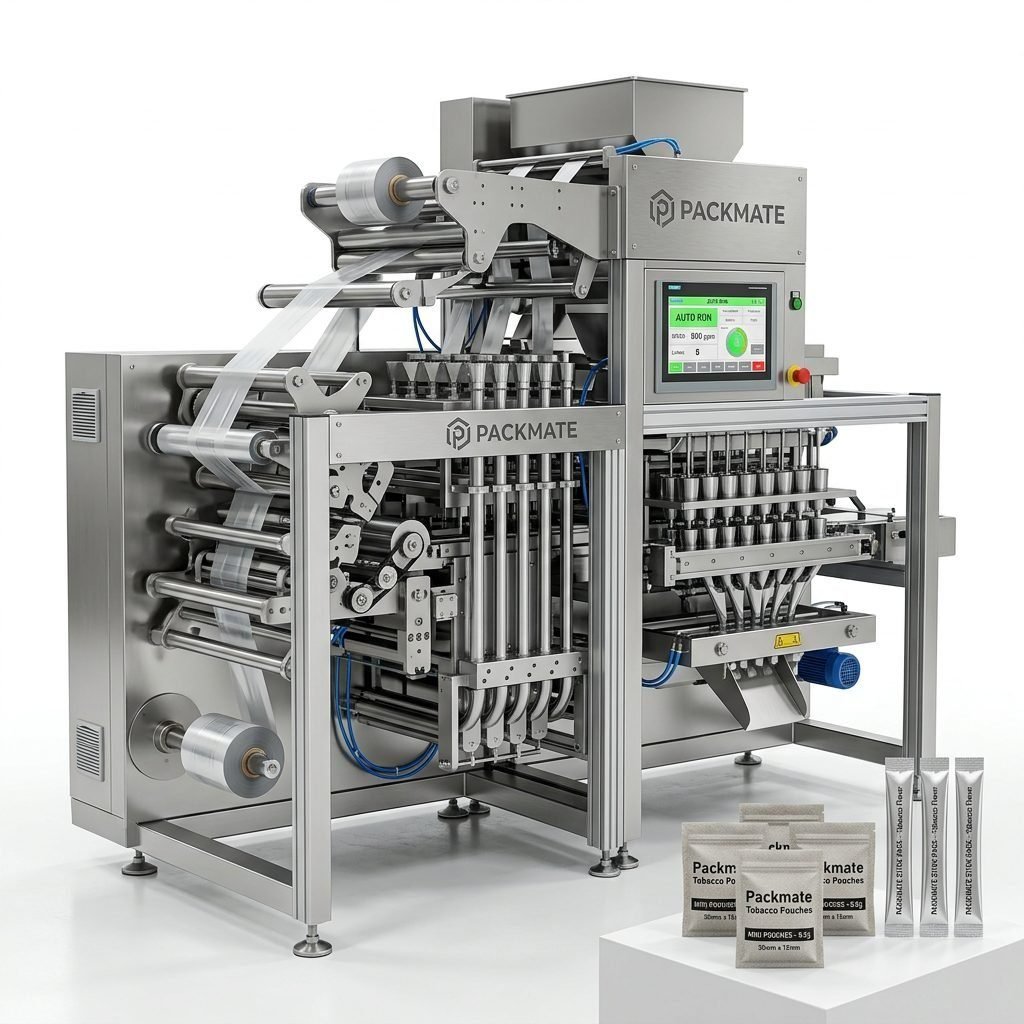
- Multi-lane snus pouch packers for high output
- Stick pack and sachet machines for single-dose formats
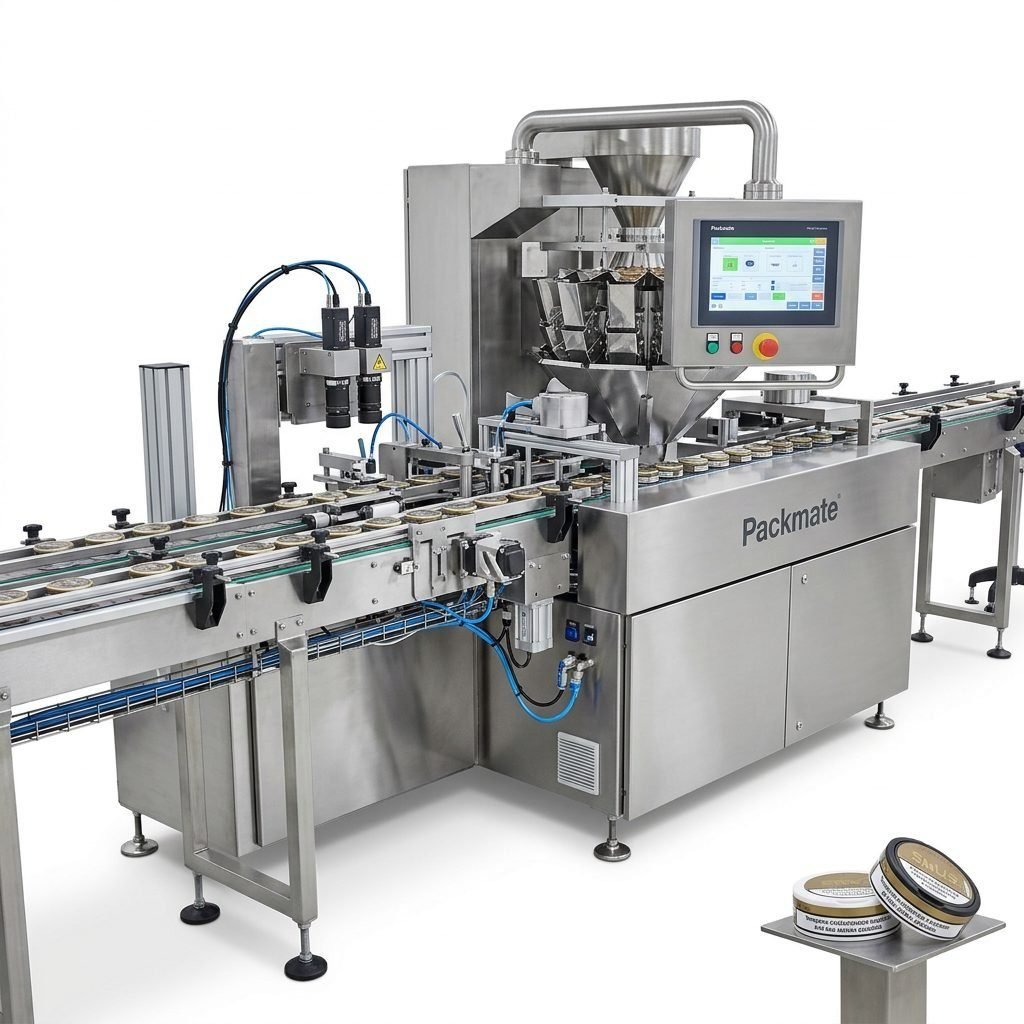
- Weighing & packaging systems for dose accuracy
- Auxiliary equipment for feeding, sealing, and case packing
Explore detailed product pages to match technology to need: Snus & Nicotine Packaging Machines, Sachet & Stick Pack Machines, and Weighing & Packaging Systems.
Top Selection Criteria: What to Prioritize
1. Industry Experience and Track Record
✅ Look for manufacturers with decades of relevant experience and a history of delivering snus/nicotine solutions. Companies with proven R&D, customized multi-lane systems, and large factory capacities are better positioned to support growth. For example, a supplier with 30+ years of packaging engineering experience and a 20,000㎡ facility demonstrates robust manufacturing capability and long-term stability.
2. Machine Performance, Accuracy and Repeatability
Precision dosing and stable sealing are essential for nicotine pouches. Request performance metrics such as speed (pouches/min), filling accuracy (mg), product waste rate, mean time between failure (MTBF), and typical OEE figures from live installations. Strong machines maintain accuracy across multi-lane operations where small-dose consistency is crucial.
Quick Tip: Request video evidence of the exact model running your product or a close analog. Factory demos and on-site trials dramatically reduce surprises.
3. Certifications and Compliance
Manufacturers should comply with international standards (CE, ISO) and provide machine validation documents when required. This is especially important for export-focused facilities and for regulatory checks that Myanmar-based businesses may face. Check certificates and audit records: Certificate.
4. Customization & Turnkey Capability
A vendor who can design turnkey lines — integrating weighing, filling, sealing, and secondary packaging — will save time and integration risk. Confirm whether the manufacturer offers full line design, PLC/HMI configuration, and product-specific tooling. Consider suppliers who provide tailored solutions for small-dose, multi-lane snus production.
Factory Strength & After-sales Support
Factory scale, CNC capabilities, and dedicated assembly lines indicate manufacturing maturity. Suppliers with strong spare parts supply chains and local or regional service partners shorten downtime. Check for warranty terms, availability of consumables, and remote service or training options.
For service-related info and long-term support offerings, see the supplier’s service page: Service.
Must Ask: What is the typical response time for remote troubleshooting? Are spare parts stocked locally or shipped from the factory?
Price vs Value: How to Compare Quotes
Price is important, but the lowest bid often fails to account for downtime, consumables, and integration costs. Compare quotes on total cost of ownership (TCO): equipment price, shipping, installation, commissioning, training, warranty coverage, spare part kits, and expected lifecycle.
When evaluating multiple bids, create a scorecard with weighted criteria such as performance, reliability, support network, warranty, and delivery lead time. This gives a transparent framework for decision-making.
Factory Visits, Audits and References
Whenever possible, visit the manufacturer’s facility or attend an exhibition where machines are demonstrated. Factory visits reveal assembly standards, quality control processes, and capacity constraints. If travel is limited, request a live video tour and client references for similar installations.
Review case studies and global installations to confirm experience with nicotine or snus lines: Case.
Audit checklist for the factory visit
- Inspect CNC and assembly lines for consistency
- Review testing reports and acceptance procedures
- Confirm availability of spare parts and consumables
- Meet the engineering team and review customization capability
- Observe a machine running under real production conditions
Logistics, Lead Time and Import Considerations for Myanmar
Plan for shipping, customs clearance, and local installation support. Manufacturers experienced with global exports will supply packing lists, export documentation, and freight options. Ask whether they provide on-site commissioning in Myanmar or remote commissioning assistance.
If local technical partners are essential, confirm whether the manufacturer has regional agents or service partners who can support routine maintenance and spare parts. For background on the manufacturer and global outreach, review the company profile: About Packmate.
Common Red Flags to Avoid
🚫 Vague technical specs, no verifiable client references, absent spare parts policy, or refusal to allow factory visits are warning signs. Also be wary of sellers who cannot provide clear warranty conditions or who only offer generic machine demos that don’t match your product.
Red Flag Checklist: No installation references; unclear spare parts lead times; inconsistent performance data; or sales pressure to make a rapid decision.
A Practical Buying Checklist
Use this checklist when requesting proposals:
- Detailed machine specifications and measurable performance data
- Full TCO breakdown including installation and spare parts
- Warranty scope and service agreement terms
- Case studies and client references for similar projects
- Factory audit permission or live demo video
- Lead time, packing, and shipping documentation
- Training plan for operators and maintenance staff
Negotiating Terms and Final Steps
When you receive a preferred offer, negotiate clear acceptance criteria for FAT (Factory Acceptance Test) and SAT (Site Acceptance Test). Specify liquidated damages or remedies for missed lead times, and secure an initial spare parts kit with the first shipment.
Before finalizing, request a written timeline for delivery, installation, training, and expected handover. Confirm intellectual property protections if you require custom tooling or proprietary formats.
Vendor Resources and Next Steps
If you want to explore ready solutions and contact a manufacturer directly, view product ranges and contact links such as Snus & Nicotine Packaging Machines or reach out via the supplier’s contact page: Contact Us.
Final recommendation
Balance technical suitability, proven performance, and support capability rather than chasing the lowest price. A dependable manufacturer that offers full-line integration and responsive after-sales service will minimize production risk and protect your brand reputation in Myanmar’s growing nicotine pouch market.
Frequently Asked Questions
Q1: How long does it typically take to procure and install a snus/nicotine pouch packaging line?
A1: Lead times vary by customization and current factory workload. Typical delivery and installation can range from 12 to 26 weeks for turnkey lines. Simple standard machines may be faster, but always confirm factory schedules and shipping arrangements.
Q2: What are the most important spare parts to have on hand for initial operations?
A2: Consumables like sealing jaws, belts, precision nozzles, sensors, and a basic electronic spares kit (PLC modules, HMI spare, fuses) are essential. Manufacturers often offer a recommended start-up kit.
Q3: Can manufacturers provide training for local operators in Myanmar?
A3: Yes — reputable suppliers deliver operator and maintenance training as part of commissioning. They may provide on-site training, remote sessions, and detailed manuals. Confirm language support and training duration when negotiating.
Q4: Are custom pouch formats and multi-lane systems available?
A4: Most experienced manufacturers offer customization for pouch shape, size, and multi-lane configurations. If you need small-dose multi-lane snus production, verify the vendor’s R&D and custom tooling capabilities.
Q5: Where can I see examples of installed lines and client feedback?
A5: Ask for case studies and customer references. Many suppliers publish CASE pages and exhibition demos — check their case library and exhibition schedule: Our Exhibition and Case.