Choosing the right nicotine packaging machinery manufacturer for your Kazakhstan operation is a strategic decision that affects product quality, regulatory compliance, and long-term profitability. Whether you are producing nicotine pouches, snus, or small-dose stick packs, the manufacturer you select will determine how quickly you can scale, how dependable your production runs will be, and how easily you can respond to market changes. This guide walks you through practical selection criteria, technical considerations, and vendor evaluation tips so you can make an informed purchase decision that aligns with Kazakhstan’s market needs.
Understand the types of nicotine packaging machines
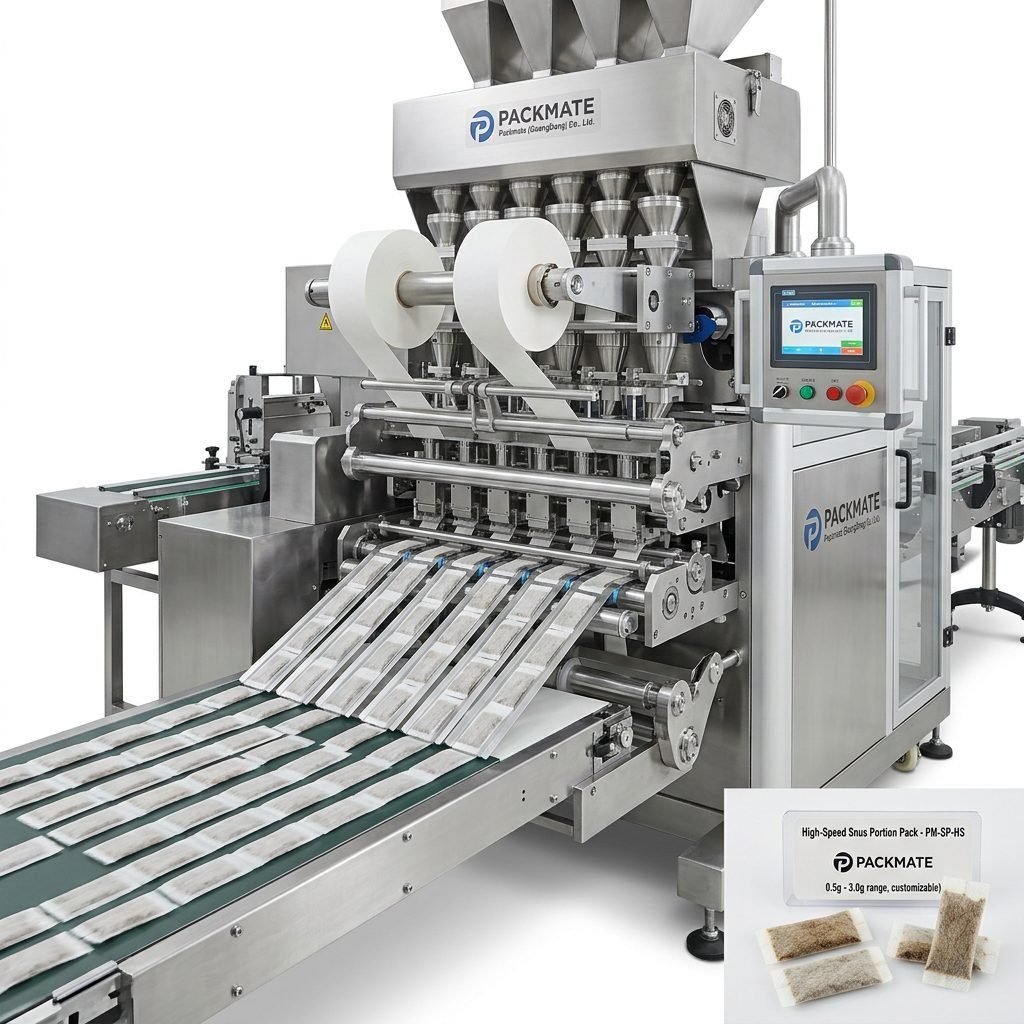
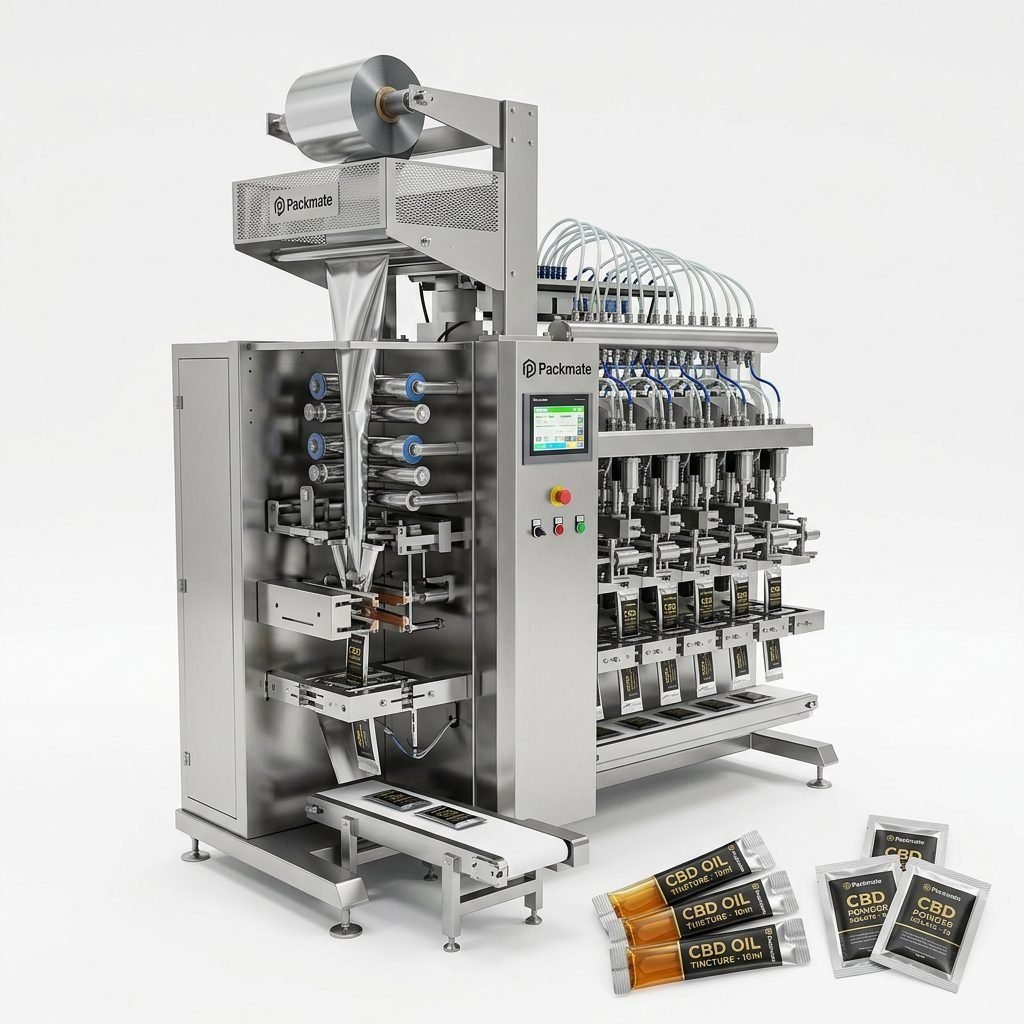
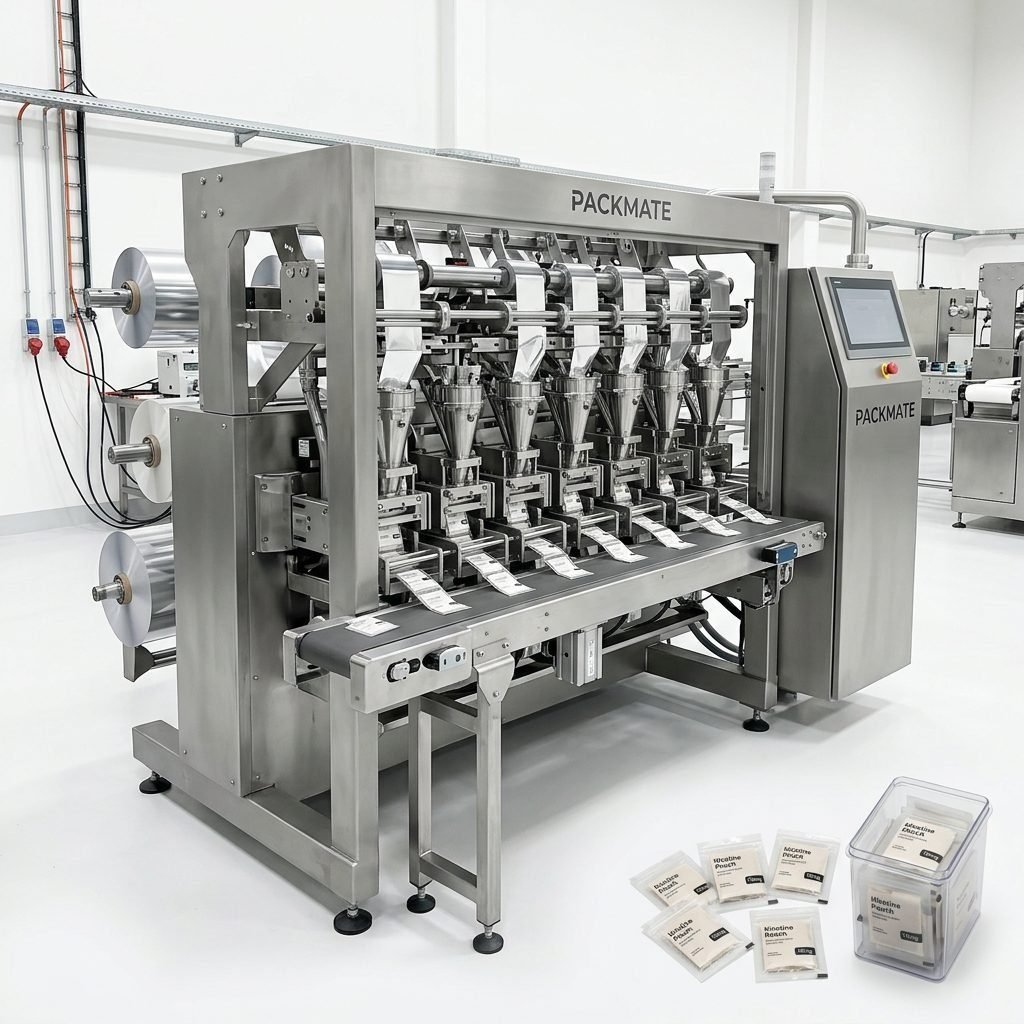
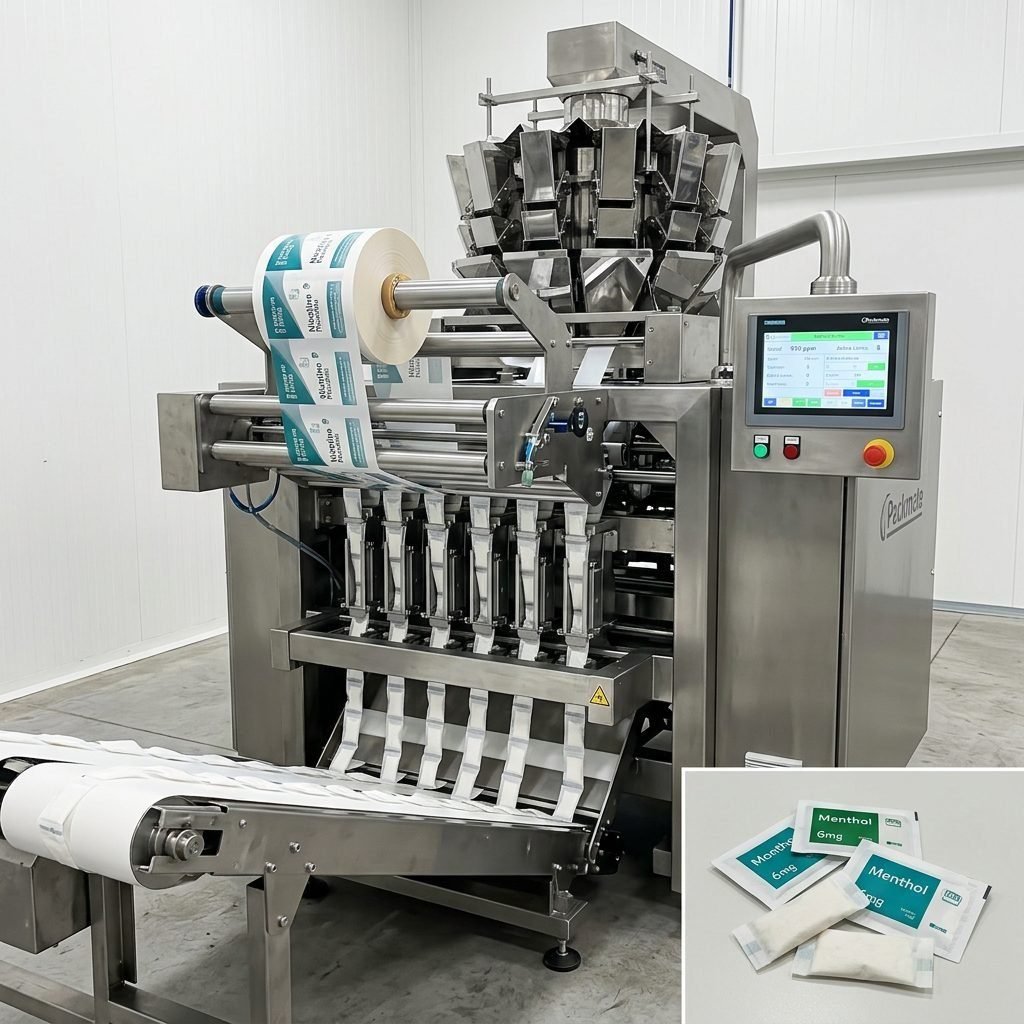
Before you approach manufacturers, be clear about the packaging formats you need. Nicotine and snus packaging commonly use a few proven technologies:
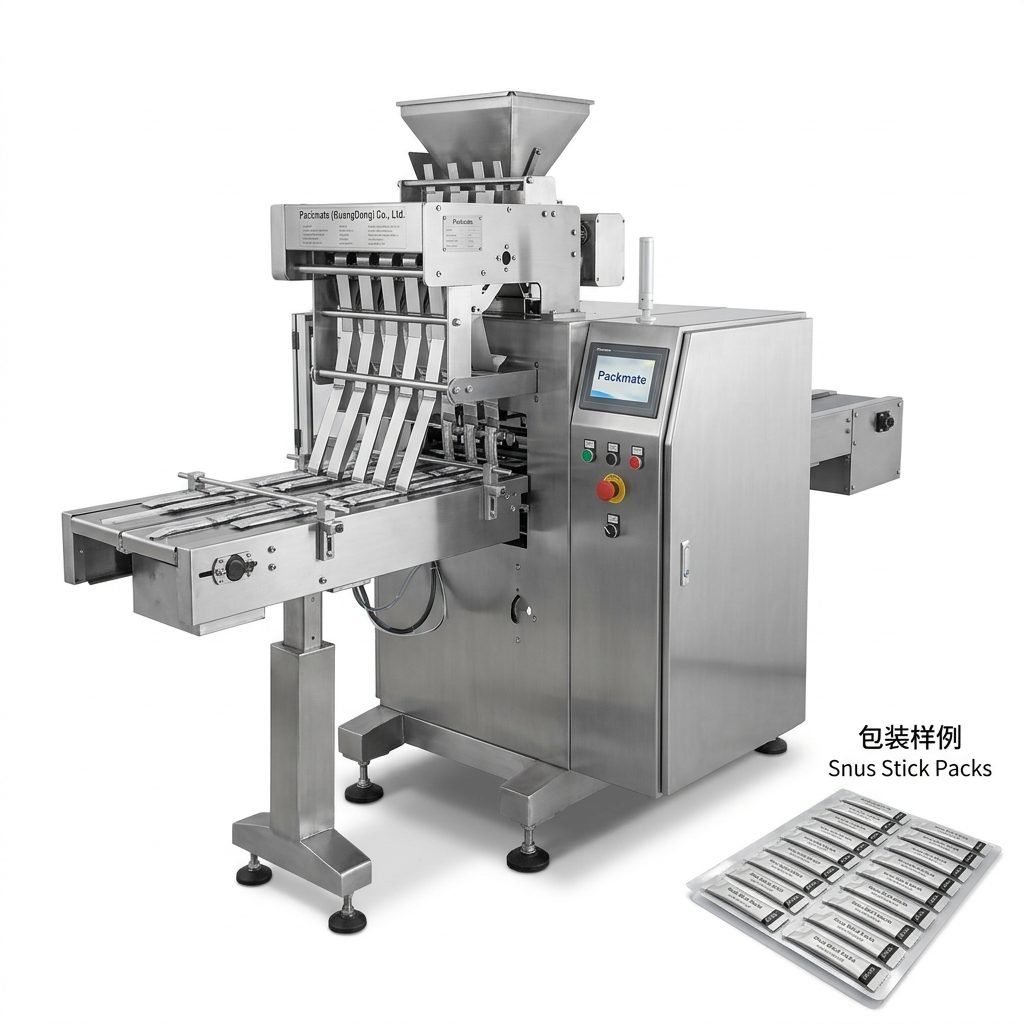
⚙️ Stick pack systems — ideal for single-portion sachets, flexible for powders or paste-like nicotine fillers.
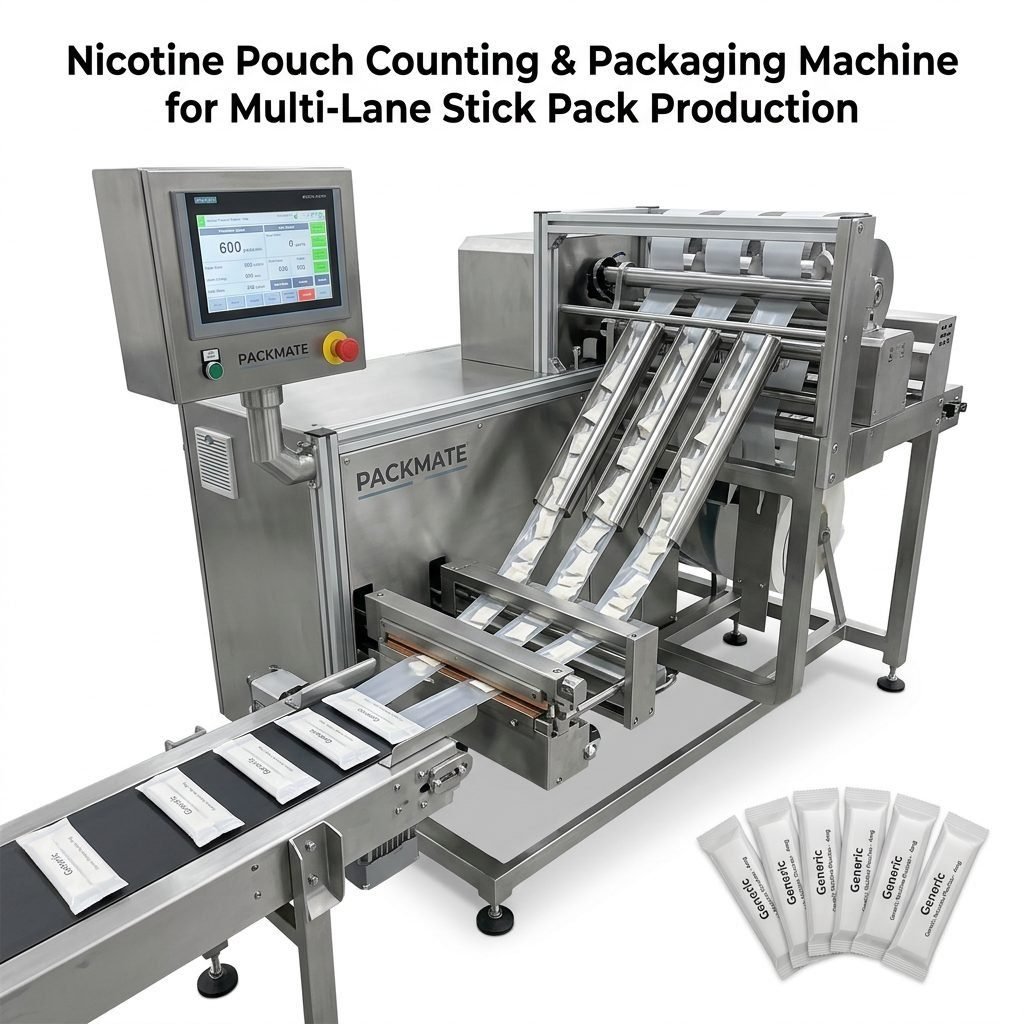
⚙️ Sachet and multi-lane machines — high-efficiency lines for multi-lane production of small pouches (perfect for nicotine pouches/snus).
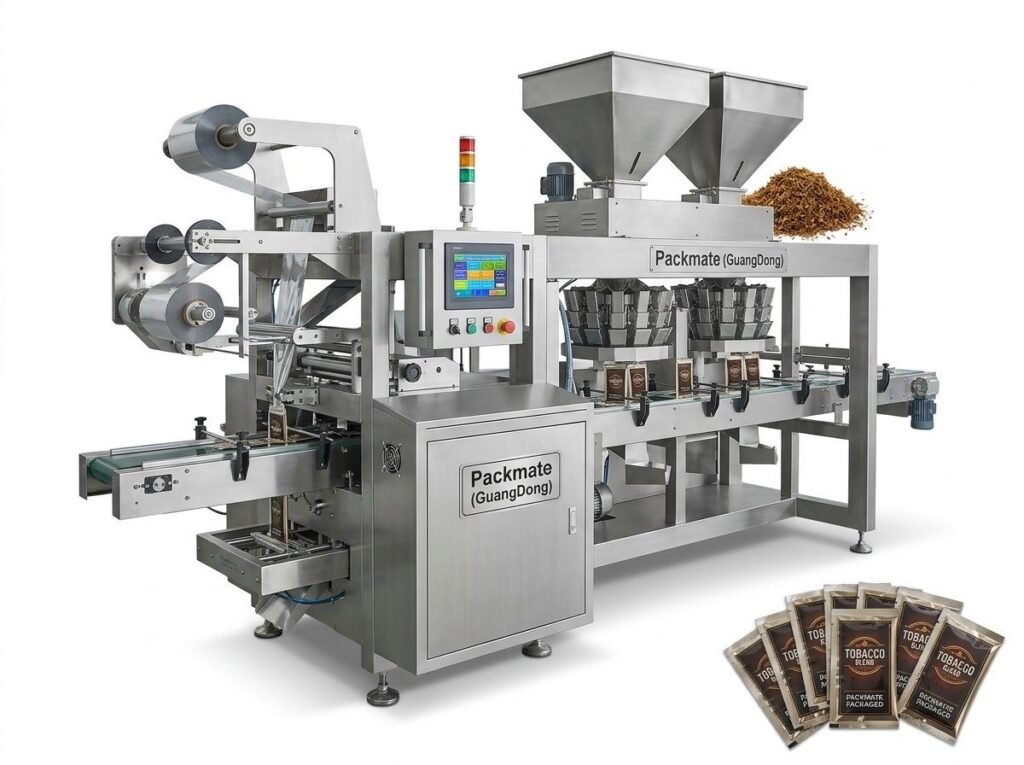
⚙️ Pouch/bag lines — for resealable or foil-backed consumer packs and secondary packaging.
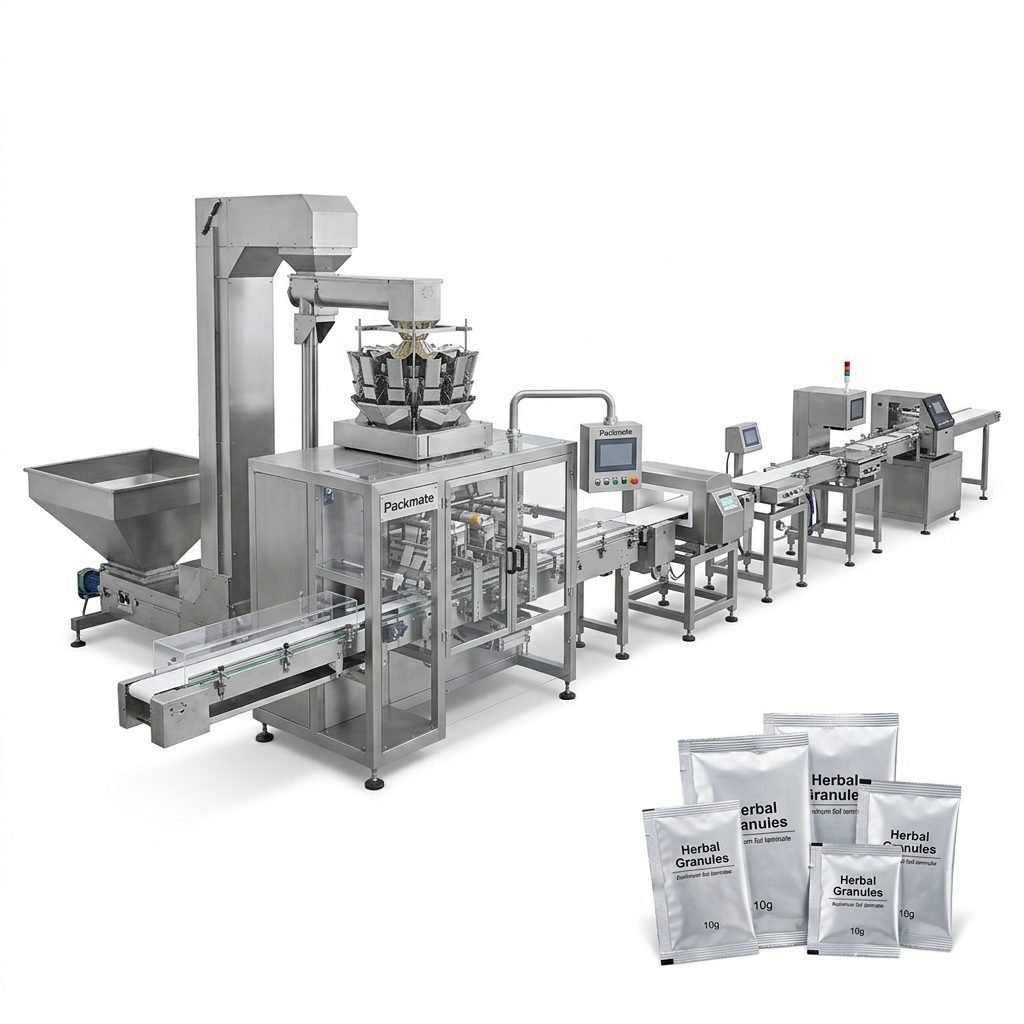
⚙️ Integrated filling & weighing systems — required if you want inline dosing accuracy for powder/granule nicotine formulations.
Why machine type matters in Kazakhstan
Kazakhstan’s market often favors compact, reliable lines that can handle varying batch sizes and strict weight tolerances. Choosing a manufacturer with a proven range — from single-lane machines to multi-lane snus pouch lines — ensures you can adapt production to local demand without costly reworks.
Key reminder: For nicotine pouch production, precision dosing and gentle handling are essential to maintain product integrity and regulatory compliance.
Evaluate manufacturer experience and track record
Look for vendors with an established history in snus and nicotine packaging. Experience decreases the risk of costly mistakes and speeds up installation and commissioning. Check for:
✅ Years in R&D and production of related machines.
✅ Demonstrated multi-lane and small-dose machine designs.
✅ A portfolio of global customers and successful turnkey projects.
Packmate Snus Machine, for example, offers decades of engineering experience in snus and nicotine pouch lines and a range of models from stick pack to multi-lane pouch systems. If you want to inspect product lines and use cases, their product pages and case studies provide useful references: Snus & Nicotine Packaging Machines, Case.
Check manufacturing capability and quality control
Your supplier should have robust manufacturing facilities with modern CNC centers, precision assembly lines, and strict QC processes. These features reduce lead times and ensure repeatable machine performance.
📌 Look for concrete details: factory area, number of machine models, CNC equipment, and testing protocols. A factory with a 20,000㎡ area and advanced machining is a strong indicator of capacity and scale.
Certifications and compliance
International certifications (CE, ISO) demonstrate that machines meet safety and quality benchmarks. This is especially important if you plan to export products from Kazakhstan or require compliance with EU or Eurasian standards. Verify certificates and ask for test reports or third-party audit summaries. See manufacturer certifications if available: Certificate.
Assess customization and turnkey solution capabilities
Nicotine packaging often requires tailored solutions — special pouch sizes, heat-seal requirements, or integrated secondary packaging. Choose a manufacturer that offers:
– Fully customized machine design and electrical control layouts.
– Turnkey production lines combining filling, weighing, sealing, and cartoning.
– Software and HMI customization for operator ease and data collection.
Tip: Request a layout drawing and an electrical schematic for your site early. This prevents surprises during installation and helps local installers prepare power and utility connections.
After-sales support, spare parts, and training
After-sales service is critical. Evaluate the manufacturer’s support network and spare parts availability:
🔧 On-site installation and commissioning services.
🔧 Remote diagnostics and software updates.
🔧 Spare parts kit and typical lead times for wear components.
🔧 Operator and maintenance training programs.
Ask whether the manufacturer has a regional agent or can deliver spare parts quickly to Kazakhstan. Consider also their long-term service package options and response SLAs.
Evaluate total cost of ownership (TCO), not just the purchase price
A low initial price can be misleading. Calculate TCO by including:
– Energy consumption and utilities.
– Planned maintenance and spare parts replacement.
– Downtime risk and mean time to repair (MTTR).
– Throughput and yield — lost product or rework impact on costs.
Financial note: A high-efficiency multi-lane snus line can reduce per-unit labour and packaging costs significantly, making it a better long-term investment for medium-to-large volumes.
Shipping, installation, and commissioning logistics for Kazakhstan
Confirm the manufacturer’s export experience and logistics plan. Important points include:
– Export packaging and crating standards for heavy machinery.
– Customs documentation support and experience shipping to Central Asia.
– Local installation teams or certified partners for commissioning.
If your supplier offers complete line installation and training, this reduces the chance of operational delays. You can explore integrated line solutions and supplementary equipment options here: Filling & Packaging Lines and Auxiliary Packaging Equipment.
Verify references and real-world performance
Ask the manufacturer for client references and case studies. Contact current users about machine uptime, spare parts delivery, and the responsiveness of technical teams. Reliable vendors will gladly share performance metrics and customer testimonials.
Site visits and factory audits
Whenever possible, plan a factory visit to see machines running and to meet the engineering and QA teams. A live demonstration helps you assess build quality, operator ergonomics, and control system usability. Manufacturers that regularly exhibit at global trade shows are often more transparent — check their exhibition history here: Our Exhibition.
Technical support: software, PLC, and data access
Modern packaging lines require robust control systems. Clarify whether the vendor uses industry-standard PLCs and HMIs, whether the software supports remote access, and whether production data can be exported for traceability and OEE analysis.
Ask for: demonstration of the HMI, sample data logs, and a description of alarm protocols and maintenance prompts.
Warranty, contract terms, and payment structure
Carefully review warranty coverage, what is included (labor, travel, parts), and the typical duration. Negotiate clear acceptance criteria after FAT (Factory Acceptance Test) and SAT (Site Acceptance Test) and include penalty terms if delivery or performance milestones are missed.
Practical checklist before signing a contract
Use this checklist to compare vendors:
– Factory credentials, model range, and CNC capabilities.
– Certifications (CE/ISO) and export experience.
– Turnkey and customization capacity for nicotine pouch formats.
– After-sales network, spare parts availability, and training.
– TCO analysis including energy, downtime, and maintenance.
– Clear warranty, FAT/SAT criteria, and delivery timeline.
Where to find reliable manufacturers and more info
Start with manufacturers who specialize in snus and nicotine packaging to avoid one-size-fits-all solutions. For a deeper look at product lines, technical specs, and company background, you can review official resources such as the manufacturer’s product pages and about page: Sachet & Stick Pack Machines, About Packmate, and Service.
🔍 Final selection criteria: performance history, engineering depth, after-sales reliability, and clear commercial terms. Prioritize vendors that are transparent and willing to provide references and staged acceptance tests.
Next steps for Kazakhstan buyers
1. Define your product formats and expected monthly volumes.
2. Shortlist 3–5 manufacturers specializing in nicotine/snus packaging.
3. Request technical proposals, FAT videos, and client references.
4. Arrange factory visits or remote demonstrations and review commercial terms.
5. Secure a detailed installation and after-sales plan before final payment.
Contact and further inquiries
If you need documentation, catalogs, or to discuss customized snus packaging lines, request detailed catalogs and project quotes directly through the manufacturer’s contact portals: Catalog and Contact Us.
Summary: make a confident, compliant purchase
Selecting the best nicotine packaging machinery manufacturer for Kazakhstan requires balancing technical fit, supplier experience, and long-term support. Focus on vendors with proven snus and nicotine pouch expertise, modern manufacturing capabilities, robust after-sales networks, and transparent commercial terms. Prioritize total cost of ownership, operational reliability, and regulatory compliance to ensure your production line becomes a dependable asset.
Frequently Asked Questions
Q1: What certifications should I require from a nicotine packaging machine supplier?
A1: Request CE and ISO certifications as a baseline, plus any documented compliance tests relevant to hygiene and electrical safety. Verify certificates and ask for test reports.
Q2: How important is a factory visit before purchase?
A2: Very important. A factory visit or a live remote demo allows you to see machine build quality, assembly practices, and real production outputs — essential for risk mitigation.
Q3: What spare parts should be included with the initial delivery?
A3: Include critical wear parts (seals, belts, cutters), sensor spares, PLC/ HMI backups if possible, and an initial tool kit. Clarify typical lead times for future orders to Kazakhstan.
Q4: Can manufacturers provide turnkey lines including filling and weighing?
A4: Yes — many specialized suppliers offer complete filling, weighing, and packaging lines. Confirm integration, testing, and FAT/SAT procedures in writing.
Q5: How do I evaluate after-sales response for Kazakhstan?
A5: Ask for average response times, availability of remote diagnostics, and whether local partners or agents exist. Check client references specifically in your region or similar time zones.