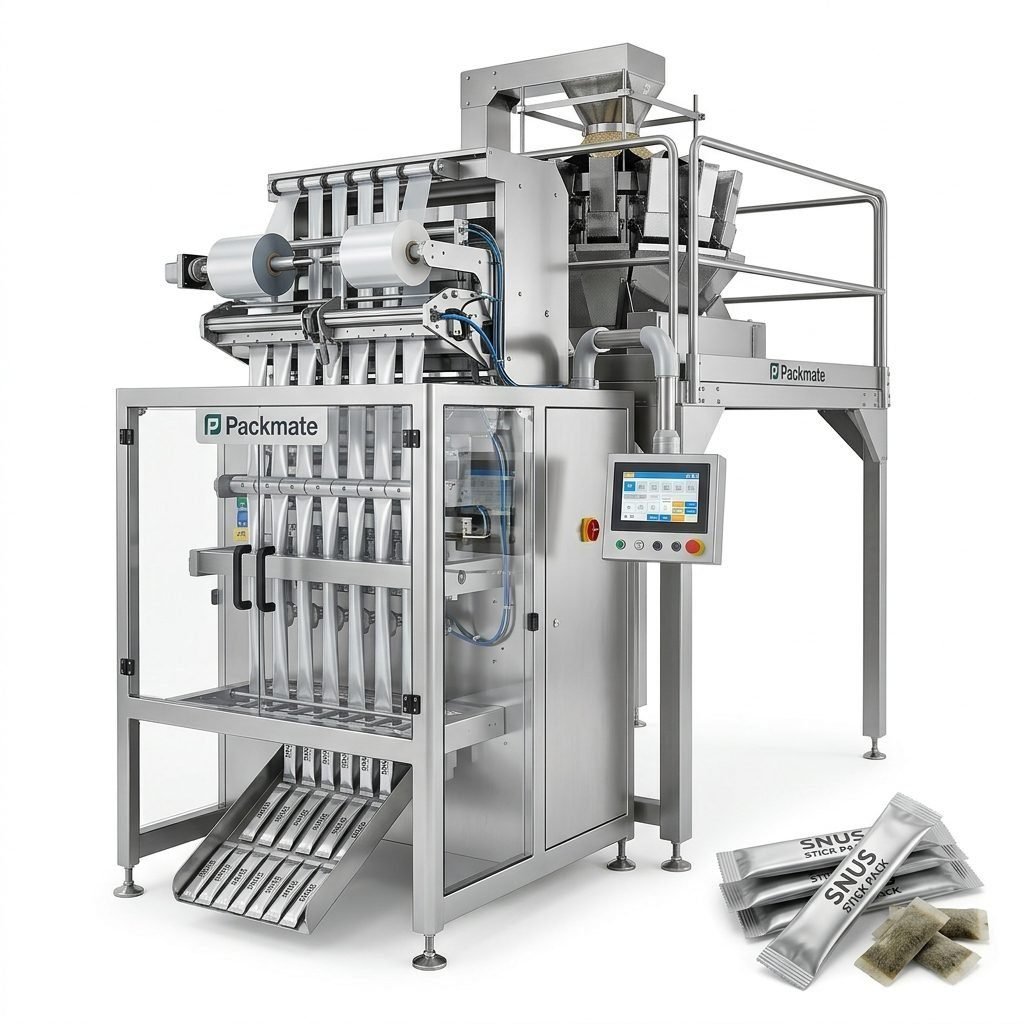
Selecting the right snus packaging machinery in Spain is a strategic decision that affects product quality, regulatory compliance, and long-term profitability. This guide walks you through practical technical, commercial, and operational considerations so you can confidently choose a machine or a full production line that fits your snus or nicotine pouch business needs.
Why the Right Machine Matters for Snus & Nicotine Pouches
Snus and nicotine pouches require precise dosing, gentle handling, and reliable sealing to ensure shelf life and consistent consumer experience. Choosing the wrong equipment can lead to wasted material, frequent downtime, non-compliance with local regulations, and hidden costs. Focus on machines that deliver consistent pouch weight, reliable sealing, and scalable throughput.
✔️
Key impact areas:
production yield, regulatory compliance (CE/ISO), operator safety, and total cost of ownership.
1. Understand Product Requirements First
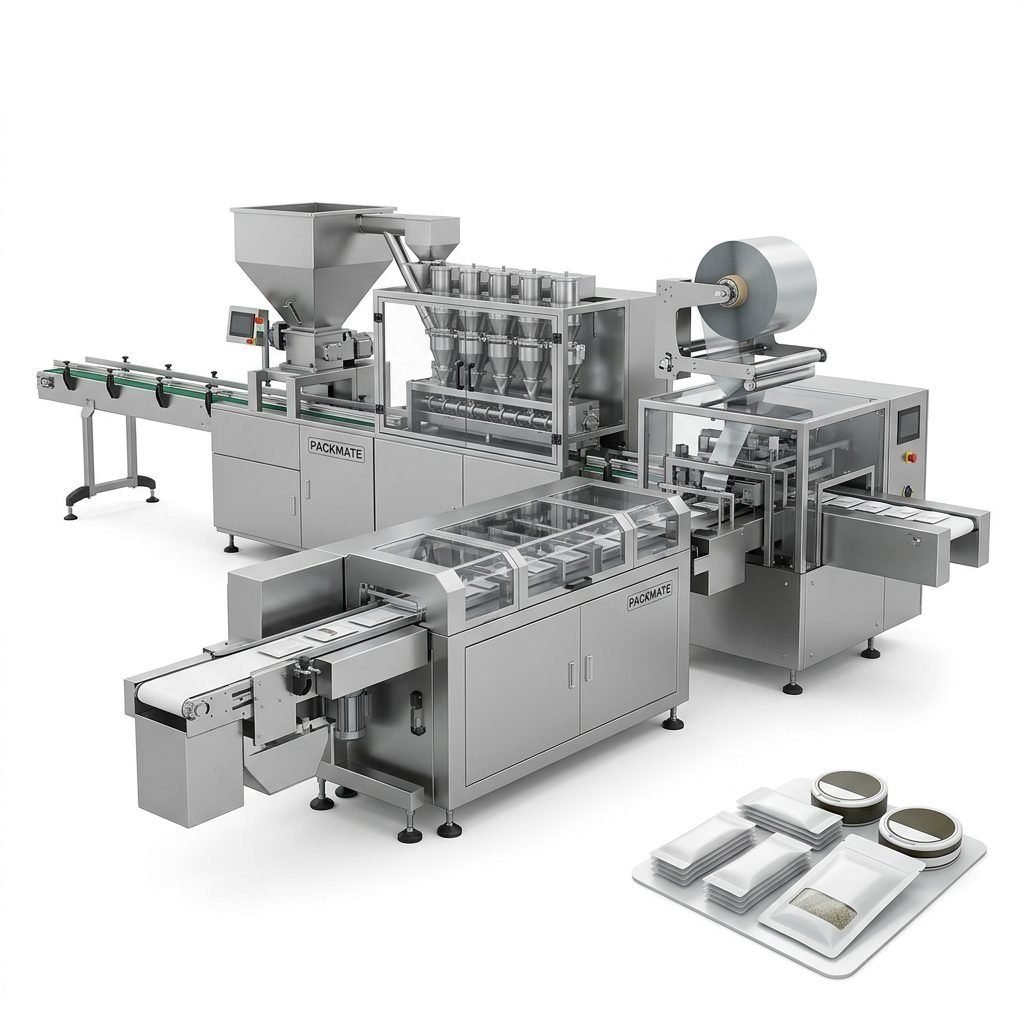
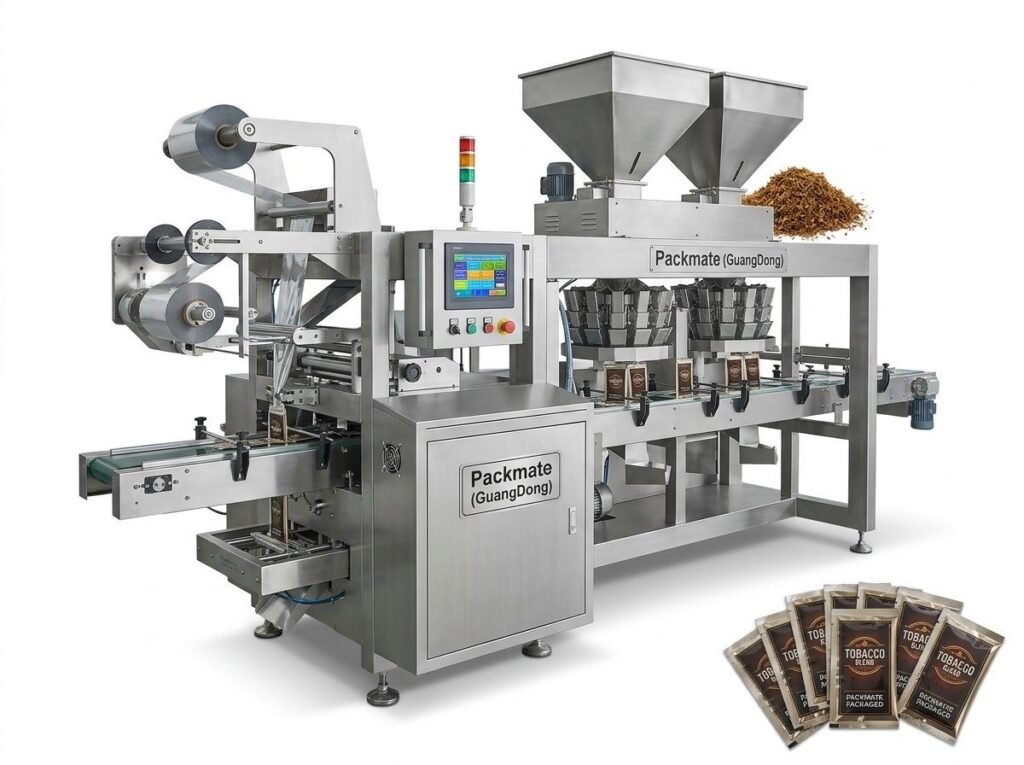
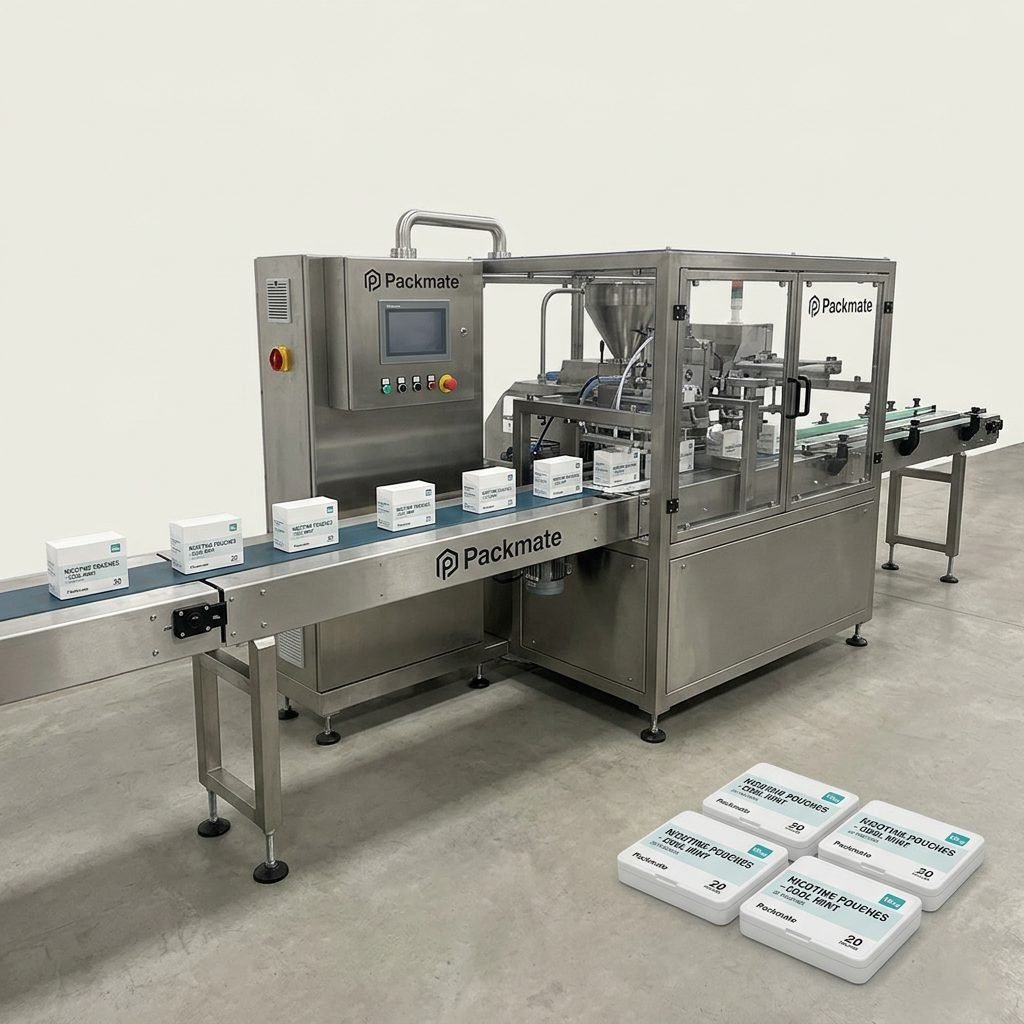
Before comparing models, document your product profile: pouch size, average dose, moisture sensitivity, filler type (powder, granule), and desired finish (matte, glossy). Machines for nicotine pouches and snus are available in many formats — single-lane sachet, stick packs, and high-speed multi-lane systems. For a product overview and machine examples, review the Snus & Nicotine Packaging Machines range.
2. Choose the Right Machine Type
Consider these typical categories:
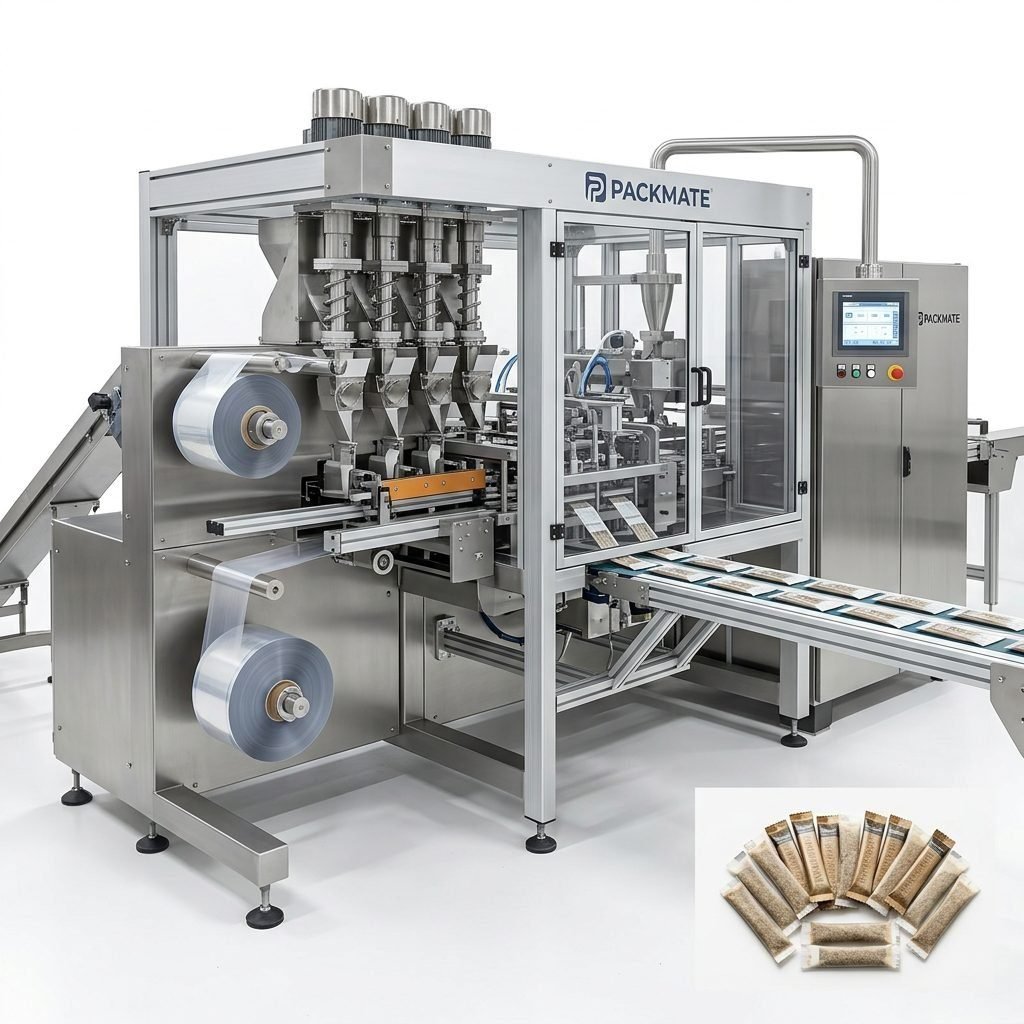
🔹 Stick Pack Machines — ideal for single-portion pouches with high-speed output and compact footprint.
🔹 Sachet & Stick Pack Machines — flexible formats for various pouch shapes; view detailed models at Sachet & Stick Pack Machines.
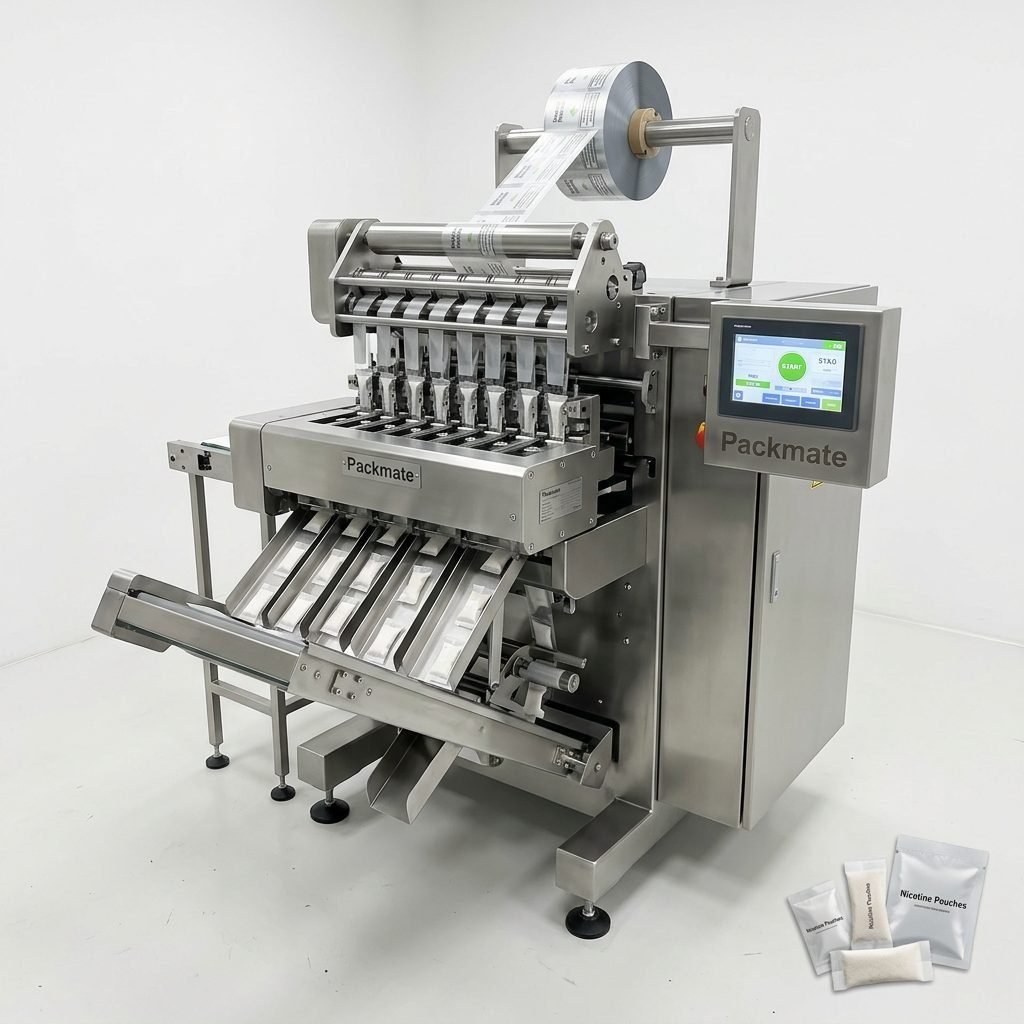
🔹 Multi-lane Systems — suited for scaled production of small-dose pouches (higher capital, lower unit cost).
🔍 Tip: If you expect rapid growth, prioritize machines that support multi-lane expansion or modular upgrades.
3. Performance Metrics: Speed, Accuracy, and Uptime
Technical specs to compare:
• Throughput (pouches/min) — ensure rated speed is achievable with your product; manufacturer test protocols should be transparent.
• Dosing Accuracy (mg) — target tighter variance for regulated nicotine products to avoid compliance risks.
• Mean Time Between Failures (MTBF) and serviceability — ask for real-world uptime references from existing customers.
4. Materials Compatibility & Packaging Films
Ensure the machine supports the film types (mono-layer, multi-layer barrier, compostable films) and grammages you plan to use. Sealing temperature control, seal length, and cutting accuracy are critical for nicotine products where barrier properties matter.
5. Regulatory Compliance and Certifications
For Spanish and EU markets, CE marking and ISO certification demonstrate basic regulatory alignment. Ask vendors for CE/ISO certificates, safety drawings, and electromagnetic compatibility documentation. Packmate’s machines comply with international standards — check company credentials at Certificate and learn about the company at About Packmate.
⚠️ Red flag: Vendors that cannot provide traceable certification or refuse a factory acceptance test (FAT) should be treated cautiously.
6. Factory Capability and Manufacturing Standards
A supplier’s factory tells you about build quality and capacity. Key indicators include advanced CNC machining centers, precision assembly lines, and strict quality control. Packmate operates a 20,000㎡ facility with 50+ machine models and full turnkey solutions — a useful benchmark when vetting suppliers.
7. Installation, Commissioning, and After-Sales Service
Confirm what the supplier includes: on-site installation, commissioning, staff training, spare parts kit, and remote support. Service response time in Spain or nearby Europe is crucial to minimize downtime. Also check warranty terms and options for extended support contracts.
If the vendor offers local European service partners or has participated in relevant trade shows, that often indicates a mature service network. See exhibition info at Our Exhibition.
8. Total Cost of Ownership (TCO) and Return on Investment
Purchase price is only part of the equation. Build a simple TCO model including:
• Capital expense and financing costs
• Consumables and spare parts consumption
• Energy consumption and utility footprint
• Labor requirements for operation and maintenance
• Expected lifecycle and resale value
💡 Practical calculation: even if a multi-lane system costs more initially, its lower labor and higher throughput can reduce unit cost significantly over 2–4 years.
9. Supplier Evaluation Checklist
When narrowing potential suppliers, ask for:
• Detailed performance data and FAT reports
• Customer references in similar industries and regions — request contactable case studies (see supplier Case page).
• Spare parts availability and lead times in Europe
• Clarity on delivery timeline, transport, and installation responsibilities
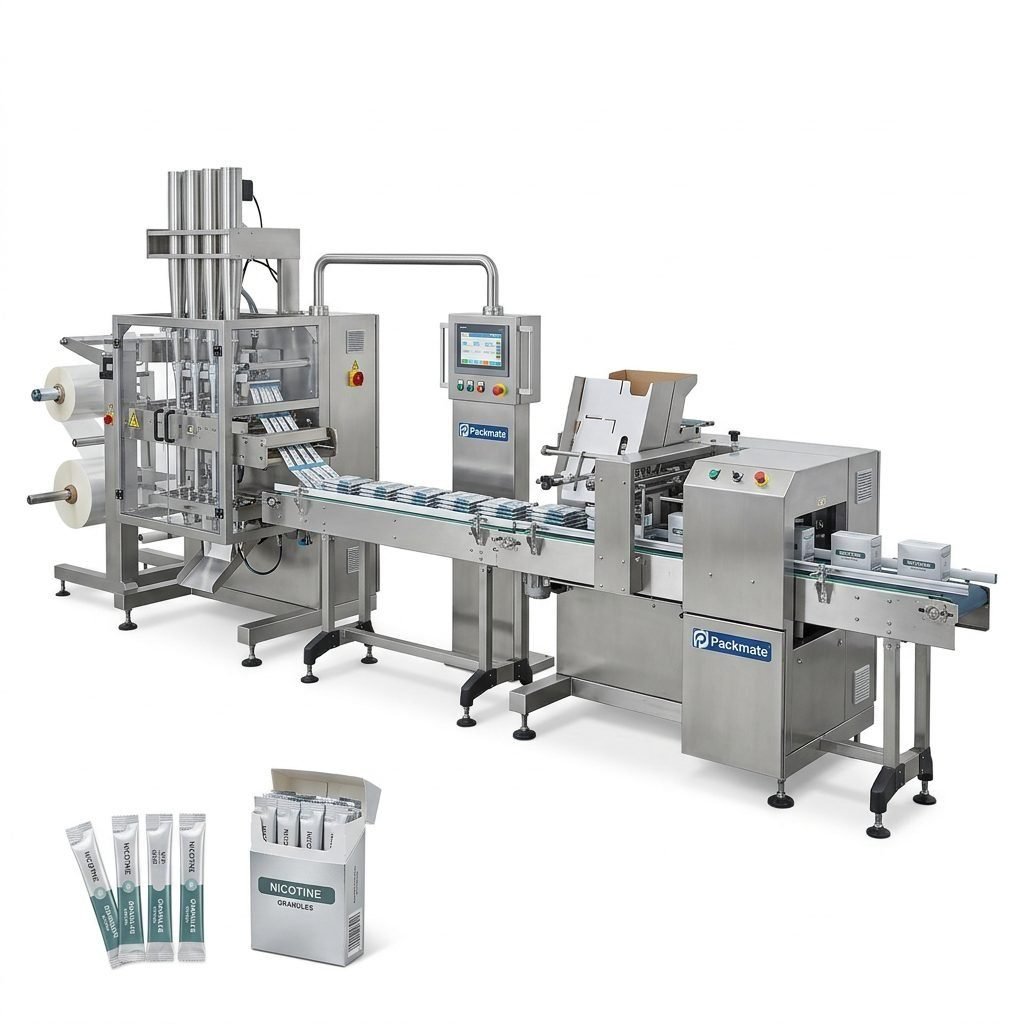
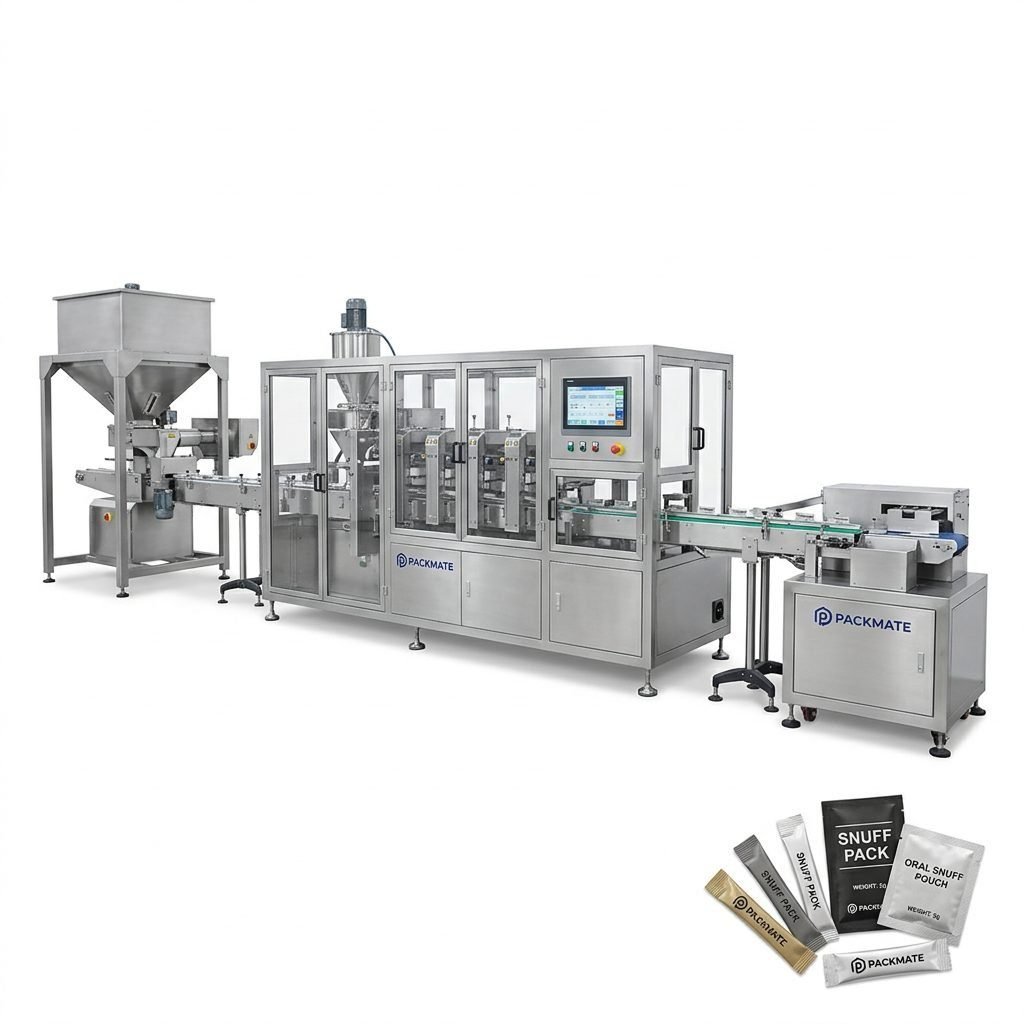
• Options for customization and turnkey solutions for integrated Filling & Packaging Lines.
10. Site Planning, Utilities & Integration
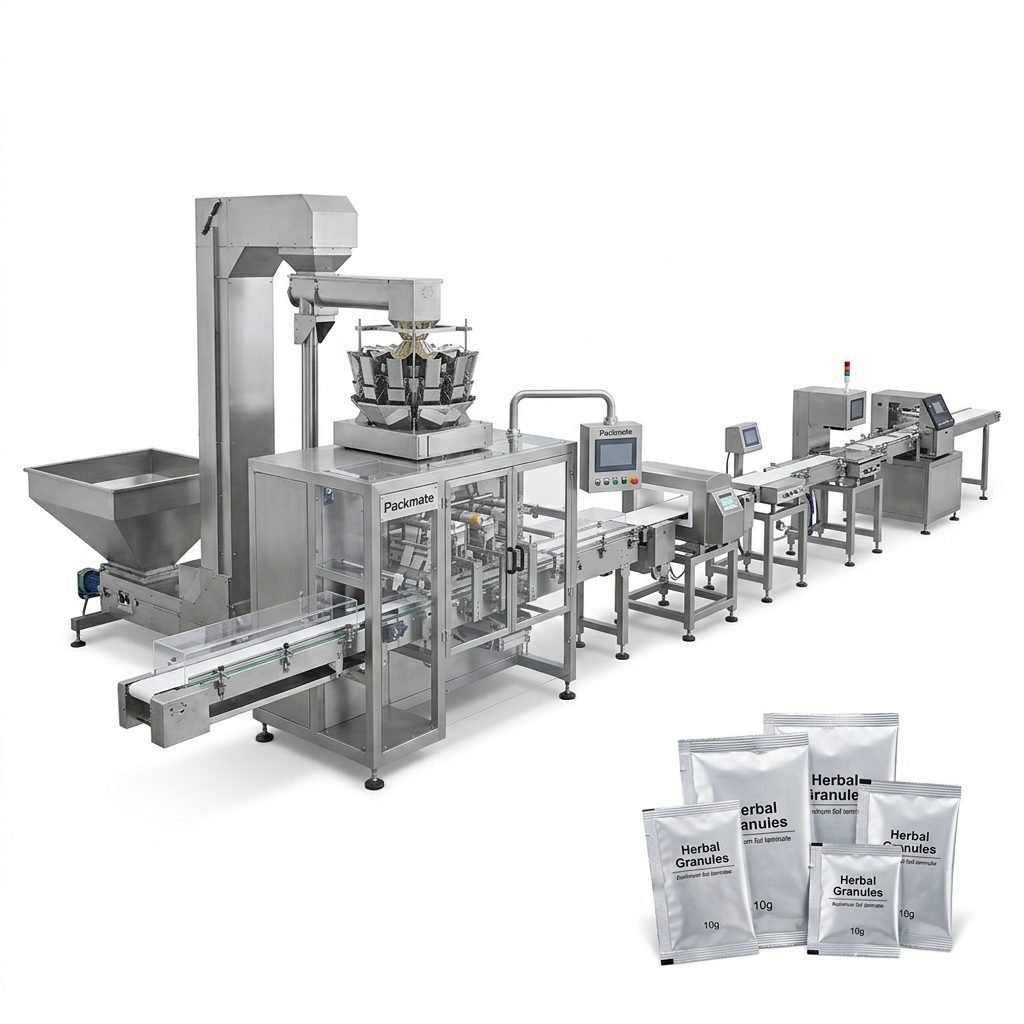
Share a simple layout of your production area with vendors. Machines need electrical supply, compressed air, exhaust/filtration for dusty powders, and space for material handling. Confirm footprint, access for maintenance, and safety zones. Also plan upstream and downstream integration: weighing, metal detection, cartoning, and case packing.
11. Future-Proof Features to Look For
Industry 4.0 ready features such as remote diagnostics, HMI with recipe management, PLC-based control, and modular mechanical design will extend machine life and ease scaling. Prioritize suppliers that offer software updates and secure remote support pathways.
📞 Next step: request a proposal that clearly lists machine performance with your product sample and a FAT plan. If you want direct contact, use the supplier Contact Us page.
Real-World Example: Multi-Lane Small-Dose Production
For manufacturers aiming at retail nicotine pouches with small portion weights, multi-lane systems provide high throughput with accurate dosing. Packmate and similar suppliers have decades of design experience and can deliver multi-lane lines that include synchronized dosing, film unwinding, forming, sealing, vision inspection, and downstream counting/boxing. Request performance certificates and on-site demos to verify claims.
Procurement & Contract Tips
Ensure the purchase contract includes acceptance criteria, FAT/Test protocol, delivery milestones, penalties for missed delivery, and clear after-sales KPIs (response time, spare parts lead time). Consider including a spare parts basket and escalation contact list in the contract.
✅ Checklist before signing: FAT acceptance criteria, site readiness confirmation, trained operator handover, spare parts list, and warranty terms.
Conclusion
Choosing the best snus packaging machinery in Spain requires balancing technical fit, supplier capability, compliance, and commercial terms. Prioritize machines with proven dosing accuracy, reliable sealing for barrier films, clear service paths, and a transparent FAT/commissioning plan. A well-chosen machine will reduce waste, increase uptime, and support your product’s market success.
Frequently Asked Questions
Q1: How do I validate machine performance before purchase?
Ask for a factory acceptance test (FAT) with your product sample, a video of the machine running at rated speed, and references from customers running similar products. Verify dosing accuracy, sealing quality, and downtime statistics.
Q2: What certifications are essential for EU/Spain operations?
CE marking and ISO management system certificates are baseline requirements. Also check electromagnetic compatibility and safety documentation. Suppliers should provide traceable certificates and inspection reports.
Q3: Is local after-sales support necessary?
Yes — fast local or regional support minimizes downtime. If the supplier does not have local representation, ensure they offer reliable remote diagnostics, reasonable spare parts lead times, and clear escalation procedures.
Q4: Can I upgrade a single-lane machine to multi-lane later?
Some manufacturers design modular platforms that allow lane expansion; confirm upgrade feasibility and cost during procurement. Modular multi-lane systems are more future-proof but require higher initial investment planning.
Q5: Where can I see real equipment and demonstrations?
Visit supplier exhibition events or request on-site demos and video trials. Many vendors also provide documented case studies; see live demos and events at their exhibition page: Our Exhibition.